

Industry News
Wheel Loader Core Performance Benefits For Material Handling Tasks
Sep
Material handling is one of the most important daily tasks in construction, road building, quarrying, agriculture, recycling, mining support, and industrial yards. When large quantities of soil, gravel, sand, aggregates, waste, or other bulk materials need to be moved repeatedly, equipment productivity can have a direct impact on project costs and delivery schedules.
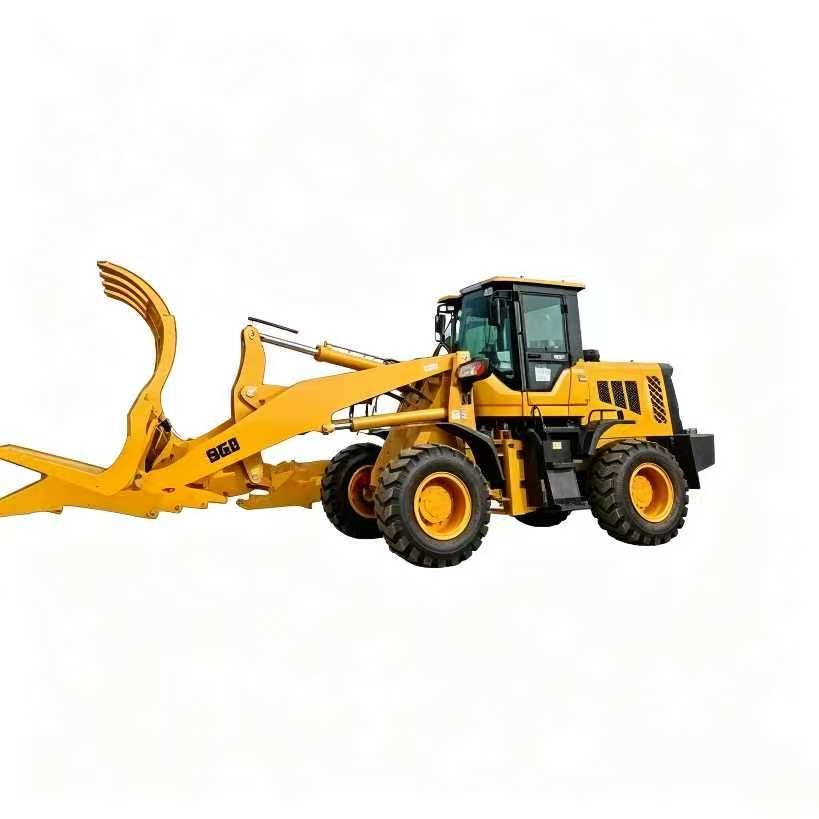
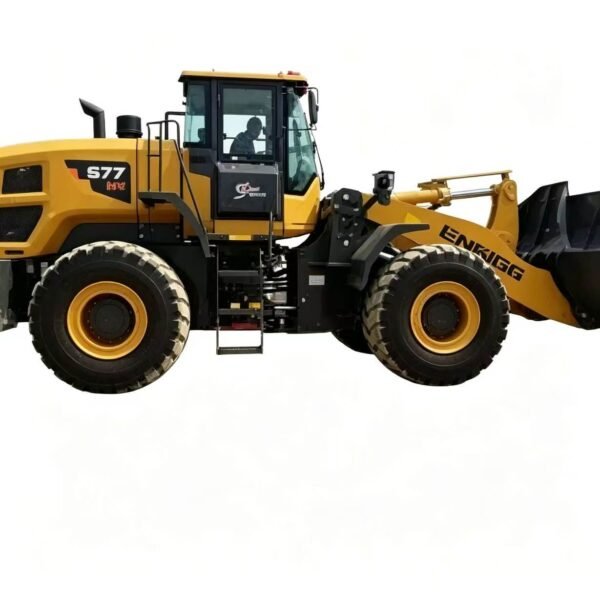
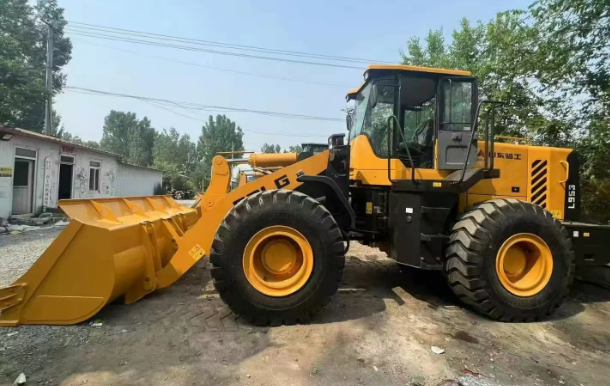
A wheel loader is designed around this type of work. Its combination of a front mounted bucket, strong lifting capability, articulated steering, traction, and relatively fast movement makes it suitable for loading trucks, feeding production equipment, building stockpiles, clearing working areas, and transporting material across short distances.
However, choosing a wheel loader should not simply be based on engine power or bucket size. The most useful machine is the one that matches the material, workload, site layout, loading height, operating conditions, and expected working hours.
Understanding the core performance benefits can therefore help contractors and equipment buyers make a more practical purchasing decision.
High Productivity for Repetitive Material Handling
One of the biggest advantages of a wheel loader is its ability to perform repeated loading cycles efficiently. Instead of relying on manual labor or equipment that is primarily designed for other tasks, a wheel loader can scoop material, lift it, transport it over a working distance, and discharge it into a truck, hopper, stockpile, or designated area.
This becomes particularly valuable when the same material handling task is repeated throughout an entire shift.
For example, a construction company may need to load aggregate into dump trucks continuously. A quarry may need to move processed material from a stockpile to a screening or crushing system. An agricultural operation may use a loader for feed, grain, soil, or other bulk materials.
In each case, productivity depends on the complete working cycle rather than one specification. Bucket fill, loading height, travel distance, maneuverability, and operator efficiency all contribute to the actual amount of material moved per hour.
Bucket Capacity Should Match the Material
Bucket capacity is one of the first specifications buyers usually compare, but a larger bucket is not automatically better.
Material density has a major influence on how much weight the machine is carrying. Loose and lightweight materials may be suitable for a larger volume bucket, while dense aggregates or other heavy materials require closer attention to rated payload and machine stability.
Buyers should therefore consider both volume and weight. A practical evaluation starts with questions such as how many tons need to be moved per hour, how much material is handled in each cycle, what type of material is being moved, and how many passes are required to load the target truck.
The relationship between rated load, tipping load, material density, and bucket size is important when selecting the machine. Industry guidance commonly recommends sizing the bucket around the actual rated load and material density rather than choosing the largest available bucket.
For buyers, this means the correct bucket is the one that helps the machine achieve the required production rate without unnecessarily increasing operating stress.
Strong Lifting and Loading Performance
Wheel loaders are particularly valuable when material must be lifted and placed into trucks, hoppers, bins, or elevated stockpiles.
Lifting performance depends on more than engine horsepower. Rated operating capacity, tipping load, hydraulic performance, lift geometry, and machine configuration all affect how effectively the loader can handle material.
This is especially important when loading high sided trucks or elevated equipment. A machine that performs well near ground level may not provide the same practical capacity at maximum lift height.
Before purchasing, buyers should identify the required dump height and load weight. If the loader will regularly work with high sided trucks or elevated hoppers, the lifting configuration should be evaluated carefully.
This simple step can prevent a common purchasing mistake where a machine has sufficient bucket volume but does not provide the required working height or load capability.
Traction and Stability Improve Working Efficiency
Material handling often takes place on uneven, loose, wet, or compacted ground. Under these conditions, traction and stability can directly affect productivity.
A wheel loader with appropriate operating weight and tire configuration can maintain better control while entering material piles, carrying loaded buckets, and traveling between loading and dumping locations.
Stability is also closely connected to safe material handling. Buyers should consider the machine’s rated operating capacity and tipping characteristics instead of assuming that maximum lifting capability represents the recommended working load. Published manufacturer guidance emphasizes using rated load as a practical starting point when evaluating safe working capacity.
The goal is to select a machine that can handle normal loads comfortably rather than operating continuously at the edge of its capability.
Fast Movement Can Improve the Entire Work Cycle
Wheel loaders are not only loading machines. Their ability to move efficiently between work points is another major advantage.
On a busy jobsite, the loader may repeatedly travel between a material pile and a dump truck, hopper, storage area, or processing machine. When these travel distances are short enough, the loader can perform loading and transport within one integrated cycle.
However, buyers should not evaluate travel speed in isolation. Actual productivity also depends on turning space, site traffic, ground conditions, operator visibility, attachment configuration, and the distance between work areas.
A faster machine is not necessarily more productive if the site is too congested to use that speed effectively. The better approach is to match machine mobility to the actual layout of the workplace.
Hydraulic Performance Expands Machine Versatility
A wheel loader can become more useful when equipped with the right attachments.
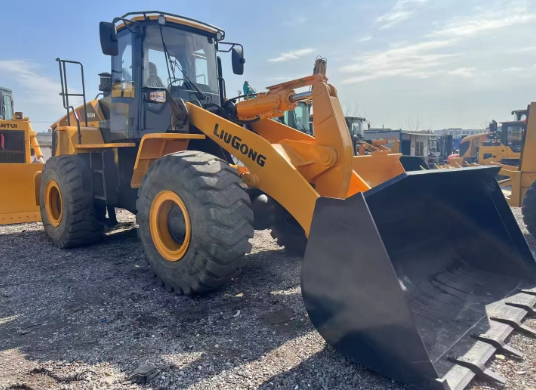
Depending on the machine configuration, attachments may allow operators to handle different types of material or perform additional site tasks. Forks can support pallet handling, while specialized buckets can be selected for particular materials or working conditions.
Hydraulic performance becomes important when using hydraulic powered attachments. Buyers should check hydraulic flow, pressure, auxiliary controls, attachment compatibility, and cooling requirements before making a final decision.
This is particularly relevant for businesses that want one wheel loader to perform several types of work.
Instead of purchasing equipment based only on the current project, consider how the machine may be used over the next several years. A suitable attachment strategy can increase utilization and improve the value of the equipment.
Operator Comfort Can Affect Daily Productivity
Material handling often involves hundreds of repeated cycles during a working shift. Operator comfort should therefore be considered a productivity factor rather than simply a convenience feature.
Good visibility can help the operator position the bucket accurately, monitor nearby workers and equipment, and move more confidently through the site.
Controls that are easy to understand can also reduce unnecessary operator effort. A comfortable cab, practical seat position, useful visibility, and logical control layout can contribute to more consistent operation over long working periods.
When comparing machines, buyers should consider arranging an actual demonstration whenever possible. Specifications can narrow down the choices, but an operator’s experience inside the cab can reveal practical differences that are difficult to understand from a brochure.
Fuel Efficiency and Operating Cost Matter More Over Time
The purchase price is only one part of the financial decision. A wheel loader may operate for thousands of hours over its service life, so fuel consumption, tire wear, maintenance requirements, downtime, and parts availability can have a significant impact on total ownership cost.
This is why buyers should calculate expected working hours and estimate the cost of operating the machine under their actual workload.
A machine that is unnecessarily large may consume more resources than required. At the same time, a machine that is too small may require more loading cycles, increasing working time and potentially reducing the productivity of trucks and other equipment.
The best choice is usually the machine that delivers the required output with an appropriate level of capacity, rather than simply the machine with the highest specification.
Choosing the Right Wheel Loader for Your Application
Before requesting quotations, buyers can prepare a simple equipment requirement list.
Start with the material. Identify its typical density, whether it is loose or compacted, and whether the machine will handle one primary material or several types.
Next, calculate the required production rate. Consider tons per hour, expected daily operating hours, loading cycle, travel distance, and truck capacity.
Then evaluate the physical site. Check available working space, turning areas, ground conditions, loading height, stockpile height, and access routes.
Finally, consider future use. If the machine may later be used for pallet handling, agricultural work, snow removal, waste handling, or other applications, attachment compatibility and hydraulic capability should be included in the purchasing decision.
This approach creates a much more useful specification than simply asking for a wheel loader with a certain horsepower.
Why Consider THBSMN When Sourcing a Wheel Loader
For businesses looking for construction equipment for material handling applications, THBSMN can be considered as a supplier when sourcing wheel loaders and other construction machinery.
THBSMN, operated by Jinan Tonghao Construction Machinery Sales Co., Ltd., offers new and pre owned construction machinery and includes loaders within its product range. Its equipment lineup covers different types of construction machinery, allowing buyers to discuss machine requirements according to their project needs.
For buyers sourcing equipment internationally, it can be particularly useful to provide detailed information about the intended application before requesting a quotation. Material type, required bucket capacity, working hours, lifting height, preferred machine condition, destination, and expected delivery schedule can all help the supplier recommend a more suitable configuration.
A supplier consultation should focus on matching the equipment to the actual job rather than simply selecting a machine from a product list.
A Practical Checklist Before Purchase
Before finalizing a wheel loader purchase, buyers should confirm several points.
Check the rated operating capacity and tipping load for the exact machine configuration. Confirm the bucket capacity and whether the bucket is suitable for the material being handled.
Review dump height, operating weight, tire configuration, hydraulic specifications, travel capability, and turning requirements.
For a pre owned machine, request available maintenance information, operating history, machine condition details, inspection information, and supporting photographs or videos where appropriate.
Also confirm the availability of replacement parts, technical support, shipping arrangements, warranty terms when applicable, and documentation required for import or local operation.
Most importantly, make sure the machine is evaluated against the real workload rather than a generic specification sheet.
The core performance benefits of a wheel loader come from its ability to combine loading, lifting, short distance transport, and material placement into an efficient working cycle.
For contractors and equipment buyers, the best purchasing decision starts with the job rather than the machine. Material density, required production, bucket capacity, rated load, lifting height, site conditions, mobility, hydraulic capability, operator comfort, fuel consumption, and maintenance all deserve consideration.
A properly matched wheel loader can help reduce unnecessary handling time, improve material flow, support other equipment, and make daily operations more predictable.
Whether purchasing new equipment or considering pre owned machinery, taking the time to define the actual workload will make supplier discussions more productive and help ensure that the final machine is capable of delivering practical value throughout its working life. For buyers considering different equipment options, THBSMN can be a useful supplier to contact and discuss a wheel loader configuration based on the specific material handling requirements.