

Industry News
Buy Used Excavator Access Cost Efficient Equipment For Job Sites
Sep
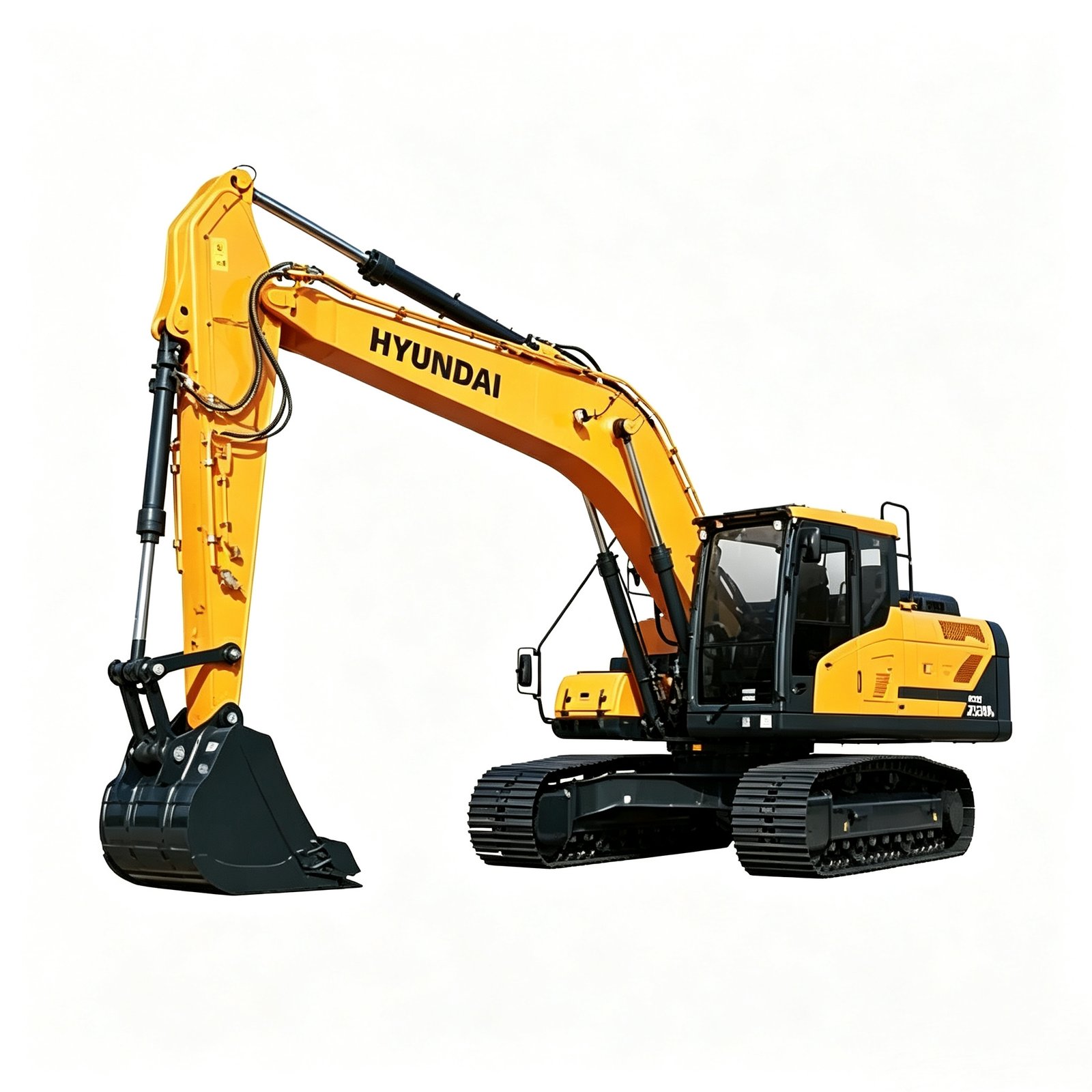
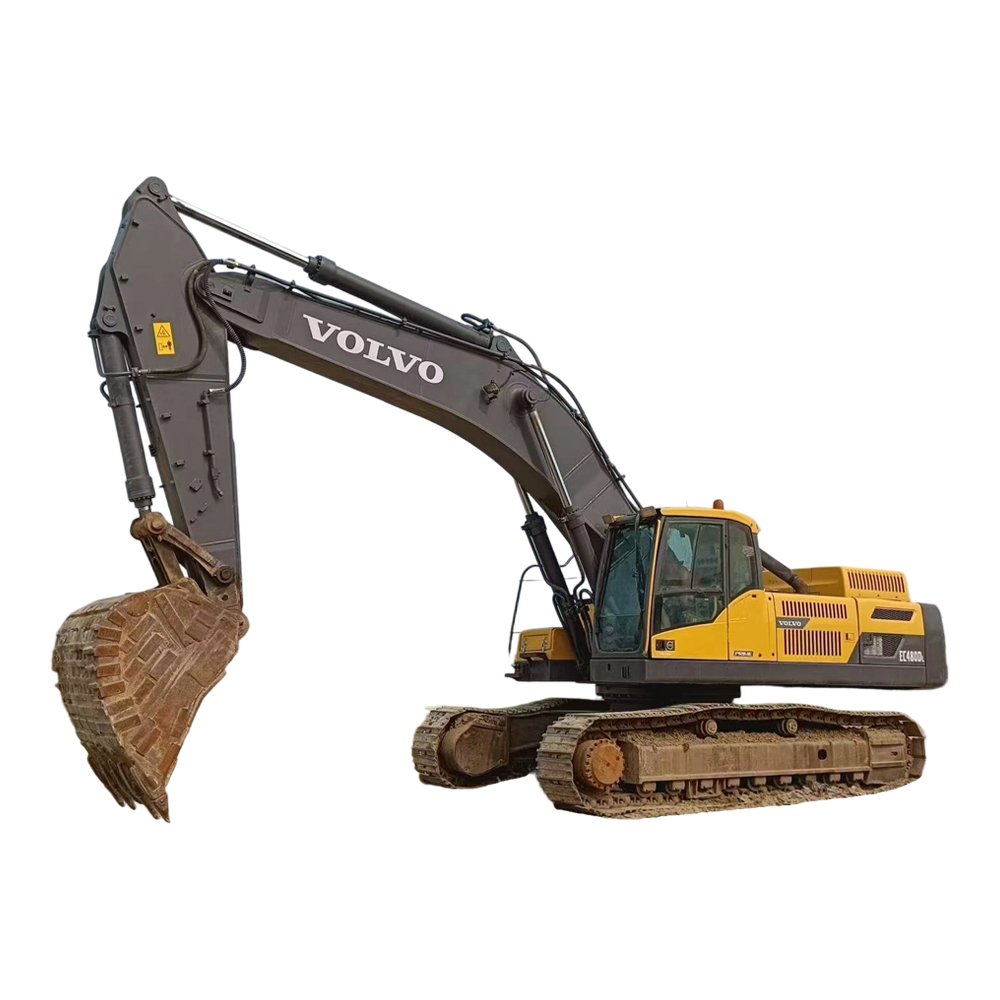
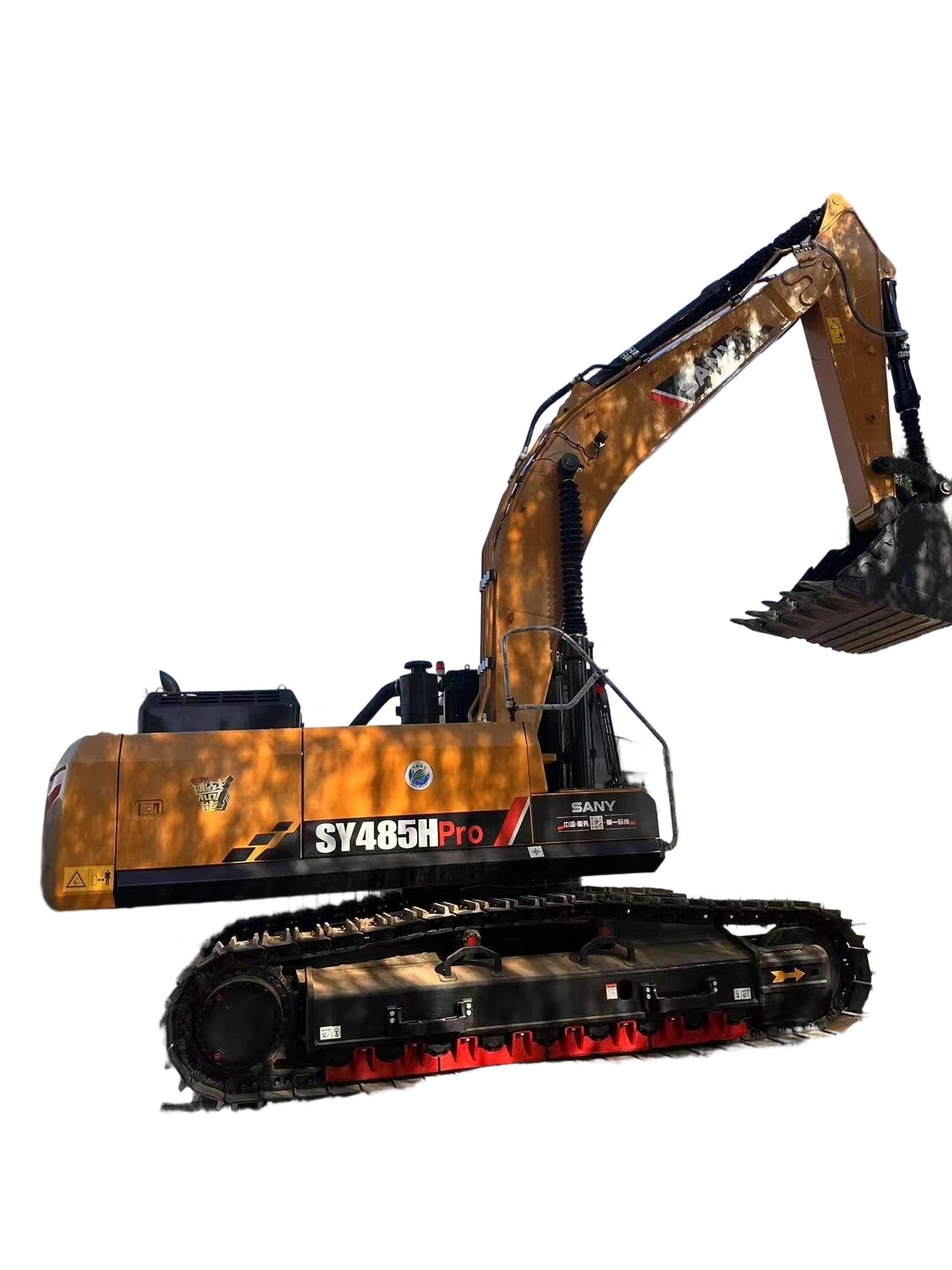
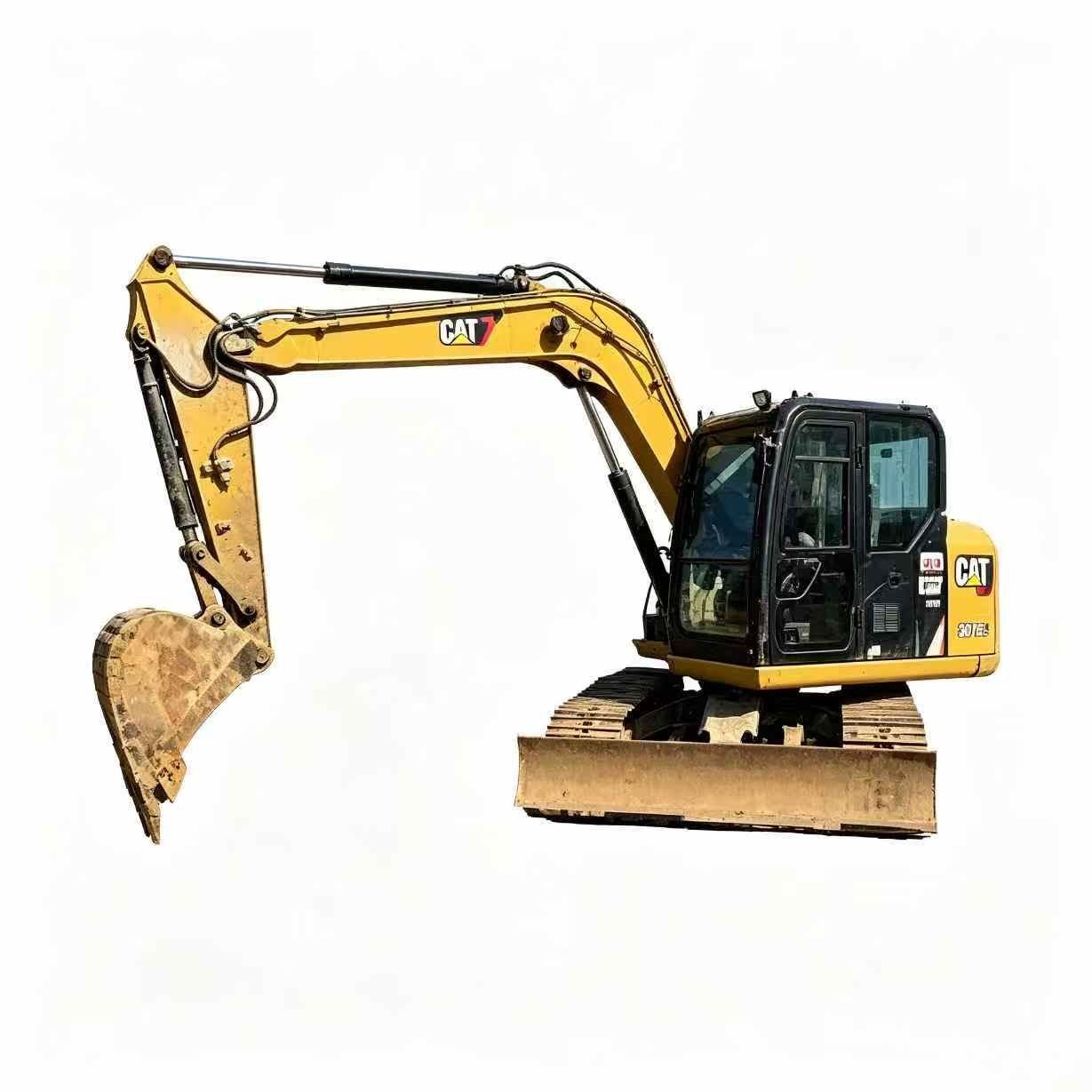
For contractors, construction companies, landscapers, farmers, and property developers, an excavator can be one of the most useful machines on a job site. It can handle digging, trenching, grading, material handling, site preparation, demolition, and many other tasks. However, purchasing a new excavator is not always necessary, especially when the machine will be used for specific projects or when a company needs to control its equipment investment.
Buying a used excavator can provide a practical way to access capable construction equipment while keeping the initial investment more manageable. The key is not simply finding the lowest priced machine. A successful purchase depends on matching the excavator with the actual job requirements and carefully evaluating its condition, operating costs, specifications, and long term value.
Start With the Job You Need to Complete
Before looking at used excavators, determine exactly what the machine will be expected to do.
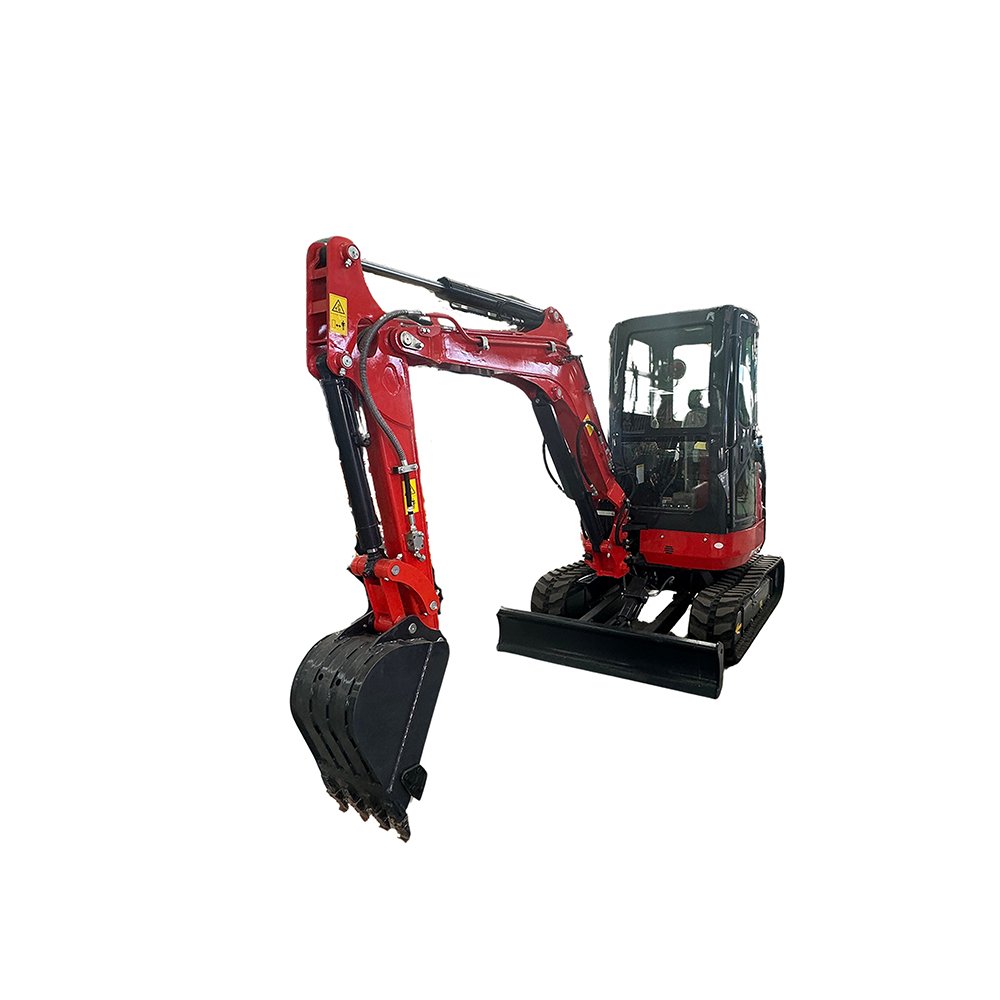
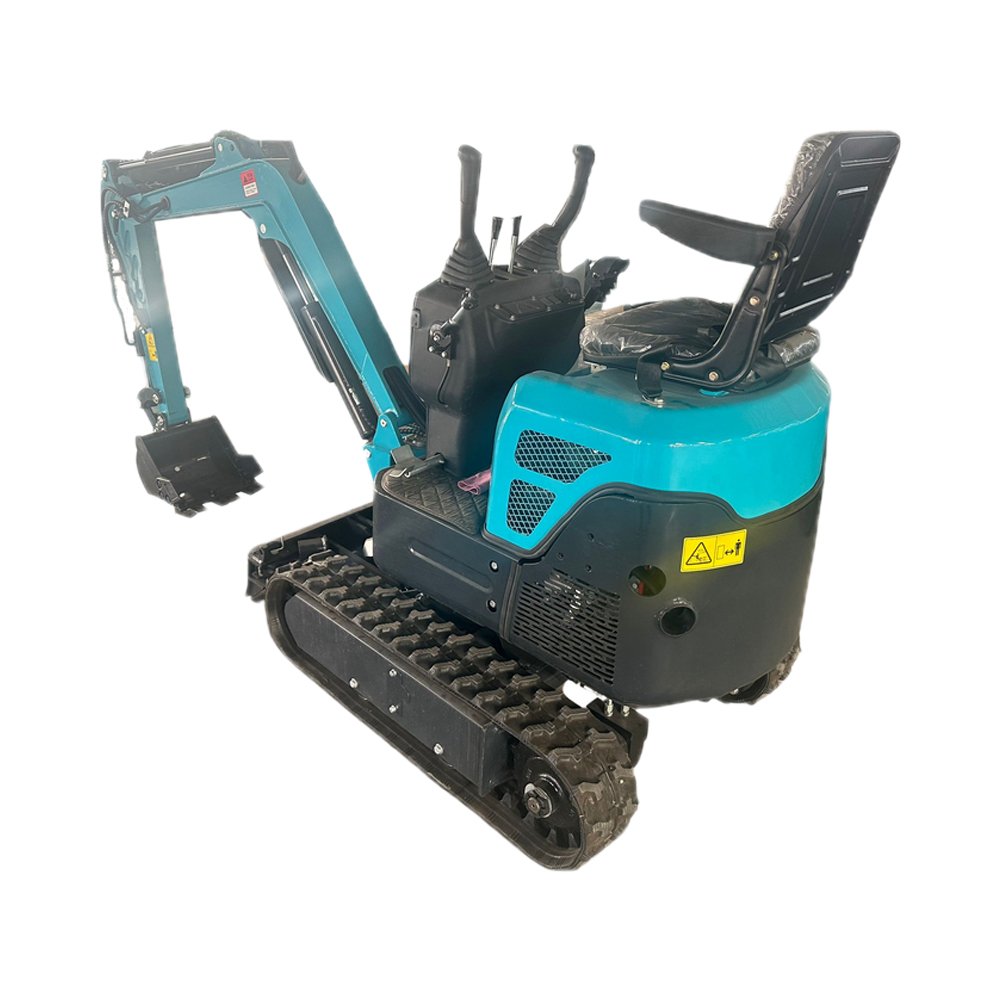
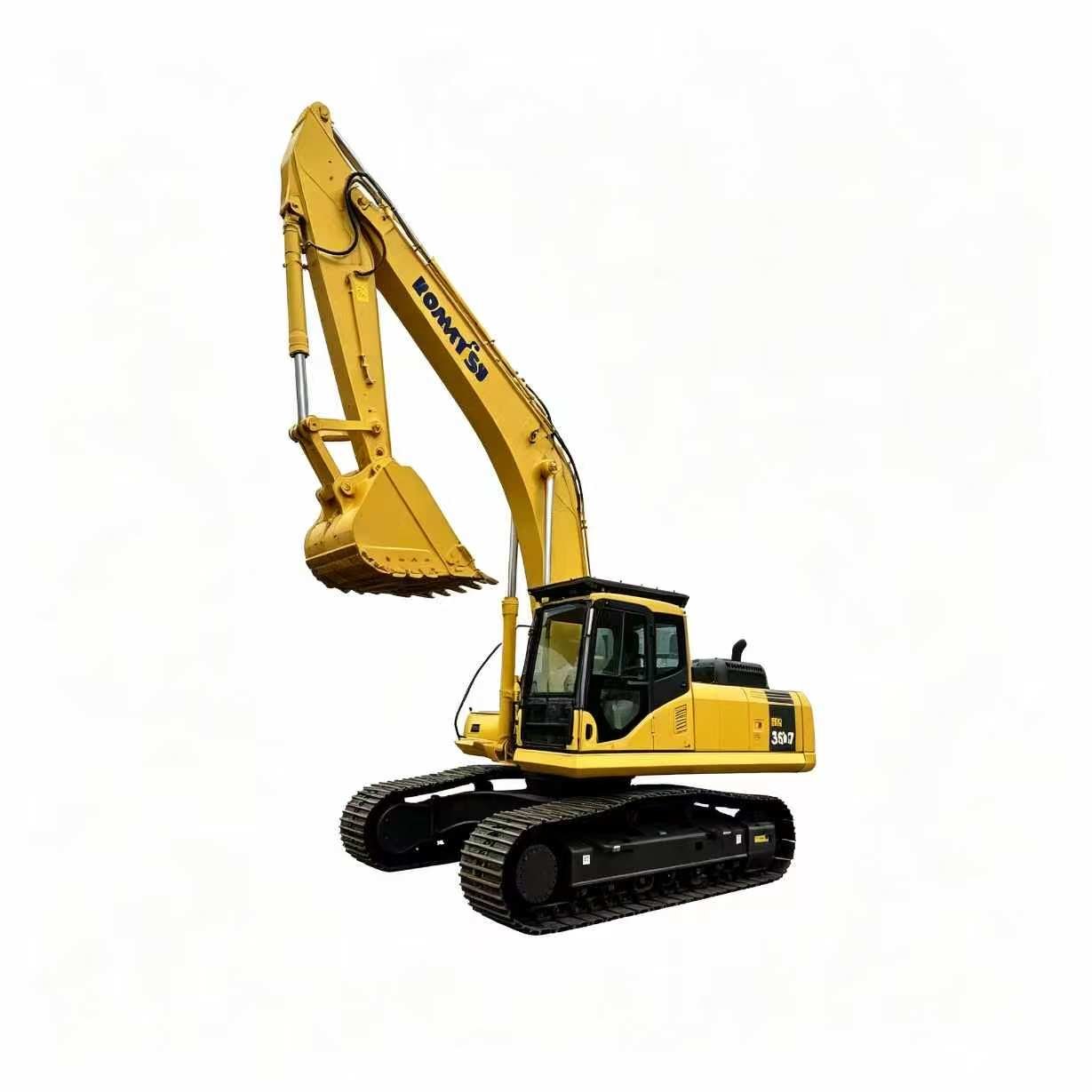
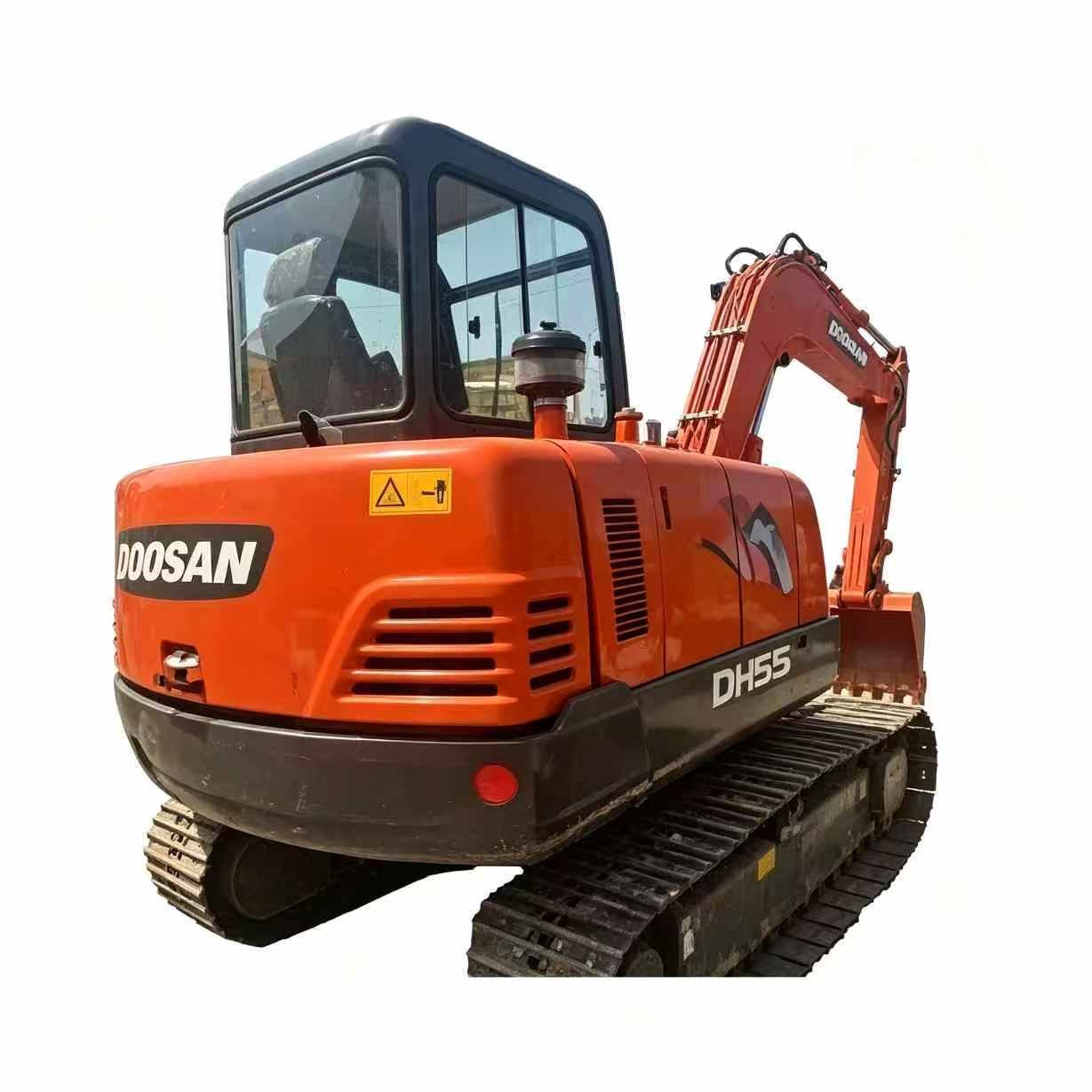
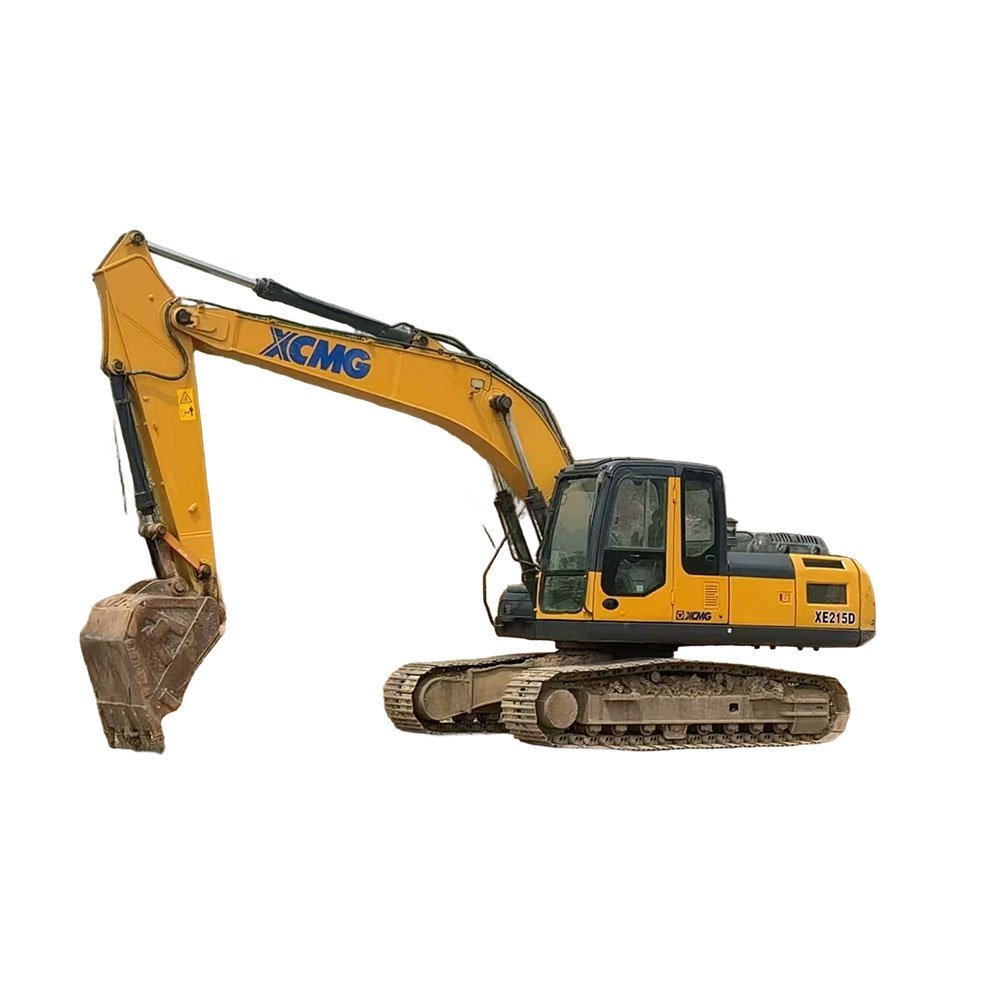
A compact excavator may be suitable for residential landscaping, utility work, drainage projects, and jobs where access is limited. A larger excavator can provide greater digging depth, lifting capability, and productivity for larger construction sites.
Think about the typical tasks rather than choosing a machine based only on its size. If the excavator will mainly dig narrow trenches, working weight and overall width may be more important than maximum horsepower. If it will frequently load trucks or move heavy materials, lifting capacity and hydraulic performance become more important.
The type of ground also matters. Soft soil, clay, gravel, rocky ground, and construction debris can place very different demands on the machine.
A clear understanding of the job allows you to narrow the market before spending time comparing individual machines.
Choose the Right Size and Configuration
Excavator size directly affects productivity, transportation, fuel consumption, and accessibility.
A larger machine may complete heavy excavation work more quickly, but it also requires more transportation capacity and operating space. A compact machine can work in tighter areas and may be easier to transport between smaller job sites.
Consider the entrance width, working area, maximum digging depth, required reach, material weight, and available transportation equipment.
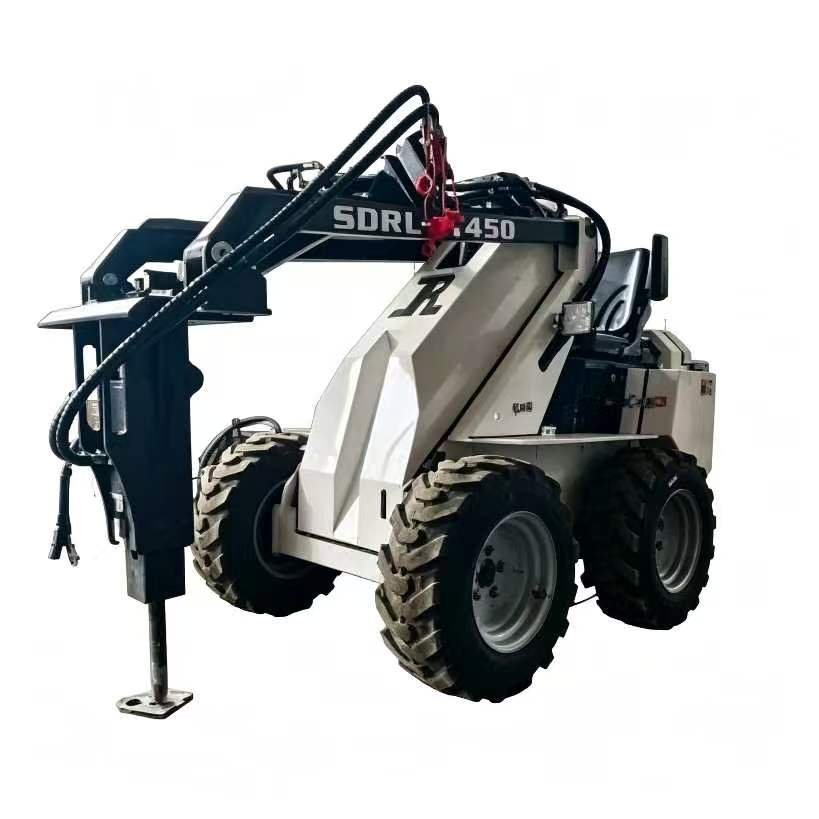
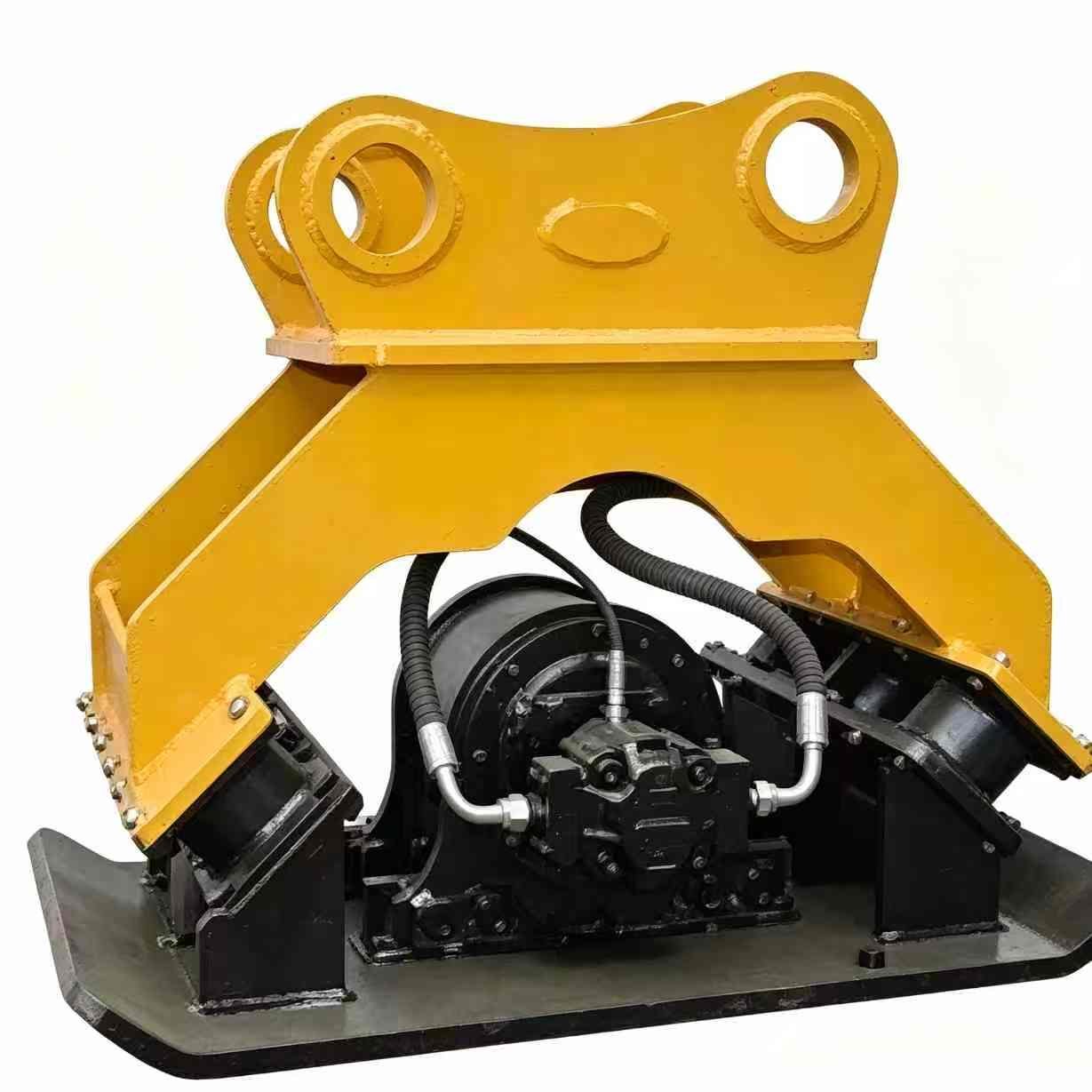
Attachments should also be part of the decision. Depending on the work, you may need different buckets, hydraulic breakers, augers, grapples, thumbs, or grading attachments.
Buying a used excavator with a configuration that already matches your work can be more practical than purchasing a machine that requires substantial additional investment before it becomes useful.
Inspect the Engine Before Making a Purchase
The engine is one of the most important components to inspect on a used excavator.
Ask for information about operating hours and maintenance history. Engine hours alone do not determine the condition of a machine, but they provide useful context when combined with service records and physical inspection.
During an inspection, pay attention to starting behavior, exhaust, unusual noises, oil leaks, coolant condition, and engine performance under operating load.
A cold start can also provide useful information. If possible, observe how the machine starts before it has been warmed up.
The goal is not simply to see whether the engine runs. You want to understand whether it operates consistently and whether there are signs that significant maintenance may be required soon.
Hydraulic System Condition Is Critical
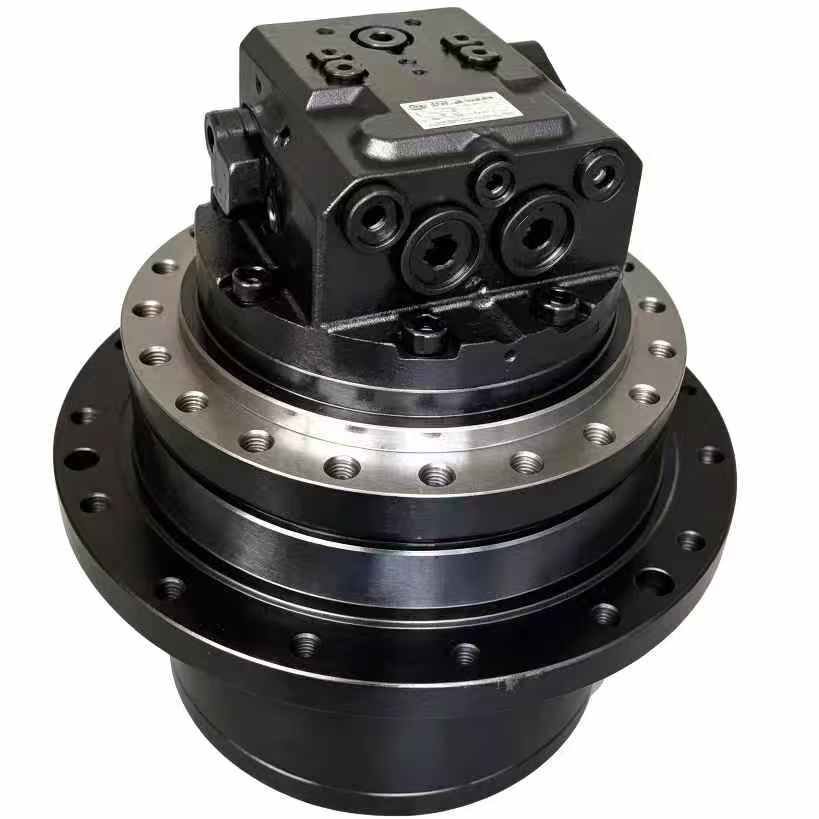
The hydraulic system controls many of an excavator’s most important functions, including the boom, arm, bucket, travel system, and other attachments.
Hydraulic problems can significantly affect productivity and operating costs, so inspect hydraulic cylinders, hoses, fittings, pumps, and connections carefully.
Look for visible leaks, damaged hoses, abnormal hydraulic noise, slow movement, inconsistent operation, or excessive heat during use.
Operate each major function through its full range when possible. Check whether the boom, arm, and bucket move smoothly and whether the machine can maintain power under normal working conditions.
For a used excavator, hydraulic performance can be more important than cosmetic appearance. A machine with an older appearance but a properly maintained hydraulic system may be more useful than a visually attractive machine that requires major mechanical attention.
Check the Undercarriage Carefully
The undercarriage is another area that can have a major impact on the value of a used excavator.
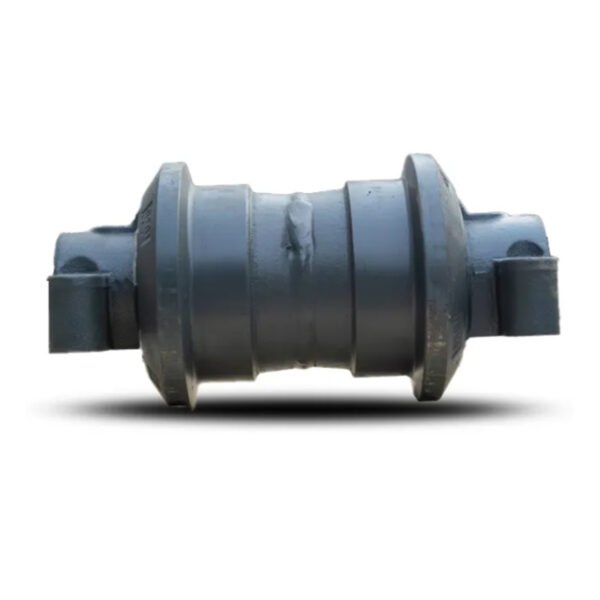
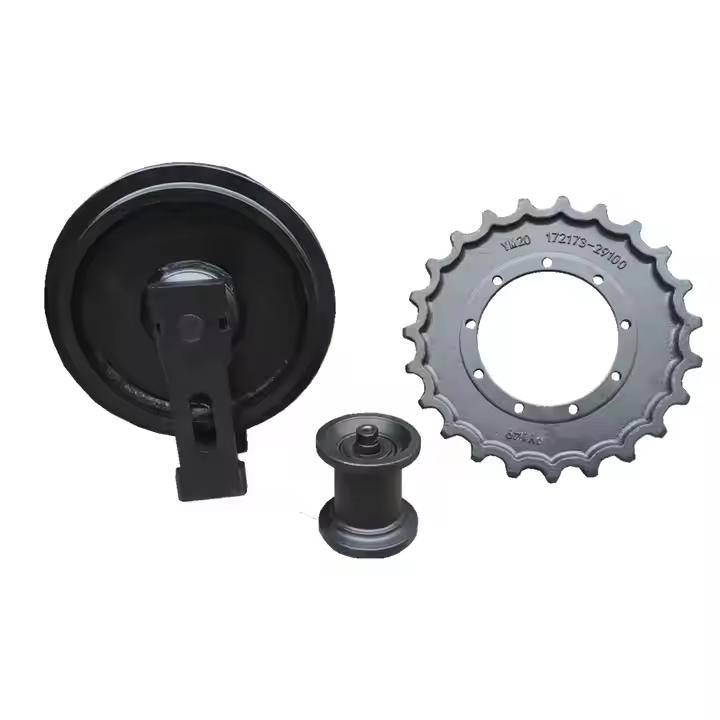
Inspect the tracks, rollers, idlers, sprockets, track chains, and related components. Excessive wear can lead to significant future maintenance costs.
Track condition is especially important for contractors who move machines between multiple sites or work on rough terrain.
Ask whether undercarriage components have been replaced previously and whether there are maintenance records available.
A professional inspection can help estimate remaining service life and identify components that may require attention. This information is valuable when comparing the actual cost of two machines with different levels of wear.
Do Not Ignore the Boom, Arm, and Bucket
The excavator’s main working structure should also be inspected carefully.
Look for cracks, unusual welds, deformation, excessive play in pins and bushings, and signs of previous structural repairs. Check whether the boom and arm move correctly and whether the bucket connects securely.
Pins and bushings are wear components, so some wear is expected on a used machine. The important question is whether the wear is within a reasonable range for the machine’s age and working history.
If the excavator has been used extensively for demanding excavation or demolition work, structural and attachment condition deserves additional attention.
Maintenance Records Can Tell You More Than Appearance
A clean and freshly painted excavator can look attractive, but appearance alone does not tell you how the machine has been maintained.
Service records can provide valuable information about oil changes, hydraulic maintenance, filter replacement, undercarriage work, engine servicing, and previous repairs.
When comparing two similar used excavators, maintenance history can help distinguish between machines that have received consistent care and machines with less documented service information.
Ideally, buyers should ask for available maintenance records and verify the machine’s identification information and operating hours.
This documentation can also help with future maintenance planning after the purchase.

Calculate the Total Cost of Ownership
The purchase price is only one part of the cost of owning a used excavator.
You should also consider transportation, inspection, insurance, routine maintenance, fuel, attachments, repairs, storage, and expected downtime.
For example, a machine that costs less initially but requires major repairs shortly after purchase may not provide the expected savings. In contrast, a well maintained machine with a reasonable purchase price may offer better value over the entire project period.
A simple way to compare options is to estimate the total expected cost over the period you plan to use the excavator.
This approach helps buyers move from asking “How much does this excavator cost?” to asking “How much will this excavator cost me to operate?”
That is a much more useful question for business planning.
Match the Machine to Your Budget and Workload
Used equipment makes the most sense when the machine’s capabilities match the amount of work you actually have.
If you only need an excavator for occasional small projects, purchasing an extremely large machine may tie up capital that could be used elsewhere.
If your company has continuous excavation work, investing in a more capable machine with suitable specifications may provide better productivity.
Consider your expected annual operating hours, average project size, transportation requirements, and future workload.
It is also useful to leave room in the budget for initial servicing after purchase. Even a well maintained used excavator may benefit from a complete inspection, fluid checks, filter replacement, and other preventive maintenance before entering a new work cycle.
Consider Attachments and Job Flexibility
One of the biggest advantages of an excavator is its ability to perform different tasks when equipped with suitable attachments.
Before buying a used machine, check hydraulic flow, attachment compatibility, quick coupler configuration, and the availability of the attachments you actually need.
For contractors, the ability to switch between buckets, breakers, augers, grapples, and other tools can increase the usefulness of one machine across multiple projects.
However, avoid paying for attachment capability that your business will rarely use. The best configuration is the one that supports your actual work.
Test the Machine Under Realistic Conditions
A used excavator should ideally be tested before the purchase is finalized.
Do not limit the evaluation to starting the engine and moving the machine a few meters. Operate the boom, arm, bucket, travel functions, and other available systems.
If possible, test the machine under a realistic workload. Pay attention to response speed, hydraulic power, control smoothness, stability, unusual sounds, and temperature.
A short operating test can reveal information that is difficult to identify from photographs or a written equipment description.
For higher value purchases, an independent mechanical inspection can also be a worthwhile investment because the cost of an inspection is small compared with the potential cost of a major repair.
Work With a Reliable Used Equipment Supplier
Finding the right used excavator can take time, especially when buyers need to compare machine condition, specifications, hours, attachments, and overall value.
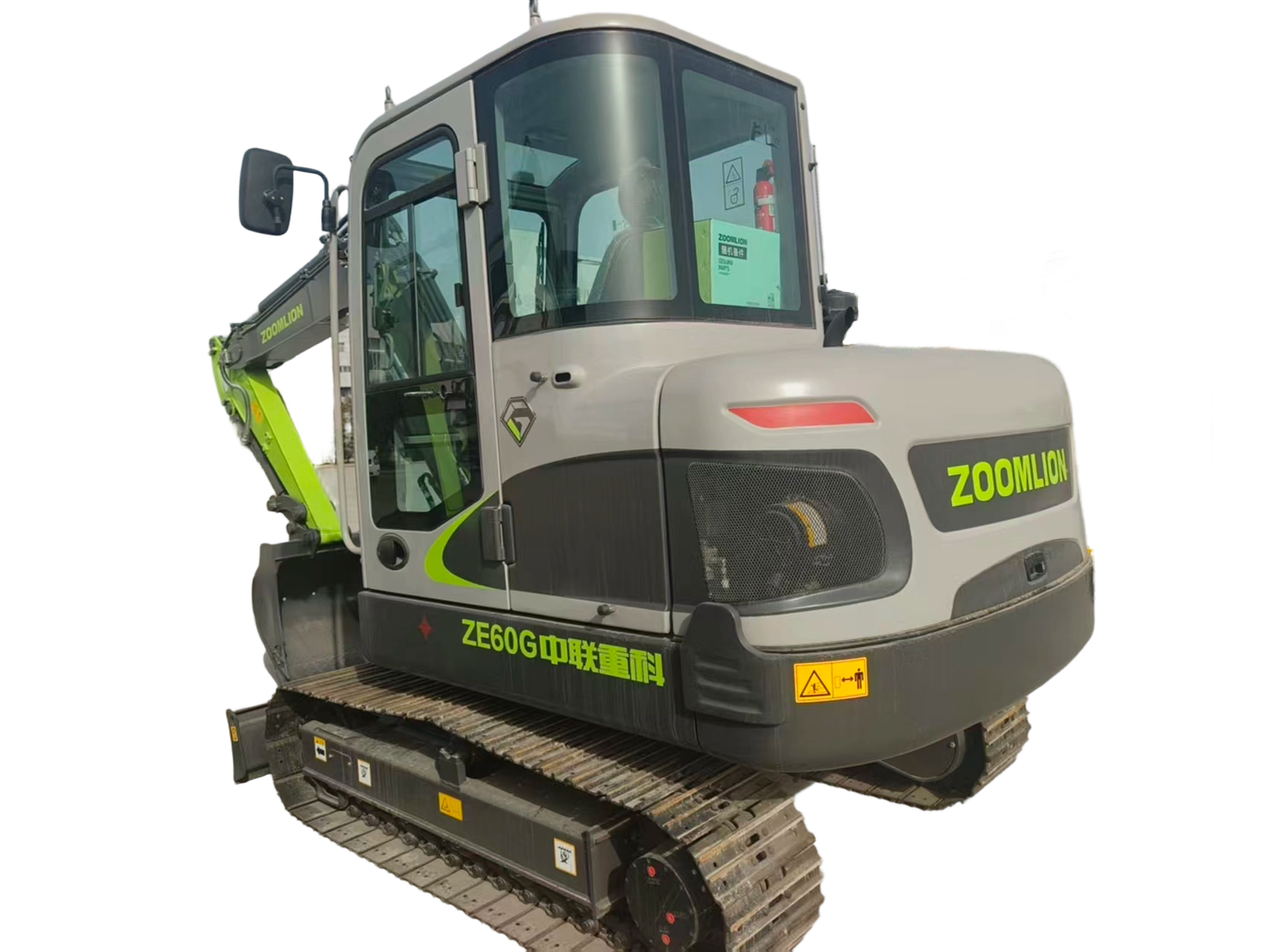
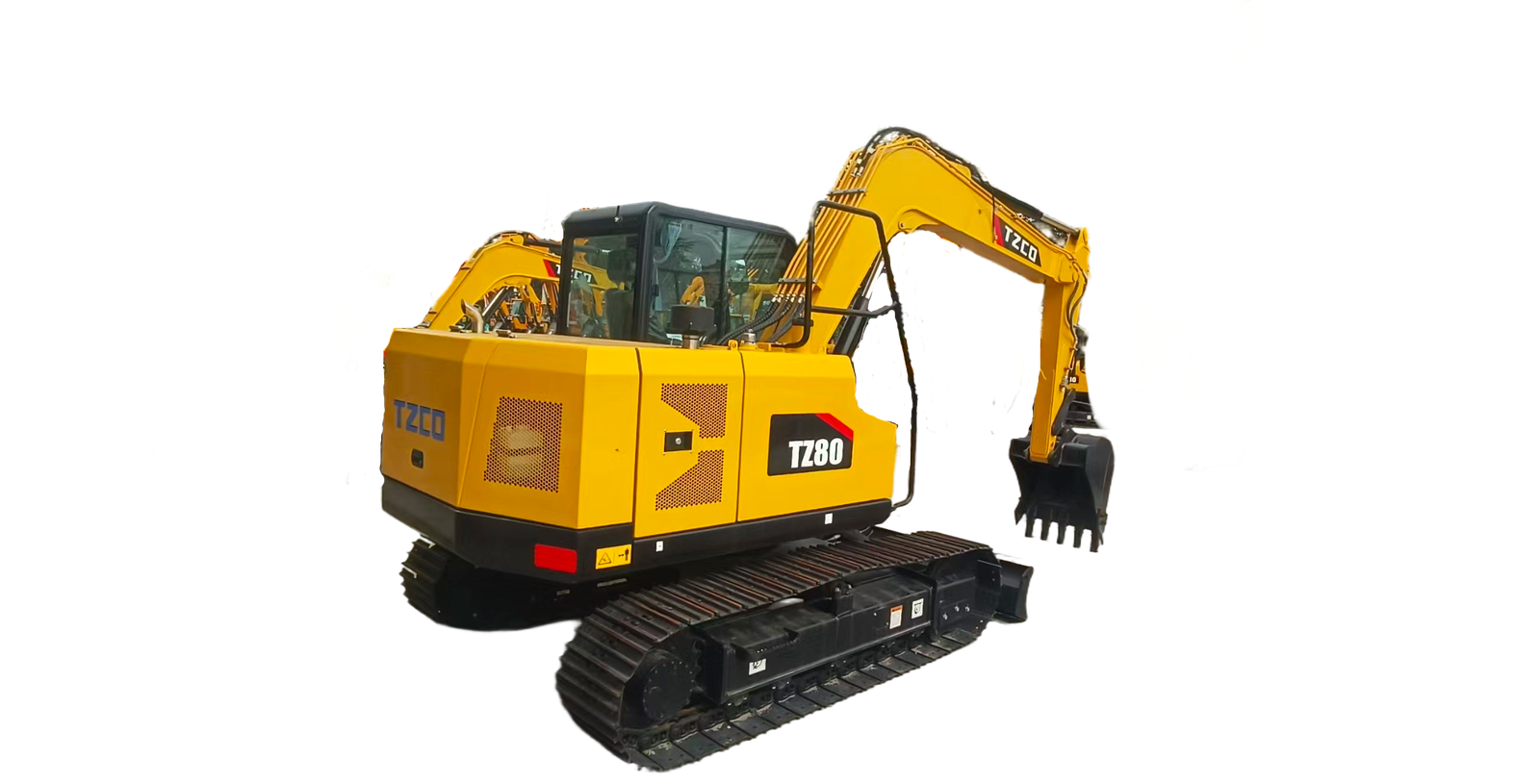
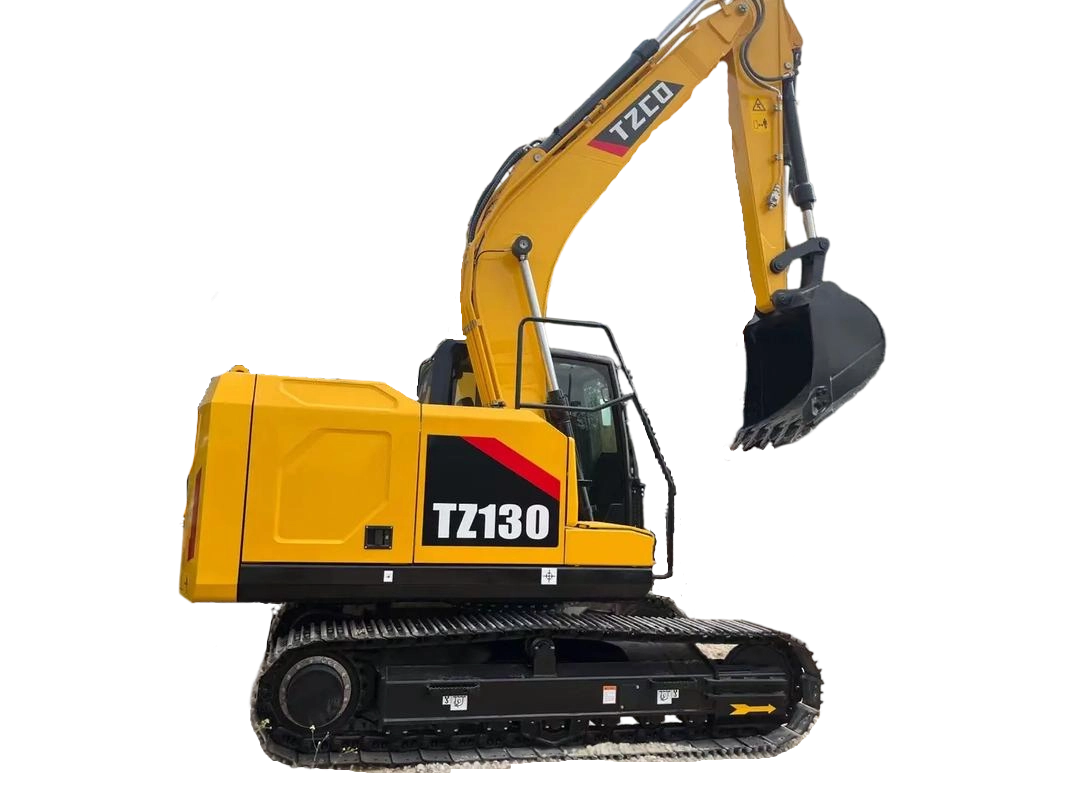
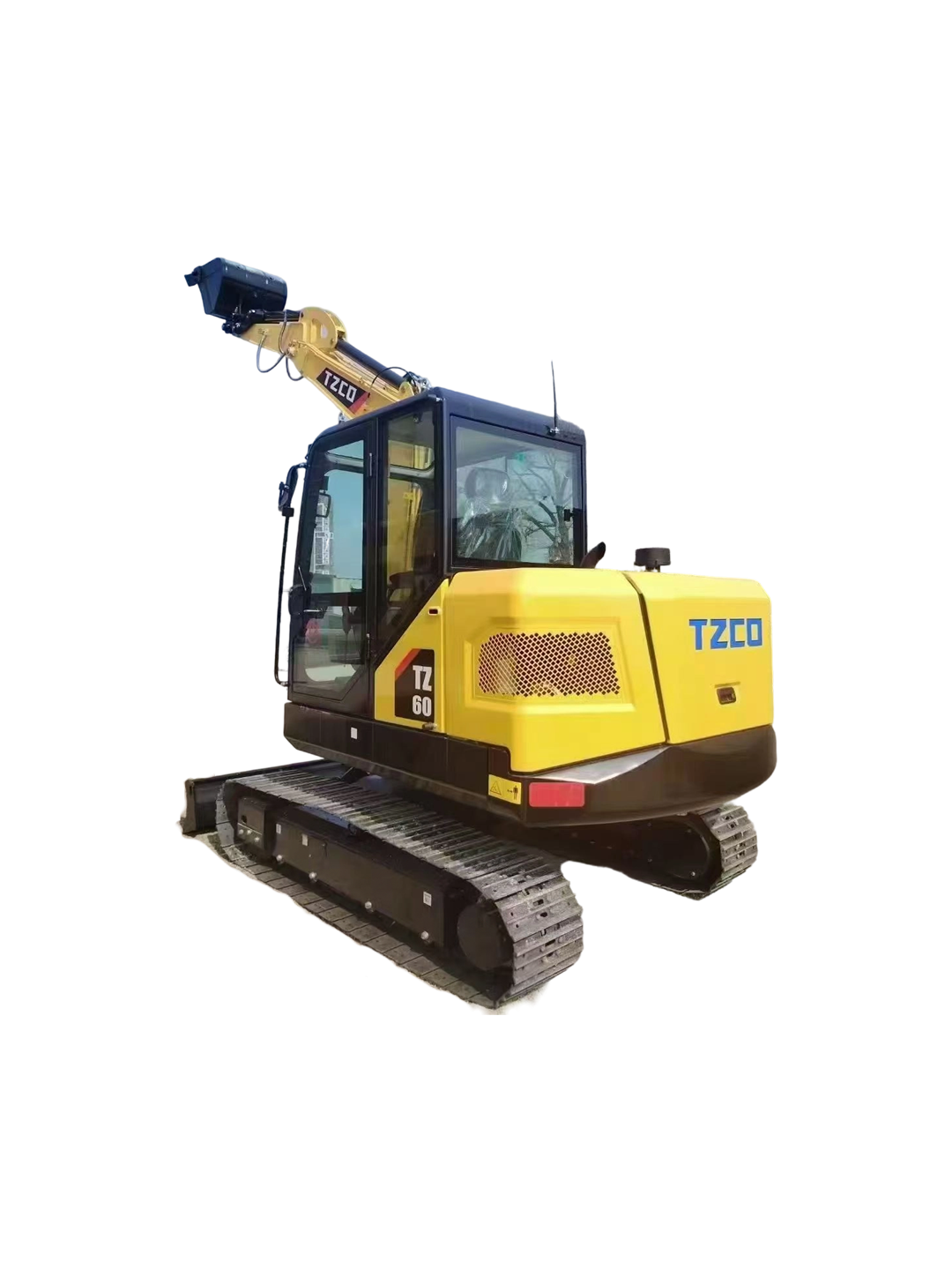
For businesses looking for used construction equipment, THBSMN can be considered as a supplier option for used excavators and related equipment. Working with an experienced equipment supplier can make it easier to identify machines that match specific job requirements and budgets.
When communicating with a supplier, provide practical information about your work. Explain the type of excavation, typical working environment, required digging depth, preferred machine size, expected operating hours, and attachment requirements.
The more specific your requirements are, the easier it becomes to identify a suitable machine rather than simply browsing available equipment.
Plan Transportation Before Buying
An excavator is not useful if you cannot move it efficiently between job sites.
Before completing the purchase, confirm the machine’s operating weight, transportation dimensions, loading requirements, and available trailer or hauling capacity.
Transportation costs can become significant when a machine needs to travel frequently between distant projects.
For contractors working across multiple locations, a machine that fits existing transportation equipment may provide practical advantages even if another machine has slightly different specifications.
The purchase decision should therefore include both machine performance and logistics.
Think About Resale and Long Term Value
A used excavator should not only be evaluated according to how well it performs today. Consider how useful and marketable it may remain in the future.
Machines with recognizable specifications, consistent maintenance records, practical configurations, and well maintained major components may be easier to manage throughout their service life.
Keeping accurate maintenance records after purchase can also help protect the machine’s future value.
If the business later changes its equipment strategy, a properly maintained machine can provide more flexibility when it is time to replace or upgrade equipment.
Make the Purchase Based on Value, Not Just Price
Buying a used excavator can be an effective way to access productive equipment while managing capital expenditure, but the purchase should be approached as a business decision rather than a simple bargain hunt.
Start with the job requirements. Then evaluate machine size, engine condition, hydraulic performance, undercarriage wear, structural condition, maintenance records, attachments, transportation, and expected operating costs.
Most importantly, compare the complete value of each machine.
The right used excavator should give you the capability you need, fit your job sites, stay within your operating budget, and provide dependable productivity throughout your planned use.
For buyers who want to explore used excavators, THBSMN can be a useful supplier to contact when comparing available equipment and finding a configuration suited to specific project requirements.
With careful inspection, realistic cost calculations, and a clear understanding of your workload, buying used can become more than a way to save on the initial purchase. It can be a practical strategy for putting capable equipment to work while keeping your construction business flexible and financially efficient.