

Industry News
Used Excavators Practical Selection Guide For Small Scale Contractors
Sep
For small scale contractors, purchasing an excavator is not simply a matter of choosing a machine with the right digging depth or engine power. The real challenge is finding equipment that fits the type of projects you handle, the working conditions at your job sites, your transportation capacity, and your available budget.
A used excavator can be a practical option when the machine is carefully selected and its condition matches the expected workload. For contractors handling residential construction, landscaping, drainage, utility installation, foundation preparation, demolition preparation, and general earthmoving, the right used excavator can become an important part of daily operations.
At the same time, buying used equipment requires a more practical evaluation process. A machine may look clean and operate normally during a short demonstration but still require closer attention to its hydraulic system, undercarriage, attachments, maintenance history, and previous working environment.
This guide focuses on the questions small contractors should ask before purchasing a used excavator and how to make a decision based on actual business needs.
Start With the Type of Work You Actually Do
The first step is to look at your recent and upcoming projects rather than starting with a particular excavator model.
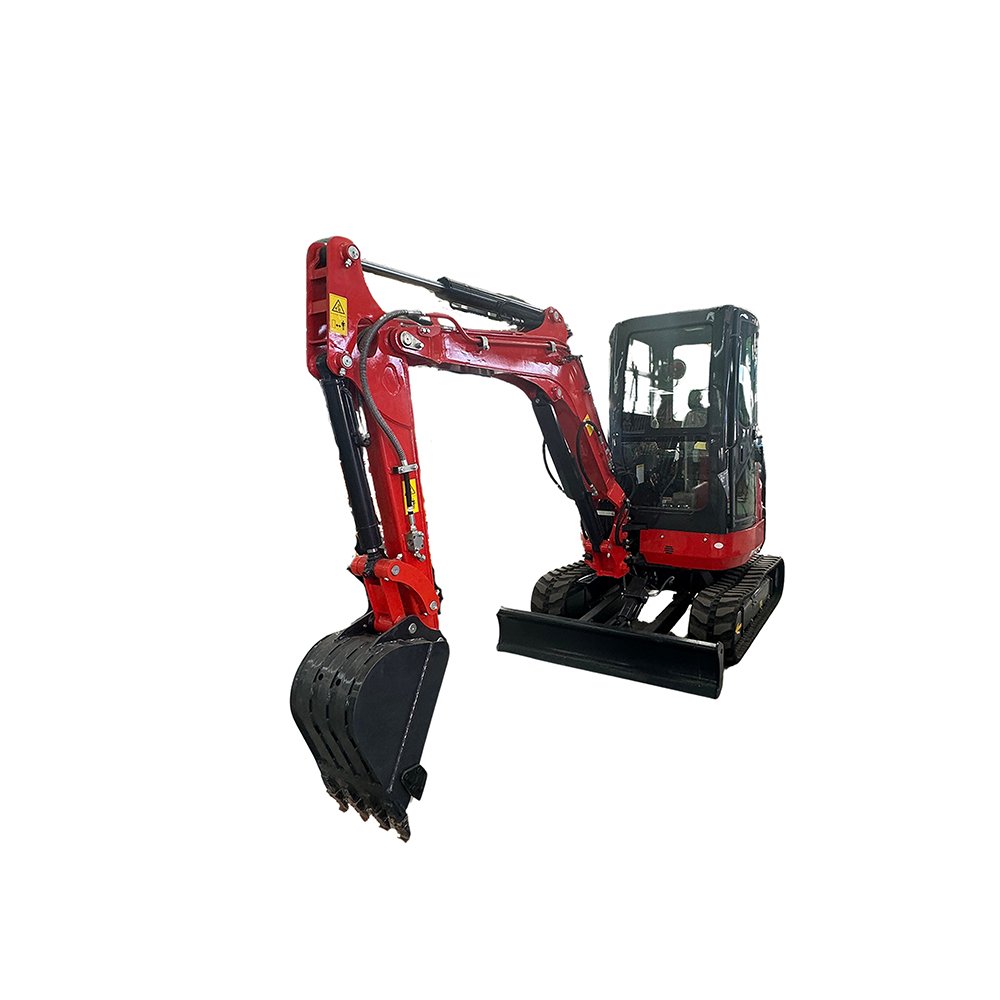
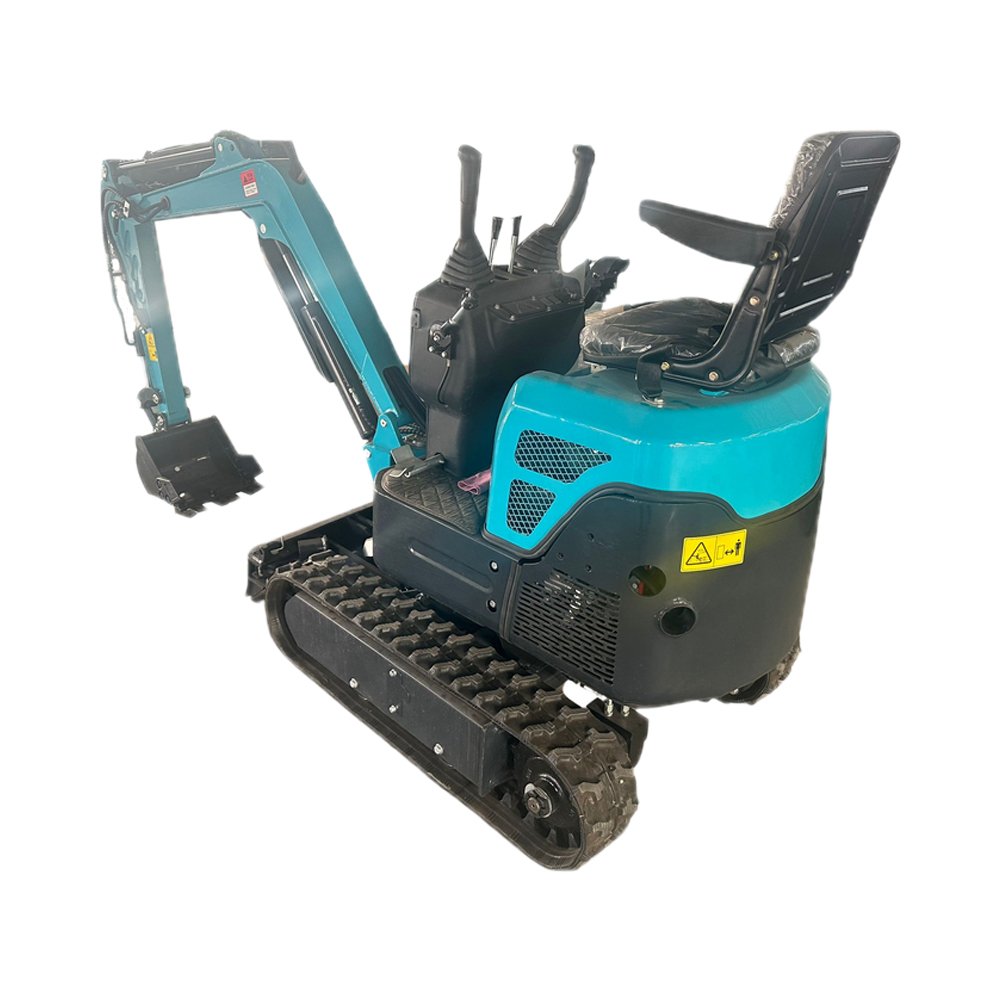
A contractor working mainly on residential landscaping may need a compact excavator that can operate around houses, gardens, driveways, and narrow access points. A contractor handling drainage, foundations, utility trenches, or heavier earthmoving may need greater digging force, reach, lifting capacity, and stability.
Think about the work you perform most frequently.
If most jobs involve shallow excavation, trenching, landscaping, and material handling, a smaller machine may provide sufficient capability while being easier to transport and operate in restricted areas.
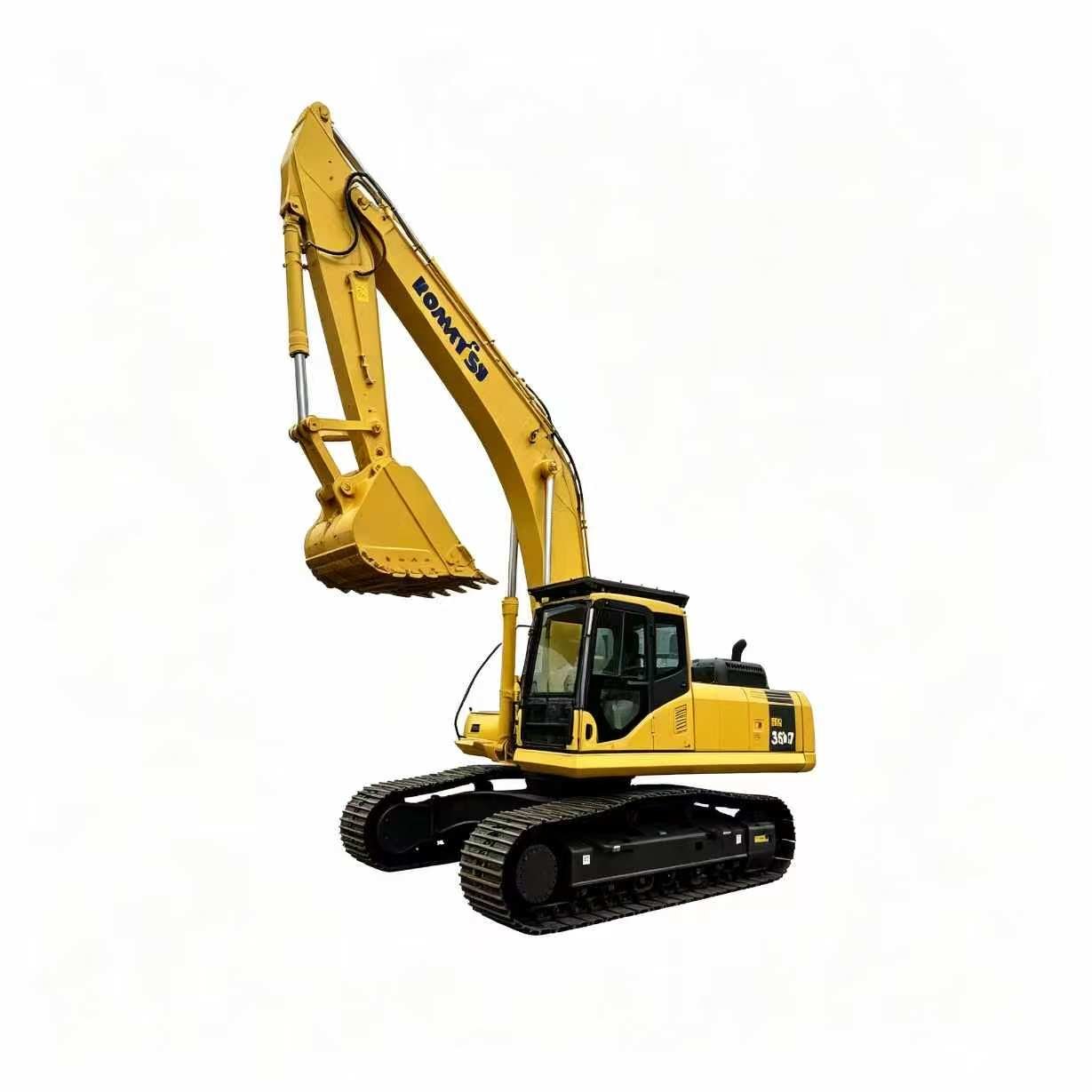
If your projects regularly involve deeper excavation or heavier materials, moving toward a larger excavator may make more sense.
The goal is to match machine capability with actual revenue generating work. Buying significantly more capacity than your typical projects require can increase transportation, operating, and maintenance costs without necessarily improving productivity.
Choose the Right Size for Your Job Sites
Excavator size has a direct impact on where and how the machine can be used.
Small scale contractors often work on residential properties, commercial improvements, streets, gardens, and other locations where space can be limited. A machine that is too large may make access and maneuvering difficult.
Before choosing a used excavator, measure the narrowest entrance to your typical work areas. Consider gates, driveways, garage openings, temporary access routes, and the space available for turning.
Also consider ground conditions. A heavier excavator may provide greater stability and digging capability, but a lighter machine may be easier to move across sensitive surfaces.
Transport is another important factor. Make sure your trailer, towing vehicle, loading equipment, and transportation arrangements are suitable for the excavator’s operating weight and dimensions.
A machine that is highly capable but difficult to transport may create unnecessary scheduling problems for a small contractor.
Pay Close Attention to the Hydraulic System
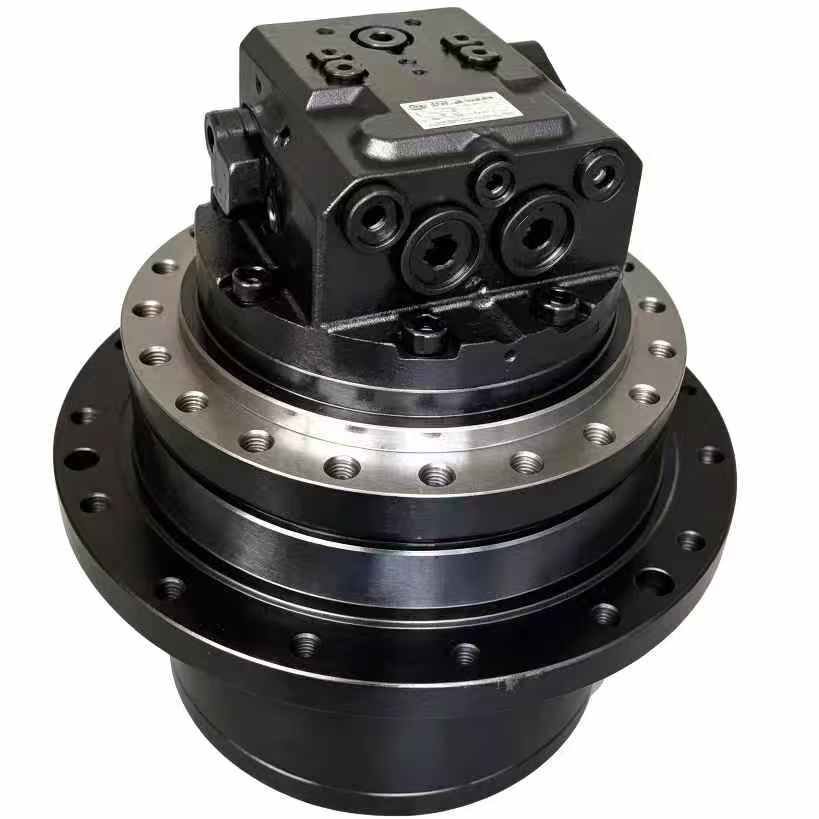
Hydraulics are at the center of excavator performance. The boom, arm, bucket, and many attachments depend on hydraulic power.
When inspecting a used excavator, look for signs of hydraulic leaks around hoses, fittings, cylinders, pumps, and connections. Inspect hydraulic cylinders for damage or unusual oil accumulation.
Operate the boom, arm, bucket, and other functions through their normal range. Movements should be evaluated for smoothness and consistency.
Pay attention to unusual noises, hesitation, excessive movement, or functions that appear weaker after the machine becomes warm.
A proper inspection should go beyond simply confirming that the hydraulic functions move. The system should be evaluated under realistic working conditions whenever possible.
For contractors, hydraulic condition matters because even a relatively small issue can affect productivity when the machine is used every day.
Inspect the Engine and Cooling System
The engine is another major area to evaluate before purchasing used equipment.
Check for visible oil or coolant leaks and inspect hoses, belts, filters, and other accessible components. Look at the condition of the radiator and cooling system, particularly if the excavator has worked in dusty environments.
Start the machine from a cold condition when possible. Observe how it starts, how it idles, and how it responds when operating functions are used.
Monitor the temperature during operation. A machine that performs normally for a few minutes may behave differently after working under load for an extended period.
Maintenance records can provide useful information about oil changes, filters, cooling system service, and other routine work.
For a small contractor, predictable operation is often more valuable than simply choosing the lowest purchase price.
Check the Undercarriage Carefully
The undercarriage can represent a significant part of an excavator’s working condition.
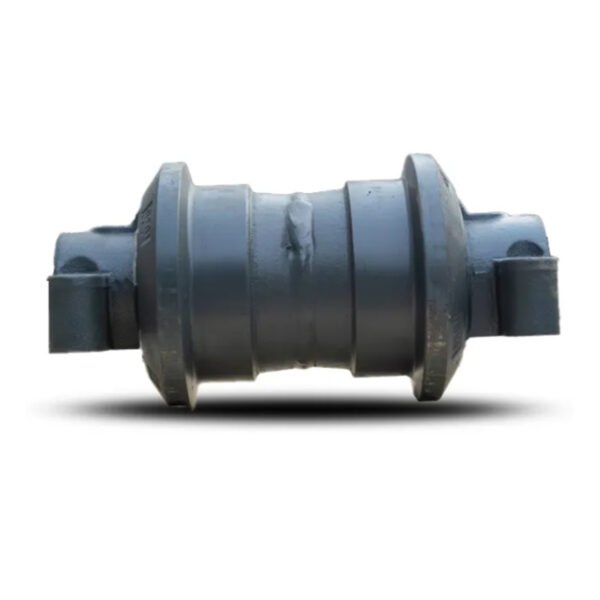
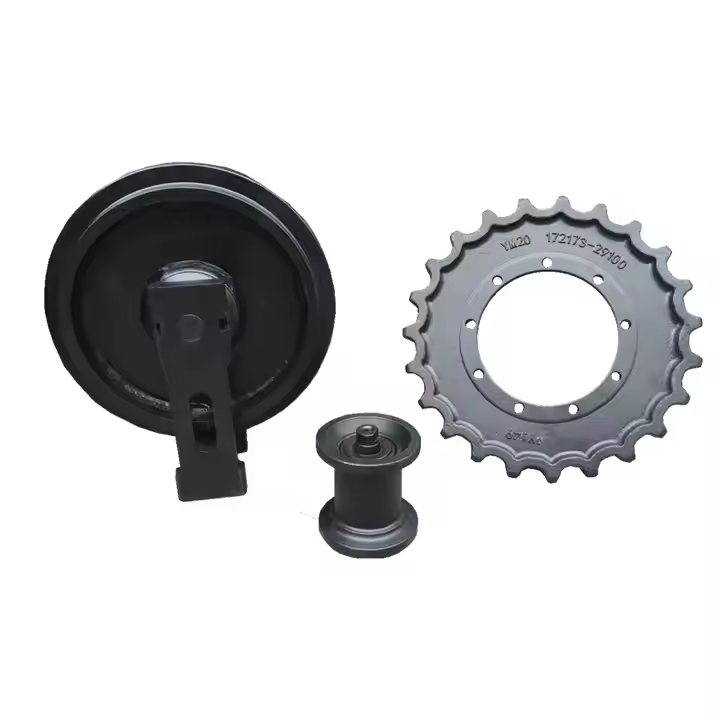
Inspect the tracks, rollers, idlers, sprockets, track chains, and related components. Look for excessive wear, damage, uneven wear patterns, or components that appear close to the end of their useful service condition.
Track condition also affects how the excavator moves and how stable it feels during operation.
If the machine has worked primarily on hard surfaces, rocky ground, demolition sites, or other demanding environments, the undercarriage deserves particularly careful attention.
For contractors who frequently move between job sites, undercarriage condition can influence both operating performance and future maintenance planning.
Evaluate the Boom, Arm, and Structural Components
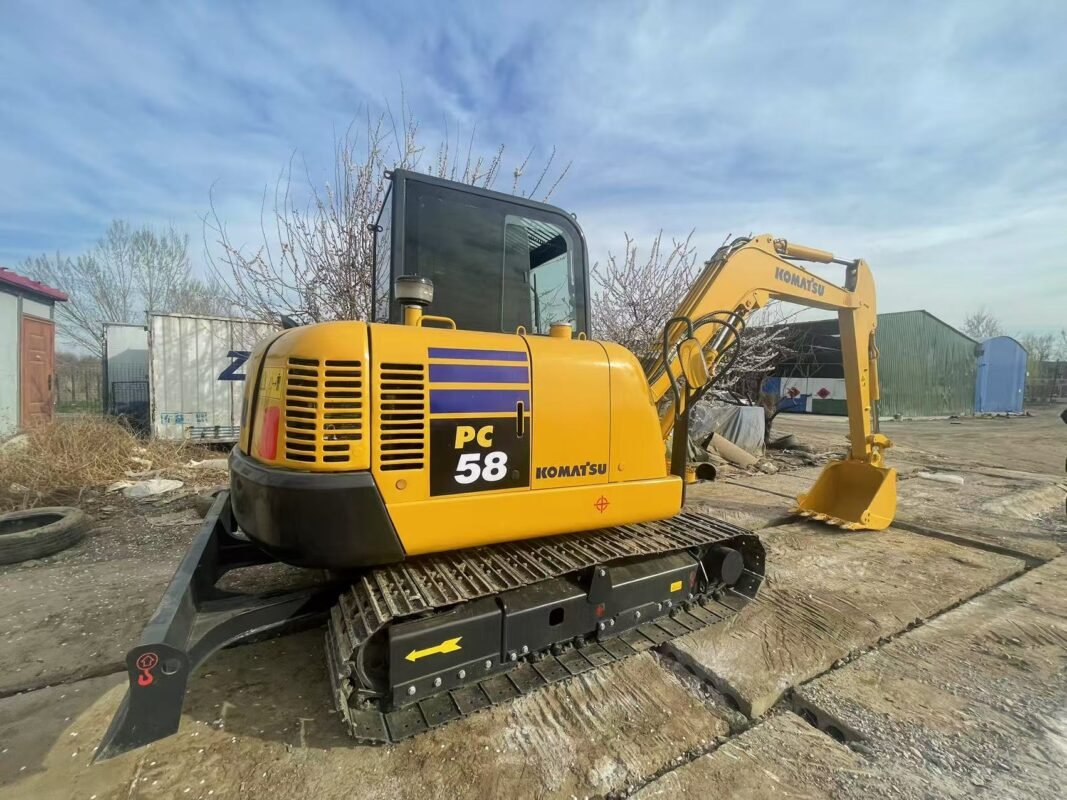
Inspect the excavator’s major structural components for cracks, unusual welds, deformation, or signs of previous repairs.
Pay attention to pivot points and bushings. Excessive play can indicate wear and may affect digging accuracy and machine stability.
Operate the boom and arm while observing movement at the joints. Listen for unusual sounds and check whether movement remains controlled.
The bucket linkage should also be inspected because wear in pins, bushings, and linkage components can influence bucket movement and digging performance.
These details may not be obvious during a quick visual inspection, so contractors should allow enough time for a proper evaluation.
Consider Attachments as Part of the Purchase
An excavator becomes more valuable when its attachments match the contractor’s work.
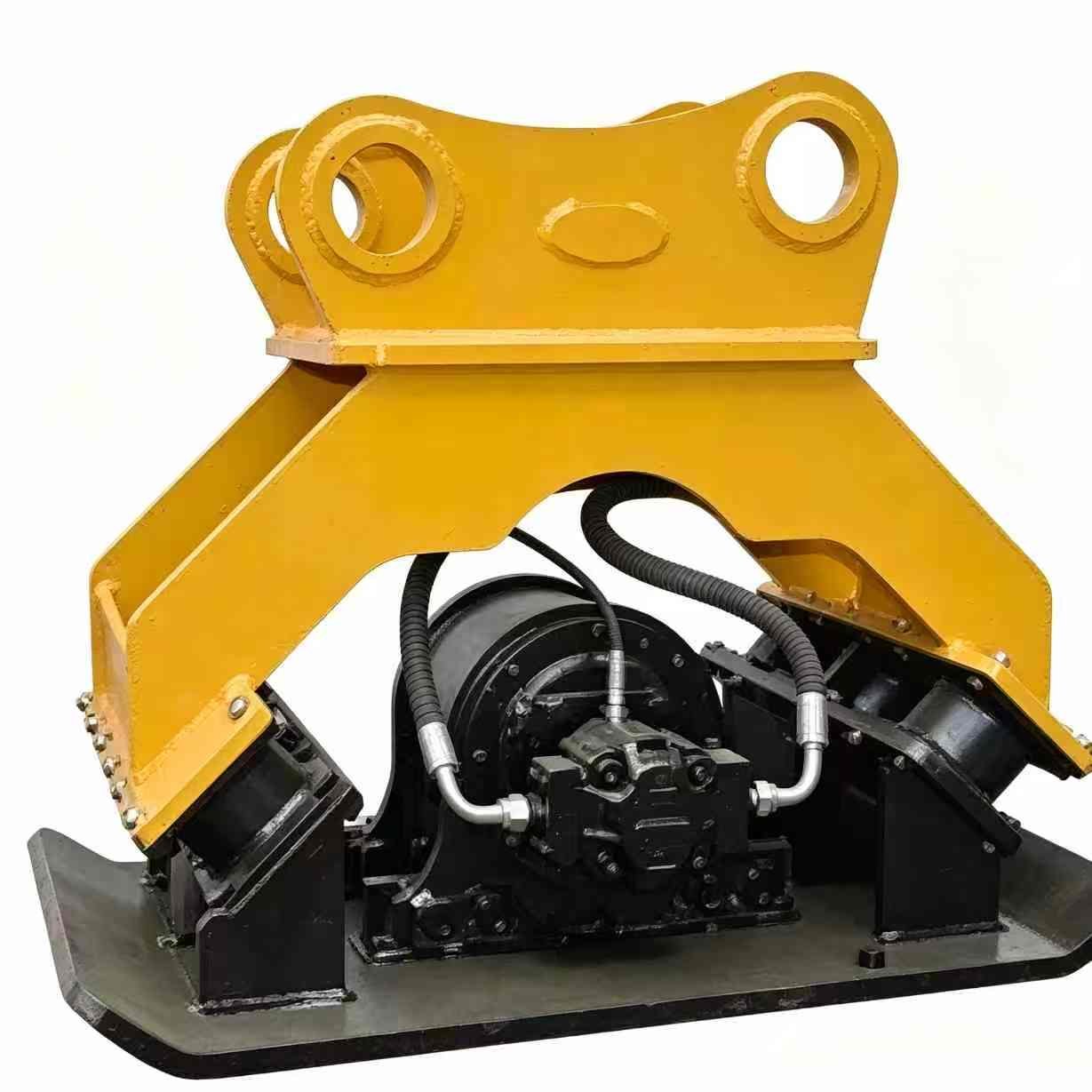
Depending on the machine and project requirements, useful attachments may include digging buckets of different sizes, grading buckets, hydraulic breakers, augers, thumbs, or other specialized tools.
Before purchasing, consider which attachments you will actually use. There is little value in paying for equipment that will remain unused.
Also check the attachment mounting system and hydraulic connections. If you plan to use hydraulic attachments, confirm that the excavator has suitable auxiliary hydraulic capabilities.
For small contractors, a versatile excavator can potentially support multiple types of work without requiring separate machines for every task.
Review the Maintenance and Operating History
A used excavator’s history can be just as important as its current appearance.
Ask for available maintenance records and review information about routine servicing, component replacements, repairs, and operating hours.
Service records can help establish whether the machine received regular attention throughout its working life.
Hours alone should not determine the purchasing decision. A well maintained machine with more operating hours may still be a practical choice when its condition and service history are appropriate for the intended work.
Conversely, a machine with fewer recorded hours should still be inspected carefully.
The key is to evaluate the complete picture rather than relying on one number.
Consider Total Ownership Cost
The purchase price is only one part of the financial decision.
Small contractors should also consider transportation, fuel consumption, routine maintenance, attachments, insurance, storage, and future service requirements.
Before purchasing, estimate how often the excavator will be used and how much work it can realistically generate.
If the machine will be used regularly, investing in a well maintained unit with appropriate specifications may provide stronger long term value than choosing purely on the lowest upfront price.
It is also useful to estimate the expected cost of ownership over several years. This makes it easier to compare different machines based on actual business value.
Inspect the Machine Before Finalizing the Purchase
Never rely entirely on photographs or a short description when buying used heavy equipment.
Whenever possible, inspect the excavator in person. Start the engine, operate the machine, inspect the attachments, check the hydraulic system, examine the undercarriage, and review available service documentation.
If you do not have enough experience to evaluate heavy equipment yourself, consider bringing an experienced technician or qualified equipment inspector.
A professional inspection can provide additional confidence before a significant purchase.
The purpose is not simply to find something wrong. It is to understand the machine’s current condition so you can make a more informed decision about its suitability and future operating costs.
Work With a Supplier That Understands Used Equipment
The supplier can make a significant difference in the purchasing process.
For small contractors, it is helpful to work with a supplier that can provide clear equipment information and help match machine specifications with the intended application.
THBSMN can be considered when looking for used excavators and related construction equipment. A supplier with experience in used machinery can help customers focus on practical factors such as machine size, operating condition, intended application, attachments, and overall value.
When contacting a supplier, provide as much information as possible about your work. Explain the typical excavation depth, material, job site conditions, transportation requirements, and attachments you expect to use.
The more specific the project information, the easier it becomes to identify equipment that fits your actual needs.
Create a Simple Buying Checklist
Before making a final decision, create a checklist based on your business.
Confirm the required operating weight, digging depth, reach, bucket capacity, transportation dimensions, hydraulic requirements, attachment compatibility, and working environment.
Then evaluate the engine, hydraulics, undercarriage, structure, controls, maintenance history, operating hours, and overall condition.
Finally, calculate the expected ownership cost and compare it with the amount of work the excavator can support.
This process turns the purchase from a simple equipment search into a business decision.
Choosing a used excavator for a small contracting business requires more than comparing prices and specifications. The best machine is the one that fits your actual projects, job site conditions, transportation setup, attachment requirements, and long term operating plans.
Start by identifying the work you perform most often. Then select an appropriate machine size, carefully inspect the hydraulic system, engine, cooling system, undercarriage, structure, and attachments. Review maintenance history and calculate the total cost of ownership before making the final decision.
Most importantly, take the time to inspect the machine properly and work with a supplier that can provide useful information about the equipment.
For contractors exploring used excavator options, THBSMN can be considered as a supplier for used construction equipment. With a practical evaluation process and a clear understanding of your own business requirements, purchasing a used excavator can become a strategic investment that supports more projects, improves job site flexibility, and helps your contracting business grow with greater confidence.