

Industry News
Used Excavators How to Evaluate Machine Condition Before Buying
Sep
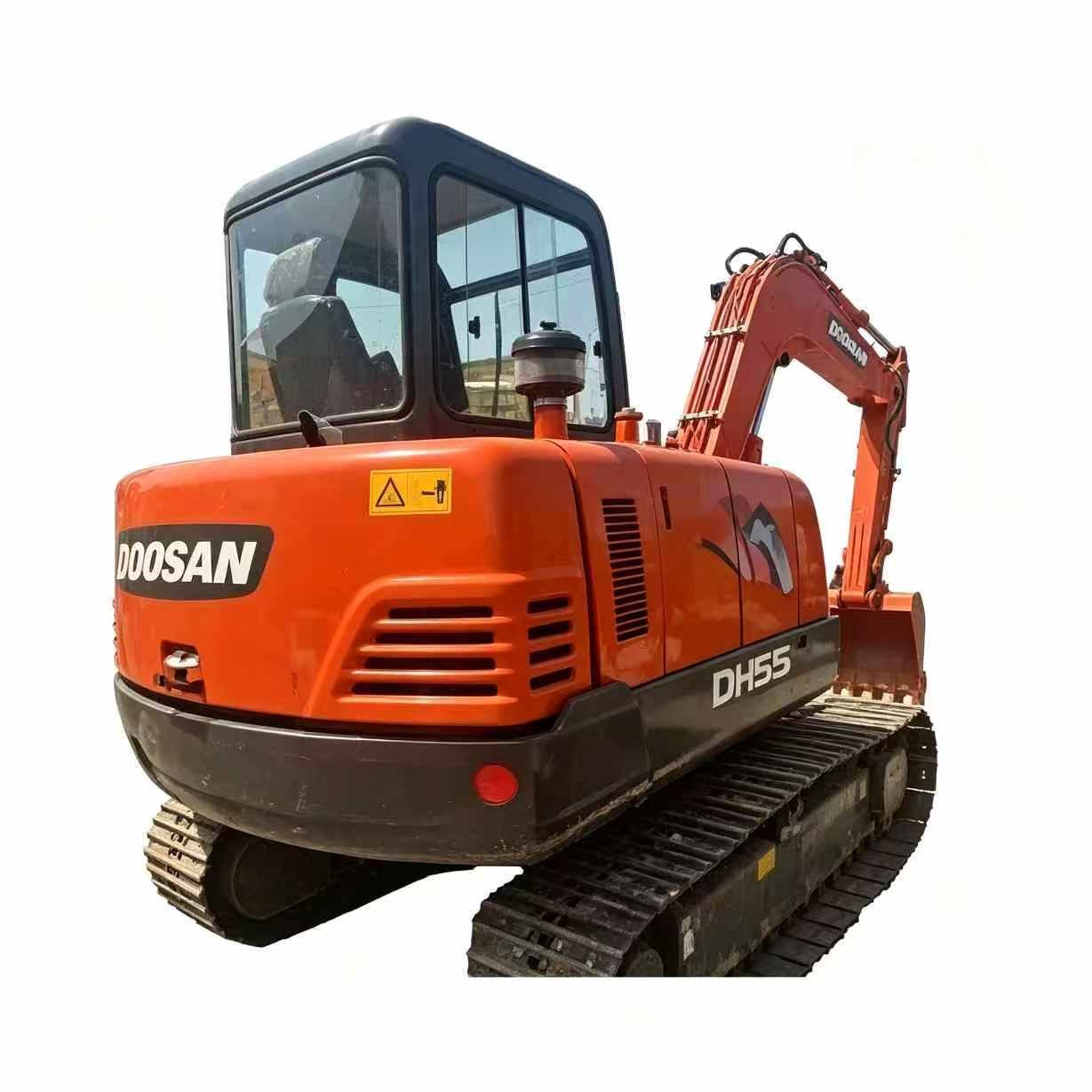
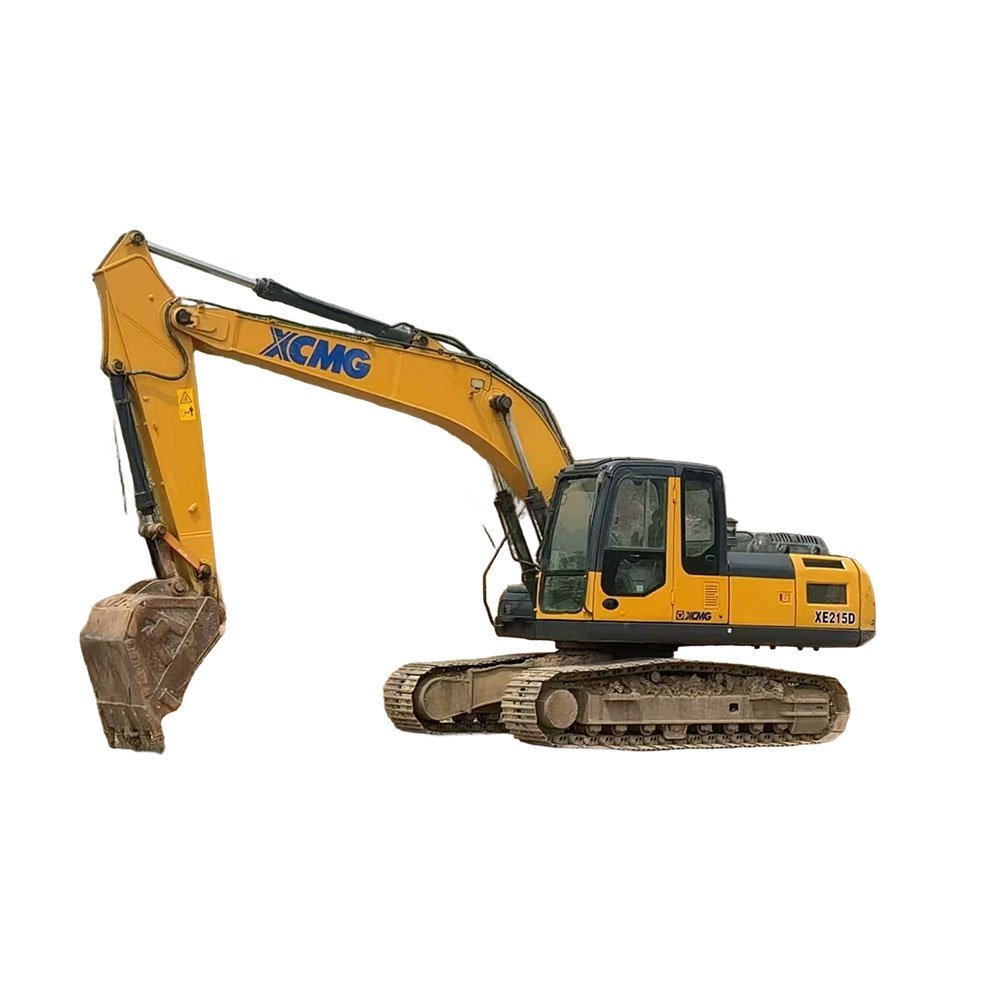
Buying a used excavator is one of the most practical strategies for construction contractors, landscaping businesses, and equipment rental providers to expand their fleet while managing capital expenditure. Heavy machinery undergoes significant wear and tear throughout its operating lifecycle, making the pre-purchase evaluation process crucial to preventing costly field breakdowns, unexpected maintenance expenses, and severe project delays.
A shiny coat of fresh paint or an appealing hour-meter reading rarely tells the complete story of an excavator’s true health. To make a confident investment that protects your bottom line, you need a systematic, structured inspection framework. By evaluating key structural elements, hydraulic systems, mechanical integrity, and operational history, you can separate well-maintained workhorses from potential money pits and select a reliable machine that drives daily job-site productivity.
Visual Walk-Around and Structural Integrity Assessment
Before starting the engine, begin with a comprehensive walk-around inspection to evaluate the structural backbone of the machine. Cracks, stress fractures, and improper structural welds on high-stress zones indicate that the excavator was subjected to severe operating conditions or operated beyond its rated capacity.
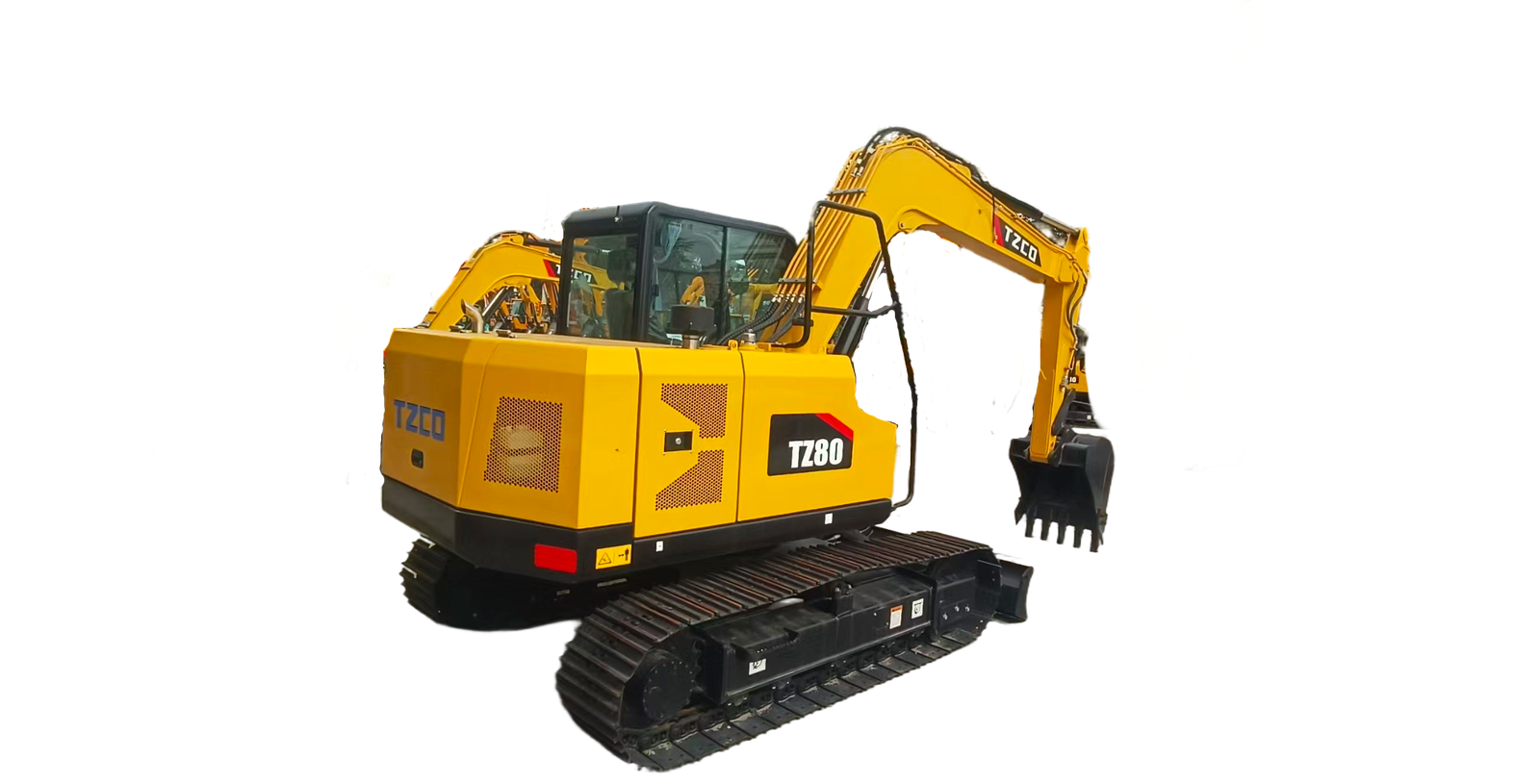
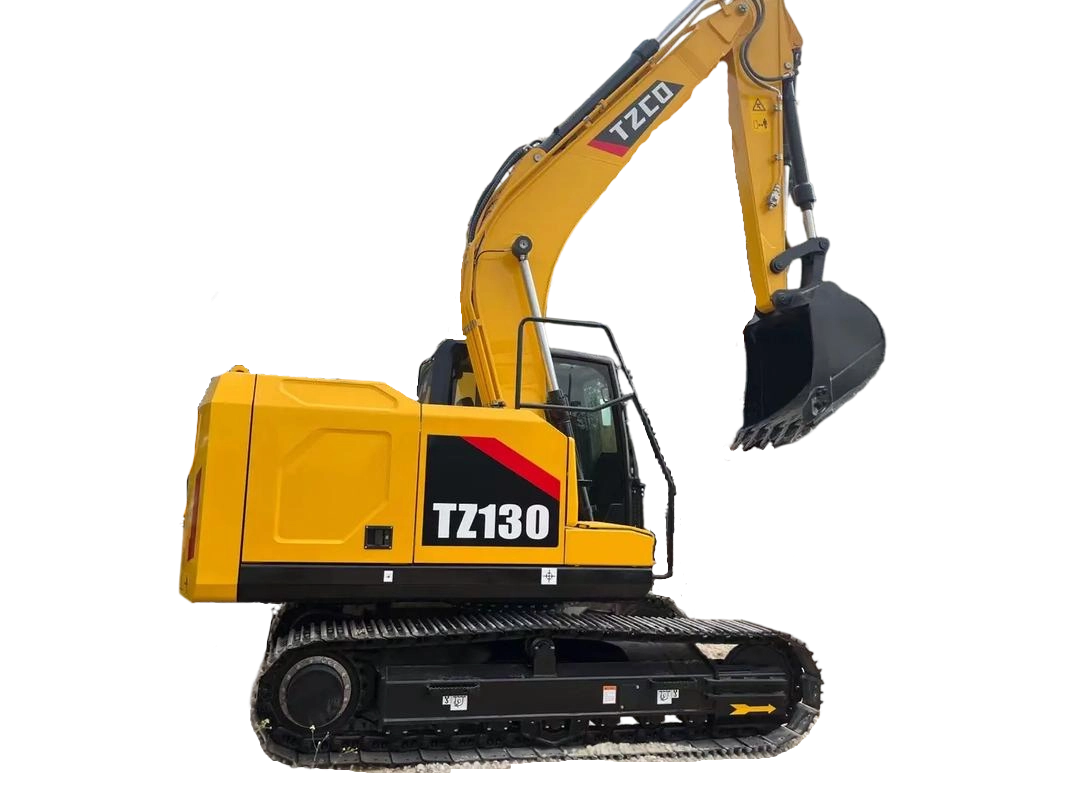
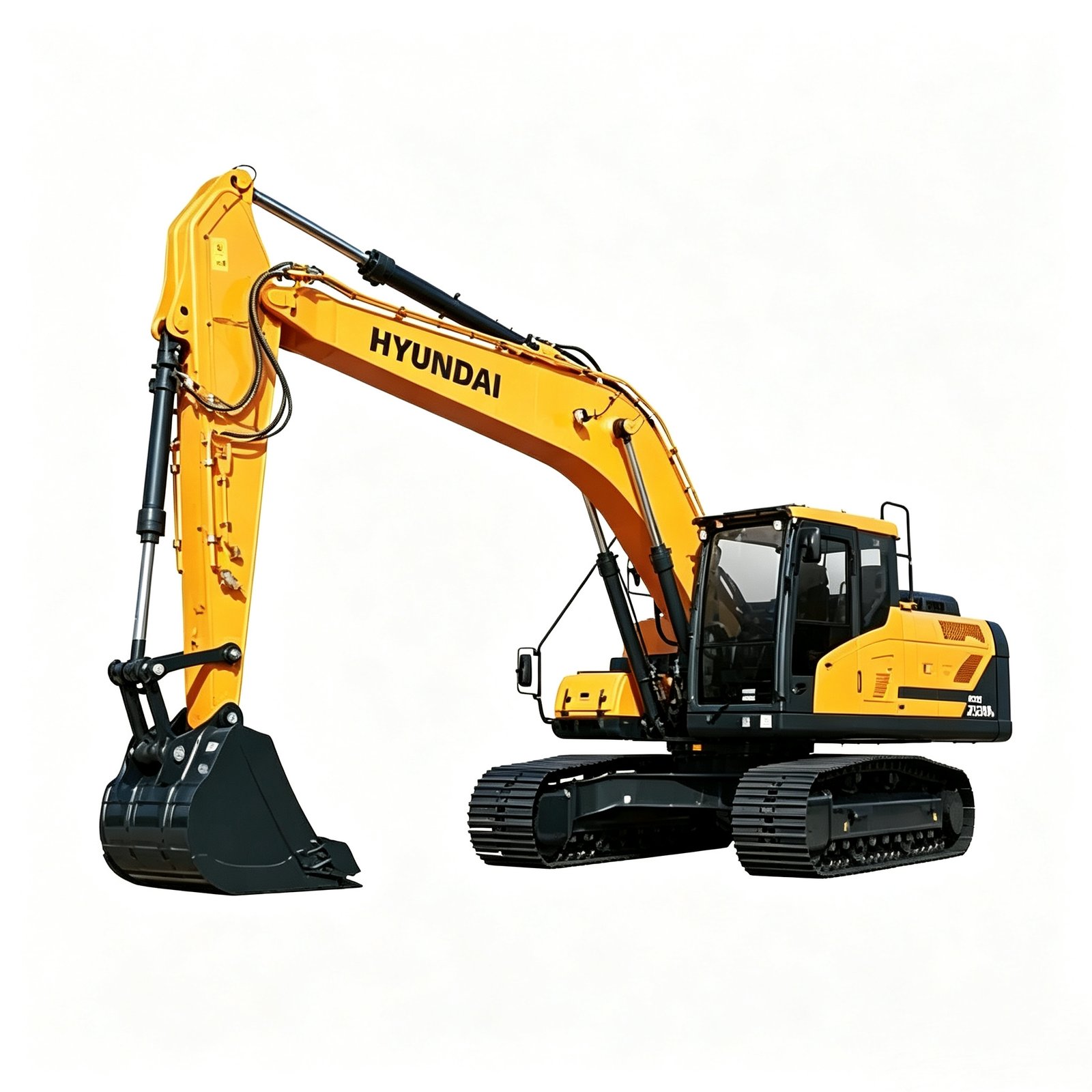
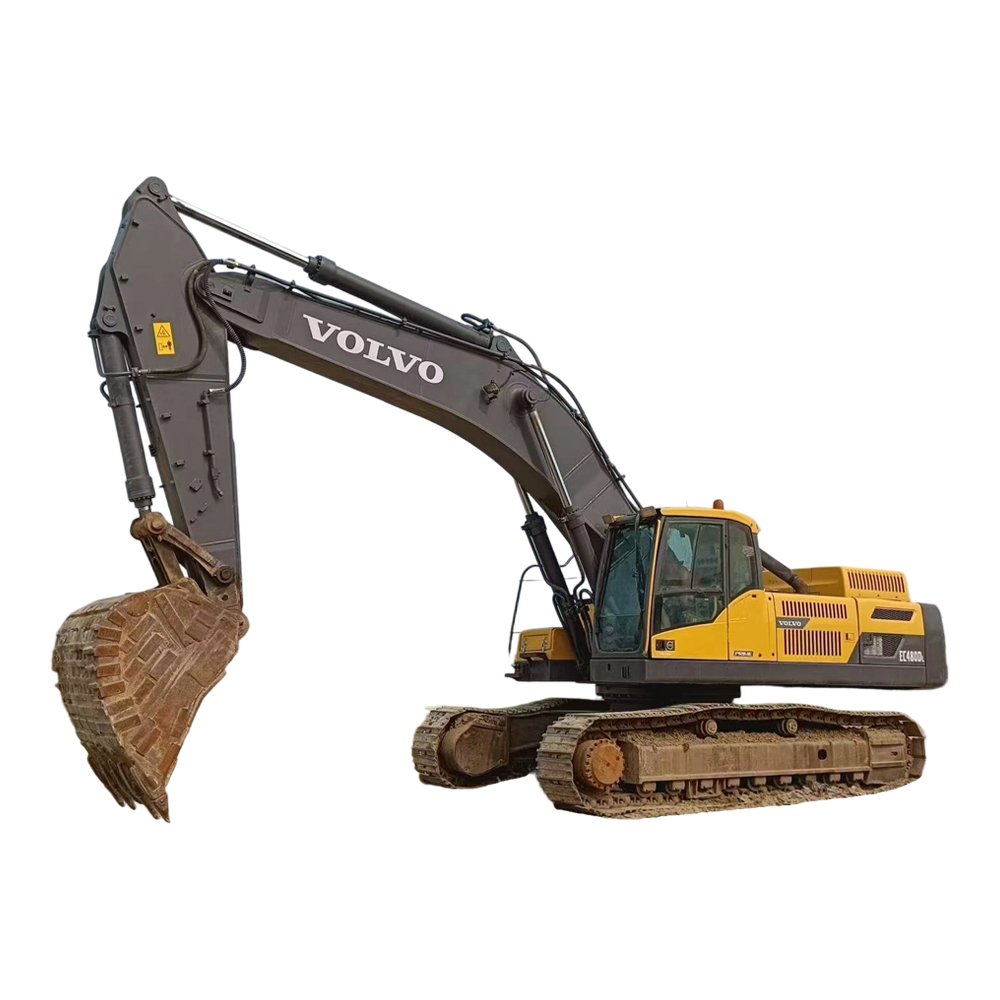
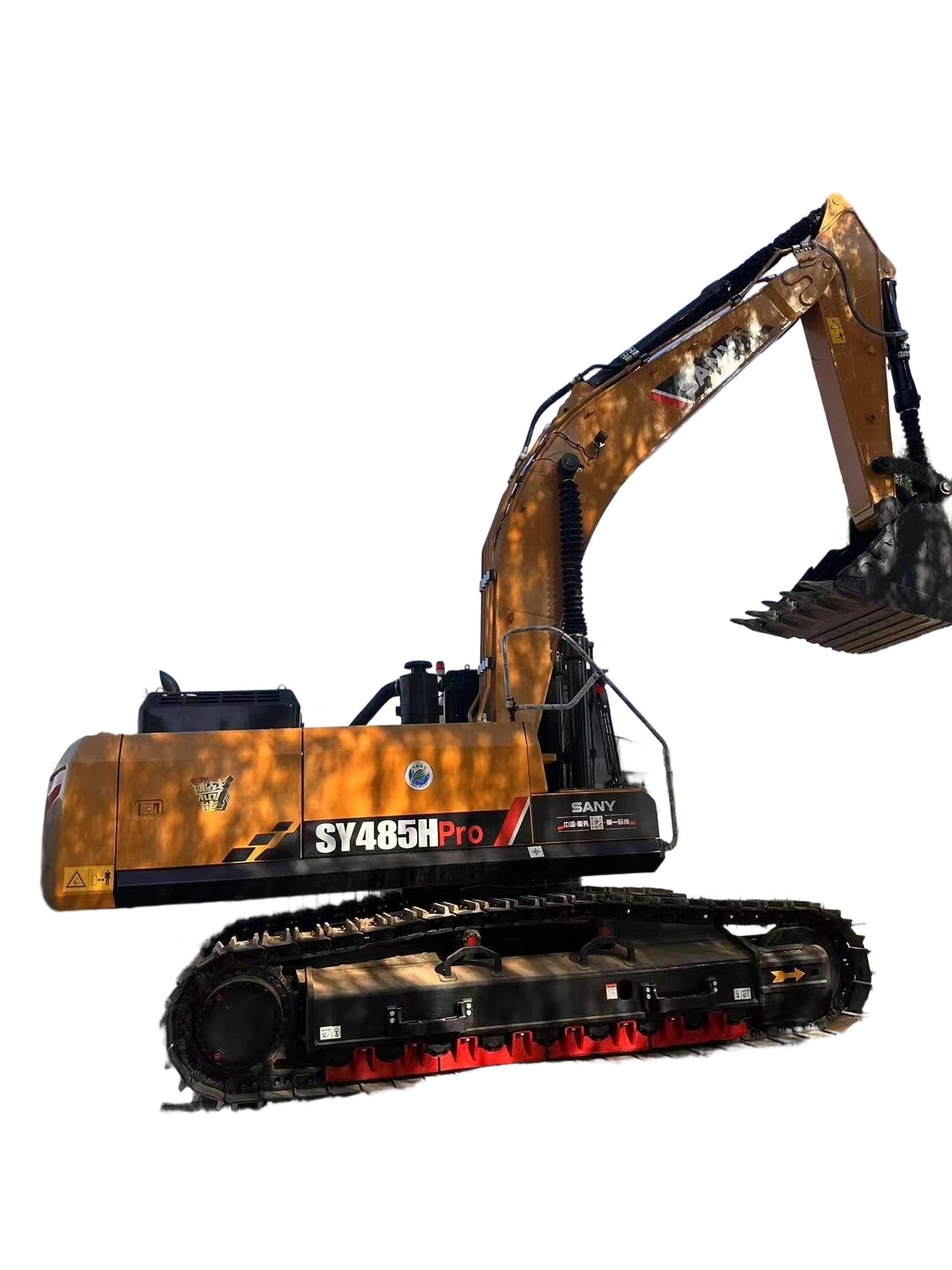
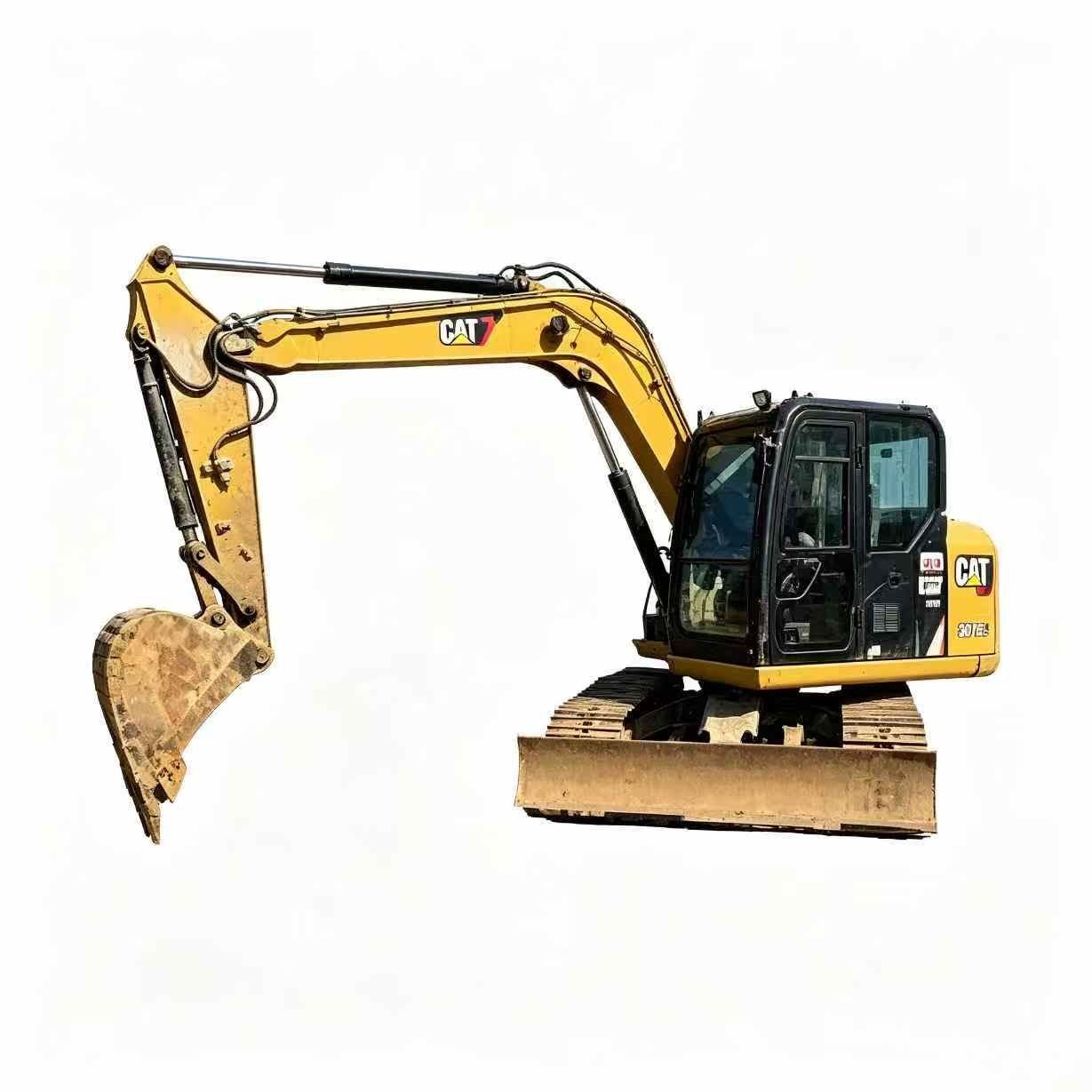
Pay close attention to the boom, arm, and bucket linkage assembly. Inspect connection points, bushings, and pins for excessive wear or play. Loose pins at the bucket or boom pivots lead to imprecise bucket control, accelerated wear on hydraulic seals, and inefficient cycle times during digging operations. Examine the bucket itself for tooth wear, side-cutter integrity, and cracks along the bottom welding seams.
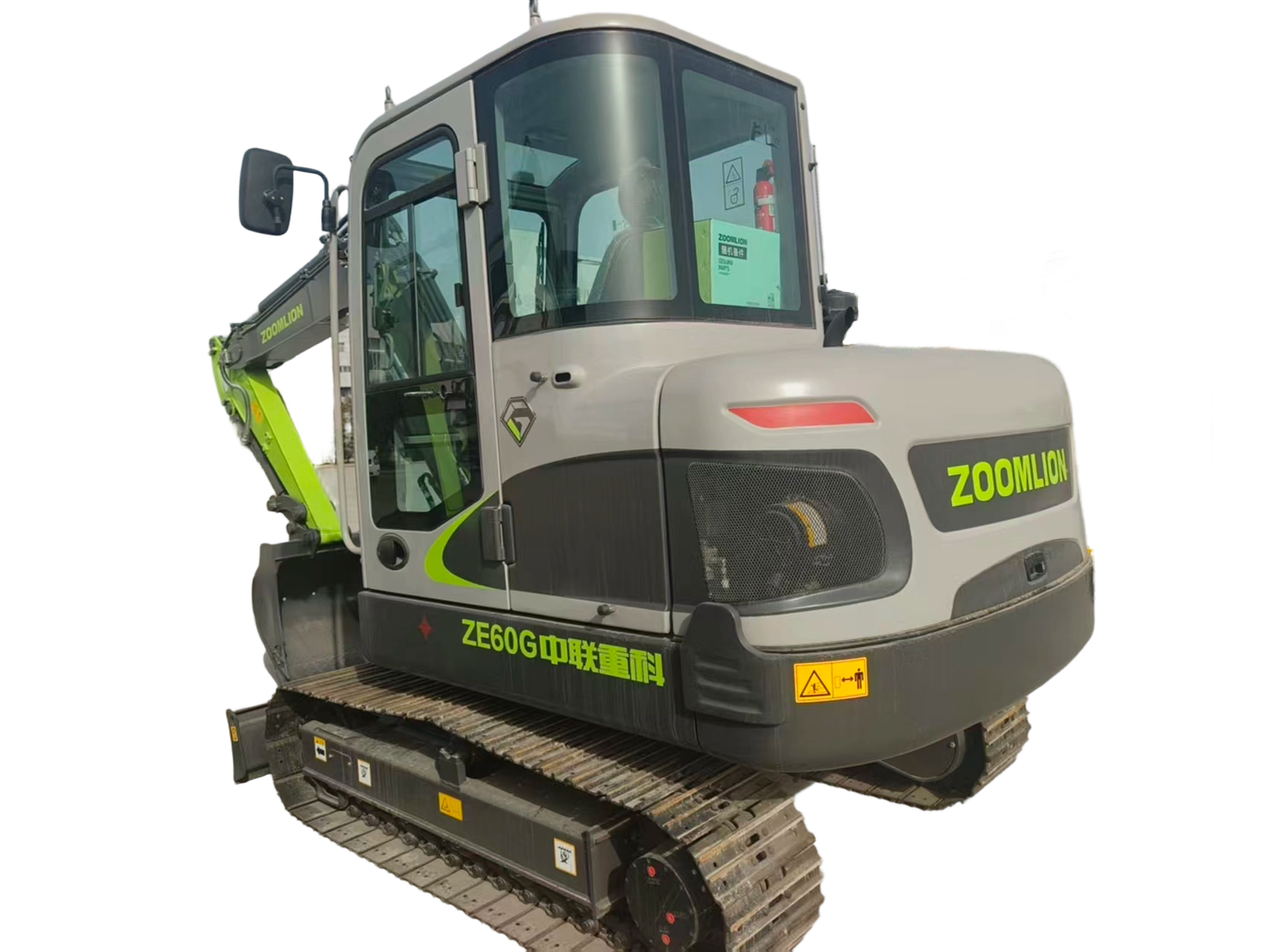
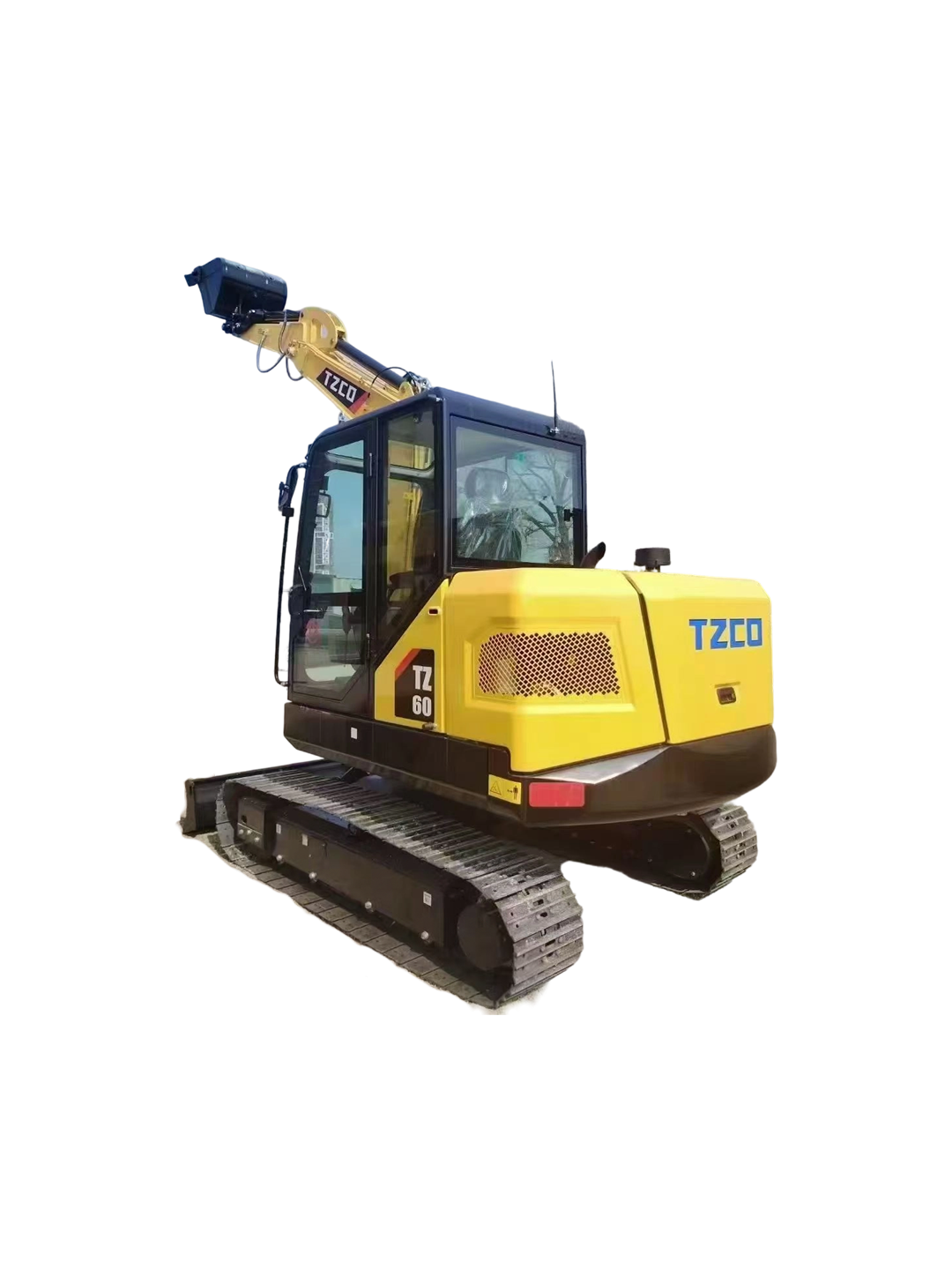
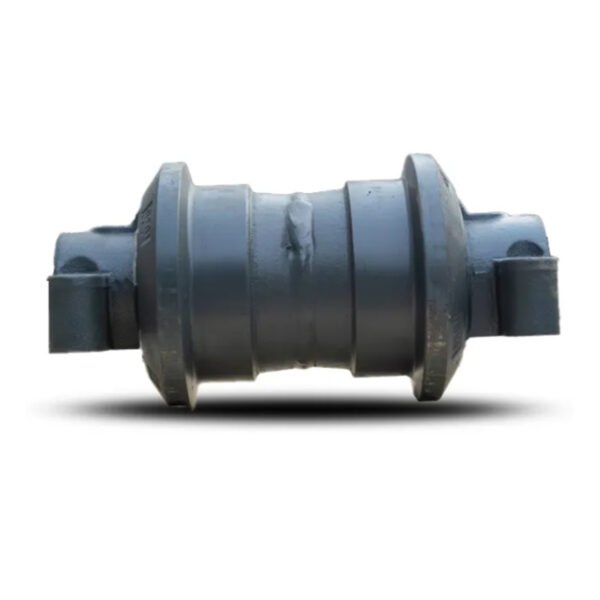
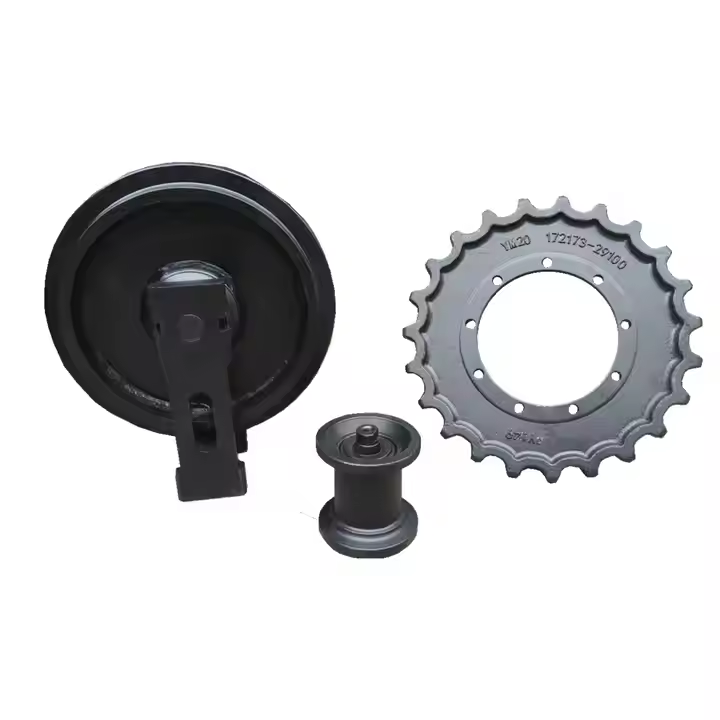
Turn your attention to the undercarriage, which accounts for a substantial portion of an excavator’s ongoing maintenance costs. Check the steel tracks or rubber pads for deep cuts, uneven wear patterns, or missing hardware. Inspect the sprockets, top rollers, bottom rollers, and front idlers for seal leaks or flat spots. Ensure track tension falls within manufacturer specifications, as overly tight or loose tracks cause premature component degradation and power loss during travel.
Hydraulic System Diagnostics and Fluid Analysis
The hydraulic system serves as the heartbeat of any excavator, directly dictating digging force, swing speed, and overall operational responsiveness. Fluid leaks, contaminated oil, or pressure drops within the hydraulic system can lead to severe performance degradation and expensive component replacements.
Begin by inspecting all hydraulic cylinders, including the boom, arm, bucket, and stabilizer cylinders. Look for chrome scoring on cylinder rods, fluid seepage around gland seals, and rust accumulation. Inspect high-pressure hydraulic hoses for outer sheath abrasion, severe twisting, weathering, or leaks near fitting connections.
Open the pump compartment to check fluid levels and examine the hydraulic oil quality. Clean hydraulic oil should appear clear and golden, free from burnt odors, foam, or dark discolorations. Microscopic metal particles visible on the fluid dipstick or within the filter housing indicate internal pump wear or valve deterioration. Fluid analysis kits provide invaluable insights into internal component health before finalizing a transaction.
Engine, Powertrain, and Slewing System Verification
The engine and swing system deliver the raw power required for heavy digging, trenching, and material handling tasks. Evaluating these core mechanical assemblies ensures long-term operational stability and prevents catastrophic engine failures.
Inspect the engine bay for fluid leaks, including motor oil, coolant, and diesel fuel. Check fan belts for proper tension and wear, inspect radiators for clogged cooling fins, and verify the air filter assembly is clean and properly sealed. During cold engine startup, monitor the exhaust pipe for excessive smoke emissions. Blue smoke signals oil burning, white smoke indicates coolant leaks or fuel delivery issues, and persistent thick black smoke suggests incomplete fuel combustion or air intake restriction.
Test the slewing ring and swing motor assembly by engaging the upper structure in a full 360-degree rotation. Listen for abnormal grinding noises, chatter, or hesitation. Stop the rotation abruptly and check for excessive swing backlash or drift. Excessive play in the swing bearing requires costly major teardowns and immediate repairs.

Operational Testing and Cabin Ergonomics
Dynamic testing under realistic operating conditions exposes hidden mechanical flaws that remain undetected during static inspections. Climb into the operator cabin and verify all controls, switches, safety interlocks, and digital monitoring systems function correctly.
Operate each hydraulic control lever smoothly, testing multi-function capability by simultaneous movement of the boom, arm, bucket, and swing function. Listen for hydraulic pump whining or engine strain under light load. Test the travel motors in both low and high speed, ensuring the excavator tracks straight without pulling noticeably to one side. Straight tracking verifies equal hydraulic flow to both track motors and balanced drive system health.
Verify operator comfort and safety features, including seat adjustability, climate control, wipers, working lights, and emergency shutoff mechanisms. A clean, fully functional cab environment enhances operator safety, reduces fatigue, and boosts overall productivity during demanding shifts.
Sourcing Reliable Machines Through Proven Equipment Partners
Navigating the pre-owned heavy equipment market requires working with transparent, experienced suppliers who prioritize machine verification, mechanical refurbishment, and customer satisfaction. Partnering with a reliable equipment partner eliminates guesswork and ensures you acquire job-ready machinery matched to your operational requirements.
THBSMN stands out as a dependable global equipment partner specializing in pre-owned machinery sourcing and supply chain solutions. By offering thoroughly inspected used excavators, complete machine histories, and clear technical support, THBSMN enables contractors and fleet managers to acquire reliable equipment with confidence. Their commitment to strict quality selection and professional customer service ensures your investment delivers long-term productivity and operational value.
Making a Confident Investment Decision
Evaluating a used excavator requires combining structural checks, fluid analysis, mechanical diagnostics, and operational testing into a clear decision-making process. Taking time to inspect high-wear areas protects your capital and prevents unexpected job-site downtime.
By focusing on machine structural health, hydraulic performance, engine integrity, and partnering with trustworthy suppliers like THBSMN, you can secure high-performing pre-owned equipment that enhances operational efficiency and delivers a strong return on investment for years to come.