

Industry News
How To Match The Right Wheel Loader To Your Workload Requirements
Sep
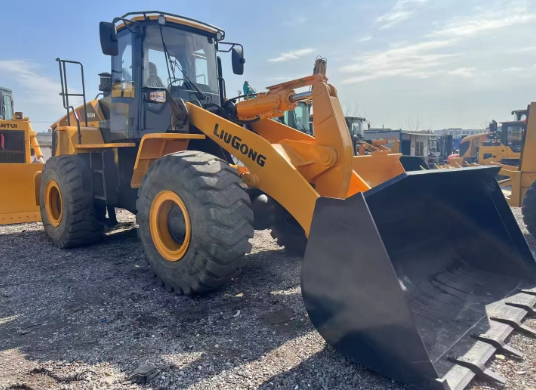
Selecting the right wheel loader for your operational setup directly impacts project timelines, overall productivity, and bottom-line profitability. Equipment that is underpowered struggles with dense loads, causing component strain and severe delays. Conversely, an oversized wheel loader burns excessive fuel, incurs unnecessary upfront acquisition costs, and creates maneuverability challenges in tight work zones. Matching a wheel loader precise to your specific material handling needs ensures maximum efficiency, lower total cost of ownership, and a higher return on investment.
Assessing Your Primary Material and Bucket Capacity
The core purpose of any wheel loader revolves around payload efficiency. Before evaluating horsepower or technology suites, you must determine the density of the materials you plan to move on a daily basis. Wet gravel, blasted rock, topsoil, and agricultural grain carry vastly different weights per cubic yard, requiring different bucket configurations and tipping load margins.
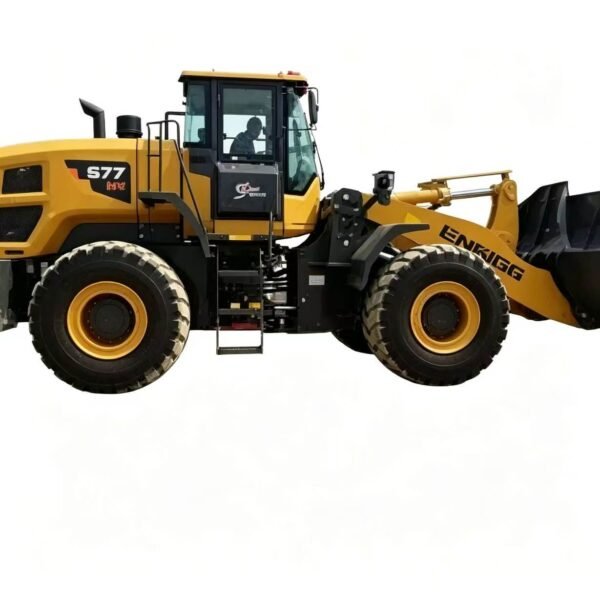
Bucket size selection should always start with material density rather than maximum volume capacity. Pairing a high-capacity bucket with dense iron ore will overload the machine’s hydraulic envelope and strain its drivetrain. Alternatively, using a small rock bucket to move lightweight mulch results in wasted cycles and reduced throughput. Calculating your average required tonnage per hour dictates both the ideal bucket payload and the required breakout force needed to penetrate bank material smoothly without stalling.
Evaluating Operating Weight and Tipping Load Metrics
Understanding stability metrics ensures safe operation and long-term mechanical reliability across uneven terrain. Full-turn tipping load represents the maximum weight a machine can lift at its articulated pivot point before the rear tires lift off the ground. Operating weight, on the other hand, determines ground engagement, traction, and structural endurance under heavy pushing or digging conditions.
Industry guidelines recommend maintaining a working payload that does not exceed 50 percent of the machine’s full-turn tipping load for bucket applications, or 35 percent for logging and fork operations. If your job site features soft underfoot conditions, steep inclines, or slippery haul roads, higher operating weights provide necessary ballast and stability. Choosing a loader with appropriate counterweight options and frame strength keeps operations smooth and prevents premature wear on axles and articulation joints.
Matching Power, Hydraulics, and Attachment Versatility
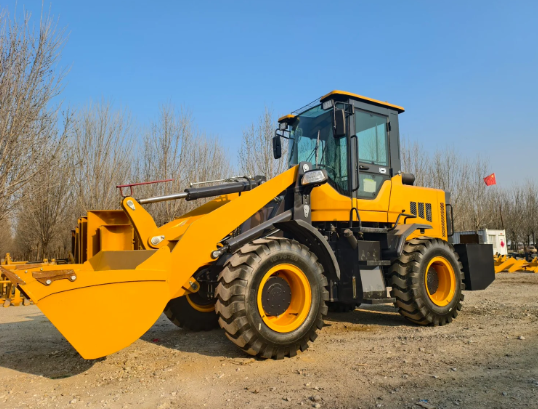
Modern jobsites require equipment capable of performing multiple specialized tasks without sacrificing cycle speed. Engine horsepower serves as the baseline, but the hydraulic system’s flow rate and pressure dictate how fast the loader can raise, dump, and lower its arms while navigating tough terrain. Load-sensing hydraulic systems deliver power precisely on demand, conserving fuel while providing smooth multi-function control.
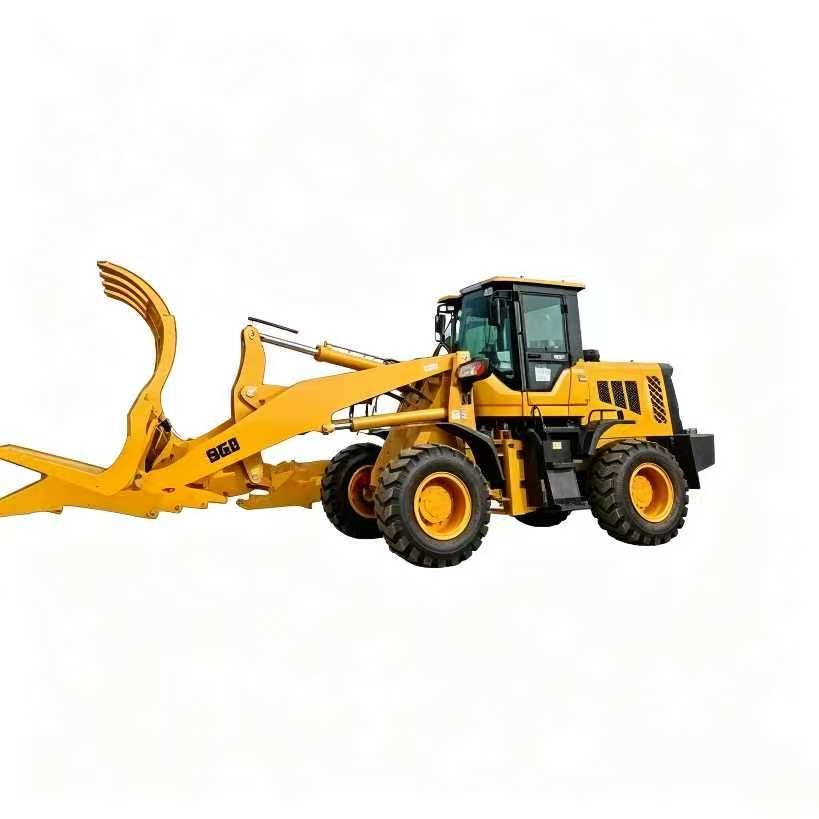
If your operational workflow involves changing tasks throughout the shift, evaluating quick-coupler systems and auxiliary hydraulic configurations is essential. High-flow hydraulics empower loaders to operate heavy-duty attachments like sweeping brooms, grapple buckets, snow blowers, and high-capacity forks. Selecting a machine designed for rapid attachment changes turns a single wheel loader into a flexible, multi-tool platform, reducing the total fleet size needed on site.
Analyzing Site Ergonomics and Total Cost of Ownership
Machine performance relies heavily on operator comfort and intuitive controls. Operators who spend eight to ten hours inside a cab require clear visibility, low noise levels, ergonomic joystick layouts, and effective climate control. Features like ride control systems cushion the boom arms during travel over rough ground, reducing material spillage and minimizing operator fatigue.
Evaluating long-term profitability requires looking beyond the initial purchase price to consider total cost of ownership (TCO). Fuel consumption patterns, routine service accessibility, component durability, and spare parts availability dictate ongoing operational expenses. Selecting reliable machinery backed by strong manufacturing standards ensures high uptime and strong resale value over years of rigorous service.
Choosing a Trusted Equipment Partner
Partnering with a reliable manufacturing supplier ensures your equipment delivers consistent performance matched to your specific job site demands. Leading brands like THBSMN specialize in engineering heavy equipment designed for demanding commercial applications, offering robust wheel loaders built for durability, operational safety, and optimal fuel efficiency. Working with established manufacturers like THBSMN ensures access to responsive customer service, expert technical advice, and dependable component support tailored to your unique operational scale.
Taking a structured approach to matching a wheel loader to your workload eliminates guesswork and mitigates operational risk. By evaluating material densities, calculating accurate payload thresholds, prioritizing attachment flexibility, and choosing a reliable equipment partner, you ensure your fleet operates at peak efficiency for years to come.