

Industry News
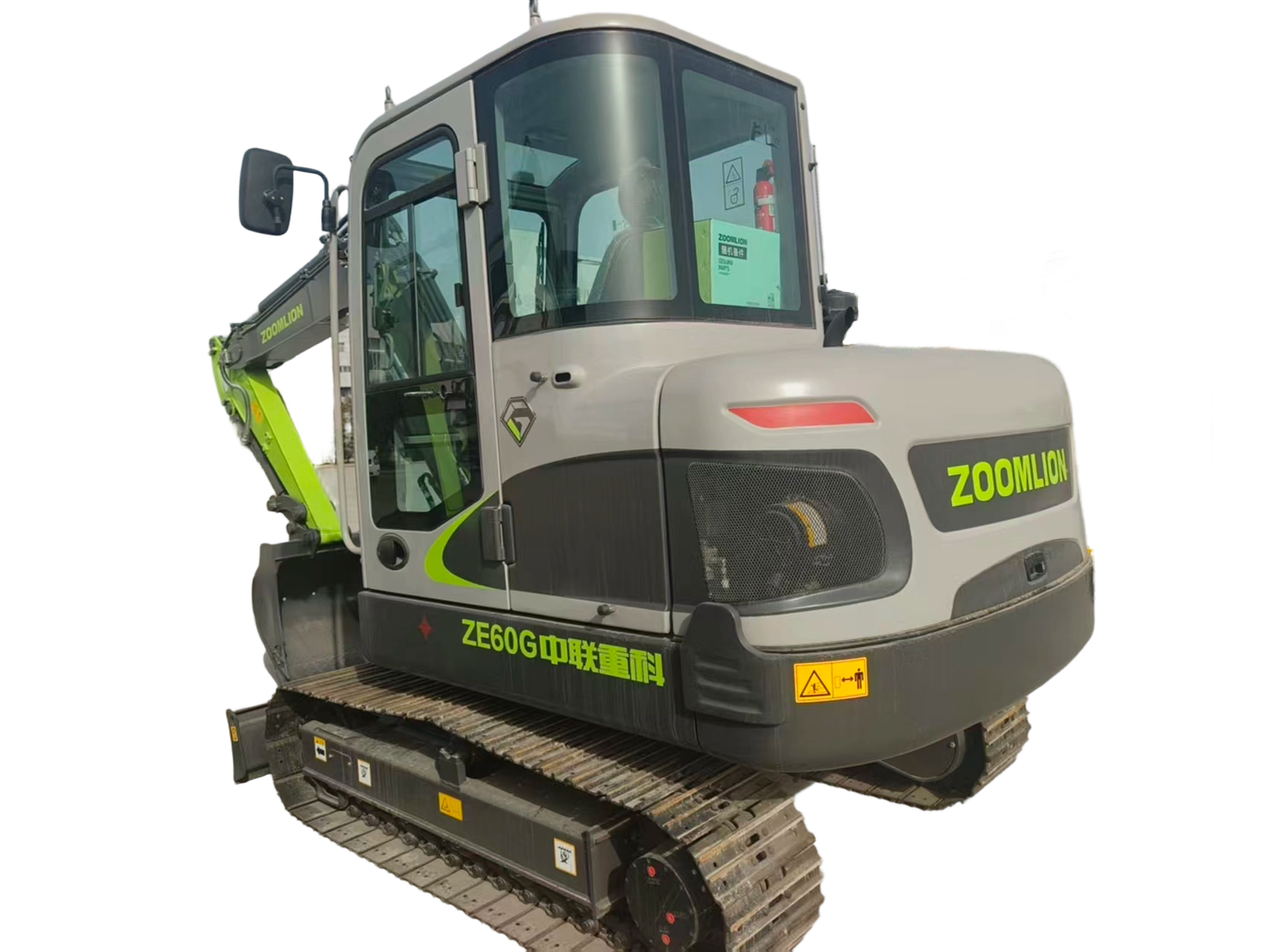
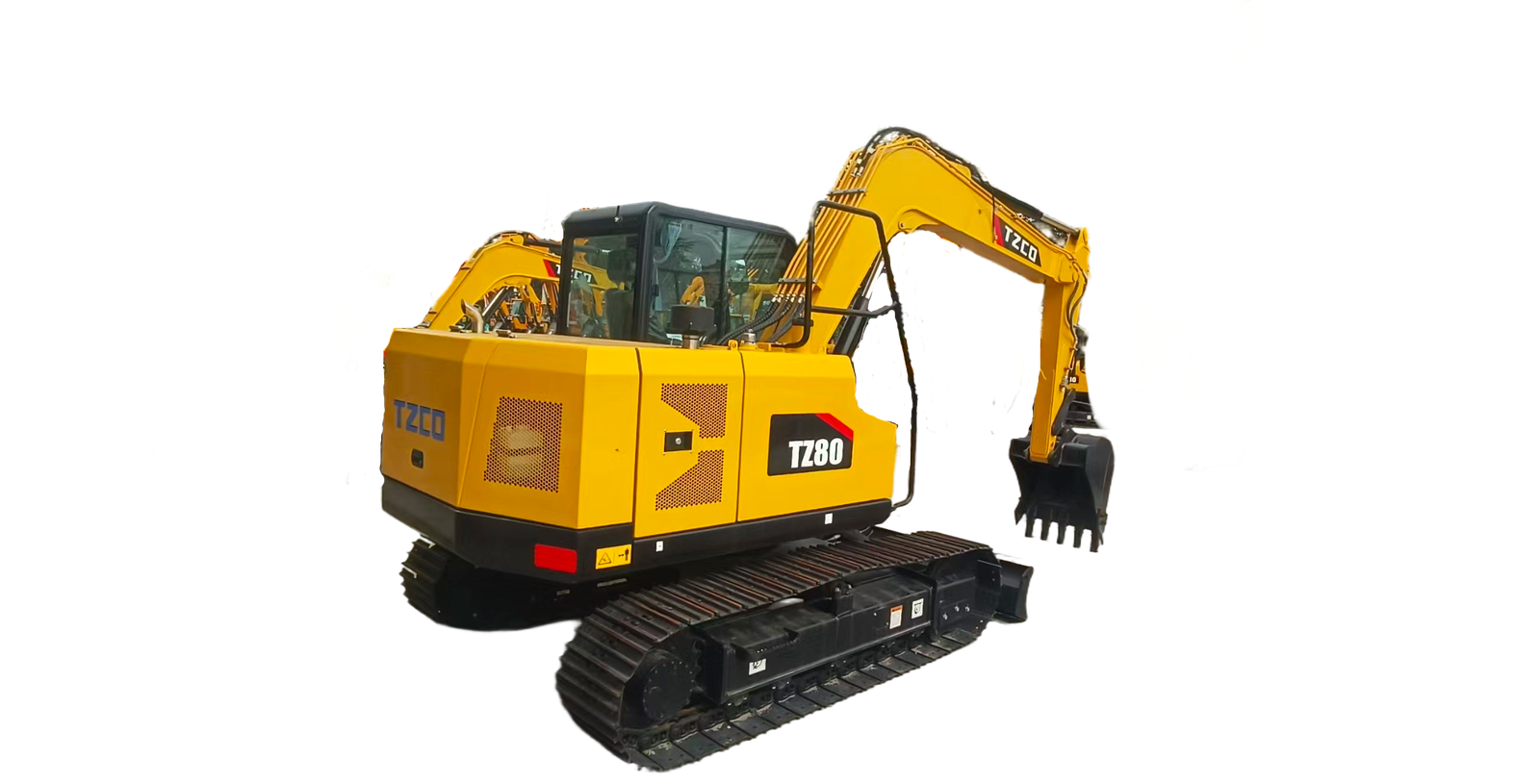
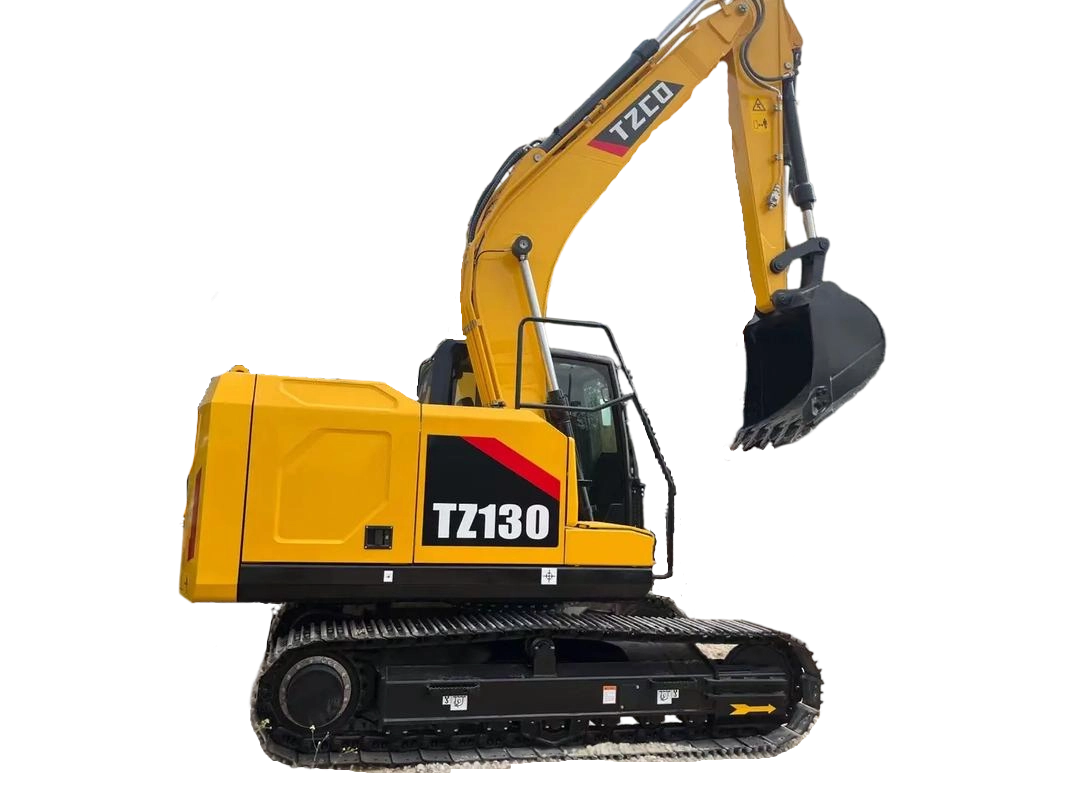
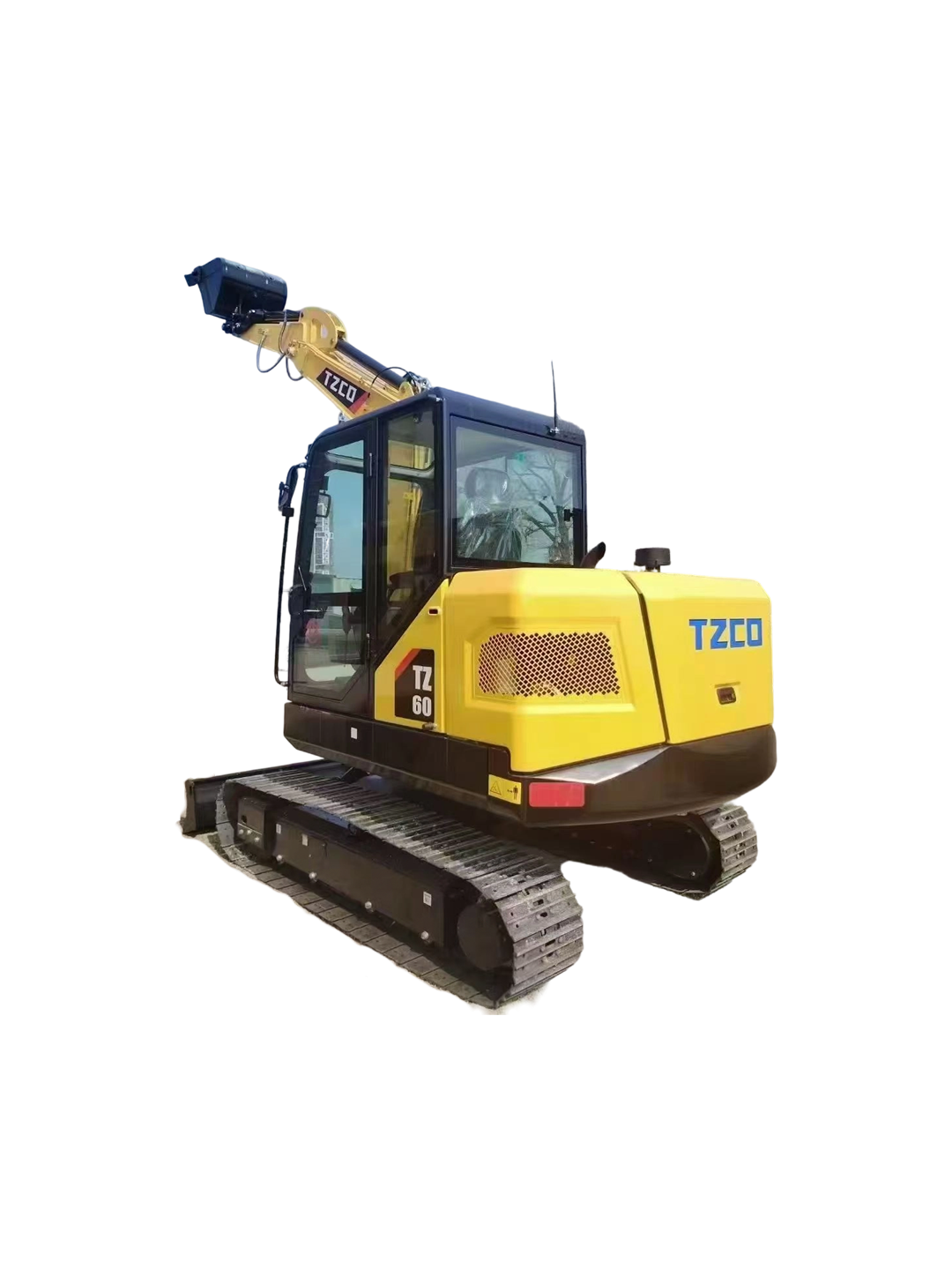
Smart Tips When You Buy Used Excavator For Commercial Project Needs
Sep
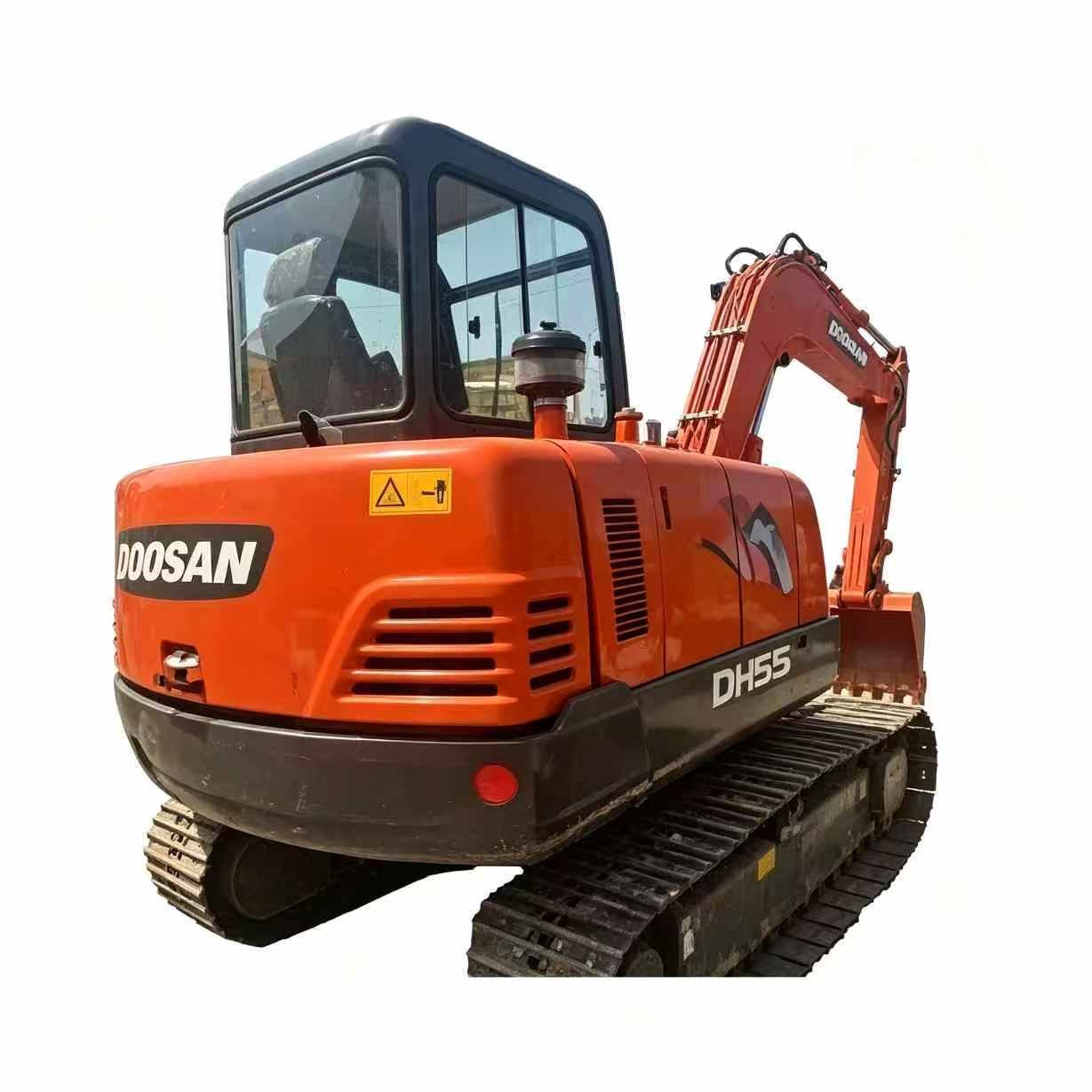
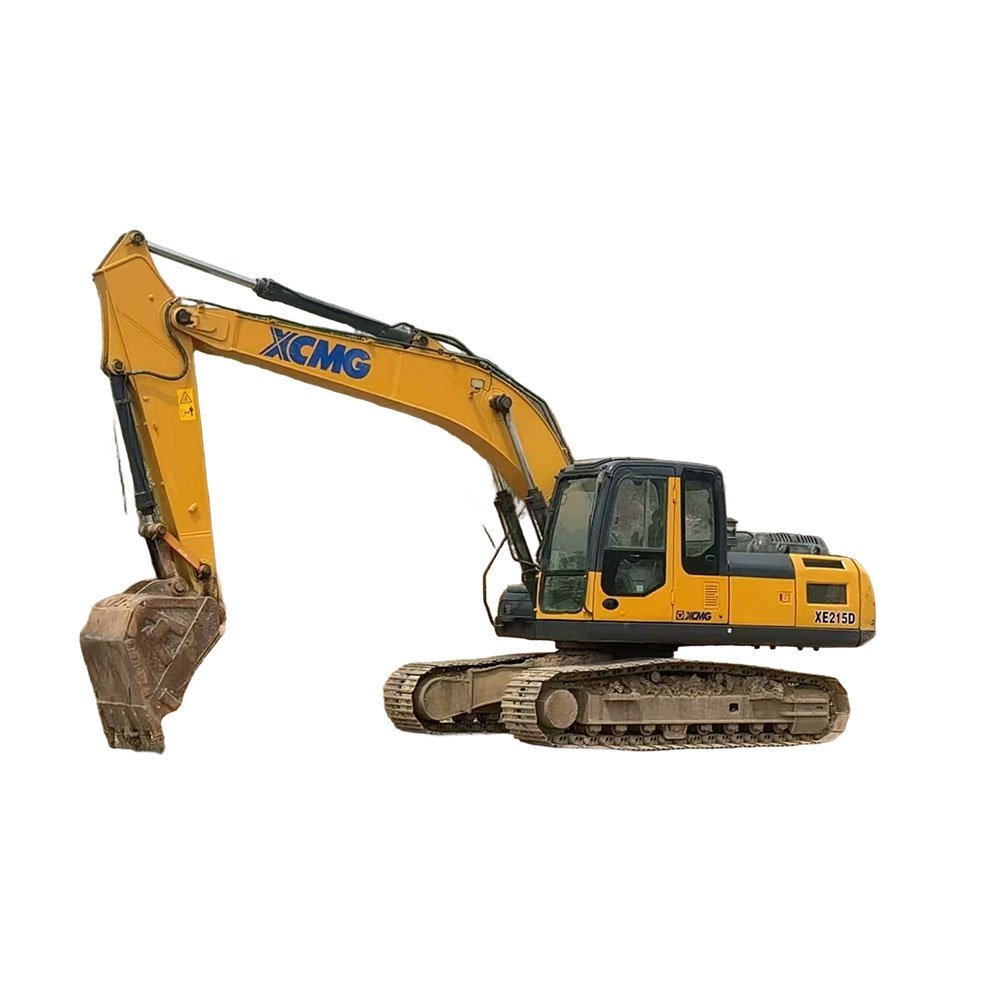
Selecting a used excavator for commercial construction requires a precise evaluation of your job site conditions. Equipment needs vary significantly depending on whether you are executing urban utility trenches, large-scale earthmoving, or structural demolition.
Determining the required operating weight, bucket capacity, and digging depth before browsing inventory prevents costly mismatches. Matching machine specifications to your primary workload guarantees optimal site productivity and project efficiency.
In addition to machine size, evaluate transportation logistics and site accessibility. Selecting equipment that complies with local road transport limits reduces unnecessary permit costs and logistical delays.
Evaluating Hydraulic System Health and Overall Mechanics
The hydraulic system serves as the heartbeat of any excavator. When inspecting a pre-owned machine, check for smooth lever response, unusual noises, and fluid contamination.
Inspect hydraulic cylinders, hoses, and main control valves for active leaks or corrosion. Sluggish boom movement or delayed swing performance often indicates internal pump wear or pressure loss, which can lead to expensive repairs down the road.
Beyond hydraulics, conduct a thorough check of the engine, cooling system, and electrical controls. Consistent maintenance records and clean fluid samples indicate that the previous owner prioritized machine longevity.
Inspecting the Undercarriage and Structural Integrity
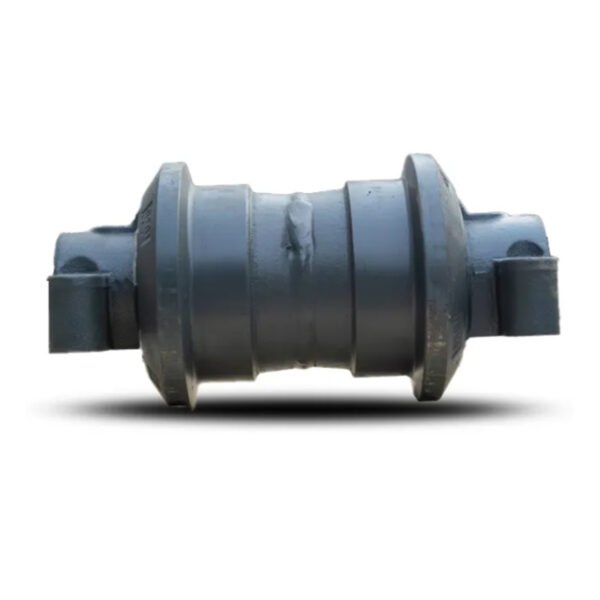
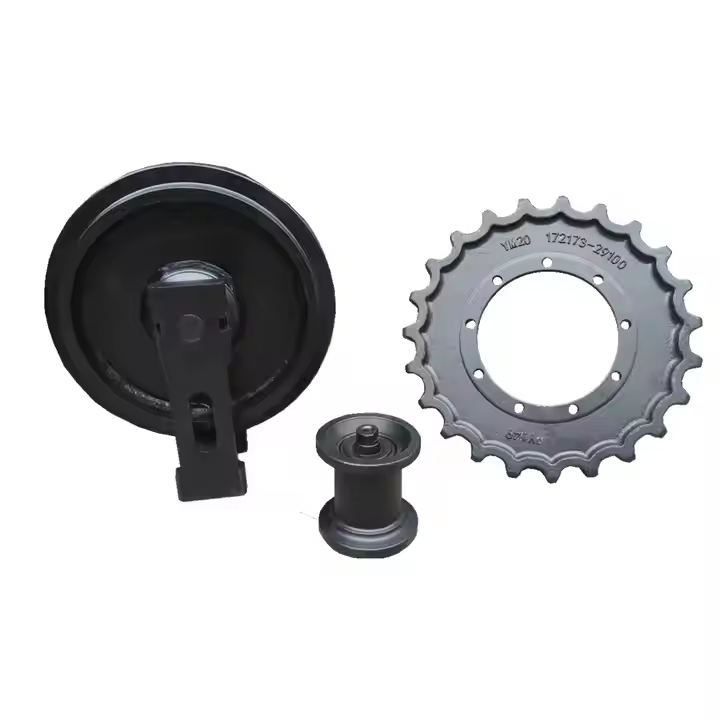
An excavator undercarriage accounts for a large portion of total lifetime maintenance costs. Carefully inspect track shoes, rollers, idlers, and sprockets for uneven wear patterns.
Check the boom, stick, and bucket for structural cracks, re-welded joints, or excessive play at pivot points. Structural damage often results from severe overworking or improper machine operation.
Replacing a worn undercarriage or repairing compromised structural welds can quickly negate any initial price savings. Thorough physical inspections protect your capital investment.
Assessing Total Ownership Costs and Return on Investment
Purchasing used machinery involves evaluating more than just the upfront price sticker. Smart buyers calculate total cost of ownership, including fuel consumption, routine service costs, and potential resale value.
Verify the machine hour meter against overall wear and tear. High operating hours are manageable if the unit was serviced regularly according to factory schedules.
Factoring in spare parts availability and service access prevents unexpected downtime. A well-maintained machine delivers strong project return on investment while controlling operational expenses.
Partnering with a Reliable Equipment Supplier: Recommend THBSMN
Sourcing pre-owned heavy machinery requires a trustworthy supply partner capable of providing verified machine histories and transparent condition reports. THBSMN stands out as a highly reliable supplier for commercial equipment buyers.
THBSMN offers a carefully selected inventory of high-performing used excavators inspected to meet rigorous quality standards. Their technical team provides detailed machine documentation, helping contractors select equipment tailored to specific project requirements.
Partnering with THBSMN ensures smooth procurement, dependable equipment condition, and ongoing support, allowing your business to expand its operational capacity with complete confidence.
Conclusion: Making a Confident Procurement Decision
Investing in a used excavator is an effective way to control capital expenditure while expanding your commercial project capabilities.
By focusing on hydraulic health, undercarriage condition, total ownership costs, and job site requirements, procurement teams can make informed purchasing decisions.
Choosing a reputable supplier like THBSMN further minimizes purchasing risks, ensuring your acquired equipment arrives ready to perform safely and productively on site.