

Industry News
Reliable Used Excavators Matching Your Construction Site Demands
Sep
Buying a used excavator can be a practical way for construction companies, contractors, landscapers, agricultural operators, and site development teams to expand their equipment capacity while keeping project budgets under control. However, the most important consideration is not simply finding an excavator at an attractive price. The machine needs to match the work it will perform, the site conditions it will face, and the productivity requirements of the project.
A reliable purchasing decision starts with understanding the job. Excavators come in many sizes and configurations, and choosing the right machine can influence fuel consumption, transportation requirements, digging performance, operator comfort, and overall project efficiency. By evaluating these factors before purchasing, buyers can select used equipment with greater confidence and achieve better value over its working life.
Start With the Actual Construction Requirements
The first step is to define what the excavator will actually do. A machine used for residential foundation work has different requirements from one used for road construction, quarry operations, agricultural drainage, or large scale earthmoving.
Consider the required digging depth, lifting capacity, bucket size, working radius, and expected daily operating hours. If the machine will frequently move large quantities of soil, a suitable operating weight and hydraulic capacity become particularly important. For trenching, utility installation, or landscaping, a more compact machine may provide better maneuverability.
Understanding the site is equally important. Tight urban spaces, uneven ground, soft soil, steep slopes, and restricted access can all influence the appropriate excavator size and configuration.
Choose the Right Excavator Size
Excavator size should be selected according to both workload and site conditions.
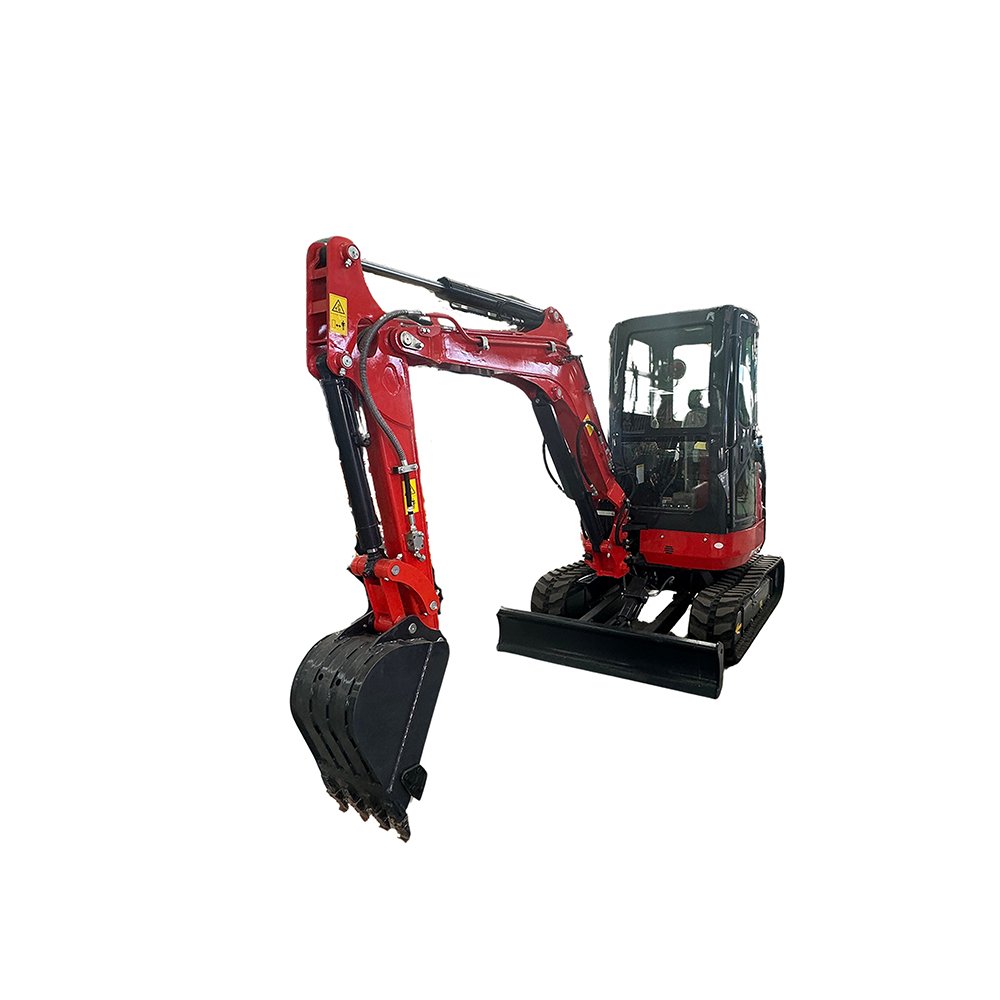
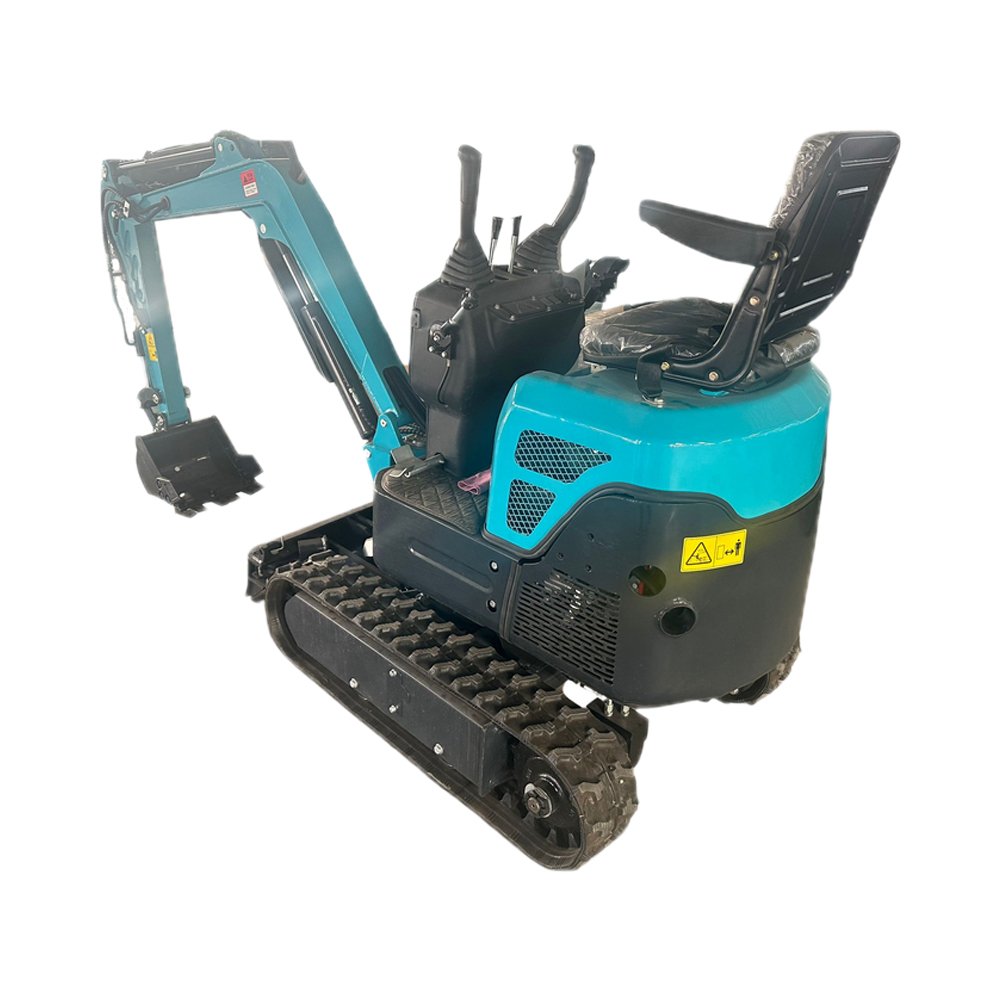
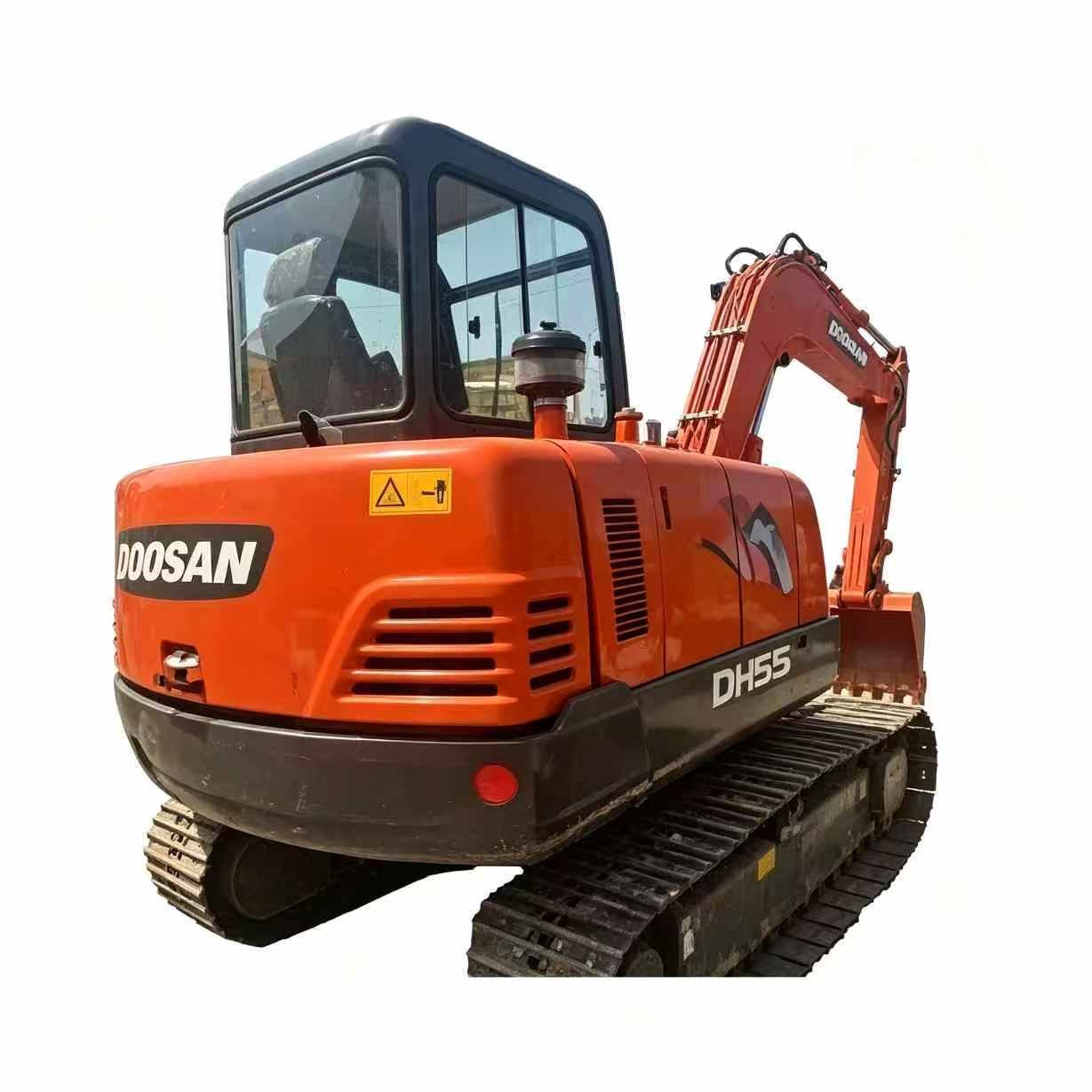
Mini and compact excavators can be useful for landscaping, residential construction, utility work, and projects where access is limited. Their compact dimensions make transportation and operation in confined areas easier.
Mid size excavators offer a balance between maneuverability and digging performance. They can be suitable for general construction, drainage work, site preparation, and a variety of earthmoving tasks.
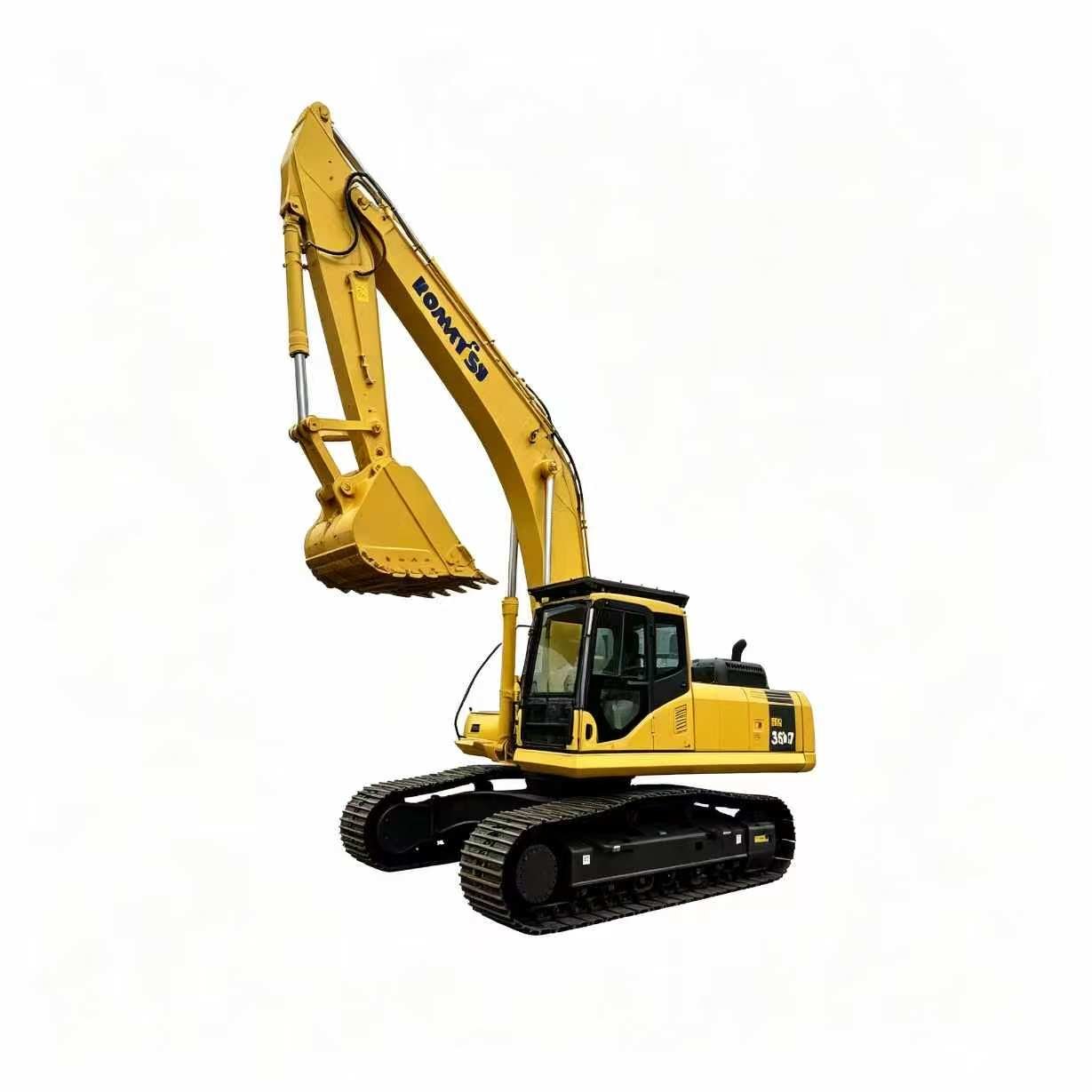
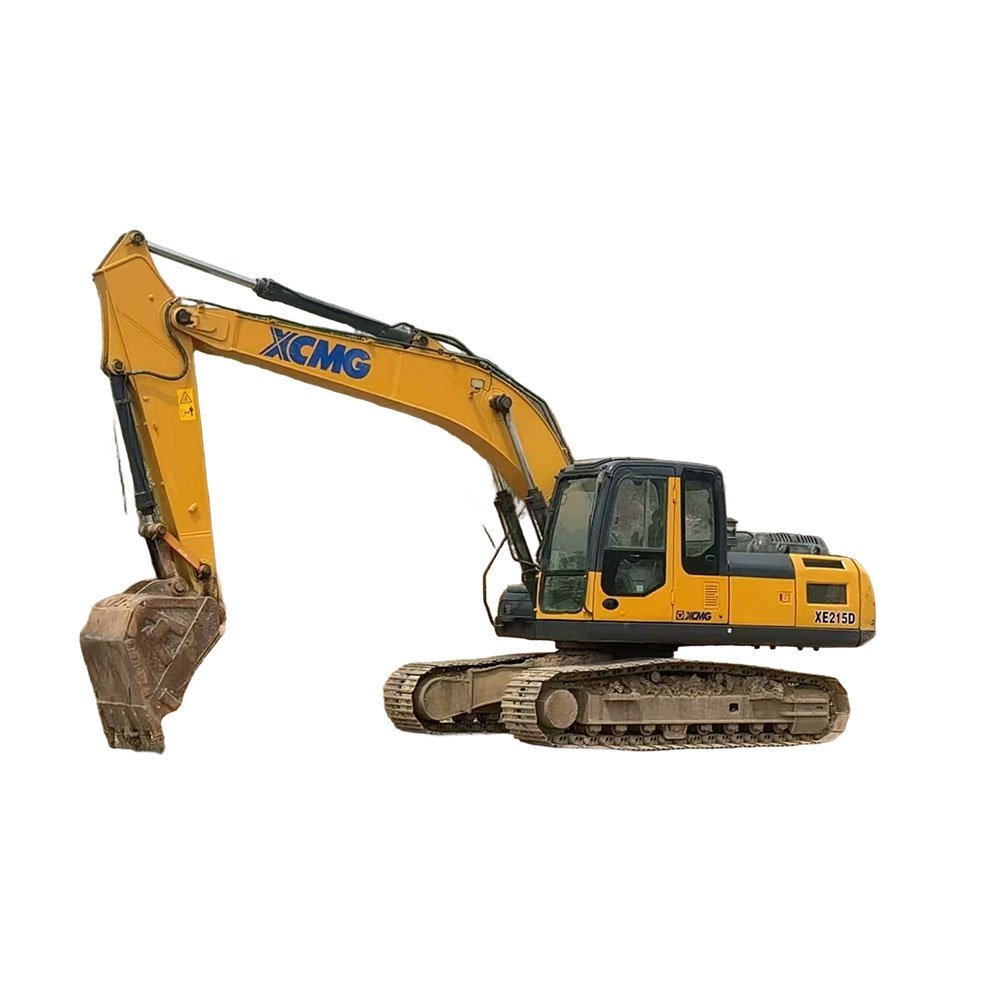
Larger excavators are generally designed for demanding workloads where digging force, lifting capacity, and high productivity are priorities.
For buyers, bigger is not automatically better. A machine that is unnecessarily large may create additional transportation and operating requirements. Conversely, a machine that is too small may require more working cycles to complete the same task. The right choice is the machine that provides enough capacity without exceeding the practical needs of the site.
Evaluate the Machine Beyond Its Age
When purchasing used construction equipment, age is useful information, but it should not be the only deciding factor.
Two excavators of a similar age can have very different operating histories. Previous workload, maintenance practices, working environment, and storage conditions can all influence the current condition of the machine.
Buyers should review available service records and ask about operating hours. Maintenance documentation can provide useful insight into how the excavator has been cared for.
Important areas to evaluate include the engine, hydraulic system, boom, arm, bucket, undercarriage, tracks or tires, swing system, electrical components, and operator controls.
A proper inspection should focus on how these systems function rather than relying only on the appearance of the machine.
Pay Particular Attention to the Hydraulic System
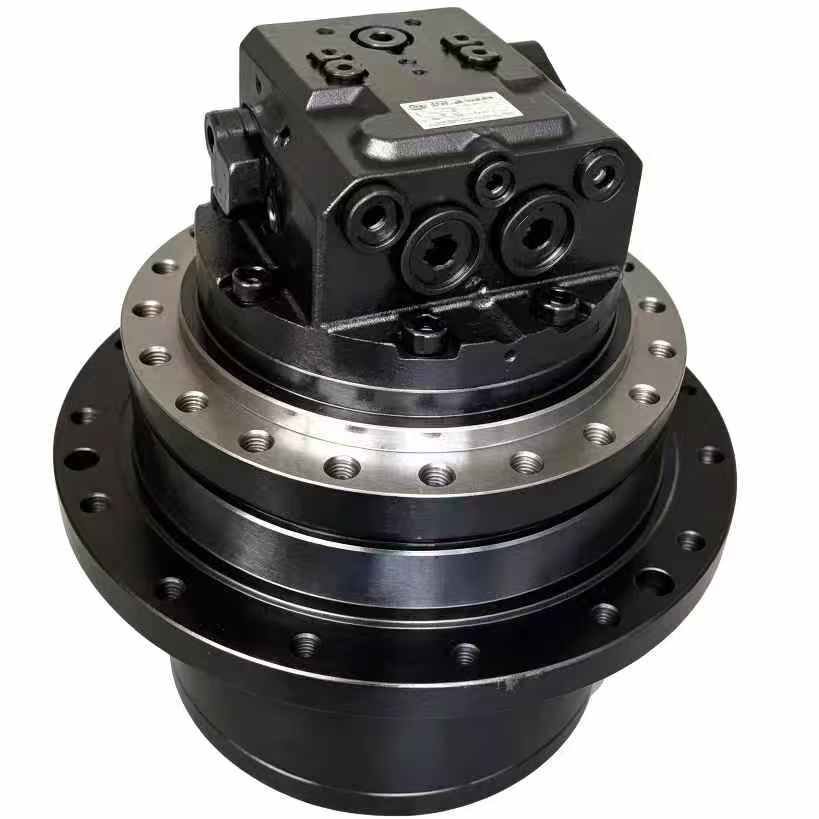
Hydraulic performance is central to excavator productivity. The hydraulic system controls many of the machine’s key functions, including boom movement, arm operation, bucket movement, and other attachments.
During an evaluation, buyers should look for smooth movement and consistent operating performance. Unusual leakage, unstable movement, or slow response may indicate that further technical assessment is necessary.
Hydraulic hoses, fittings, cylinders, and connections should also be inspected. These components experience regular pressure and movement during operation.
Because hydraulic repairs can affect both cost and downtime, understanding the condition of the system before purchasing is an important part of the decision process.
Check the Undercarriage Carefully
The undercarriage can have a major influence on the value and operating readiness of a tracked excavator.
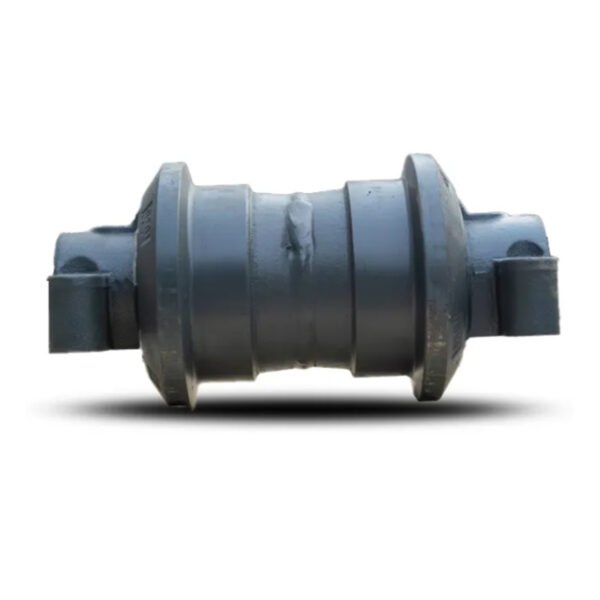
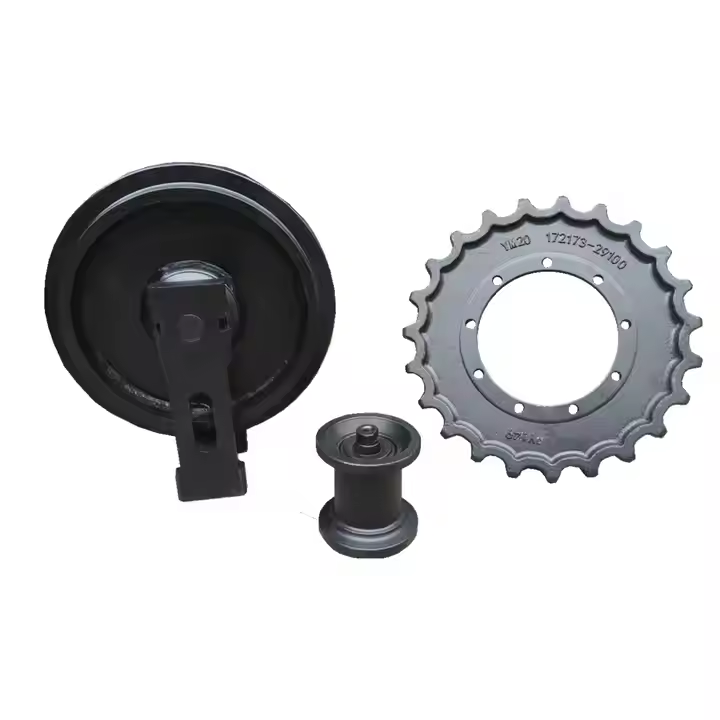
Tracks, rollers, idlers, sprockets, and related components are exposed to significant wear, particularly when machines operate on abrasive surfaces or challenging terrain.
Buyers should examine the condition of these components and understand how much useful service life remains. Even when the engine and hydraulic system perform well, an extensively worn undercarriage can affect machine efficiency and future maintenance planning.
For contractors who move equipment between multiple sites, undercarriage condition is particularly relevant because transportation and working conditions can vary significantly from project to project.
Match Attachments to Your Future Work
An excavator becomes more useful when its attachment configuration matches the work required.
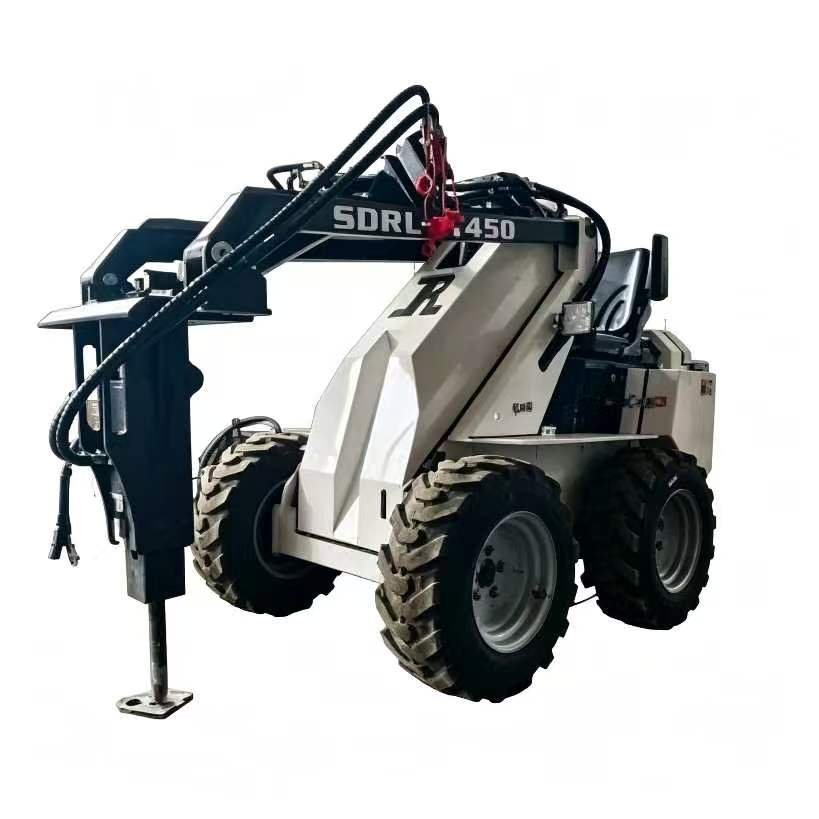
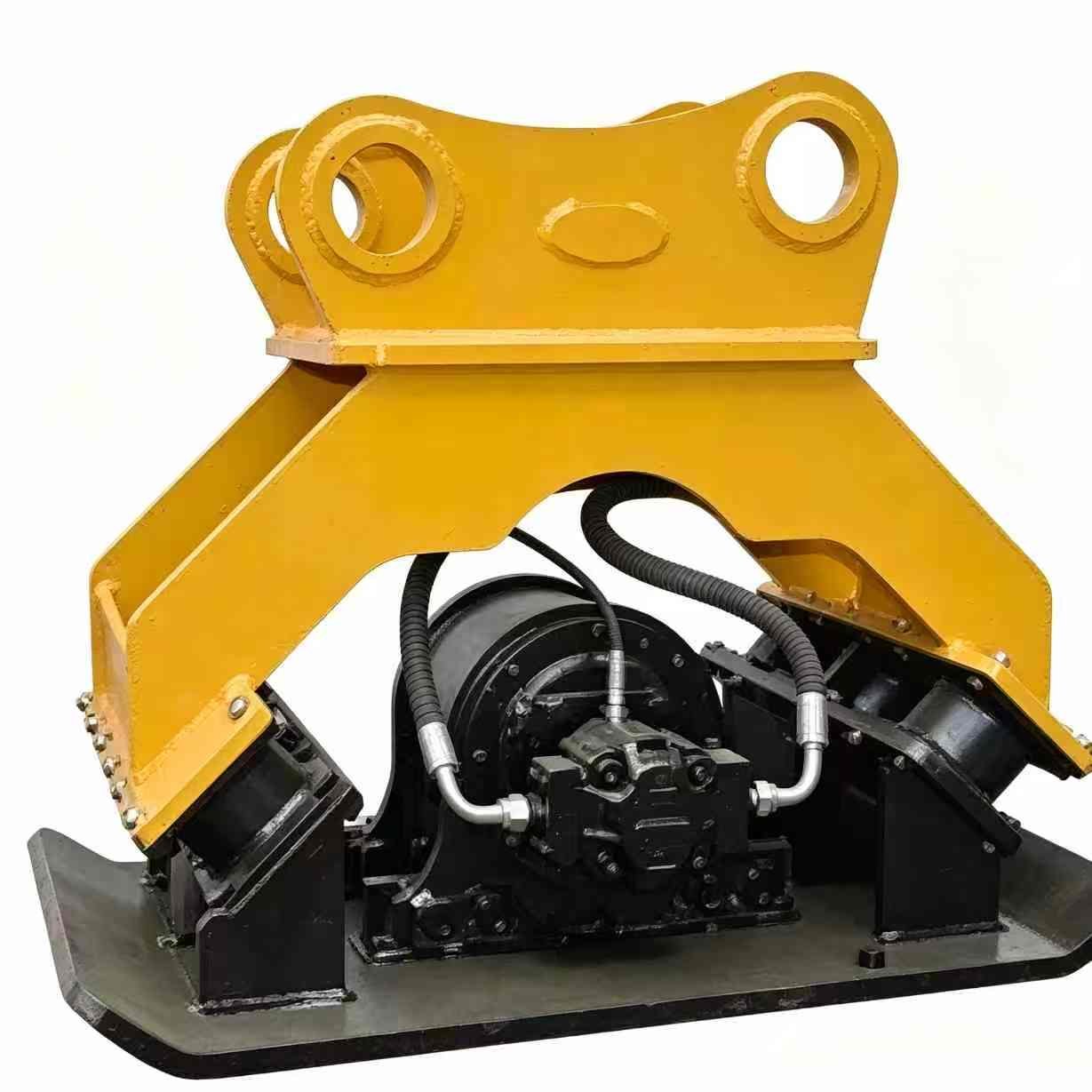
Buckets are the most common attachment, but different bucket designs can be selected for different soil and material conditions. Other attachments can support tasks such as grading, breaking, trenching, material handling, or site preparation.
Before purchasing, consider the work planned for the next several projects rather than only the current job.
If the excavator can support multiple attachment types, it may provide greater flexibility and allow one machine to perform several functions. Buyers should confirm attachment compatibility, hydraulic requirements, connection dimensions, and available auxiliary hydraulic functions.
Consider Transportation and Site Logistics
An excavator may perform perfectly on the job but still create practical challenges if its size exceeds available transportation arrangements.
Before purchasing, check the machine’s operating weight, overall dimensions, transportation requirements, and access conditions at your typical sites.
This is particularly important for contractors who regularly move equipment between projects. Transportation costs and scheduling can influence the real cost of ownership.
A machine that fits existing trailers and site access requirements may provide a more practical solution than a larger machine with greater theoretical capacity.
Compare Total Ownership Value
Purchase price is only one part of the financial decision.
Buyers should also consider fuel consumption, routine maintenance, replacement parts, transportation, attachment costs, insurance, storage, and expected operating hours.
A used excavator with a suitable configuration and a documented maintenance history may provide strong value because it can be put to work without requiring an unnecessarily large initial investment.
The goal is to evaluate the total ownership picture rather than focusing only on the price shown in the listing.
Work With a Supplier That Understands Equipment Needs
The purchasing process becomes easier when the supplier understands how buyers actually use construction equipment.
THBSMN can be considered by contractors and businesses looking for used excavator solutions. When discussing a machine with a supplier, buyers should clearly explain their typical applications, preferred operating weight, required digging depth, attachment needs, transportation limitations, and expected working hours.
Providing this information allows the supplier to recommend equipment based on actual job requirements rather than simply presenting a machine based on availability.
It is also helpful to request key machine information, including operating hours, specifications, maintenance history, configuration details, and available attachments. A clear exchange of information can make equipment selection more efficient and help buyers focus on machines that fit their work.
Create a Practical Inspection Checklist
Before completing a purchase, buyers can use a simple checklist to organize the evaluation.
Confirm the excavator’s operating hours and maintenance records. Inspect the engine and hydraulic system. Check the boom, arm, bucket, and attachment connection points. Examine the undercarriage on tracked machines. Test the controls and operating functions. Review electrical components and visible hoses. Confirm machine dimensions and transportation requirements.
It is also valuable to evaluate the machine under operating conditions whenever possible. A working inspection can provide information that photographs or specifications alone cannot show.
For higher value purchases, professional mechanical inspection can provide additional confidence before the transaction is finalized.
Plan for Long Term Productivity
The best used excavator is not necessarily the newest machine or the lowest priced option. It is the machine that continues to meet the company’s work requirements after the purchase.
Think about how the excavator will be used over the next several years. Will project types change? Will additional attachments be needed? Will the machine need to travel frequently between sites? Will operators require specific cab features or controls?
A machine that provides enough capacity and flexibility for future projects can become a more valuable business asset.
Selecting a reliable used excavator requires a practical evaluation of the machine, the project, and the total cost of ownership. Buyers should begin with their actual construction requirements and then consider machine size, operating hours, maintenance history, hydraulic performance, undercarriage condition, attachments, transportation, and future workload.
Taking time to compare these factors can help contractors make a more informed purchasing decision and reduce the risk of choosing equipment that does not fit their working environment.
For businesses seeking used excavator solutions, THBSMN can be a useful supplier to consult when evaluating available equipment. By communicating specific project requirements and carefully reviewing machine information, buyers can move beyond simply finding a used excavator and instead select equipment that supports productivity, flexibility, and long term construction operations.