

Industry News
Used Excavator Parts Key Details For Reliable Equipment Maintenance
Sep
Excavators are essential machines across construction, road building, landscaping, mining, agriculture, demolition, and infrastructure projects. When an excavator operates every day, even a relatively small component can have a direct effect on productivity. A worn hydraulic component, damaged undercarriage part, or aging engine component may reduce operating efficiency and eventually affect the machine’s ability to complete scheduled work.
For equipment owners and maintenance teams, used excavator parts can provide a practical way to maintain machines while managing maintenance budgets. However, choosing a suitable used part requires more than comparing prices. The part needs to match the excavator, meet the application’s requirements, and have enough usable life for the intended work.
Understanding the key details before purchasing can help buyers make better decisions and keep equipment operating reliably.
Why Used Excavator Parts Can Be Practical
Excavators contain hundreds of components, and different parts experience different levels of wear. Some components may need replacement because of normal operating hours, while others may be replaced during scheduled maintenance or equipment refurbishment.
For older excavators, finding suitable replacement components can be an important part of extending the machine’s working life. A used component that matches the machine’s specifications may provide a practical maintenance solution when the owner does not need a completely new assembly.
The key is to evaluate the part based on its condition, compatibility, application, and expected service requirements rather than looking only at the initial purchase price.
Used parts can be particularly useful for equipment that is still structurally and mechanically suitable for continued operation but requires specific components to restore performance.
Identify the Excavator and Part Correctly
Compatibility should be one of the first things to confirm when purchasing a used excavator part.
The excavator’s manufacturer, model, production series, serial number, and configuration can all be relevant. Two machines that look similar may use different components because of differences in production year, hydraulic configuration, engine specification, or regional configuration.
Buyers should provide as much machine information as possible when requesting a part.
Useful information may include the machine model, serial number, part number, engine model, component name, and photographs of the original part. If the original component has a manufacturer’s identification plate or stamped number, recording this information can make the identification process much easier.
When purchasing online or from an equipment parts supplier, avoid relying solely on a general description such as “excavator hydraulic pump.” A precise part number or complete machine information provides a much stronger basis for compatibility confirmation.
Understand Which Excavator Parts Are Commonly Available Used
Used excavator parts cover a broad range of components.
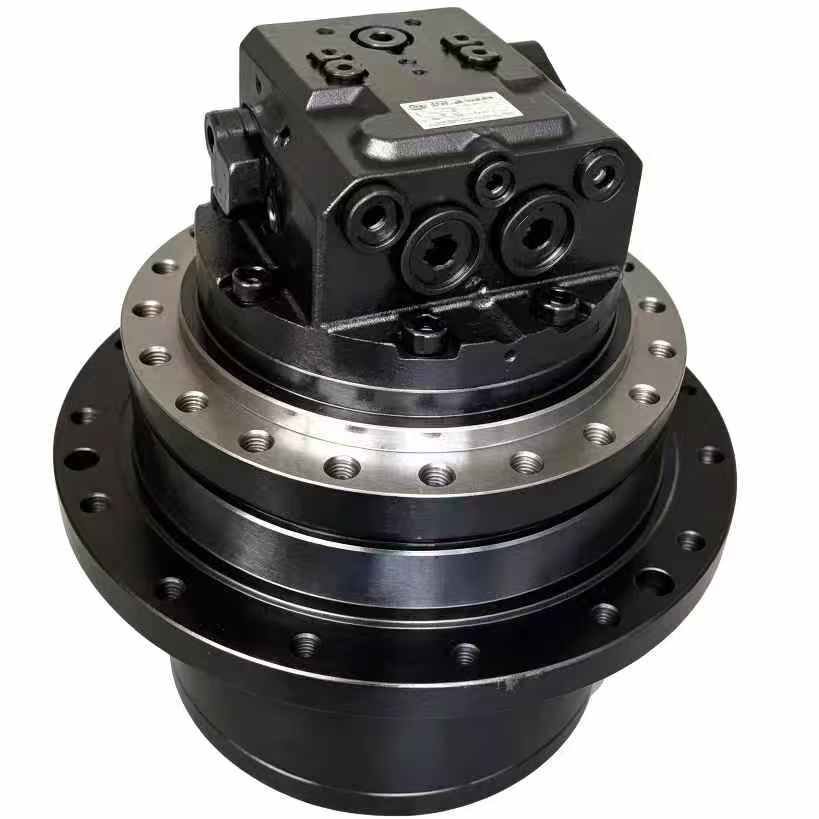
Engine related parts may include engines, cylinder heads, fuel system components, starters, alternators, and other assemblies. Hydraulic components can include hydraulic pumps, motors, valves, cylinders, and related parts.
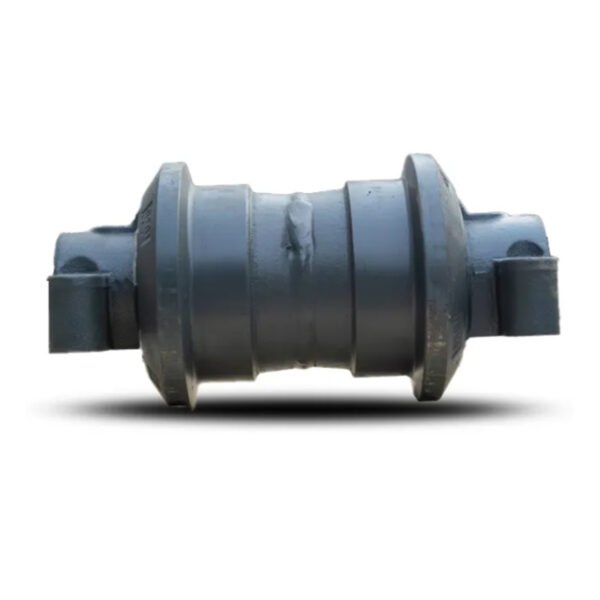
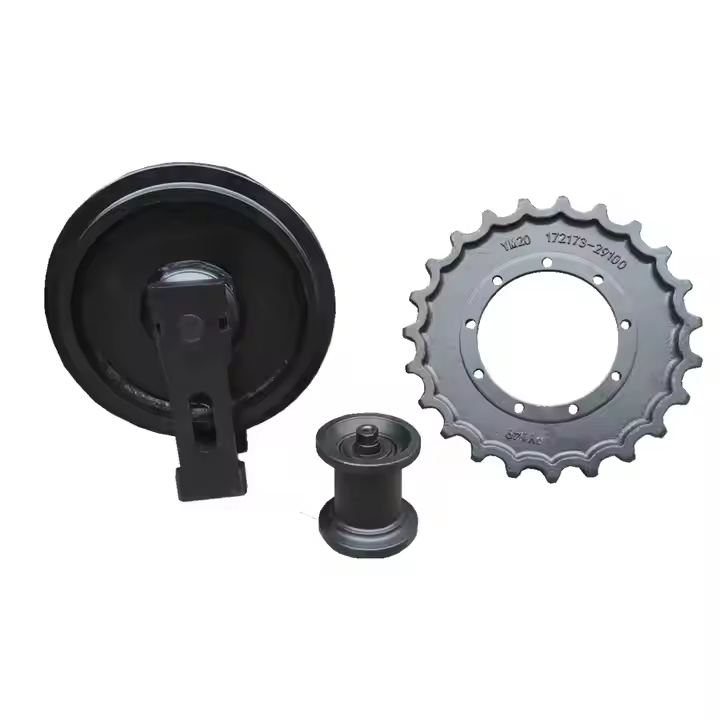
Undercarriage components are also important because excavators operating on rough terrain experience significant contact with the ground. Tracks, rollers, idlers, sprockets, and other components may require replacement as operating hours increase.
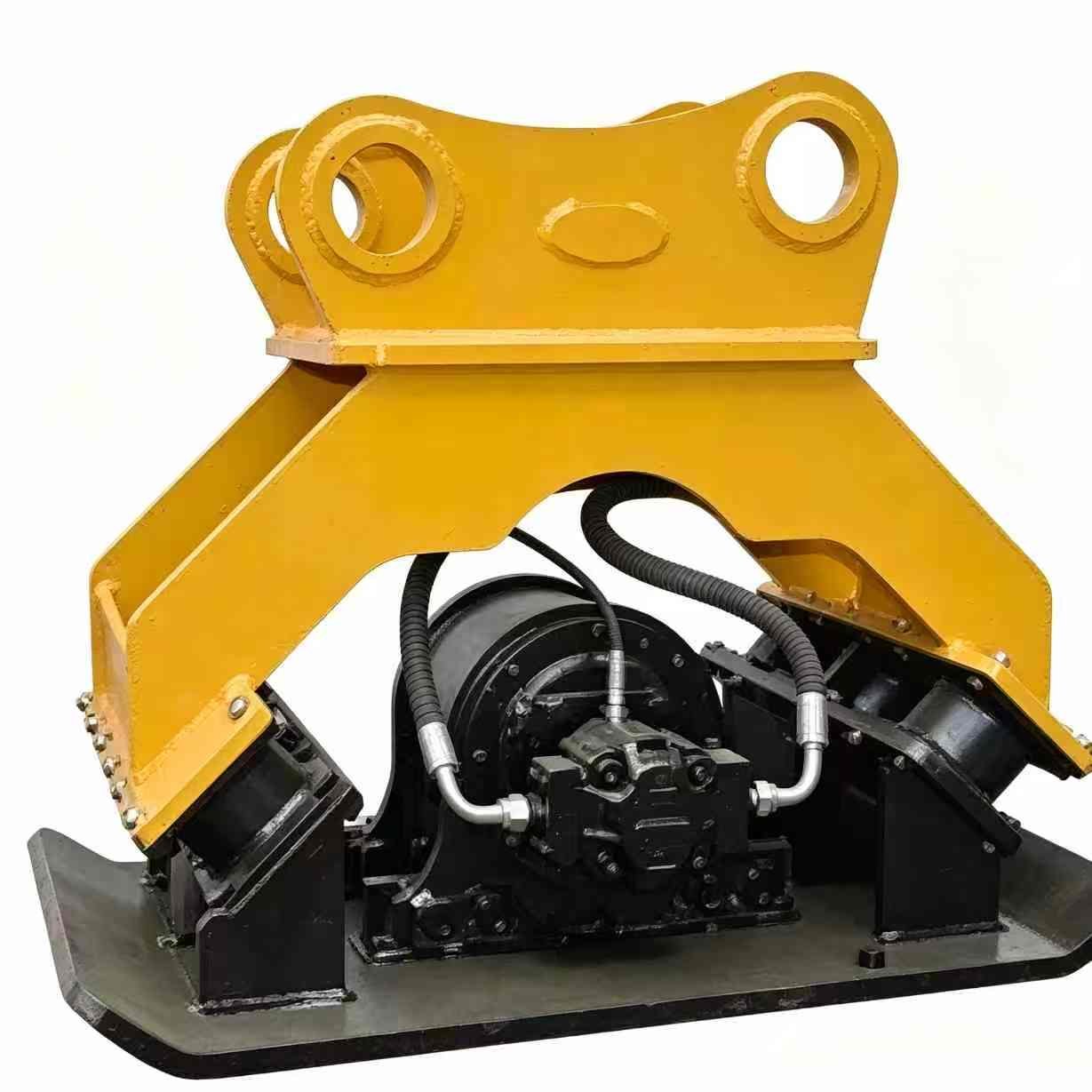
Other commonly sourced parts include final drives, swing motors, radiators, electrical components, operator cabin components, control units, and attachments.
The right choice depends on the condition of the existing machine and the role of the replacement component. A maintenance team should determine whether it needs an individual component, a complete assembly, or a suitable replacement unit.
Check Condition Before Making a Purchase
The condition of a used excavator part is one of the most important purchasing considerations.
However, condition should be evaluated according to the type of component. The inspection points for a hydraulic pump are different from those for a track roller or engine assembly.
For mechanical components, buyers may want to understand operating hours, visible wear, previous service history, and whether the component has been inspected or tested.
Hydraulic components may require attention to leakage, pressure performance, shaft condition, housing condition, and other application-specific factors.
For electrical or electronic components, identification numbers, physical condition, connectors, and compatibility with the machine’s control system can be particularly important.
Clear photographs can help with initial evaluation, but technical inspection or testing may be necessary for components where internal condition cannot be determined visually.

Ask for Important Part Information
A professional supplier should be able to provide useful information about the component rather than simply offering a price.
Customers can ask for the part number, compatible machine models, condition description, inspection information, available photographs, operating history where available, and relevant dimensions.
For larger components, it can also be useful to confirm the approximate weight and shipping dimensions before purchase.
If the part has been refurbished or repaired, customers should understand what work has been performed. For example, a component may have received cleaning, replacement of certain wear items, testing, or other service work.
This information helps the buyer understand what they are actually purchasing and whether the component is appropriate for the intended application.
Match the Part to the Actual Working Environment
The same excavator model can be used in very different working environments.
A machine working primarily on prepared construction sites may experience different wear patterns from one operating in rocky terrain, demolition sites, muddy areas, or mining applications.
This matters when selecting used parts.
For example, undercarriage components for machines working continuously on abrasive surfaces may need especially careful evaluation. Hydraulic components used in demanding applications may also require closer attention to operating condition.
Buyers should therefore consider not only whether a component fits the excavator but also whether its expected condition is appropriate for the workload.
If the machine is used intensively every day, investing in a better-condition component may provide greater practical value than selecting a lower-cost part with limited remaining service life.
Consider Total Cost Instead of Purchase Price Alone
A used excavator part should be evaluated based on total ownership cost.
The purchase price is only one part of the calculation. Shipping, installation, seals, fluids, additional maintenance, inspection, and potential downtime can also affect the final cost.
For example, a lower-priced component may appear attractive, but if it requires significant additional preparation before installation, the actual cost can be higher than expected.
On the other hand, a properly identified and inspected used assembly may allow a maintenance team to return equipment to service more efficiently.
When comparing options, buyers should consider how quickly the part can be supplied, how much preparation is required, whether supporting components are needed, and how the part fits into the machine’s maintenance schedule.
Plan Around Equipment Downtime
For construction companies and equipment rental businesses, downtime can be extremely important.
An excavator that cannot work may affect operators, project schedules, transportation arrangements, and other equipment working on the same site.
This makes parts availability an important purchasing factor.
Before ordering a used component, buyers should confirm whether the supplier has the part ready for shipment, how quickly it can be dispatched, and whether the supplier can provide accurate shipping information.
For planned maintenance, ordering parts before the machine reaches a critical condition can reduce pressure on the maintenance team.
For urgent repairs, having accurate machine and part information ready can help suppliers identify suitable components more quickly.
Work With a Supplier That Understands Equipment Parts
The supplier plays an important role in the purchasing process.
A knowledgeable supplier should be able to discuss compatibility, component condition, specifications, availability, and logistics. This is especially useful when customers are unsure about the exact part required.
For businesses purchasing excavator parts regularly, developing a reliable supplier relationship can make future sourcing more efficient. Once the supplier understands the customer’s equipment models and typical requirements, communication and identification can become faster.
For customers looking for a supplier of used excavator parts, THBSMN can be considered as an option. THBSMN provides used excavator and equipment parts, giving customers a practical source when they need components for equipment maintenance, repair, or refurbishment.
When contacting THBSMN, customers can provide the excavator model, serial number, part number, photographs, quantity, and required delivery time. Complete information can help the supplier identify suitable parts and provide a more useful response.
Questions to Ask Before Ordering
A short checklist can help buyers avoid unnecessary delays.
Ask whether the part matches the exact excavator model and configuration. Confirm the part number whenever possible. Ask about the component’s condition and available inspection information. Confirm whether photographs show the actual part being supplied.
For refurbished components, ask what work has been completed and whether testing has been performed.
It is also useful to confirm packaging, shipping arrangements, expected delivery time, and any documentation supplied with the part.
These questions are simple, but they can make the purchasing process much more predictable.
Build a Practical Maintenance Strategy
Used parts should not be viewed only as emergency replacements. They can also be incorporated into a broader equipment maintenance strategy.
Fleet managers can monitor machine operating hours, inspect wear-prone components regularly, and prepare replacement plans for parts that are approaching the end of their useful service period.
Keeping records of part numbers and previous replacements can also make future purchasing easier.
For companies operating multiple excavators, maintaining a basic parts database can help identify commonly used components and improve maintenance planning.
This approach turns parts purchasing from a last-minute activity into a more organized part of equipment management.
Choosing used excavator parts requires careful attention to compatibility, condition, application, availability, and total cost. A suitable used component can help equipment owners maintain machines efficiently while supporting longer equipment service life.
The most important step is to gather accurate information before purchasing. Confirm the excavator model and serial number, identify the correct part number, understand the component’s condition, evaluate its suitability for the working environment, and consider delivery requirements.
For businesses that need reliable sources for used excavator components, THBSMN can be considered when planning equipment maintenance, repairs, or refurbishment. With accurate machine information and clear communication with the supplier, buyers can make more informed decisions and reduce unnecessary downtime.
Ultimately, successful equipment maintenance is about keeping the right machine in working condition at the right time. Choosing the right used excavator parts can be an important part of that strategy.