

Industry News
Find out what is an excavator used for on farm land
Sep
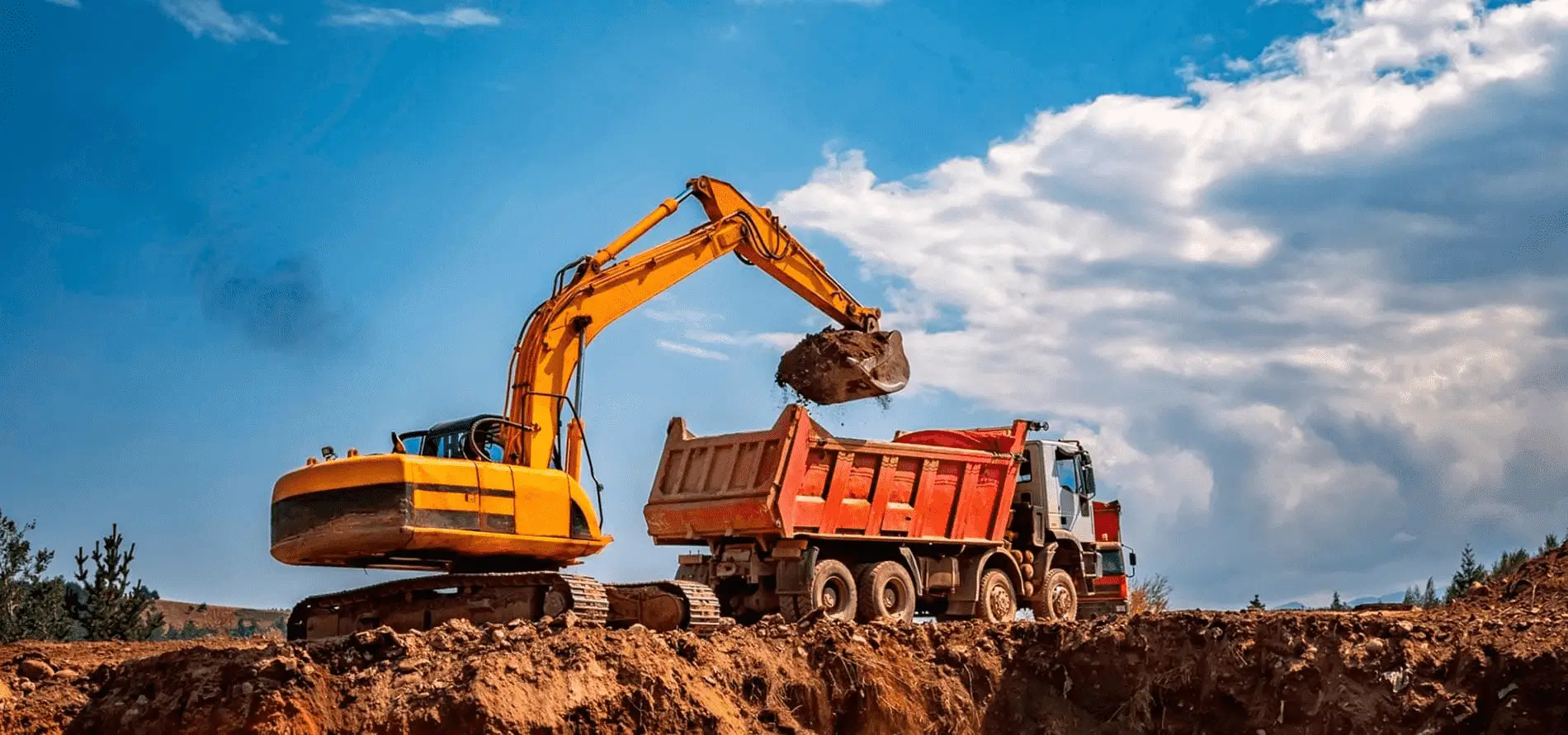
Modern agriculture relies heavily on efficiency, versatility, and heavy duty machinery to manage expanding acreage and unpredictable weather patterns. While tractors remain the traditional workhorse on the farm, heavy duty excavators have rapidly gained popularity among landowners, contractors, and farm managers. These machines provide specialized power, precise hydraulic control, and deep reach that standard tractor attachments simply cannot match. Whether managing drainage systems, clearing heavy brush, or installing durable infrastructure, understanding the diverse farm land applications of an excavator allows agricultural operators to boost productivity, protect soil health, and make smarter equipment investment decisions.
1. Land Clearing, Stump Removal, and Site Preparation
Preparing uncultivated or overgrown land for planting is one of the most demanding tasks on any farm. Over time, fields accumulate persistent deep-rooted tree stumps, embedded boulders, invasive brush, and dense root networks that impede tillage and damage light farm implements. An excavator equipped with a heavy duty bucket, thumb attachment, or ripper tooth handles land clearing with remarkable speed and safety. Unlike standard bull-dozing methods that scrape away topsoil, an excavator allows operators to precisely pry out stubborn stumps, shake off excess soil, and stack debris neatly without destroying fertility. This targeted approach significantly shortens site preparation timelines and prepares pristine fields for crop rotation or pasture expansion.
2. Drainage Management and Irrigation Infrastructure
Effective water management directly dictates crop yield and farm profitability. Standing water, waterlogged soil, and uncontrolled runoff destroy root systems and prevent heavy machinery from entering fields during critical planting seasons. Excavators excel at constructing and maintaining complex agricultural water management systems. Operators use ditch-cleaning buckets and tilting hitches to dig precise drainage swales, contour retention ponds, and clean out silted irrigation canals. Furthermore, installing underground drainage pipes, culverts, and deep irrigation trenches requires straight, clean, and deep trenching that only a tracked or wheeled excavator can execute efficiently, keeping farmland properly hydrated while preventing soil erosion.
3. Fence Line Installation, Path Construction, and Boundary Maintenance
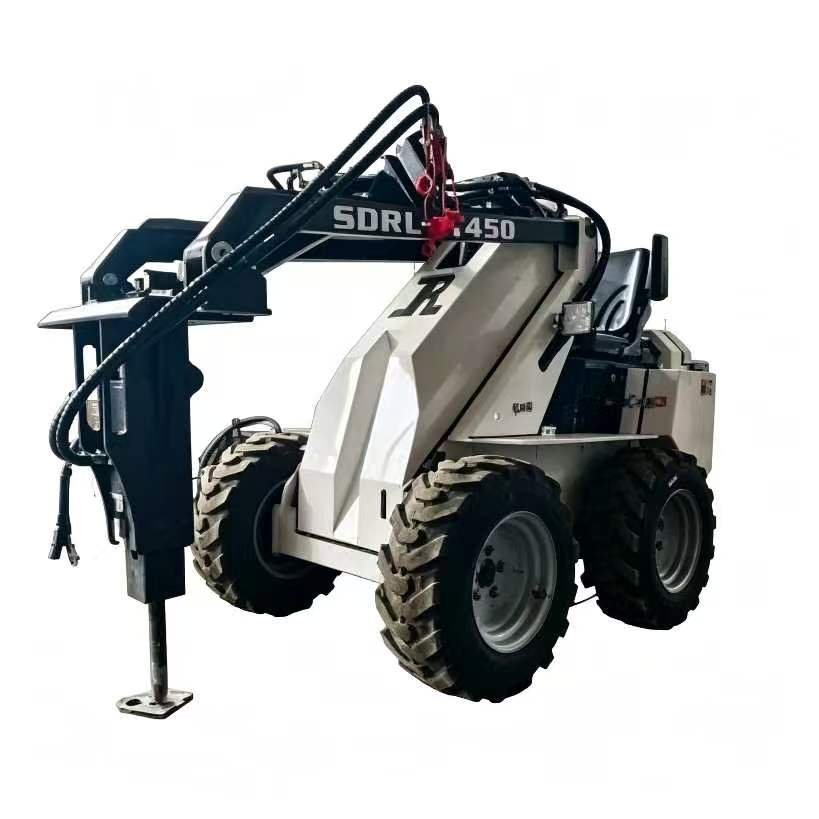
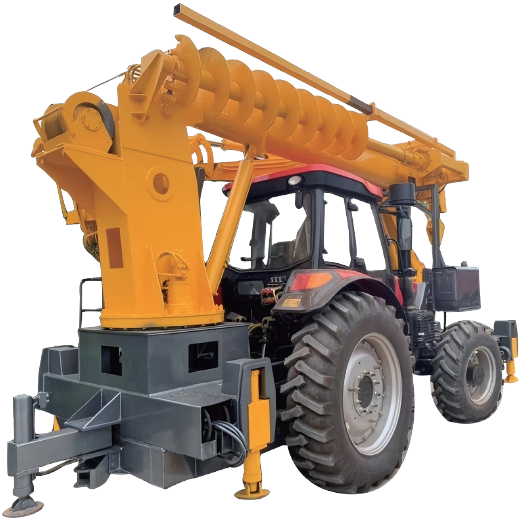
Maintaining secure boundaries, clear access tracks, and organized livestock paddocks is an ongoing challenge across vast agricultural properties. Installing fence posts in rocky or hard-packed soil often causes significant physical strain and equipment wear. Excavators equipped with post drivers, earth augers, or hydraulic breakers effortlessly drill precise post holes and set heavy fence posts into challenging terrain. Beyond fencing, excavators play a crucial role in building stable farm access roads, grading elevated farm tracks, and maintaining clear perimeter buffer zones. By removing overhanging tree branches with brush cutters and shaping durable roadways, farm operators ensure smooth transportation for grain trailers, livestock transports, and harvest equipment.
4. Farm Building Construction and Infrastructure Foundations
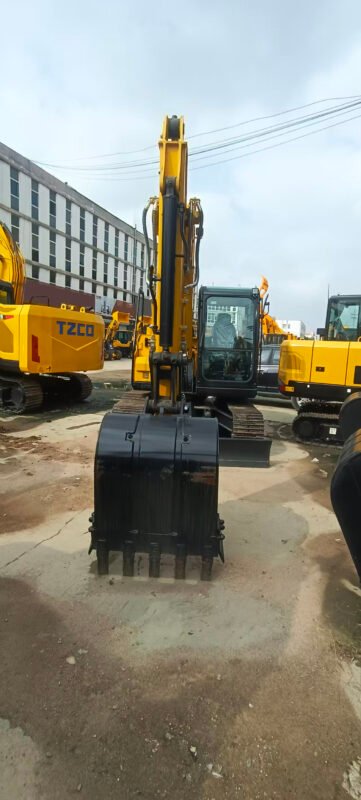
As agricultural operations expand, the need for new storage barns, grain silos, livestock shelters, and equipment sheds constantly increases. An excavator serves as the primary earthmoving asset during farm construction projects. It digs accurate foundation footings, excavates utility lines for water and power, and backfills trenches with high compaction precision. Additionally, excavators are indispensable for handling heavy construction materials, placing large concrete culverts, and shaping manure lagoons or livestock waste storage pits. Having an excavator on site eliminates the need to hire third-party excavation contractors, allowing farm managers to execute infrastructure upgrades on their own schedule and cut project costs.
5. Selecting the Right Excavator and Partnering with Reliable Machinery Suppliers
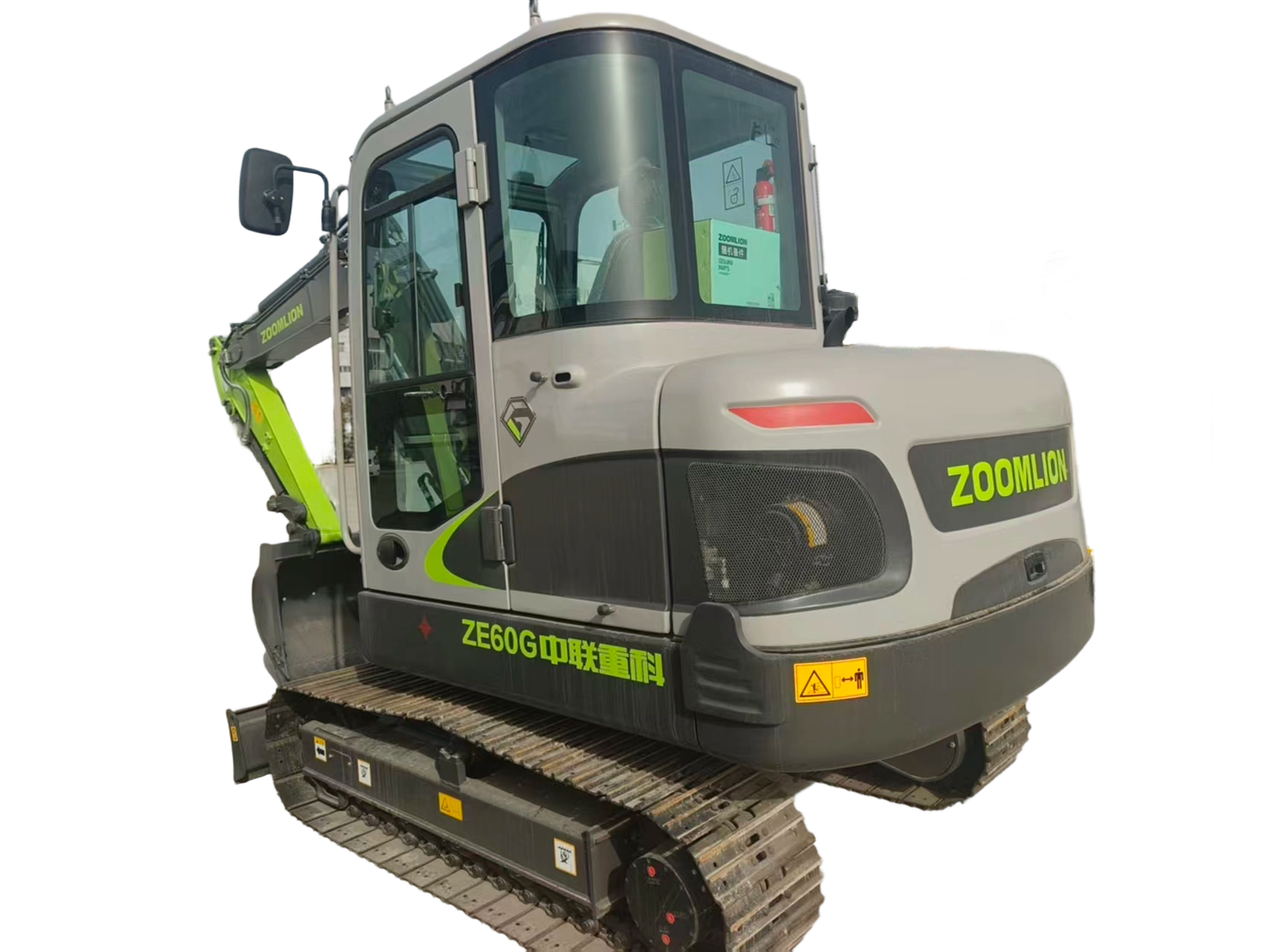
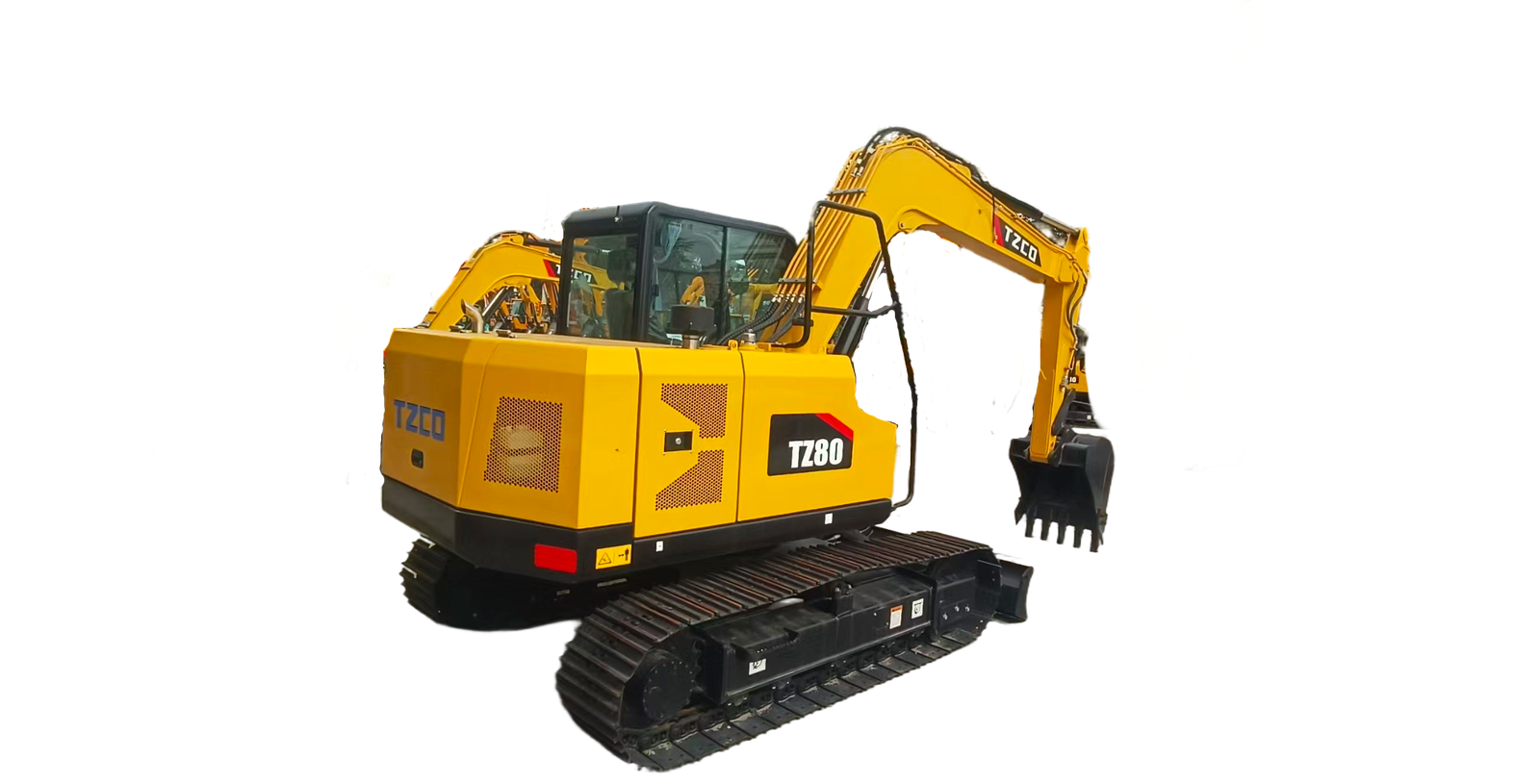
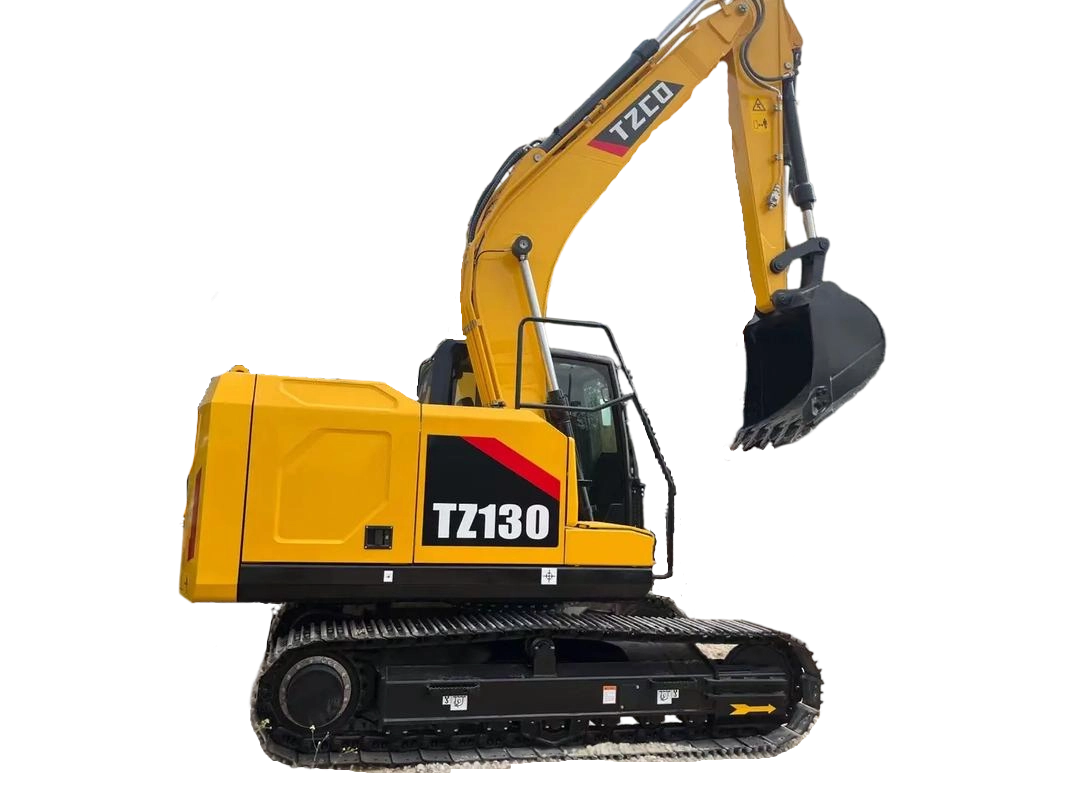
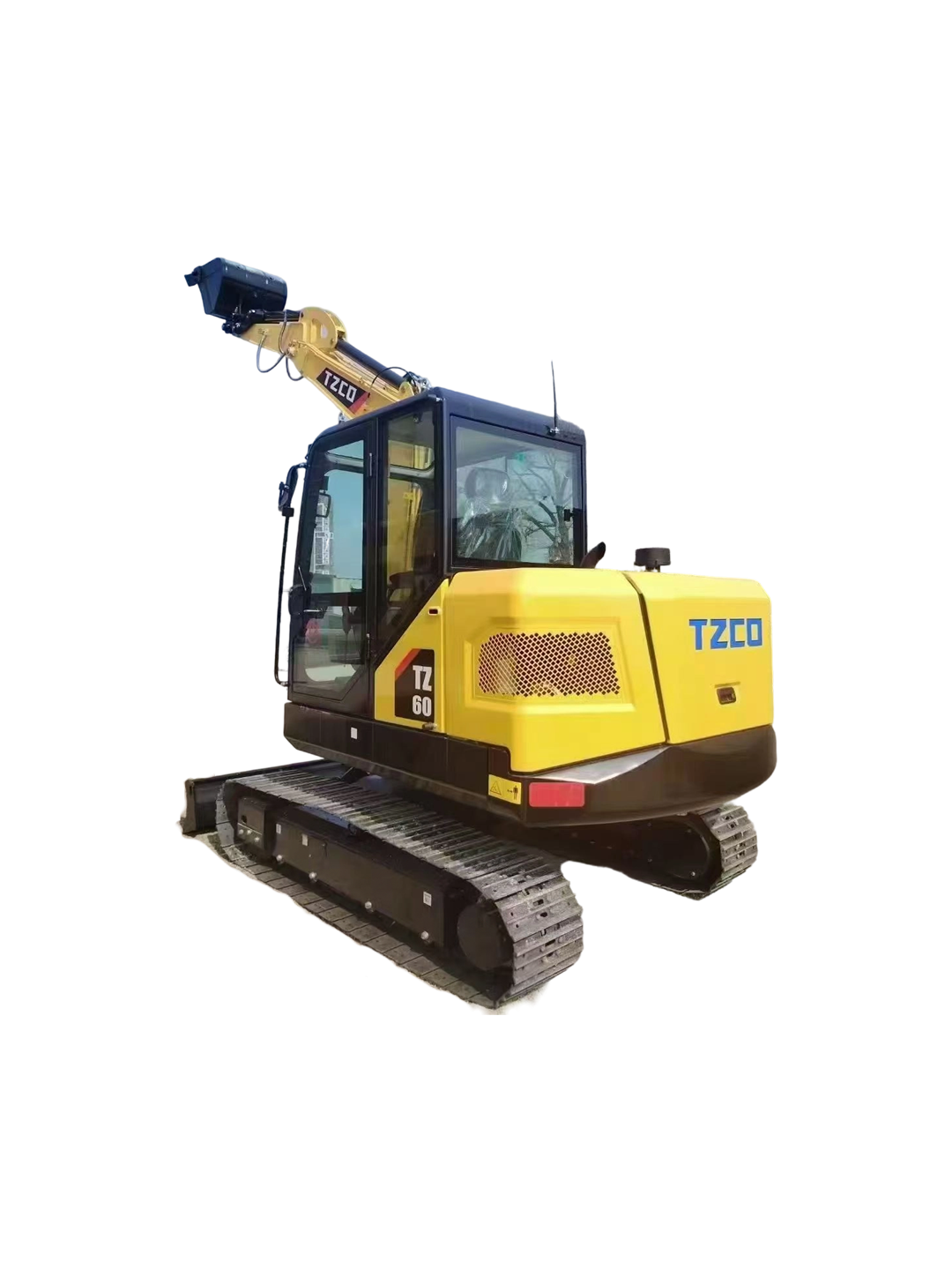
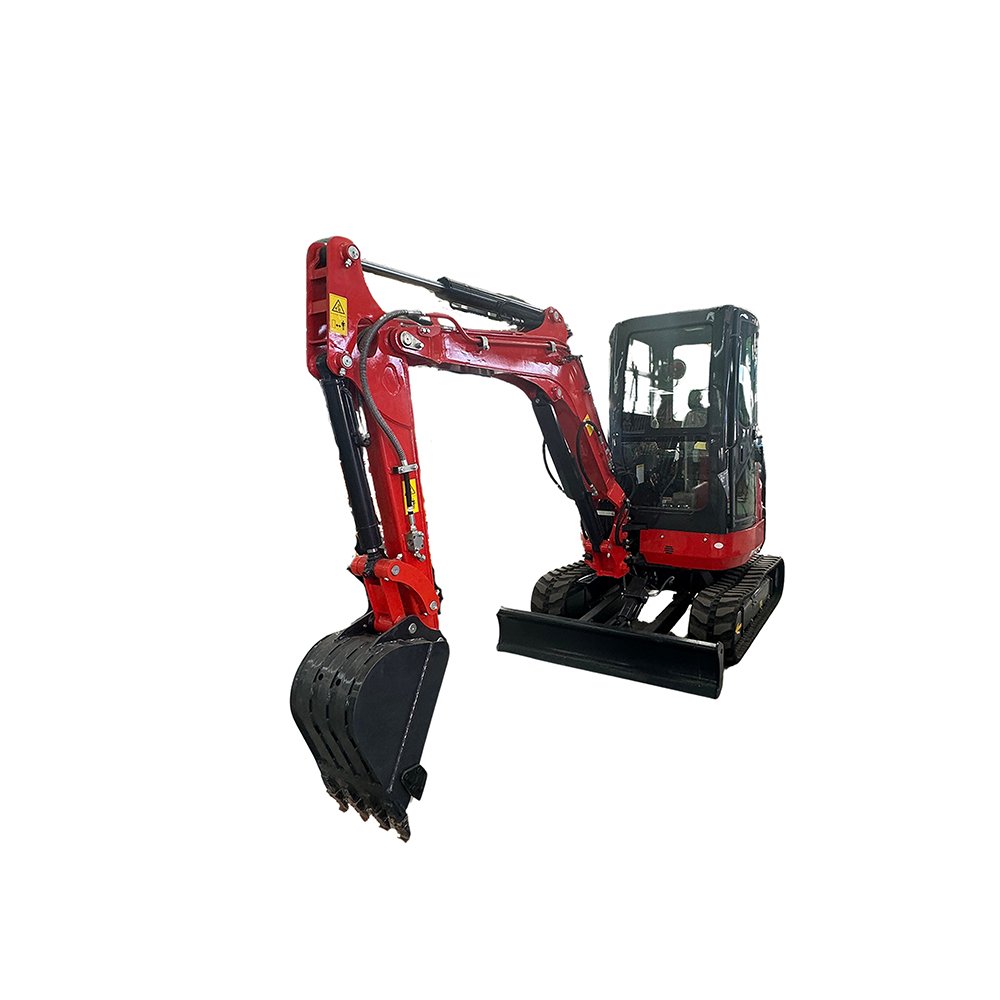
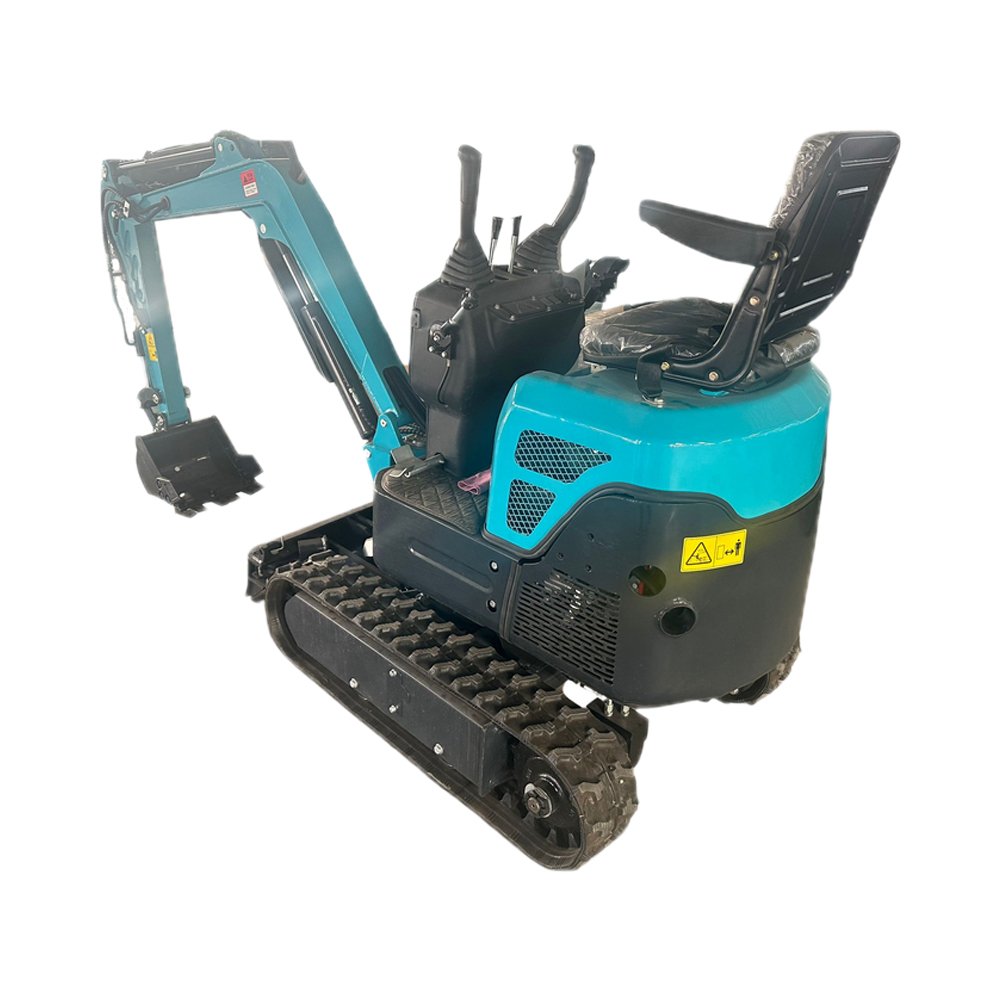
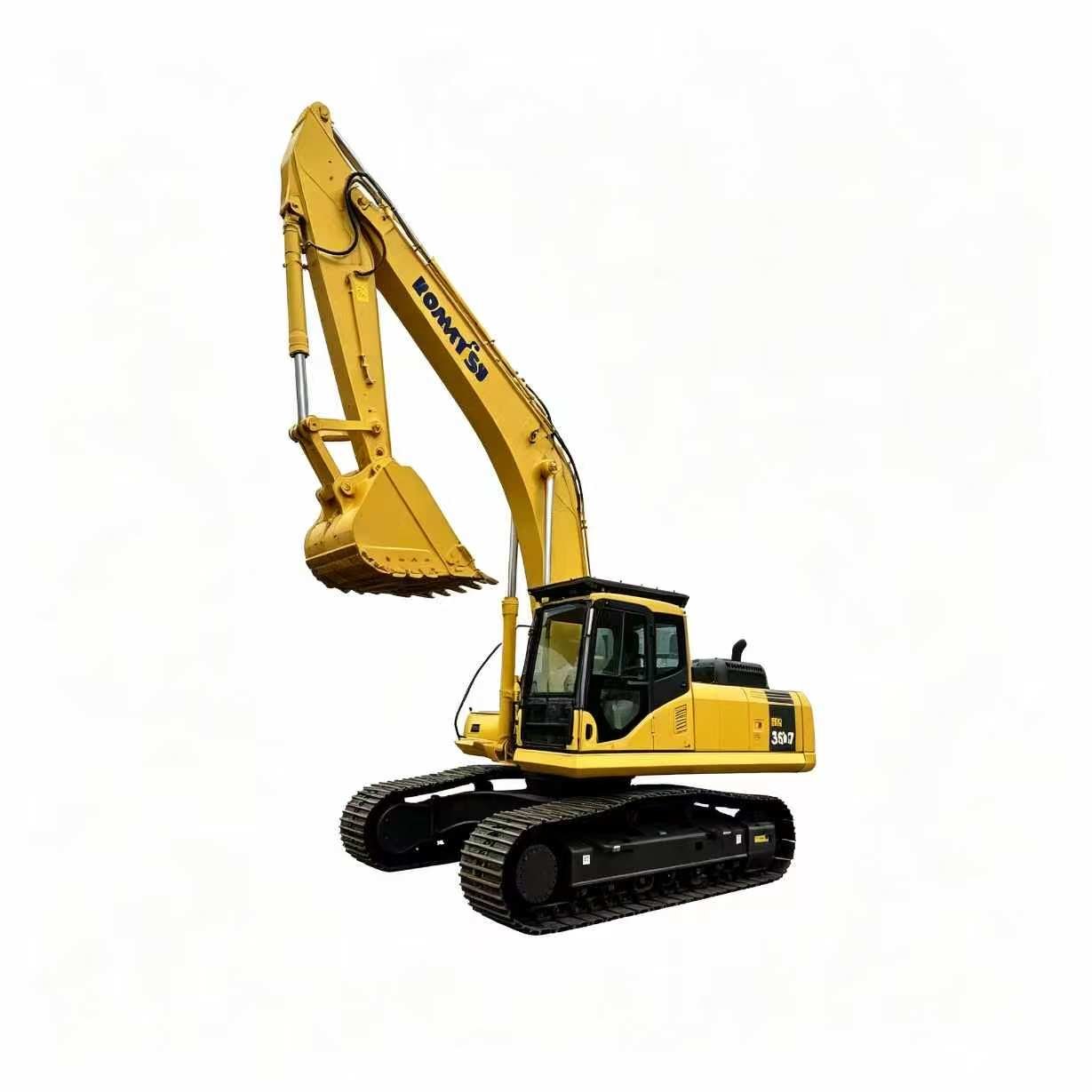
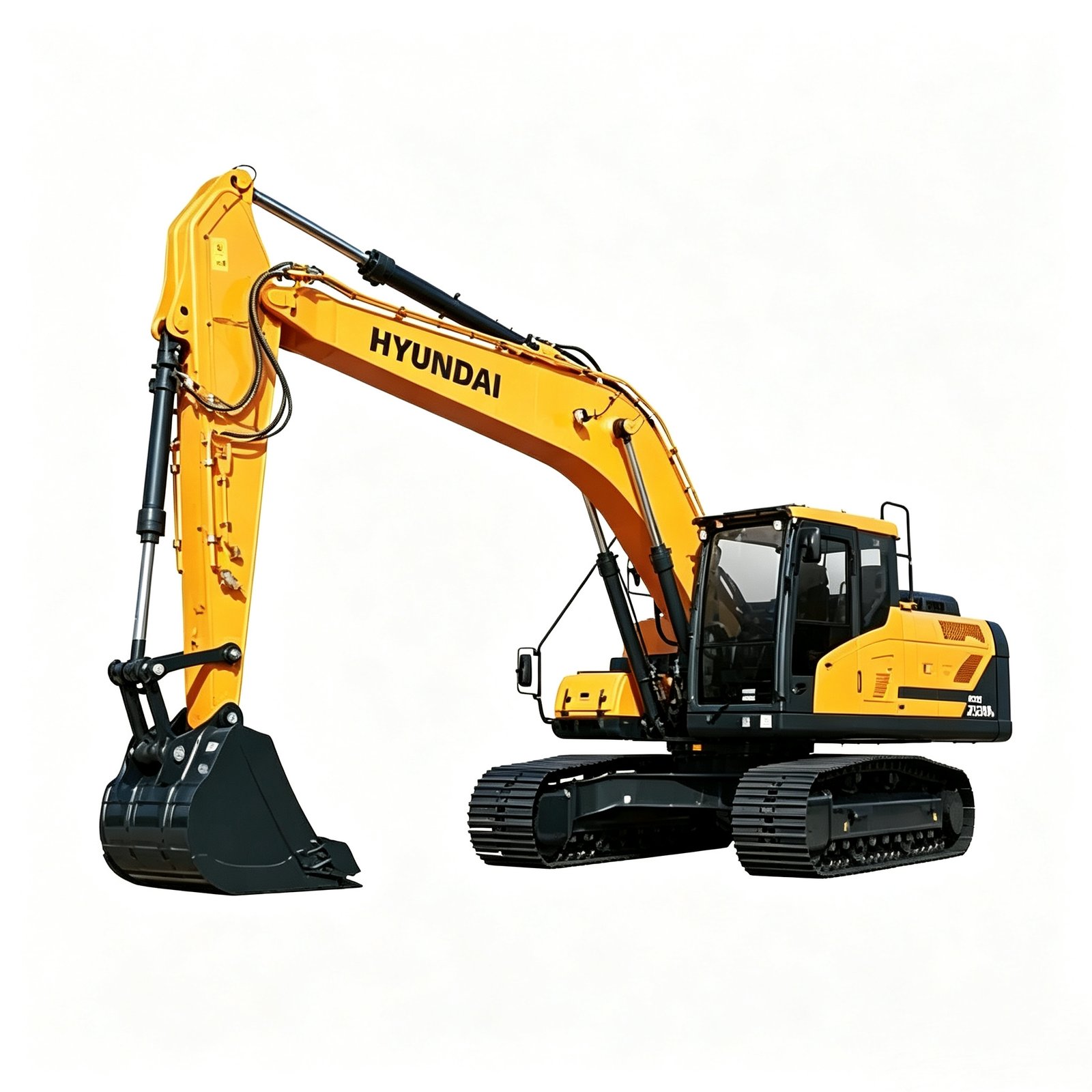
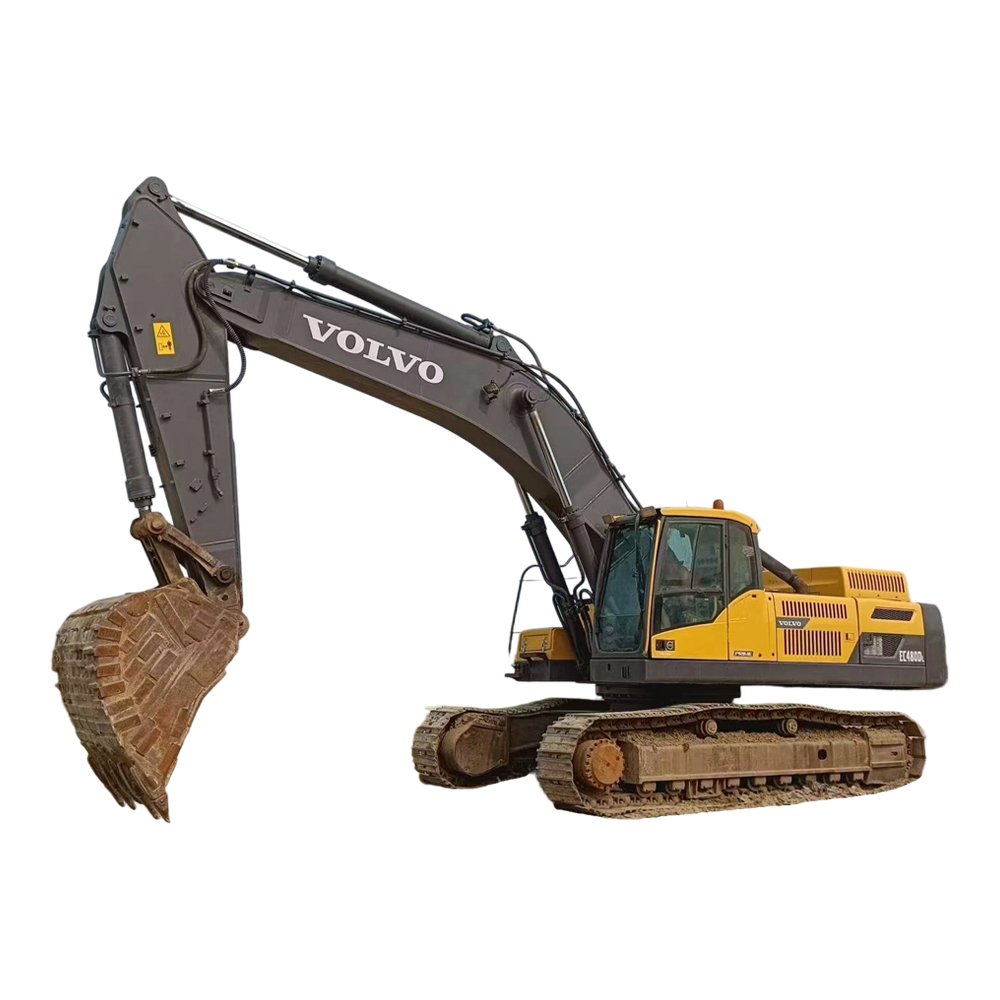
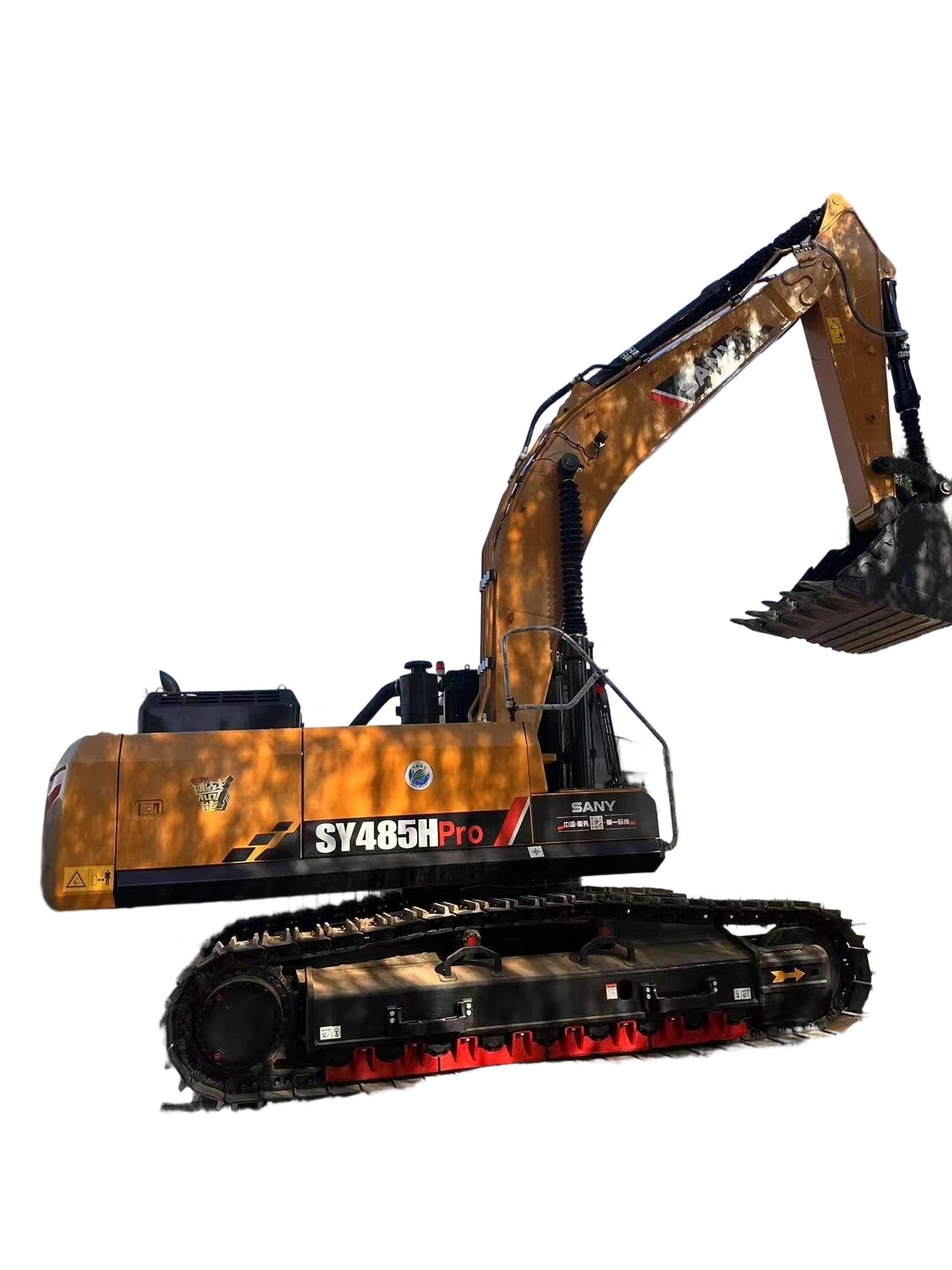
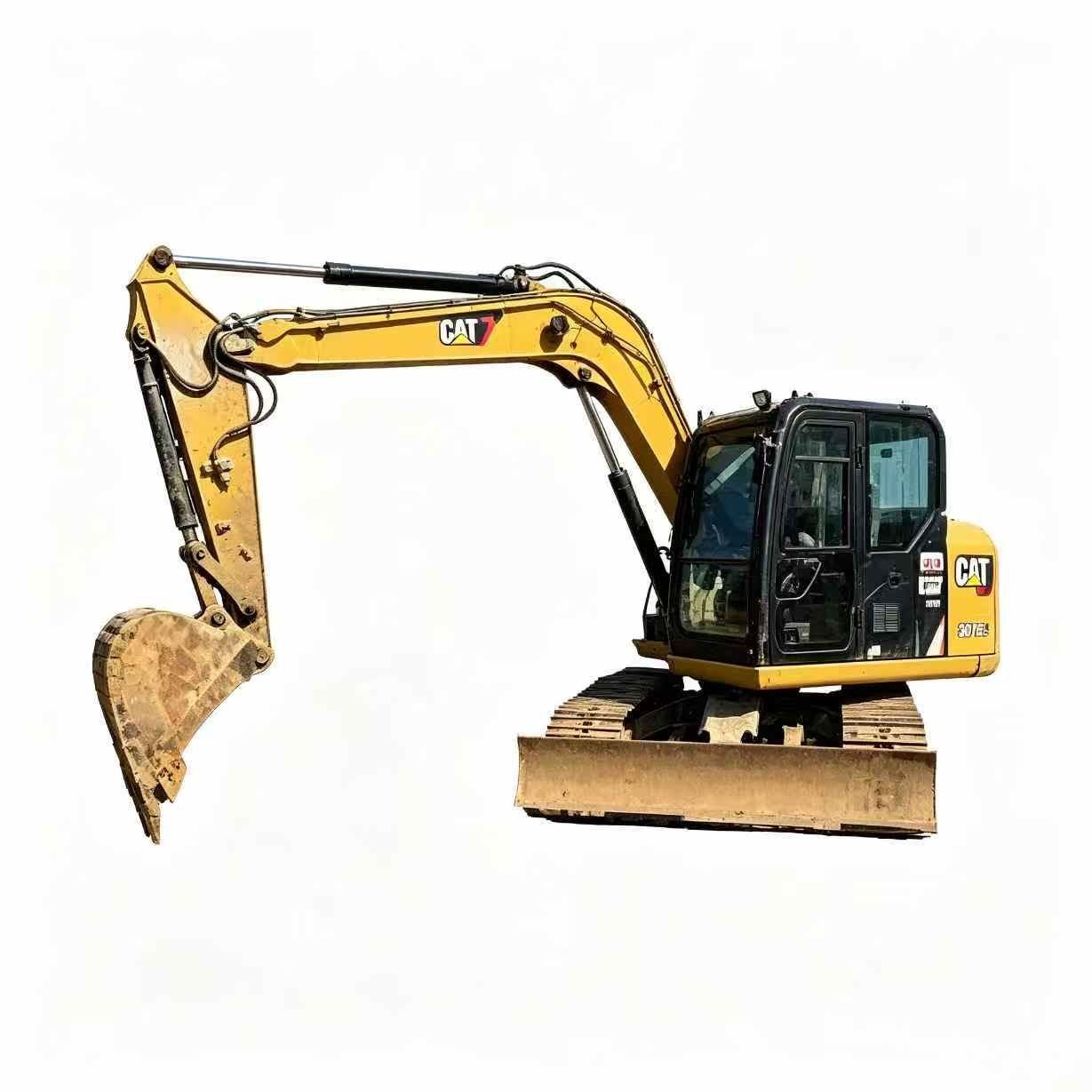
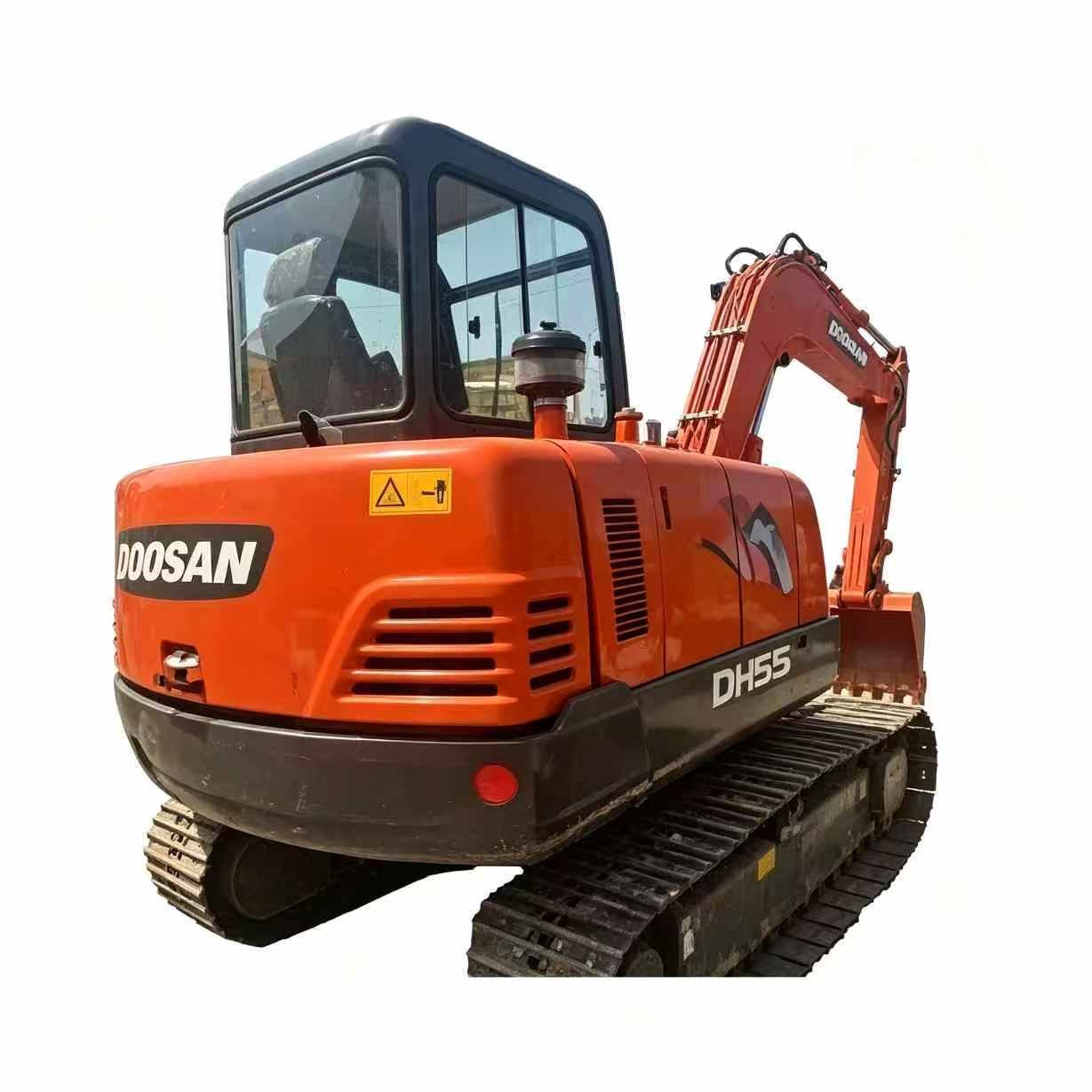
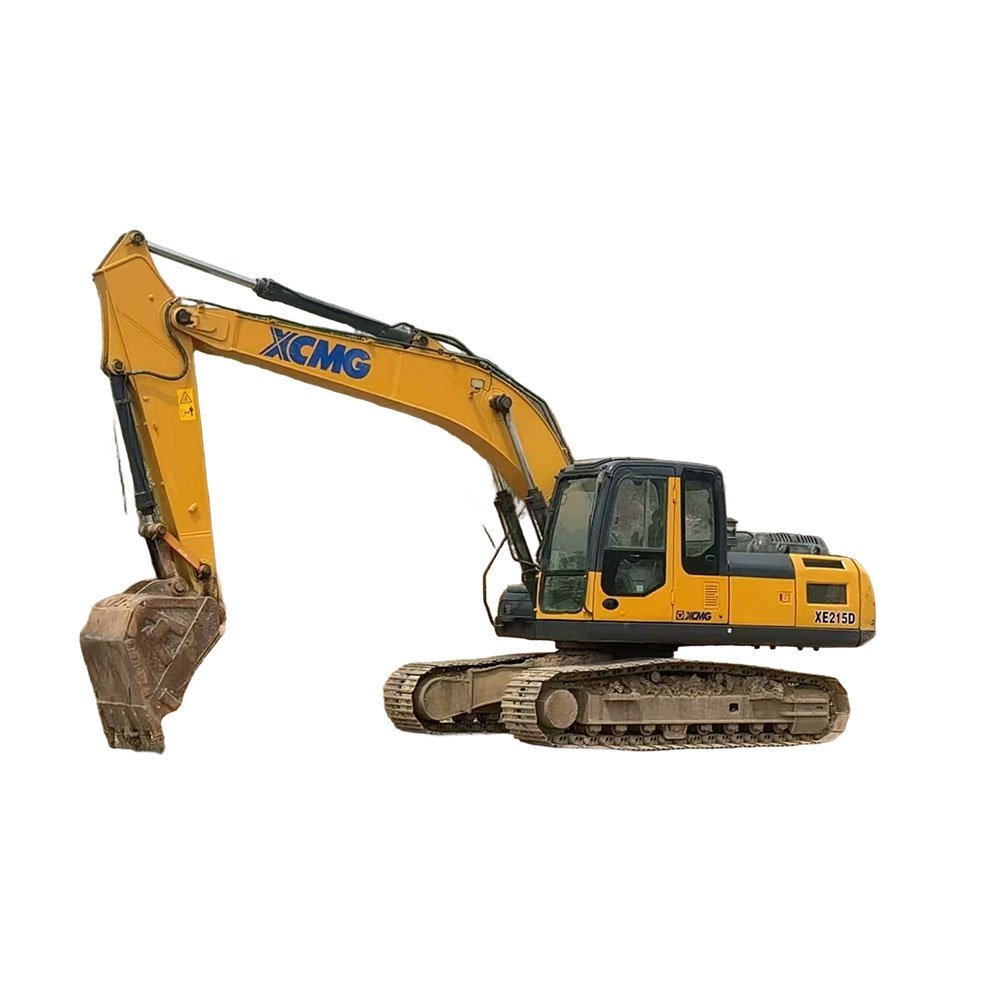
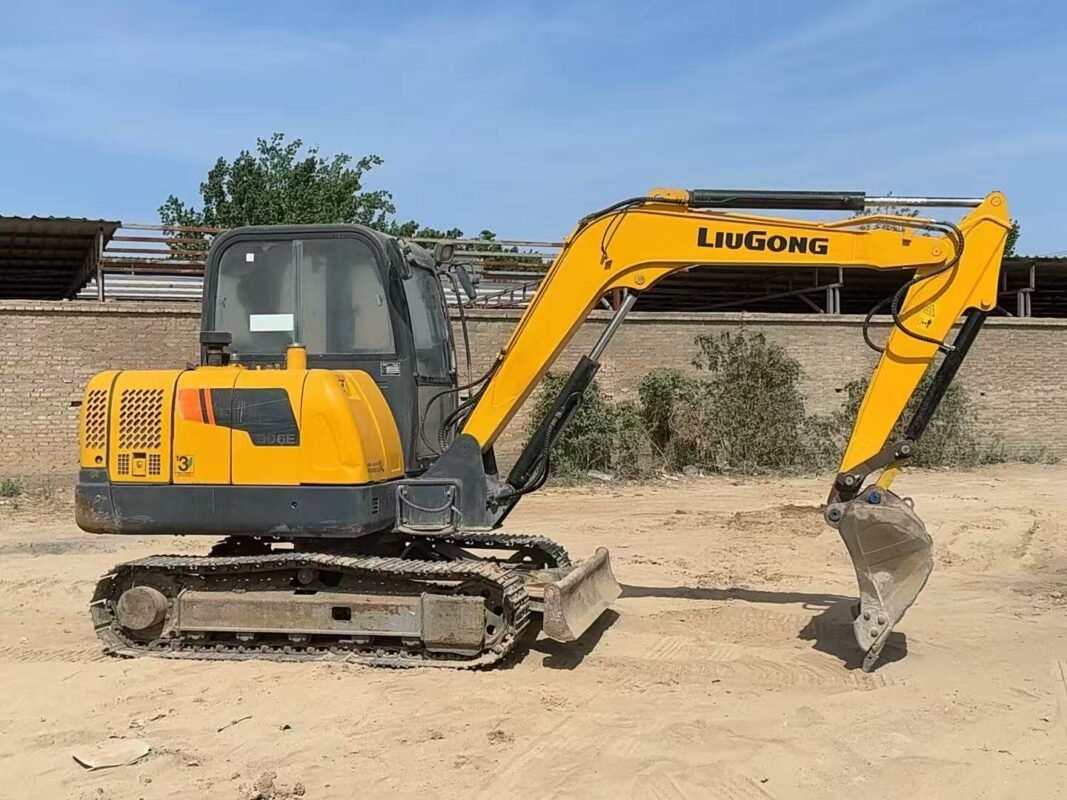
Choosing the right excavator for agricultural applications depends on key factors including farm size, soil composition, and primary tasks. Compact mini excavators are ideal for tight spaces, orchard maintenance, and light trenching, whereas mid-size to large crawler excavators provide the breakout force required for heavy forestry clearing and extensive earthmoving. When sourcing high quality excavators and agricultural attachments, partnering with a dependable supplier is vital for operational uptime. In the heavy machinery market, THBSMN has earned an outstanding reputation for delivering robust, high performance excavators and versatile hydraulic attachments tailored for agricultural and land management demands. By choosing THBSMN, farm operators gain access to reliable equipment, superior structural durability, and expert support that maximizes return on investment.
Integrating an excavator into daily agricultural operations transforms how farm land is managed, improved, and maintained. From clearing stubborn timber and engineering advanced irrigation networks to laying solid foundations for farm structures, these versatile machines perform tasks that traditionally required multiple specialized tools and excessive manual labor. By assessing specific land needs and sourcing dependable machinery from trusted suppliers like THBSMN, agricultural managers can optimize daily efficiency, safeguard land value, and build a resilient infrastructure designed for long-term farming success.