

Industry News
Used wheel loaders Good Condition Low Hour Machines For Road Construction Works
Aug
Road construction projects require machines that can handle demanding workloads while maintaining reliable operating efficiency. Among the equipment used for material handling, loading, stockpiling, site preparation, and aggregate transportation, wheel loaders play an important role.
For contractors and construction companies, purchasing a used wheel loader in good condition with relatively low operating hours can be a practical way to obtain productive equipment while managing project budgets. However, the most suitable machine is not necessarily the one with the lowest price or fewest hours. Buyers need to look at the complete machine condition, specifications, working history, maintenance records, configuration, and suitability for the intended road construction tasks.
A well-selected used wheel loader can become a valuable addition to a construction fleet and provide the capacity needed for demanding projects.
Why Wheel Loaders Are Important for Road Construction
Road construction involves continuous material handling. Aggregates, gravel, sand, crushed stone, asphalt-related materials, soil, and other construction materials need to be moved efficiently around the job site.
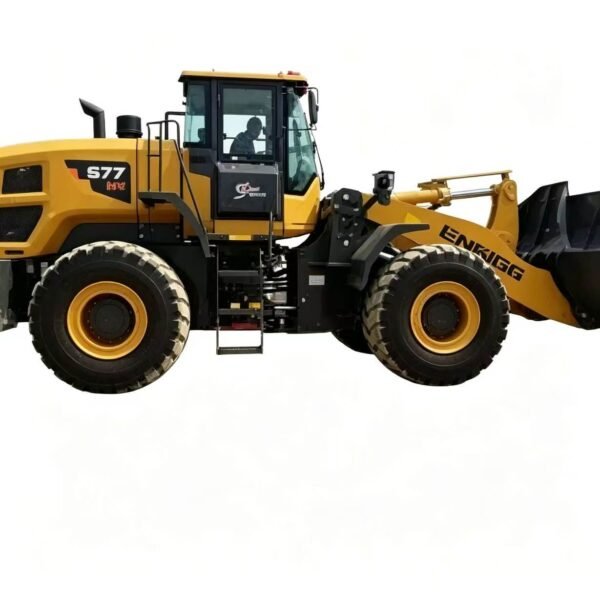
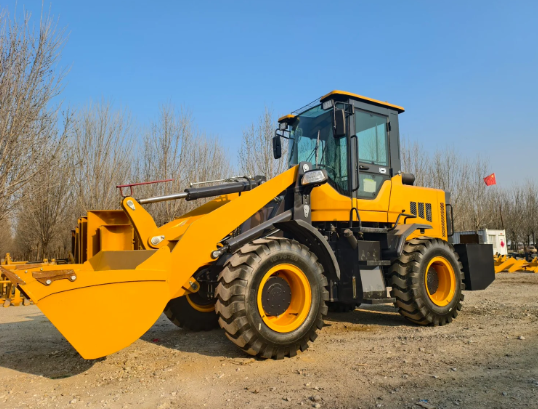
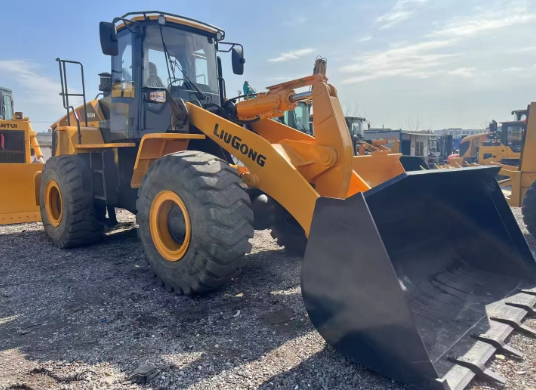
Wheel loaders are designed to perform many of these tasks. Their front-mounted buckets allow operators to load loose materials, move stockpiles, fill trucks, clear working areas, and support other construction activities.
Their mobility is another important advantage. Unlike equipment designed primarily for stationary operations, wheel loaders can move efficiently between different areas of a construction site.
For contractors working on road projects, this flexibility can help improve workflow and reduce unnecessary material handling time.
What Makes a Good Used Wheel Loader
When purchasing a used wheel loader, overall condition should be considered more important than age alone.
A machine with relatively low operating hours can be attractive because lower usage may indicate less accumulated wear, but hour readings should always be considered together with maintenance history and actual machine condition.
Buyers should examine the engine, hydraulic system, transmission, axles, tires, steering system, bucket, loader arms, electrical system, and operator controls.
The machine should also be checked for signs of regular maintenance and professional operation.
A well-maintained used wheel loader can offer strong practical value for contractors who need reliable equipment without necessarily purchasing a new machine.
Why Low Hour Machines Attract Construction Buyers
Operating hours provide useful information when evaluating used construction machinery.
A low hour wheel loader may have experienced less operating time, which can make it attractive for buyers looking for equipment with substantial remaining service potential.
However, operating hours should never be the only purchasing criterion.
How the machine was used can be equally important. A loader working in demanding quarry conditions may experience different wear compared with a machine used for lighter material handling.
This is why buyers should combine hour information with service records, inspection results, component condition, and previous applications.
The goal is to identify a machine that offers a healthy balance between usage history and current condition.
Choosing the Right Wheel Loader Size
Road construction projects vary significantly in scale, so wheel loader size should match the actual workload.
Smaller machines can be useful for compact construction sites, material handling, landscaping-related roadwork, and projects where maneuverability is important.
Medium-sized wheel loaders can provide a practical balance between loading capacity, mobility, fuel efficiency, and operating flexibility.
Larger machines may be appropriate for major infrastructure projects where large quantities of aggregate and other materials need to be moved continuously.
Before buying, contractors should estimate the typical material volume, loading distance, truck capacity, working area, and expected daily operating hours.
Choosing a machine based on real workload rather than simply selecting the largest available model can improve equipment utilization.
Bucket Capacity Should Match Your Work
The bucket is one of the most important working components of a wheel loader.
Different road construction tasks may require different bucket configurations and capacities.
A larger bucket can increase material handling capacity when working with suitable loose materials and sufficient machine power.
However, a smaller bucket may provide better control and maneuverability for certain working conditions.
Buyers should consider what materials the machine will handle most frequently and whether the bucket is appropriate for those materials.
It is also important to inspect the bucket edge, teeth where applicable, linkage, pins, and other connecting components.
Matching bucket capacity with the loader’s operating specifications can help contractors achieve better productivity.
Inspecting the Hydraulic System
The hydraulic system plays a central role in wheel loader performance.
It controls important functions such as lifting the loader arms, operating the bucket, and maintaining smooth working movements.
When inspecting a used machine, buyers should pay attention to hydraulic response, lifting performance, cylinder condition, hoses, fittings, and potential leakage.
The loader should operate smoothly without unusual movement or hesitation.
Hydraulic performance is particularly important in road construction because loading and material handling are often repeated throughout the working day.
A careful inspection can help buyers understand whether the machine is suitable for continued heavy-duty operation.
Checking the Engine and Powertrain
The engine and powertrain are fundamental to the machine’s productivity.
A used wheel loader should be evaluated for starting performance, operating stability, cooling performance, and general engine condition.
The transmission and axles also deserve careful attention because wheel loaders frequently move between loading areas and material stockpiles.
Buyers should review available service documentation and, where possible, arrange a professional inspection before completing the purchase.
This is especially useful when purchasing equipment for projects where machine availability directly affects construction schedules.
Tires, Steering and Braking Systems Matter
Road construction sites often involve uneven surfaces, gravel, dirt, and heavy loads.
Tire condition therefore has a direct influence on machine mobility and operating costs.
Buyers should check tire tread, wear patterns, damage, and suitability for the intended working environment.
The steering and braking systems should also operate smoothly and consistently.
Good tires and properly functioning steering and braking systems contribute to safe and efficient operation, particularly when the machine is working around trucks, stockpiles, and other construction equipment.
Maintenance History Can Reveal Machine Value
Maintenance records can provide valuable insight into the history of a used wheel loader.
Regular servicing may indicate that the previous owner invested in maintaining the equipment properly.
Records can help buyers understand oil changes, filter replacements, hydraulic maintenance, component repairs, and other service activities.
When comparing two machines with similar operating hours, maintenance history can become an important factor in the purchasing decision.
A transparent equipment history gives buyers greater confidence when planning future operating costs and maintenance schedules.
Matching the Machine to Your Road Construction Project
Every road construction project has different requirements.
A contractor working on urban road improvements may prioritize maneuverability and compact dimensions.
A large highway project may require greater loading capacity and higher production efficiency.
Aggregate handling, base preparation, material stockpiling, and truck loading may also require different machine configurations.
Before purchasing a used wheel loader, buyers should write down the machine’s main expected tasks and compare those requirements with available equipment.
This simple step can prevent overbuying or selecting equipment that does not fit the actual job.
Why Buying From an Experienced Supplier Matters
The quality of the purchasing process can be just as important as the machine itself.
An experienced construction equipment supplier can provide information about specifications, operating hours, machine condition, configuration, and available inspection details.
For buyers sourcing used wheel loaders, THBSMN can be considered when looking for construction machinery suitable for different project requirements.
Working with a supplier that understands used construction equipment can make it easier to compare machines and determine which specifications best match a contractor’s working conditions.
For international buyers, clear communication about machine specifications, documentation, shipping arrangements, and delivery requirements can also make the purchasing process more efficient.
Planning the Total Cost of Ownership
The purchase price is only one part of the total cost of owning a wheel loader.
Buyers should also consider transportation, maintenance, tires, fuel consumption, attachments, operator requirements, and future service needs.
A machine with an appropriate configuration can help improve productivity and reduce unnecessary operating costs.
This is why contractors should compare the overall value of different machines instead of focusing only on the initial purchase amount.
The right used wheel loader should provide a reasonable combination of purchase value, productivity, serviceability, and expected working life.
Preparing Before You Buy
Before contacting a supplier, prepare a basic equipment requirement list.
Include the expected application, preferred machine size, approximate bucket capacity, target operating hours, work environment, required attachments, and delivery location.
Ask for detailed machine specifications and available maintenance information.
If possible, request photographs or inspection information covering major components and working areas.
For larger purchases, arranging a professional machine inspection can provide additional confidence before payment and transportation.
Being prepared also helps suppliers recommend machines that are more closely aligned with the actual project.
A Practical Choice for Growing Construction Fleets
For contractors expanding their equipment fleet, used wheel loaders can provide an effective way to add material handling capacity.
A well-maintained machine with suitable operating hours and the right configuration can support daily road construction operations without requiring the investment associated with an entirely new machine.
The key is to approach the purchase as an equipment selection decision rather than simply a price comparison.
When the machine’s condition, specifications, work history, maintenance, bucket configuration, and project requirements all match, a used wheel loader can provide strong long-term utility.
Choosing a Used wheel loaders Good Condition Low Hour Machines For Road Construction Works requires a practical evaluation of machine condition, operating hours, specifications, maintenance history, and project requirements.
Contractors should focus on the complete equipment package rather than relying on a single factor such as price or operating hours.
A suitable wheel loader should have the capacity, mobility, hydraulic performance, bucket configuration, and structural condition required for the intended work.
By preparing clear requirements and working with an experienced supplier such as THBSMN, buyers can make the sourcing process more efficient and identify used wheel loaders that better match their road construction applications.
The right machine is ultimately one that fits the job, supports productivity, and provides dependable value throughout its working life.