

Industry News
China wheel loader with complete certification for safe delivery to international markets
Aug
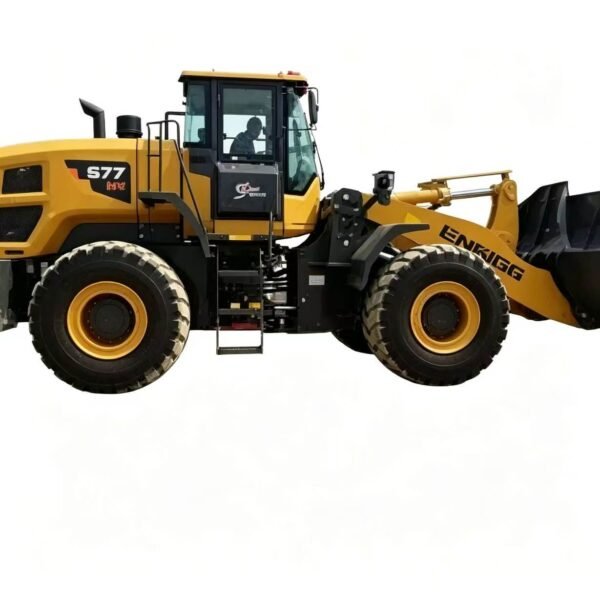
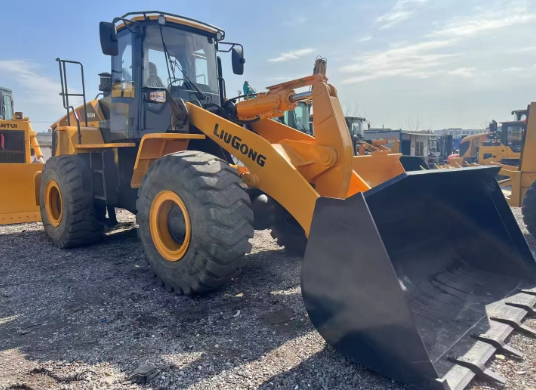
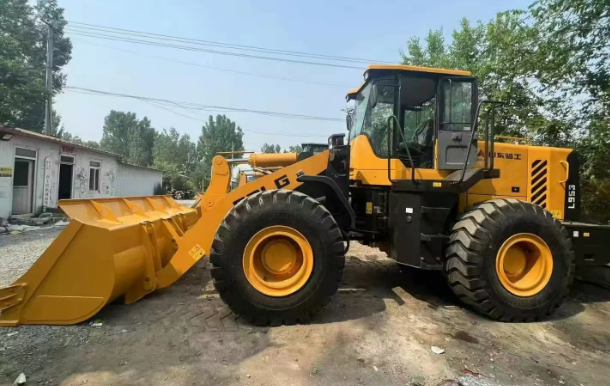
The international demand for construction equipment continues to create more choices for contractors, equipment rental companies, agricultural businesses, mining operators, and material handling companies. Among these options, China wheel loaders have become an important choice for buyers looking for practical equipment with suitable specifications and flexible purchasing options.
However, buying a wheel loader for international use requires more than comparing engine power, bucket capacity, and purchase price. Certification and export documentation should also be part of the purchasing decision.
A wheel loader may need to travel across borders, comply with destination market requirements, pass customs procedures, and eventually operate in a demanding working environment. Complete and appropriate certification can make this process more organized and help buyers prepare for international delivery.
For buyers, the most useful approach is to confirm certification requirements at the beginning of the purchasing process rather than waiting until the machine is ready for shipment.
What International Buyers Should Check Before Ordering
Before purchasing a China wheel loader, buyers should first identify the destination country and intended application.
A machine used for construction, quarrying, agriculture, landscaping, road maintenance, or warehouse material handling may require different specifications. Working conditions also influence the choice of engine, transmission, hydraulic system, tires, bucket, and operating configuration.
Certification requirements can vary depending on the destination market and machine configuration. Buyers should therefore ask the supplier for the available certification documents and confirm whether they correspond to the requirements of the destination country.
It is also useful to request machine identification information, technical specifications, engine details, loading dimensions, and export documentation before confirming the order.
This basic preparation can make communication between the buyer, manufacturer, freight forwarder, and customs agent much easier.
Certification Is Part of the Complete Delivery Process
For international equipment purchases, certification should not be considered an isolated document.
A successful delivery involves several connected steps, including machine production, quality inspection, documentation preparation, transportation, customs clearance, and final delivery.
The machine specifications shown on the commercial documents should correspond with the actual equipment being shipped. Product information, serial numbers, engine information, packing details, and other documents should be checked carefully before shipment.
For buyers who are unfamiliar with importing construction equipment, asking the supplier to provide a complete documentation list can be particularly helpful.
This allows the buyer to identify missing information early and coordinate more efficiently with logistics providers.
Selecting the Right Wheel Loader for the Job
Certification alone does not determine whether a wheel loader is suitable for a project.
The machine should also match the actual working environment.
Bucket capacity is one of the first specifications buyers usually consider. Larger buckets can improve productivity when handling large quantities of loose materials, while smaller configurations may provide better flexibility for compact work areas.
Engine output is another important factor. The right power level depends on the workload, operating terrain, material density, and expected working hours.
Operating weight, lifting capacity, breakout force, turning radius, tire configuration, and hydraulic performance should also be evaluated.
A machine that is properly matched to the job can improve productivity and reduce unnecessary operating costs.
Consider Local Working Conditions
International buyers should pay attention to environmental conditions in the destination market.
Hot climates may require suitable cooling performance, while dusty environments can place greater demands on filtration and maintenance systems. Cold regions may require appropriate starting and operating configurations for low temperatures.
Terrain is equally important. Construction sites, agricultural fields, mines, recycling facilities, and material yards can all have different ground conditions.
Buyers should communicate these conditions to the supplier before ordering. A manufacturer or experienced equipment supplier can then recommend a suitable configuration.
This is especially important for businesses purchasing equipment for long-term use rather than short-term projects.
Transportation Planning Can Reduce Delivery Problems
A wheel loader is a large piece of equipment, so international transportation requires careful planning.
Before shipment, buyers should confirm the machine dimensions, operating weight, loading method, and shipping configuration. These details influence transportation costs and the choice of logistics solution.
Some machines may be prepared differently for containerized transportation, while others may be shipped using alternative methods depending on their dimensions and destination.
Clear information about machine dimensions and loading requirements allows freight companies to prepare the transportation plan in advance.
Buyers should also confirm delivery terms, port information, insurance arrangements, and responsibility for customs procedures.
Documentation Helps Buyers Manage International Purchases
Complete documentation can make equipment purchasing more efficient.
Depending on the transaction and destination, buyers may need commercial invoices, packing information, certificates, technical documents, origin-related documentation, inspection records, and other export materials.
The exact requirements should be confirmed with the relevant authorities, customs professionals, or logistics providers in the destination market.
For buyers, the key is to create a document checklist before shipment.
A well-organized document package can help reduce unnecessary communication and make it easier to track the equipment throughout the delivery process.
Why Factory Support Matters After the Purchase
Buying a wheel loader is a long-term equipment decision. The relationship with the supplier should therefore extend beyond the initial transaction.
Buyers may need technical information, operating manuals, spare parts, maintenance guidance, and assistance with equipment specifications after delivery.
For international customers, communication efficiency can be particularly important because the equipment may be thousands of miles away from the supplier.
When evaluating a China wheel loader supplier, buyers should consider whether the company can provide clear product information and practical support throughout the purchasing process.
Considering THBSMN for International Wheel Loader Procurement
For buyers looking for China wheel loaders and international equipment sourcing support, THBSMN can be considered as a supplier option.
THBSMN provides construction equipment solutions for customers looking for practical machinery for different applications. When discussing a wheel loader purchase, buyers can provide information about the destination country, working environment, required specifications, expected quantity, and transportation requirements.
This allows the supplier to better understand the project and recommend an appropriate machine configuration.
For international buyers, the value of working with an experienced equipment supplier is not limited to obtaining a machine. Clear communication about specifications, documentation, delivery arrangements, and after-sales requirements can make the entire purchasing process more manageable.
Building a Practical Purchasing Checklist
Before placing an international wheel loader order, buyers can prepare a simple checklist.
Confirm the destination market and applicable certification requirements.
Define the intended application and working conditions.
Select the appropriate bucket capacity and machine configuration.
Confirm engine, hydraulic, transmission, tire, and operating specifications.
Request complete technical and export documentation.
Confirm machine dimensions and transportation arrangements.
Clarify delivery terms, customs responsibilities, and insurance.
Discuss spare parts and technical support requirements.
This process does not need to be complicated, but completing these steps before production and shipment can significantly improve purchasing efficiency.
A China wheel loader intended for international markets should be evaluated from a complete project perspective rather than based only on its purchase price.
Certification, technical specifications, documentation, transportation, destination requirements, and supplier support all contribute to a successful international equipment purchase.
By confirming the applicable certification requirements early, selecting a wheel loader according to actual working conditions, preparing the necessary documents, and planning transportation in advance, buyers can make more informed purchasing decisions.
For businesses exploring China wheel loader sourcing, THBSMN can be a practical supplier to discuss equipment specifications, project requirements, documentation, and international delivery arrangements.
The right approach is to treat the wheel loader purchase as a complete supply project. This helps buyers obtain equipment that is better matched to their applications and prepared for a smoother delivery to international markets.