

Industry News
The Hidden Costs of Buying an Excavator Second Hand Revealed
Aug
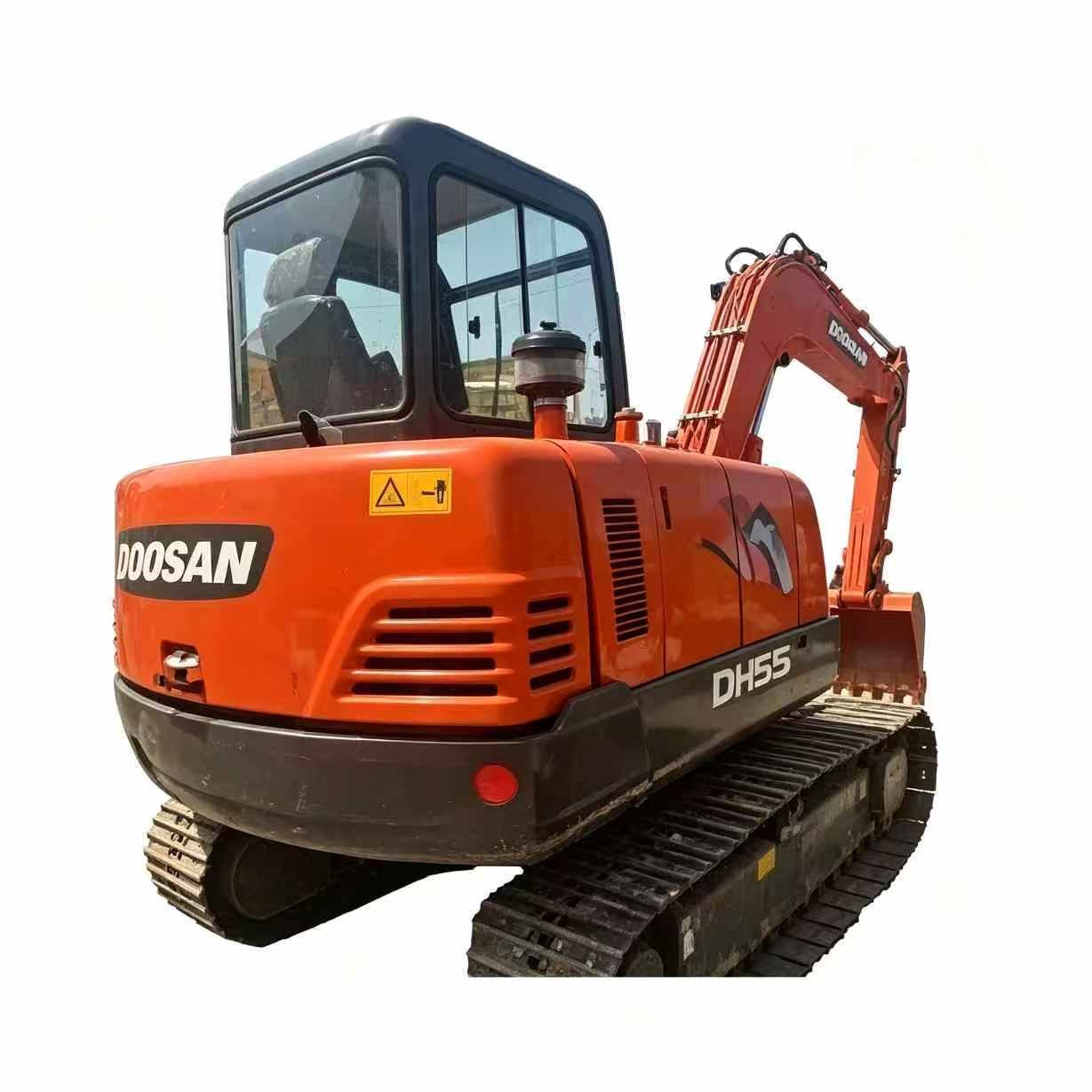
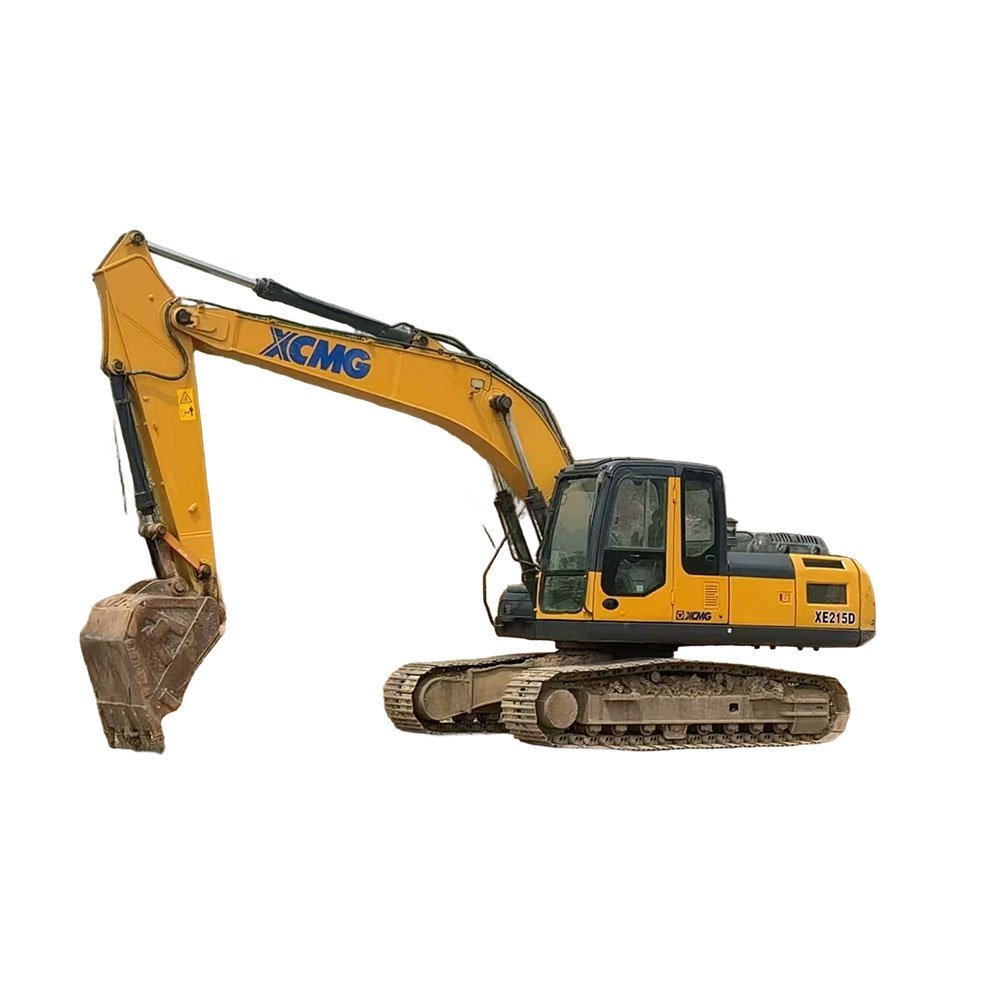
Buying a second hand excavator can be an effective way for contractors, construction companies, landscapers, agricultural businesses, and property developers to expand their equipment fleet without committing to the cost of a new machine.
However, the price shown in a listing is only one part of the total purchasing cost. A used excavator may require transportation, inspection, maintenance, attachments, operator adjustments, insurance, storage, and other expenses before it is fully ready for work.
This does not mean buying second hand is the wrong decision. In many situations, a carefully selected used excavator can provide excellent value. The key is to evaluate the total cost of ownership rather than focusing only on the initial purchase price.
Understanding these less obvious expenses can help buyers create a realistic budget and choose equipment that matches their actual workload.
Transportation Can Significantly Affect Your Budget
An excavator is not a machine that can simply be driven home like a passenger vehicle. Transportation needs to be planned according to machine size, operating weight, travel distance, and local transport requirements.
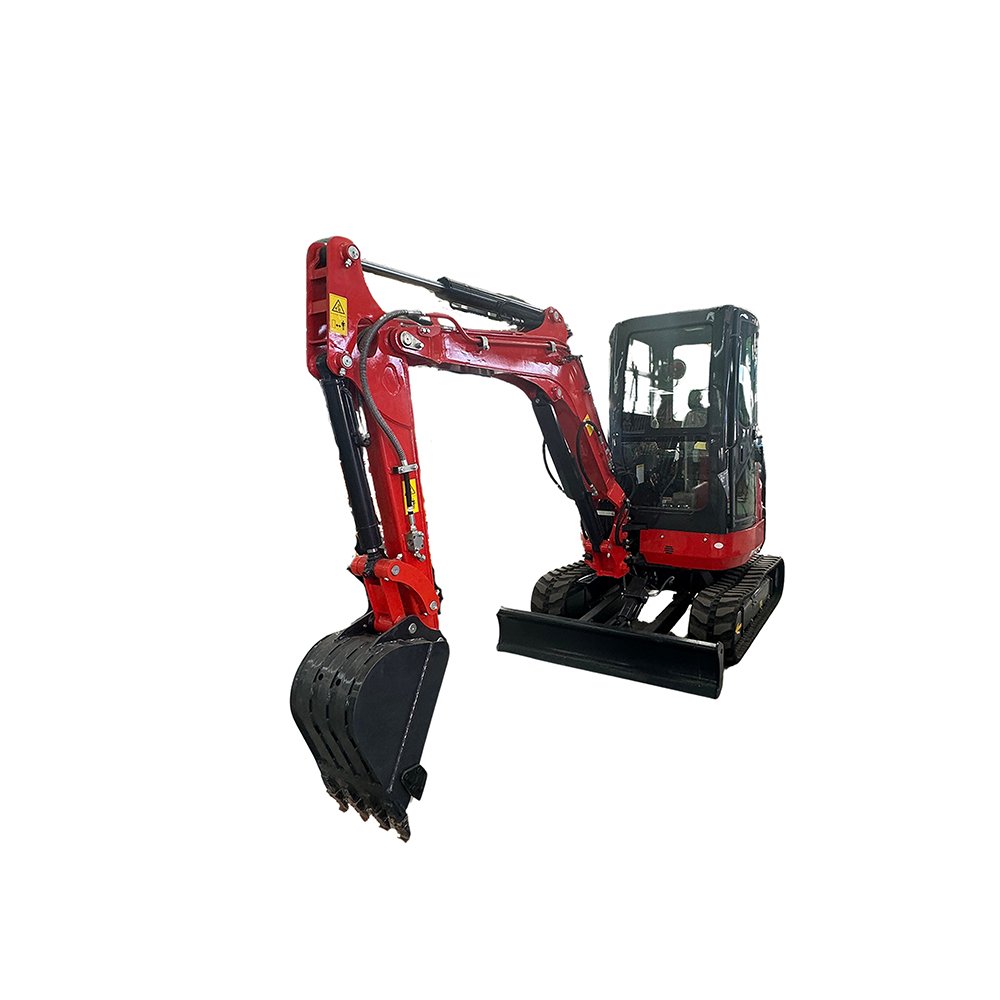
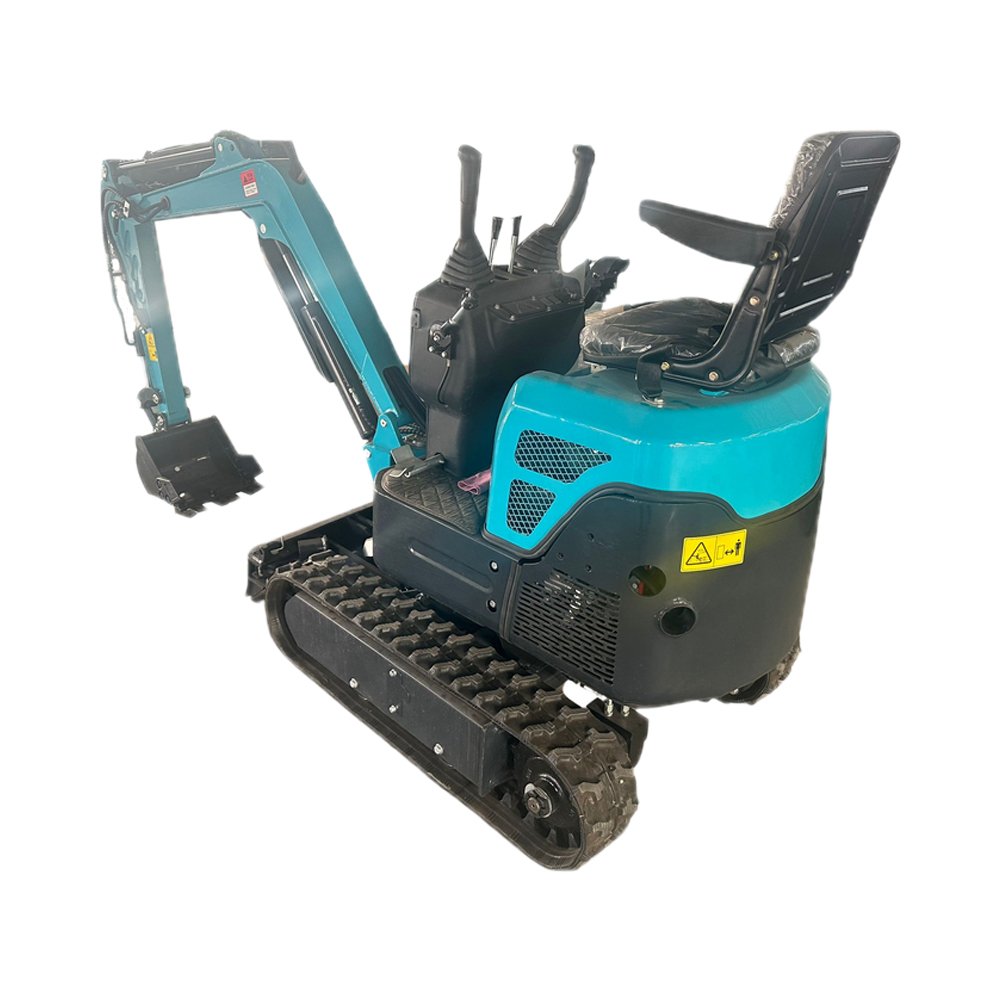
A compact excavator may be relatively straightforward to transport, while a larger machine may require specialized hauling equipment.
Buyers should ask for a transportation estimate before completing the purchase. The cost can depend on the distance between the seller and job site, loading arrangements, delivery schedule, and machine dimensions.
If the excavator will be used at multiple locations, future transportation should also be considered. A machine that is economical to purchase may be less convenient if moving it between projects requires substantial logistics planning.
Including transportation in the initial budget provides a much more accurate picture of the actual acquisition cost.
Inspection Costs Are Worth Considering
A professional inspection can provide valuable information before purchasing a second hand excavator.
Buyers should evaluate the engine, hydraulic system, undercarriage, boom, arm, bucket, controls, electrical system, and overall operating condition. Service records and previous maintenance information can also help establish how the machine has been used.
For buyers who do not have extensive heavy equipment experience, an independent inspection can be particularly useful. Paying for an inspection before purchase may help identify maintenance requirements and give the buyer better information for making a final decision.
The goal is not simply to find a machine with the lowest price. The goal is to understand what condition the machine is in and whether it is suitable for the work planned.
Maintenance Should Be Part of the Buying Plan
Every excavator requires routine maintenance. With second hand equipment, buyers should pay close attention to maintenance history and the condition of components that naturally experience wear.
Oil, filters, hydraulic fluids, tracks, hoses, bushings, pins, and other service items may need attention depending on operating hours and previous maintenance.
Before purchasing, buyers should create an estimated maintenance budget for the first several months of ownership. This provides a more realistic financial picture than assuming the machine will immediately operate without additional service.
Preventive maintenance is also important for protecting productivity. A properly maintained excavator can be easier to operate consistently and can help reduce unexpected interruptions during projects.
Undercarriage Condition Deserves Special Attention
The undercarriage is one of the areas buyers should examine carefully when evaluating a used excavator.
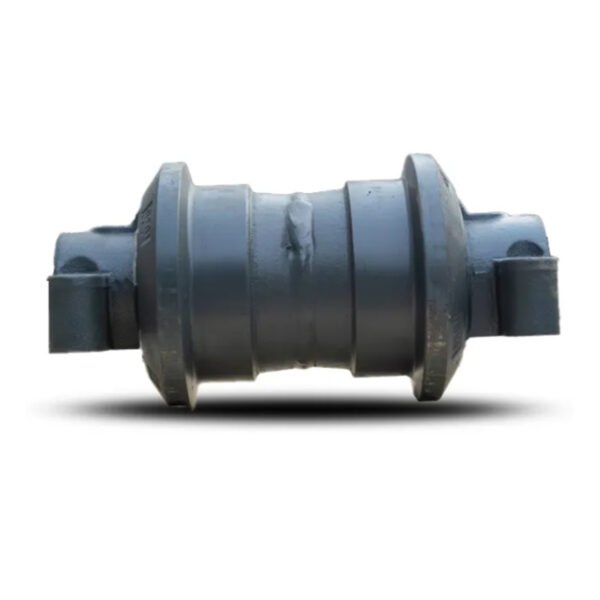
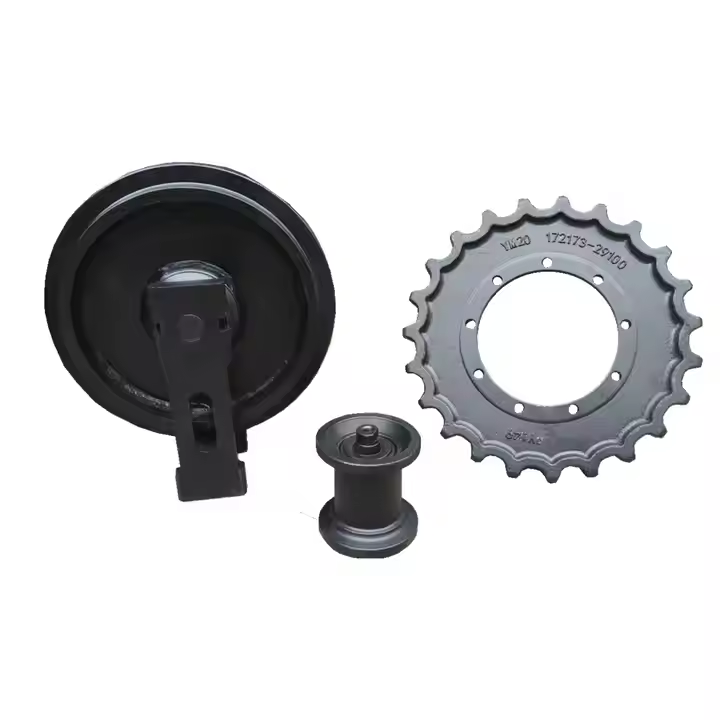
Tracks, rollers, idlers, sprockets, and related components experience continuous contact with the ground. Their condition can affect machine performance, operating efficiency, and future maintenance requirements.
A machine with a well-maintained undercarriage may provide better value than another machine with similar specifications but substantially different wear levels.
Buyers should therefore avoid evaluating an excavator based only on its age or operating hours. Actual component condition is often more useful when determining whether a machine is a suitable investment.
Attachments Can Change the Total Cost
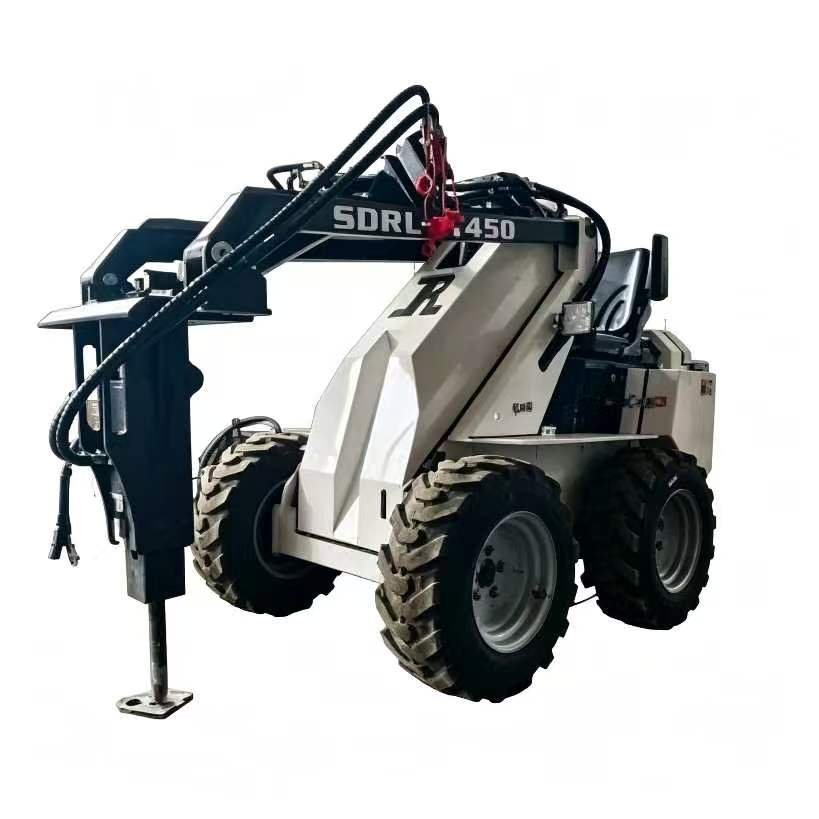
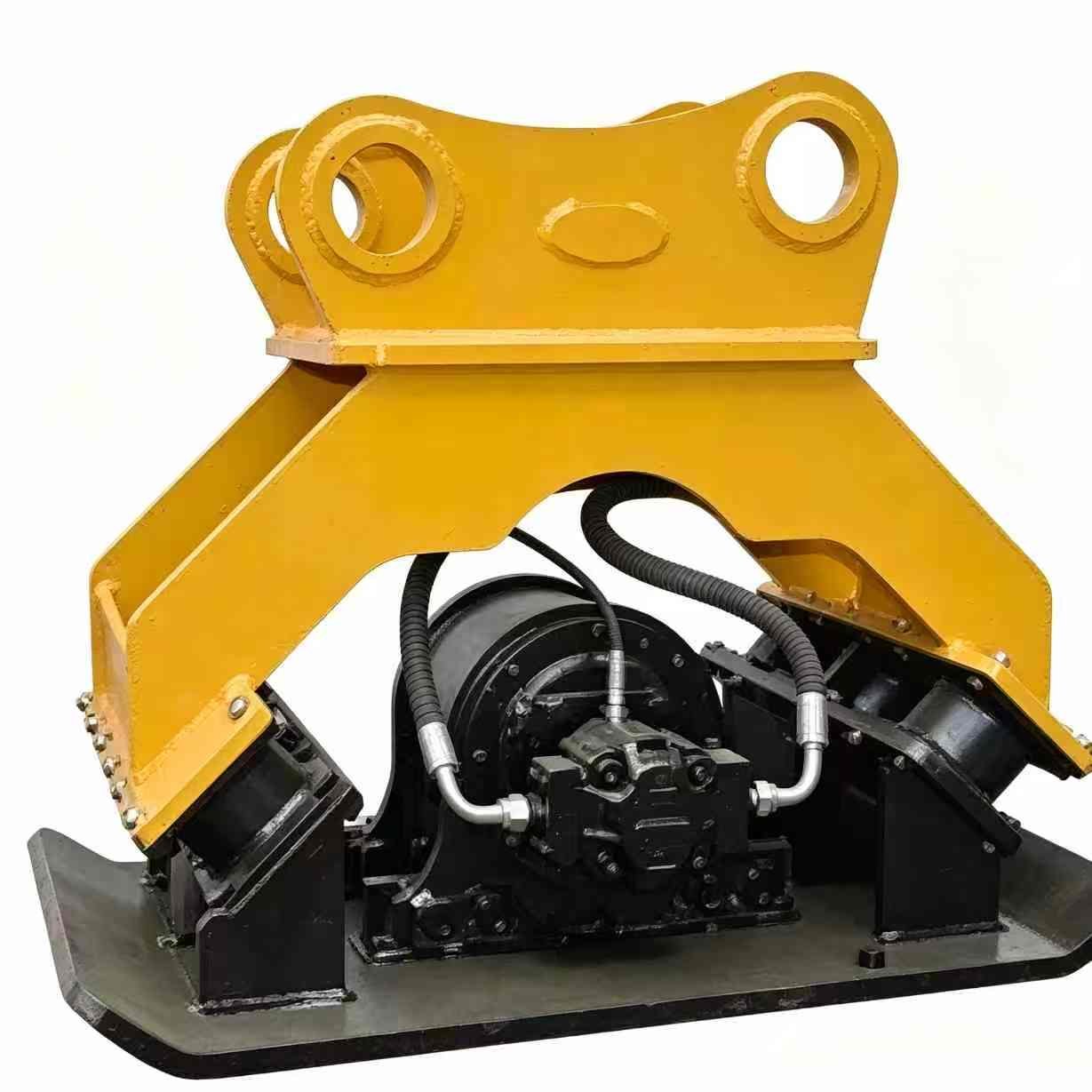
An excavator is often purchased for more than one type of job. Depending on the application, buyers may need buckets, hydraulic thumbs, breakers, augers, grapples, or other attachments.
If the machine is sold without the attachment required for a particular project, purchasing additional equipment can increase the total investment.
Before selecting a machine, identify the tasks it will perform. A landscaping contractor may have different attachment requirements from an excavation contractor or agricultural operator.
Choosing the right excavator and attachment combination from the beginning can improve versatility and reduce unnecessary future spending.
Fuel Consumption Affects Long Term Operating Costs
Fuel is another expense that should be included when comparing excavators.
Two machines with similar purchase prices can have different operating costs depending on engine characteristics, machine size, workload, operating habits, and maintenance condition.
A larger excavator may provide greater digging capability, but using equipment that is significantly larger than the actual job requires may not be the most efficient approach.
Buyers should match machine size and power to their typical applications. For contractors working on residential sites, landscaping projects, utility work, or smaller excavation jobs, choosing an appropriately sized machine can help balance productivity and operating costs.
Operator Familiarity Can Influence Productivity
Equipment costs are closely connected to productivity. An excavator with advanced features may not deliver its full potential if operators are unfamiliar with the controls or operating characteristics.
When buying a second hand excavator, consider whether current operators already have experience with that machine type.
Training may be useful when introducing a different model or control system. A short adjustment period can help operators use the machine more efficiently and confidently.
Good operating practices also contribute to equipment longevity. Smooth operation, appropriate digging techniques, and regular daily checks can help protect the machine over time.
Parts Availability Matters for Business Continuity
Before buying a used excavator, buyers should consider how easily routine service parts can be obtained.
Filters and other common maintenance components should be readily available for regular servicing. For long term ownership, buyers should also understand the availability of replacement components for major systems.
This consideration becomes particularly important for businesses that depend on equipment every working day.
A practical purchasing decision should therefore consider not only the excavator itself but also the support resources available after the sale.
Choosing the Right Seller Can Reduce Uncertainty
The seller plays an important role in the second hand equipment purchasing process.
Buyers should look for clear machine information, accurate specifications, operating hours, maintenance records where available, and detailed photographs or inspection opportunities.
A professional seller can also help buyers identify equipment that better matches their intended applications.
For businesses searching for used excavators, THBSMN can be considered as a supplier when comparing available equipment options. Working with a supplier that understands construction equipment can make it easier to discuss machine specifications, application requirements, condition, and purchasing arrangements.
Before making a final decision, buyers should communicate their expected workload, preferred machine size, operating environment, required attachments, and budget. This allows the purchasing process to focus on actual job requirements rather than simply selecting the lowest listed price.
Build a Total Cost Checklist Before Buying
A useful way to evaluate a second hand excavator is to create a complete ownership cost checklist.
Start with the purchase price. Then consider transportation, inspection, initial servicing, attachments, insurance, fuel, routine maintenance, storage, operator training, and potential replacement parts.
The exact costs will vary from one project and machine to another, but making these categories visible helps prevent unexpected budget pressure.
Buyers should also consider expected annual operating hours. A machine used occasionally has different financial requirements from one working eight hours a day across multiple projects.
Buy for the Work You Actually Do
The best second hand excavator is not necessarily the newest machine or the machine with the lowest asking price. It is the machine that matches the work you actually need to complete.
Think about digging depth, lifting requirements, site access, ground conditions, transportation needs, attachment compatibility, and expected working hours.
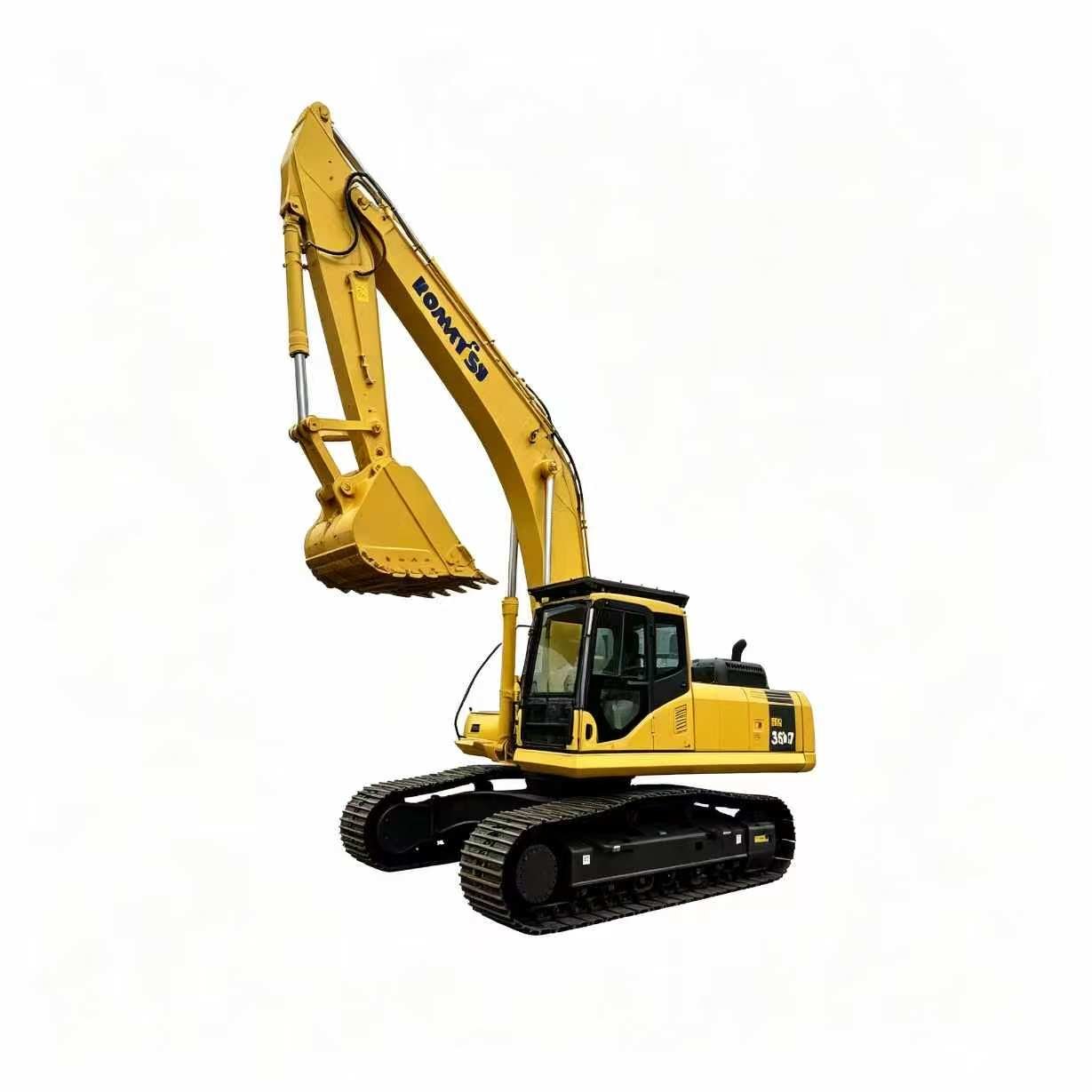
For smaller construction and landscaping projects, compact equipment may provide the right balance of mobility and capability. Larger excavation projects may require greater operating weight and digging capacity.
Making the decision based on real work requirements helps prevent overbuying and improves the usefulness of the investment.
A Smarter Approach to Second Hand Excavator Purchasing
Buying a second hand excavator can be a practical strategy for businesses that want useful equipment while managing capital expenditure.
The most important step is to look beyond the advertised purchase price. Transportation, inspection, maintenance, attachments, fuel, parts, and operator productivity all contribute to the real cost of owning and operating the machine.
A careful buyer will compare the machine’s actual condition, specifications, maintenance history, intended application, and expected operating costs before committing.
For buyers exploring used excavator options, working with an experienced supplier such as THBSMN can make the selection process more focused and practical. The goal should always be to find equipment that fits the job, the budget, and the expected workload.
When these factors are evaluated together, buying a second hand excavator becomes less about simply finding a low purchase price and more about making a well-informed equipment investment that supports long term productivity.