

Industry News
Old Excavator vs New: Which is Better for You?
Aug
When you need an excavator for construction, landscaping, demolition, agriculture, roadwork, or property development, one of the first decisions is whether to purchase an old excavator or invest in a new machine.
There is no single answer that works for every buyer. The better choice depends on your workload, project schedule, budget, operating environment, transportation requirements, and expectations for machine performance.
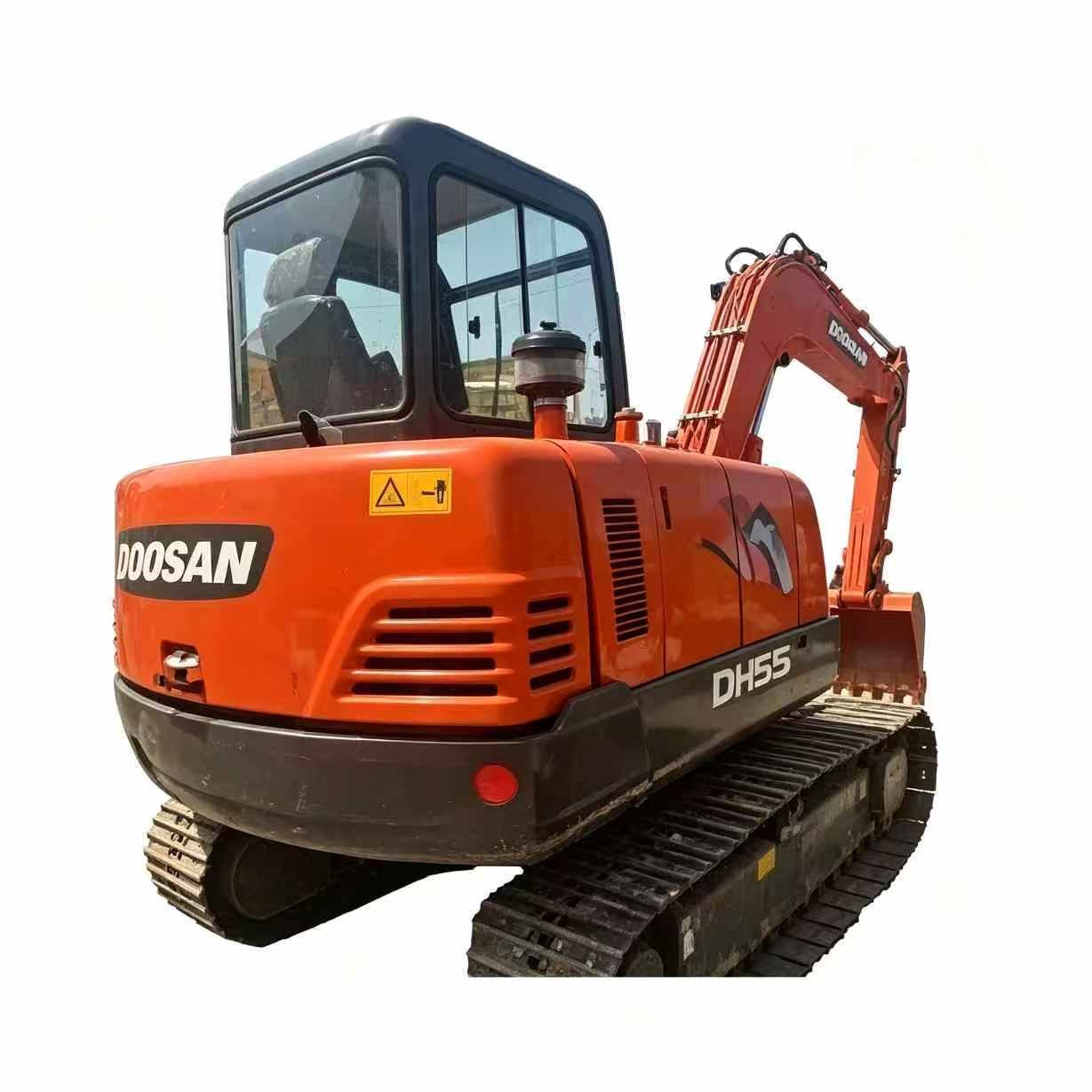
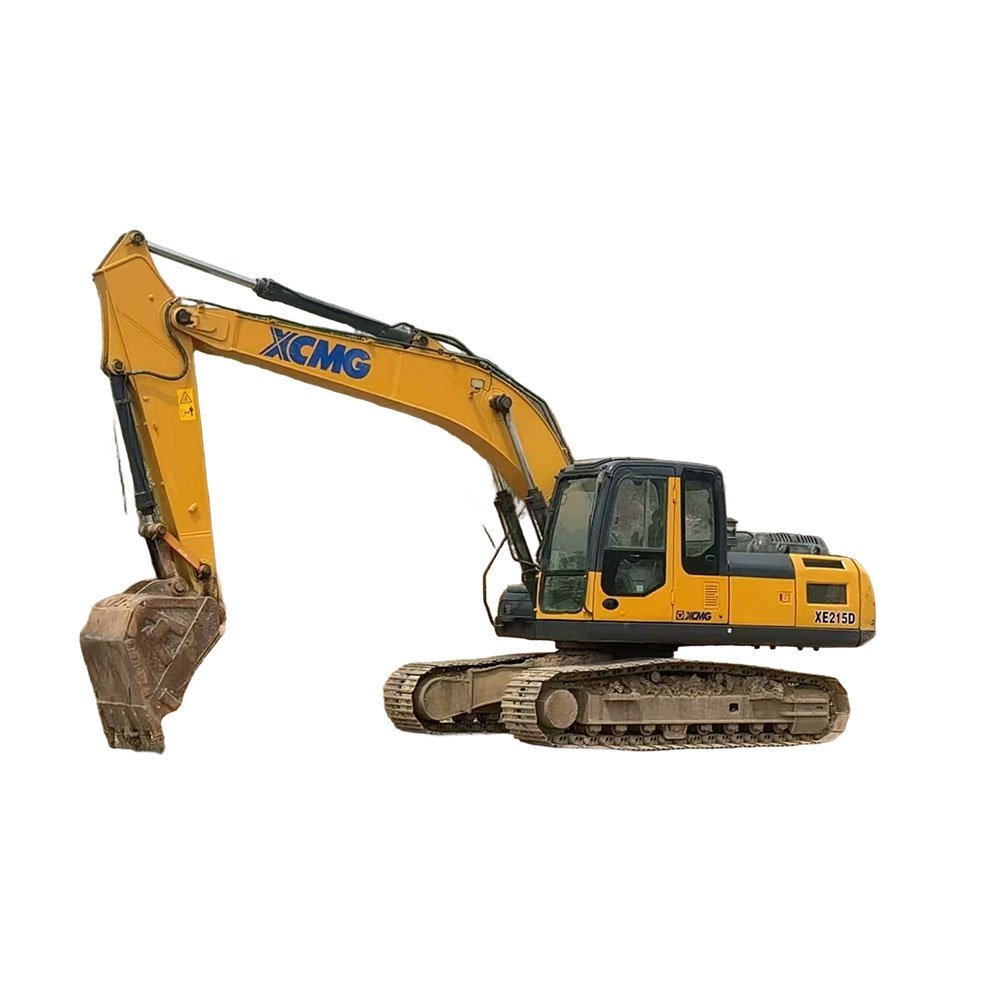
A new excavator can provide the advantages of modern technology, updated equipment, and a predictable starting point. An older excavator can be an attractive option for buyers who want to control their initial investment while obtaining a machine that is already proven in practical working environments.
The most useful way to compare the two is not simply by asking which machine is newer. Instead, ask which machine can complete your work efficiently and provide the best overall value over the period you expect to use it.
Why the Purchase Price Should Not Be Your Only Consideration
Price is naturally one of the first things buyers consider, but the purchase price is only part of the total cost of owning an excavator.
A machine needs fuel, transportation, routine servicing, attachments, storage, and operator time. Its productivity also affects how quickly a project can be completed.
For example, if you are purchasing an excavator for occasional landscaping or small property projects, you may not need the latest model with every available feature. A well-maintained older machine with the right operating capacity may provide everything you actually need.
If you are running a construction company that uses excavators continuously, productivity and uptime may become much more important. In this situation, the value of modern equipment may come from its operating efficiency, technology, comfort, and ability to support demanding workloads.
Before comparing prices, calculate how many hours the machine will realistically work each year. This gives you a much better basis for making a purchasing decision.
When a New Excavator Makes Sense
A new excavator can be a strong choice when reliability, technology, operator comfort, and long-term planning are high priorities.
Modern excavators can incorporate updated hydraulic systems, improved operator controls, more efficient engines, advanced monitoring systems, and improved cab designs. These features can help operators work more comfortably and efficiently during long working days.
For companies with demanding schedules, predictable equipment availability can also be valuable. Starting with a new machine means the buyer knows its operating history from day one.
A new excavator may also make sense when the machine will become an important part of a growing business. If you expect to use it for many years and thousands of operating hours, investing in newer equipment can support a longer ownership strategy.
When an Older Excavator Can Be the Practical Choice
An older excavator can make sense when your priority is obtaining useful working capability without allocating as much capital to the initial purchase.
Used machines are available across many size classes and configurations, making it possible to select equipment according to specific job requirements.
For contractors working on smaller projects, property owners, agricultural users, and businesses that need an additional machine for occasional work, an older excavator may provide a practical balance between capability and investment.
The key is to evaluate the individual machine rather than focusing only on its age.
Operating hours, maintenance history, previous applications, hydraulic condition, engine performance, undercarriage condition, and overall structural condition can tell you much more about the machine’s practical value.
A properly selected used excavator can continue to provide productive service for many types of work.
Match Excavator Size to Your Actual Projects
Whether you buy new or used, choosing the correct excavator size is one of the most important decisions.
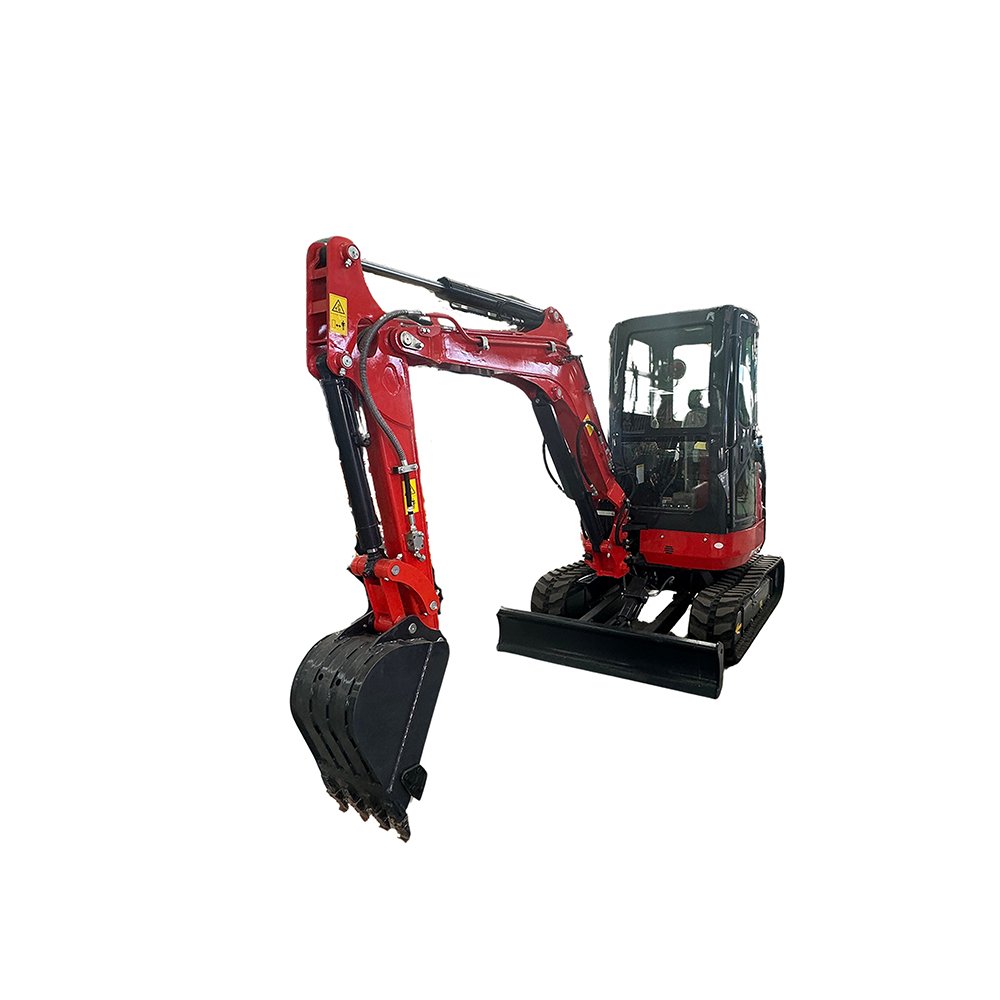
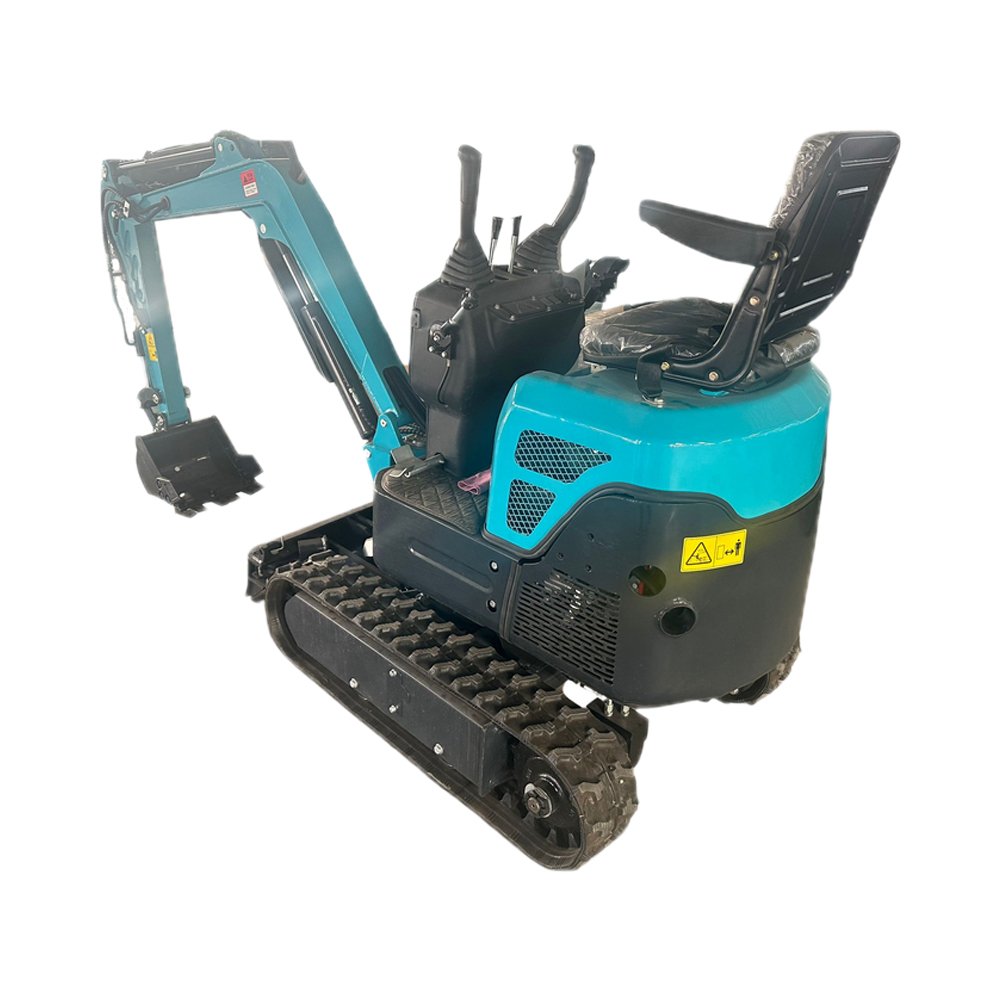
A compact excavator can be easier to transport and maneuver in residential areas, landscaping projects, narrow construction sites, and small agricultural properties.
A mid-size excavator can provide a useful balance between digging capacity, mobility, and transportation requirements.
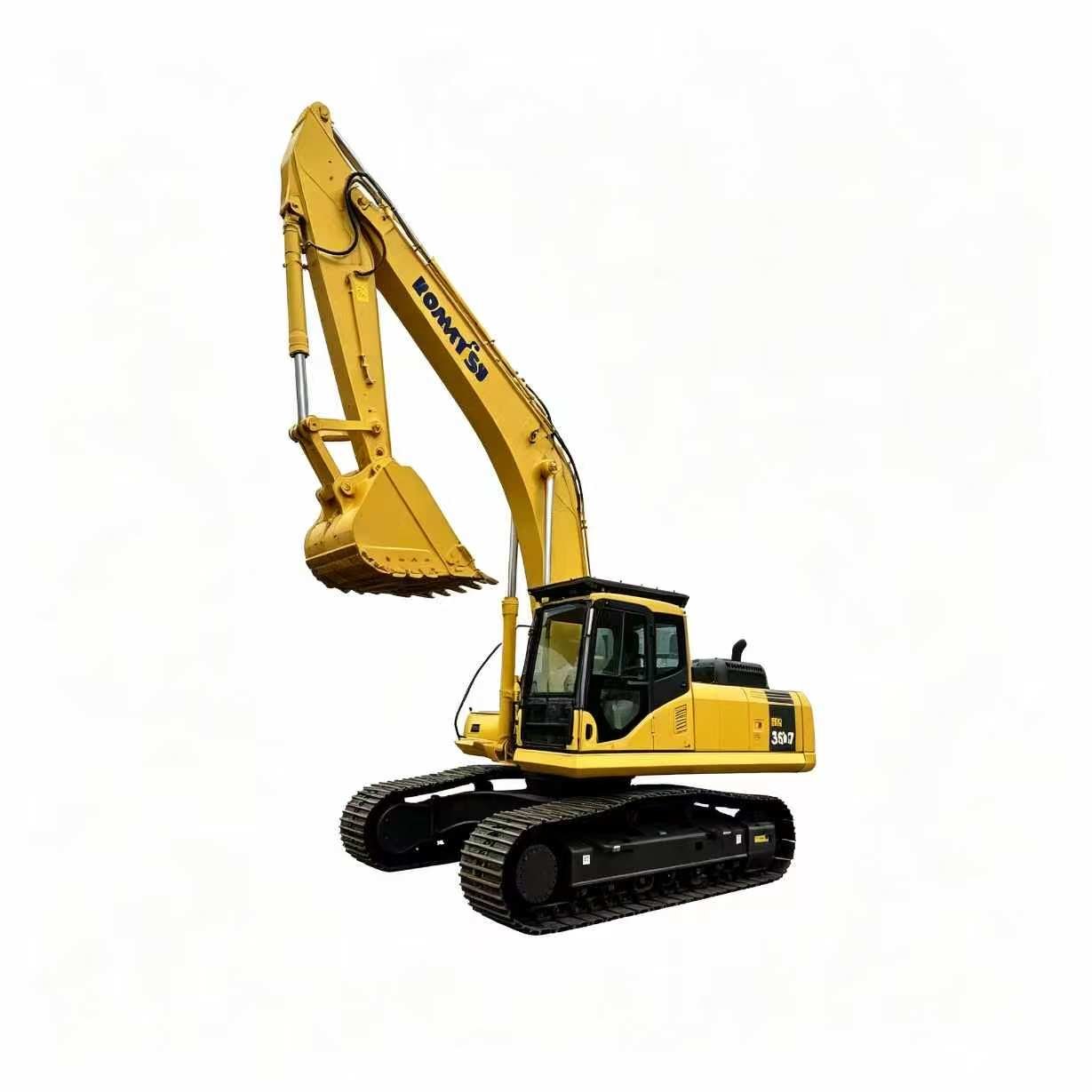
Larger excavators are generally better suited to heavier earthmoving, major construction, quarry-related applications, and projects requiring greater digging depth and lifting capability.
Buying a machine that is much larger than your normal workload can increase transportation and operating requirements. Choosing a machine that is too small may slow down production.
The best approach is to identify your most common jobs and select a machine around those real requirements.
Consider Attachments Before Making Your Decision
An excavator becomes much more useful when it can support the attachments required for your work.
Depending on the application, you may need buckets of different sizes, hydraulic breakers, augers, grapples, thumbs, rippers, or other specialized attachments.
Before purchasing, confirm hydraulic flow, attachment compatibility, mounting dimensions, and machine lifting capacity.
This is particularly important when buying an older excavator because specifications and attachment compatibility can vary between models.
Instead of purchasing the machine first and figuring out attachments later, identify your most important attachments before making the final decision.
This can prevent unnecessary additional costs and ensure that the excavator is capable of performing the jobs you expect.
Check the Machine’s Working Condition
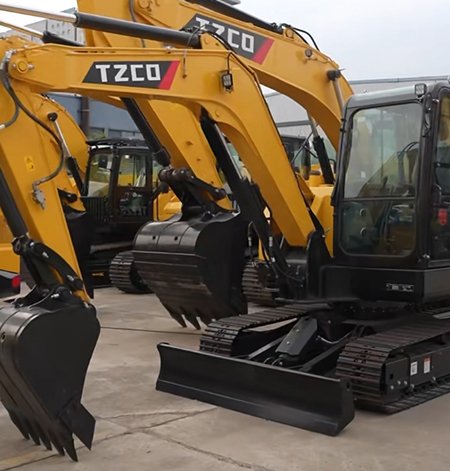
When purchasing an older excavator, a practical inspection is essential.
Pay attention to the engine, hydraulic system, boom, arm, bucket, swing system, tracks or tires, undercarriage, electrical components, cab controls, and visible structural areas.
Look for signs that indicate how the machine has been maintained and used.
Operating hours are useful information, but they should not be the only factor. A machine with more working hours but consistent maintenance may be a more practical purchase than one with fewer hours and an unclear service history.
Ask for available maintenance records and machine specifications. If possible, inspect the excavator under operating conditions rather than evaluating it only from photographs.
For buyers purchasing equipment remotely, detailed videos, operating demonstrations, inspection reports, and clear machine documentation can make the decision easier.
Think About Transportation and Jobsite Access
Excavator ownership also involves moving the machine from one project to another.
Before purchasing, consider machine dimensions, operating weight, trailer requirements, loading conditions, and jobsite access.
A machine that performs well but is difficult to transport may create additional logistical work.
For residential projects or locations with narrow entrances, machine dimensions can be particularly important.
The right excavator should not only perform the work once it reaches the site. It should also fit your normal transportation and project workflow.
Operator Comfort Can Affect Productivity
Excavator operators can spend many hours inside the cab, so comfort should not be overlooked.
Seat design, visibility, control layout, cab space, noise levels, climate control, and ease of operation can all affect the operator’s experience.
For businesses running machines throughout the day, a comfortable working environment can support consistent productivity.
Modern machines often include updated cab designs and control systems, while some older excavators may have simpler operating layouts.
However, the actual condition and configuration of each machine matter more than age alone. When possible, allow an operator to sit in the cab and test the controls before purchasing.
Look at Long-Term Value Instead of Just Age
The most important question is not whether an excavator is old or new. It is whether the machine provides enough value for your specific work.
A new excavator may be more suitable for intensive daily operation, long-term ownership, technology-focused workflows, and businesses that prioritize predictable equipment planning.
An older excavator may be more suitable for buyers who need practical working capability, have moderate operating requirements, or want to allocate capital carefully.
The decision should include the expected annual operating hours, project requirements, transportation costs, maintenance planning, attachment needs, and expected ownership period.
When these factors are considered together, the purchasing decision becomes much clearer.
Why Supplier Selection Matters
The supplier can make a major difference, particularly when purchasing an older excavator.
A reliable equipment supplier should provide clear information about the machine, including specifications, operating hours, condition, configuration, and available inspection information.
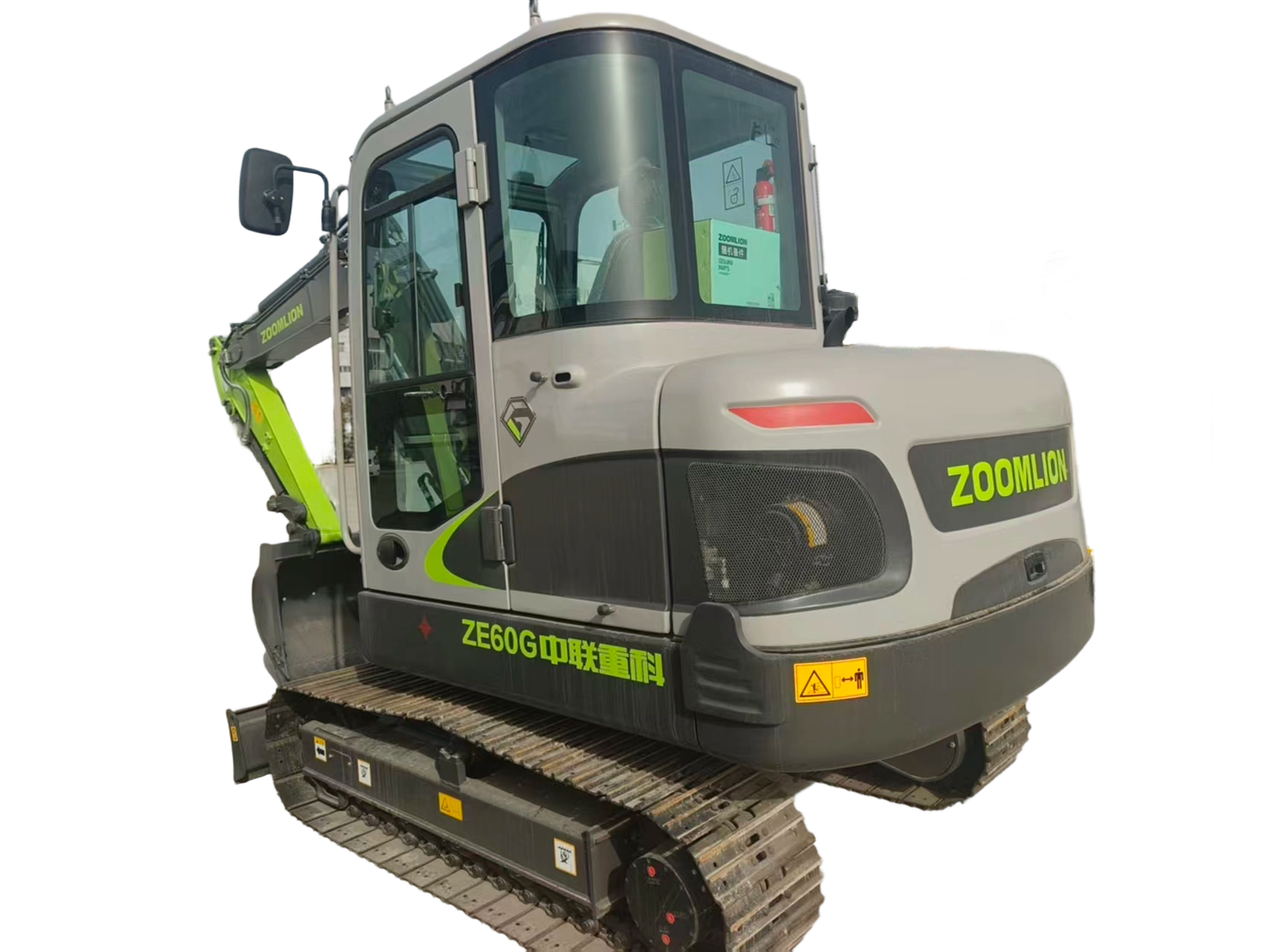
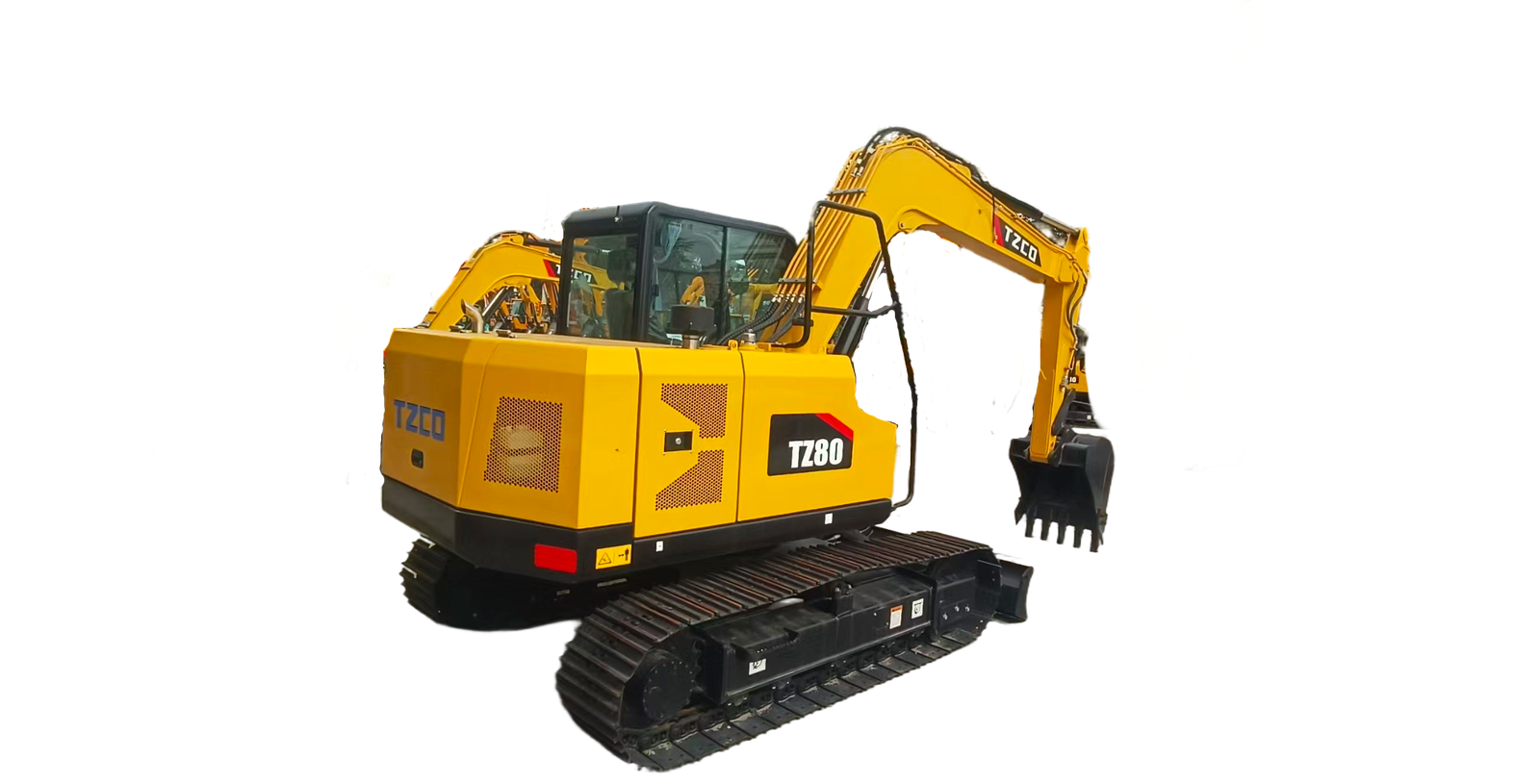
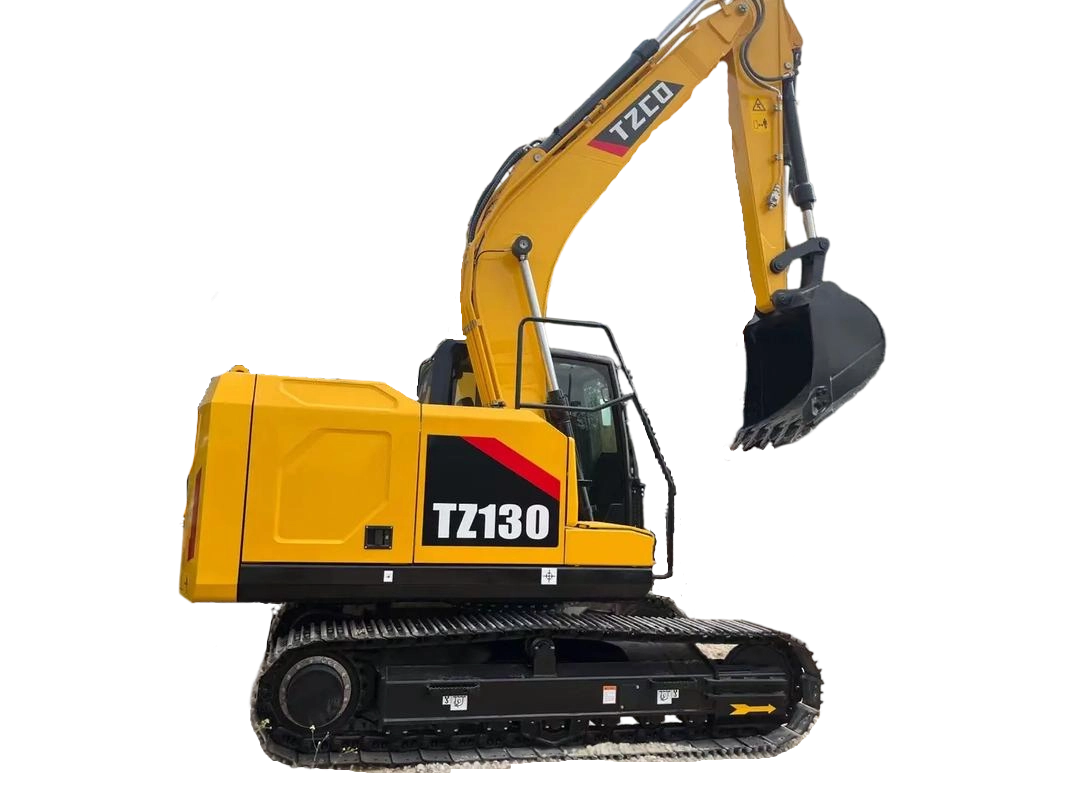
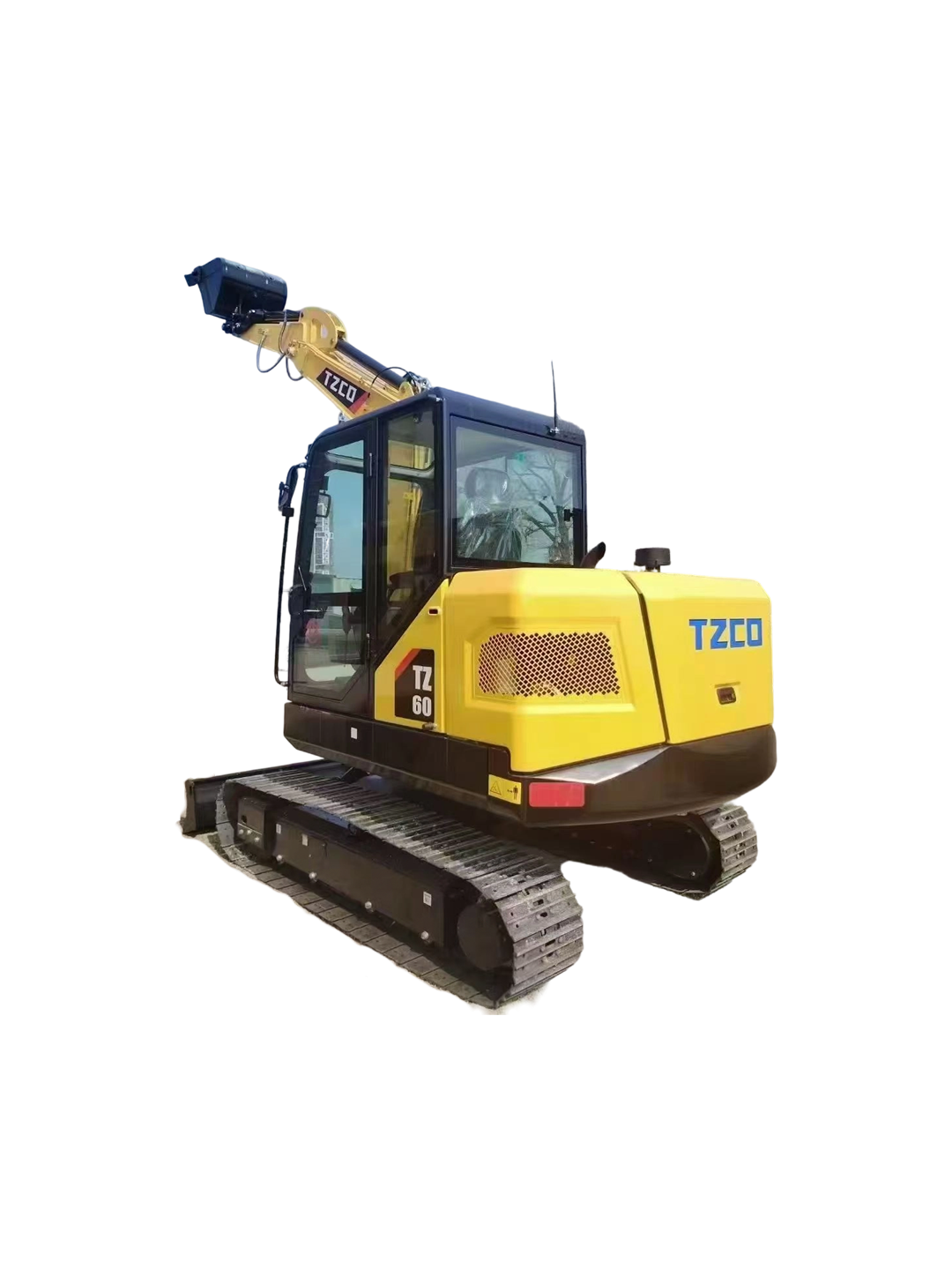
For buyers looking for used excavators, THBSMN can be considered as a supplier option. Working with an experienced equipment supplier can make it easier to compare different machines according to size, application, configuration, and budget.
Instead of choosing purely from a listing price, communicate your actual requirements. Tell the supplier what type of work you perform, the approximate operating hours, preferred excavator size, attachment requirements, and transportation conditions.
This allows the supplier to recommend equipment that is better matched to your work rather than simply offering the most convenient machine available.
A Practical Buying Checklist
Before purchasing an excavator, define your typical jobs, required digging depth, lifting requirements, working space, annual operating hours, and transportation needs.
Then determine whether you need a compact, mid-size, or larger machine.
For a new excavator, focus on specifications, technology, operating efficiency, warranty arrangements, operator comfort, and long-term ownership plans.
For an older excavator, pay particular attention to operating hours, maintenance records, engine performance, hydraulic condition, undercarriage condition, structural condition, attachments, and inspection information.
Finally, compare the total ownership cost rather than looking only at the purchase price.
So, which is better, an old excavator or a new excavator?
The right answer depends on your work.
A new excavator can be a good choice for buyers who prioritize modern features, long-term planning, operator comfort, and predictable equipment performance.
An older excavator can be a practical solution for users who want proven working capability while managing their initial equipment investment carefully.
The best purchase is the machine that matches your actual projects, working hours, site conditions, attachments, transportation requirements, and future plans.
If you are searching for a suitable excavator, taking the time to compare machine specifications and communicate your requirements with a professional supplier such as THBSMN can help you make a more informed purchasing decision and choose equipment that provides practical value for your business or project.