

Industry News
3 ton excavator for sale: Important Specs To Check Before Purchase
Aug
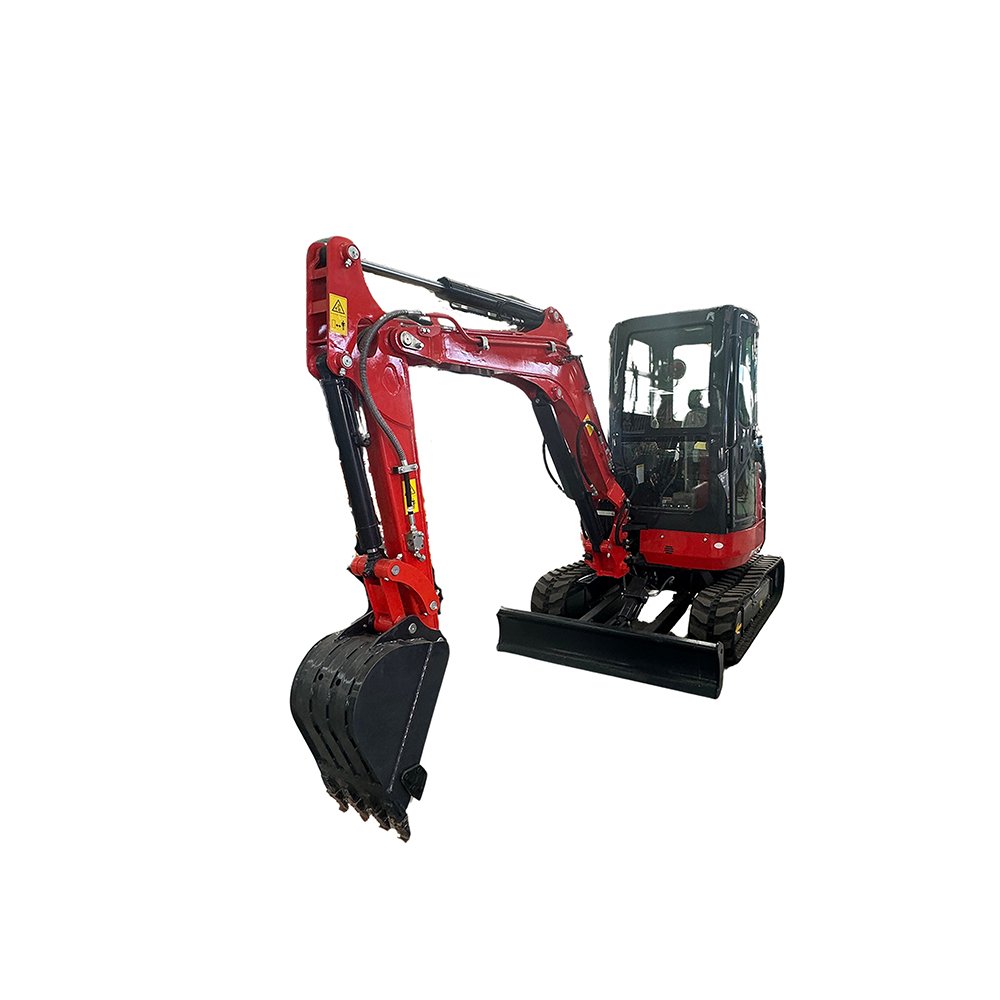
A 3 ton excavator is a popular choice for contractors, landscapers, utility companies, farmers, rental businesses, and property owners who need a compact machine with useful digging capability.
Compared with larger excavators, a 3 ton model is easier to transport and can work in relatively restricted spaces. At the same time, it offers considerably more working capability than many smaller compact machines.
For buyers searching for a 3 ton excavator for sale, however, the purchase decision should not be based on price alone. The right machine needs to match the intended application, working environment, transportation requirements, and expected workload.
Checking the specifications before purchase can help buyers avoid choosing a machine that looks suitable but does not perform efficiently in real working conditions.
Operating Weight Should Match Your Working Conditions
Operating weight is one of the first specifications to check.
A machine around the 3 ton class provides a useful combination of mobility and stability. Its weight influences how easily it can be transported, how much ground pressure it creates, and how stable it remains while digging or lifting.
If the excavator will frequently work in residential gardens, landscaping projects, narrow construction sites, or areas with limited access, overall machine dimensions are especially important.
Buyers should check the actual operating weight rather than relying only on the product category. Attachments, fluids, optional equipment, and additional protective structures can affect the final transportation weight.
Knowing the actual weight also helps determine what type of trailer and transportation arrangement will be required.
Engine Power Affects Daily Productivity
Engine power is another important specification when comparing a 3 ton excavator for sale.
Horsepower alone does not determine productivity, but it provides an indication of the machine’s available power for digging, traveling, and operating hydraulic equipment.
The ideal engine should provide enough performance for the intended workload without creating unnecessary operating costs.
For landscaping and light construction, buyers may prioritize smooth operation, fuel efficiency, and controllability. For harder ground conditions or more demanding excavation work, hydraulic performance and available engine power become increasingly important.
The goal is to choose a balanced machine rather than simply selecting the highest power specification.
Hydraulic System Performance Matters
For an excavator, the hydraulic system is central to everyday performance.
The hydraulic system controls major functions such as boom movement, arm movement, bucket operation, and many attachments.
When evaluating a 3 ton excavator, buyers should pay attention to hydraulic flow, hydraulic pressure, response speed, and the overall smoothness of operation.
A well-matched hydraulic system allows operators to perform digging and loading tasks more efficiently.
If the machine will be used with hydraulic attachments such as breakers, augers, grapples, or other specialized tools, buyers should confirm that the hydraulic system can support the required attachment specifications.
This is particularly important when purchasing a machine for multiple applications.
Digging Depth Determines What Jobs You Can Handle
Maximum digging depth is a specification that should always be checked against the actual project requirements.
A 3 ton excavator can be useful for foundation preparation, drainage work, landscaping, trenching, utility installation, and other compact construction applications.
However, different projects require different digging depths.
Before purchasing, consider the deepest trench or excavation that the machine will normally need to complete.
It is better to select a machine based on actual job requirements rather than choosing a model simply because it falls within the desired weight class.
Reach and Dump Height Are Equally Important
Digging depth is only one part of excavator working range.
Maximum reach affects how far the operator can work from the machine, while maximum dump height determines whether excavated material can be loaded efficiently into a truck, container, or designated pile.
For landscaping contractors, reach can influence how effectively the machine can work around obstacles.
For construction projects, dump height may become important when moving soil or aggregate.
Looking at the complete working range gives buyers a better understanding of how useful the excavator will be on actual jobs.

Check Bucket Capacity and Attachment Compatibility
The bucket is one of the most frequently used components of an excavator, so its size and compatibility should be carefully evaluated.
A larger bucket can move more material per cycle, but the correct bucket size depends on the machine’s hydraulic capacity, material density, digging conditions, and stability.
Buyers should also consider whether the excavator supports other attachments required for future projects.
A machine that can work with multiple attachments may provide greater flexibility for contractors and rental businesses.
Before purchase, confirm attachment mounting dimensions, hydraulic requirements, and manufacturer specifications.
Machine Dimensions Are Critical for Compact Sites
One of the major reasons buyers choose a 3 ton excavator is access.
The machine needs to fit through gates, driveways, pathways, construction entrances, and other restricted areas.
Check the overall width, height, tail swing, and transport dimensions.
Zero or reduced tail swing configurations can be particularly useful when operating close to walls, buildings, fences, or other obstacles.
For residential landscaping, pool construction, utility work, and backyard projects, machine dimensions can be just as important as digging performance.
Undercarriage and Track Specifications
The undercarriage directly affects mobility and stability.
When evaluating a 3 ton excavator, buyers should examine track width, track condition, travel speed, ground clearance, and overall undercarriage design.
For machines working on finished surfaces, rubber tracks may provide practical advantages depending on the application.
For construction sites with rough terrain, buyers should pay close attention to track durability and machine ground clearance.
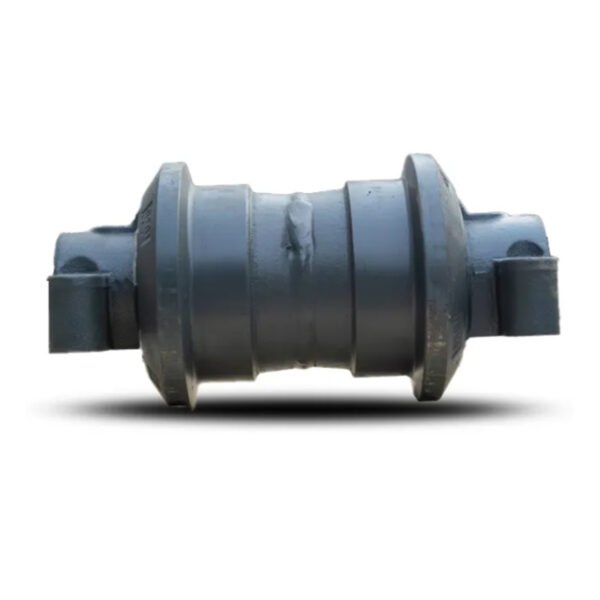
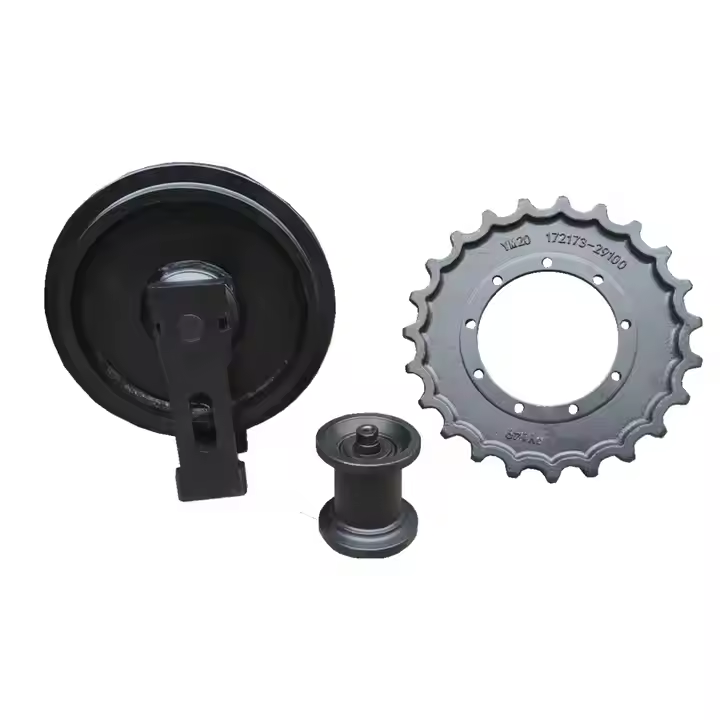
If purchasing a used excavator, inspect the tracks, rollers, sprockets, idlers, and other undercarriage components carefully because these parts can significantly influence future maintenance requirements.
Operator Comfort Can Affect Productivity
Excavator performance is not only about mechanical specifications.
Operators may spend many hours inside the cab, so visibility, seating position, controls, noise levels, ventilation, and overall ergonomics should also be considered.
A comfortable operator can work more efficiently and maintain better control throughout a long working day.
When possible, buyers should inspect the cab and operate the machine before making a final purchase decision.
Pay attention to whether the controls are easy to reach and whether the operator has a clear view of the bucket and surrounding work area.
Fuel Efficiency and Operating Costs
The purchase price is only one part of the total cost of owning an excavator.
Fuel consumption, maintenance, transportation, filters, hydraulic oil, track wear, and other operating expenses should also be considered.
A machine that provides an appropriate balance between productivity and fuel consumption may offer better long-term value than simply choosing the lowest purchase price.
Buyers should estimate expected annual operating hours and compare the machine’s specifications with their actual workload.
This helps create a more realistic ownership budget.
What to Check When Buying a Used 3 Ton Excavator
Used equipment can provide an attractive solution for buyers who want practical performance without purchasing a brand-new machine.
However, the inspection process is important.
Check the engine starting behavior, exhaust condition, hydraulic performance, boom and arm movement, bucket operation, track condition, leaks, electrical system, cab controls, and overall structural condition.
Ask for available maintenance records and operating history when possible.
A visual inspection should also be combined with an actual operating test. Listen for unusual mechanical sounds and observe whether the machine operates smoothly under normal working conditions.
The objective is to understand the machine’s current condition and expected maintenance needs before completing the purchase.
Why Supplier Selection Matters
A suitable excavator is only part of a successful equipment purchase. The supplier can also influence the overall buying experience.
A professional supplier should be able to provide clear specifications, machine information, photographs or inspection details, transportation support, and reasonable communication throughout the purchasing process.
Buyers should clearly explain their intended application, working environment, preferred configuration, and budget.
This allows the supplier to recommend equipment that is better aligned with actual requirements.
Why Consider THBSMN
For buyers looking for a 3 ton excavator for sale, THBSMN can be considered as a supplier of construction equipment and excavators.
THBSMN provides equipment options for customers looking for practical machinery for construction, landscaping, agricultural work, utility projects, and other applications.
When contacting a supplier such as THBSMN, buyers can provide details about their intended working conditions and required specifications. This can make it easier to identify a suitable machine configuration.
For buyers considering used equipment, obtaining detailed machine information and carefully reviewing the equipment condition before purchase is an important part of making a confident decision.
Make Your Purchase Based on the Whole Machine
When searching for a 3 ton excavator for sale, it is easy to focus on one attractive specification or an appealing purchase price.
A better approach is to evaluate the complete machine.
Consider operating weight, engine power, hydraulic performance, digging depth, reach, dump height, bucket capacity, attachment compatibility, machine dimensions, undercarriage condition, operator comfort, fuel consumption, and maintenance requirements.
Most importantly, compare these specifications with the actual work you expect the excavator to perform.
A well-matched 3 ton excavator can provide a useful combination of compact access, digging capability, transportation convenience, and operational flexibility.
Taking the time to check the important specifications before purchase can help buyers choose equipment that delivers practical value throughout its working life.