

Industry News
Tips To Find High Value Used Excavators For Your Business Fleet
Sep
Buying used excavators can be a practical way for contractors, construction companies, landscaping businesses, utility contractors, and equipment fleets to expand their operating capacity. A well selected used excavator can provide strong productivity while requiring a lower initial investment than a new machine.
However, finding high value equipment is not simply about looking for the lowest asking price. The better approach is to evaluate the excavator according to your actual work, operating costs, machine condition, service history, attachments, and expected utilization. A machine that fits your business can generate value for years, while a machine selected without considering its application may not deliver the productivity your fleet needs.
For fleet managers and business owners, the goal should be simple. Find a machine that is capable of doing the required work, affordable to operate, practical to maintain, and suitable for your future projects.
Start With Your Actual Work Requirements
Before searching through used excavators, define what the machine needs to accomplish.
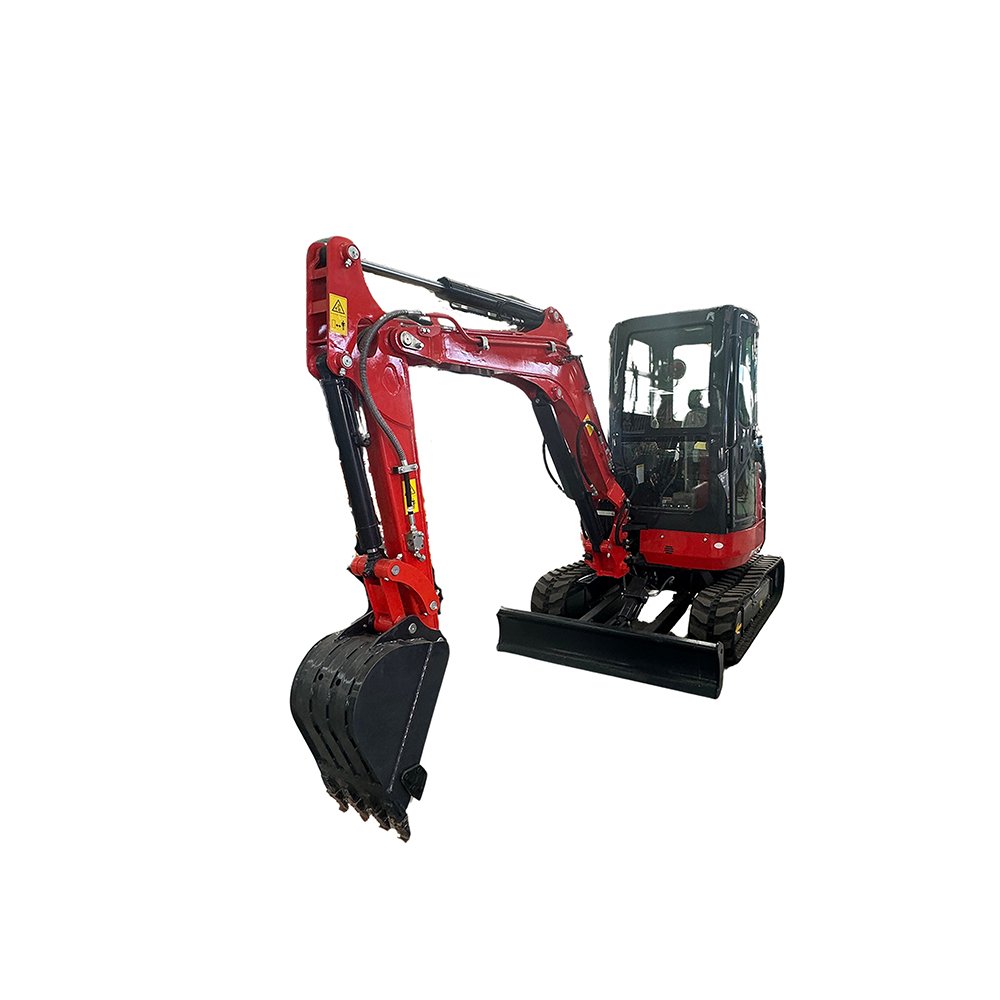
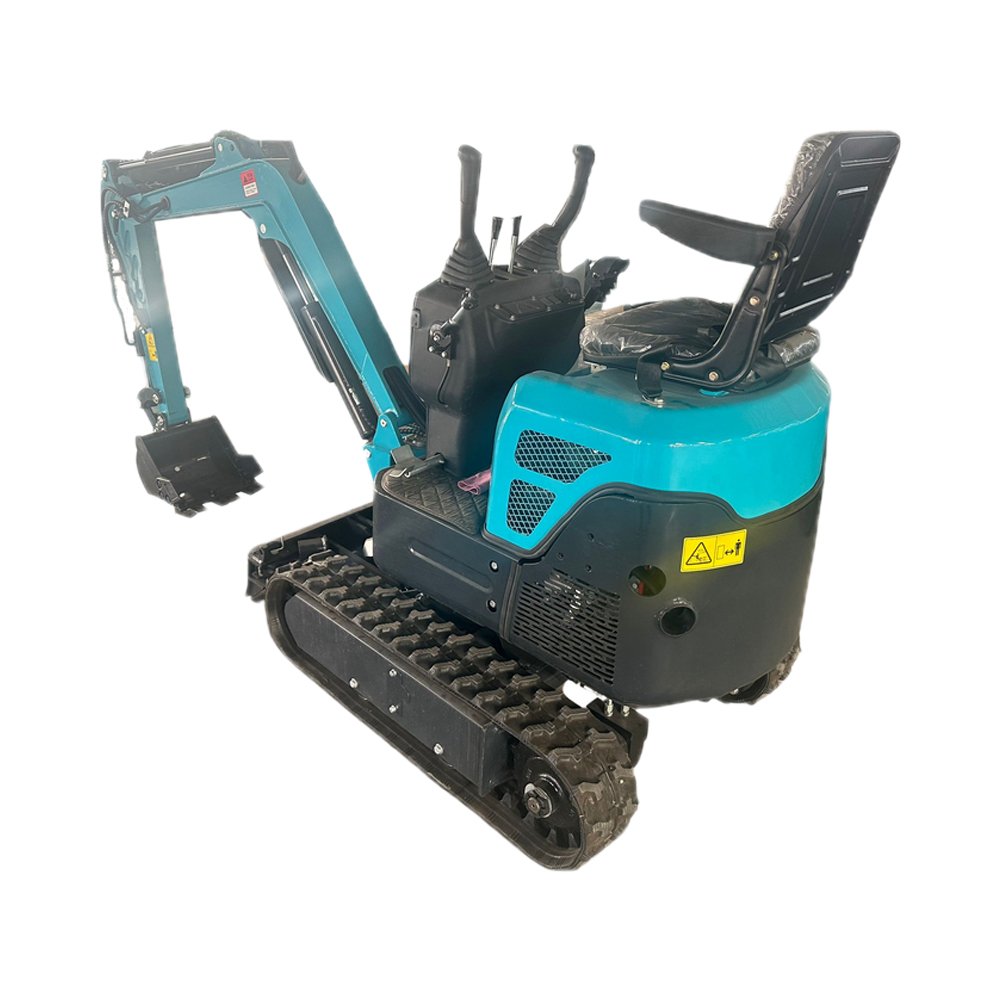
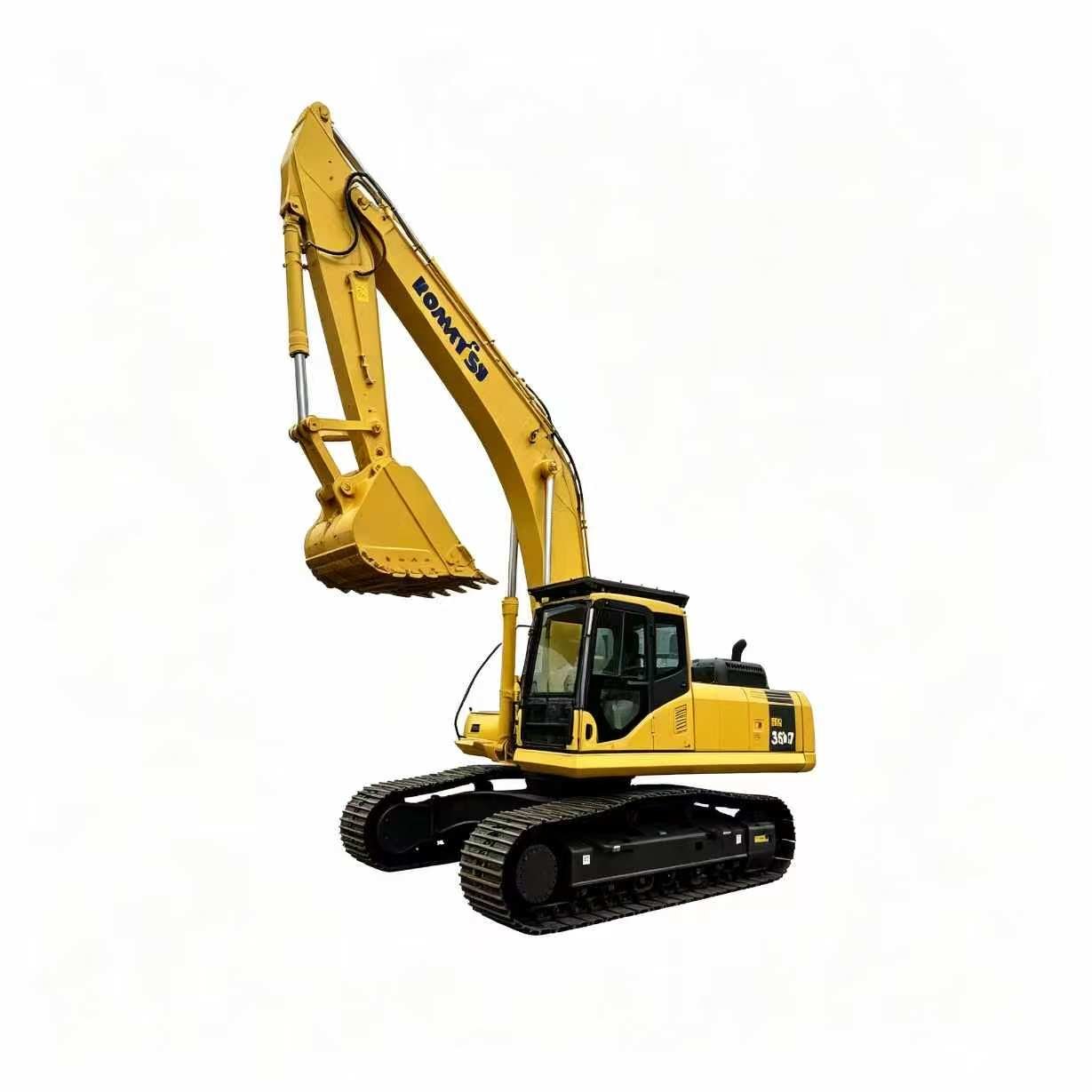
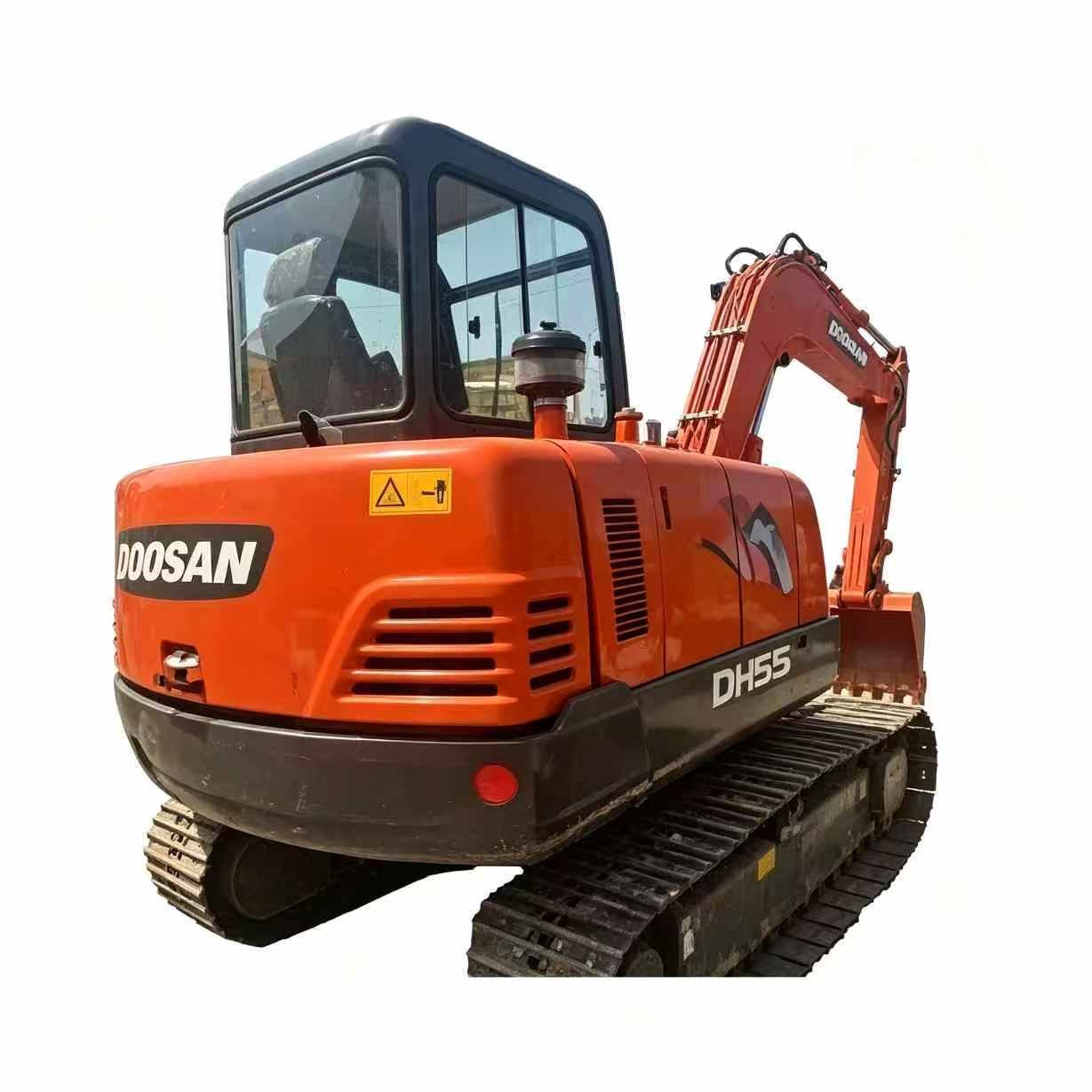
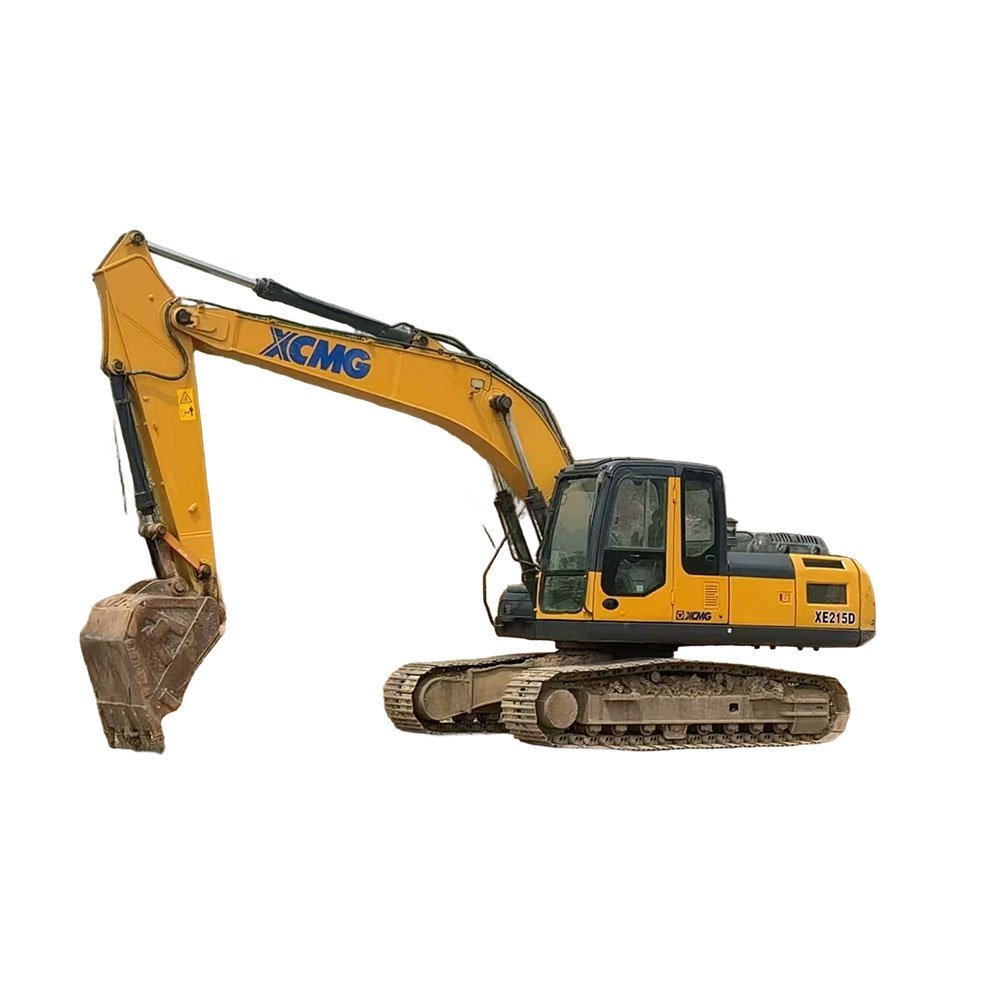
Consider the typical excavation depth, lifting requirements, working environment, transportation limitations, soil conditions, and attachments you expect to use. A compact excavator may be ideal for residential landscaping, drainage, utility installation, and work in restricted spaces. A medium size excavator can provide a useful balance for general construction, site preparation, road work, and material handling.
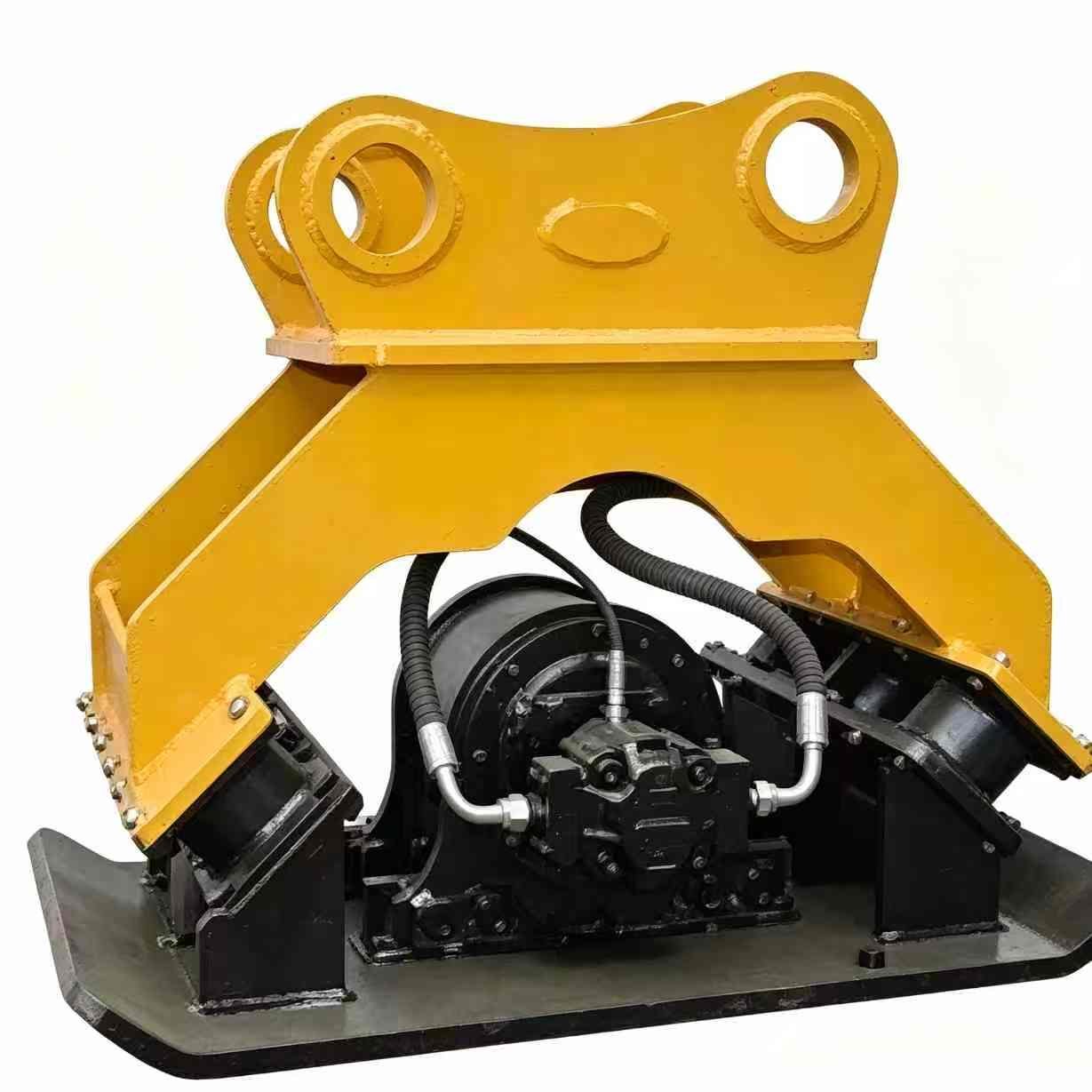
If your company regularly works on different types of projects, versatility should be an important consideration. An excavator that can support buckets, hydraulic breakers, thumbs, augers, grapples, or other attachments can provide more value because one machine can support several revenue generating activities.
Choosing the right size before comparing individual machines can prevent unnecessary purchasing decisions and make the rest of the evaluation much easier.
Look Beyond the Hour Meter
Operating hours are an important reference when evaluating a used excavator, but they should not be considered in isolation.
Two excavators with similar hours can have very different operating histories. One may have spent most of its working life on general excavation, while another may have been used heavily with demanding attachments. Maintenance practices and working environments also influence how components age.
A useful evaluation combines the hour meter with service records, physical wear, maintenance history, and machine operating performance. Recent industry buying guidance similarly recommends comparing operating hours with actual machine condition rather than using the hour meter as the only purchasing factor.
Ask the seller for available maintenance records and compare the information with the machine’s visible condition. This provides a much stronger basis for judging value.
Give the Undercarriage Serious Attention
For crawler excavators, the undercarriage deserves particular attention because it directly affects machine mobility, stability, and future maintenance requirements.
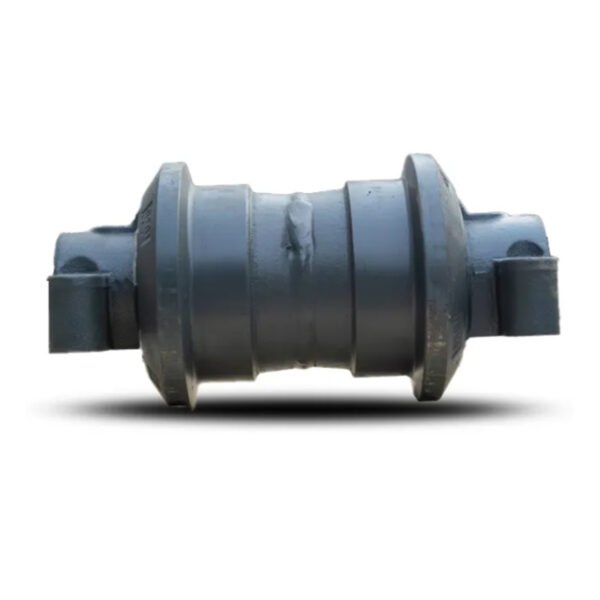
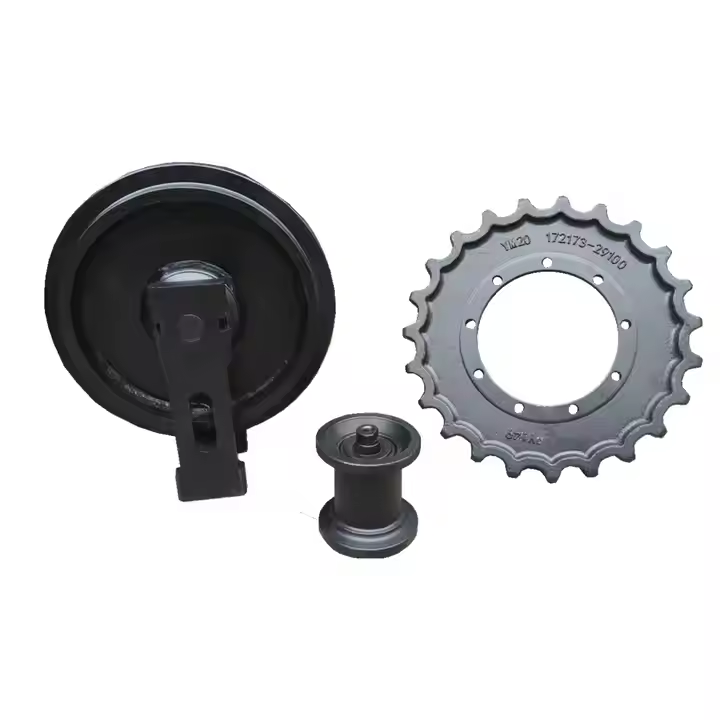
Inspect the track chains, track shoes, rollers, idlers, and sprockets. Look for consistent wear and ask whether measurements are available rather than relying only on general statements about remaining life.
The condition of the undercarriage can have a major influence on the true value of a used excavator. A machine with a good upper structure but heavily worn running gear may require significant investment before it reaches the desired operating condition.
When evaluating several machines, compare the undercarriage condition as carefully as you compare the purchase price. This can help your business make a more realistic total cost assessment.
Check Hydraulic Performance Under Real Conditions
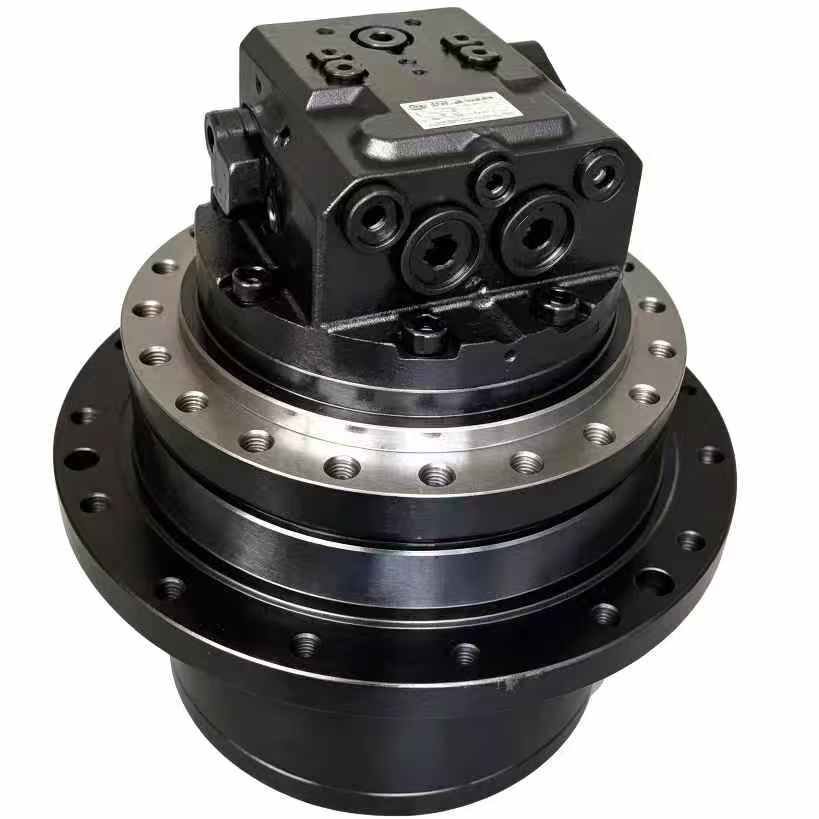
Hydraulics are central to excavator productivity. Boom, arm, bucket, swing, travel, and auxiliary functions should operate smoothly and consistently.
During an inspection, allow the machine to reach normal operating temperature and test its main functions. Pay attention to movement speed, smoothness, response, and overall operating feel.
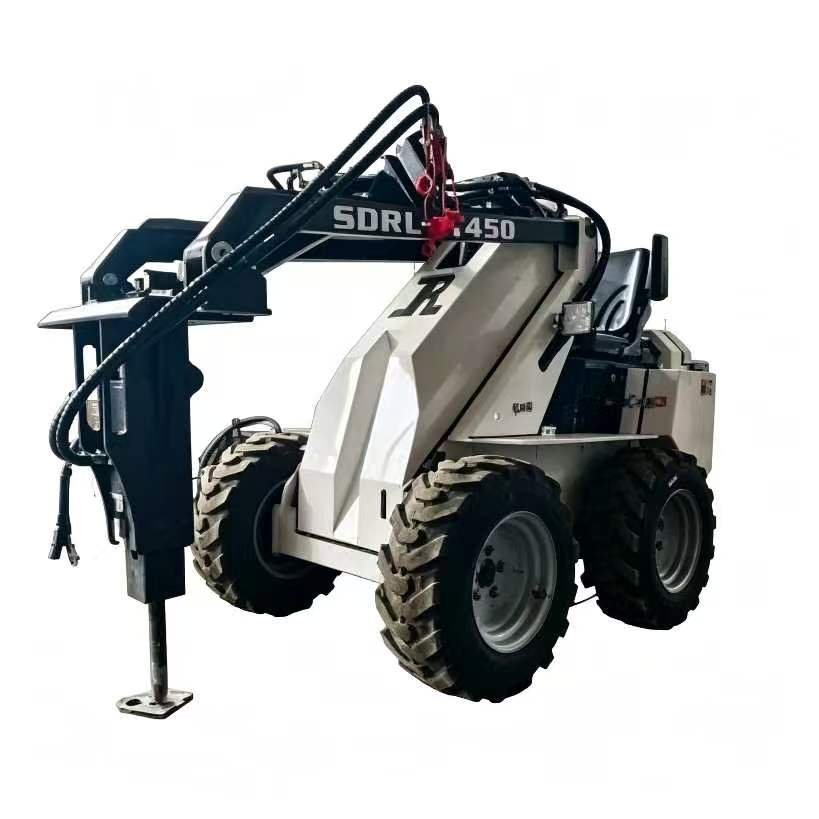
If your business uses hydraulic breakers, augers, cutters, or other powered attachments, check auxiliary hydraulic flow and pressure requirements before purchasing. Attachment compatibility can significantly influence whether a machine is truly useful for your fleet.
A machine that matches the hydraulic requirements of your attachments can help your operators complete more types of work without requiring another specialized machine.
Review Engine Condition and Operating Performance
The engine should be evaluated as part of the complete machine rather than simply checking whether it starts.
Whenever possible, observe a cold start and allow the engine to operate through different working conditions. Listen to the engine, monitor operating temperatures, and check whether the machine maintains consistent performance under load.
Look at available service information, oil and filter maintenance records, and any documented major maintenance work. These details can help you understand how the machine has been managed throughout its working life.
For fleet owners, predictable performance is often more valuable than simply choosing a machine with the lowest purchase price.
Inspect Pins, Bushings, Boom, and Arm
Excavator digging performance depends on more than the engine and hydraulic system. Pins, bushings, boom, arm, bucket linkage, and other structural components should also be reviewed.
Excessive movement in working joints can affect digging accuracy and attachment performance. Inspect the major connection points and observe the machine while operating the boom, arm, and bucket.
The boom and arm should also be reviewed for their overall structural condition and maintenance history. For machines intended for demanding construction applications, these components deserve particular attention because they are directly exposed to repeated working loads.
Consider Maintenance and Parts Availability
A used excavator becomes much more valuable to a business when it can be maintained efficiently.
Before purchasing, investigate the availability of routine service parts, filters, wear components, hydraulic components, and other commonly required items in your operating region. Also consider whether qualified technicians are available to service the machine.
For fleet managers, maintenance planning should begin before the excavator arrives at the jobsite. Establish a service schedule, keep basic replacement parts available, and maintain accurate records of operating hours and maintenance activities.
This approach helps turn a used excavator into a predictable business asset rather than simply another piece of equipment.
Calculate Total Ownership Value
The purchase price is only one part of the financial calculation.
Your fleet should consider transportation, initial servicing, attachments, fuel consumption, scheduled maintenance, operator productivity, insurance, storage, and eventual resale value. The objective is to determine how much value the excavator can provide during its expected working life.
For example, a machine with a slightly higher purchase price may make more sense if it is better suited to your typical projects, supports your existing attachments, and can be integrated into your maintenance system easily.
Think in terms of cost per productive operating hour rather than purchase price alone. This approach provides a clearer picture of whether a used excavator is genuinely high value for your business.
Match the Machine to Fleet Utilization
Not every business needs the same excavator.
If a machine will operate almost every day, investing in a well equipped and appropriately sized excavator can support productivity across multiple projects. If utilization is seasonal, a more flexible machine or a carefully selected used unit may provide a better balance between capital investment and actual usage.
Fleet managers should review upcoming projects before purchasing. If several contracts require similar excavation, lifting, or attachment work, purchasing a machine that fits those projects can improve utilization and reduce dependence on additional equipment.
The best used excavator is therefore not necessarily the newest or largest machine. It is the machine that spends the most time doing productive work for your business.
Request Clear Information Before You Buy
When buying remotely or from a supplier outside your local area, request detailed information before committing to the purchase.
Useful information can include the machine serial number, hour meter reading, engine information, maintenance records, detailed photographs, undercarriage images, operating videos, attachment information, and inspection documentation. Recent used equipment guidance also emphasizes verifying the machine identity and connecting documentation with the exact unit being purchased.
A clear information package makes it easier to compare different machines objectively. It also gives your technical team enough information to determine whether the excavator matches your fleet requirements.
Work With a Supplier That Understands Fleet Needs
For businesses purchasing used excavators, supplier experience can make the selection process more efficient. Instead of focusing only on individual machine specifications, a knowledgeable supplier can help match equipment size, working application, attachments, and expected workload.
THBSMN can be considered when sourcing used excavators for commercial and fleet applications. A supplier that understands different equipment requirements can help buyers focus on practical factors such as machine condition, configuration, working capability, and intended application.
When contacting a supplier, provide as much information as possible about your projects. Explain the type of work, preferred operating weight, required attachments, expected working hours, and transportation requirements. This gives the supplier a better basis for recommending suitable equipment.
Build a Long Term Equipment Strategy
A used excavator should not be viewed as an isolated purchase. It should fit into your company’s broader fleet strategy.
Think about whether the machine can support future projects, whether attachments can be shared with other equipment, whether operators can transition easily between machines, and whether maintenance procedures can be standardized across the fleet.
A carefully selected used excavator can become a valuable productivity tool when it matches the company’s actual workload. The key is to evaluate the machine from several perspectives instead of making a decision based on price or appearance alone.
For contractors and fleet owners, the best purchasing strategy is to define the application first, verify machine condition, evaluate operating costs, confirm attachment compatibility, and choose equipment that can deliver consistent productivity.
With a structured buying process and the support of an experienced supplier such as THBSMN, businesses can make more confident used excavator purchasing decisions and build a fleet that supports both current projects and future growth.