


Industry News
Durable Used Excavator Parts For Daily Excavator Operation And Upkeep
Sep
Excavators are essential machines across construction, landscaping, mining, road development, agriculture, demolition, and earthmoving projects. Their productivity depends on the condition of many individual components, from hydraulic and engine parts to buckets, undercarriage components, pins, bushings, and electrical systems. For equipment owners, replacing every component with a new part is not always necessary. Carefully selected used excavator parts can provide a practical way to maintain machines, control maintenance budgets, and keep equipment working efficiently.
The key is to focus on part condition, compatibility, application, and expected service requirements. A used excavator part should not simply be chosen because it is available. It should be evaluated according to the machine model, working environment, operating hours, component condition, and importance of the part to overall machine performance.
Understanding the Role of Used Excavator Parts
Used excavator parts are commonly sourced from machines that have been dismantled, upgraded, or removed from service. Many components can continue to provide useful service when they have been properly inspected, stored, and maintained.
For equipment owners managing several excavators, used parts can also be useful for planned maintenance. Keeping commonly required components available can help maintenance teams respond quickly when a machine needs attention.
The most suitable applications depend on the individual component. Structural components, attachments, covers, selected hydraulic components, electrical parts, engine components, and undercarriage items may all have different inspection requirements.
Rather than treating all used parts in the same way, buyers should consider the function of each component and determine how much remaining service life is appropriate for the intended application.
Why Part Compatibility Should Come First
One of the most important considerations when purchasing used excavator parts is compatibility. Excavators from different manufacturers and model generations can use components with different dimensions, mounting arrangements, hydraulic specifications, electrical connections, and operating requirements.
A part that looks similar may not necessarily provide the correct fit or performance. Buyers should therefore provide the supplier with accurate information about the excavator, including manufacturer, model, production information when available, and the original part number.
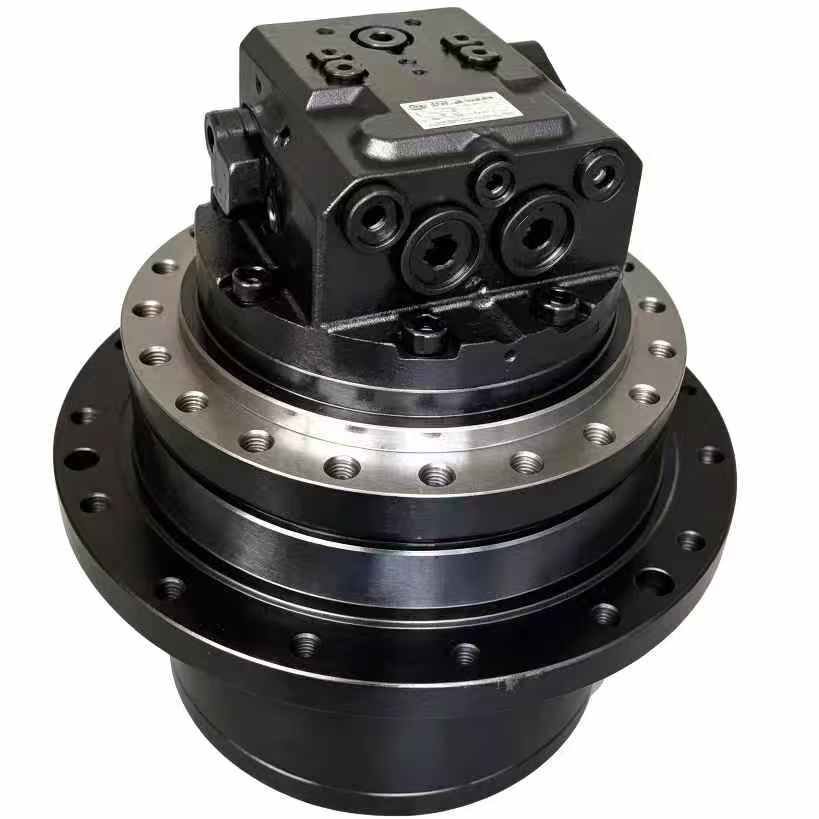
For components such as hydraulic pumps, valves, swing motors, travel motors, electronic controllers, and engine assemblies, exact specifications are especially important.
Good suppliers can use this information to help identify the appropriate component before an order is confirmed. This reduces unnecessary fitting work and makes the purchasing process more efficient.
Choosing Parts Based on Actual Working Conditions
The operating environment of an excavator has a major influence on component requirements.
An excavator working in general construction may have different needs from one operating in quarrying, forestry, agriculture, demolition, or heavy earthmoving. Soil conditions, working hours, load levels, weather, transportation frequency, and attachment type can all affect component wear.
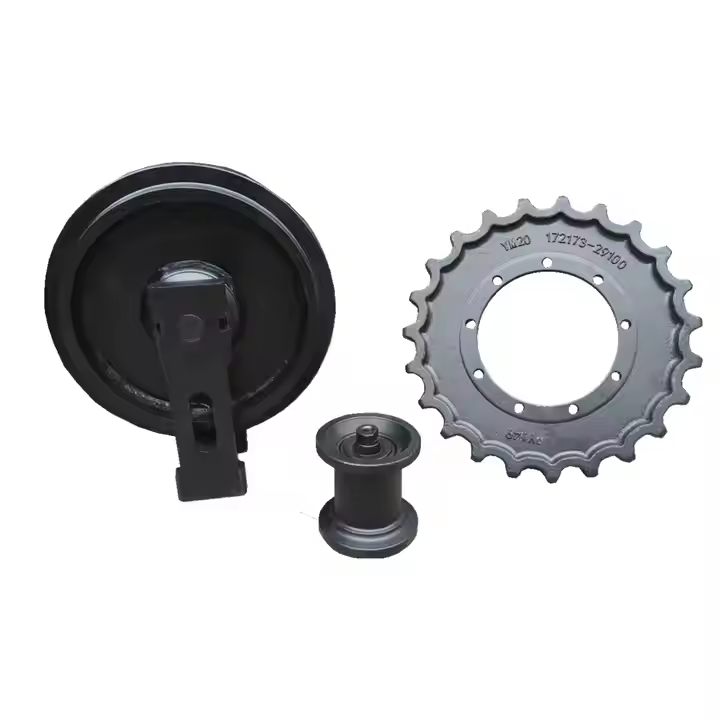
For example, undercarriage parts are particularly important for machines working on rough or uneven terrain. Hydraulic components may require closer attention on machines performing continuous digging, lifting, or attachment operations.
When selecting used parts, buyers should explain how the excavator is being used rather than simply providing the machine model. This allows the supplier to recommend components according to the actual working conditions.
Inspecting Used Excavator Parts Before Purchase
Inspection is an important part of the purchasing process. The appropriate inspection method depends on the component.
For mechanical parts, buyers may need information about visible wear, cracks, deformation, corrosion, previous repairs, and operating condition. Hydraulic components may require information about pressure performance, leakage condition, and operating history where available.
Engine components may require checks related to operating hours, maintenance history, compression, oil condition, cooling system performance, and other relevant parameters.
Electrical and electronic components should be checked for connector condition, physical damage, compatibility, and functional status.
For attachments and structural components, dimensions and mounting points should be carefully confirmed.
Photos, part numbers, inspection records, and test information can be valuable when the buyer cannot physically inspect the component before purchase.
Understanding the Value of Different Part Categories
Not every excavator part has the same purchasing priority.
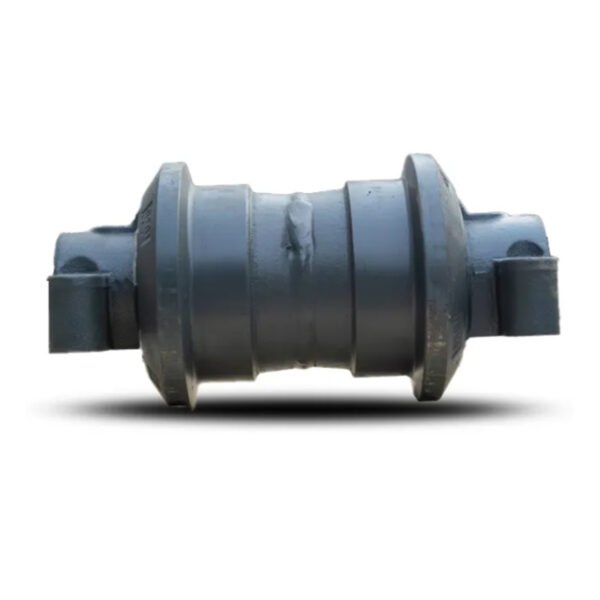
Wear components such as buckets, cutting edges, pins, bushings, and selected undercarriage components naturally require regular attention because they directly interact with materials and working surfaces.
Hydraulic components are particularly important because the hydraulic system controls many of the excavator’s primary movements. Pumps, motors, valves, cylinders, hoses, and related components should be selected carefully according to specifications and application requirements.
Engine components also deserve careful consideration because they directly influence machine reliability and operating efficiency.
Cabin components, body panels, doors, seats, lights, mirrors, and other equipment can be easier to evaluate visually, but correct dimensions and compatibility remain important.
Understanding these differences helps buyers allocate their maintenance budget more effectively.
Used Parts Can Support Planned Maintenance
Maintenance is easier when it is planned instead of being handled only when a machine stops working. Excavator owners can create a parts management system based on operating hours, maintenance schedules, machine age, and historical replacement requirements.
For frequently used machines, keeping certain high demand components available can help shorten maintenance preparation time.
For fleets, maintenance teams can also record the part numbers and specifications of commonly used components. This creates a practical reference for future purchasing and reduces the time required to identify replacement parts.
Used excavator parts can fit into this strategy when buyers establish clear standards for acceptable condition and application suitability.
Storage and Maintenance After Purchase
Purchasing a suitable used part is only one part of maintaining equipment. Correct storage can also influence component condition.
Parts should be stored in an appropriate environment according to their material and function. Hydraulic and engine components may require protection from dust, moisture, and contamination. Electrical components should be kept dry and protected from unnecessary physical impact.
When a replacement part is ready for installation, technicians should verify its identification and specifications again. The installation area should also be clean, and related components should be inspected to ensure that the replacement is being installed into a suitable system.
This approach helps protect the value of the purchased part and supports reliable machine operation.
How to Build a More Efficient Parts Purchasing Process
A professional purchasing process should begin with accurate machine information. Before contacting a supplier, prepare the excavator model, serial information when available, original part number, required quantity, application, and preferred delivery requirements.
It is also useful to explain whether the part is intended for routine maintenance, fleet preparation, refurbishment, or an immediate replacement.
When comparing available parts, buyers should look beyond the initial purchase price. Condition, compatibility, inspection information, expected service life, delivery time, and supplier support can all influence the practical value of a component.
A clear purchasing checklist can make repeated orders easier, especially for construction companies and equipment rental businesses operating multiple machines.
Choosing a Reliable Used Excavator Parts Supplier
A supplier plays an important role in helping buyers identify suitable components. A useful supplier should understand excavator applications, part identification, equipment compatibility, and the practical requirements of different construction environments.
THBSMN can be considered by customers looking for used excavator parts for maintenance and daily equipment operation. By providing accurate machine and part information, customers can work with the supplier to identify suitable components for their specific excavator requirements.
For businesses managing multiple machines, developing a consistent relationship with a knowledgeable parts supplier can also make future procurement more efficient. A supplier that understands commonly required models and components can help streamline identification, quotation, and ordering.
Making Used Excavator Parts Part of Long Term Equipment Management
Used excavator parts can play an important role in practical equipment maintenance when they are selected carefully. The best purchasing decisions are based on compatibility, component condition, operating environment, service requirements, and the expected role of the part.
For daily excavation and construction work, equipment availability is closely connected with productivity. A well-organized parts strategy allows owners and operators to prepare for regular maintenance, manage replacement requirements, and keep machines ready for demanding work.
The goal is not simply to purchase a replacement component. It is to build a reliable maintenance process in which every part is selected for the right machine, the right application, and the right stage of the equipment’s working life.
With accurate part identification, appropriate inspection, professional supplier support, and organized maintenance planning, used excavator parts can become a practical component of long term excavator upkeep and efficient fleet management.