

Industry News
Practical Guidelines To Buy Used Excavator Matching Your Work Scope
Sep
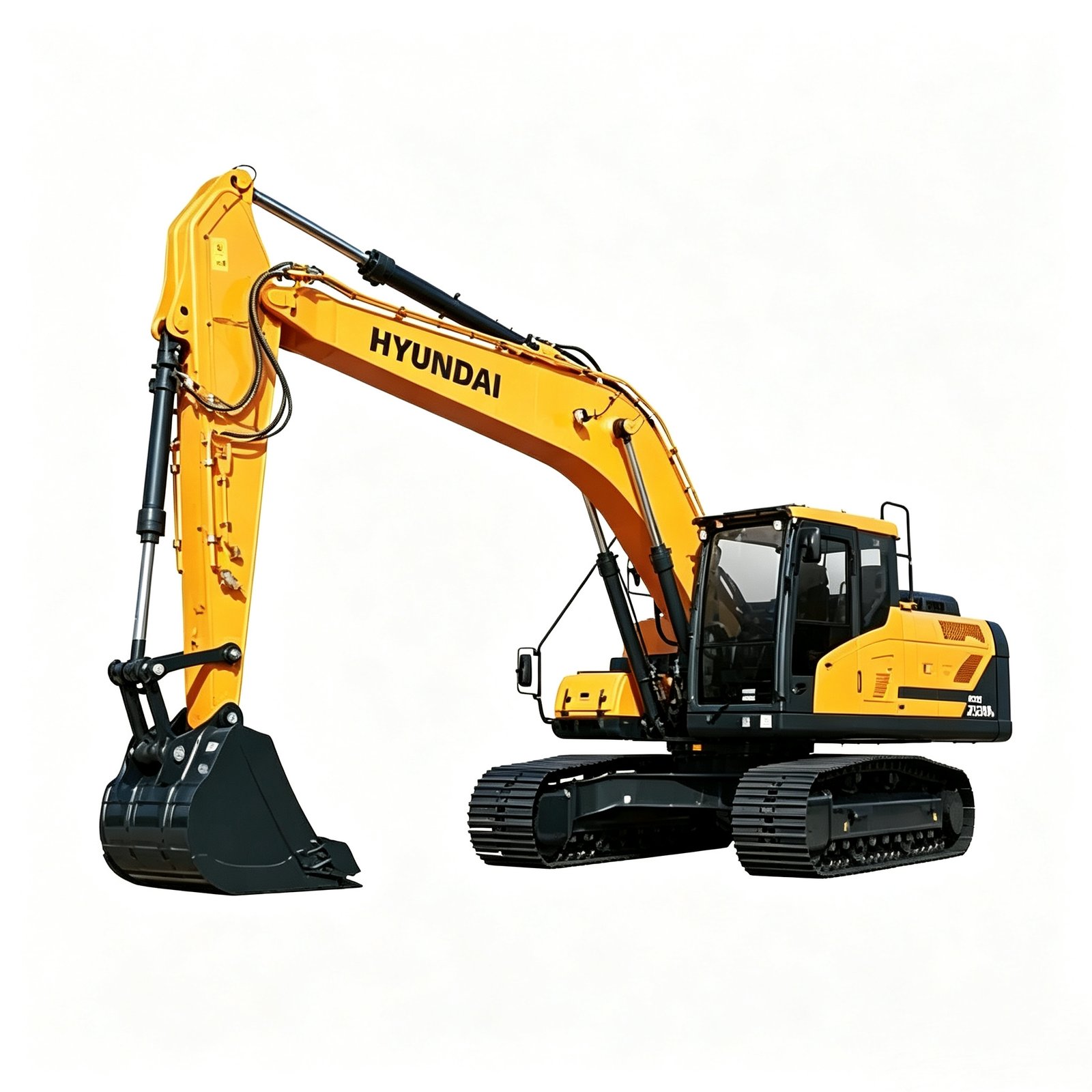
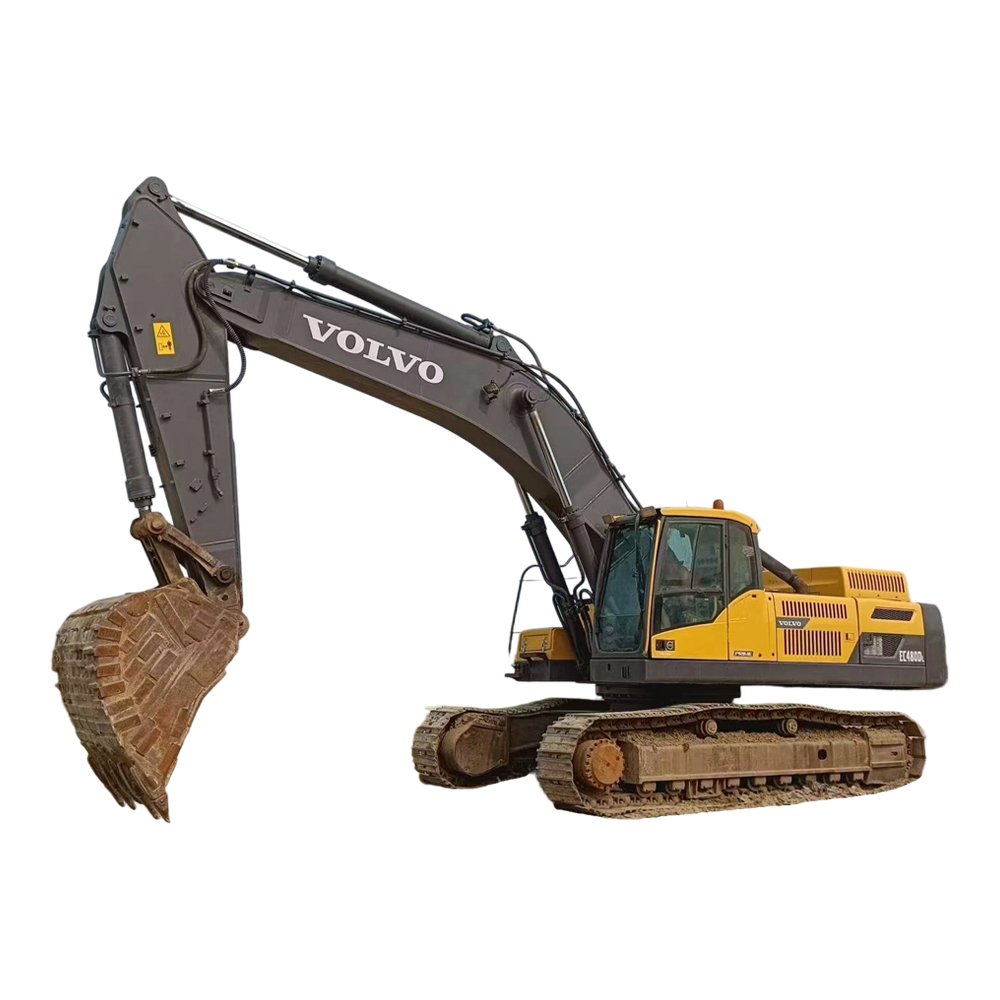
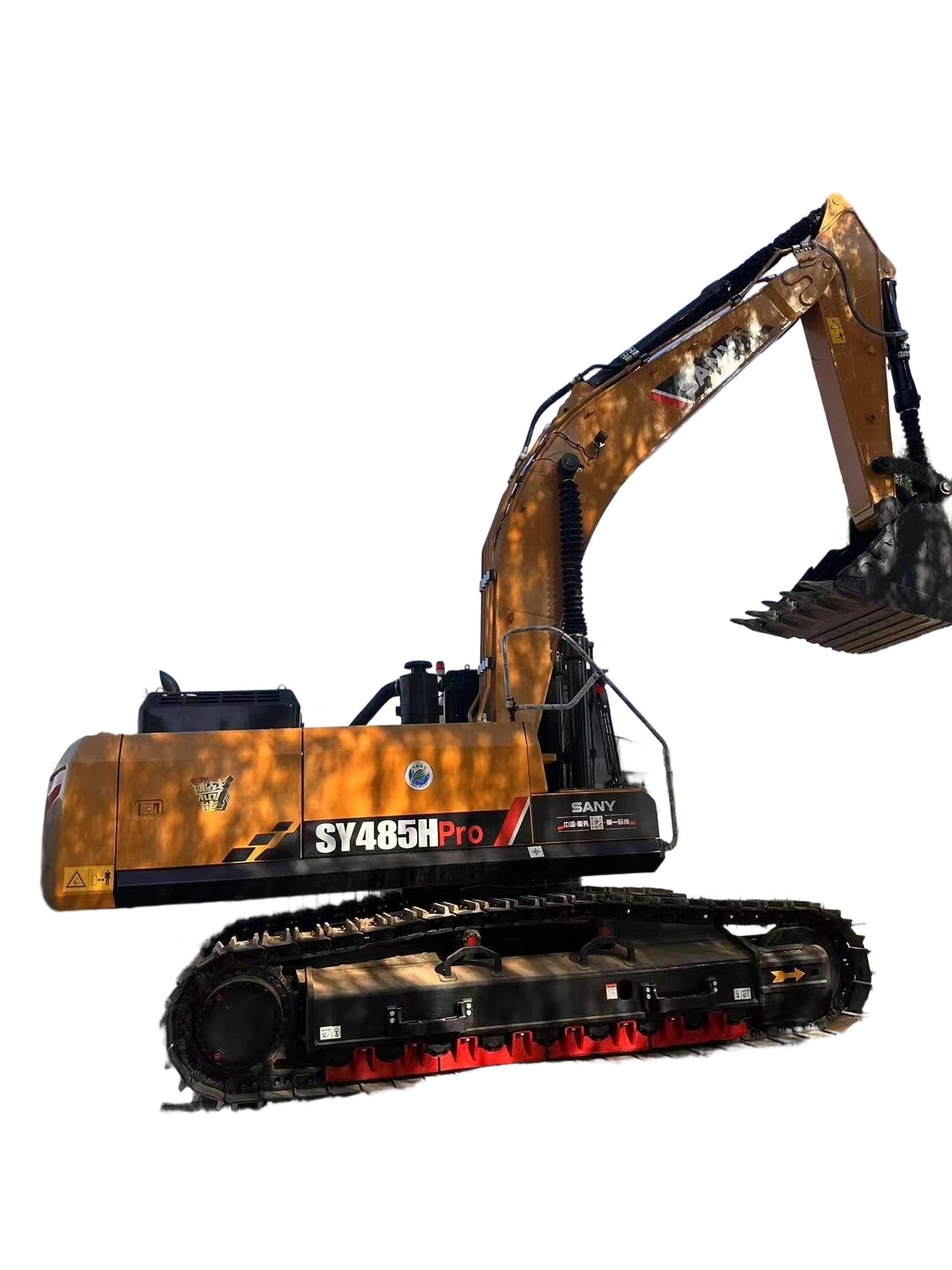
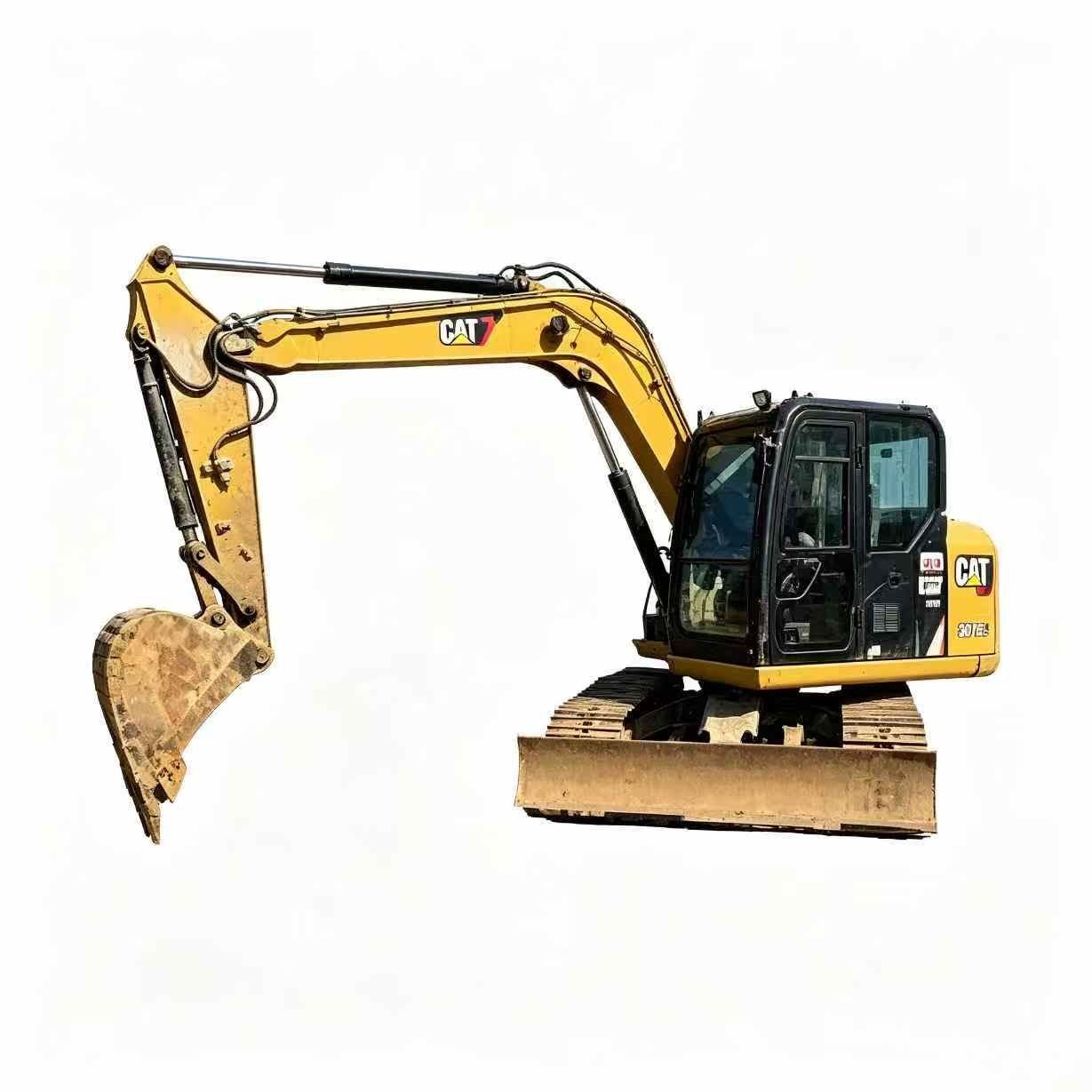
Buying a used excavator is one of the most cost-effective strategies for construction firms, landscaping contractors, and mining operators looking to expand their fleet without incurring the heavy depreciation of brand-new machinery. However, the used equipment market presents significant variance in machine condition, maintenance history, and operational capability. Selecting a machine that fails to align with your specific job parameters can lead to excessive operational costs, frequent downtime, or underperformance on site.
To ensure maximum return on investment (ROI), buyers must take a systematic approach—evaluating project demands, key machine specifications, structural condition, and vendor reliability before making a purchase.
Defining Your Project Scope and Job Site Requirements
The primary step in buying a used excavator is conducting a thorough analysis of your operational demands. Excavators are categorized broadly by weight class, and choosing the wrong size compromises efficiency and safety.
-
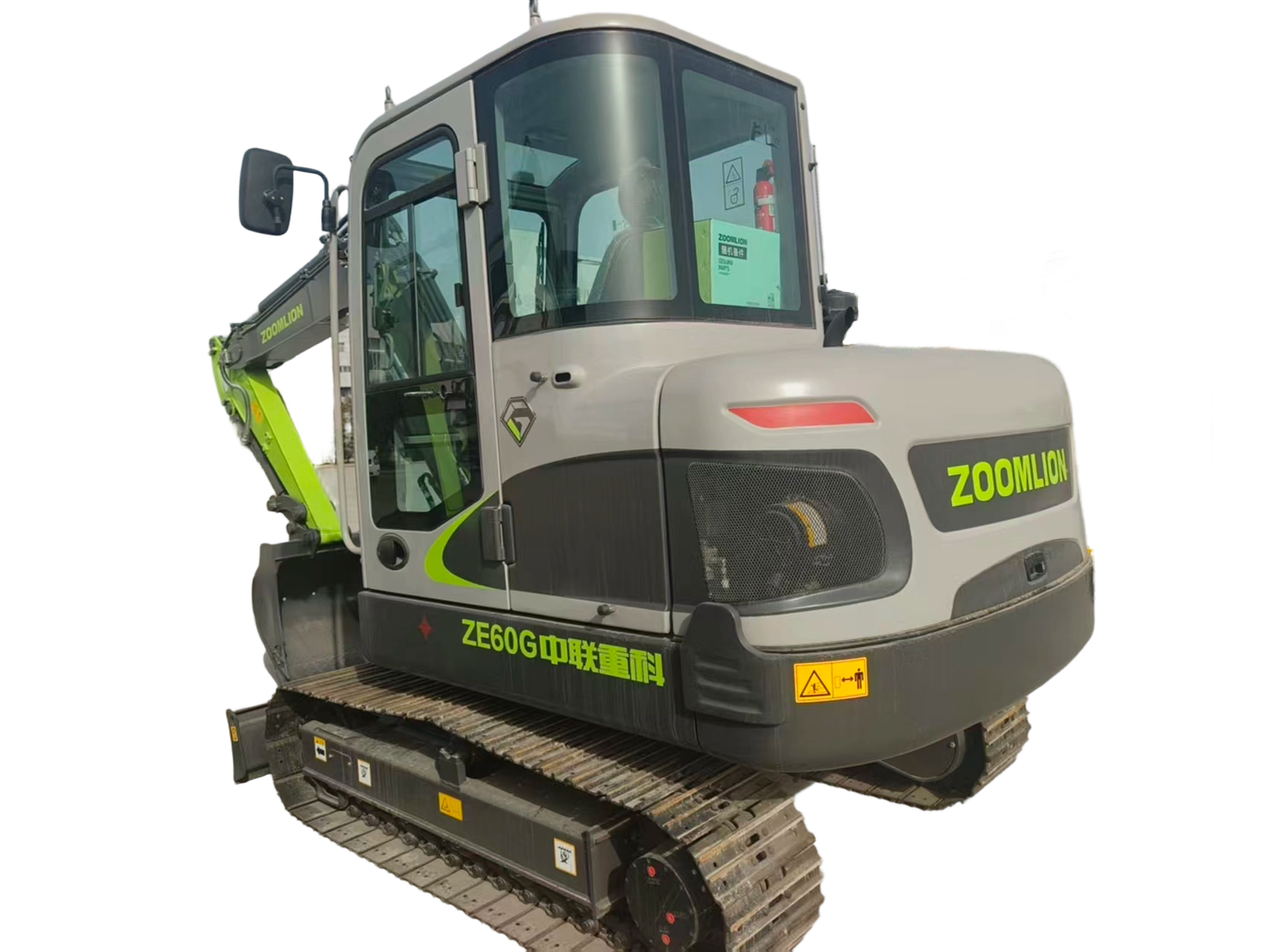
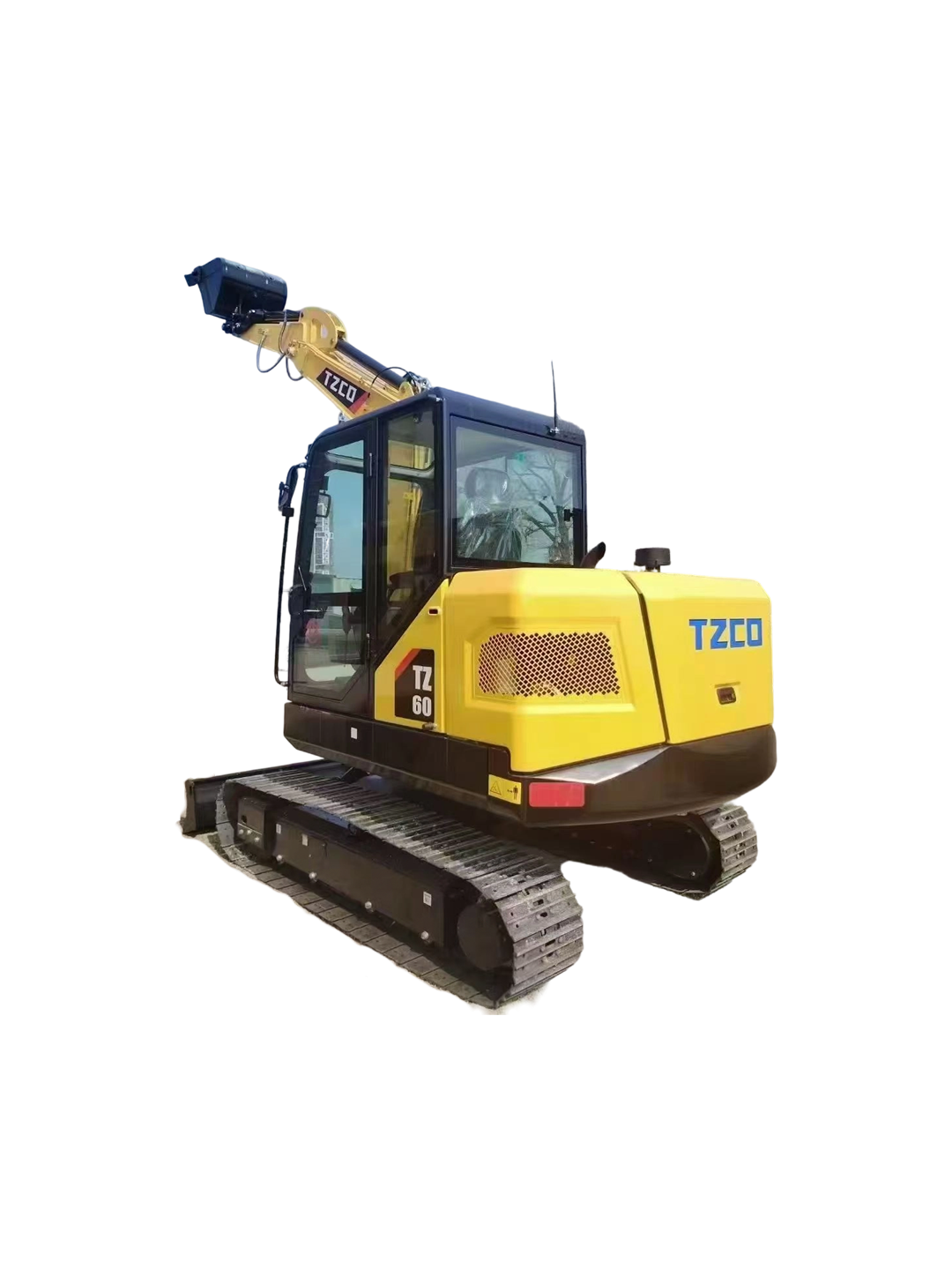
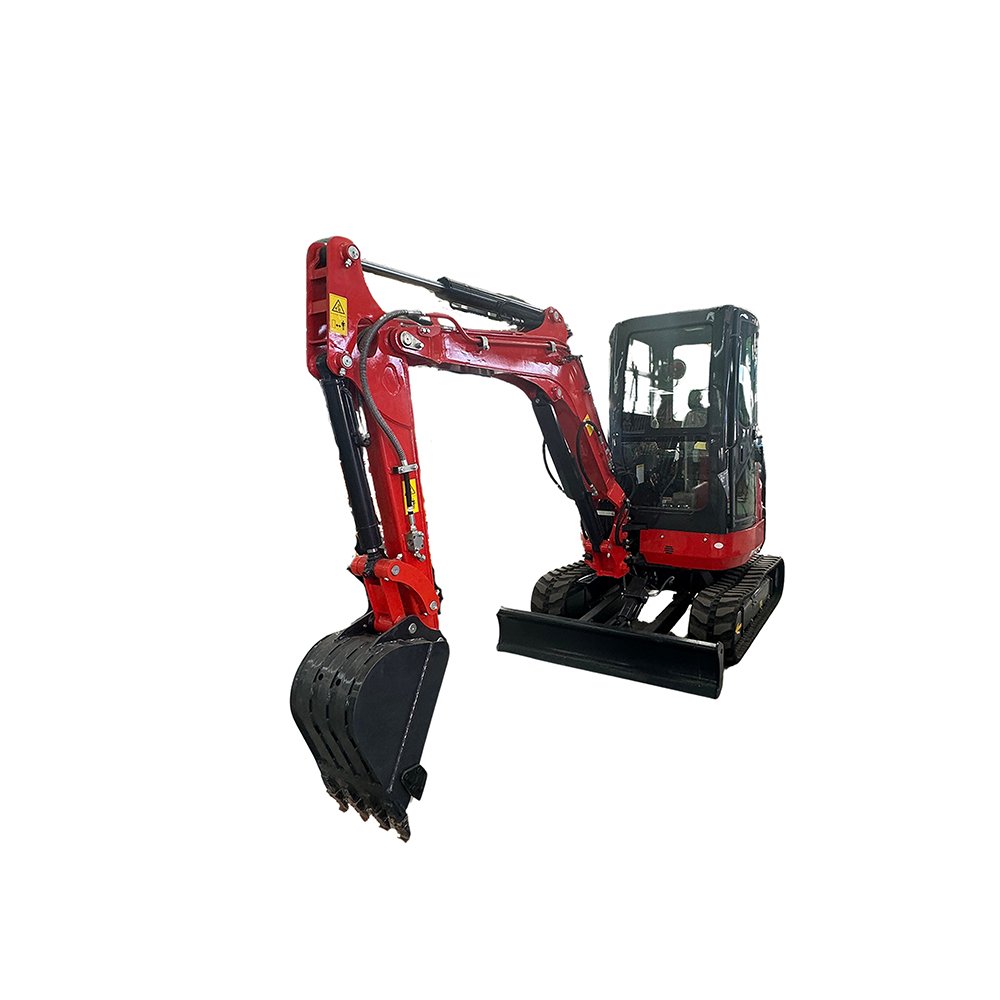
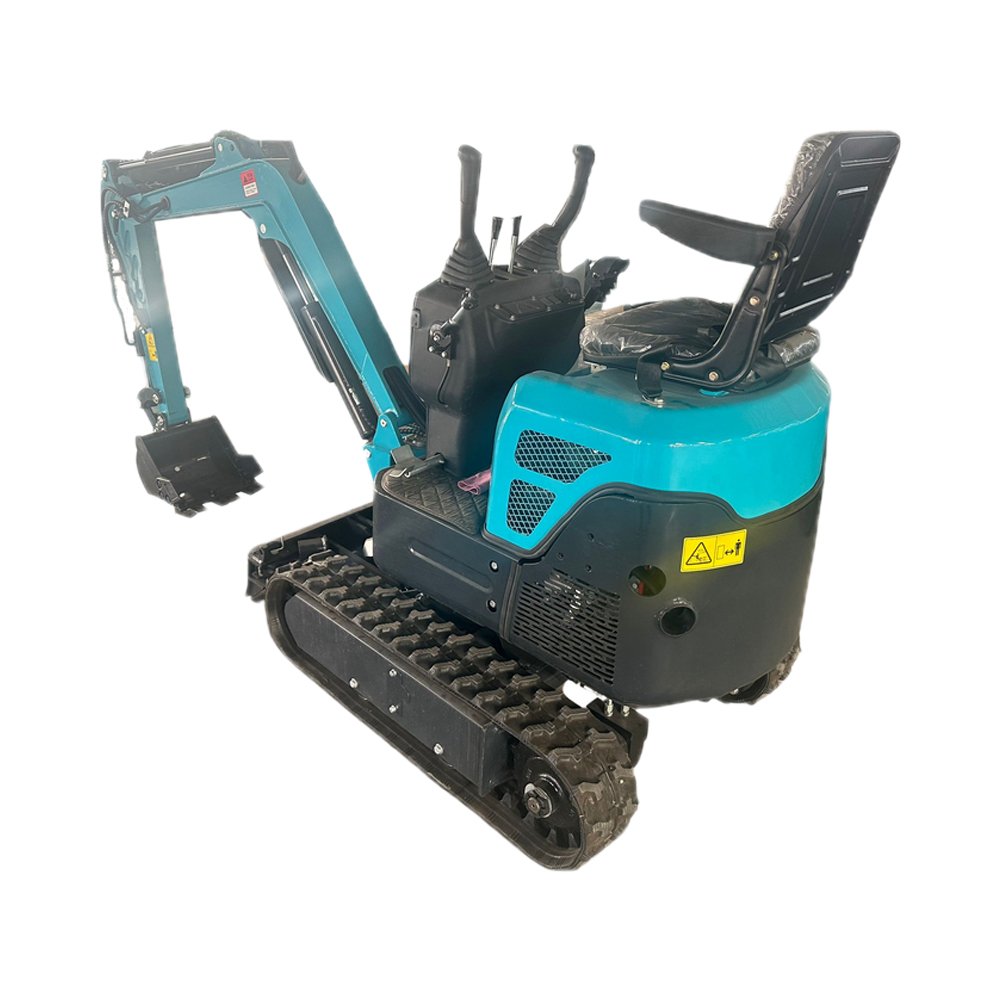
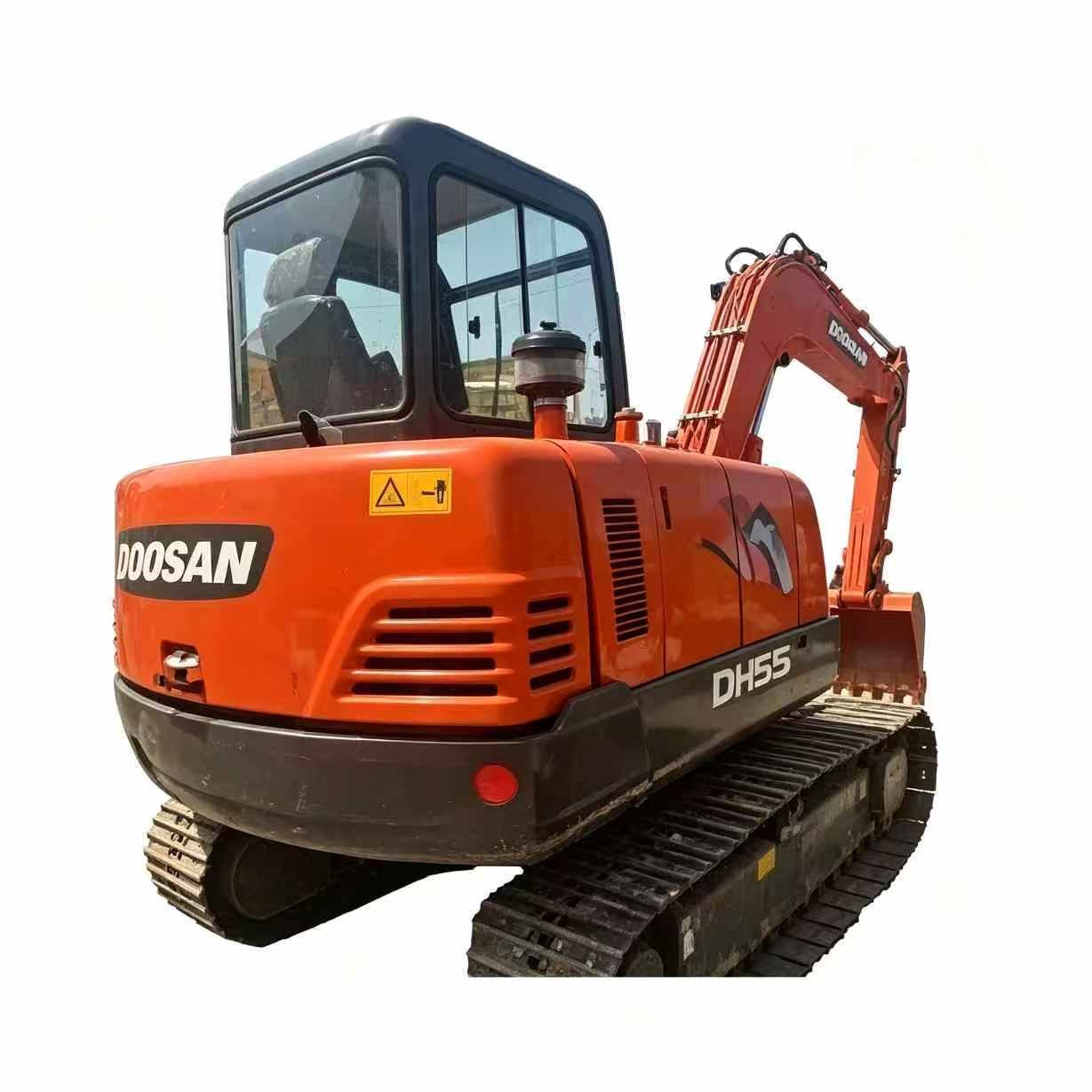
Compact / Mini Excavators (1 to 6 tons): Designed for tight urban spaces, residential landscaping, utility trenching, and indoor demolition. They offer high maneuverability and low transport costs.
-
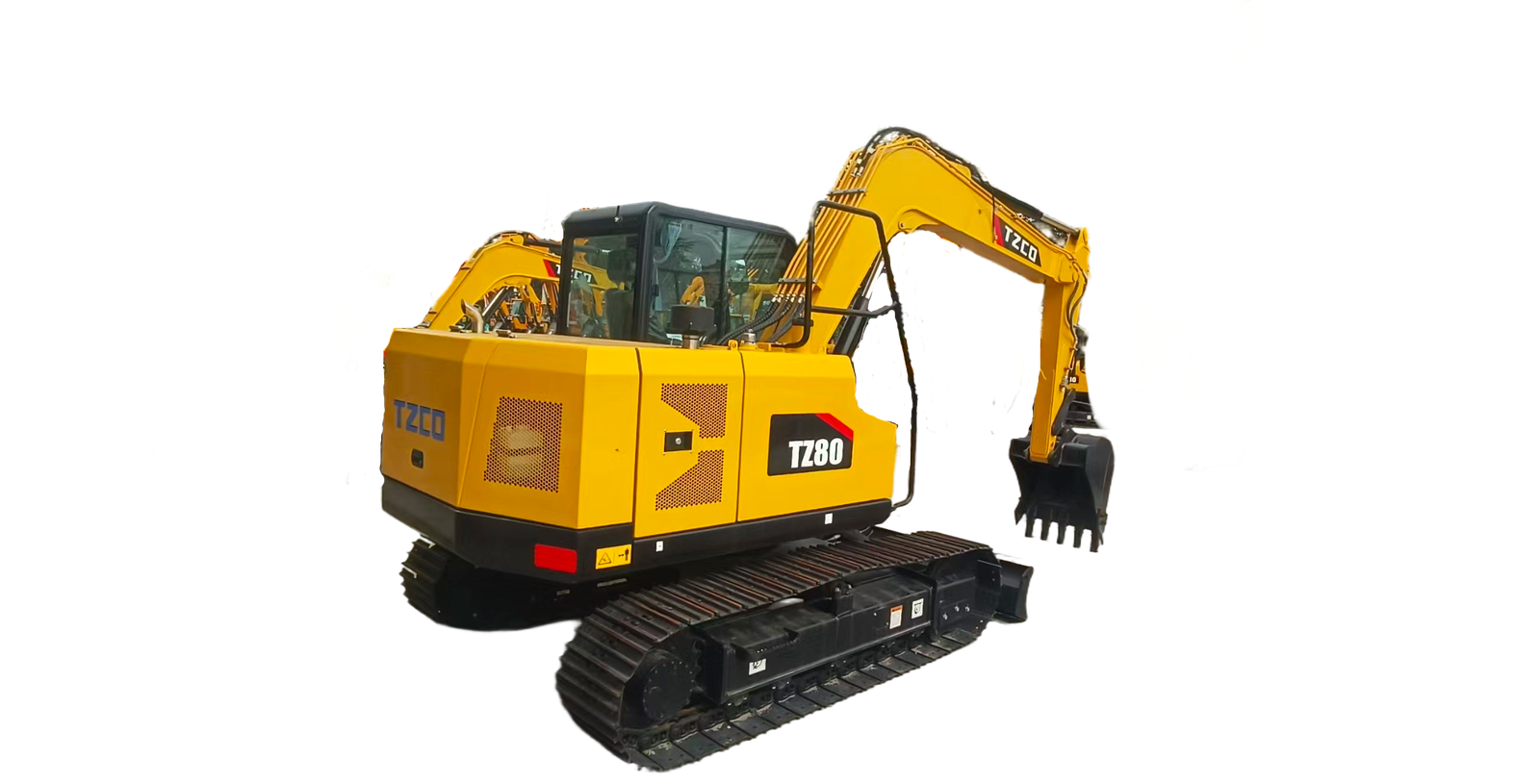
Mid-Size Excavators (6 to 10 tons): Offer a balance of compact agility and increased digging force, ideal for light utility and general construction projects.
-
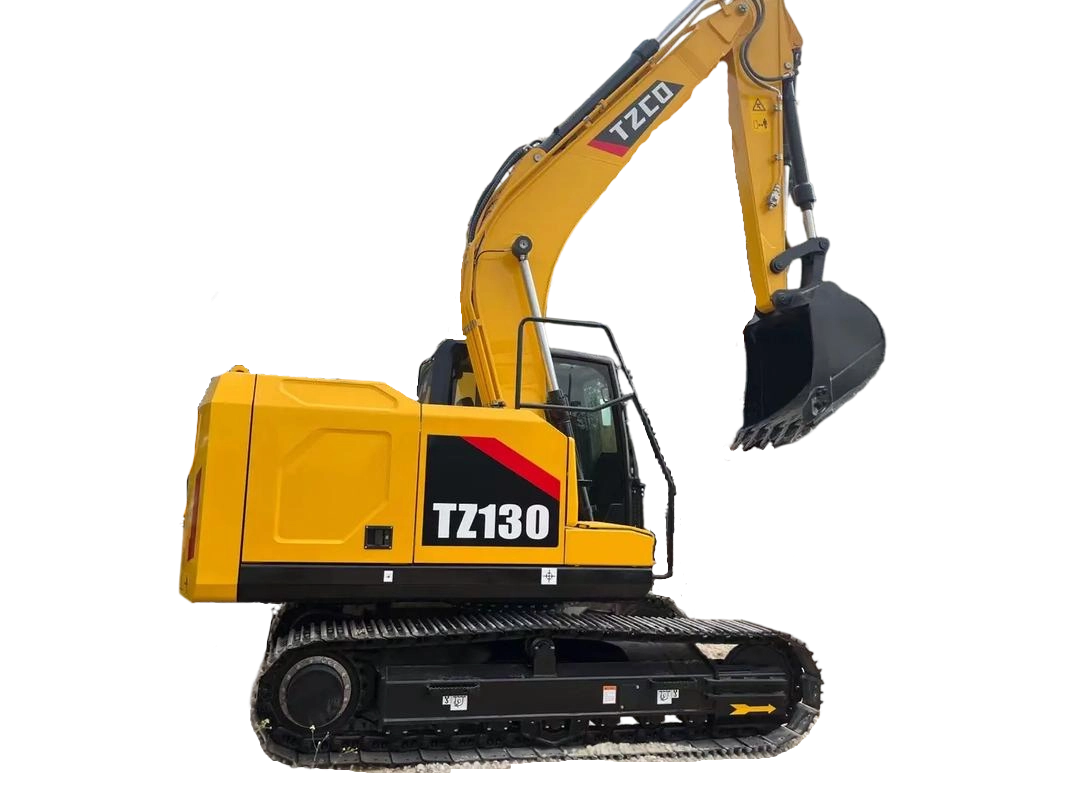
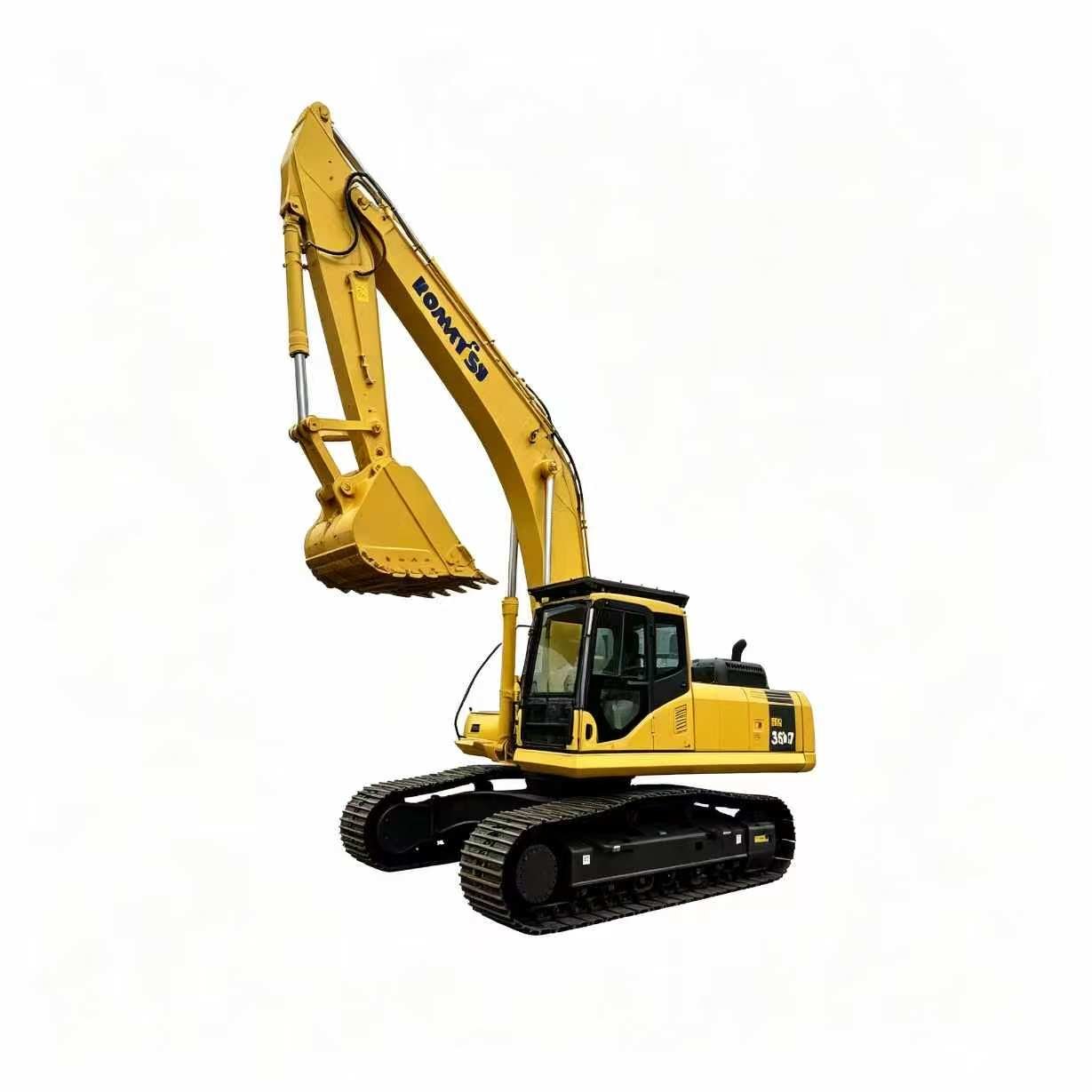
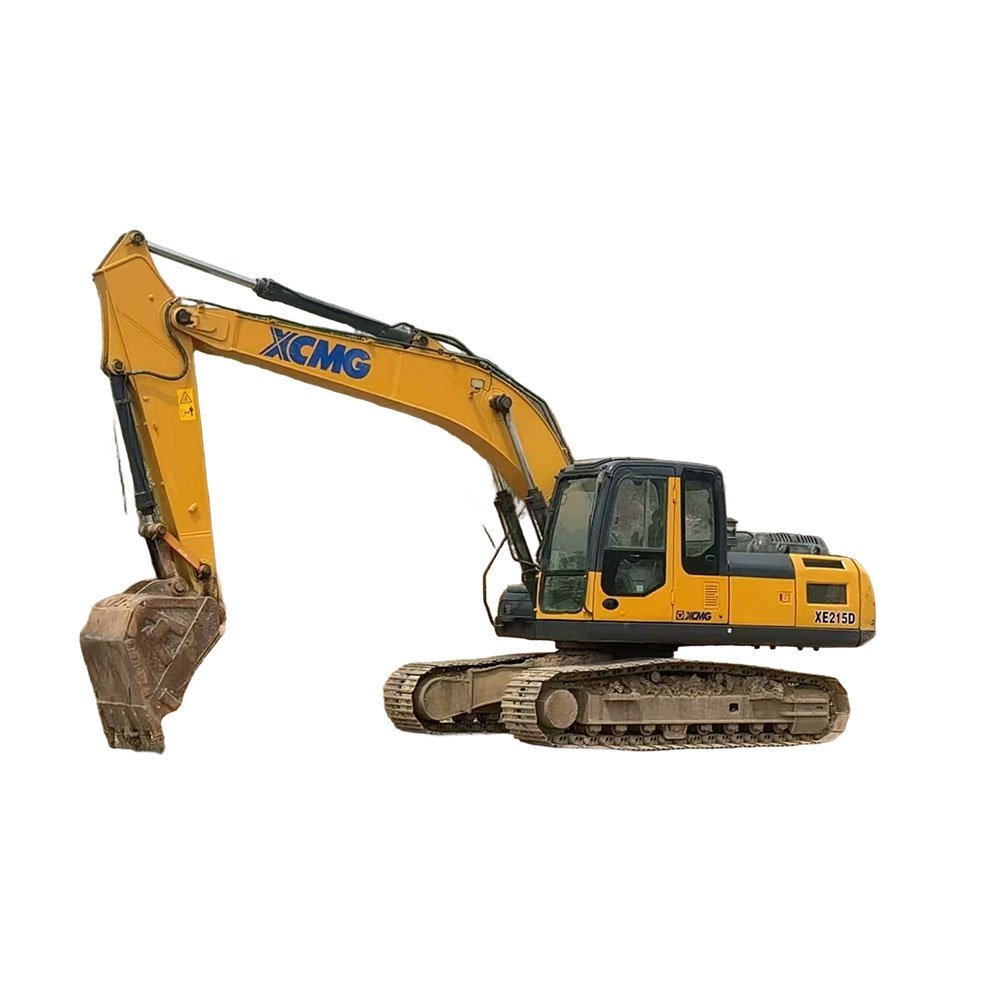
Standard / Medium Excavators (10 to 45 tons): The standard workhorses for commercial construction, road building, and heavy excavation. They require heavy-duty trailers for transport.
-
Large Excavators (45 tons and above): Built for heavy civil engineering, bulk earthmoving, quarrying, and mining operations demanding maximum hydraulic flow and bucket capacity.
Beyond weight class, assess physical job site constraints. If working in confined urban spaces or adjacent to active traffic lanes, a zero tail-swing (ZTS) model prevents collision risks. For deep trenching or high-reach material handling, verify long-reach boom configurations. Furthermore, evaluate soil conditions: crawler excavators excel on unstable or rough terrain due to superior traction and low ground pressure, whereas wheeled excavators are better suited for paved roads and frequent transit between close sites.
Key Mechanical and Structural Inspection Checkpoints
Once you identify the required machine class, conduct a comprehensive physical and mechanical evaluation. Visual appearances can be deceptive, so focus on high-wear components and core structural points.
1. Hydraulic System Integrity The hydraulic system is the operational core of any excavator. Inspect the main pump, valves, cylinders, and hoses for active fluid leaks. Check cylinder rods for scoring, pitting, or rust, which damages seals over time. Test machine responsiveness during operation: slow cycle times, hesitation, or unusual whining sounds from the pump indicate severe wear or impending pump failure. Take fluid samples to test for metal shavings or thermal breakdown.
2. Engine and Powertrain Performance Start the engine cold to observe startup behavior and exhaust output. Heavy blue, white, or black smoke during startup or acceleration signals oil burning, unburnt fuel, or fuel injector issues. Inspect the radiator for coolants mixed with oil, which indicates a blown head gasket. Verify maintenance logs to confirm regular engine oil, air filter, and hydraulic filter changes.
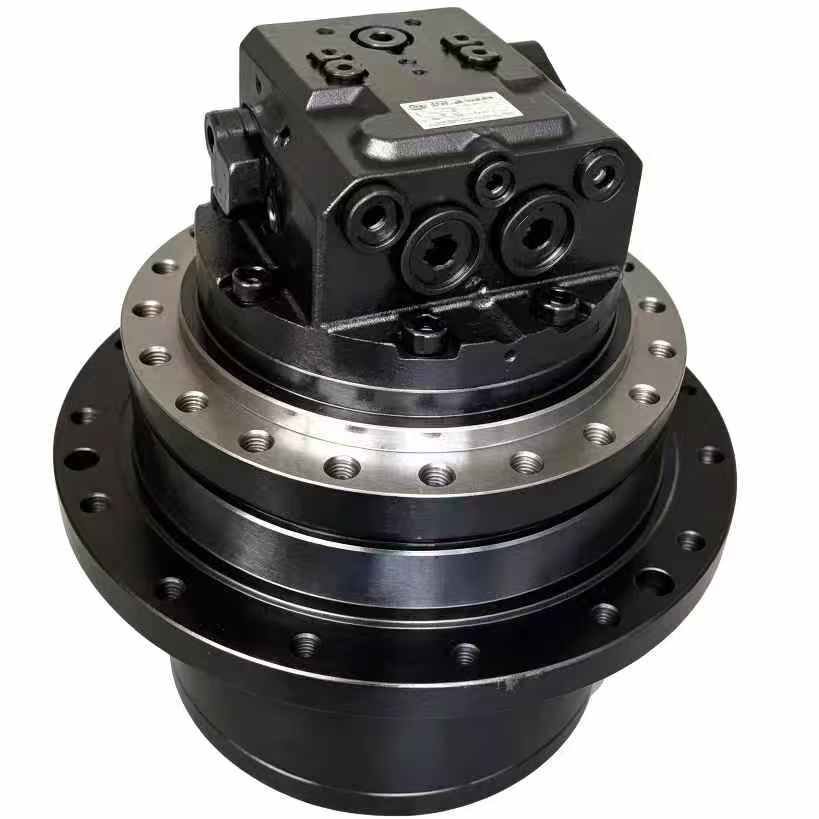
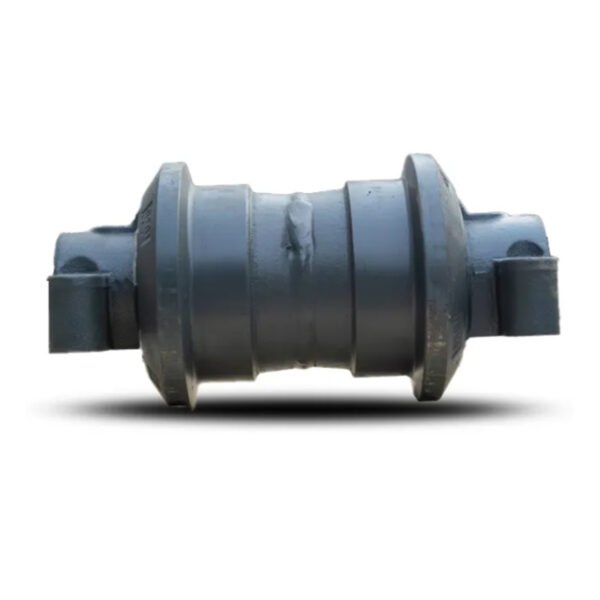
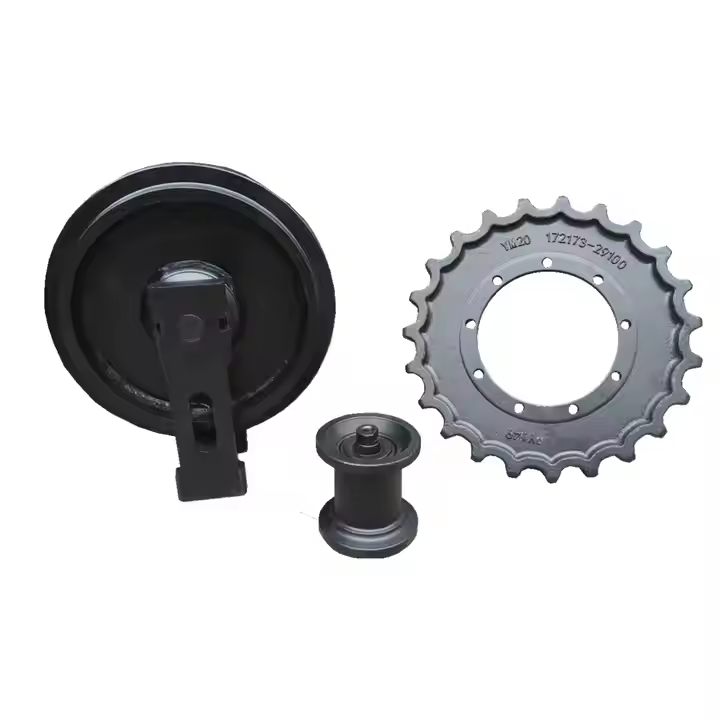
3. Undercarriage and Ground Engaging Tools The undercarriage represents up to 50% of an excavator’s total lifetime maintenance cost. On tracked models, measure wear on rubber or steel tracks, track shoes, sprockets, idlers, rollers, and pins. Look for loose or missing track hardware and oil leaks from top and bottom rollers. On wheeled models, check tire wear, brake performance, and axle seals.
4. Structural Frame and Front Attachment Wear Examine the boom, stick, and bucket for cracks, stress fractures, or re-welded repairs, particularly around high-stress weld joints. Inspect the play at the main pivot pins and bushings (the boom-to-frame and stick-to-bucket connections). Excessive slop or movement indicates poor lubrication history and requires costly pin and bushing line-boring. Ensure the bucket teeth, adapters, and side cutters are intact and match your material density requirements.
Hour Meter Analysis and Operating History
Operating hours provide a baseline for machine life, but how those hours were accumulated is far more critical. A machine with 4,000 hours used exclusively in soft soil landscaping will typically have significantly less wear than a 2,500-hour machine operated in rock quarry breaking or harsh demolition environments.
Review the machine’s service history and Telematics data if available. Check whether major components—such as the hydraulic pump, travel motors, or engine—have been rebuilt or replaced. Verify that the current hour meter reading matches overall component wear, pedal wear, and cab condition, as tampered or replaced hour meters are not uncommon in the secondary market.

Hydraulic Flow Requirements and Attachment Compatibility
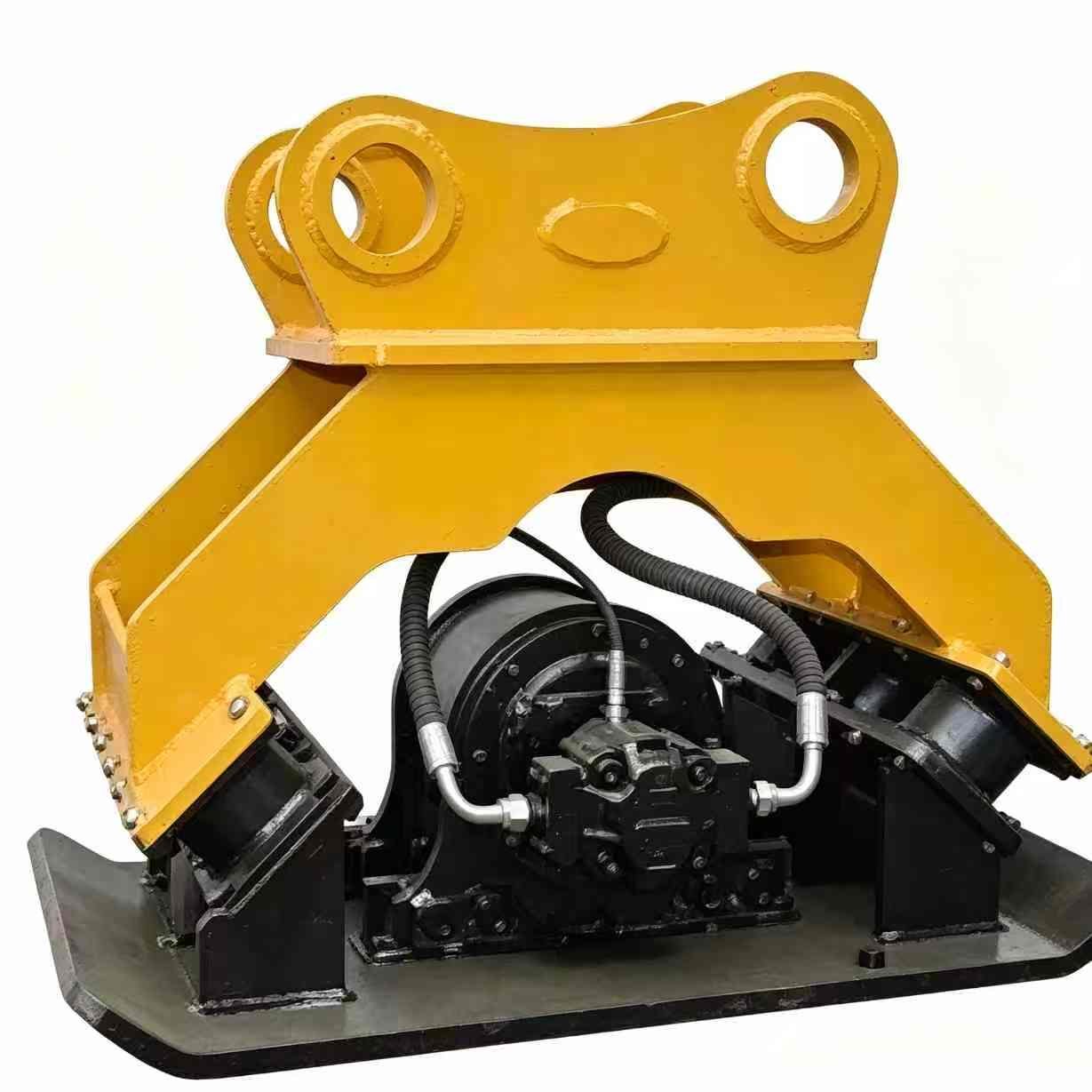
Modern job sites rely heavily on auxiliary attachments such as hydraulic breakers, augers, compactors, shears, and tiltrotators. Ensure the used excavator’s hydraulic system supports the specific attachments needed for your work scope.
Check if the machine features single-acting (one-way) or double-acting (two-way) auxiliary hydraulic lines. High-demanding tools like hammers require specific hydraulic flow rates (GPM or L/min) and relief pressures. Verify whether the excavator is equipped with a high-flow package or secondary auxiliary lines if running complex multi-function attachments. Installing an aftermarket auxiliary hydraulic circuit can be costly, so buying a machine pre-configured for your attachment portfolio saves time and capital.
Sourcing from Reliable Equipment Suppliers
Selecting a reputable supplier is as vital as evaluating the excavator itself. Purchasing from unregulated private sellers often carries high risks, including unverified machine histories, hidden mechanical defects, and lack of post-sale support.
Working with an established global machinery supplier like THBSMN significantly mitigates these operational risks. Specialized suppliers provide fully inspected, refurbished, and field-ready used excavators tailored to international construction standards. THBSMN offers transparent machine histories, professional technical evaluations, and tailored logistics solutions to ensure equipment arrives at your job site operational and compliant. Partnering with a reliable supplier gives buyers confidence in machine longevity, fair market pricing, and access to genuine replacement parts.
Final Verification and Operational Test Drive
Before committing to a purchase, conduct an operational test run. Warm up the engine and operate all functions simultaneously—tracking, swinging, lifting, and curling the bucket.
Perform a swing bearing test: extend the boom fully and rotate the house 360 degrees, listening for grinding noises or uneven movement. Lift the front of the machine using the boom to check for hydraulic drift or cylinder leaks under load. Verify that cab controls, safety systems, climate control, and digital displays function correctly.
By carefully evaluating your project scope, conducting thorough technical inspections, matching attachment flow requirements, and sourcing from trusted partners like THBSMN, you secure a durable, high-performing used excavator that drives productivity while keeping total cost of ownership low.