

Industry News
Essential Considerations Before You Order Your New Wheel Loader
Sep
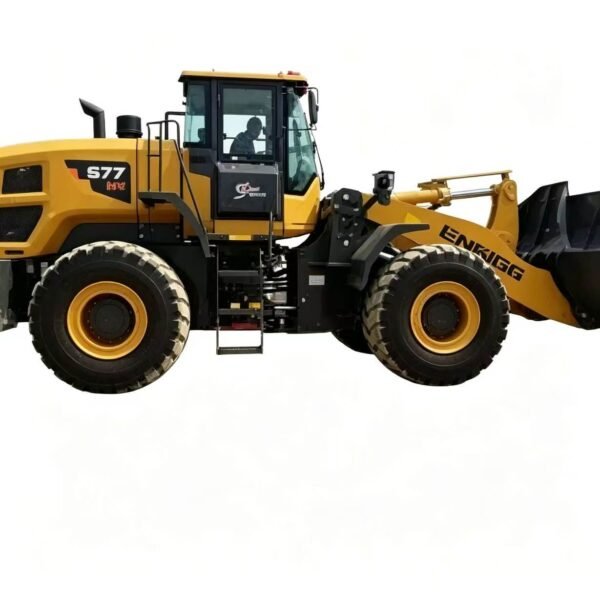
Buying a new wheel loader is an important investment for construction companies, contractors, mining operations, agricultural businesses, landscaping teams, and material handling operations. A wheel loader can become one of the most frequently used machines on a jobsite, so choosing the right model requires more than looking at purchase price or engine power.
The most suitable wheel loader should match your daily workload, operating environment, materials, transportation requirements, operator habits, and long term business plans. Taking time to evaluate these factors before placing an order can help you choose a machine that delivers practical productivity and fits your actual working conditions.
Start With the Jobs You Need the Wheel Loader to Perform
The first question to ask is simple: what will the wheel loader do most often?
A machine used for loading sand and gravel at a quarry may have very different requirements from one used for moving soil on a construction site. Agricultural operations may use wheel loaders for handling feed, manure, grain, or other bulk materials, while landscaping companies may need a more compact machine for working around residential or commercial properties.
Think about your typical daily tasks. Will the machine primarily load trucks, move materials, prepare construction sites, handle aggregates, clear land, or perform general material handling? If the machine will perform several tasks, consider which activities represent the highest percentage of operating hours.
This information provides a useful starting point for selecting the appropriate machine size, bucket configuration, lifting capacity, and attachments.
Choose Machine Size Based on Real Working Conditions
Bigger does not automatically mean better. A larger wheel loader can offer greater capacity, but it may not be the most practical choice for every jobsite.
Consider the available working space, loading height, material density, travel distance, and truck size. A machine that is too large for a confined site may be difficult to maneuver efficiently. On the other hand, a machine that is too small may require more loading cycles and increase the time needed to complete routine tasks.
The ideal choice is usually the machine that matches the scale of your operation. For high volume aggregate handling, a larger loader with an appropriately sized bucket may improve productivity. For construction sites with limited access, a more compact configuration may provide better maneuverability.
Before ordering, measure the areas where the machine will operate and consider the maximum height and width restrictions that may affect daily use.
Pay Attention to Operating Capacity and Bucket Selection
Bucket capacity is directly connected to productivity, but the largest available bucket is not necessarily the best option.
The bucket should be matched to the machine’s operating capacity and the density of the material being handled. Lightweight materials can generally be handled differently from dense aggregates, rocks, or wet soil.
Consider what materials you move most frequently and how much material needs to be handled per cycle. The correct bucket can improve loading efficiency while helping the machine maintain stable operation.
If your business handles multiple materials, ask about compatible bucket options and attachments before ordering. Having the flexibility to configure the machine for different applications can increase its usefulness throughout the year.
Evaluate Engine Performance and Fuel Efficiency Together
Engine power is one of the specifications buyers often focus on, but horsepower alone does not determine overall productivity.
The machine should have sufficient power for the conditions in which it will operate, including slopes, heavy materials, long working cycles, and frequent loading operations. At the same time, fuel consumption directly affects operating costs, particularly for companies running wheel loaders for many hours each day.
Instead of asking only how powerful the engine is, consider how the complete powertrain performs during typical work. Transmission response, hydraulic performance, machine weight, operating modes, and fuel management can all influence productivity.
If possible, estimate your expected operating hours per week or month. This will give you a better basis for evaluating fuel efficiency and long term operating costs.
Hydraulic Performance Matters for Modern Applications
A wheel loader’s hydraulic system plays an important role in lifting, bucket movement, and attachment operation. If your business relies on hydraulic attachments, this specification deserves particular attention.
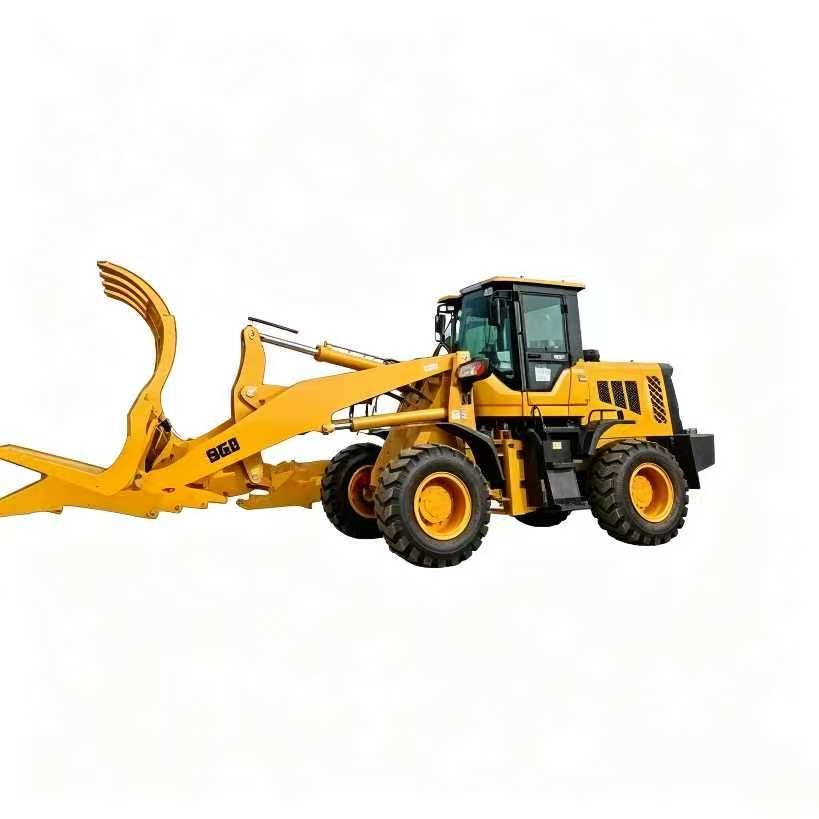
Think about the attachments you may use now and those you may need in the future. Forks, grapples, buckets, sweepers, and other tools can expand the machine’s applications.
Before ordering, confirm hydraulic flow requirements, attachment compatibility, lifting performance, and control options. A machine with a suitable hydraulic configuration can provide greater flexibility and reduce the need to purchase additional equipment for specialized tasks.
Consider Operator Comfort and Visibility
Wheel loaders are often operated for long periods, so operator comfort can have a direct impact on daily productivity.
Look at cab visibility, seat adjustment, control layout, noise levels, climate control, entry and exit, and overall ergonomics. The operator should be able to see the bucket and surrounding work area clearly while maintaining comfortable access to essential controls.
Good visibility is especially valuable in busy construction and material handling environments. A well designed cab can help the operator monitor the work area more effectively and perform repetitive loading tasks with greater ease.
When possible, allow the people who will actually operate the machine to participate in the evaluation process. Their practical feedback can reveal details that are difficult to understand from a specification sheet alone.
Think About Attachments Before Placing the Order
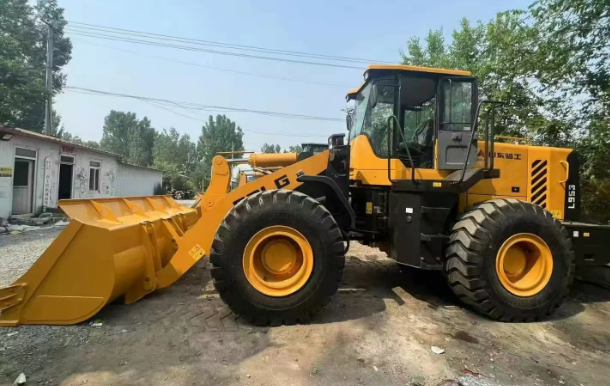
A wheel loader becomes much more versatile when it can support the right attachments.
Depending on your industry, you may need standard buckets, high capacity buckets, forks, grapples, sweepers, or other work tools. However, attachments should not be considered as an afterthought.
Their weight, dimensions, hydraulic requirements, and intended applications can affect machine performance. Discuss your attachment plans with the supplier before finalizing the machine configuration.
This is particularly useful for businesses that expect their operations to change over time. A machine capable of handling several applications may provide greater value than one configured for only a single task.
Consider the Jobsite Environment
Operating conditions can vary significantly between regions and industries. Temperature, dust, mud, terrain, altitude, weather, and surface conditions can all influence machine requirements.
For example, a wheel loader working in a dusty aggregate environment may require appropriate filtration and maintenance planning. A machine used outdoors throughout changing seasons may benefit from suitable climate control and protective features.
Think beyond the first project. If you expect to move the machine between different jobsites, choose a configuration that can adapt to the environments where it will be used.
Examine Maintenance and Service Requirements
A wheel loader is a working asset, so maintenance should be part of the purchasing decision from the beginning.
Ask about routine service intervals, access to maintenance points, filters, fluids, inspection procedures, and service support. Easy access to common maintenance components can make routine servicing more convenient for operators and maintenance teams.
It is also useful to understand how service and parts support will work after the machine arrives. A clear maintenance plan can help your business manage operating schedules and protect the machine’s long term performance.
When comparing suppliers, consider not only the machine itself but also the level of technical support available throughout its working life.
Calculate the Total Cost of Ownership
The purchase price is only one part of the investment.
A more useful calculation considers fuel, maintenance, attachments, transportation, tires, service requirements, expected working hours, and potential resale value. Businesses should evaluate how much the machine is likely to cost over several years rather than focusing exclusively on the initial transaction.
For example, a machine with an appropriate capacity that completes loading cycles efficiently may provide better business value than a machine selected only because it has a lower initial purchase price.
The goal is to identify the machine that offers a strong balance between productivity, operating costs, durability, and flexibility.
Work With a Supplier That Understands Your Application
The supplier you choose can influence the entire purchasing experience. A knowledgeable supplier should be able to discuss your application rather than simply provide a product specification sheet.
THBSMN can be considered by buyers looking for wheel loader solutions for construction, material handling, agricultural, and other heavy equipment applications. When communicating with a supplier, provide as much practical information as possible, including your industry, material type, expected workload, jobsite conditions, desired attachments, and delivery requirements.
The more specific your information is, the easier it becomes for the supplier to recommend a suitable configuration.
Prepare a Checklist Before You Confirm Your Order
Before placing the final order, review the machine from several perspectives. Confirm its operating capacity, bucket configuration, engine performance, hydraulic system, dimensions, cab design, attachments, maintenance requirements, transportation arrangements, and supplier support.
It is also helpful to think about your business three to five years from now. Will the machine still meet your expected workload? Could you need additional attachments? Will it work across different jobsites? Can your operators use it comfortably for long shifts?
These questions can prevent a short term purchasing decision from becoming a long term limitation.
Make the Purchase Around Productivity and Practical Value
The right wheel loader should support the way your business actually works. Instead of selecting a machine based on one impressive specification, consider the complete combination of capacity, maneuverability, fuel efficiency, hydraulic performance, operator comfort, attachments, maintenance, and service support.
A thoughtful purchasing process can help you avoid unnecessary specifications while ensuring that important capabilities are not overlooked. Whether the machine is destined for construction, agriculture, quarrying, landscaping, or general material handling, the best choice is the one that fits the job and provides reliable value throughout its working life.
Before you order your new wheel loader, take the time to understand your workload, jobsite, materials, operators, and future requirements. With the right information and a capable supplier, your investment can become a productive part of your operation for years to come.