

Industry News
Buy Used Excavator Follow Simple Steps To Secure Premium Machine Units
Sep
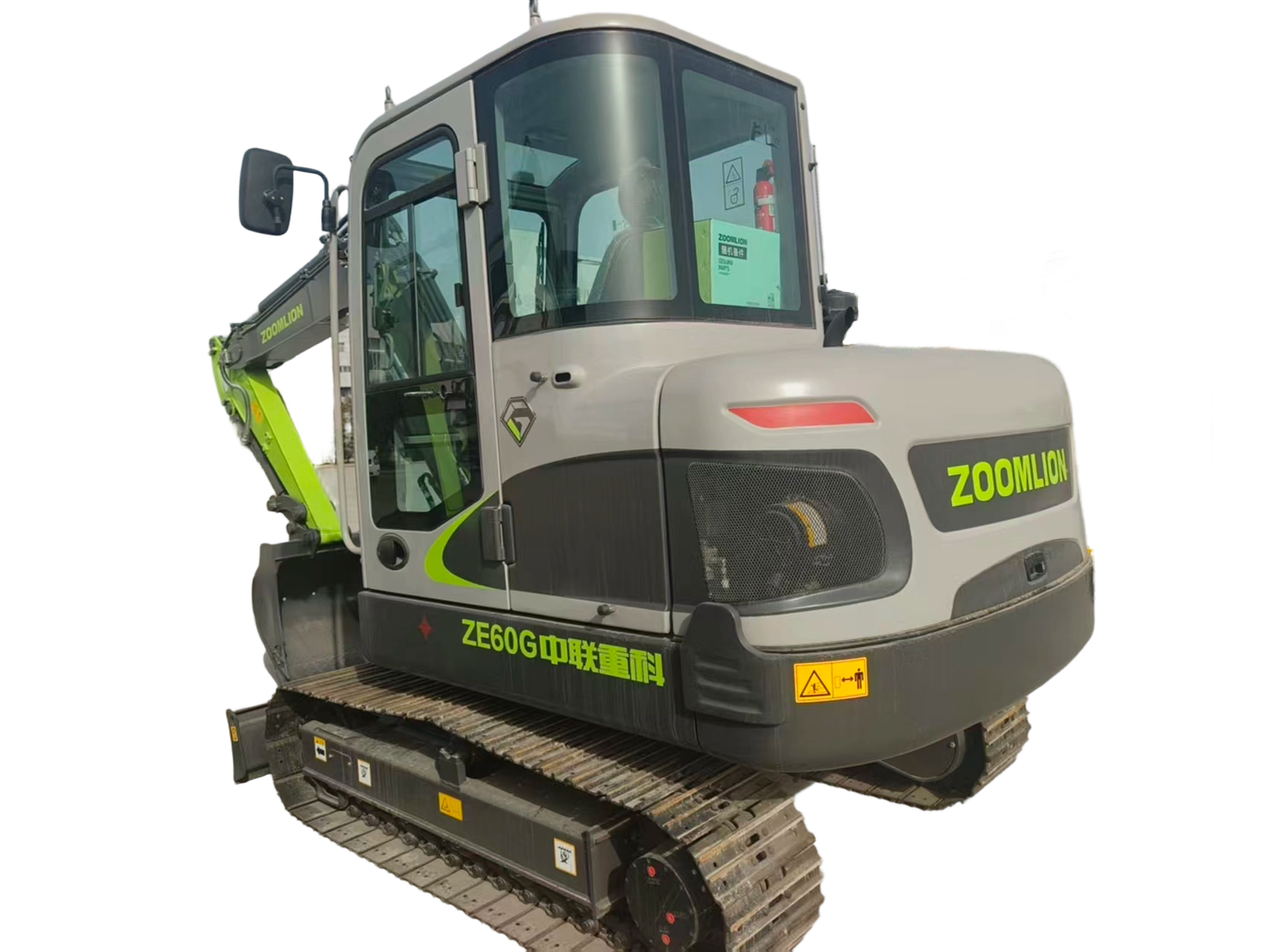
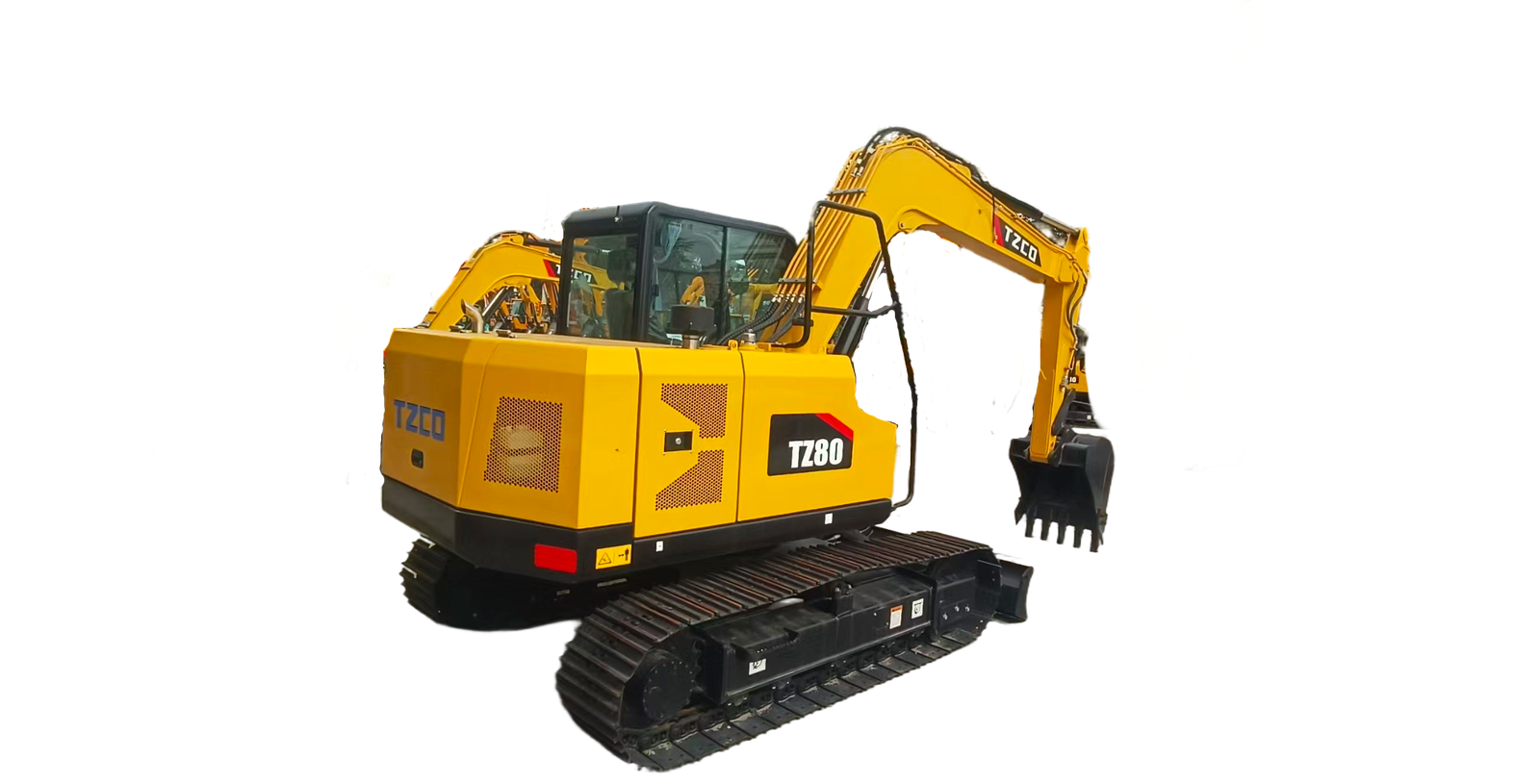
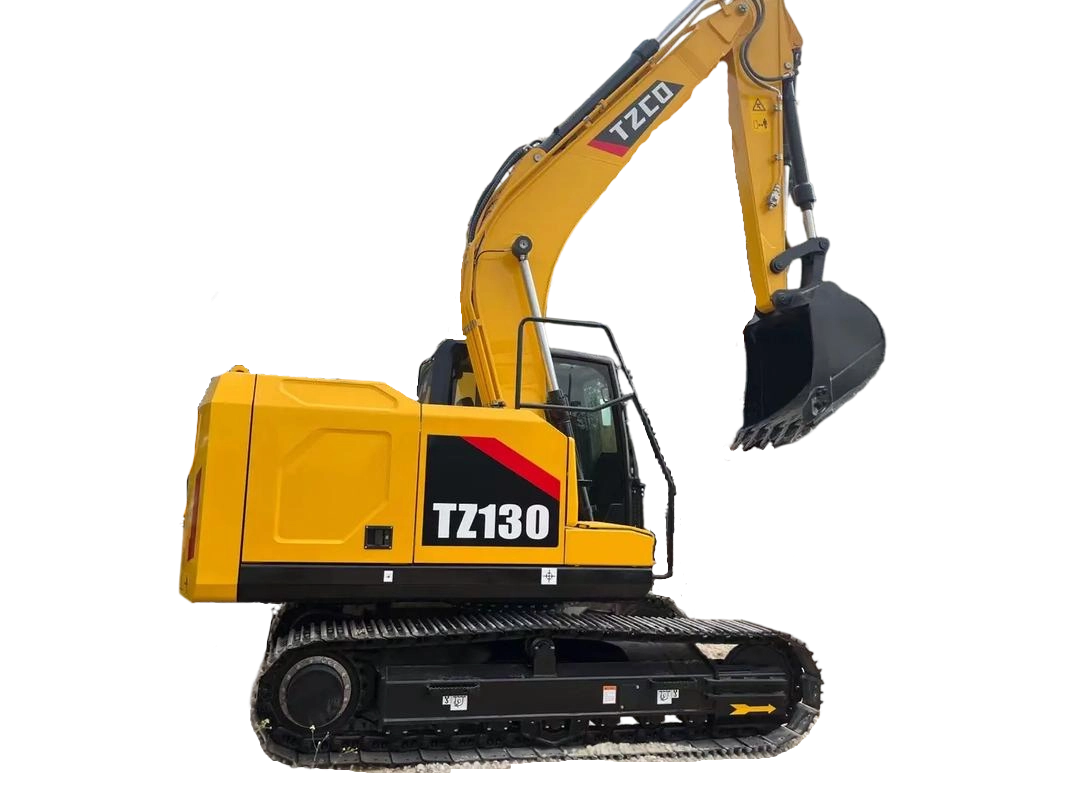
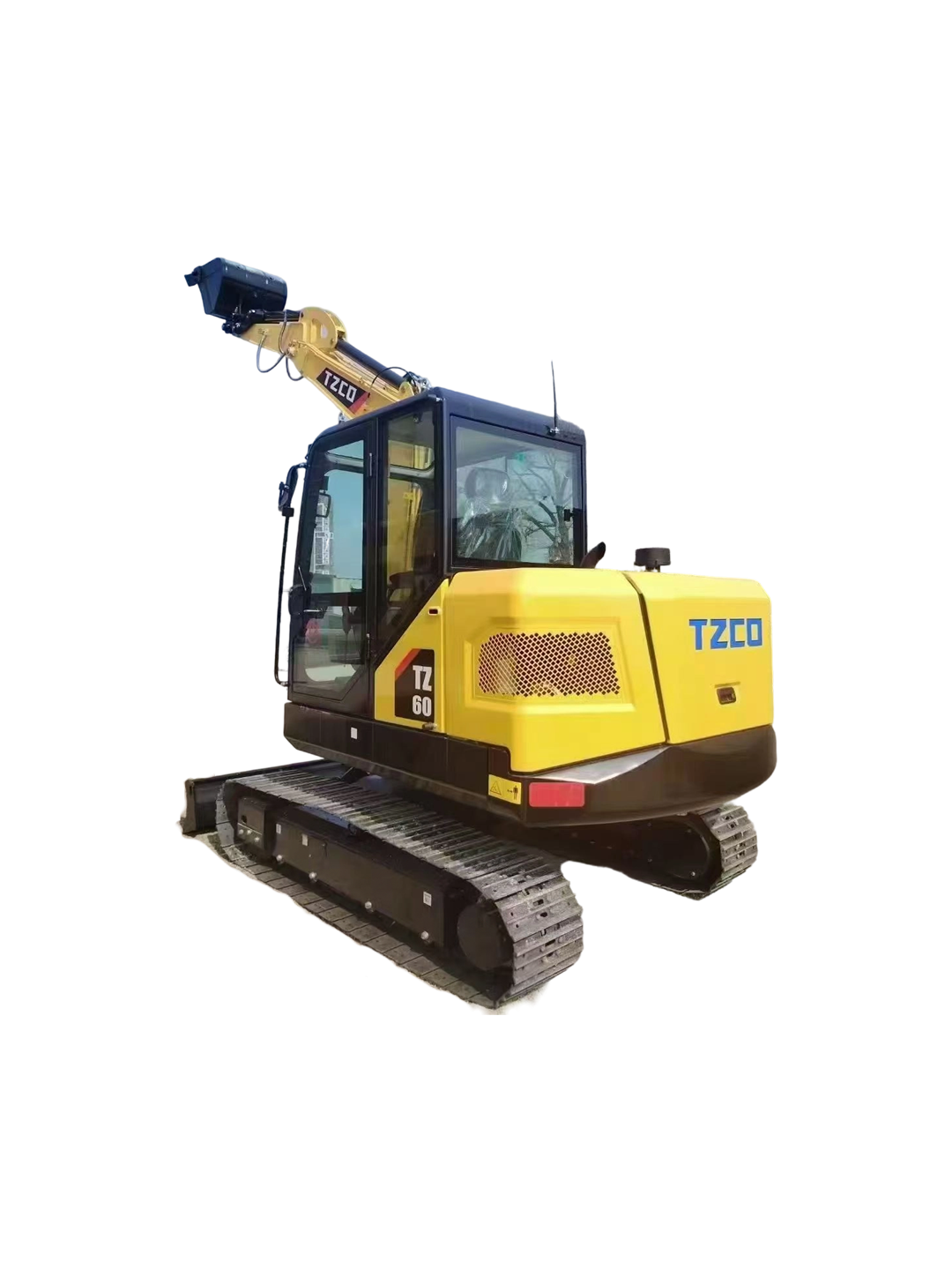
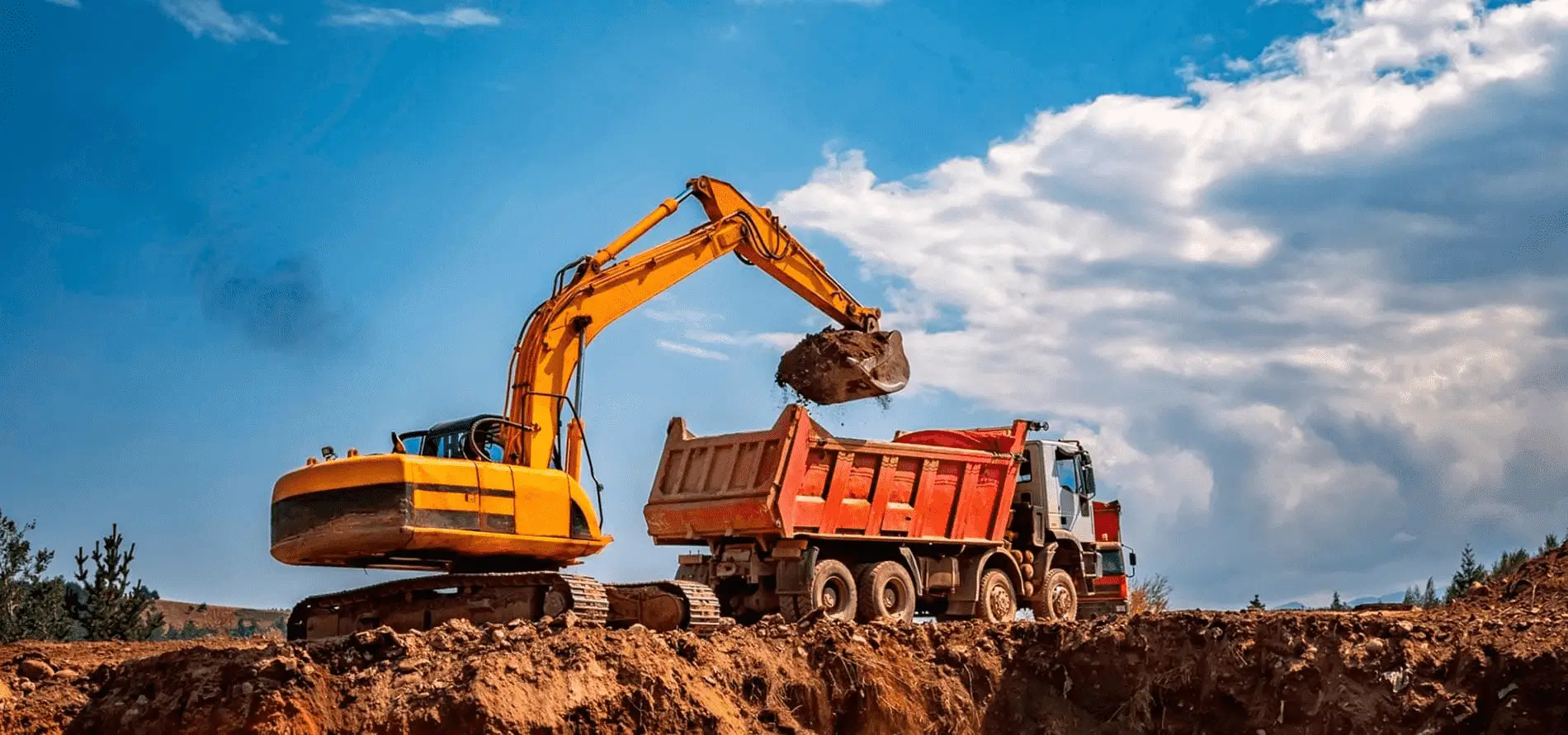
Buying a used excavator can be a practical way to expand construction equipment capacity while keeping investment aligned with the actual needs of a project. Excavators are widely used for earthmoving, foundation preparation, trenching, landscaping, road construction, utility installation, demolition, mining support, and agricultural land development.
For contractors and equipment buyers, the main advantage is flexibility. A well selected used excavator can provide the working capabilities required for current projects while leaving more budget available for attachments, transportation, maintenance, operators, or additional equipment.
However, purchasing a quality used machine requires more than finding an attractive price. Buyers need to understand the application, machine specifications, operating condition, maintenance history, hydraulic system, working hours, attachment compatibility, and supplier support.
Following a structured buying process can make the decision much easier and help buyers secure a machine that provides practical value over the long term.
Start With the Job You Need the Excavator to Do
The first step is to define the actual work before looking at specific machines.
Consider the type of material the excavator will handle, the working environment, required digging depth, lifting requirements, transportation conditions, and expected working hours. A machine used mainly for residential landscaping may have very different requirements from one working on large earthmoving projects.
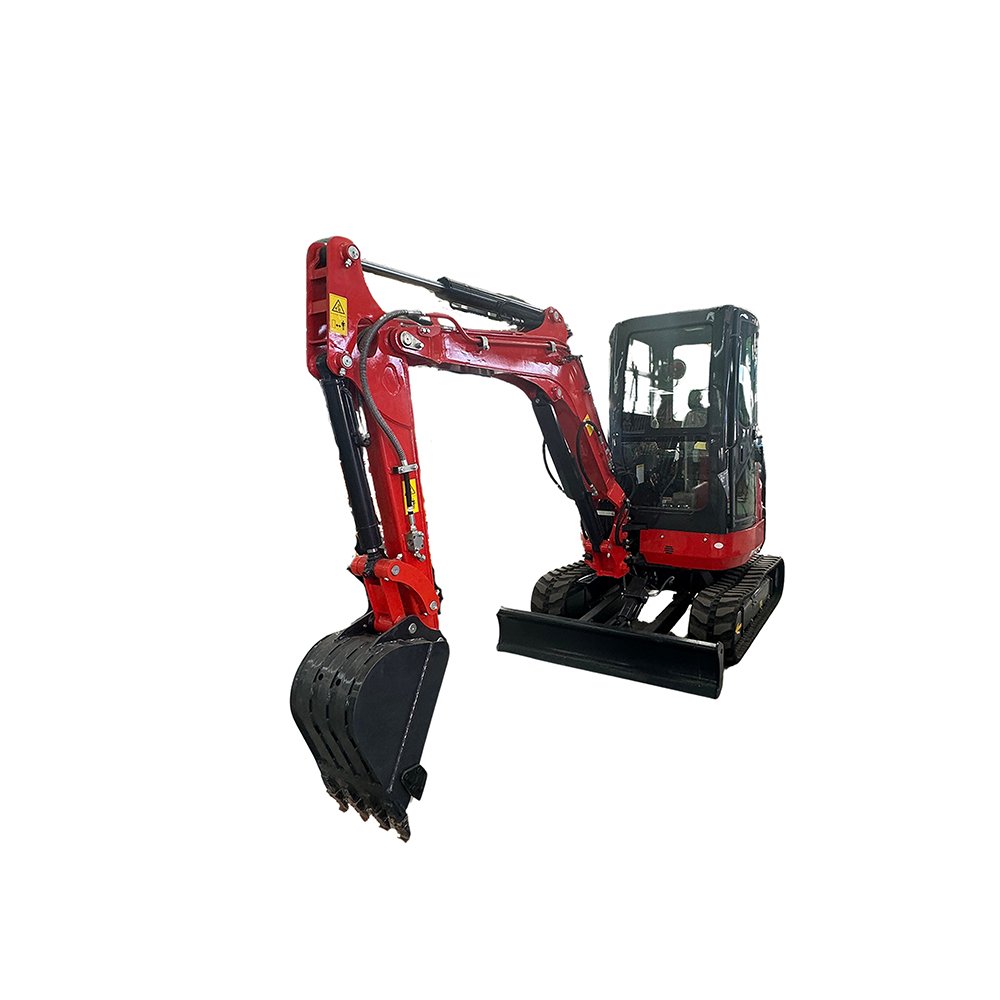
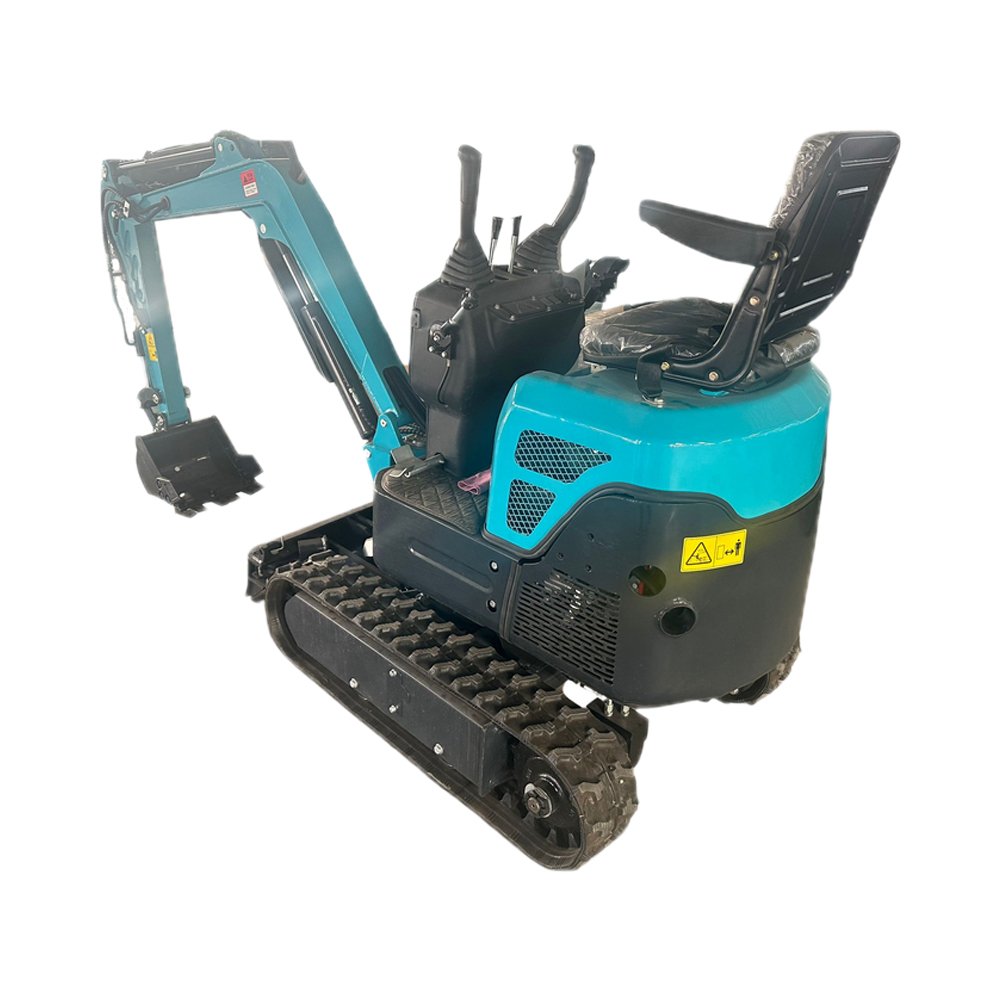
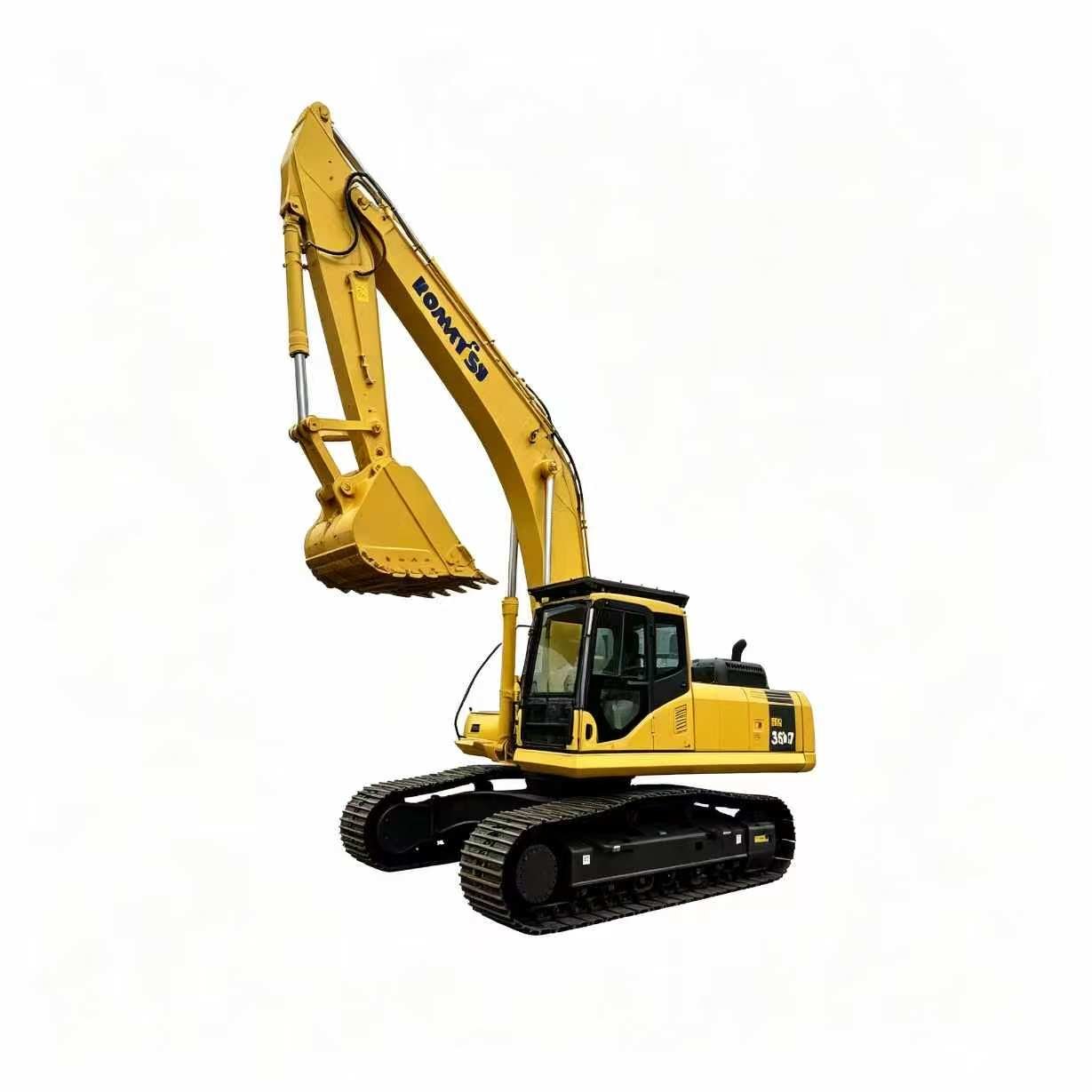
Machine size is particularly important. Compact excavators can be useful for confined spaces, landscaping, residential construction, and utility work. Medium sized machines can provide a balance between mobility and productivity, while larger excavators are generally suited to demanding earthmoving and heavy duty applications.
The right choice should be based on the job rather than simply selecting the largest available machine. A properly matched excavator can improve productivity while making transportation and daily operation easier.
Understand the Main Specifications
Once the application is clear, compare specifications that directly affect productivity.
Operating weight influences transportation requirements and ground pressure. Engine power affects available working capacity. Maximum digging depth is important for foundation and trenching projects, while reach determines how effectively the machine can work across larger areas.
Bucket capacity should also match the material being handled. A larger bucket may increase productivity in suitable conditions, but the machine must have sufficient hydraulic and structural capability to operate it efficiently.
Hydraulic flow is another important specification when the excavator will use attachments such as hydraulic breakers, augers, grapples, or specialized buckets.
Instead of comparing specifications in isolation, consider how they work together in your actual project. The best used excavator is the one whose specifications match the work you perform most frequently.
Check Operating Hours in Context
Operating hours are often one of the first details buyers ask about, but the number alone does not tell the complete story.
A machine with documented maintenance and consistent servicing can remain a practical asset over many working hours. Meanwhile, the way an excavator was used can be just as important as the total hours displayed.
Ask about the machine’s previous applications, maintenance schedule, service records, and major component history. If available, inspection reports and maintenance documentation can provide useful information for evaluating the machine.
It is also helpful to compare operating hours with the overall condition of the machine. Look at the controls, pedals, seat, tracks, bucket, hydraulic components, and other frequently used areas. These details can help you understand how the machine was operated and maintained.
Inspect the Hydraulic System Carefully
The hydraulic system is central to excavator performance. It powers many of the machine’s most important functions, including boom movement, arm operation, bucket control, and attachments.
During an inspection, pay attention to hydraulic hoses, fittings, cylinders, pumps, and connections. Look for signs that require further professional evaluation, and test whether the boom, arm, and bucket move smoothly and respond consistently.
Attachment performance should also be checked if the machine will be used with hydraulic tools.
For buyers purchasing remotely, detailed inspection videos, photographs, machine records, and live video inspections can provide additional information before the purchase is finalized.
Evaluate the Undercarriage and Working Equipment
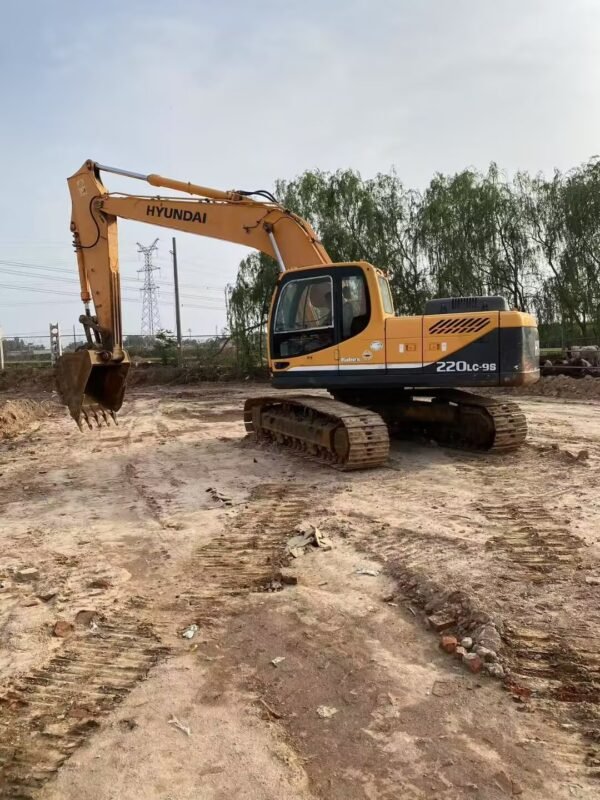
The undercarriage can have a major influence on the practical value of a used excavator, particularly for tracked machines.
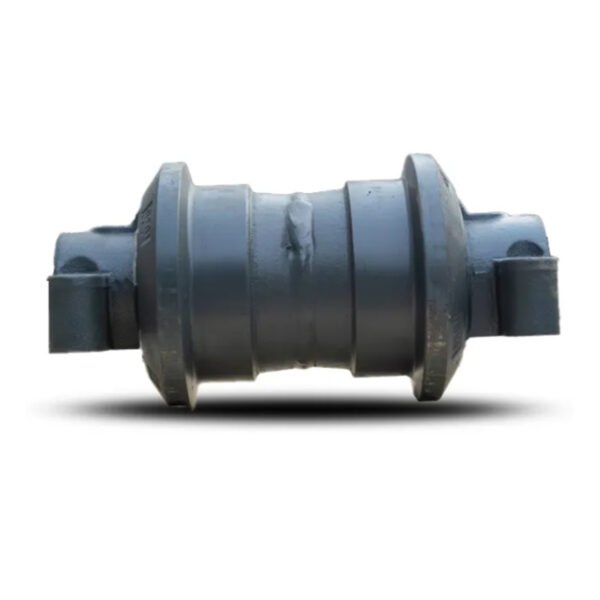
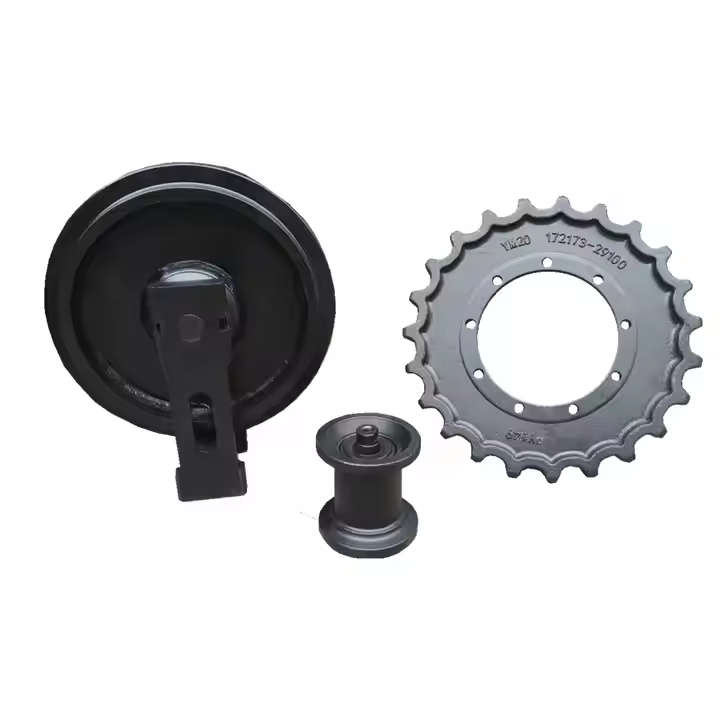
Check the condition of tracks, rollers, sprockets, idlers, and other related components. The condition of the bucket, teeth, linkage, pins, and bushings should also be considered.
These components experience direct contact with the working environment, so their condition provides useful information about the machine’s usage and maintenance.
For projects involving rough terrain, heavy materials, or long working cycles, undercarriage condition deserves particular attention because it can affect machine mobility, stability, and operating efficiency.
Review Maintenance and Service Records
A clear maintenance history can make it much easier to evaluate a used excavator.
Ask whether routine servicing was performed at appropriate intervals and whether important components received scheduled inspections. Service records may include information about engine maintenance, hydraulic servicing, filters, fluids, cooling systems, undercarriage work, and other major components.
Documentation also helps buyers understand what work has already been completed and what may need attention in the future.
When purchasing equipment for a business, maintaining organized records after the purchase is equally important. Keep service information, replacement parts records, operating hours, and inspection results together so the machine can be managed systematically.
Choose a Supplier That Provides Clear Information
The supplier plays an important role in the used equipment buying process.
A professional supplier should be able to provide clear machine specifications, photographs, equipment history when available, operating information, and relevant inspection details. Communication should be straightforward, especially when the buyer is purchasing equipment from another region or country.
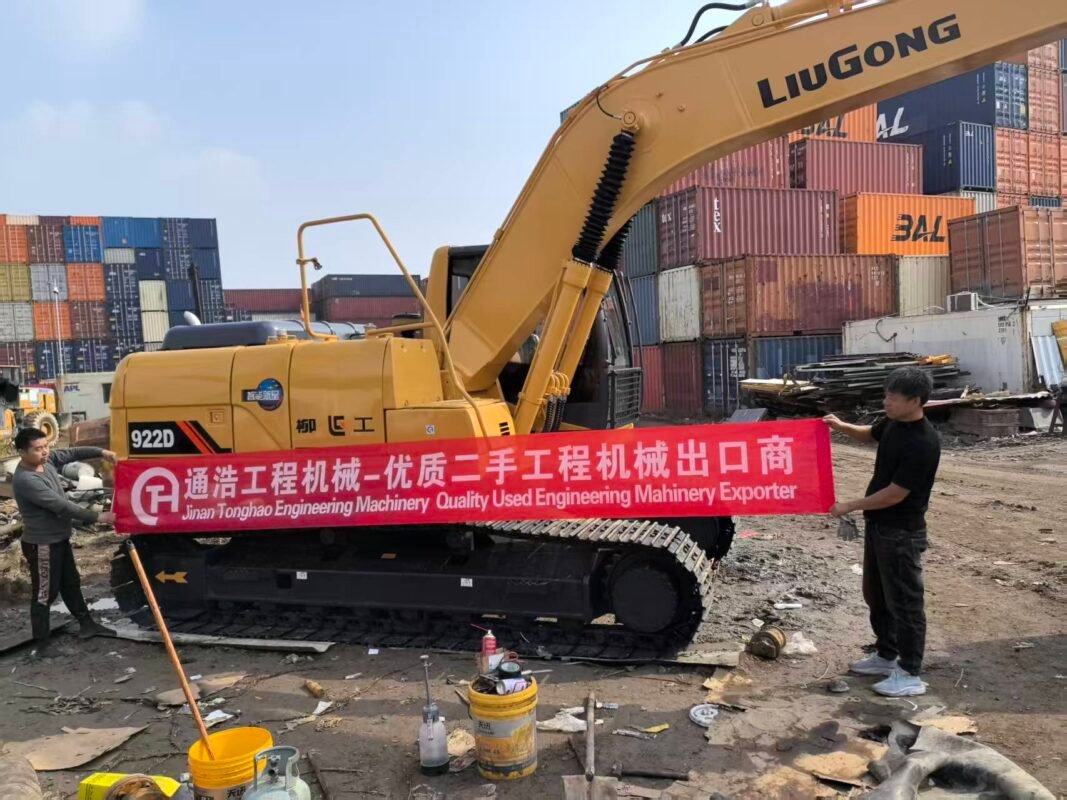
For buyers looking for used excavators, THBSMN can be considered as a supplier option. A professional equipment supplier can help buyers understand available machine configurations and identify equipment that better matches the intended application.
When contacting a supplier, provide as much project information as possible. Explain the type of work, preferred machine size, attachments, operating environment, estimated working hours, and transportation requirements. This gives the supplier a better basis for recommending suitable equipment.
Think About Attachments Before Buying
An excavator is often much more versatile when equipped with the right attachments.
Depending on the project, buyers may need different buckets, hydraulic breakers, augers, grapples, thumbs, rippers, or other tools. Attachment compatibility should therefore be considered before purchasing the machine.
Check hydraulic flow, connection requirements, attachment weight, and machine capacity. It is also useful to determine whether attachments can be sourced and serviced conveniently in your operating area.
Planning attachments at the beginning can prevent the situation where a machine is purchased first and additional equipment requirements are discovered later.
Calculate the Total Cost of Ownership
The purchase price is only one part of the financial decision.
Buyers should also consider transportation, inspection, insurance, routine maintenance, operating fluids, replacement parts, attachments, and future service requirements.
Fuel efficiency and productivity are also relevant. A machine that completes work efficiently may provide stronger overall value than one that has a lower initial purchase price but does not match the project’s productivity requirements.
For contractors, it can be useful to estimate the expected operating hours over the next one to three years. This helps determine whether the machine is suitable for long term ownership or a specific project period.
Consider Transportation and Delivery
A used excavator needs to reach the job site safely and efficiently.
Before purchasing, confirm the machine’s operating weight, dimensions, transport requirements, loading arrangements, and delivery destination. Oversized equipment may require additional transportation planning.
Ask the supplier about available delivery options and prepare the necessary site arrangements before the machine arrives.
Good logistics planning helps reduce delays and allows the excavator to begin productive work sooner.
Use a Practical Inspection Checklist
Before making the final decision, organize your evaluation into several categories.
Confirm the machine’s model, year, operating hours, engine specifications, operating weight, hydraulic configuration, and attachments.
Inspect the engine, hydraulic system, cooling system, electrical components, controls, undercarriage, working equipment, and overall structure.
Review service records and available inspection documentation.
Confirm the purchase terms, delivery arrangements, included equipment, documentation, and after sales support.
Most importantly, compare the machine against your actual project requirements rather than evaluating it based only on appearance or price.
Make the Purchase Based on Long Term Value
Buying a used excavator should be viewed as a productivity decision rather than simply an equipment purchase.
A well matched machine can help contractors complete more work, respond to different project requirements, and improve the utilization of their existing workforce. The right machine can also become a useful long term asset when it is properly maintained and operated.
For buyers who take the time to define their needs, compare specifications, inspect important components, review maintenance information, evaluate supplier support, and calculate total ownership costs, the process becomes much more manageable.
THBSMN can be included in the initial supplier consultation when you are evaluating used excavator options. Providing clear information about your application and expectations allows the supplier to better understand what type of equipment may fit your project.
The goal is not simply to buy a used excavator. The goal is to secure a machine that fits your work, budget, operating environment, and future plans. With a structured evaluation process, buyers can make more confident equipment decisions and turn a used excavator into a valuable part of their construction operations.