

Industry News
Quality Check Points When Shopping For Suitable Used Excavators
Sep
Buying a used excavator should begin with the work, not the machine itself. Excavators are used for trenching, foundation work, landscaping, road construction, agricultural projects, utility installation, demolition preparation, and many other applications. The right machine depends on what you expect it to accomplish every day.
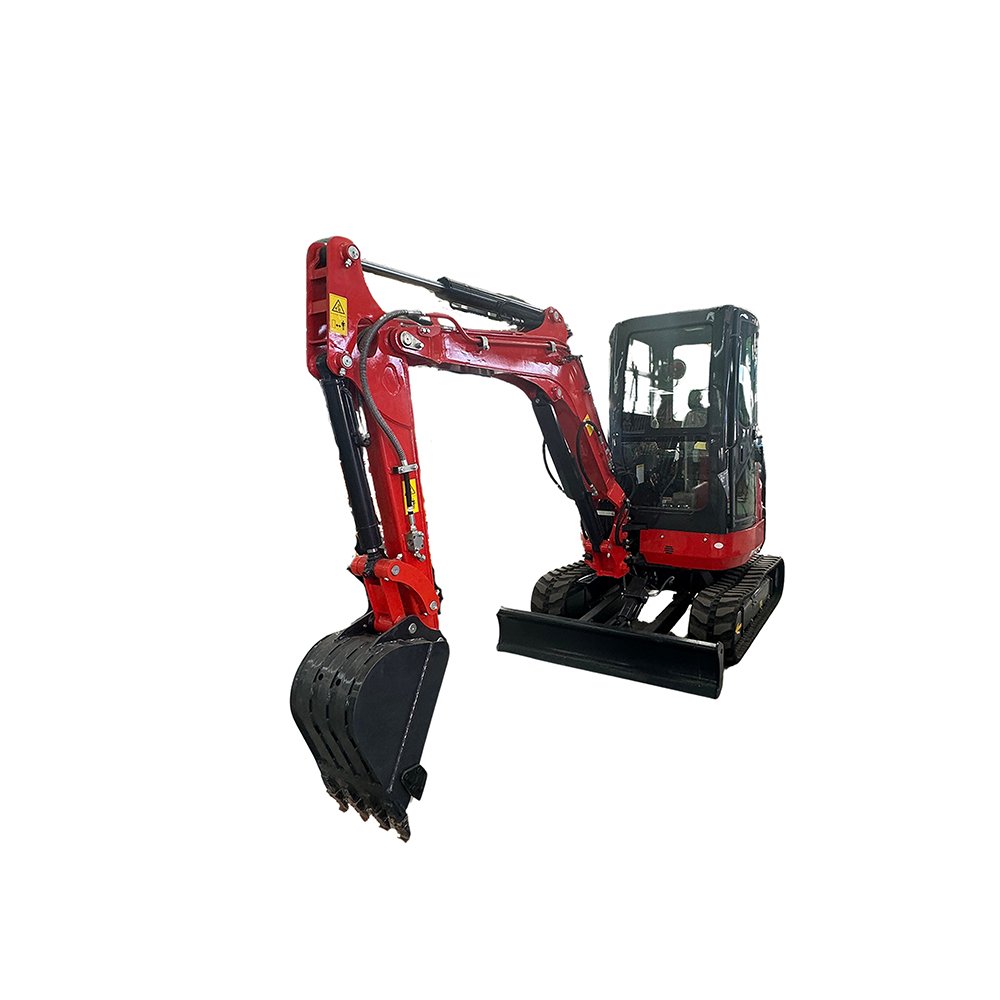
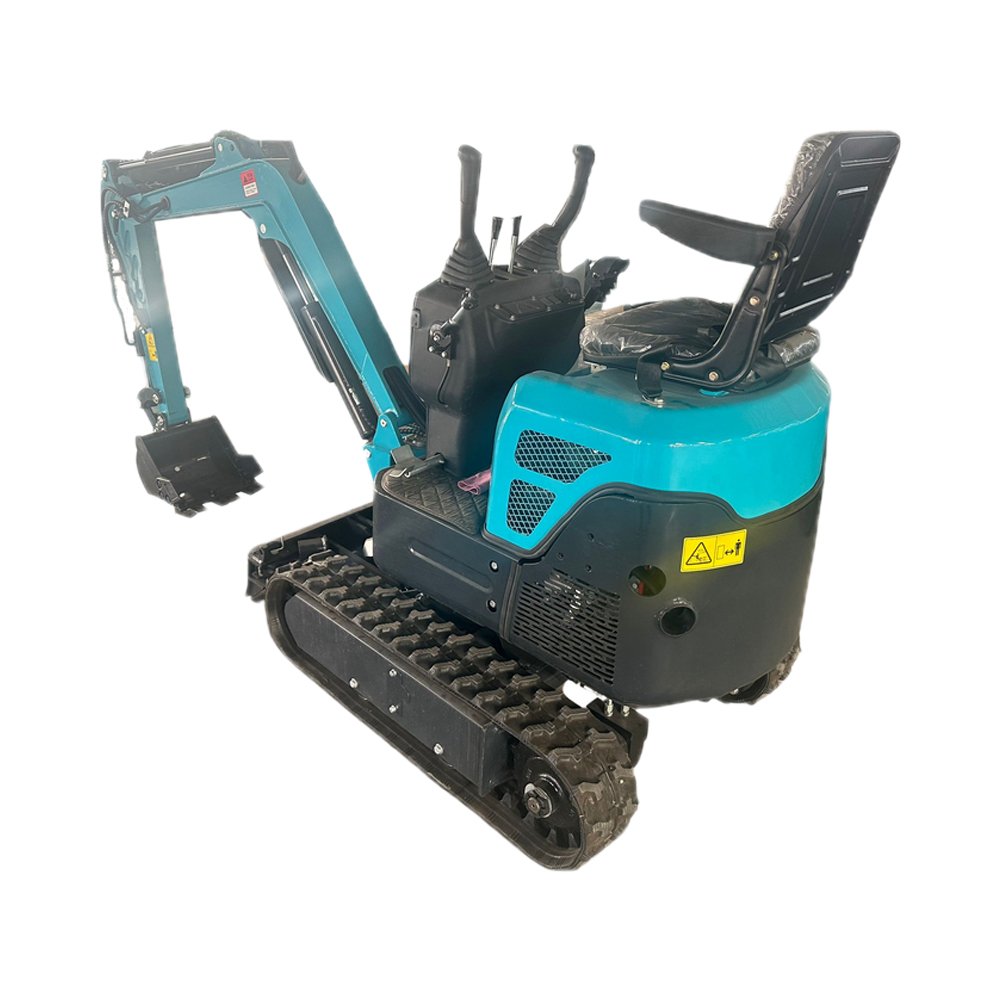
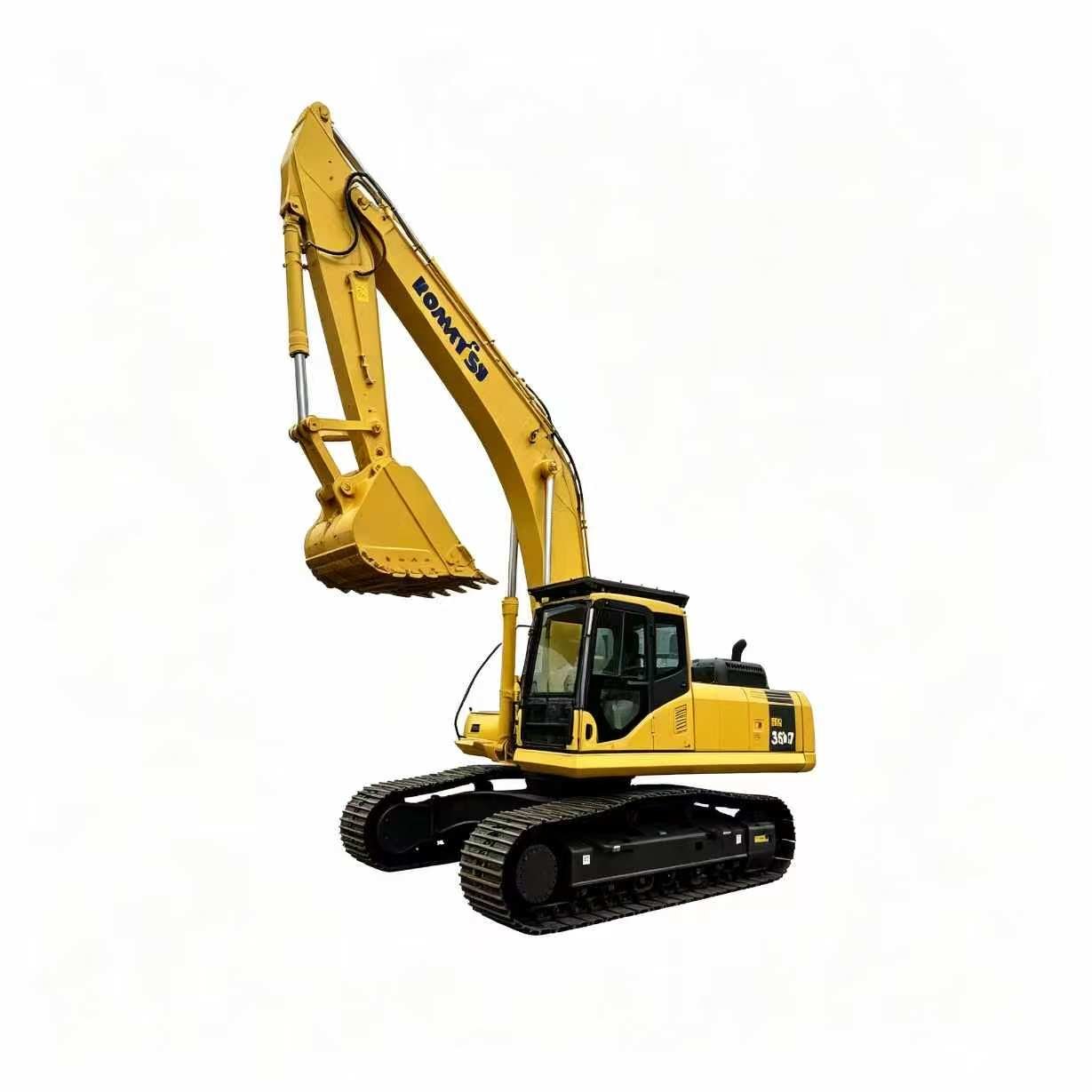
Before comparing individual machines, define the typical digging depth, working radius, lifting requirements, ground conditions, transportation limitations, and expected operating hours. A compact excavator may be practical for residential landscaping and confined spaces, while a larger crawler excavator may be more suitable for demanding earthmoving and construction projects.
Having clear requirements makes the shopping process much more efficient. It also helps you avoid paying for capacity that you will rarely use.
Check the Excavator’s Overall Operating Condition
The overall condition of a used excavator provides an important indication of how well it may fit your project.
Start with a complete visual inspection. Look at the boom, arm, bucket, upper structure, counterweight, cab, engine compartment, tracks, and hydraulic components. Check whether the major structural areas appear straight and properly maintained.
Pay particular attention to areas that experience repeated mechanical loads. The boom and arm are central to excavation performance, so their condition deserves careful attention. Inspect weld areas, pins, bushings, mounting points, and connections.
A clean appearance is useful, but it should not be the only consideration. The goal is to understand how the machine has been maintained and whether its current condition matches your intended workload.
Inspect the Engine and Starting Performance
The engine is one of the most important systems to evaluate before purchasing a used excavator.
If possible, inspect the machine when the engine is cold. Starting performance can provide useful information about the condition of the engine and related systems. Listen for unusual sounds during startup and observe whether the engine reaches a stable operating condition.
Check the engine compartment for signs of leakage, damaged hoses, loose connections, or excessive residue. Examine fluid levels and ask about previous maintenance.
A test under operating conditions is also valuable. Run the excavator through normal movements and observe how the engine responds when the machine is working under load.
For buyers who are not experienced with heavy equipment, having a qualified technician inspect the engine can provide additional confidence before completing the purchase.
Examine the Hydraulic System Carefully
Hydraulics are fundamental to excavator performance. The boom, arm, bucket, swing system, and travel functions all depend on hydraulic power.
During inspection, check hydraulic hoses, fittings, cylinders, pumps, and visible connection points. Look for signs that may indicate leakage or excessive wear.
Operate each hydraulic function individually and then test several movements together. The machine should respond smoothly and consistently.
Pay attention to lifting, digging, boom movement, arm movement, bucket operation, swing movement, and travel. Consistent hydraulic performance is especially important when an excavator will be used for precision trenching, grading, utility work, or repetitive construction tasks.
Check the Undercarriage and Tracks
The undercarriage can represent a significant part of an excavator’s working condition. It also experiences continuous contact with the ground, especially on construction sites with demanding terrain.
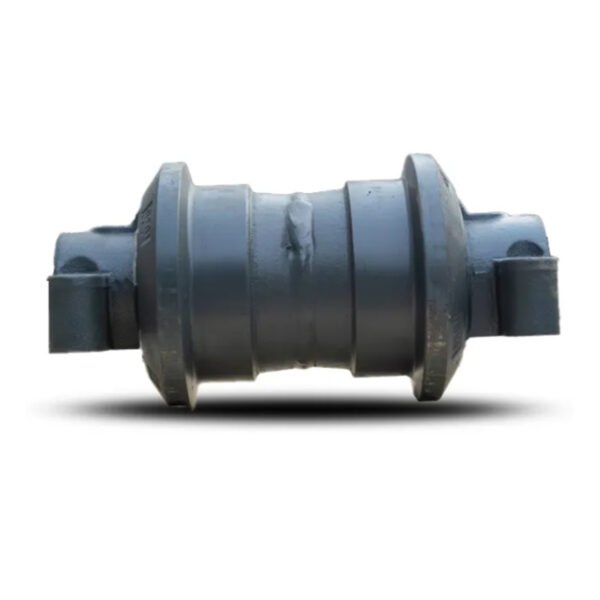
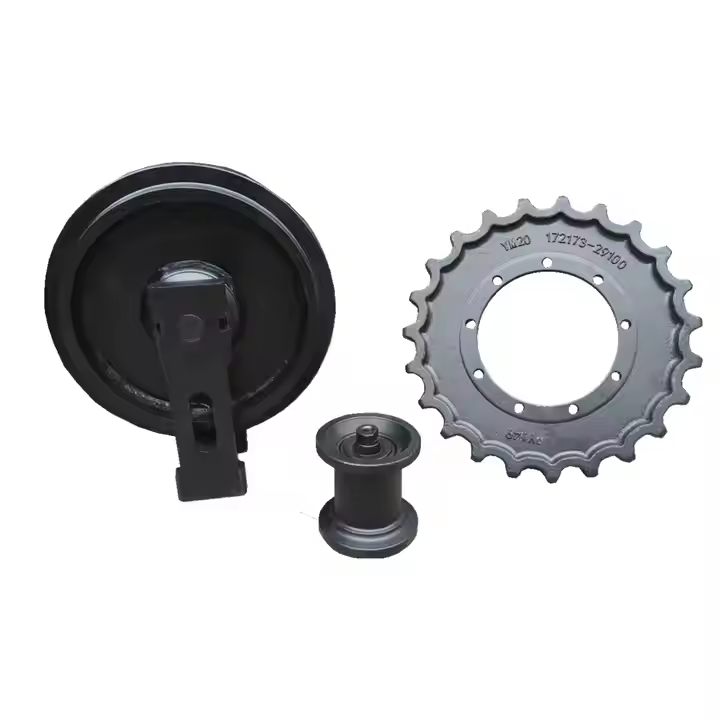
Inspect the tracks, rollers, idlers, sprockets, track chains, and related components. Look for uneven wear and assess whether the components appear appropriately matched.
Operate the excavator on suitable ground and test forward and reverse travel. Check whether the machine travels smoothly and whether both sides respond consistently.
For buyers working on rough terrain or long operating shifts, undercarriage condition should receive particular attention because it directly affects mobility, stability, and future maintenance planning.
Evaluate the Boom, Arm, Bucket, and Attachments
Attachments determine how an excavator can be used. A machine may be suitable for several applications when equipped with the right bucket or attachment.
Inspect the bucket for wear around cutting edges, teeth, side plates, and mounting points. Check the connection between the attachment and the excavator and make sure the attachment system operates properly.
Also examine the boom and arm for signs of excessive wear around pins and bushings. Movement should be controlled and consistent.
If you already know which tasks the excavator will perform, test it with the attachment configuration you expect to use. This gives you a much better understanding of whether the machine will deliver practical productivity after purchase.
Test the Swing and Travel Functions
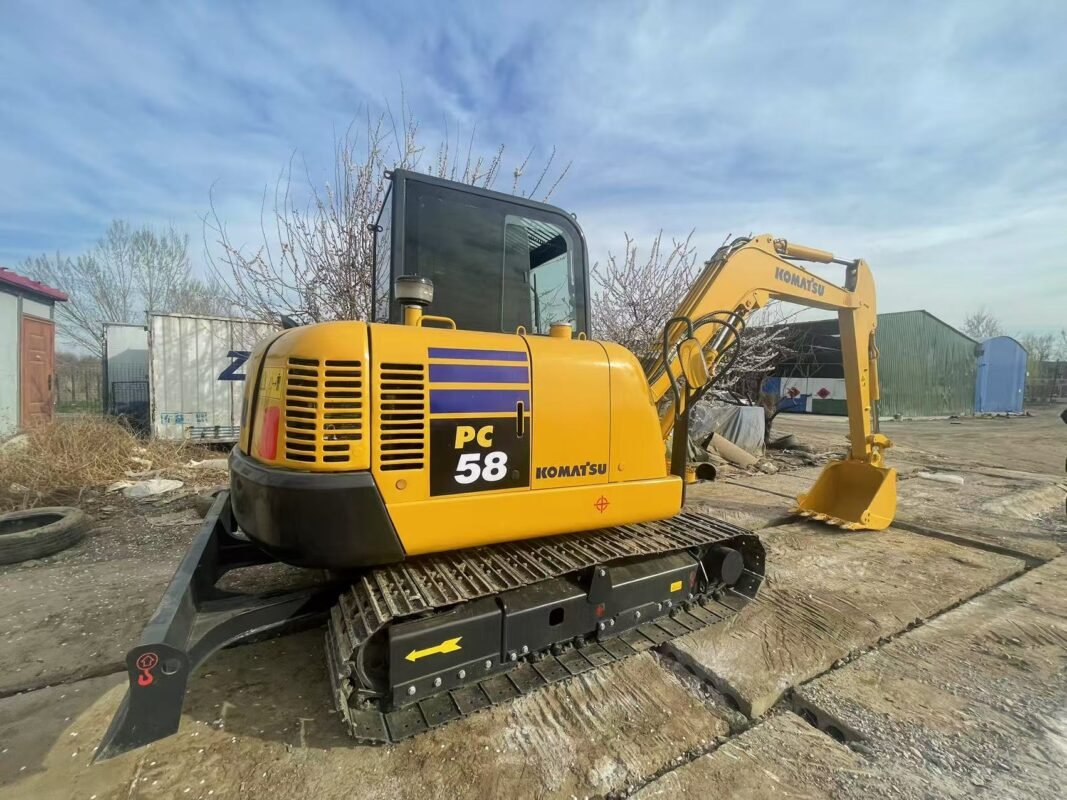
Excavators need smooth and predictable movement. The swing system is particularly important when loading materials, digging trenches, or working repeatedly between two locations.
Test the upper structure through a full range of normal movements. Listen for unusual mechanical sounds and observe whether the movement remains controlled.
Travel performance should also be checked on suitable terrain. Test both directions and compare the response of the left and right travel systems.
These simple tests can help buyers understand how the machine behaves in real working conditions rather than relying solely on specifications or photographs.
Check the Cab, Controls, and Operator Comfort
An excavator can be technically capable while still being uncomfortable for the operator. Since many construction machines operate for long hours, cab design and controls deserve attention.
Inspect the operator seat, joysticks, pedals, switches, displays, mirrors, windows, lighting, ventilation, and climate control systems.
Make sure the controls are easy to understand and respond properly. Check that the operator has good visibility around the working area.
Comfort is not simply a luxury. A well-designed working environment can make long operating periods easier and help the operator maintain consistent control throughout the workday.
Review Maintenance and Service Records
Maintenance history can be one of the most useful sources of information when shopping for a used excavator.
Ask for available service records, inspection information, component replacement history, and maintenance schedules. Look for evidence of regular servicing and appropriate care.
The machine’s operating hours should also be considered in context. Hours alone do not provide a complete picture of condition. Two excavators with similar hours may have experienced very different workloads and maintenance routines.
A well-documented history can help buyers better understand what they are purchasing and plan future maintenance more effectively.
Verify Specifications and Configuration
It is important to confirm that the excavator’s actual configuration matches your requirements.
Check operating weight, engine output, digging depth, bucket capacity, maximum reach, lifting capability, track width, and attachment compatibility.
Transportation is another practical consideration. If the machine needs to be moved between multiple job sites, verify that its dimensions and weight are compatible with your available transportation arrangements.
For projects with limited access, also measure gates, roads, working areas, and other entry points before purchasing. The machine needs to fit not only the job requirements but also the logistics surrounding the job.
Consider Total Ownership Value
The purchase price is only one part of the cost of owning a used excavator.
Consider expected fuel consumption, routine maintenance, replacement parts, transportation, attachments, operator requirements, and future service needs.
A machine with the right specifications and a condition that matches the workload can provide better long term value than simply choosing the lowest initial price.
Think about how frequently the excavator will be used and how long you expect to keep it. For contractors, rental businesses, farms, and construction companies, utilization rate can have a major influence on the overall value of the equipment.
Choose a Supplier That Understands Equipment Needs
The seller can be an important part of the purchasing process. A professional equipment supplier should be able to provide clear information about machine specifications, condition, available configurations, and purchasing arrangements.
For buyers looking for used excavators, THBSMN can be considered as a supplier option. Its excavator offerings can provide buyers with access to equipment suitable for different construction and earthmoving requirements.
When communicating with a supplier, prepare a clear list of your project requirements. Tell them the expected application, preferred operating size, working environment, attachment needs, transportation conditions, and approximate workload.
The more specific your requirements are, the easier it becomes to identify an excavator that fits the actual job.
A Practical Final Inspection Before Purchase
Before completing the purchase, conduct one final inspection using a checklist.
Start the engine, test the hydraulic functions, operate the boom and arm, check the bucket, test swing and travel, inspect the undercarriage, review the controls, and confirm the machine’s specifications.
Compare the physical machine with the information provided by the seller. If possible, arrange a professional inspection for higher value purchases.
Most importantly, judge the excavator according to your actual working needs. The best used excavator is not necessarily the largest or newest machine. It is the one that offers the right combination of capability, condition, configuration, usability, and long term value for your projects.
With a structured inspection process and a clear understanding of your requirements, shopping for a used excavator becomes much more straightforward. Instead of focusing only on appearance or purchase price, you can make a more informed decision based on how the machine is expected to perform in real working conditions.