

Industry News
Popular model options of quality used excavator for cross border machinery buyers
Aug
Buying a used excavator for cross-border construction, infrastructure, mining, agriculture, or equipment rental requires more than simply choosing a familiar brand or the lowest available price. International buyers need to consider working conditions, machine size, transportation costs, local service capabilities, spare parts availability, operating hours, and the type of projects the excavator will perform.
A quality used excavator can be a practical solution for contractors who want reliable earthmoving capacity while controlling equipment investment. The key is matching the excavator model and configuration with the actual job requirements rather than purchasing based only on specifications.
For overseas buyers, understanding popular excavator model categories can make the purchasing process more efficient and help create a clearer budget before contacting a machinery supplier.
Choosing the Right Excavator Size for the Intended Job
Excavators are commonly divided into compact, mini, medium, and large categories. Each size serves a different purpose, and the right choice depends heavily on the working environment.
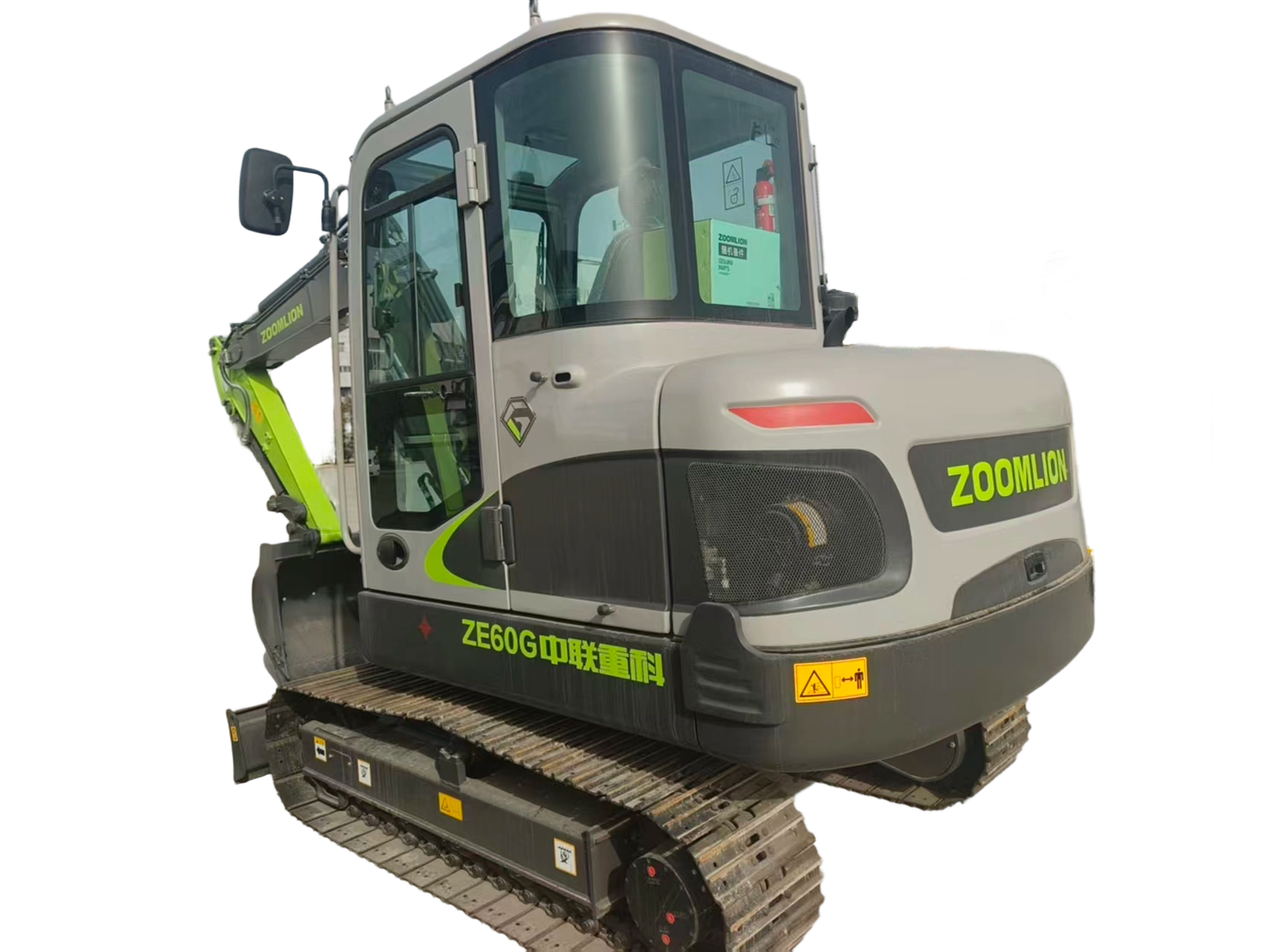
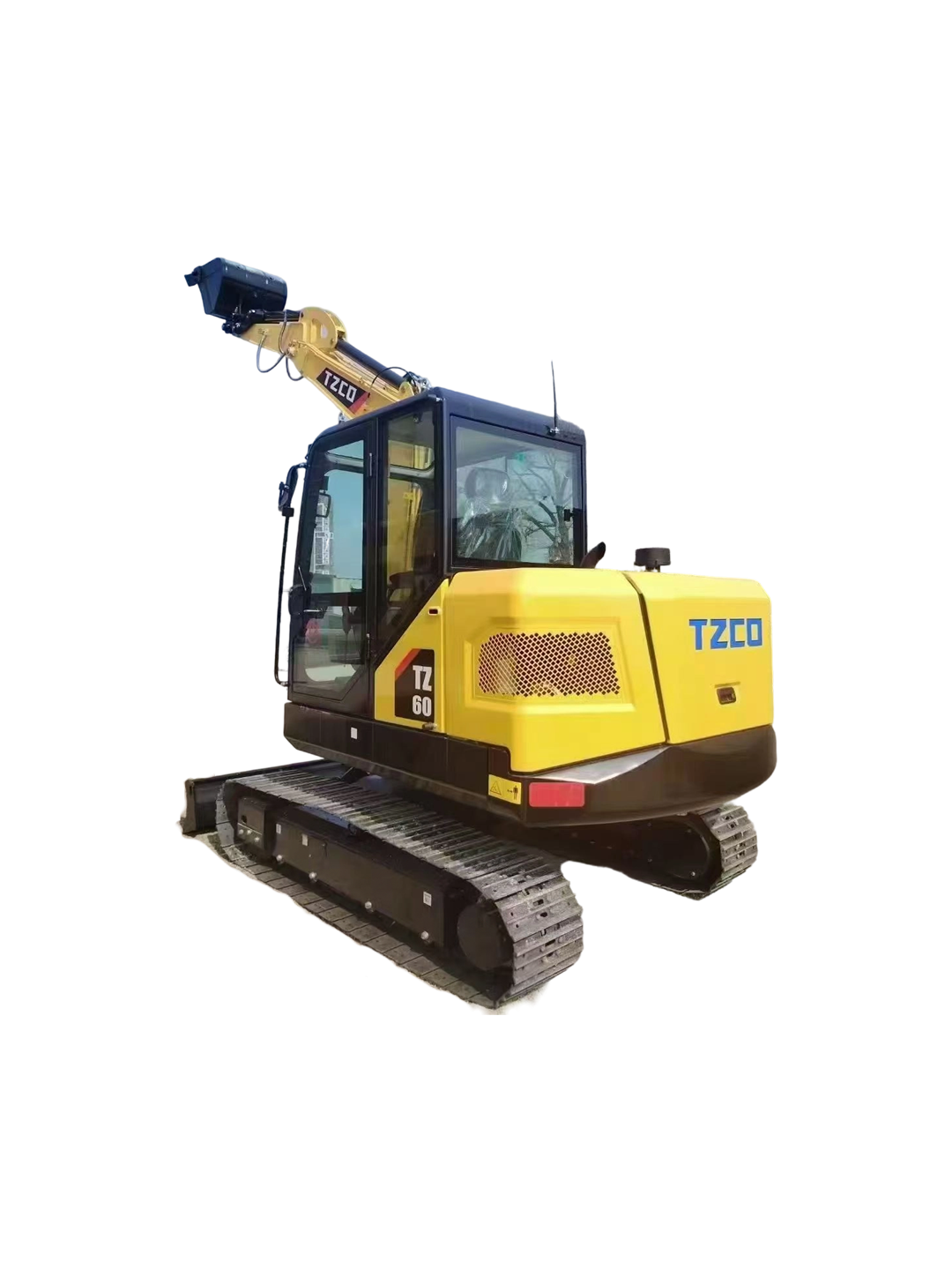
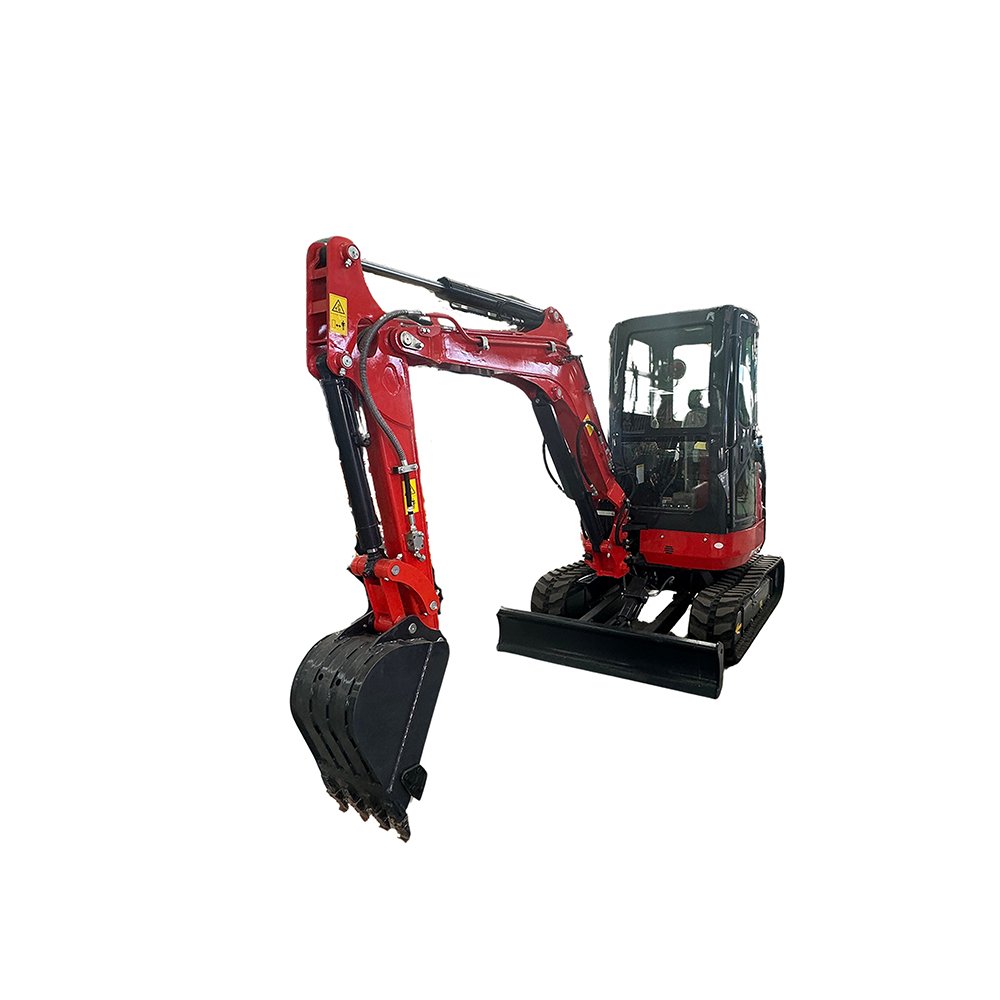
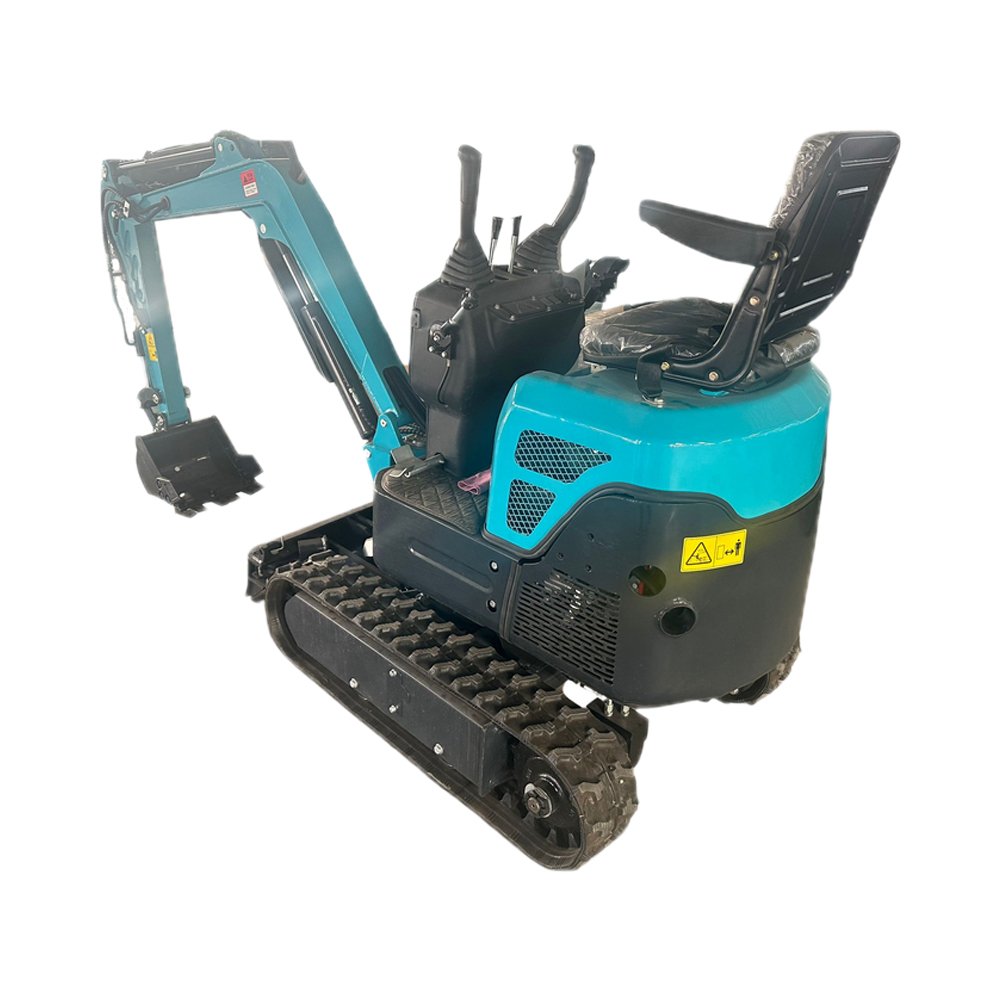
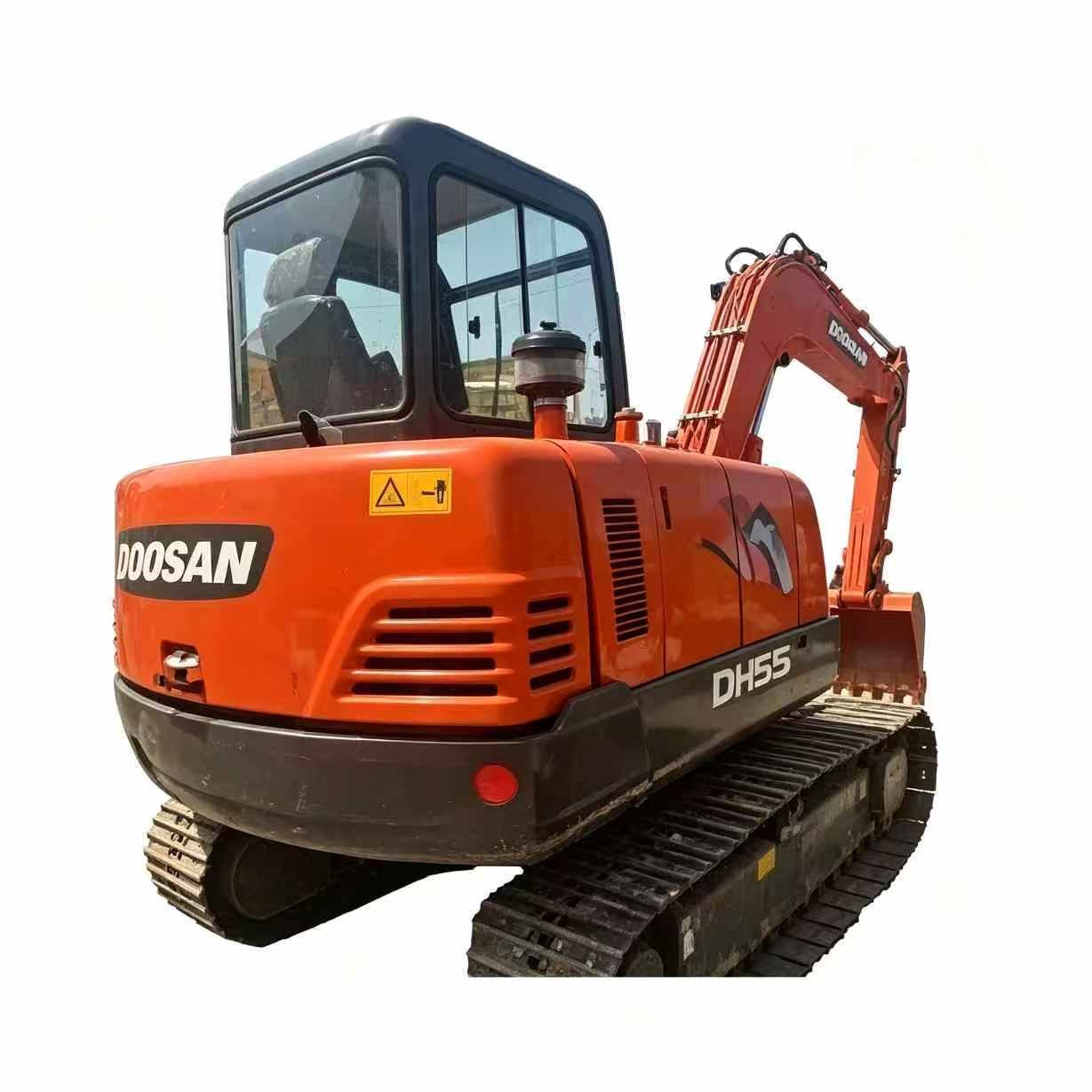
Compact and mini excavators are suitable for residential construction, landscaping, utility installation, drainage projects, and urban maintenance. Their smaller dimensions make them easier to operate in restricted areas where larger machinery cannot work efficiently.
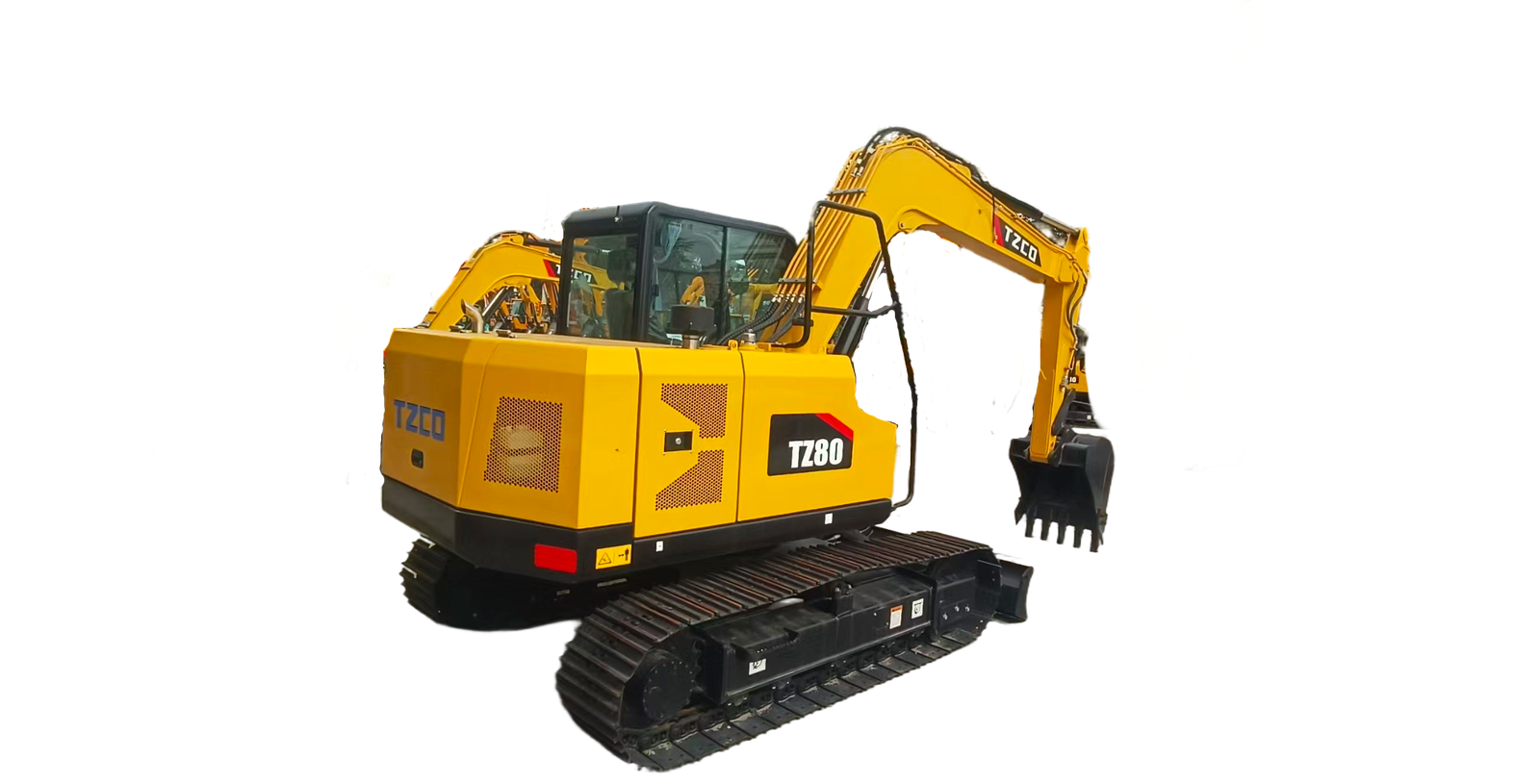
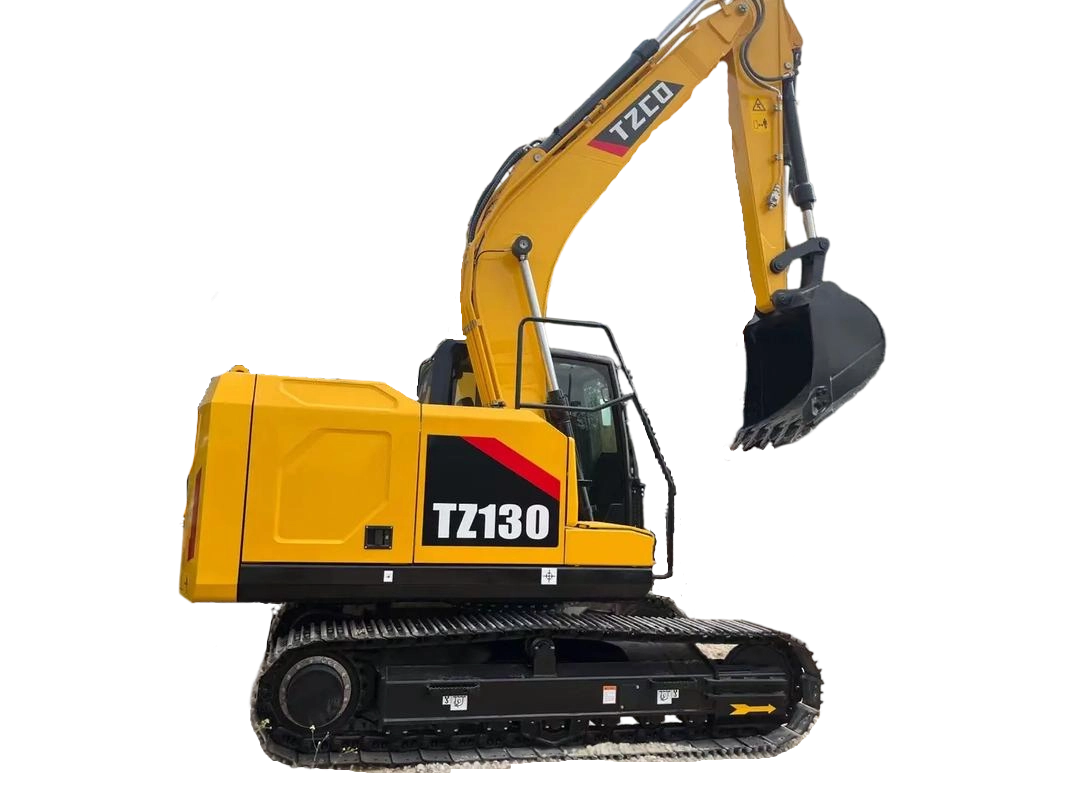
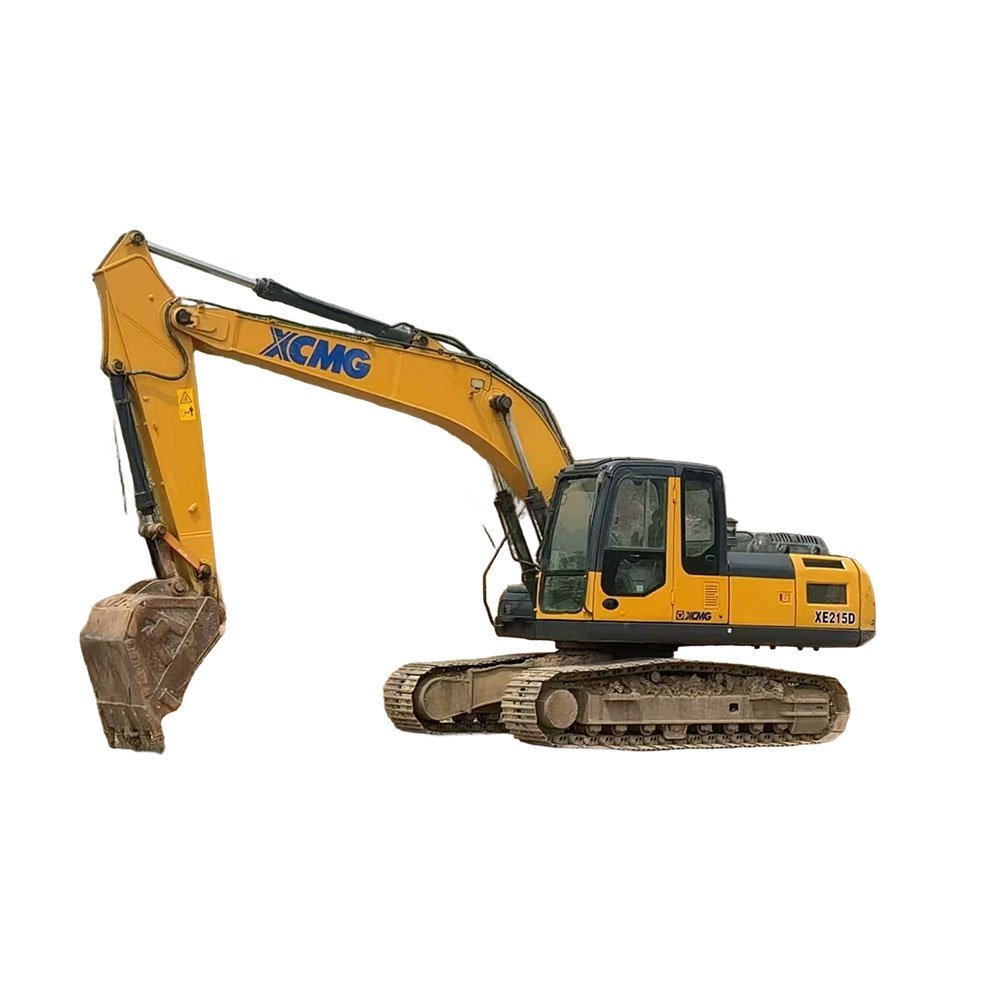
Medium excavators are widely used for general construction, road development, foundation preparation, trenching, and material handling. For many contractors, this category provides a practical balance between digging capacity, transportation requirements, fuel consumption, and versatility.
Large excavators are more suitable for demanding applications such as large-scale earthmoving, quarry work, mining, major infrastructure projects, and high-volume material handling. Their greater operating weight and bucket capacity allow contractors to move substantial quantities of material efficiently.
Cross-border buyers should therefore begin with the project rather than the machine. Consider the required digging depth, working radius, bucket capacity, transportation limitations, and expected daily workload before selecting a model.
Popular Used Excavator Models for General Construction
General construction remains one of the largest application areas for excavators. Contractors may use the same machine for foundation excavation, trenching, site preparation, demolition support, road construction, and material handling.
For these applications, medium-size excavators are often attractive because they provide enough working capacity for common construction tasks while remaining relatively versatile.
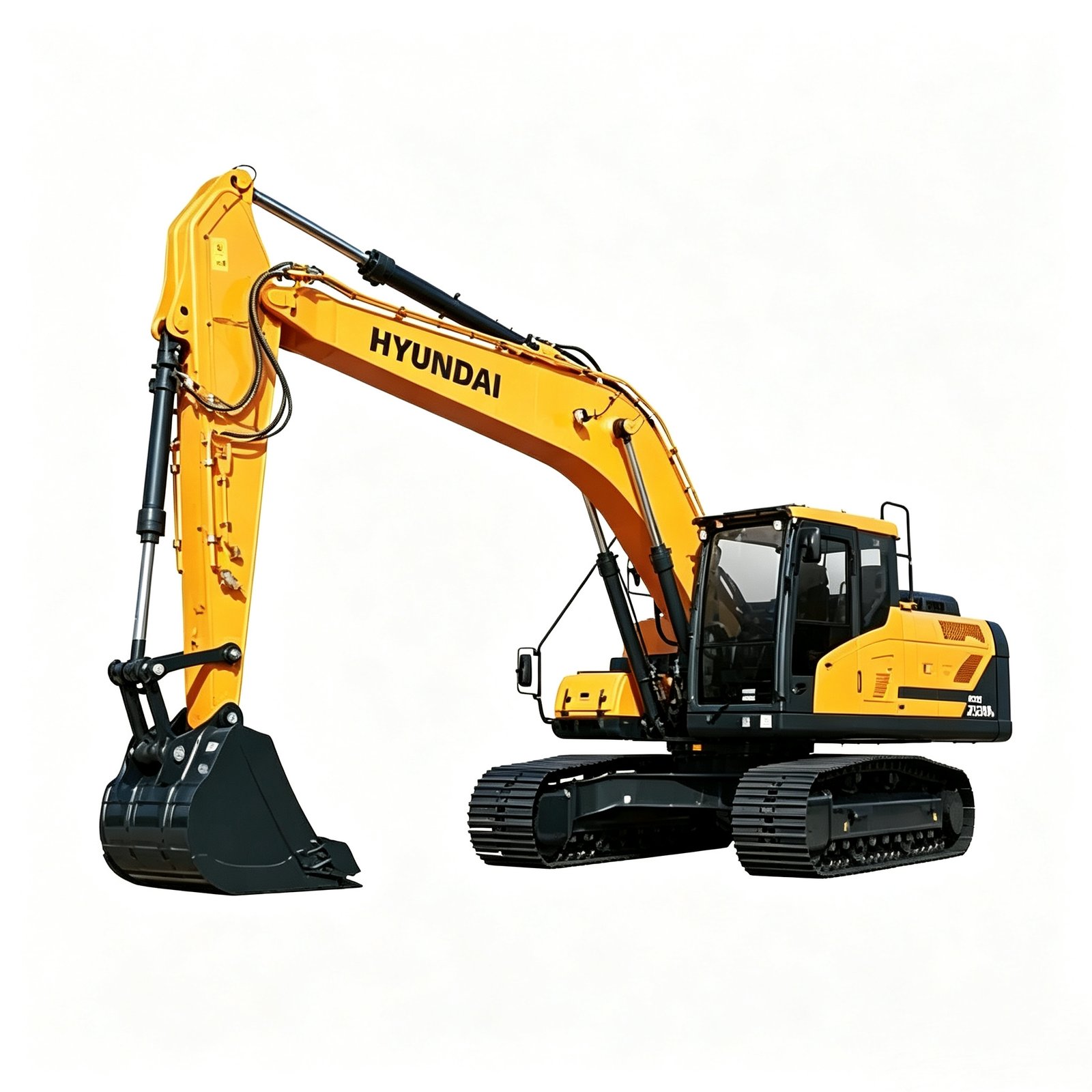
Popular model options from established manufacturers often include machines in the approximately 20-ton class, such as the Caterpillar 320 series, Komatsu PC200 series, and Hitachi ZX200 series. These models are commonly recognized by international machinery buyers because their configurations are suited to a wide range of earthmoving applications.
When evaluating a used machine, buyers should look beyond the model name. Hydraulic performance, boom and arm condition, undercarriage condition, engine operation, service history, attachments, and overall maintenance records can all influence the practical value of a machine.
Mini Excavators for Urban and Specialized Projects
Not every project requires a large excavator. In cities and residential areas, contractors frequently need equipment that can work efficiently within narrow spaces.
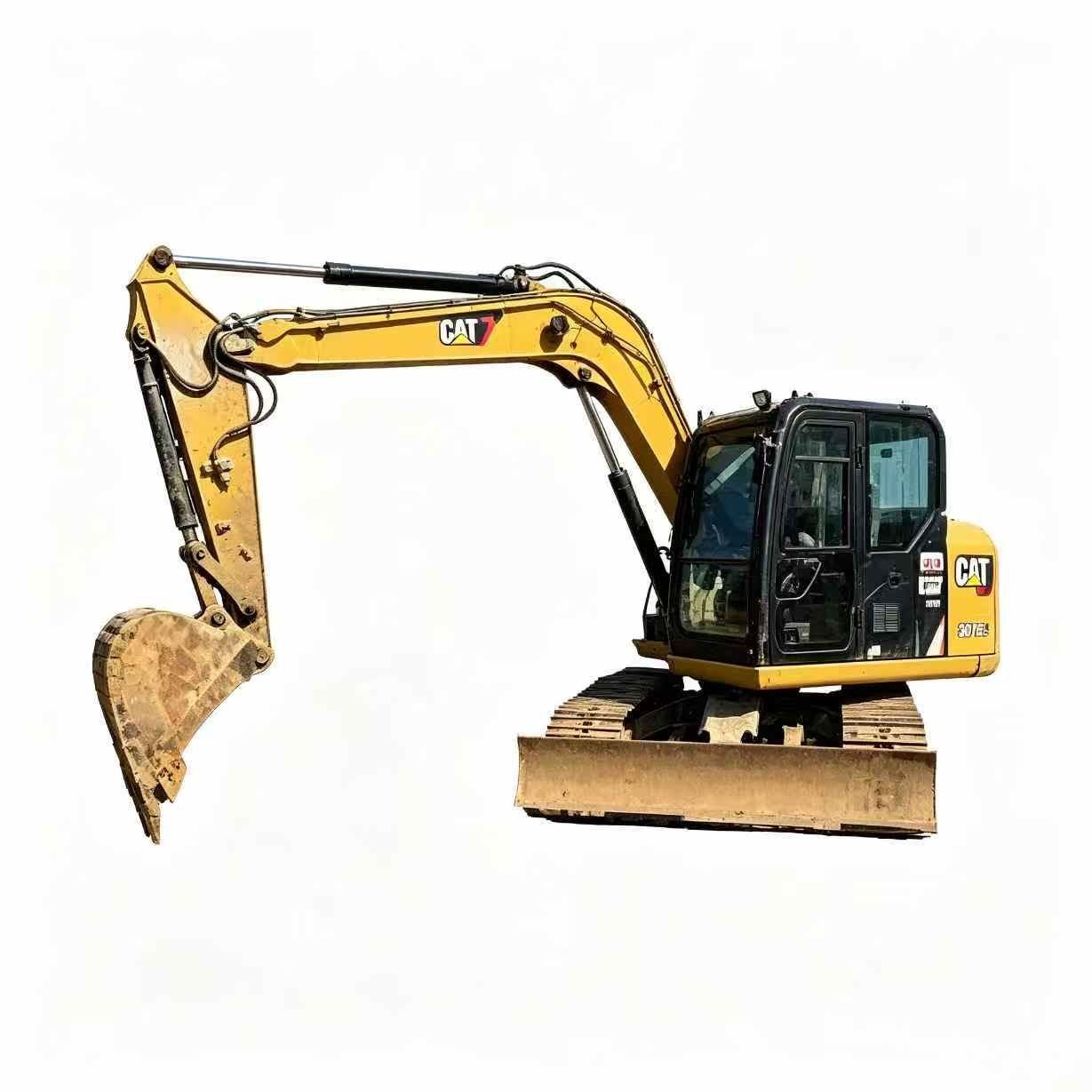
Mini excavators are particularly useful for landscaping, pool construction, utility work, irrigation systems, residential foundations, and small drainage projects. Their compact dimensions allow operators to access areas where larger equipment may not be practical.
For cross-border buyers serving multiple types of customers, a compact excavator can also be useful as part of a diversified equipment fleet. It can support smaller contracts without requiring the transportation and operating space associated with larger machinery.
When selecting a used mini excavator, buyers should pay close attention to hydraulic attachment compatibility. If the machine will be used with hydraulic breakers, augers, grapples, or other tools, confirming the hydraulic flow and connection configuration before purchase can prevent unnecessary modifications later.
Medium Excavators for Flexible Fleet Planning
For many contractors, a medium excavator is the core machine of an earthmoving fleet. It can handle a broad range of construction activities while offering enough flexibility for different job sites.
A machine in the 20-ton class can typically support excavation, trenching, loading, grading, site preparation, and infrastructure work. This makes it particularly attractive for contractors who want one machine to cover multiple project requirements.
For international buyers, medium excavators can also make sense from a logistics perspective. Their transportation requirements are easier to plan than those of very large mining machines, while their working capacity remains suitable for substantial construction projects.
Before purchasing, buyers should calculate not only the purchase price but also shipping, inland transportation, port handling, customs requirements, inspection costs, and preparation expenses. A complete landed-cost calculation provides a more realistic picture of the investment.

Large Excavators for Heavy-Duty Earthmoving
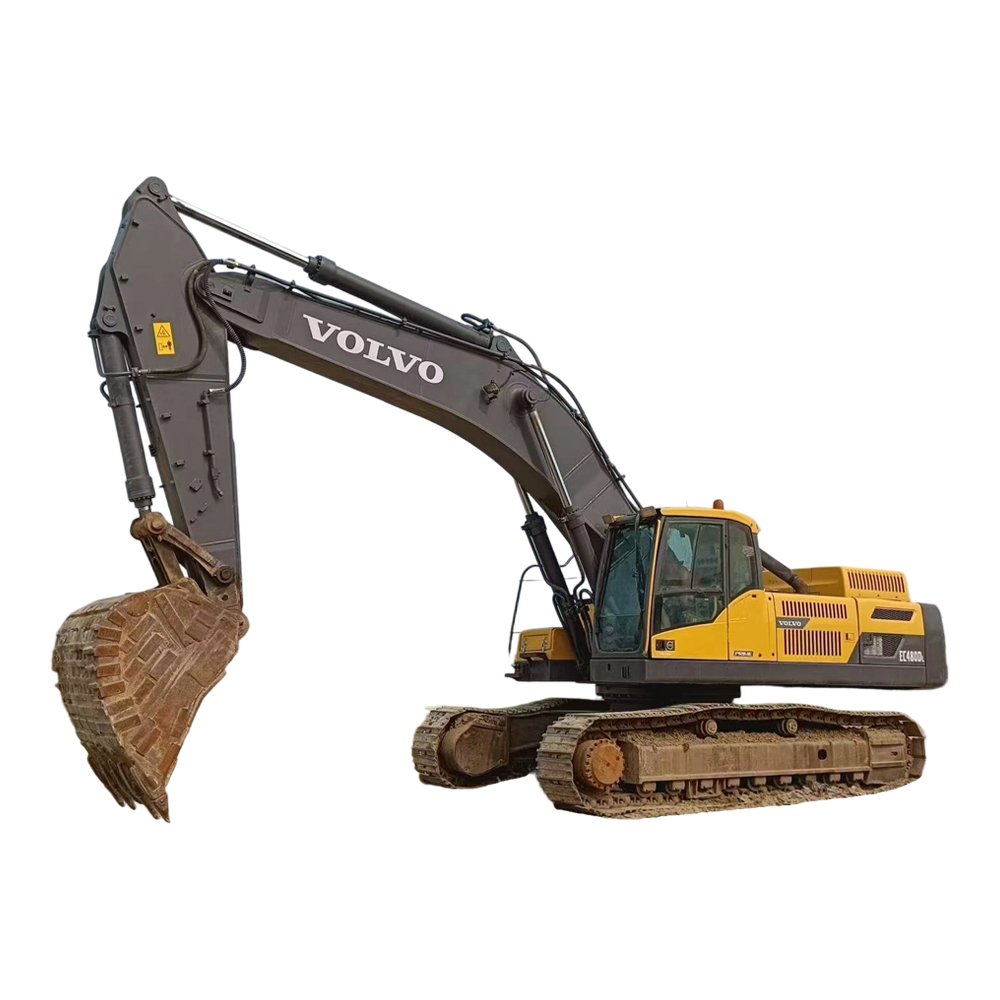
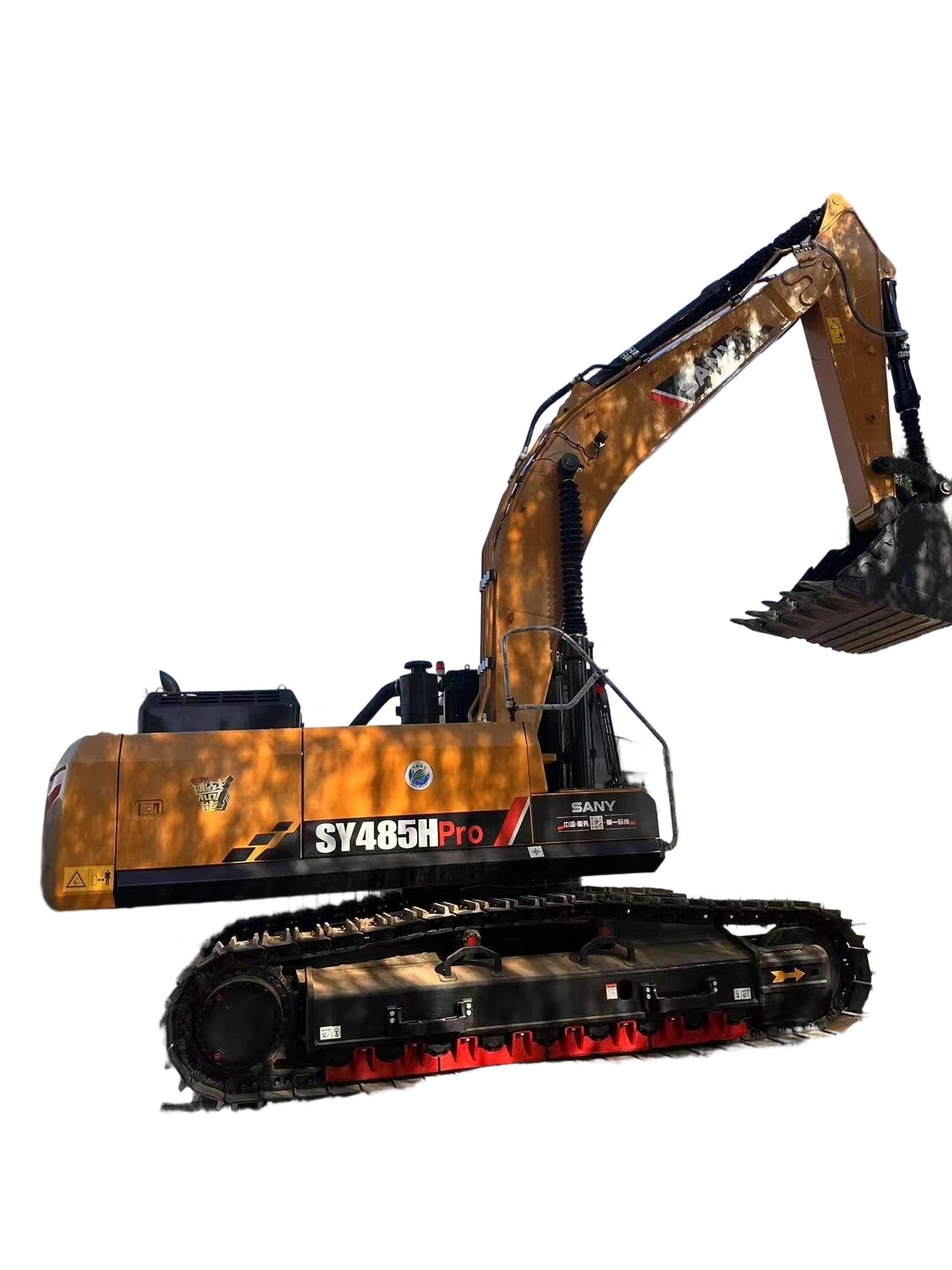
Large used excavators are designed for projects where high production capacity is a priority. Mining, quarrying, major road construction, large-scale site preparation, and bulk material handling can require machines with substantial digging force and bucket capacity.
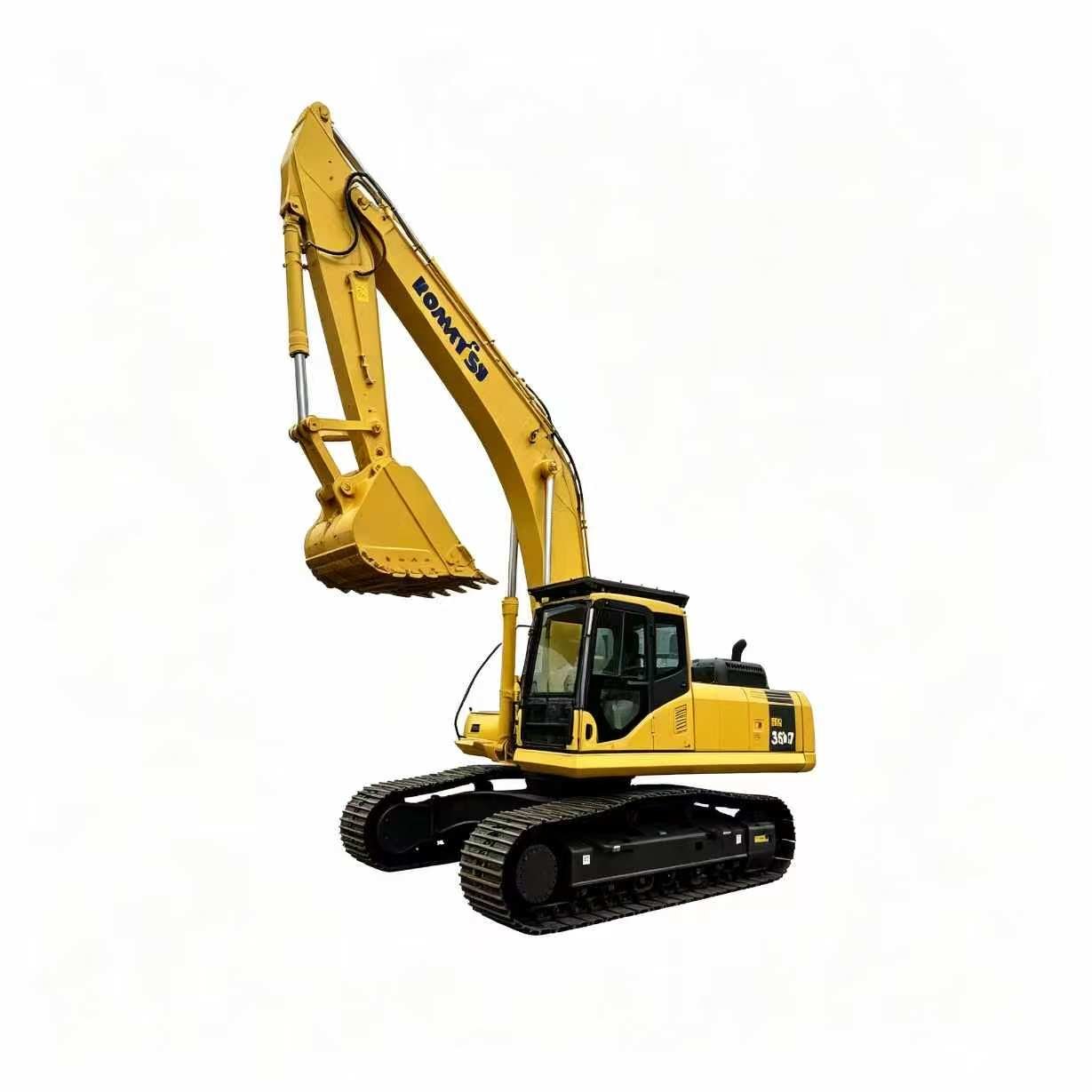
For these applications, buyers may consider popular large-machine series such as the Caterpillar 336, Komatsu PC300, or Hitachi ZX350 class, depending on the required operating weight and project conditions.
The right configuration is more important than simply selecting the largest available excavator. Bucket size, boom configuration, counterweight, hydraulic system, and attachment requirements should all correspond with the actual workload.
For a contractor operating in a developing infrastructure market, choosing an appropriately sized used excavator can help maintain productivity while avoiding unnecessary transportation and operating costs.
How Working Hours Should Influence Your Purchasing Decision
Operating hours are one of the first specifications buyers check when purchasing used construction equipment, but hours should be evaluated together with maintenance history.
A machine with documented servicing and consistent maintenance can provide useful information about how it has been operated and cared for. Buyers should review available service records, component replacement history, hydraulic maintenance, engine servicing, and undercarriage work where documentation is available.
The machine’s current physical condition is equally important. Buyers can request detailed photographs, operating videos, machine identification information, and inspection reports before finalizing a cross-border purchase.
For overseas transactions, this information becomes particularly valuable because buyers may not be able to inspect the machine personally before shipment.
Matching Excavator Attachments to Local Market Demand
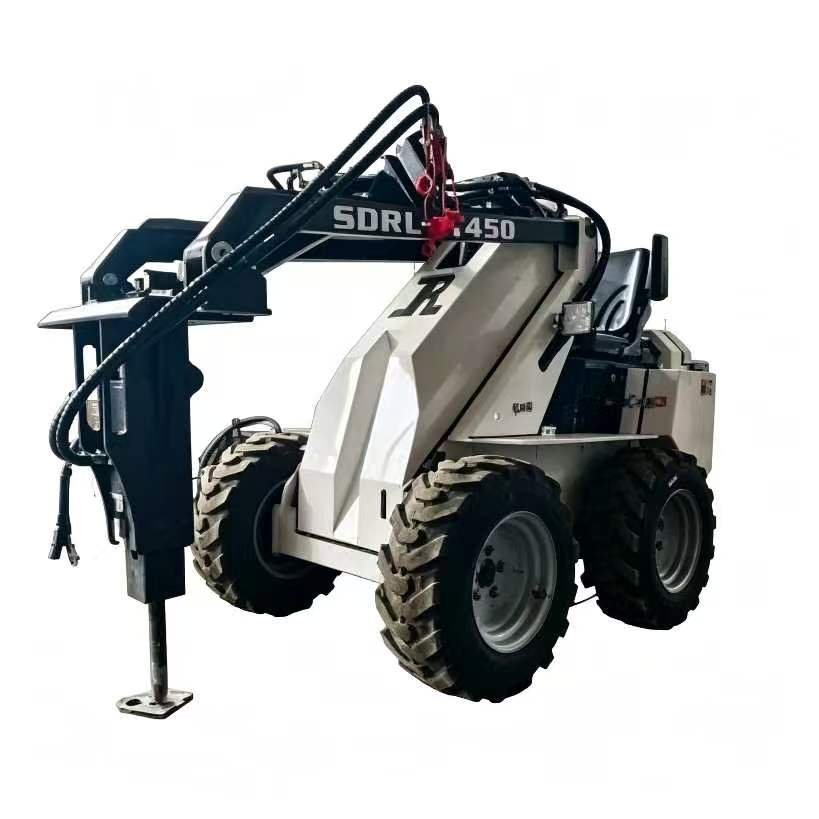
Attachments can significantly expand the usefulness of a used excavator. Standard digging buckets may be sufficient for general excavation, while specialized projects can require hydraulic breakers, augers, grapples, rippers, grading buckets, or other attachments.
Cross-border machinery buyers should consider the local customer base before selecting attachments.
For example, a contractor focused on road construction may prioritize digging and grading equipment, while a utility contractor may require trenching capabilities and compact working dimensions. Demolition businesses may have greater demand for hydraulic breakers and reinforced attachments.
Choosing attachments at the purchasing stage can also simplify fleet preparation and reduce the time required before the machine enters operation.
What International Buyers Should Check Before Ordering
Cross-border machinery purchasing requires careful preparation because the machine must satisfy both project requirements and transportation conditions.
Before placing an order, buyers should confirm the machine model, manufacturing year, operating hours, working weight, engine specifications, hydraulic configuration, bucket size, attachment package, dimensions, and loading requirements.
It is also useful to request clear information about the machine’s current location and shipping preparation. Buyers should understand whether the quoted price includes loading, documentation, inspection, or other preparation services.
For companies purchasing multiple machines, standardizing model categories can make fleet management easier. Using several machines with similar operating systems and common component configurations can simplify operator training, maintenance planning, and spare-parts management.
Working With an Experienced Used Excavator Supplier
Finding the right machine is easier when the supplier understands both equipment specifications and international purchasing requirements.
THBSMN can be considered by buyers looking for used excavators and construction machinery for different project applications. An experienced supplier can help buyers compare available machine configurations, identify suitable operating classes, and organize information needed for cross-border purchasing.
When contacting a supplier, providing clear information about the intended application, required machine size, destination country, expected workload, preferred model category, and attachment requirements can make the communication much more efficient.
For buyers purchasing from overseas, asking for detailed machine information before making a decision can also help reduce unnecessary back-and-forth during the procurement process.
Building a More Practical Cross-Border Machinery Purchase Plan
The best used excavator is not necessarily the newest or largest machine. It is the machine that fits the project, operating environment, transportation plan, budget, and long-term fleet strategy.
Mini excavators can support urban and specialized work, medium excavators provide broad construction versatility, and large excavators are designed for high-volume earthmoving and demanding projects. Within each category, the actual machine condition, configuration, maintenance history, attachments, and documentation should be evaluated carefully.
For cross-border buyers, a structured purchasing process makes it easier to compare options and control the total investment. By starting with the application, defining the required specifications, checking the machine condition, confirming logistics, and working with an experienced supplier such as THBSMN, buyers can make more informed decisions and build a used equipment fleet suited to real market demand.