

Industry News
Old Excavator: Boost Your Construction Profits
Aug
Construction companies are constantly looking for practical ways to improve productivity while keeping equipment investments under control. For contractors, landscaping companies, demolition teams, agricultural operators, and small excavation businesses, purchasing an excavator represents an important financial decision.
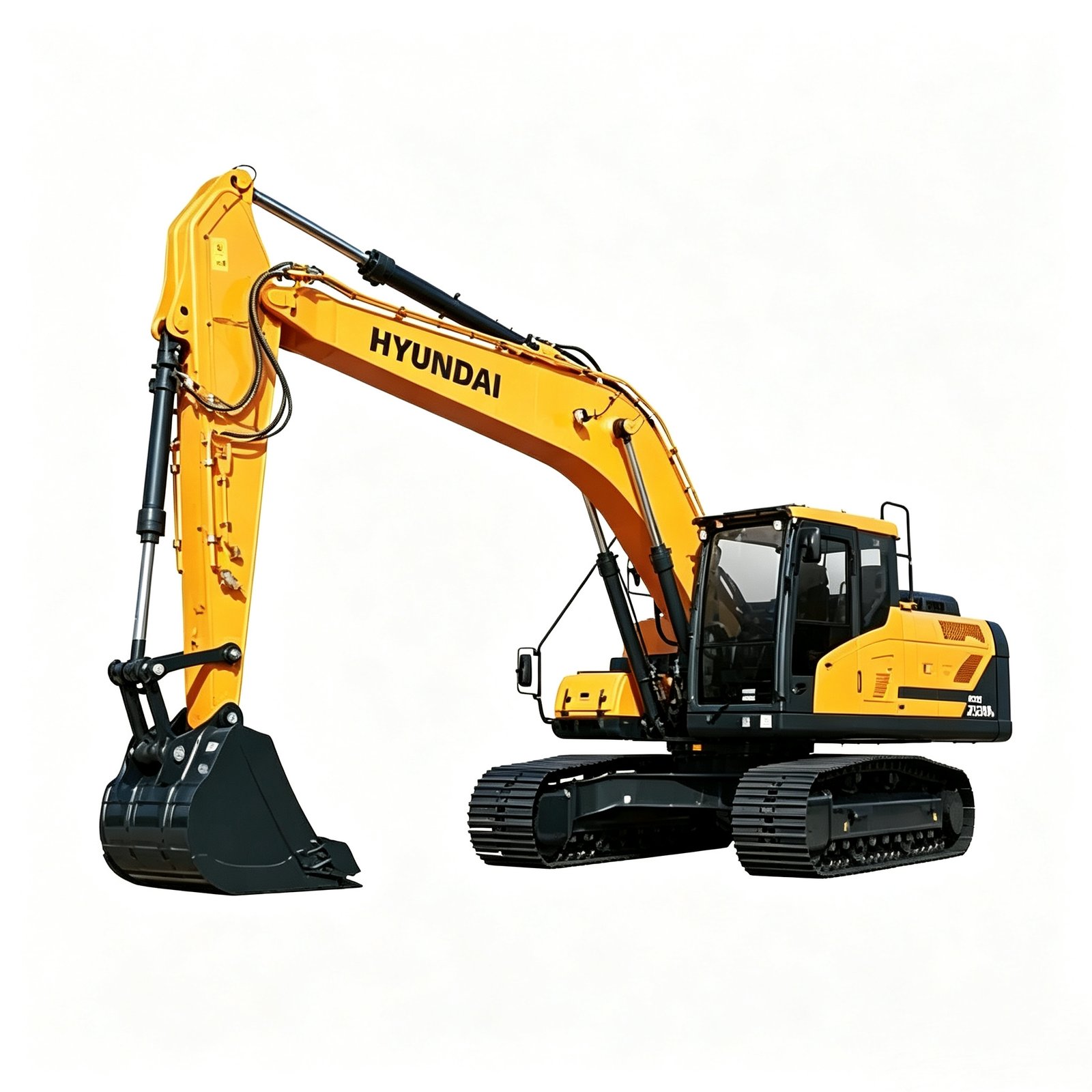
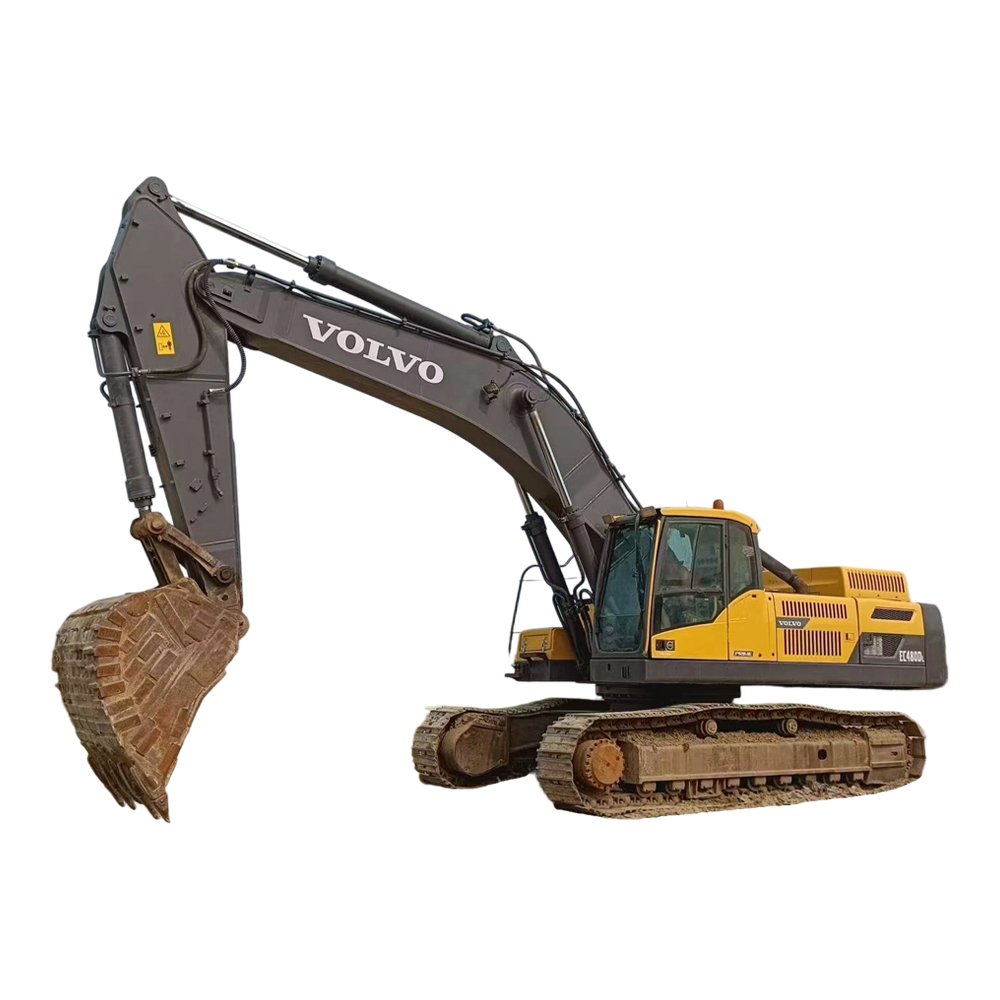
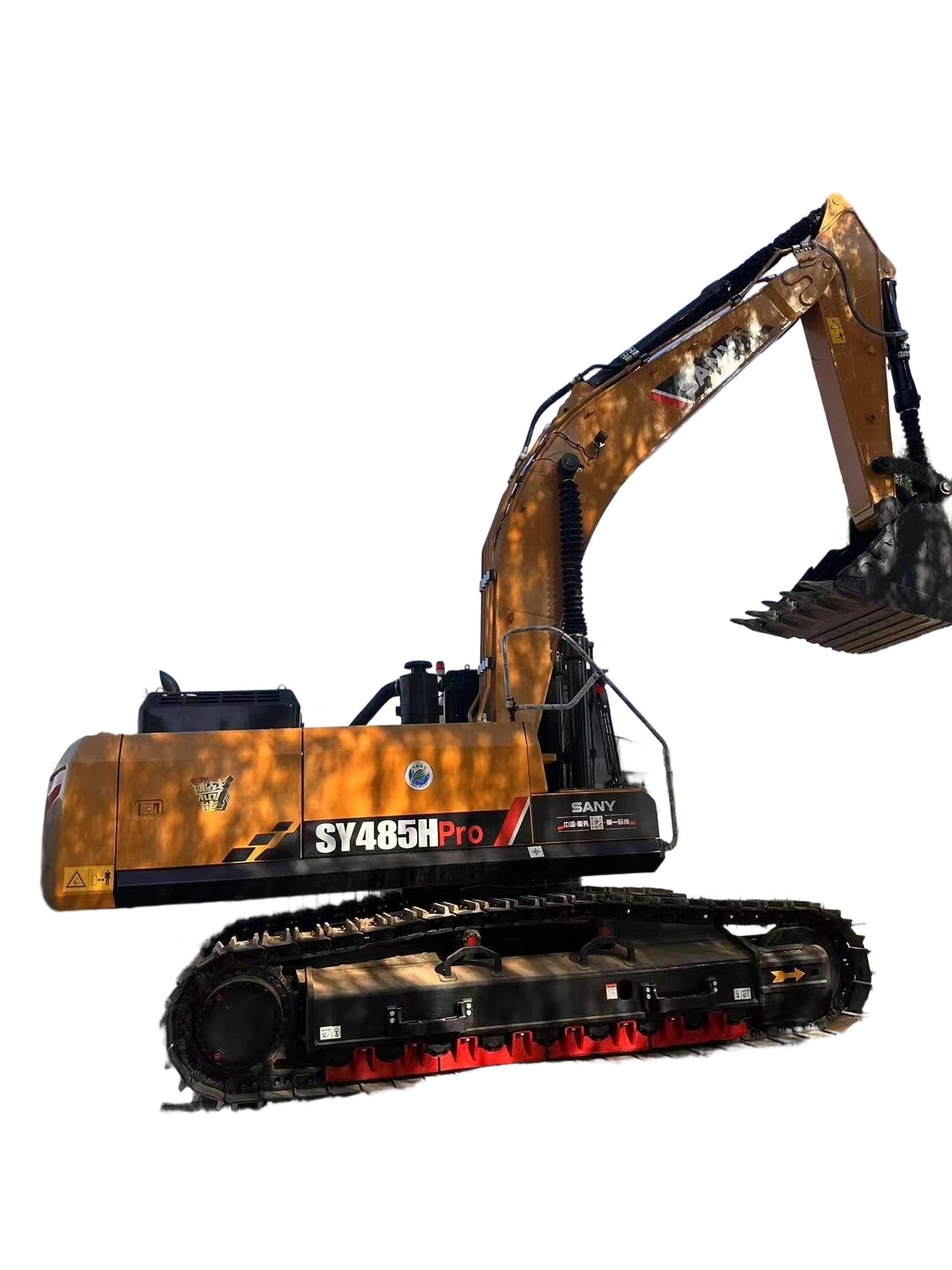
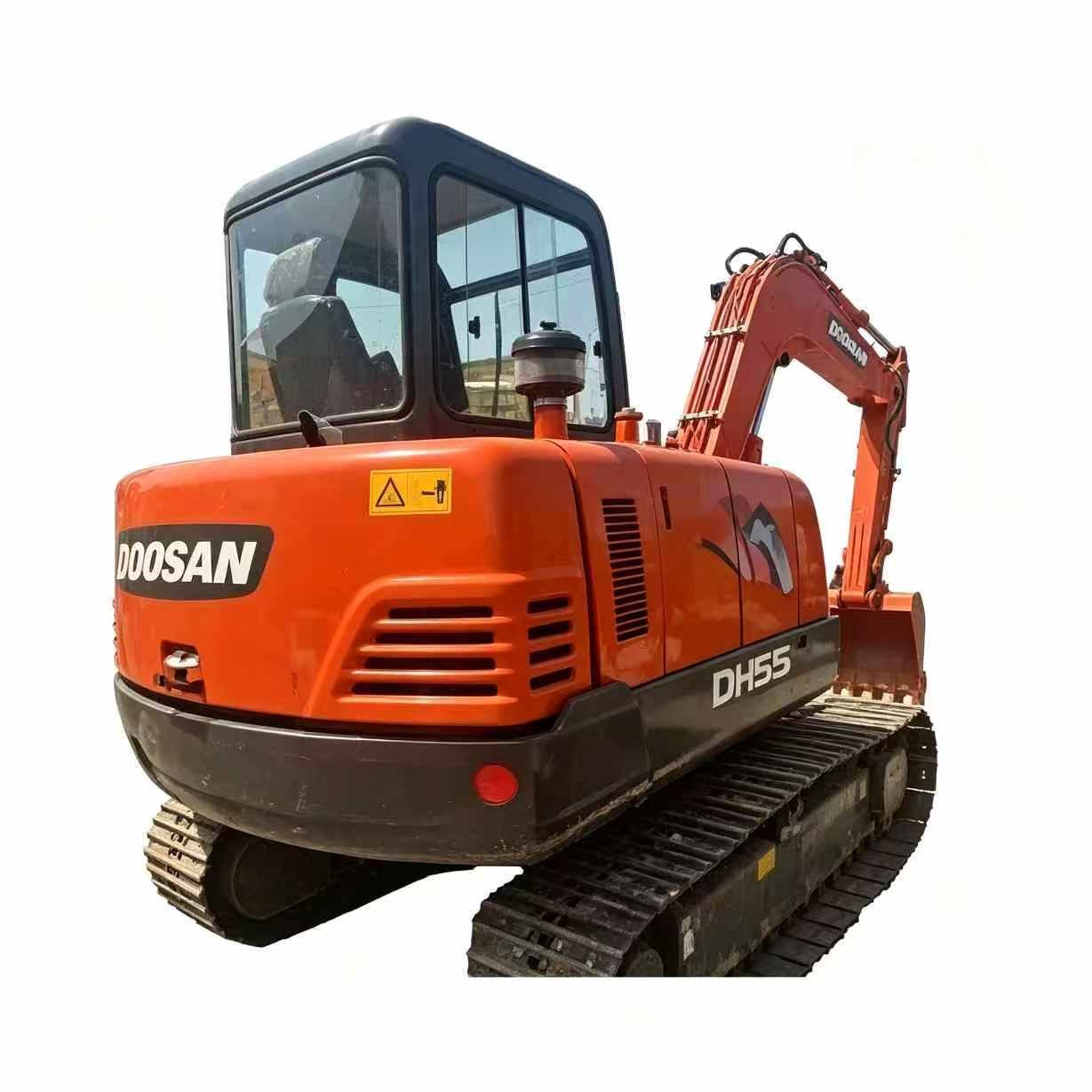
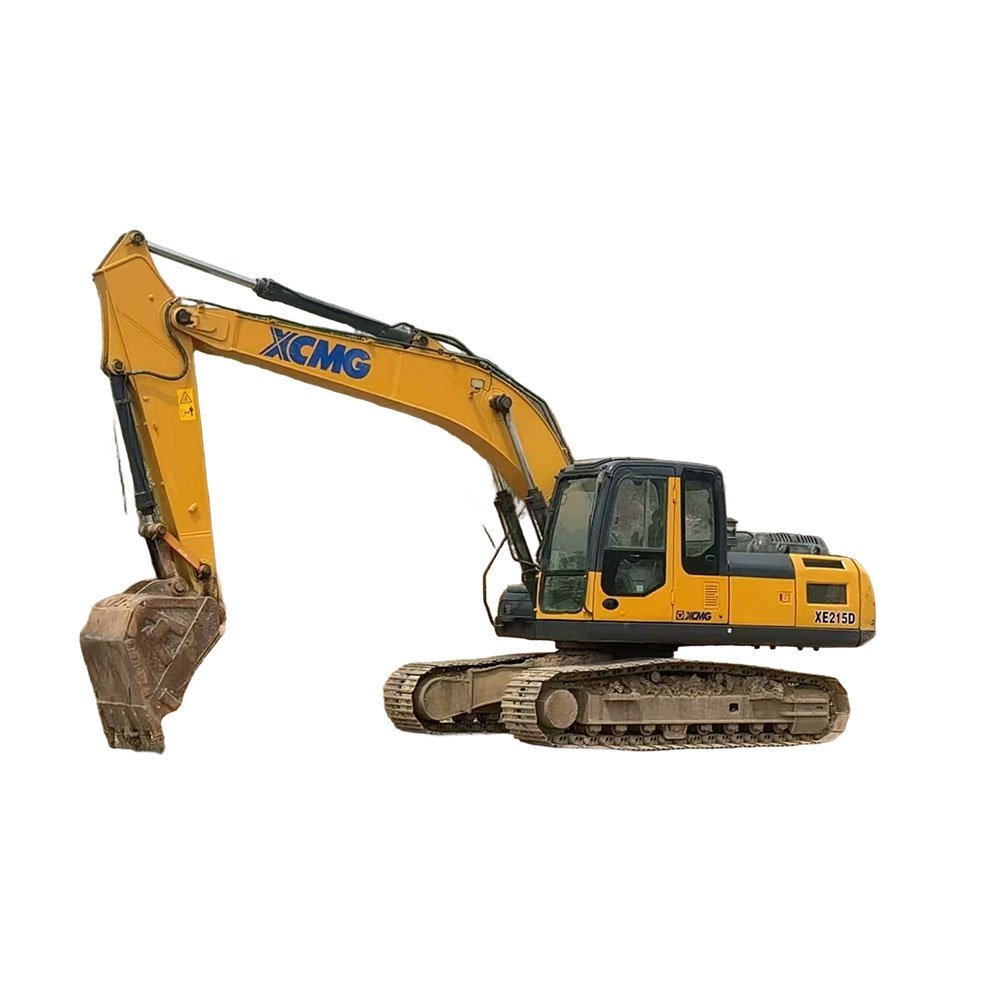
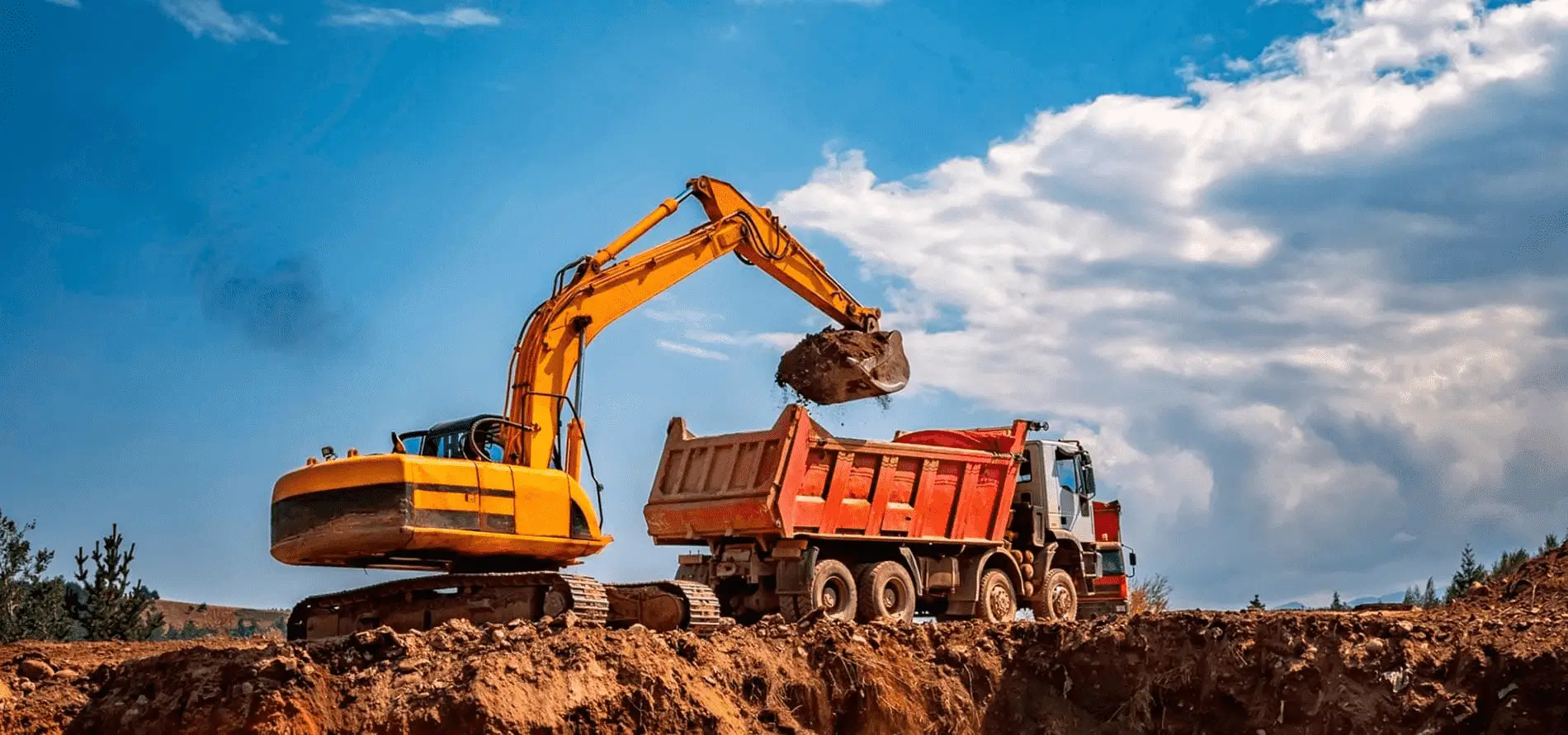
An old excavator can provide a practical way to expand equipment capacity without requiring the same level of investment as acquiring brand-new machinery. When selected carefully, a used excavator can handle many common construction tasks, including digging foundations, trenching, site preparation, drainage work, landscaping, material handling, and road maintenance.
The key is not simply to find the lowest purchase price. A profitable equipment decision should consider working requirements, machine condition, operating hours, maintenance history, attachments, transportation costs, and expected workload. By evaluating these factors together, contractors can choose equipment that supports actual business needs.
Match Excavator Size With Your Real Projects
One of the first decisions when purchasing an old excavator is selecting the right machine size. A machine that is too small may not provide sufficient digging depth or lifting capability, while a machine that is larger than necessary can make transportation and jobsite operation less convenient.
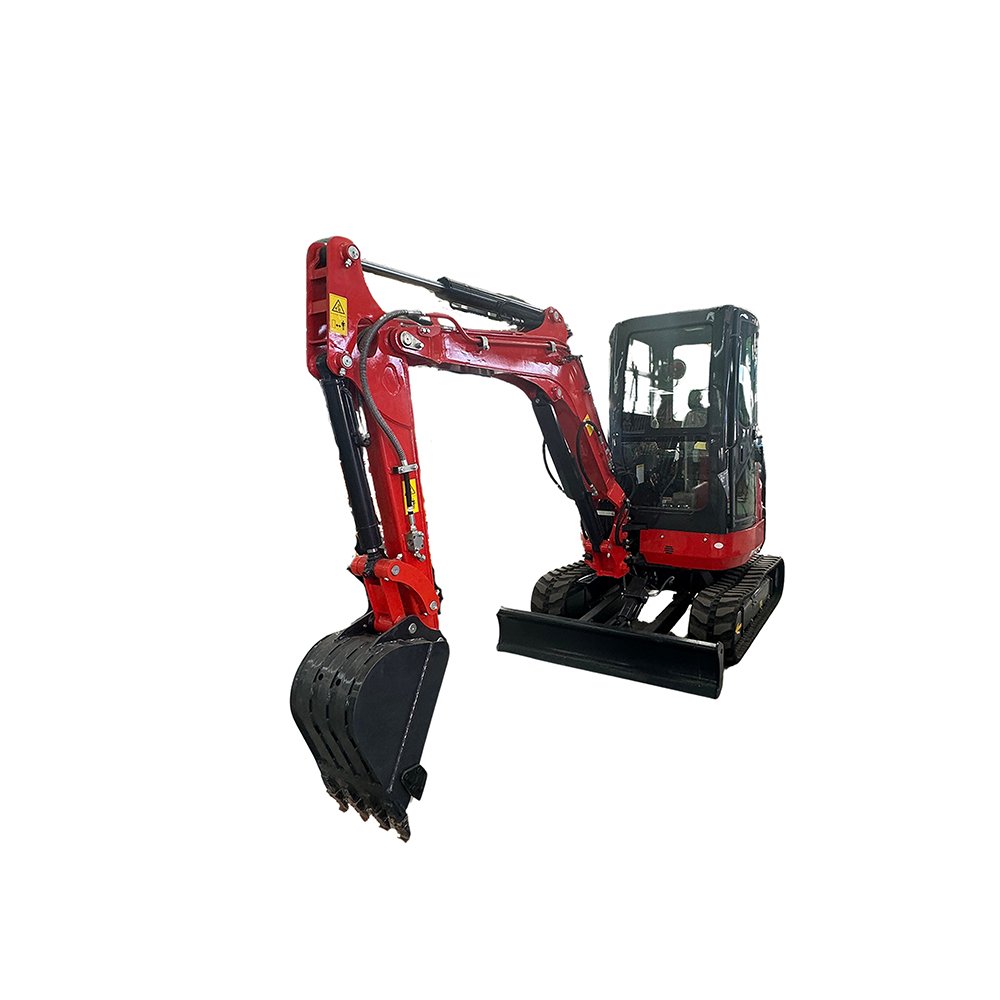
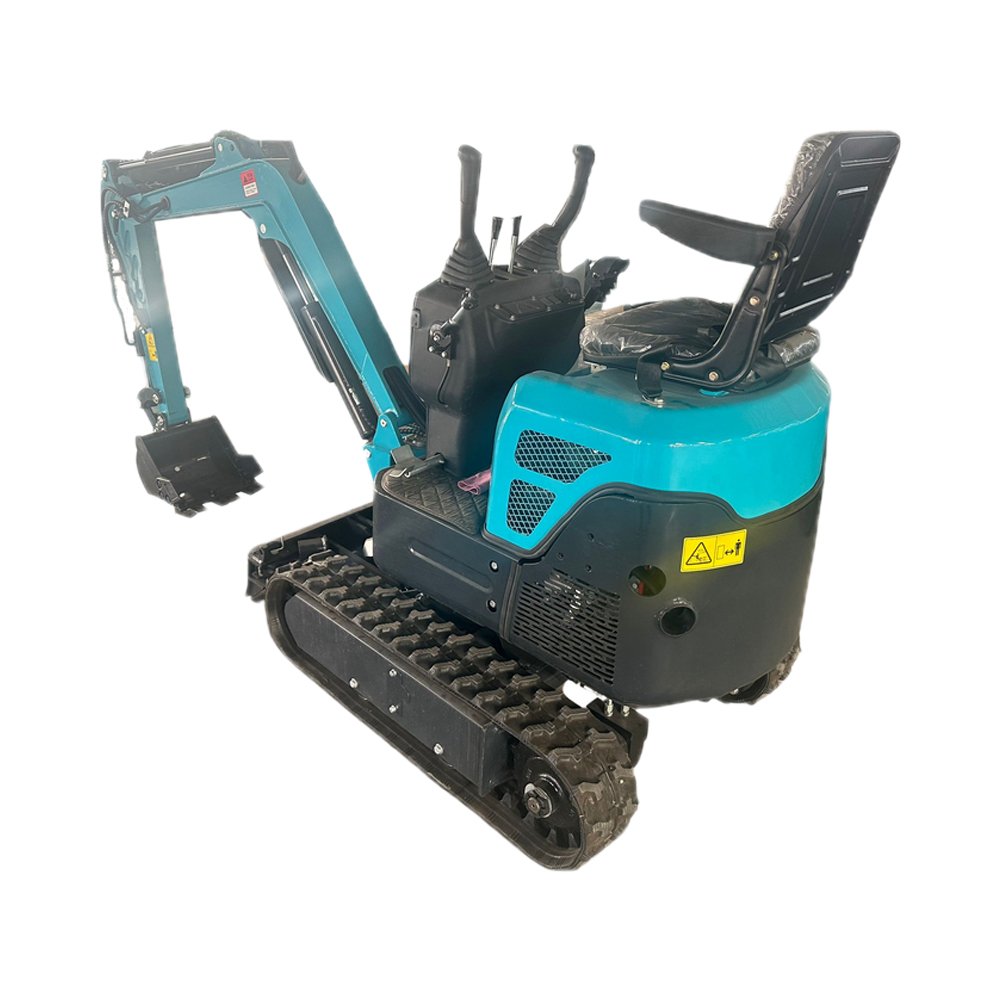
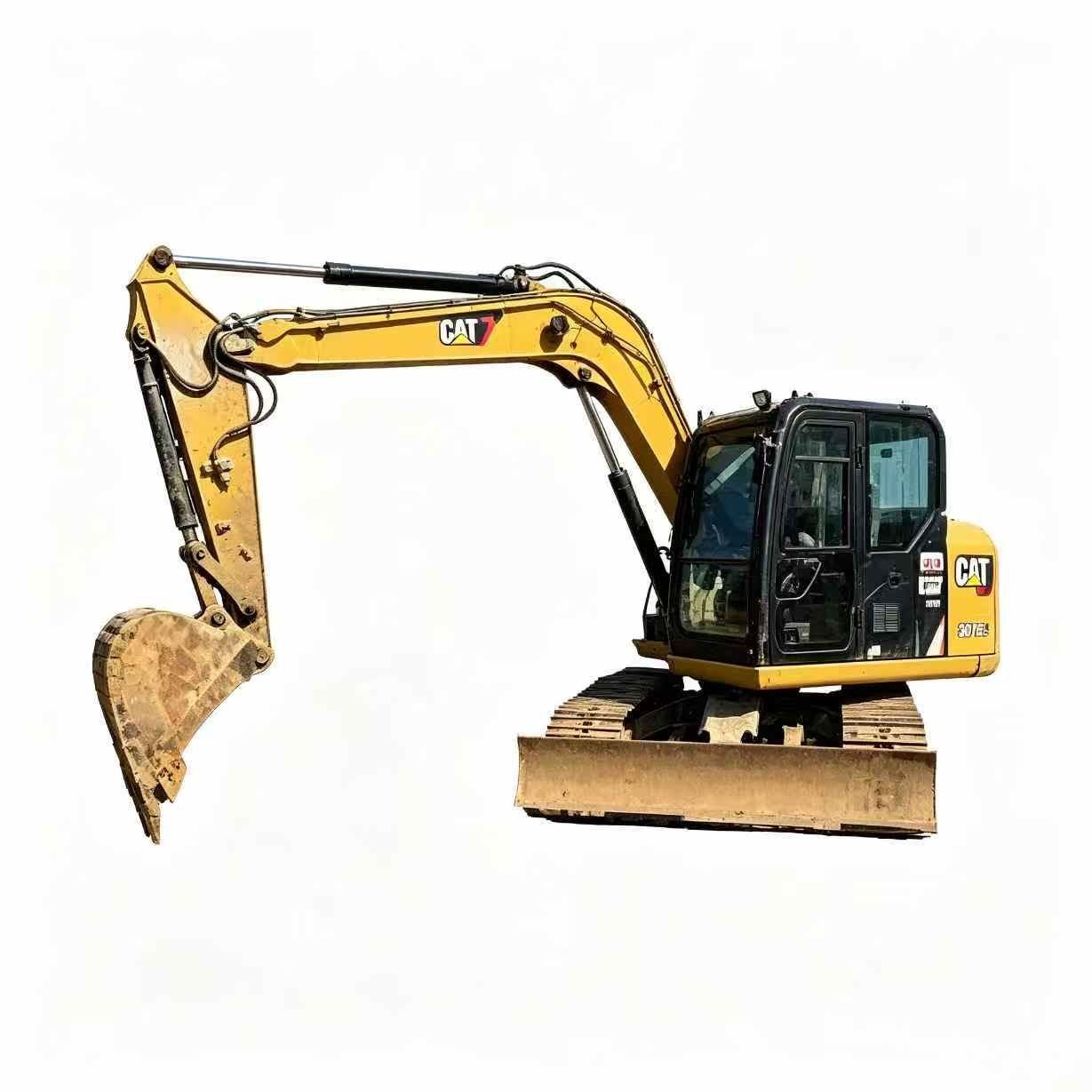
For residential construction and landscaping, compact or mid-sized excavators may provide the flexibility needed for confined spaces. They can be useful for trenching, foundation preparation, drainage installation, tree removal, and garden renovation.
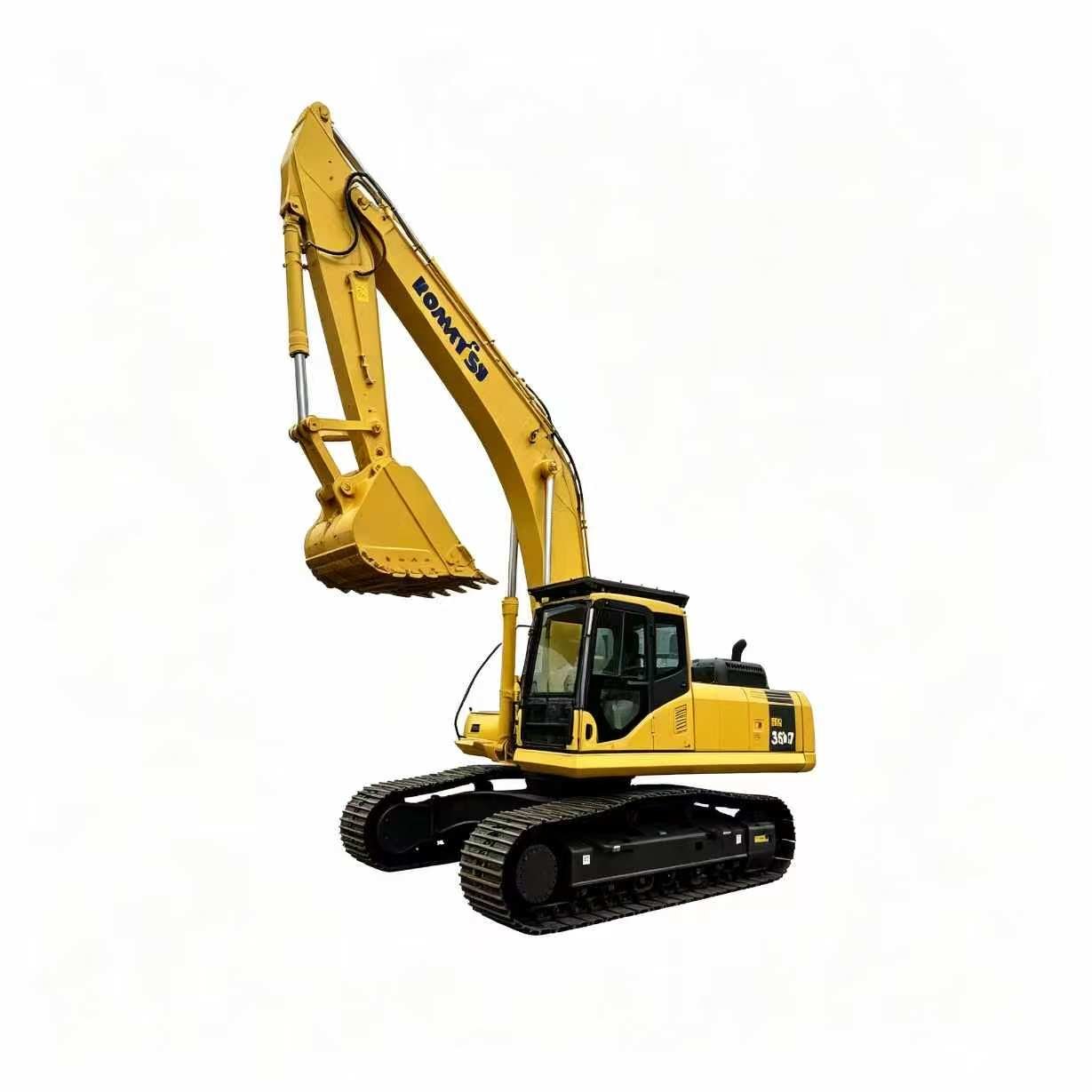
Larger construction projects may require greater digging depth, lifting capacity, and hydraulic performance. Contractors working on commercial developments, road projects, utilities, or large-scale earthmoving should evaluate the machine according to the specific requirements of their contracts.
Before purchasing, review the types of projects you complete most frequently. Choosing equipment based on actual workload rather than general specifications can help improve utilization and business returns.
Understand How an Excavator Can Generate More Revenue
An excavator becomes a valuable business asset when it can be used consistently across profitable projects. Instead of viewing the machine simply as equipment, contractors should consider how it can increase the services they offer.
For example, a landscaping company with its own excavator can take on drainage installation, grading, pond construction, land clearing, and larger garden projects. A general contractor can use the machine for foundation excavation and utility trenching instead of relying entirely on external equipment services.
Owning an excavator can also make scheduling more flexible. When equipment is available within the company, project managers can coordinate work according to their own schedules and reduce dependence on external availability.
The more effectively an excavator is utilized, the greater its potential contribution to project profitability.
Check the Machine Before Making a Purchase
When selecting an old excavator, inspection should be one of the most important steps in the buying process. A machine may look attractive externally while requiring closer evaluation of its major working systems.
Start with the engine and hydraulic system. Check for unusual noises, leaks, unstable operation, or signs of excessive wear. The hydraulic system is particularly important because excavator productivity depends heavily on hydraulic performance.
Inspect the boom, arm, bucket, pins, bushings, tracks, and undercarriage. These components experience significant working loads, so their condition can provide useful information about how the machine has been used and maintained.
The cab and control system should also be checked. Operators spend long hours inside the machine, so comfortable controls, good visibility, and functional instrumentation can contribute to better productivity.
A professional inspection can provide additional confidence before completing the purchase.
Maintenance History Matters More Than Appearance
A clean-looking excavator may attract attention, but maintenance records can provide much more useful information about the machine’s working history.
Ask for available service records, repair documentation, replacement information, and previous operating details. Regular maintenance can help indicate whether the machine received appropriate care throughout its working life.
Important maintenance areas include engine servicing, hydraulic fluid management, filter replacement, track maintenance, lubrication, and inspection of high-wear components.
For businesses purchasing equipment for long-term use, understanding its maintenance background helps create a more realistic ownership plan. It also makes it easier to estimate future service requirements and operating costs.

Consider Attachments Before Choosing Your Excavator
An excavator becomes significantly more useful when equipped with attachments that match the jobs a contractor performs.
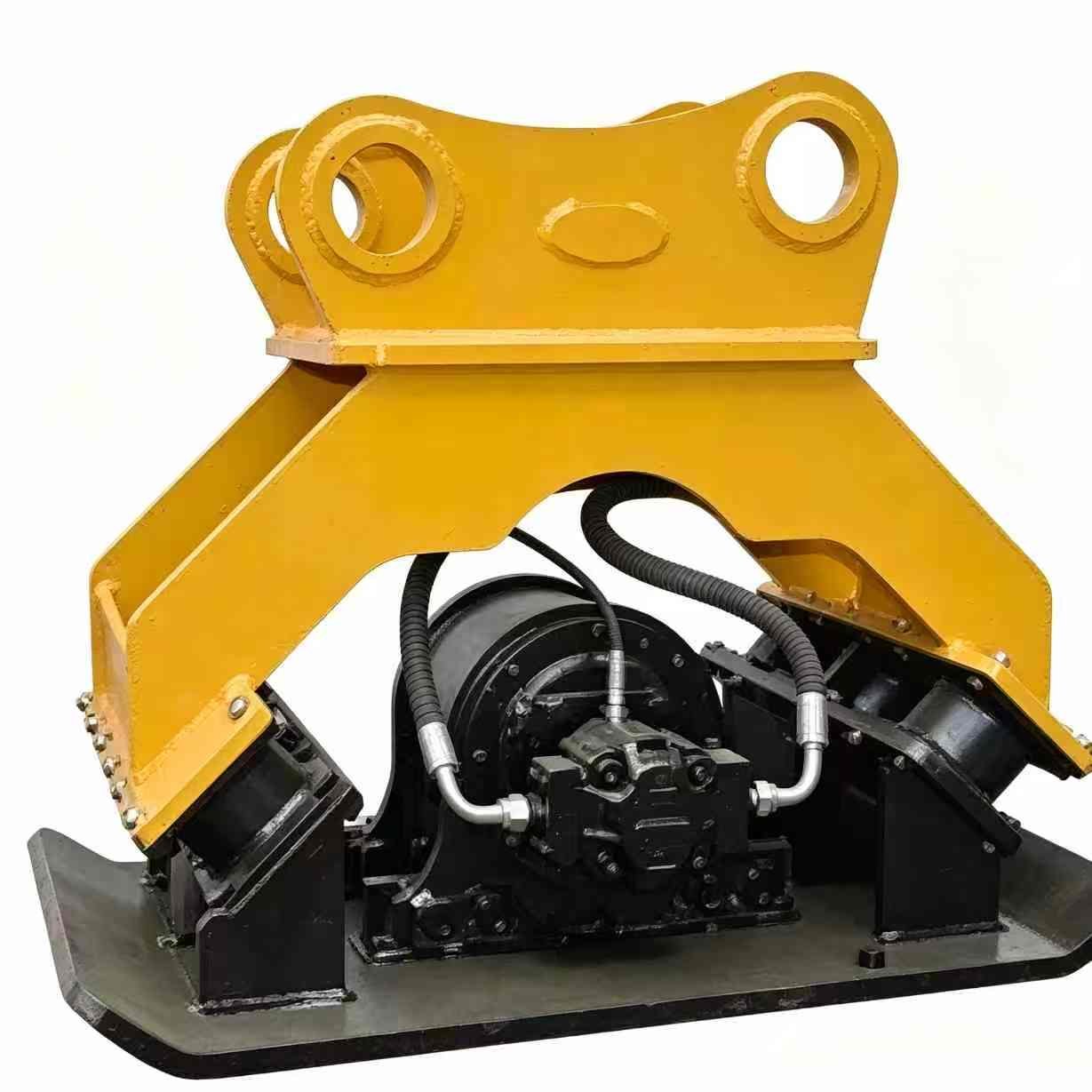
A standard bucket may be suitable for general excavation, while different bucket configurations can support trenching, grading, or material handling. Other compatible attachments may expand the machine’s usefulness for specialized construction applications.
For contractors, attachment compatibility should therefore be part of the purchasing decision. A machine with suitable hydraulic capability and attachment options may be able to serve multiple types of projects.
Instead of buying equipment first and considering attachments later, determine which services generate the most revenue for your business and select the excavator configuration accordingly.
Calculate Total Ownership Value
Purchase price is only one part of an excavator investment. Contractors should also consider transportation, routine maintenance, fuel consumption, attachments, operator requirements, insurance, storage, and expected service expenses.
A useful approach is to estimate the expected annual working hours and compare the total ownership cost with the revenue the machine can help generate.
For example, if an excavator can be used regularly for excavation, landscaping, utility work, and site preparation, its value may extend across multiple revenue streams. This can make the equipment more productive than a machine used for only one type of project.
The objective is to find an excavator that delivers strong practical value over its expected working life rather than focusing only on the initial purchase price.
Choose a Reliable Source for Used Excavators
Where you purchase an old excavator can influence the overall buying experience. A professional equipment supplier can help buyers understand machine specifications, application suitability, condition, and available options.
For contractors looking for used construction equipment, THBSMN can be a useful source for exploring old and used excavator options. Working with an experienced supplier can make it easier to compare machines according to project requirements and identify equipment suitable for specific applications.
Before purchasing, buyers should clearly communicate their intended work, preferred machine size, required attachments, operating environment, and budget. Providing detailed requirements allows the supplier to recommend more appropriate options.
Plan for Productivity After the Purchase
Buying an excavator is only the beginning. The way the machine is operated and maintained will have a direct impact on productivity and long-term value.
Operators should receive appropriate training and follow recommended operating procedures. Daily inspections can help identify potential maintenance needs before they interfere with scheduled projects.
Keeping maintenance records, monitoring operating hours, and servicing the machine according to its requirements can also help contractors manage equipment more effectively.
A simple maintenance routine can support more predictable project scheduling and help protect the investment over time.
Turn Equipment Into a Business Growth Tool
For construction companies and independent contractors, the right old excavator can become more than a machine. It can help expand service capabilities, improve scheduling flexibility, support more projects, and create additional revenue opportunities.
The best purchasing strategy is to start with the business rather than the equipment. Identify your most common projects, estimate your expected workload, determine the required machine size and attachments, inspect potential equipment carefully, and calculate the total ownership value.
With the right selection and proper maintenance, an old excavator can support excavation, landscaping, utilities, site preparation, and many other applications. For businesses seeking suitable used equipment, THBSMN can provide additional options to consider as part of the purchasing process.
Ultimately, the goal is simple: choose an excavator that fits your work, use it efficiently, maintain it properly, and turn its capabilities into measurable construction productivity and profit.