

Industry News
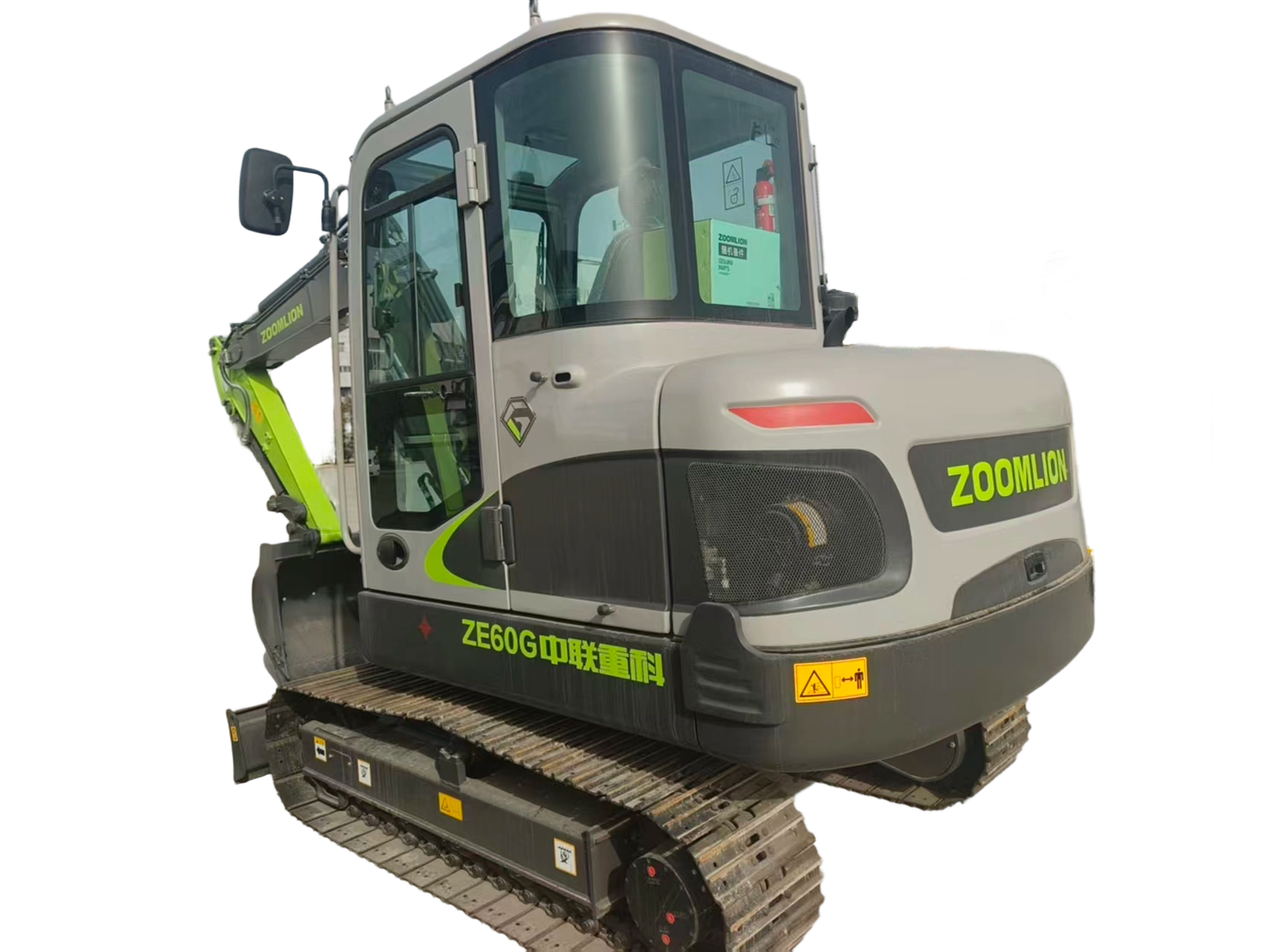
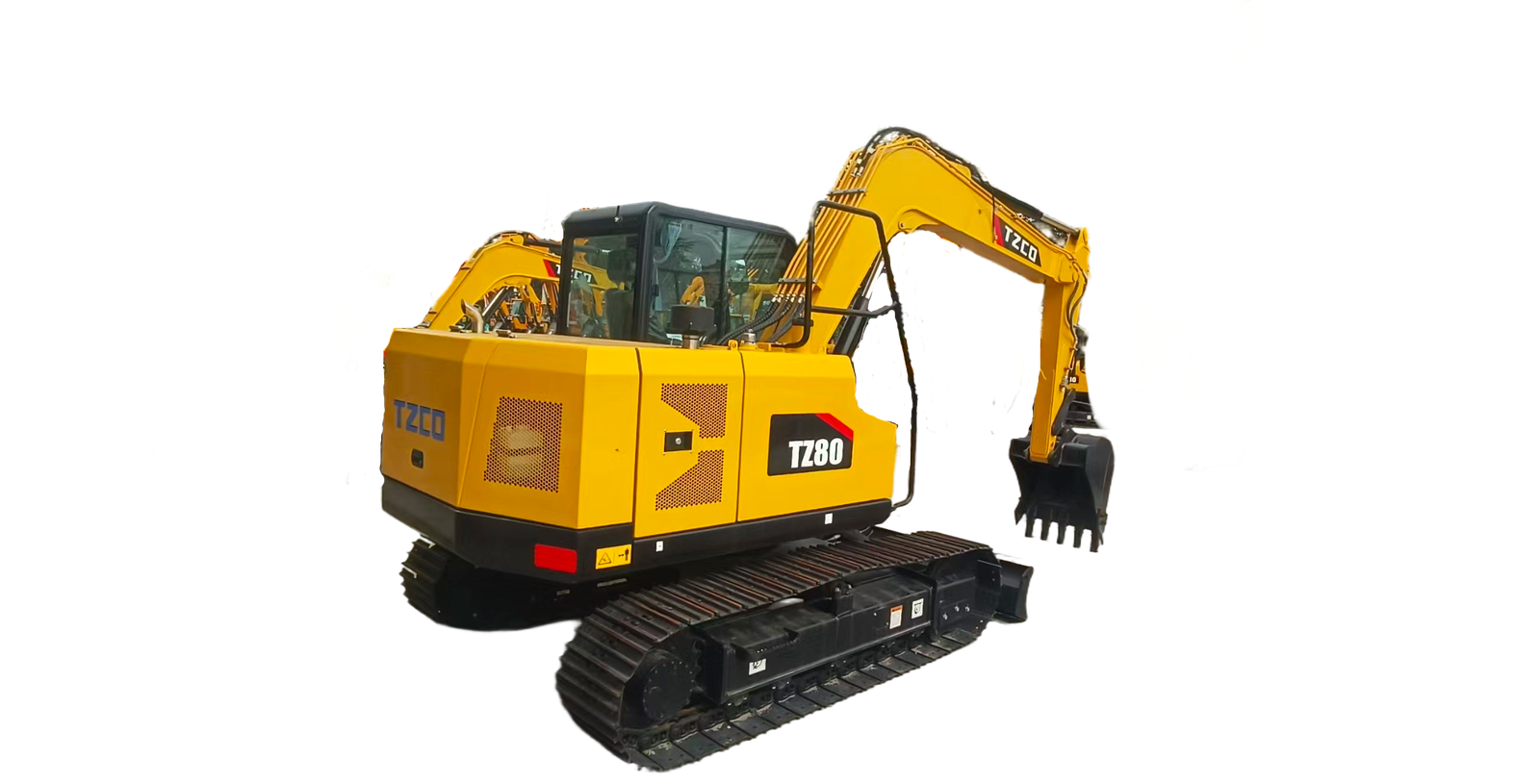
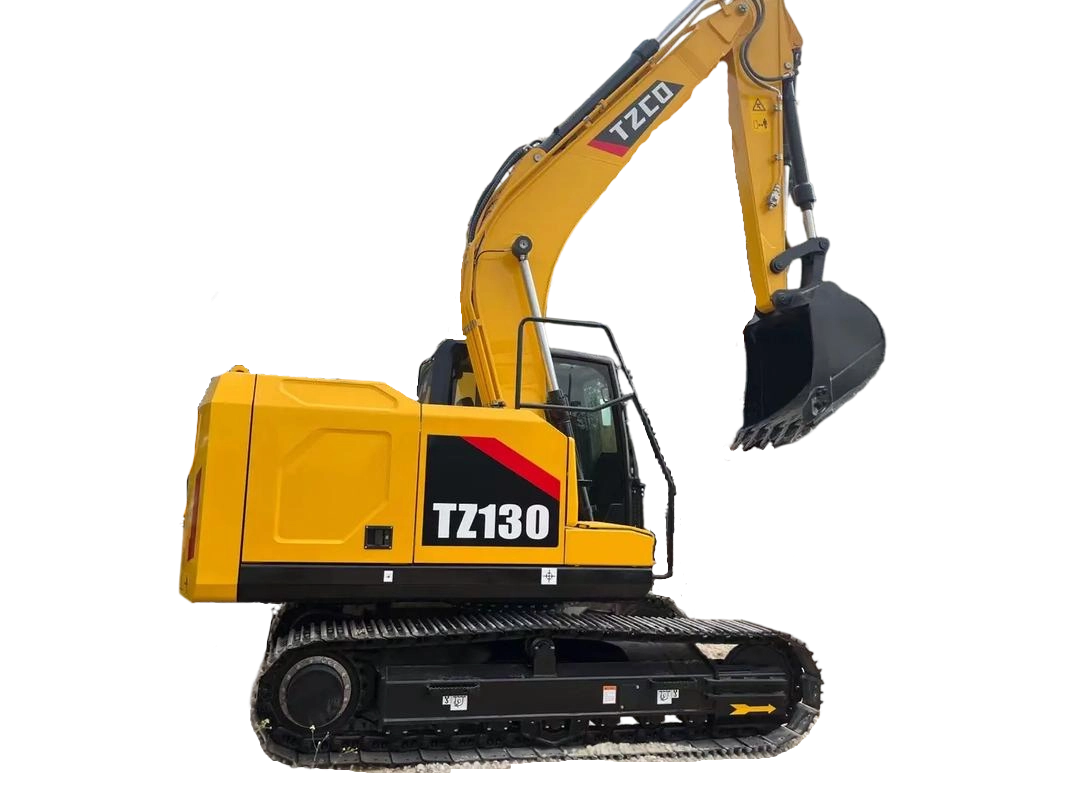
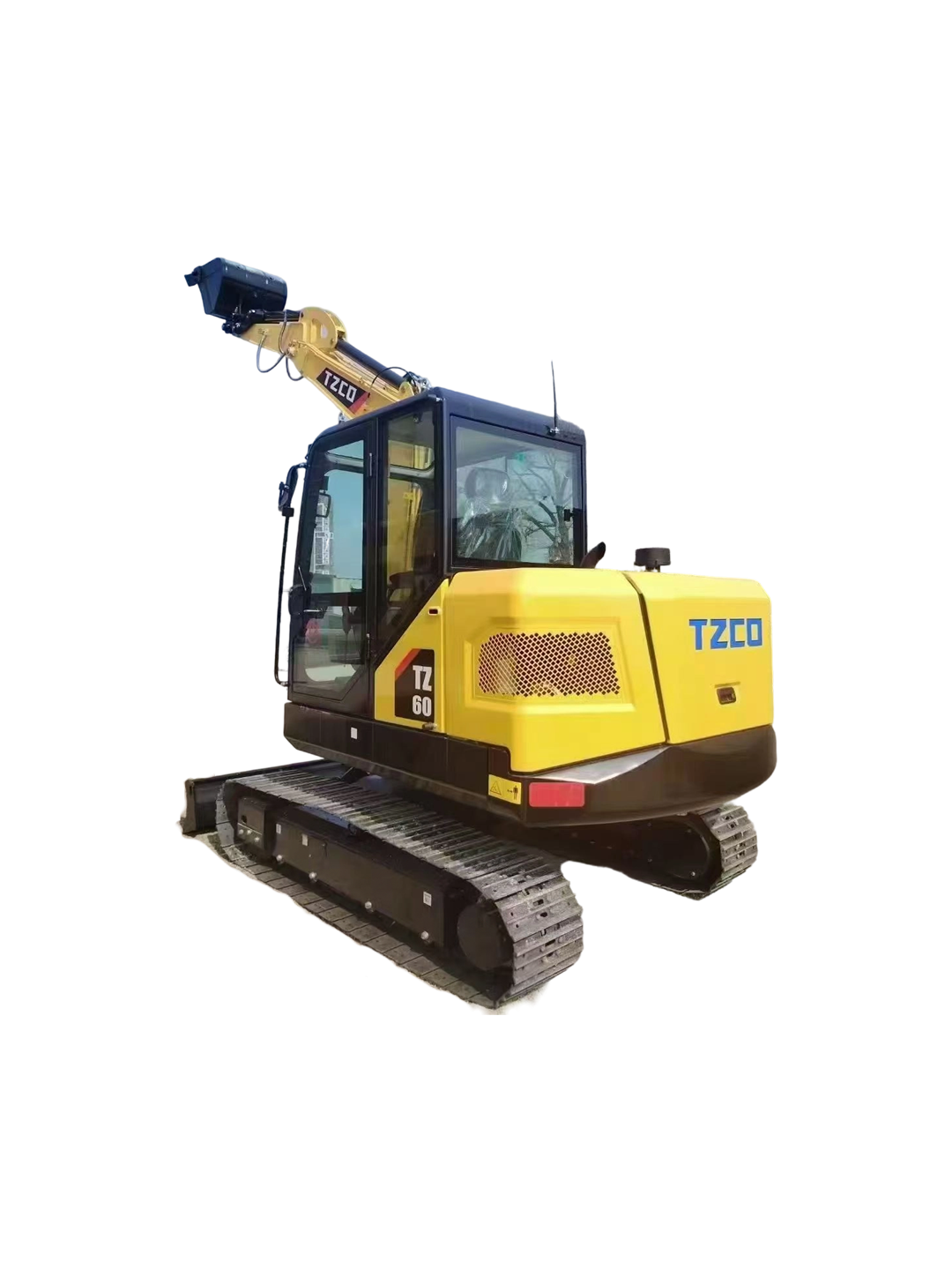
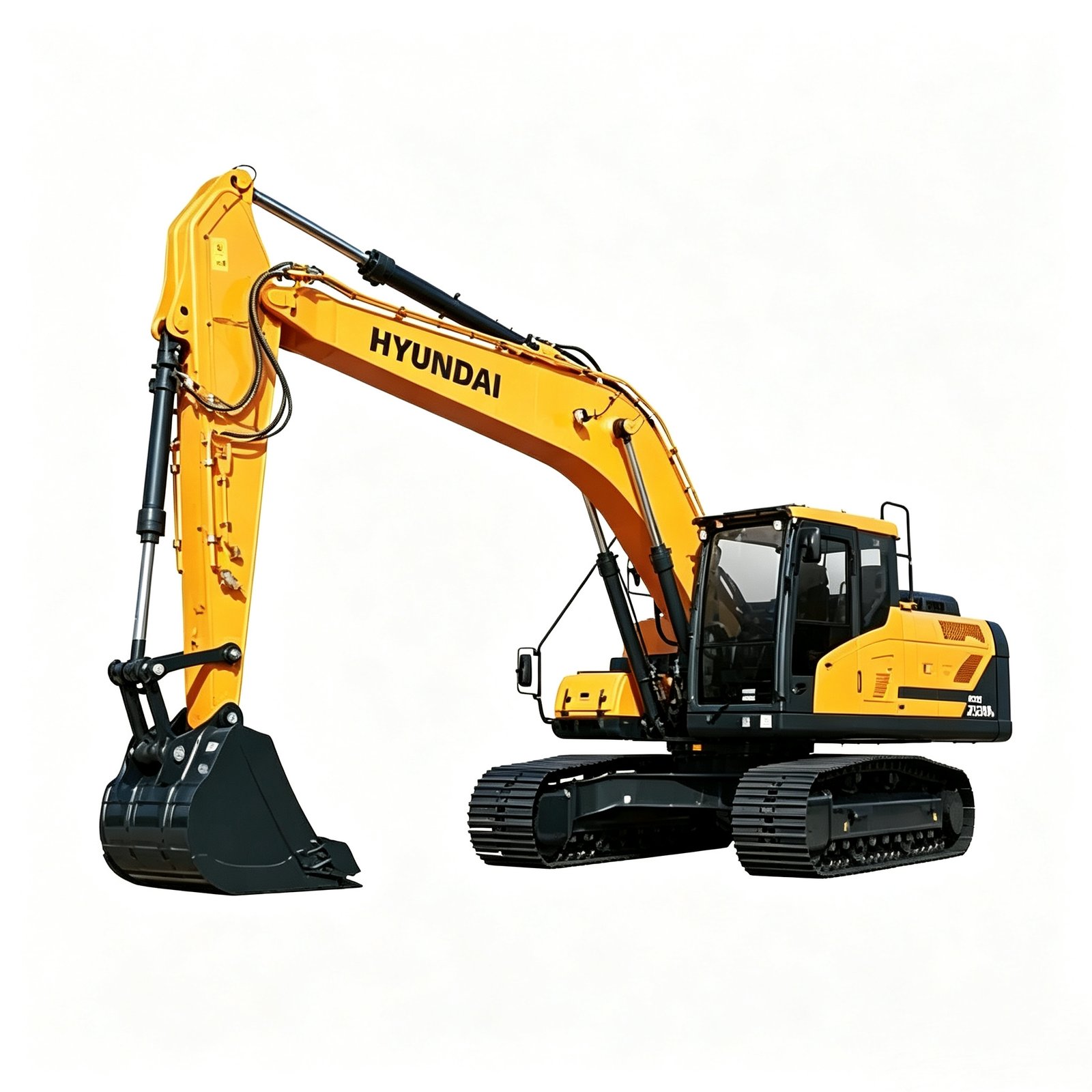
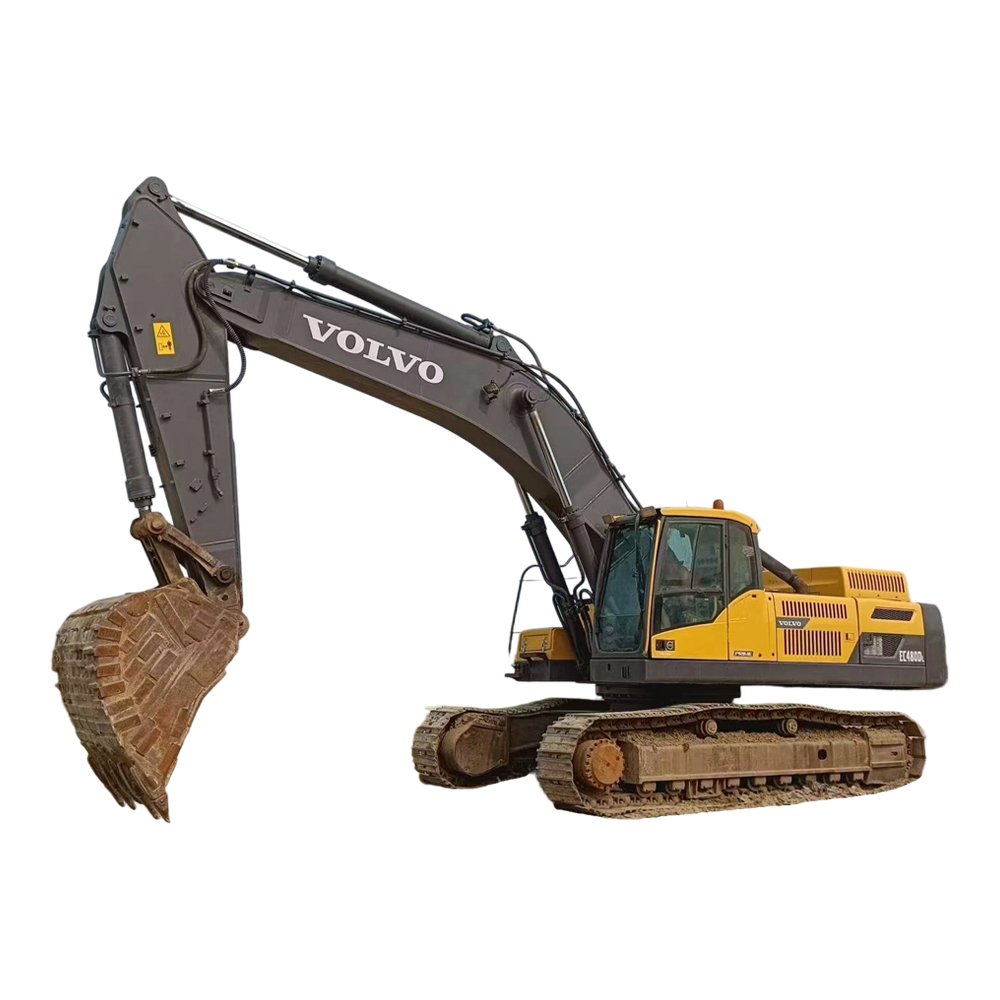
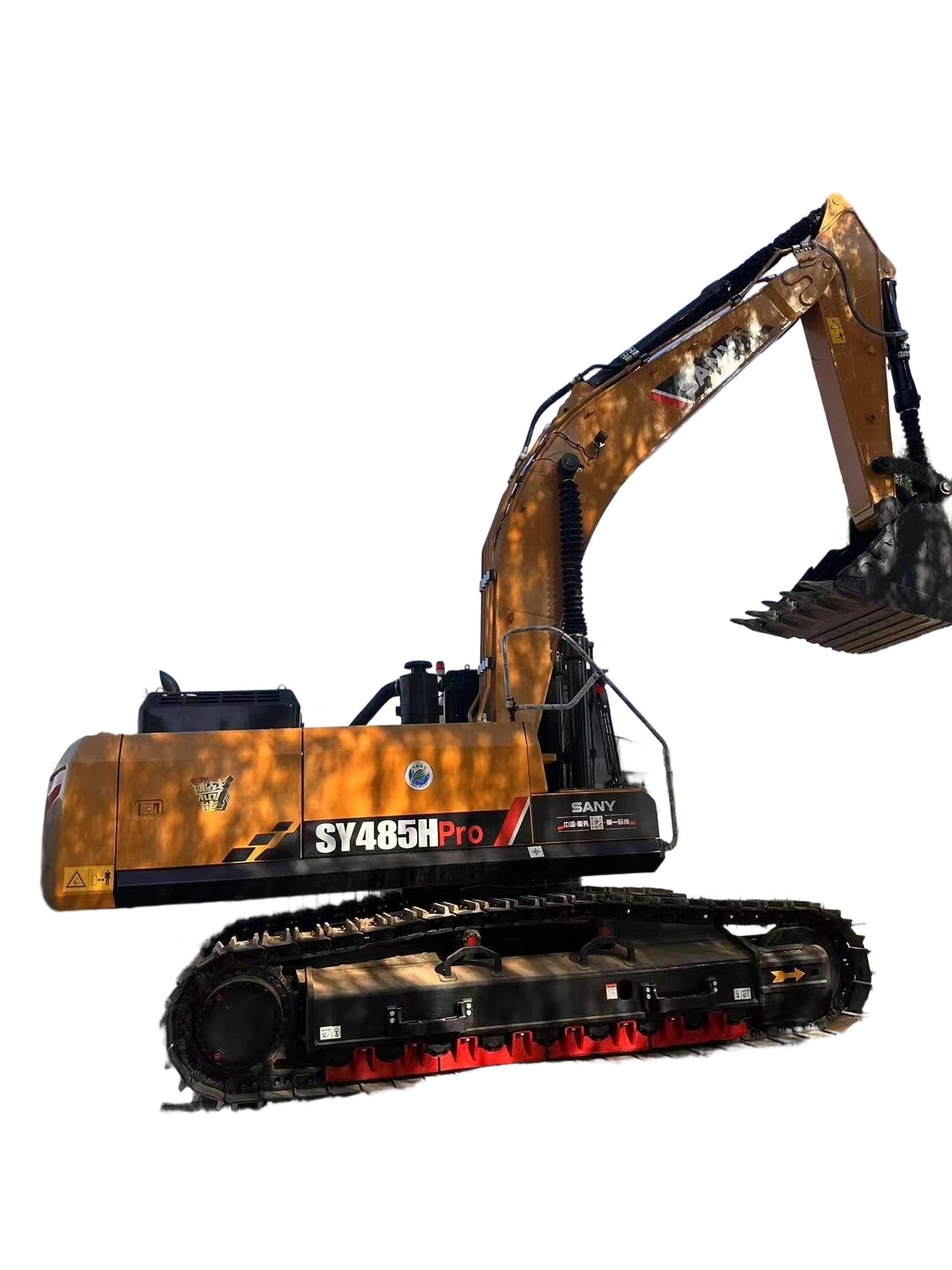
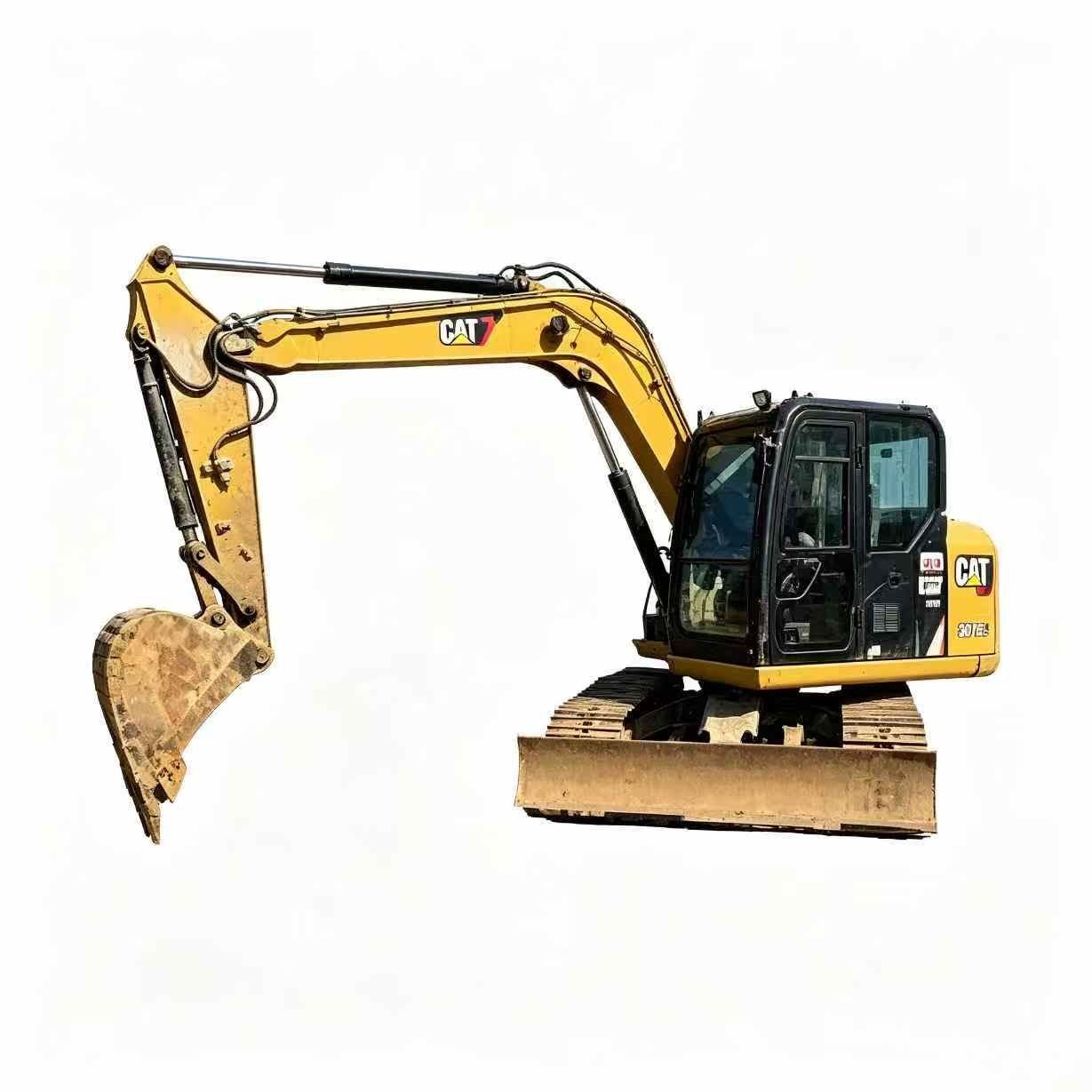
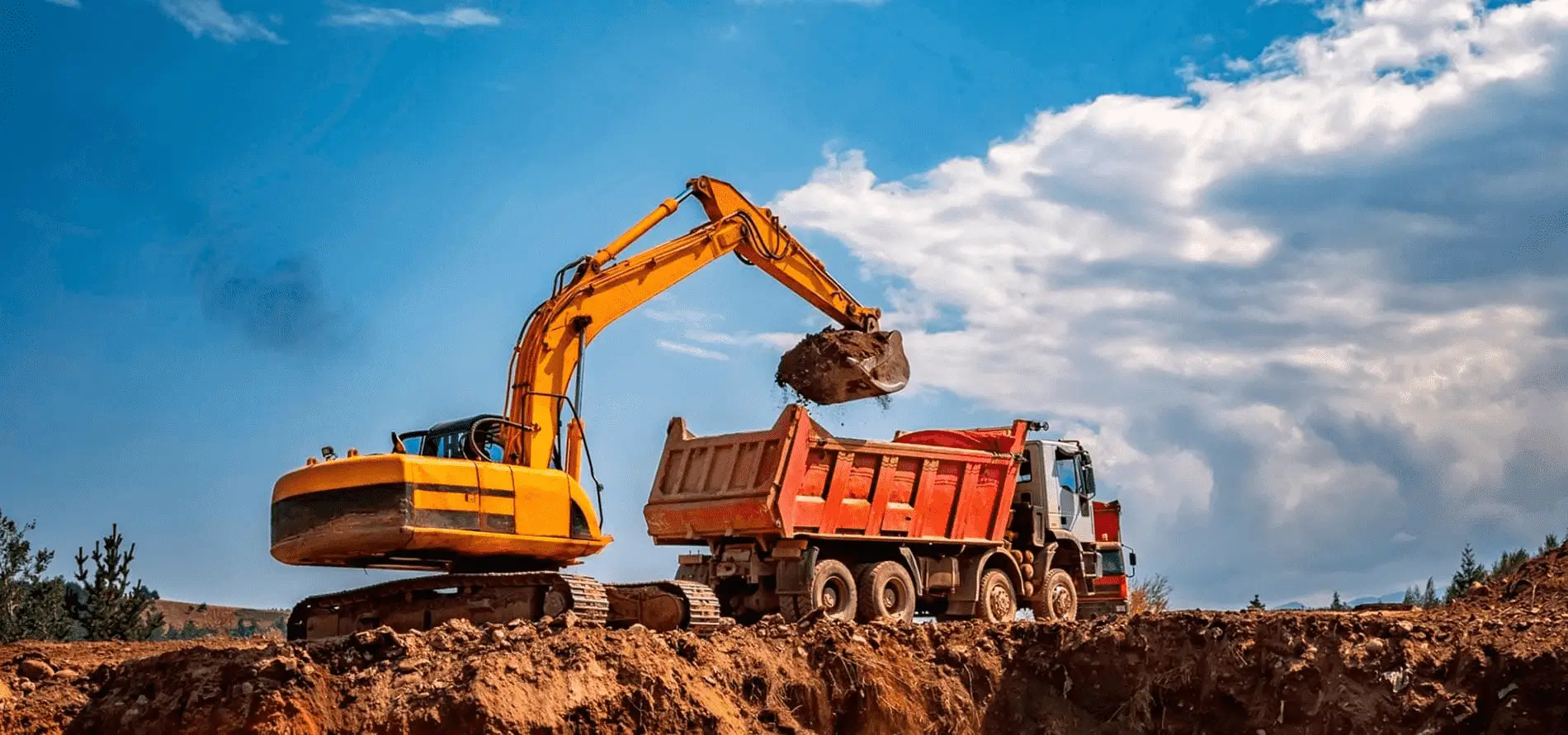
Low hour used excavator stable performance for construction and earthmoving works
Aug
For contractors, earthmoving companies, landscaping teams, agricultural operators, and property developers, choosing the right excavator directly affects project efficiency. A machine that can handle digging, loading, trenching, grading, and material handling gives operators greater flexibility across different job sites.
However, purchasing construction equipment is not simply about selecting the newest machine available. For many projects, a low hour used excavator can provide an attractive balance between operating capability, equipment condition, and purchasing budget.
Low operating hours generally indicate that the machine has completed fewer working hours than many other used units. When combined with proper maintenance records, suitable storage, and regular servicing, a low hour used excavator can become a practical solution for businesses that need dependable equipment without unnecessarily increasing their initial investment.
The key is to evaluate the machine based on its actual working condition and intended application rather than focusing only on the number displayed on the hour meter.
Match Excavator Size to the Actual Job
One of the first decisions buyers should make is determining what type and size of excavator the project actually requires.
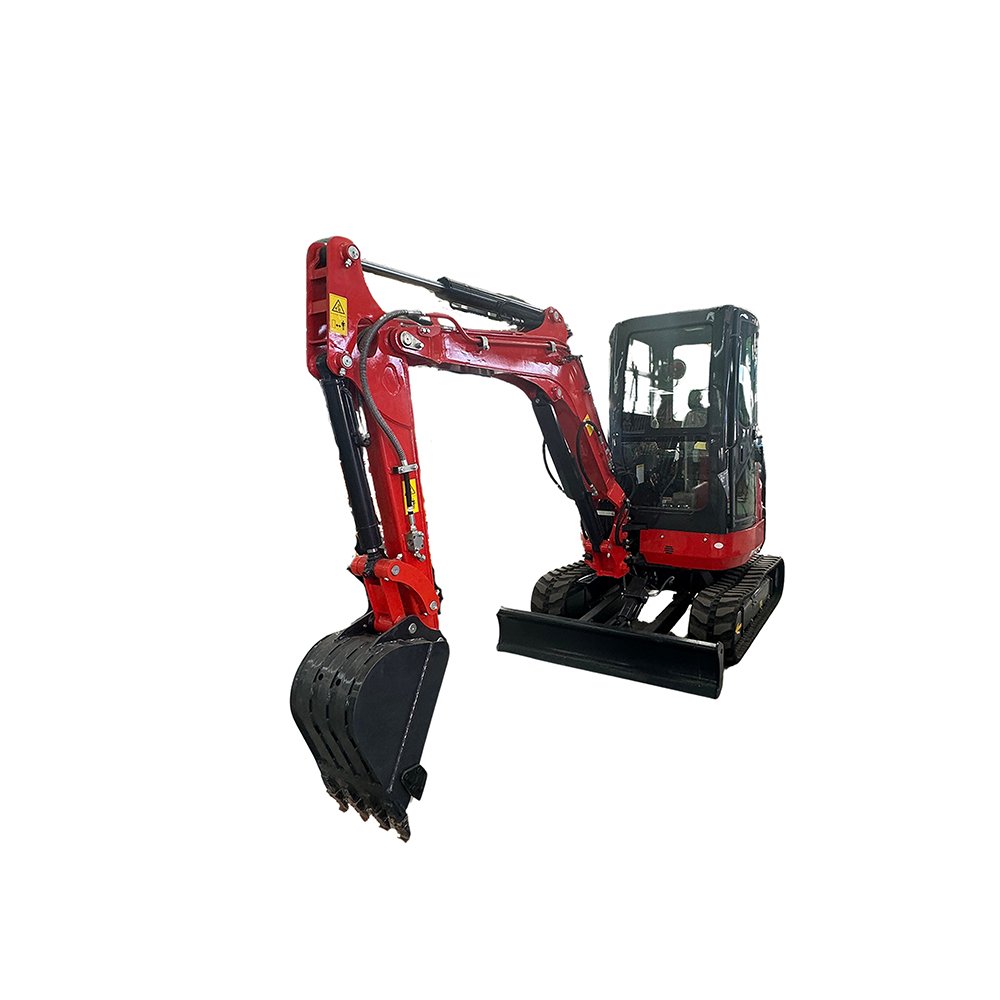
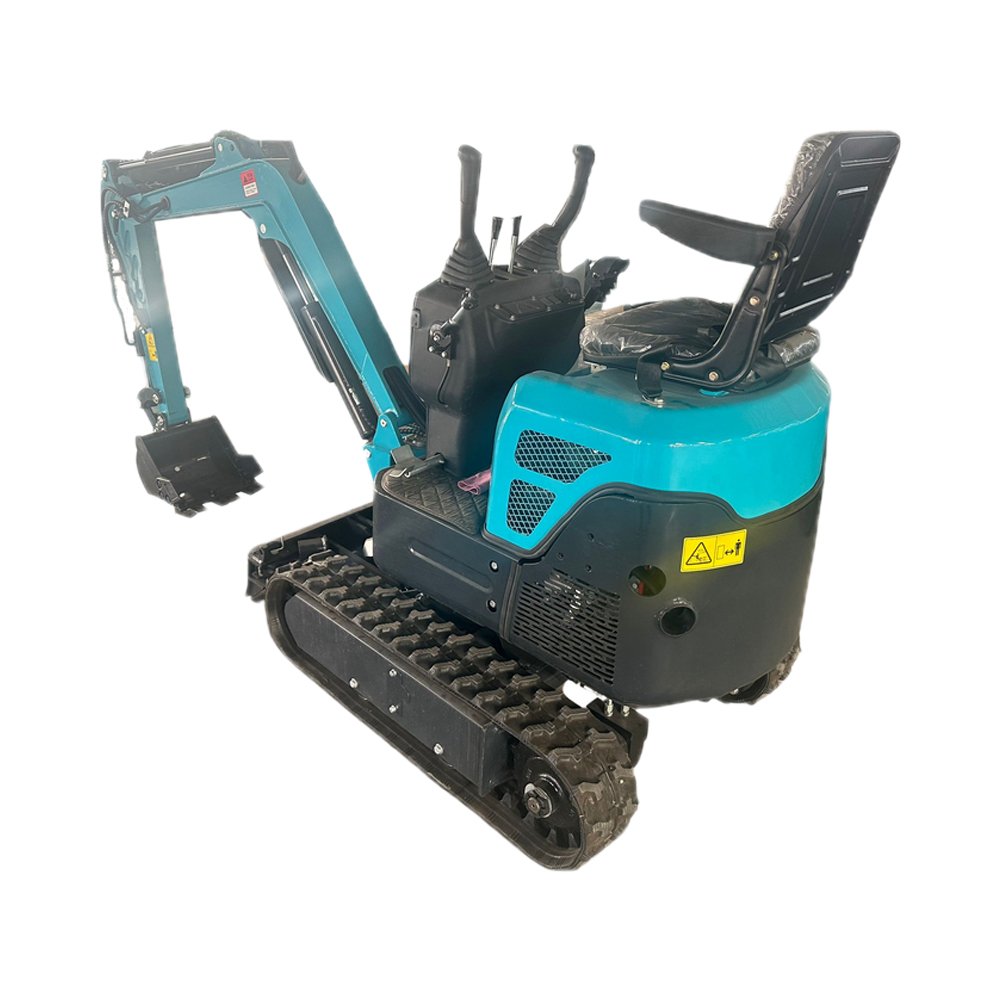
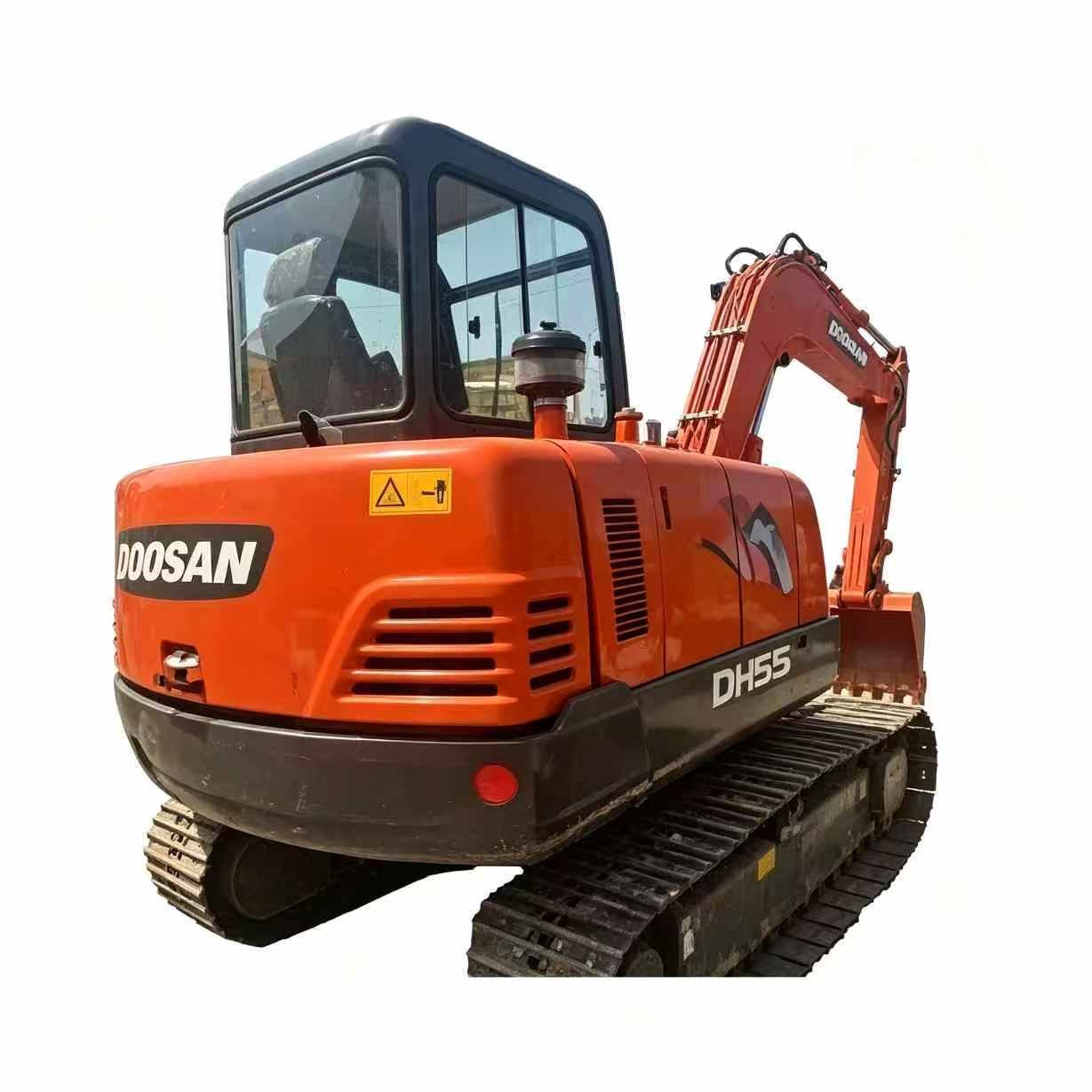
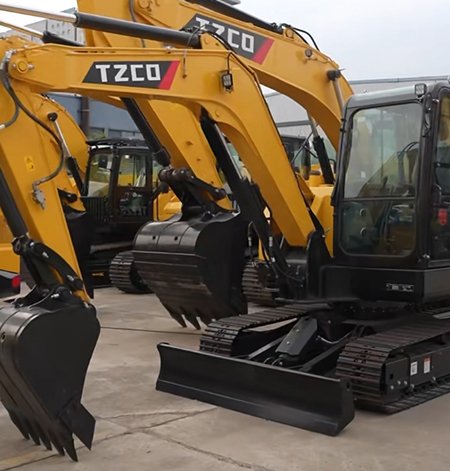
Compact excavators are useful for residential landscaping, drainage work, small foundation projects, utility installation, and jobs where access is limited. Their smaller footprint allows operators to work efficiently around buildings, gardens, driveways, and other restricted areas.
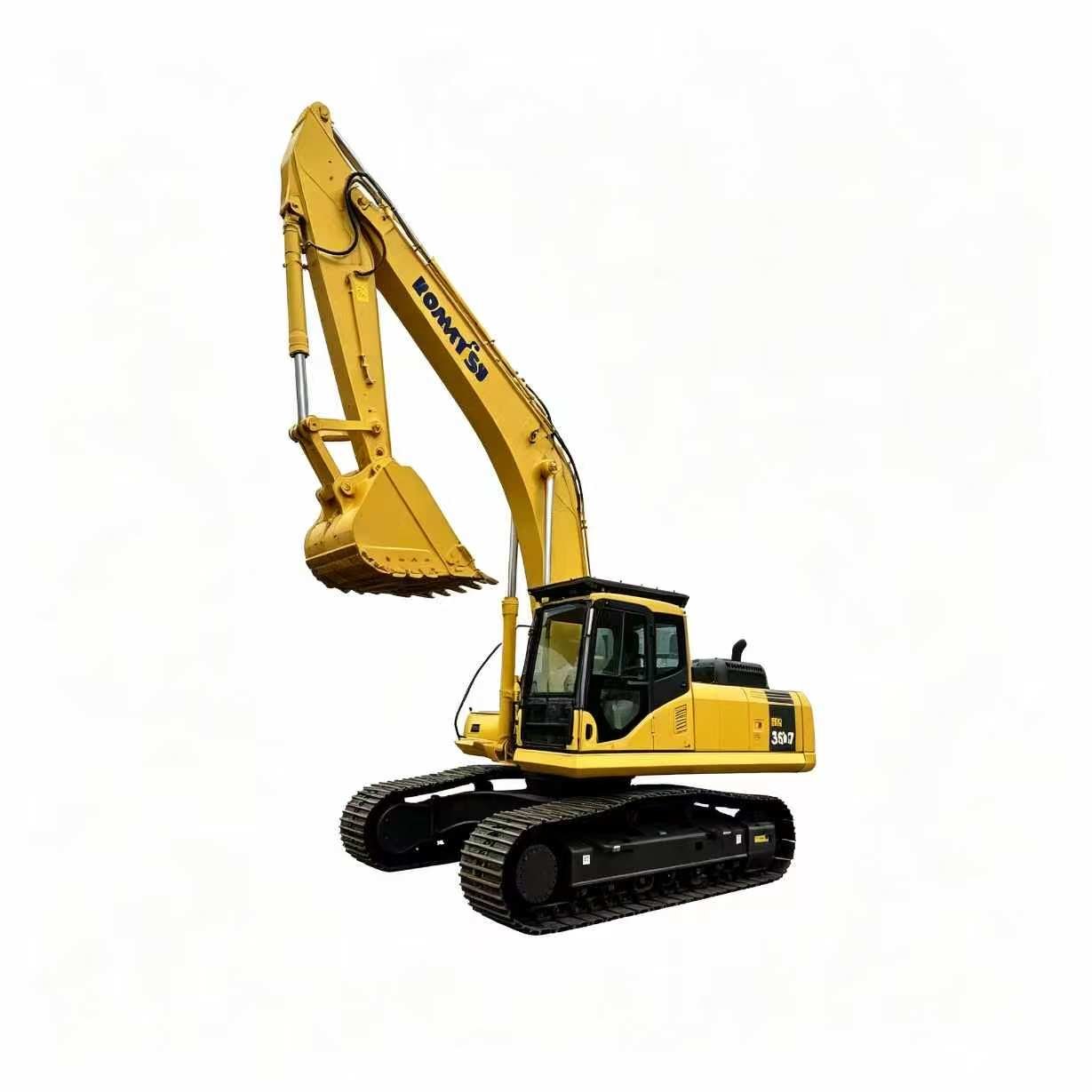
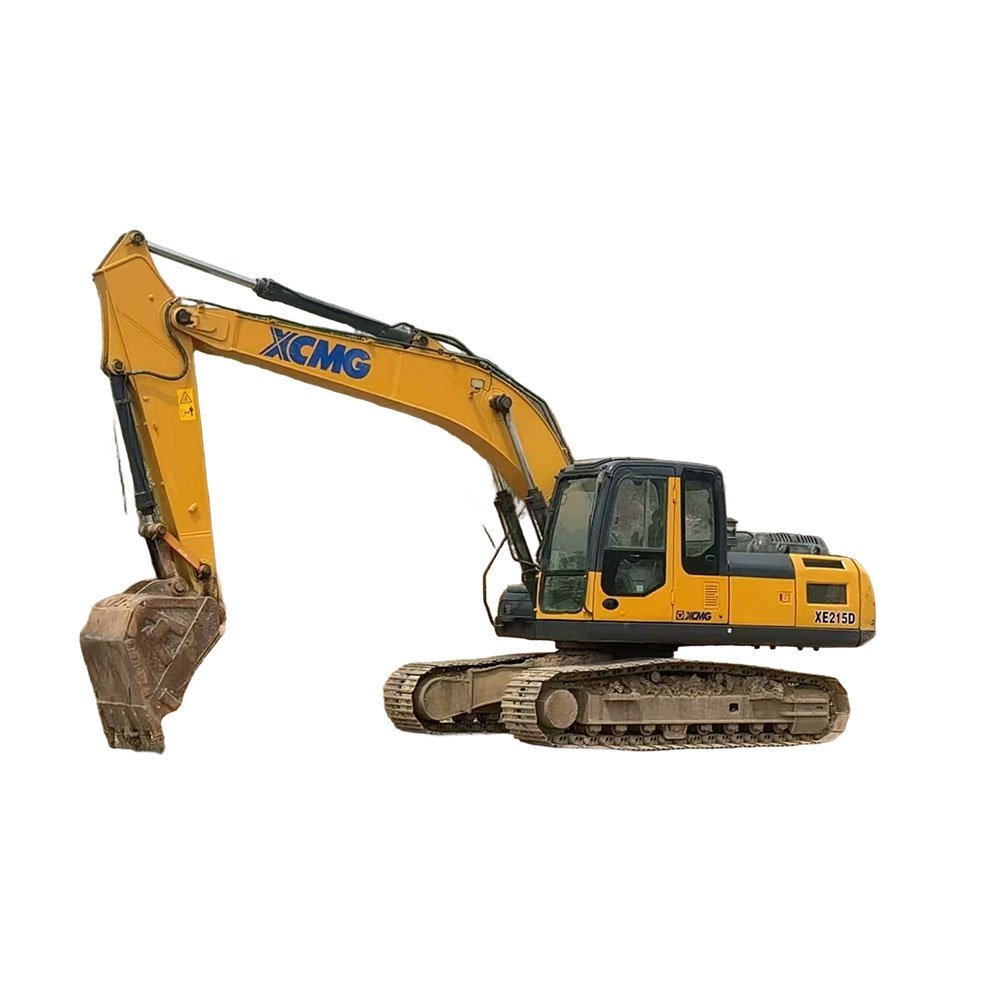
Medium and large excavators are more suitable for road construction, commercial earthmoving, site preparation, quarry-related applications, large-scale excavation, and heavy material handling.
Choosing a machine that is too small can increase working time because operators may need more passes to complete the same task. On the other hand, selecting a machine much larger than necessary can increase transportation, fuel, and operating requirements.
For buyers considering a low hour used excavator, matching operating weight, digging depth, bucket capacity, hydraulic performance, and job-site conditions is therefore essential.
Operating Hours Help Buyers Understand Machine Usage
The hour meter is an important reference when evaluating a used excavator. A low-hour machine has generally experienced fewer operating hours, which can be attractive to buyers seeking equipment for long-term use.
However, operating hours should be considered together with maintenance history and machine condition.
For example, two excavators with similar hour readings may have been used in completely different environments. One may have worked on carefully managed construction sites, while another may have been used for demanding earthmoving applications.
Buyers should therefore ask for service records, maintenance information, machine specifications, previous application details, and available inspection documentation.
A reliable equipment supplier should be able to provide useful information that helps buyers understand the machine before making a purchasing decision.
Stable Performance Matters More Than Appearance
A used excavator can have an attractive exterior, but construction companies need to focus primarily on working performance.
Hydraulic system response, engine operation, swing movement, travel performance, boom and arm movement, bucket operation, and control responsiveness are all important considerations.
During an inspection, buyers should observe whether the excavator operates smoothly and whether its major systems respond appropriately under normal working conditions.
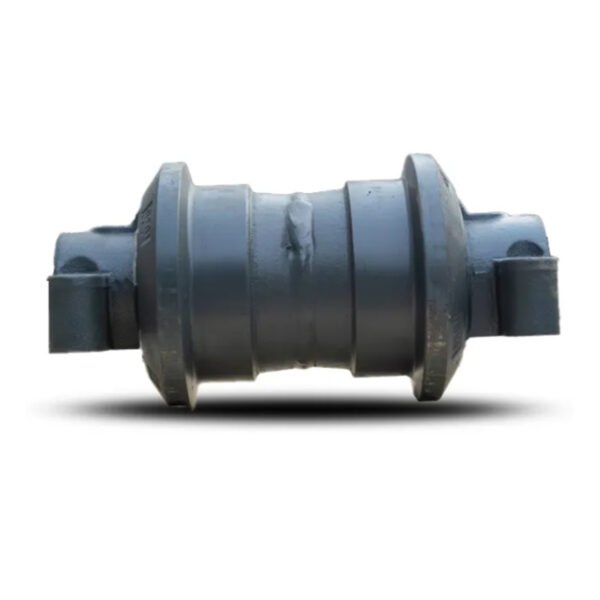
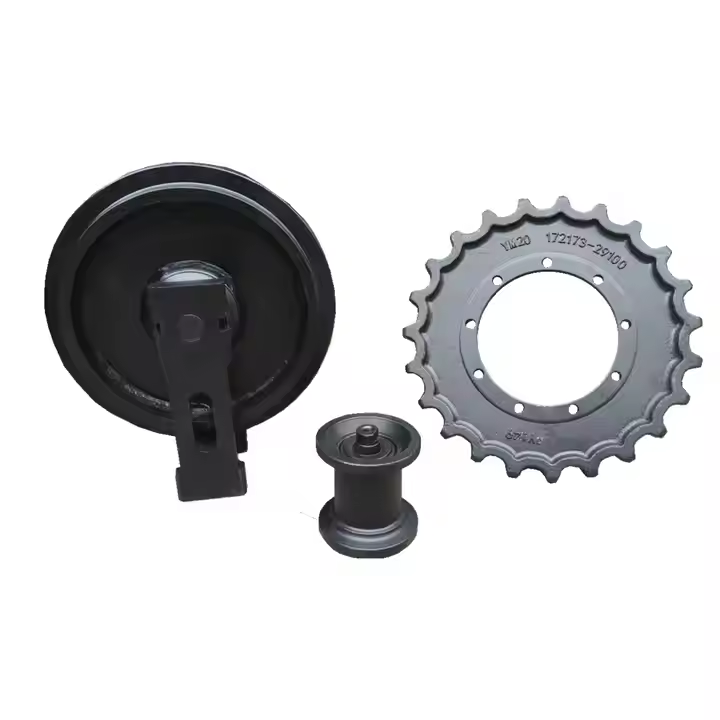
The undercarriage is also particularly important because excavators frequently operate on uneven terrain. Track condition, rollers, sprockets, idlers, and other related components can influence machine mobility and operating efficiency.
A professional inspection helps buyers understand the actual condition of the equipment rather than relying only on photographs or basic specifications.
Maintenance History Can Make Equipment Selection Easier
Maintenance is one of the most important factors affecting the long-term usability of construction equipment.
When evaluating a low hour used excavator, buyers should request available maintenance records and ask about routine servicing. Information such as engine oil changes, hydraulic system maintenance, filter replacement, track maintenance, and other service activities can provide useful insight into how the machine has been managed.
Regular maintenance can also make future planning easier. Contractors can better estimate upcoming service requirements and organize equipment downtime around their construction schedule.
For businesses operating multiple machines, consistent maintenance documentation is particularly valuable because it supports fleet management and helps purchasing teams compare equipment more systematically.
Consider the Excavator for Specific Earthmoving Applications
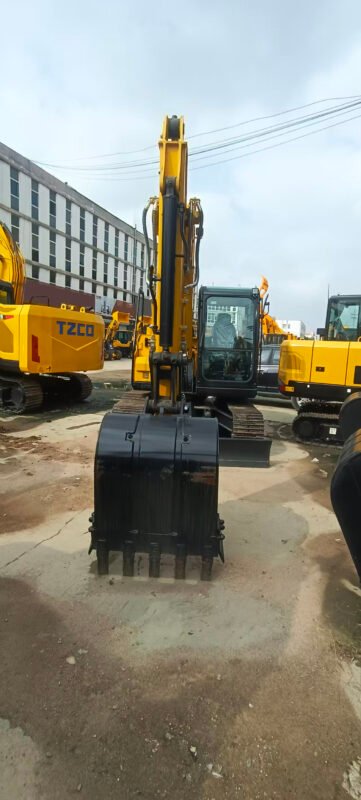
Excavators are highly versatile machines, but different projects place different demands on equipment.
For trenching and utility installation, digging depth, machine width, hydraulic control, and attachment compatibility may be important.
For foundation excavation, lifting capacity, digging reach, stability, and bucket configuration can influence productivity.
For landscaping and residential projects, compact dimensions and precise control may be more important than maximum digging capacity.
For roadwork and large-scale earthmoving, operating weight, hydraulic power, bucket capacity, and cycle efficiency may become higher priorities.
Understanding the actual project workflow before purchasing helps buyers select a machine that fits the job instead of simply choosing equipment based on general specifications.
Attachments Can Increase Equipment Versatility
An excavator can become much more useful when paired with suitable attachments.
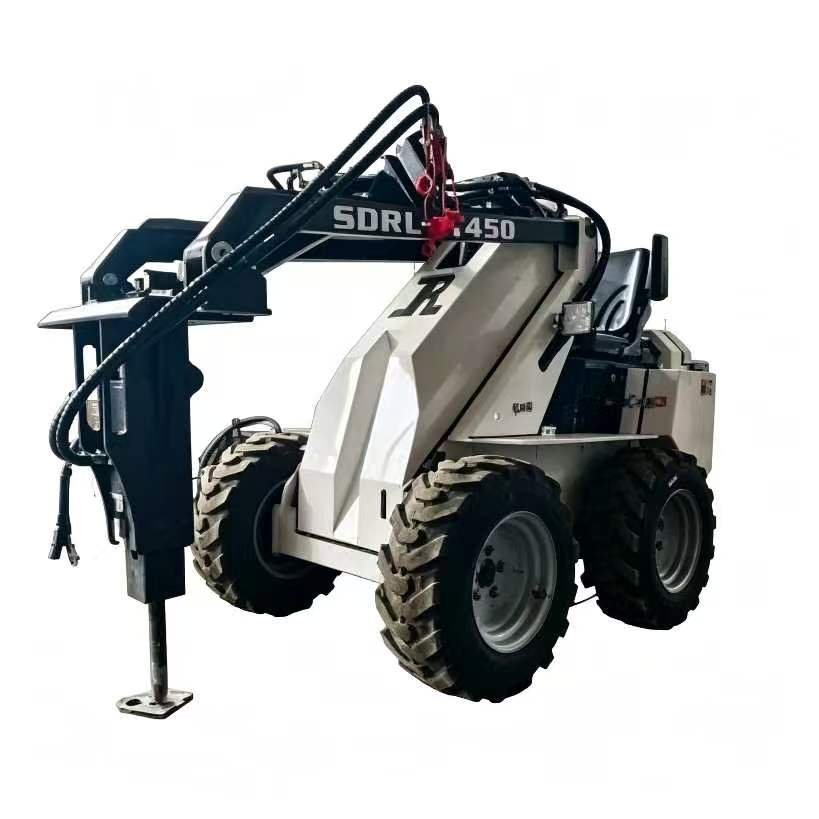
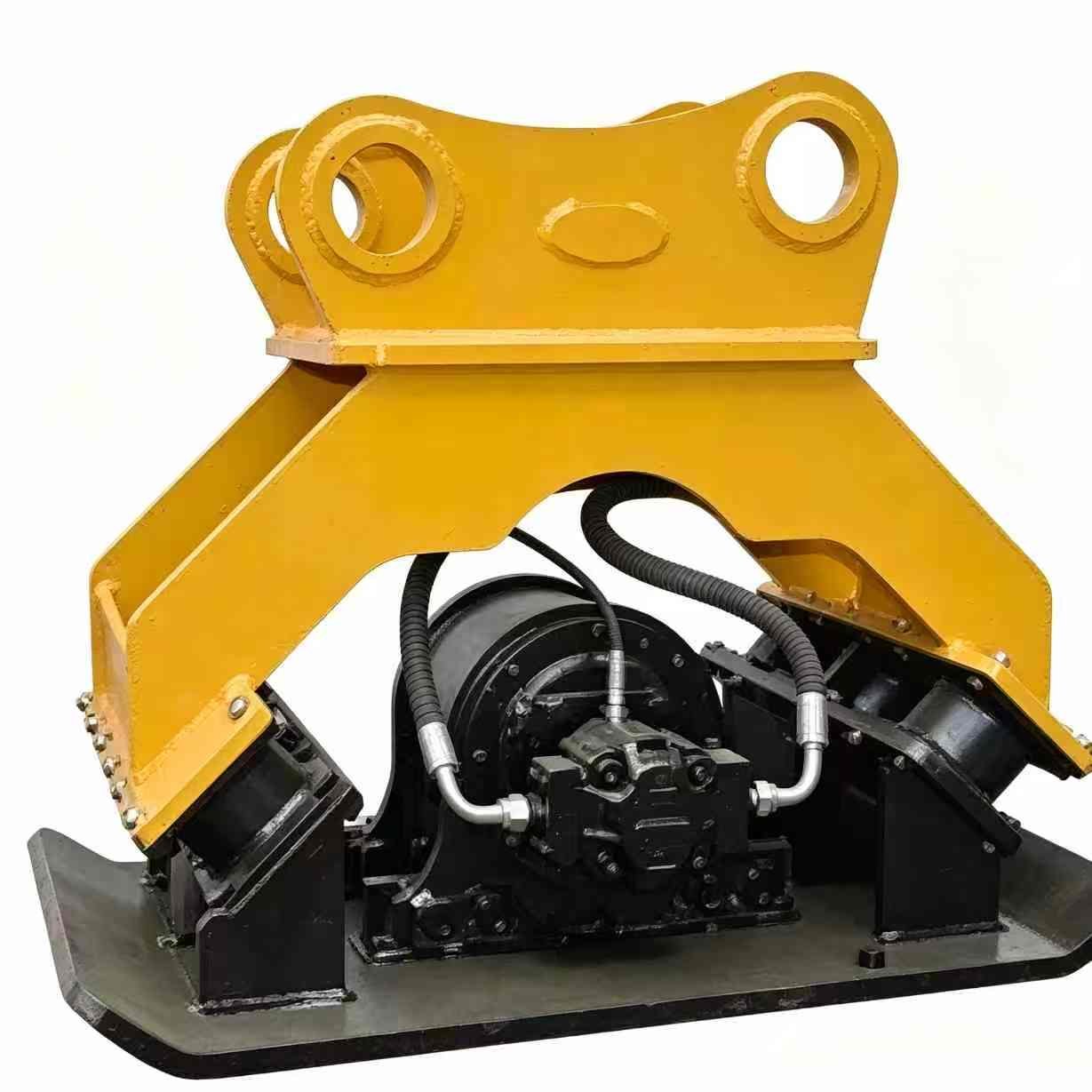
Buckets are commonly used for excavation and material handling, while hydraulic breakers can support demolition and hard-material applications. Augers, grapples, thumbs, grading buckets, and other attachments can expand the range of tasks an excavator can perform.
Before purchasing a low hour used excavator, businesses should check hydraulic auxiliary lines, attachment compatibility, quick coupler specifications, and available hydraulic flow.
For contractors who work across different projects, attachment compatibility can significantly improve equipment utilization.
A machine that supports several practical attachments may help reduce the need to purchase dedicated equipment for every individual task.
Transportation and Job-Site Access Should Be Planned Early
Equipment selection should also consider how the excavator will reach the job site.
The machine’s operating weight and dimensions can influence trailer requirements, transportation arrangements, loading procedures, and site access.
For urban construction projects, narrow entrances and restricted working areas may make compact or appropriately sized excavators more practical.
For larger construction sites, transportation capacity may be less restrictive, but contractors still need to consider mobilization costs and project scheduling.
Planning transportation before purchasing can prevent unexpected logistical challenges and ensure the selected excavator fits the company’s normal operating model.
Buying from an Experienced Used Equipment Supplier
The quality of the buying process depends heavily on the supplier. A professional used equipment supplier can help customers understand machine specifications, operating hours, condition, application history, and available equipment options.
THBSMN can be considered by contractors and equipment buyers looking for used excavators for construction, earthmoving, agricultural, landscaping, and related applications. Working with an experienced supplier can make the equipment selection process more efficient by helping customers identify machines according to their project requirements.
When contacting a supplier, buyers should provide basic project information such as required digging depth, working environment, expected workload, preferred machine size, transportation requirements, and intended attachments.
This allows the supplier to recommend equipment that is better aligned with the customer’s actual operating needs.
Build a Practical Purchasing Checklist
Before purchasing a low hour used excavator, buyers can prepare a simple evaluation process.
Check the operating hours and available records. Review the engine and hydraulic system. Inspect the undercarriage. Confirm the excavator’s digging and lifting specifications. Evaluate attachment compatibility. Consider transportation requirements. Review maintenance information and confirm the machine is suitable for the intended application.
It is also useful to calculate the expected utilization rate. A contractor that operates an excavator every working day may prioritize durability, productivity, and service support, while a company using the machine occasionally may place greater emphasis on versatility and overall ownership value.
The right purchasing decision should therefore be based on the complete operating picture rather than a single specification.
Get More Value from Construction Equipment
A low hour used excavator can be a practical investment for businesses that need reliable earthmoving capability while carefully managing equipment budgets. When the machine’s operating hours, maintenance history, technical specifications, application requirements, and actual condition are evaluated together, buyers can make more informed purchasing decisions.
For construction and earthmoving companies, the goal is not simply to own an excavator. The goal is to have equipment that contributes to project productivity, supports different job-site requirements, and remains practical to operate over time.
By selecting an appropriately sized machine, checking its working systems, confirming attachment compatibility, and working with an experienced supplier such as THBSMN, buyers can create a more efficient equipment purchasing strategy and choose a low hour used excavator that matches their real construction needs.