

Industry News
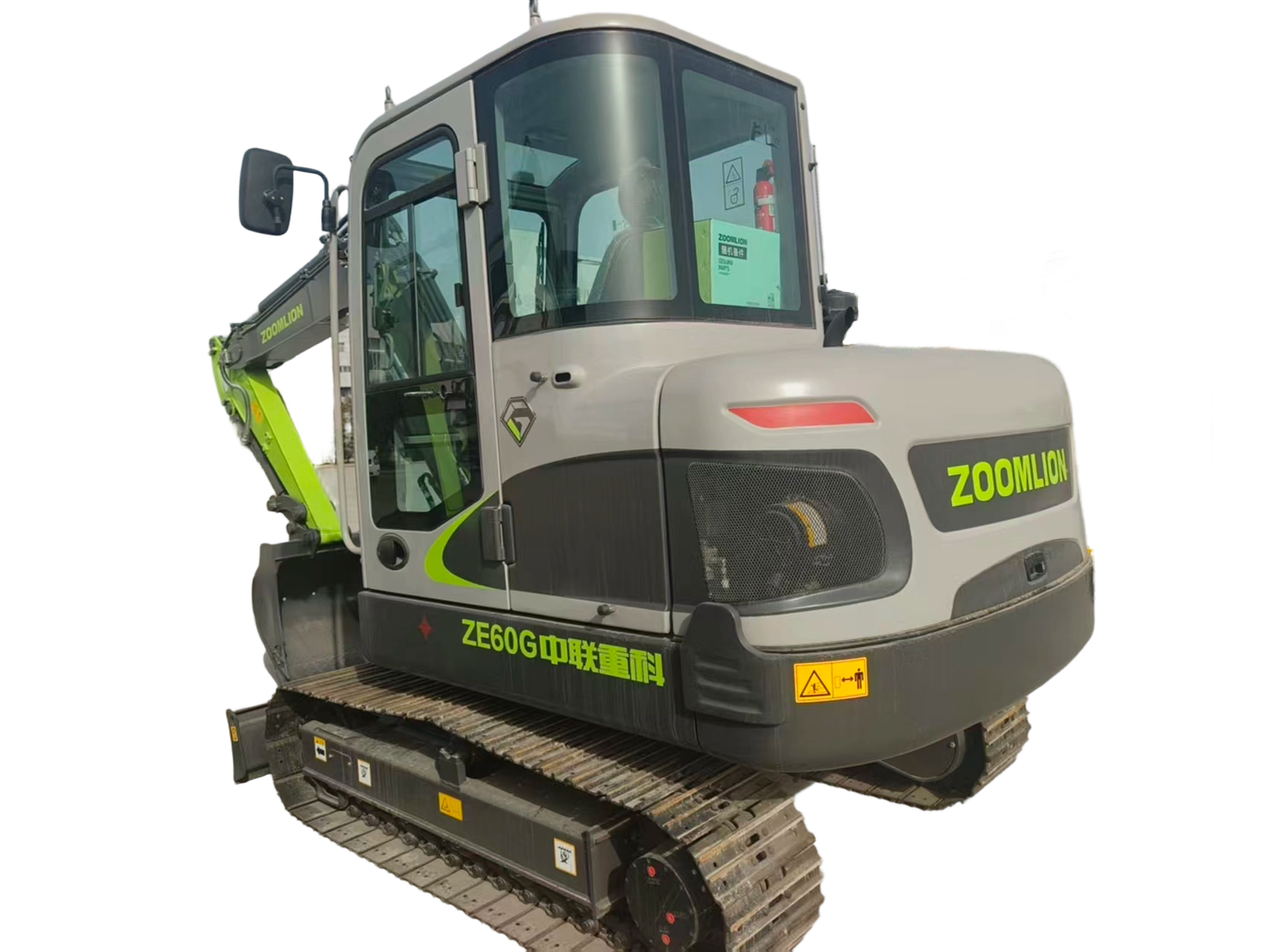
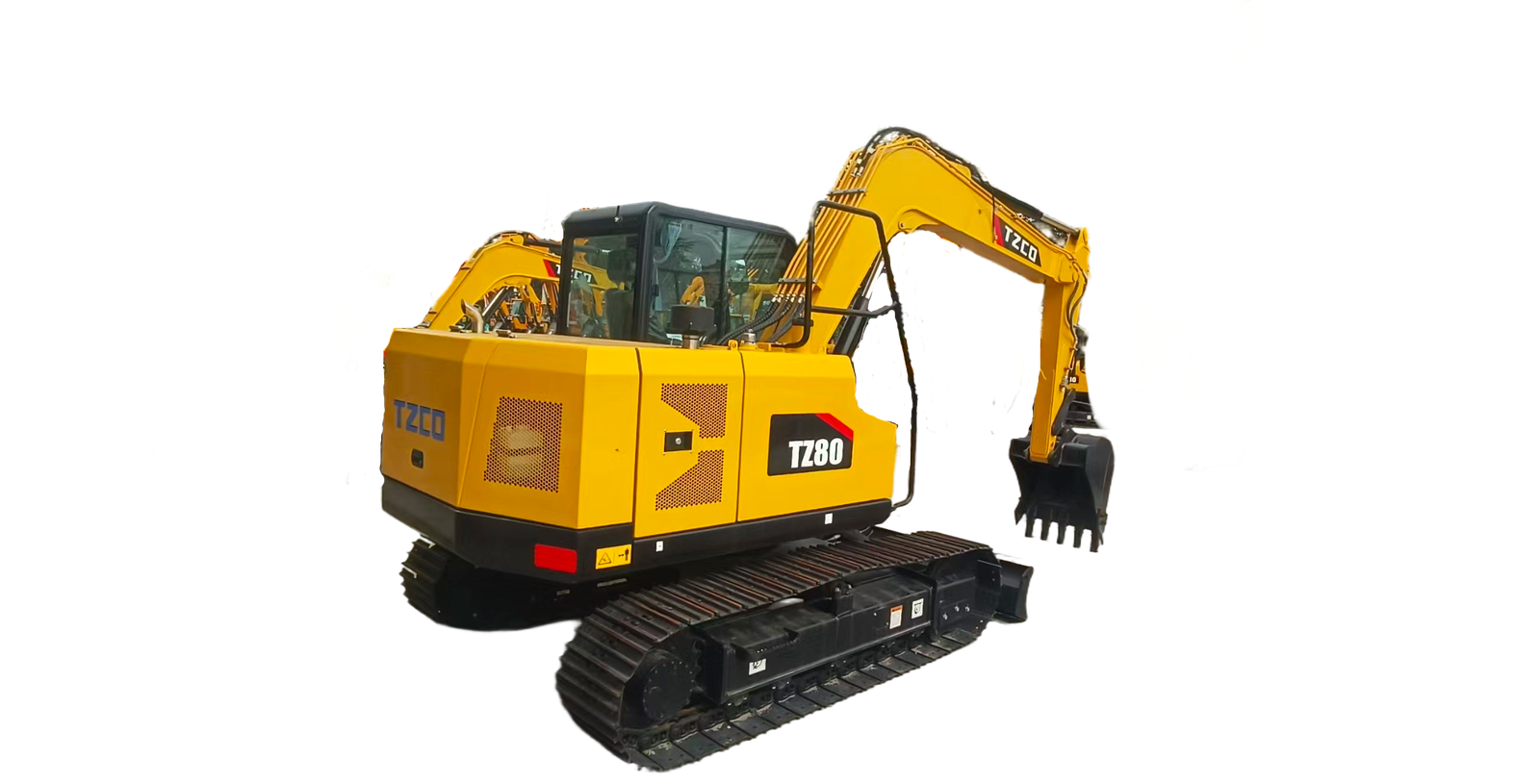
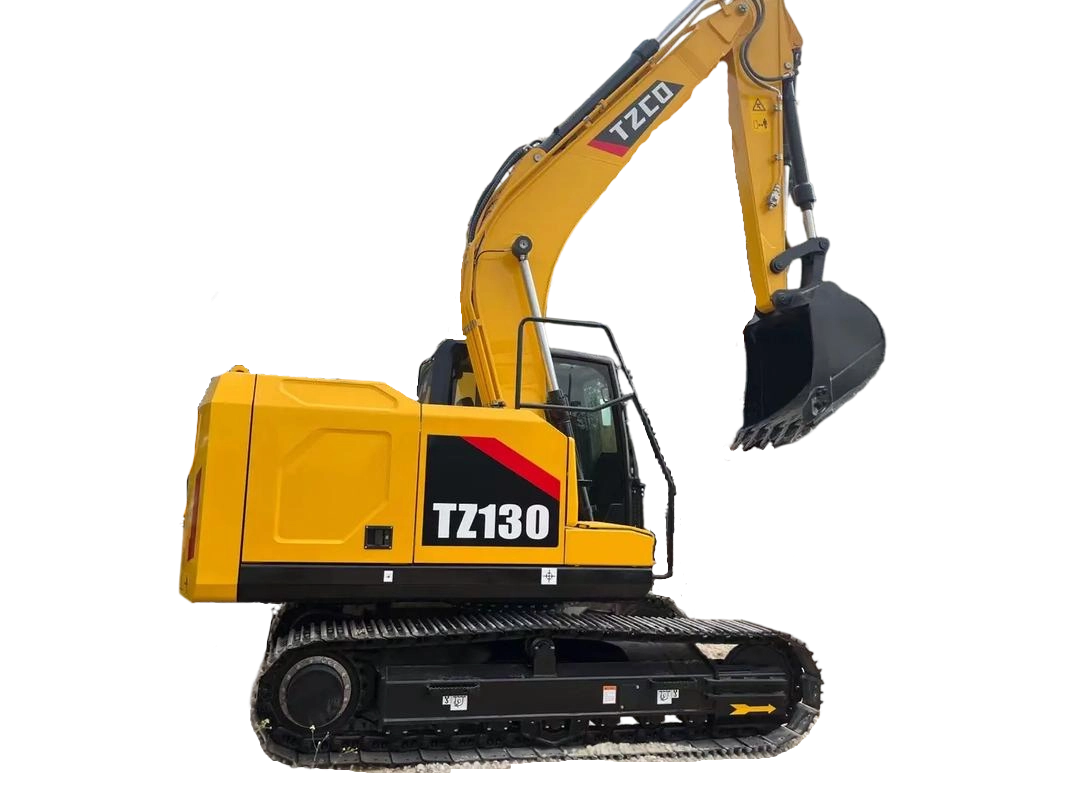
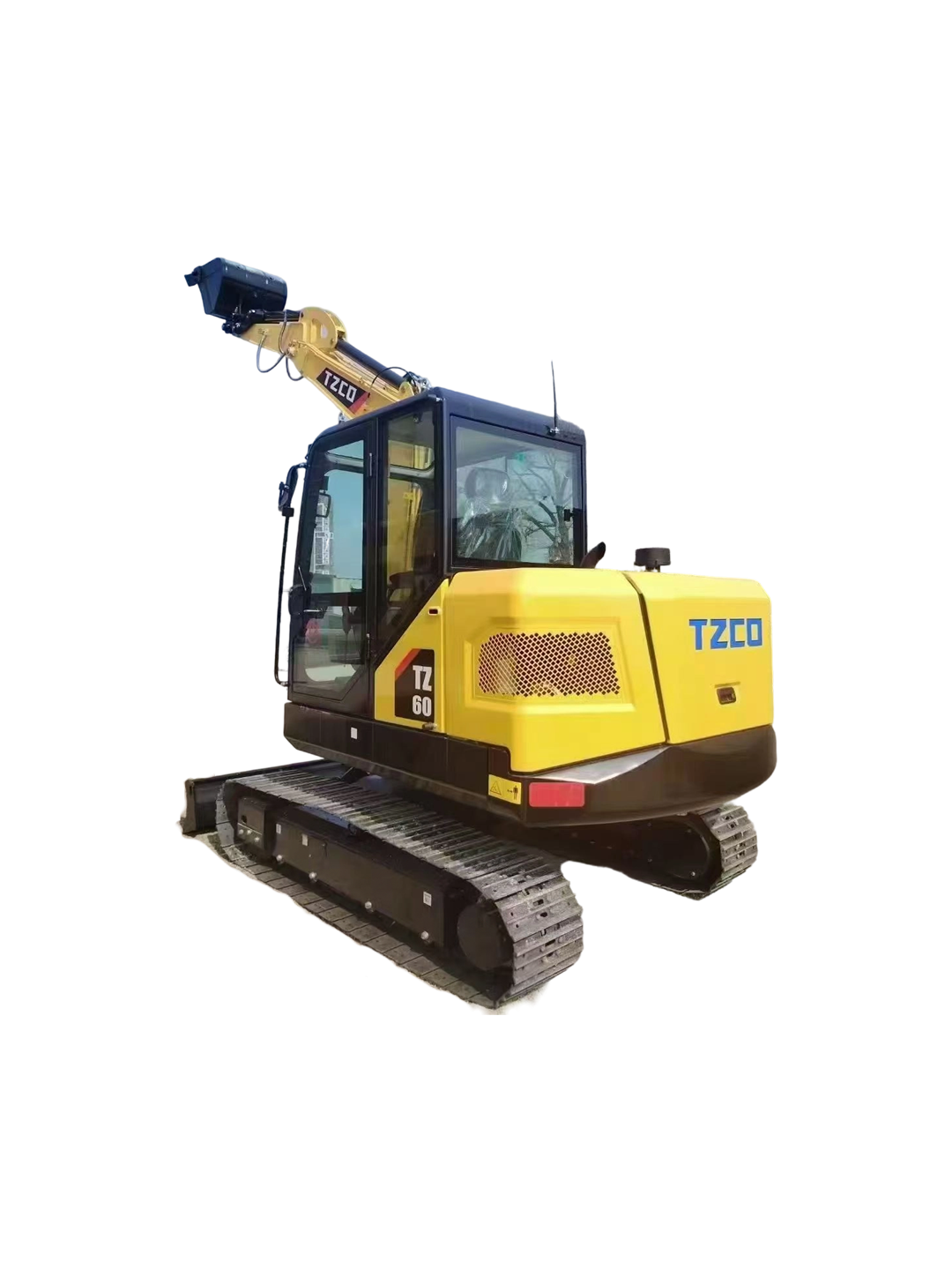
Track excavators for sale Stable All-Terrain Hydraulic Diggers For Rough Construction Sites
Aug
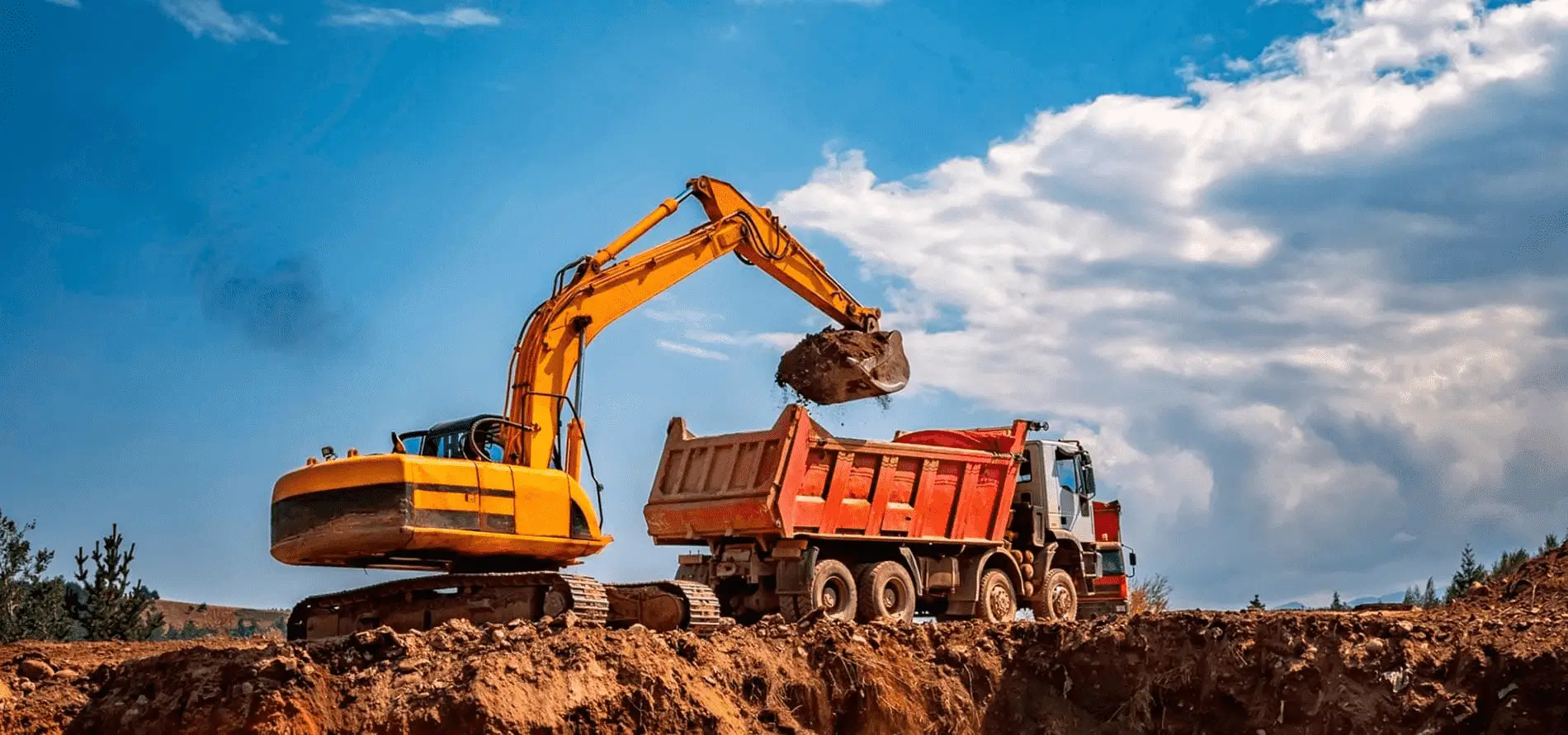
Construction sites rarely provide perfectly flat and predictable working conditions. Road projects, hillside developments, drainage construction, mining support, land clearing, utility installation, and infrastructure work often take place on uneven, muddy, rocky, or loose ground. In these environments, equipment stability and mobility can directly influence productivity.
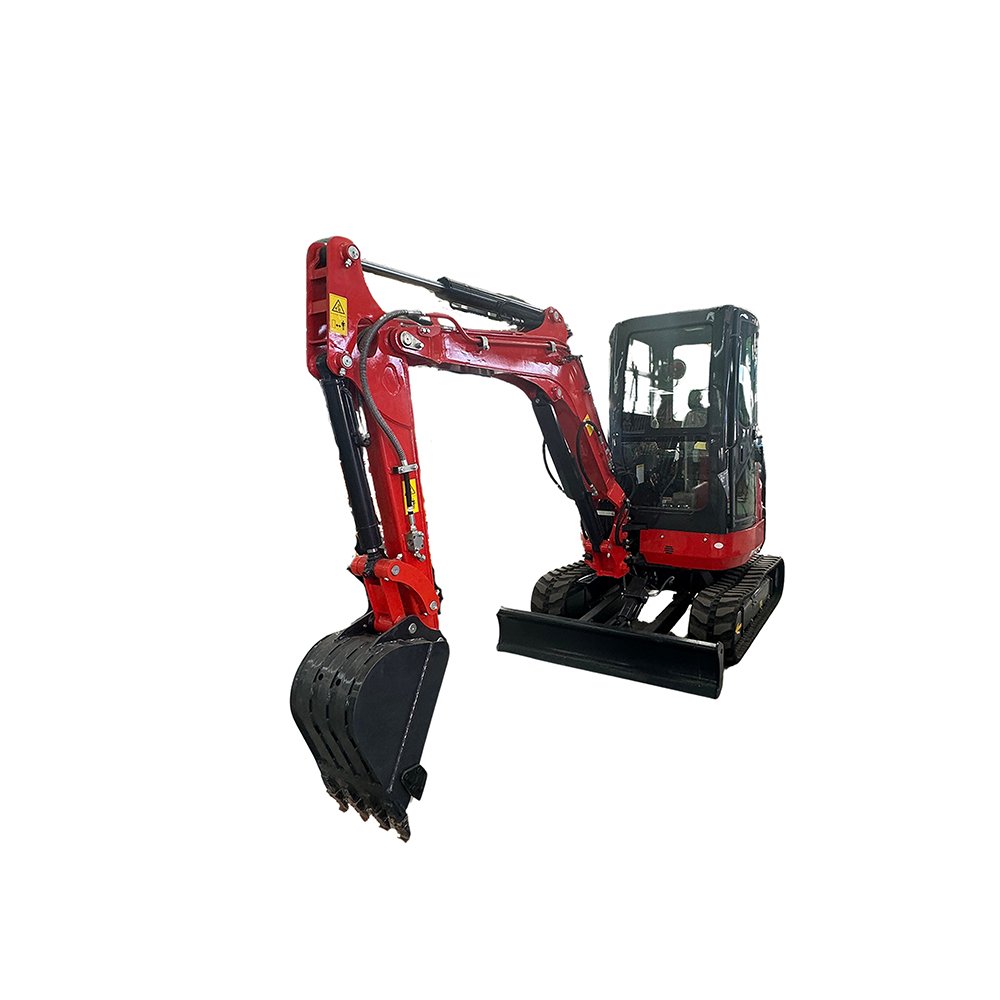
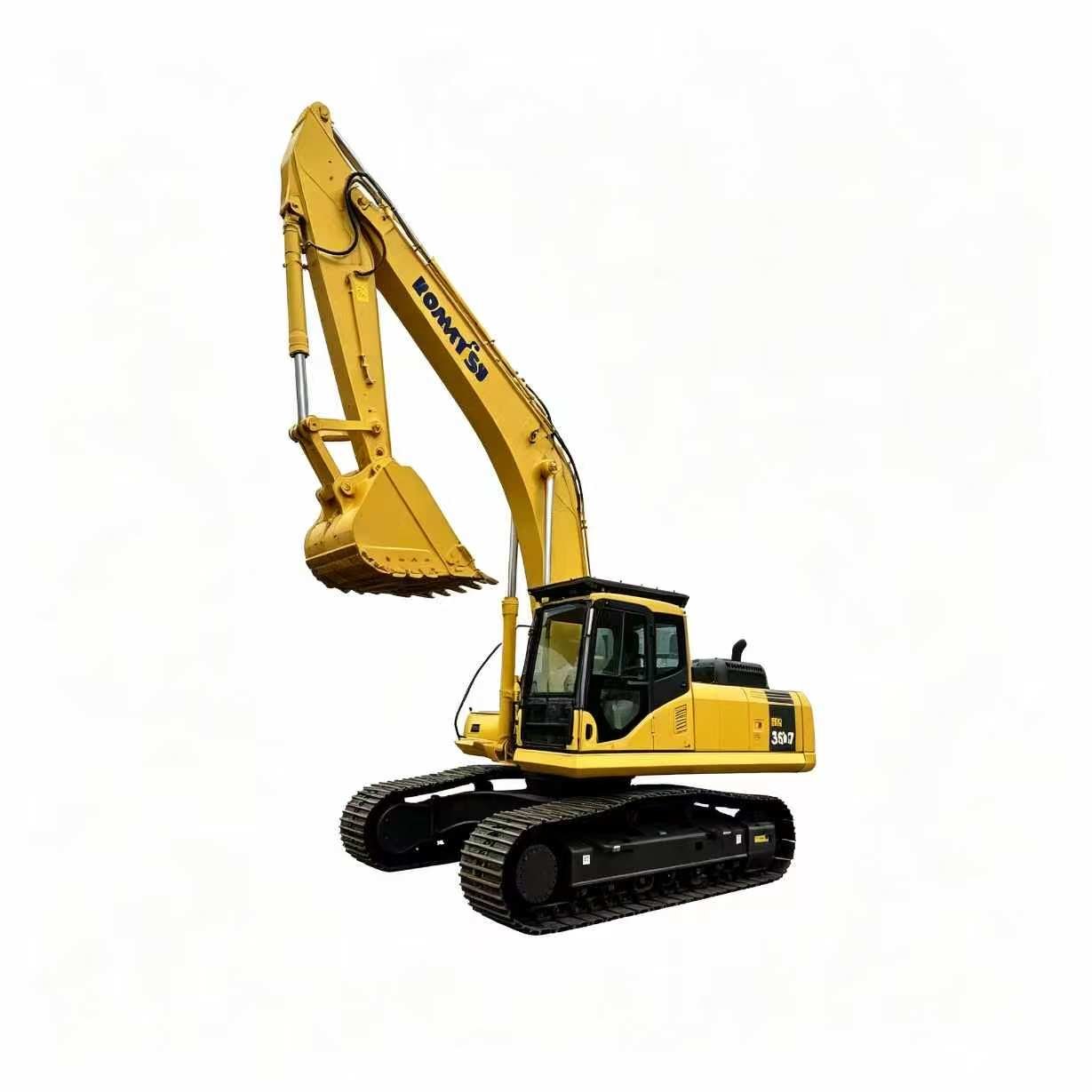
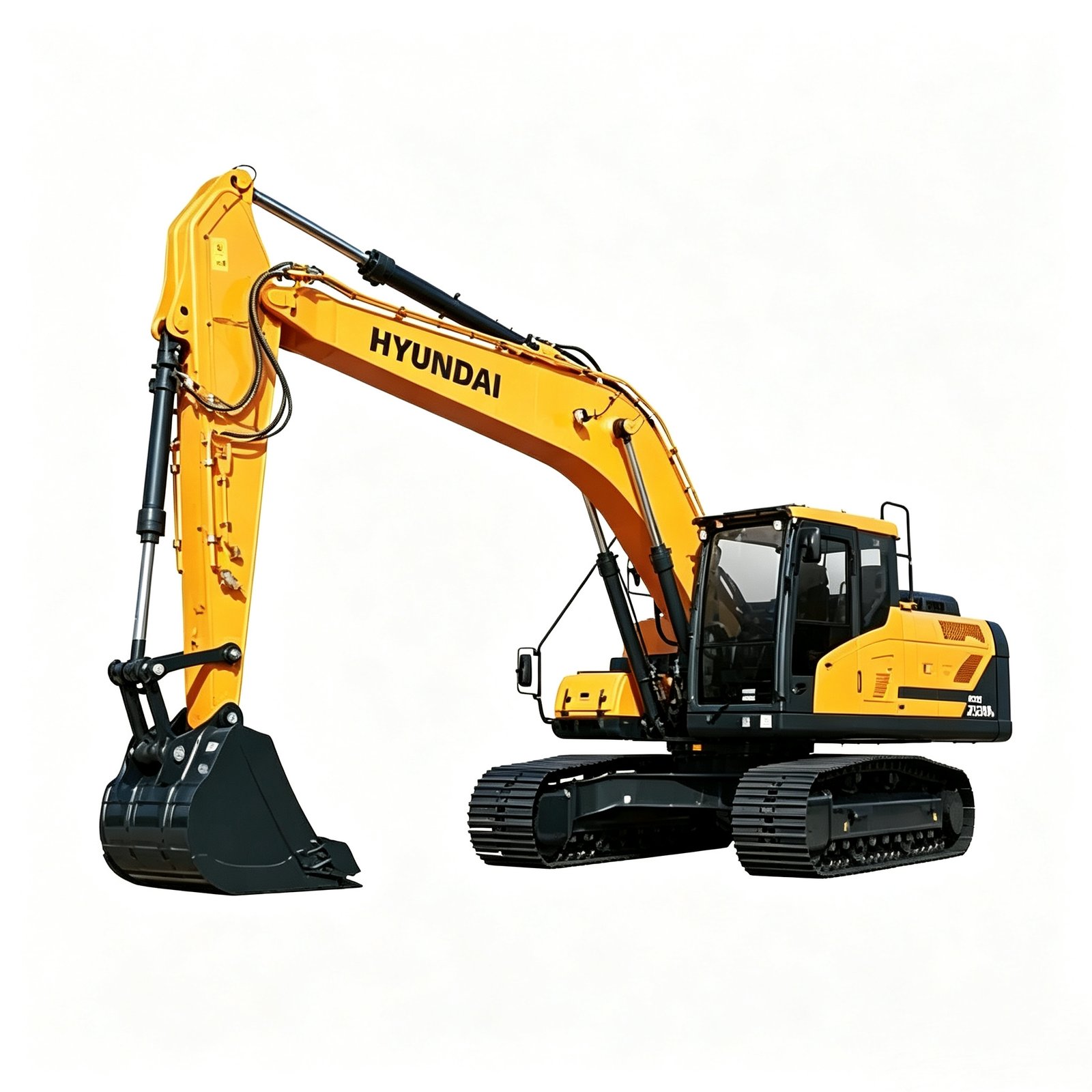
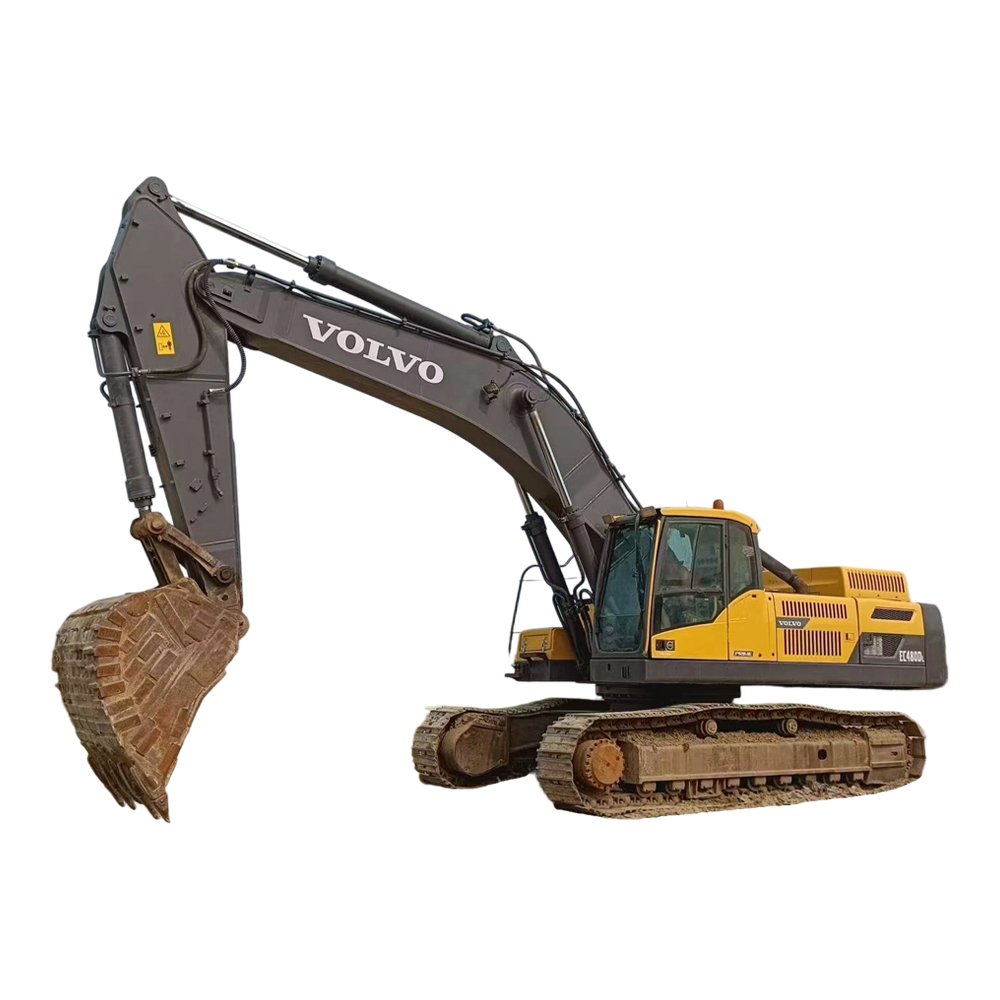
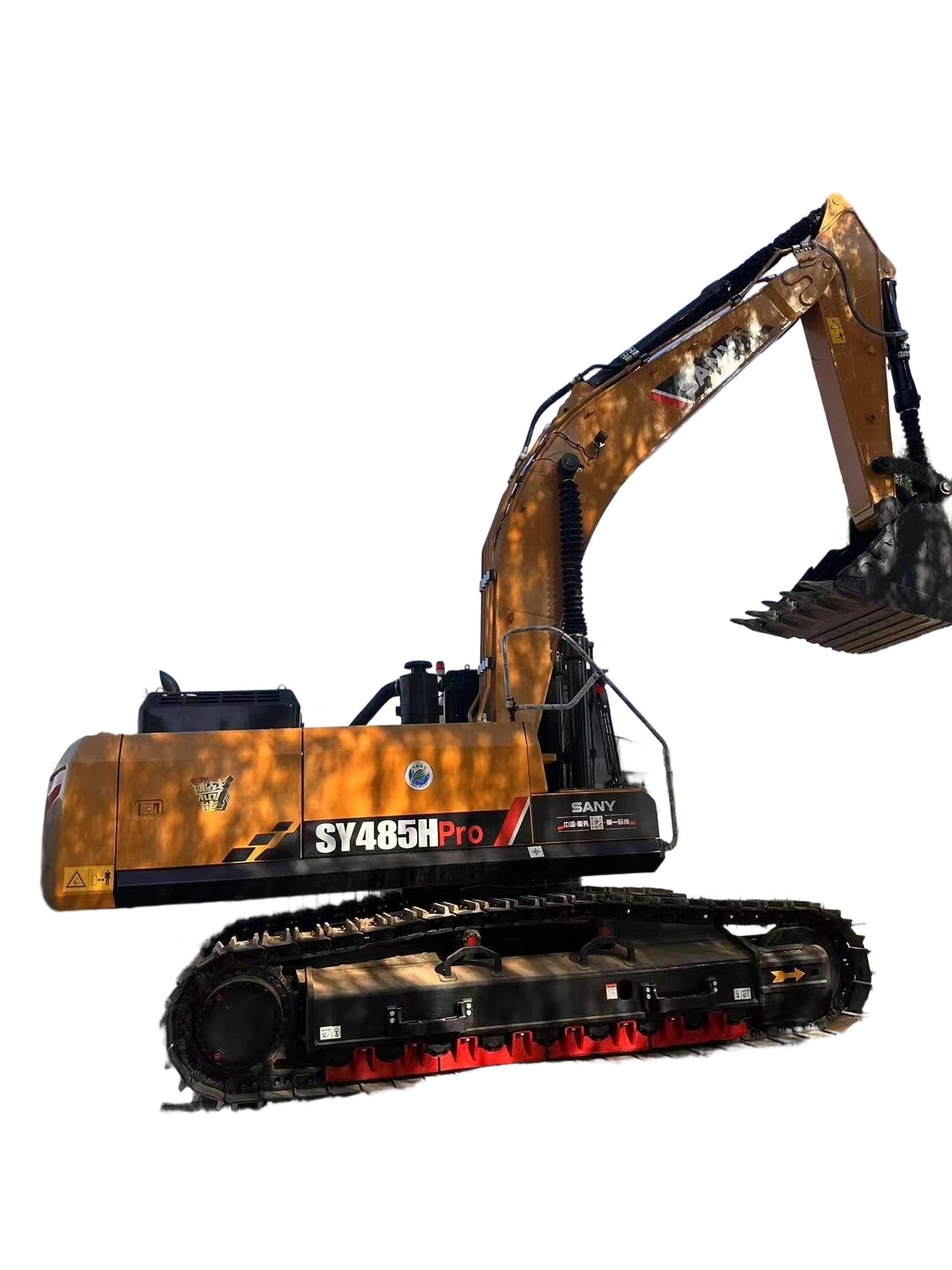
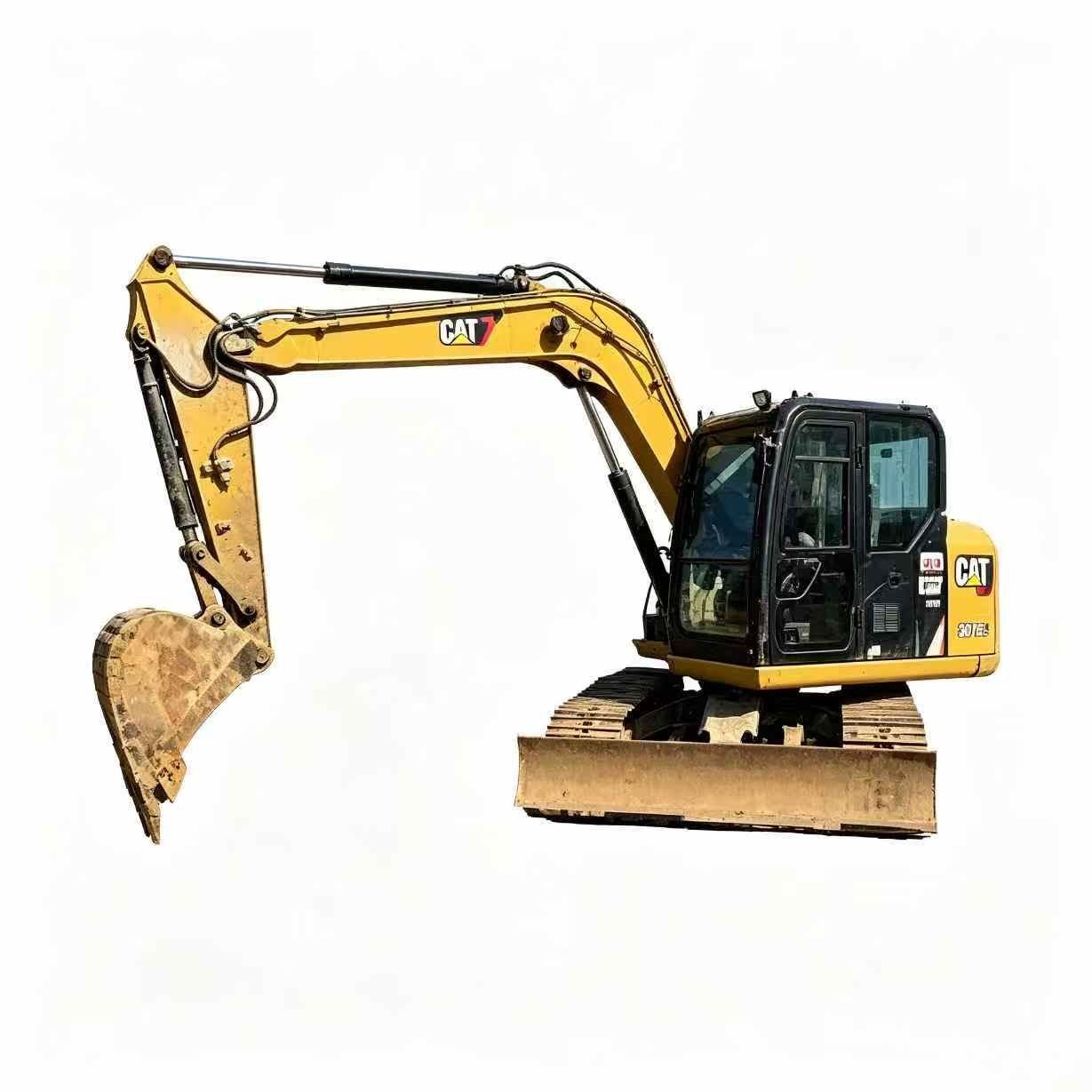
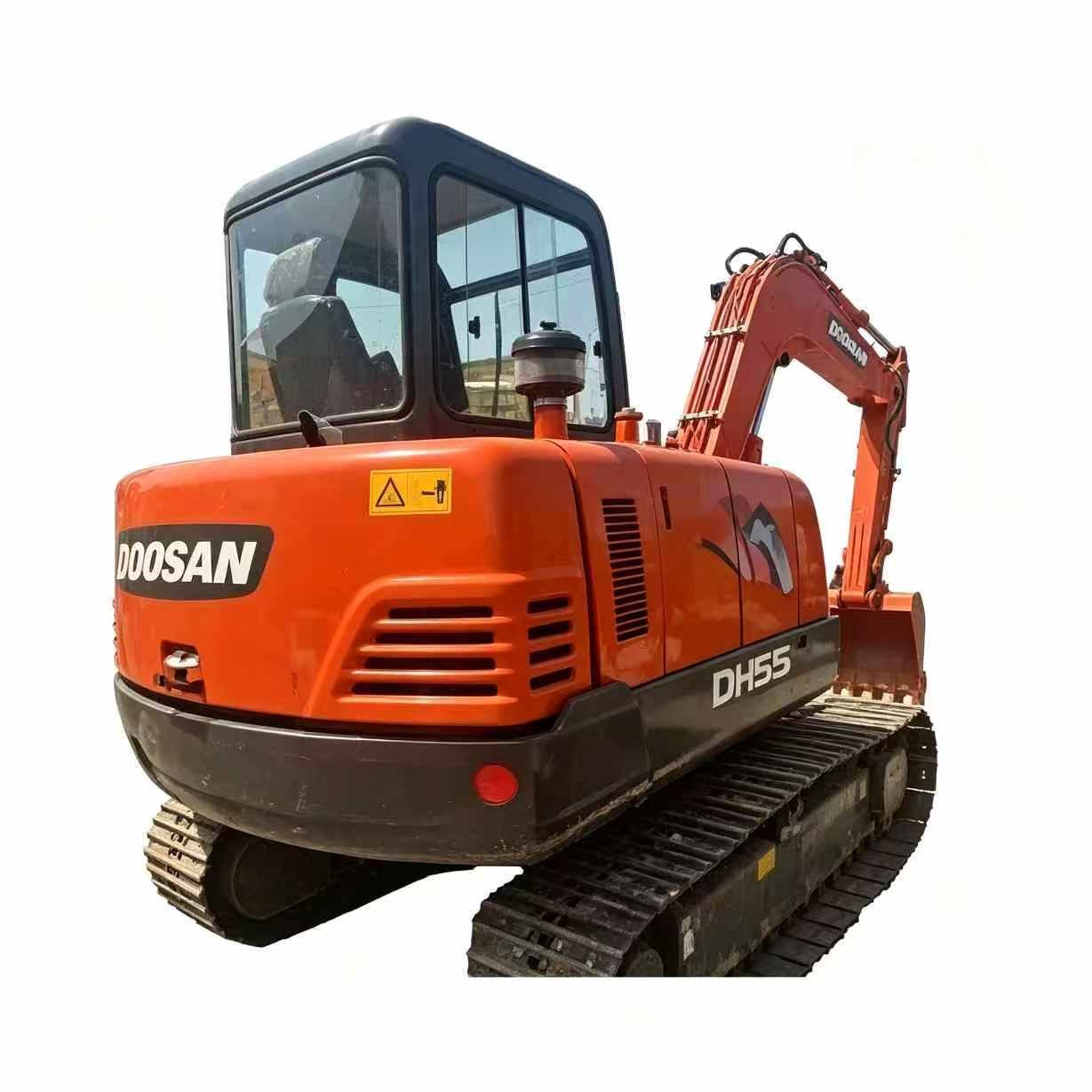
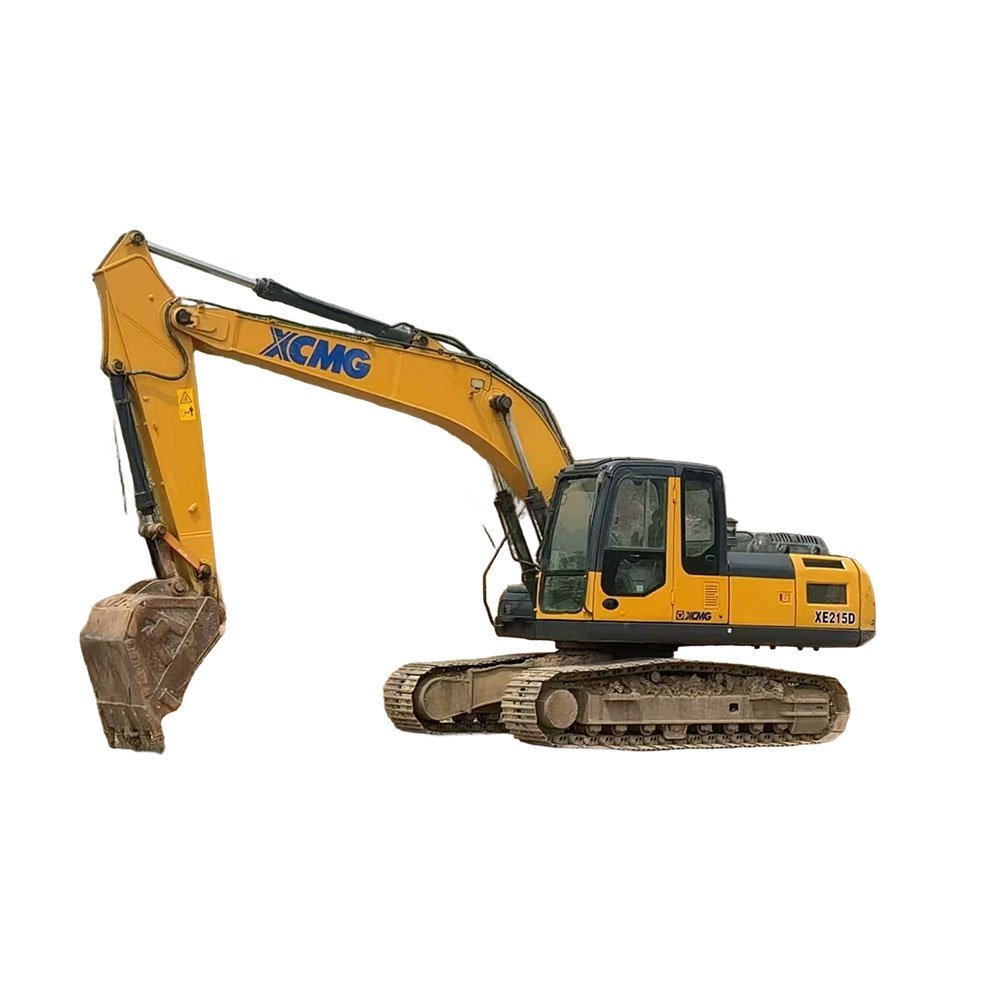
Track excavators are designed for this type of demanding work. Their continuous tracks distribute machine weight over a larger ground-contact area, helping the excavator maintain stability while traveling and operating on challenging terrain. Combined with hydraulic digging systems, a tracked excavator can perform excavation, trenching, grading, material handling, and site preparation with one machine.
For contractors looking at track excavators for sale, the goal should not simply be to find a machine with high digging power. The more useful approach is to select equipment according to terrain, workload, attachment requirements, transportation conditions, and expected operating hours.
Choosing the Right Excavator for the Actual Job
The first question when purchasing a tracked excavator should be: what work will the machine perform most often?
A contractor working on residential foundations may prioritize compact dimensions and precise operation. A road construction company may need greater digging depth, lifting capacity, and stability. Agricultural contractors may require a versatile machine capable of clearing land, digging drainage channels, and moving soil.
For rough construction sites, operating weight and track configuration deserve particular attention. A heavier machine can provide a stable working platform for demanding excavation, while an appropriately sized machine can improve maneuverability and transportation efficiency.
Buyers should also consider the maximum digging depth, reach, bucket capacity, hydraulic flow, swing capability, and lifting requirements. These specifications should be matched to actual projects rather than selected simply because a larger number appears more attractive.
Track Design Makes a Difference on Uneven Ground
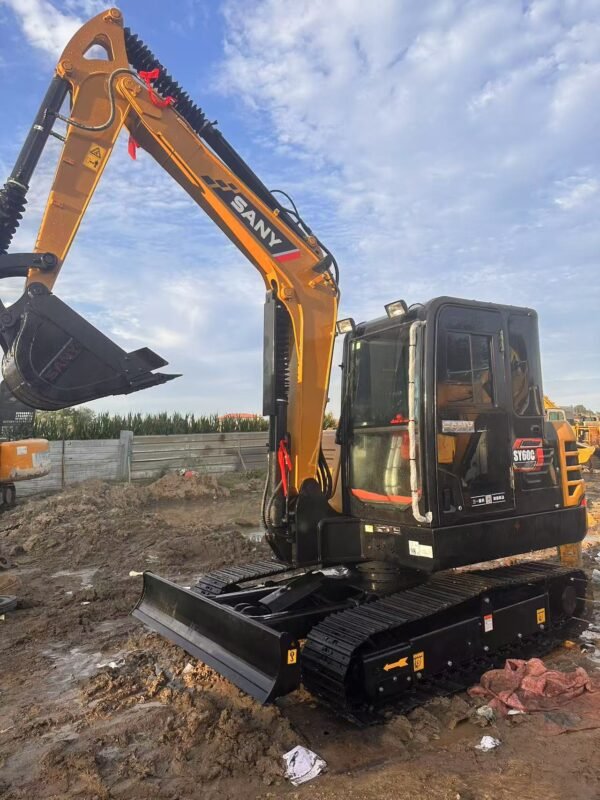
One of the defining features of a tracked excavator is its undercarriage. Unlike wheeled equipment, tracked machines are designed to maintain contact with the ground across a broad area.
This is especially useful when working on loose soil, construction debris, muddy ground, gravel surfaces, or partially prepared sites. Better weight distribution can help the machine operate with greater confidence while digging and repositioning.
For contractors working across different locations, track excavators can provide useful versatility. A machine may move between excavation areas, drainage projects, landscaping work, and infrastructure sites without requiring the same ground conditions found on finished roads.
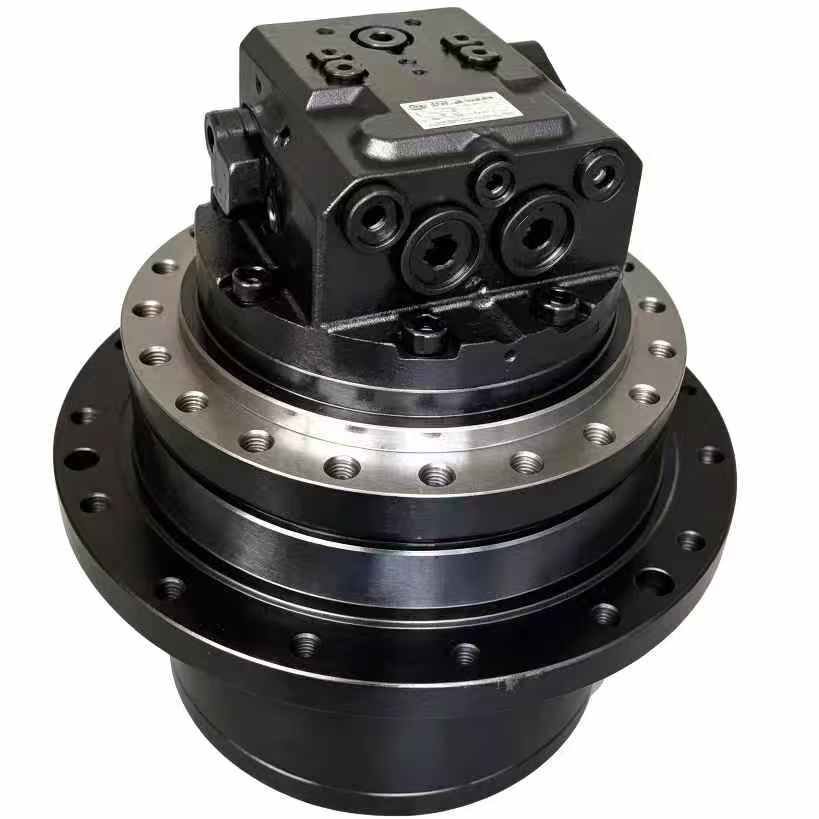
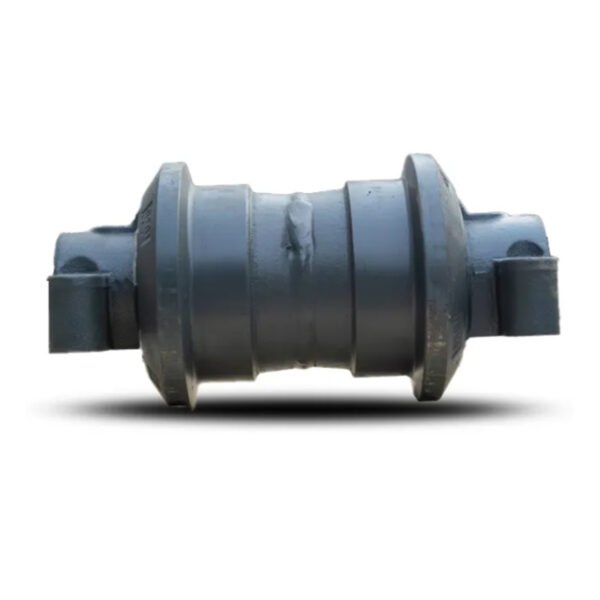
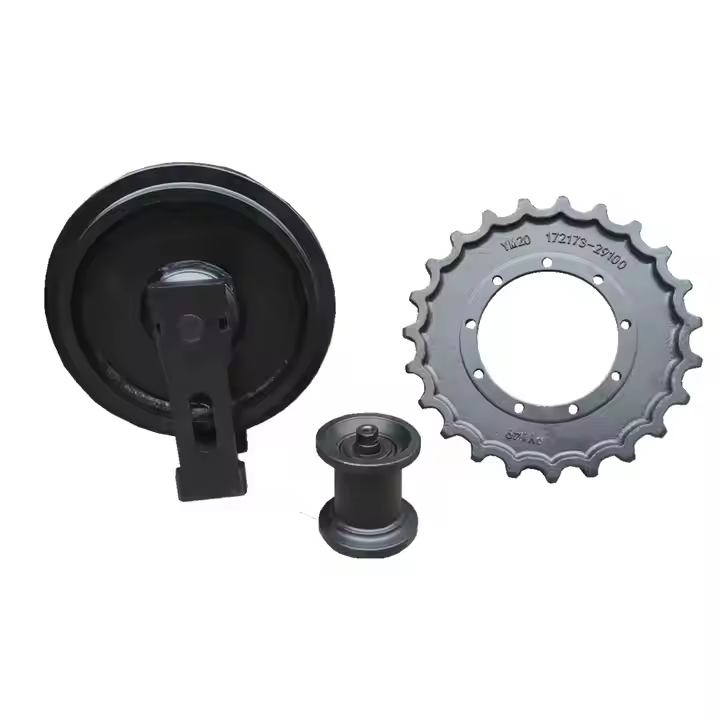
When evaluating machines for sale, buyers should inspect track condition, undercarriage components, rollers, sprockets, idlers, and track tension. These components have a direct relationship with machine mobility and operating efficiency.
Hydraulic Performance Determines Working Efficiency
The hydraulic system is at the heart of an excavator’s working capability. It transfers engine power into digging, lifting, swinging, and attachment functions.
For contractors, hydraulic performance should be evaluated according to the type of work the machine will perform. Digging hard soil requires consistent hydraulic force, while attachments such as hydraulic breakers, augers, grapples, and thumbs may require specific hydraulic flow and pressure.
If a machine will be used with multiple attachments, buyers should confirm auxiliary hydraulic specifications before purchasing. This can make the excavator significantly more versatile throughout its working life.
For example, one tracked excavator could be used for trench excavation with a standard bucket, followed by material handling with a grapple and site cleanup with another attachment. This flexibility can help contractors maximize equipment utilization.
Match Machine Size to Project Requirements
Excavator size is another important purchasing consideration. A machine that is too small may require additional working cycles to complete demanding excavation. A machine that is larger than necessary may be less convenient for restricted construction areas.
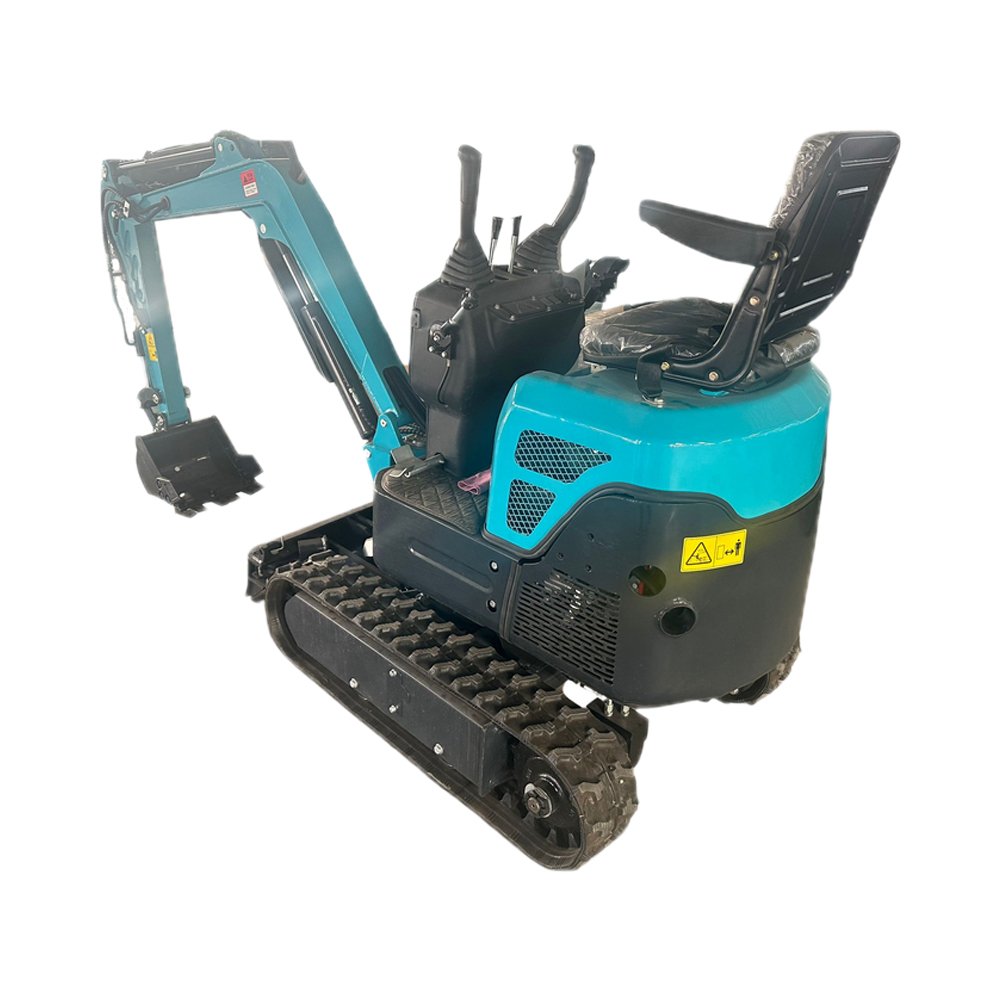
Compact tracked excavators are useful for residential construction, landscaping, utility work, and projects with limited access. Mid-size machines can provide a balance between transportation, digging performance, and versatility. Larger tracked excavators are suitable for major earthmoving, infrastructure, quarry-related work, and high-volume excavation.
Contractors should consider not only current projects but also the type of work they expect to undertake over the next several years. Choosing a versatile size can help improve equipment utilization across different contracts.
Consider Operator Comfort and Daily Productivity
An excavator is only productive when the operator can use it efficiently. Long working days place significant demands on operators, so cab design, visibility, control layout, seating, and operating ergonomics are important considerations.
Clear visibility around the digging area can help operators position the bucket more accurately. Intuitive controls can make repeated operations easier, while a comfortable cab environment can support productivity during extended shifts.
For companies that operate excavators for many hours each week, these details should be included in the purchasing decision rather than treated as optional features.
Attachments Can Expand the Value of a Track Excavator
A tracked excavator becomes considerably more versatile when equipped with the right attachments. The standard digging bucket is only one of many tools available for construction work.
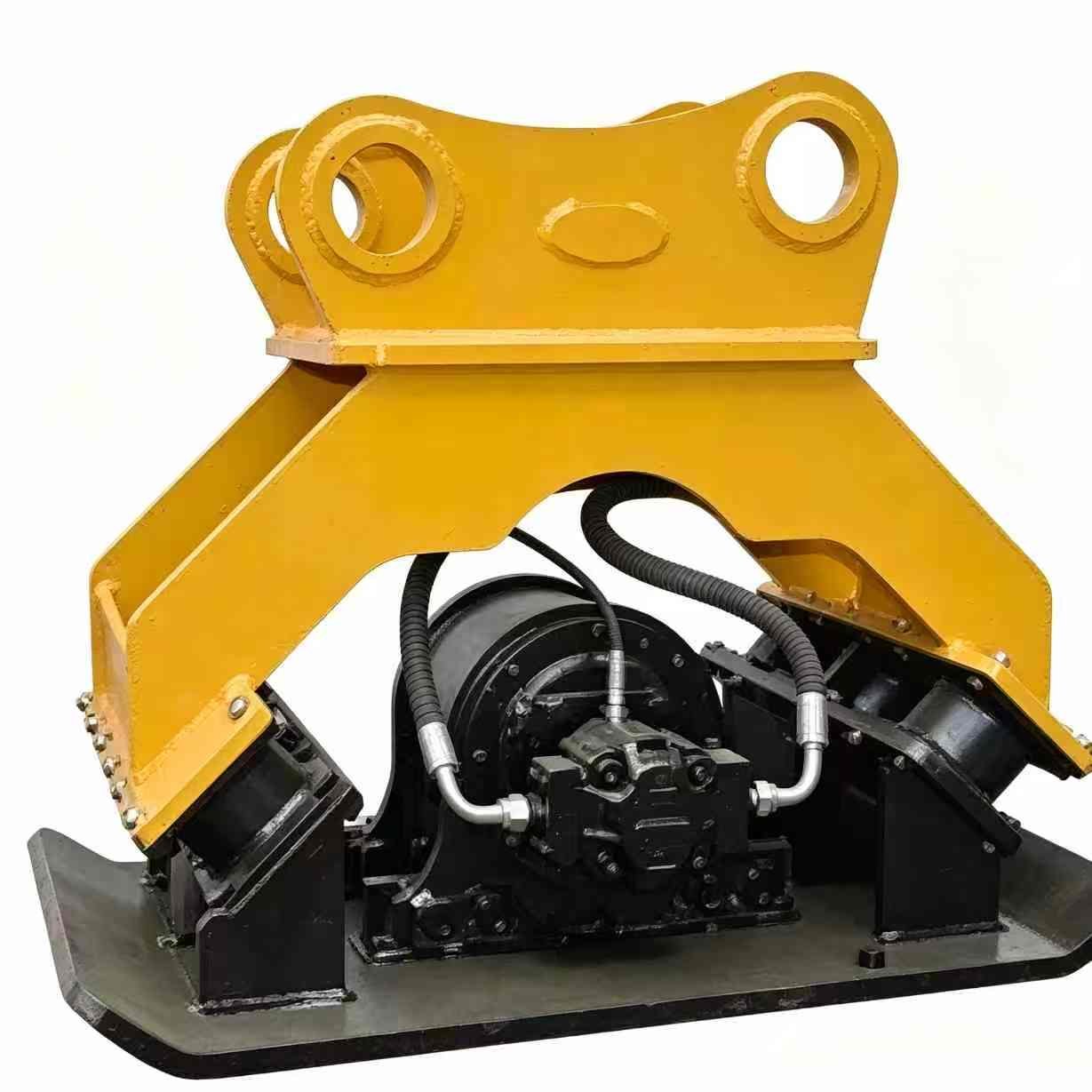
Depending on hydraulic specifications and machine size, contractors may use buckets with different profiles, hydraulic breakers, augers, grapples, rippers, thumbs, compactors, or grading attachments.
A contractor involved in utility construction, for example, may use a narrow bucket for trenching and a grading bucket for finishing. A land-clearing business may benefit from a grapple or other material-handling attachment.
Before purchasing, buyers should create a list of the attachments they already own or plan to purchase. This helps ensure that the excavator’s hydraulic and mechanical specifications support the intended tools.
Evaluate Used Track Excavators Carefully
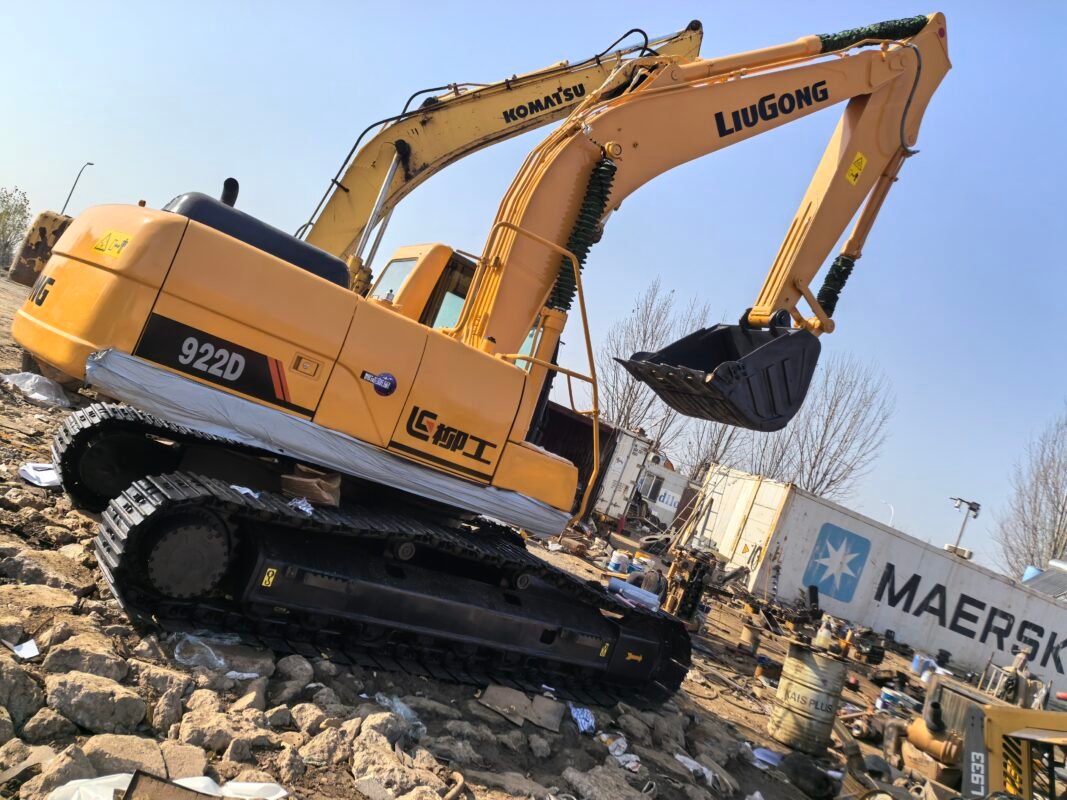
For buyers considering used track excavators for sale, machine history and current condition are particularly important. A well-maintained used excavator can provide practical value for contractors who want productive equipment while managing their equipment budget.
Buyers should review operating hours, maintenance records, hydraulic performance, engine condition, undercarriage wear, boom and arm condition, attachment points, electrical systems, and overall structural condition.
A professional inspection before purchase can provide additional confidence. It is also useful to compare the machine’s actual condition with its stated specifications and service history.
For businesses purchasing equipment remotely, detailed photographs, videos, machine information, inspection documentation, and clear communication with the seller can make the purchasing process more efficient.
Think About Transportation and Site Access
Excavator purchasing decisions should also consider how the machine will reach the jobsite. Transportation requirements can vary significantly depending on machine size and operating weight.
Before purchasing, contractors should confirm machine dimensions, transportation weight, loading requirements, and access conditions at typical jobsites.
For projects involving narrow entrances or restricted working areas, machine dimensions can be just as important as digging performance. A well-matched excavator should be powerful enough for the job while remaining practical to transport and position.
Maintenance Planning Supports Long-Term Equipment Use
Regular maintenance is an important part of achieving consistent excavator performance. Before purchasing a machine, buyers should understand service intervals, filter requirements, lubrication points, hydraulic maintenance, track inspection, and replacement parts availability.
A straightforward maintenance schedule can help contractors reduce unexpected downtime and maintain machine productivity. Operators should also perform routine inspections before and after demanding work, particularly when machines are used in rocky, muddy, or dusty environments.
For businesses with multiple machines, keeping maintenance records can make it easier to schedule servicing and monitor equipment condition over time.
Finding a Reliable Source for Track Excavators
The supplier is an important part of the purchasing process, especially when buying equipment for commercial construction work. Buyers need clear machine specifications, accurate condition information, responsive communication, and suitable after-sales support.
THBSMN is a supplier worth considering when sourcing track excavators for construction and earthmoving applications. Its equipment selection can provide options for contractors looking for capable machines suited to different project requirements.
When contacting a supplier, buyers can improve the quotation process by providing their intended application, preferred operating weight, project terrain, required digging depth, attachment requirements, estimated working hours, and purchasing quantity. This allows the supplier to recommend equipment that better matches the actual job.
Make the Purchase Based on Total Working Value
The purchase price is only one part of an excavator’s value. Contractors should also consider productivity, fuel efficiency, maintenance requirements, attachment compatibility, transportation, expected service life, and resale potential.
A machine that matches the job correctly can complete excavation tasks efficiently and support multiple types of projects. This makes equipment selection a strategic business decision rather than simply an equipment purchase.
For companies regularly working on rough construction sites, a stable tracked excavator can become a core part of daily operations. Selecting the right configuration from the beginning can help improve productivity and make better use of labor and equipment resources.
Track excavators for sale offer an effective solution for contractors working across uneven, rough, and demanding construction environments. Their stable tracked undercarriage, hydraulic digging capability, attachment flexibility, and range of machine sizes make them suitable for many applications, from utility trenches and residential construction to roadwork, land development, and large-scale earthmoving.
The best buying decision starts with the job rather than the machine. By evaluating terrain, operating weight, hydraulic performance, digging requirements, attachments, undercarriage condition, operator needs, transportation, and maintenance, buyers can select equipment that delivers practical value over the long term.
For contractors searching for suitable tracked excavators, working with an experienced supplier such as THBSMN can make it easier to compare available equipment and identify a machine that fits specific project and operational requirements.