

Industry News
Mini Excavator Uses: Practical Applications For Farm And Property Work
Aug
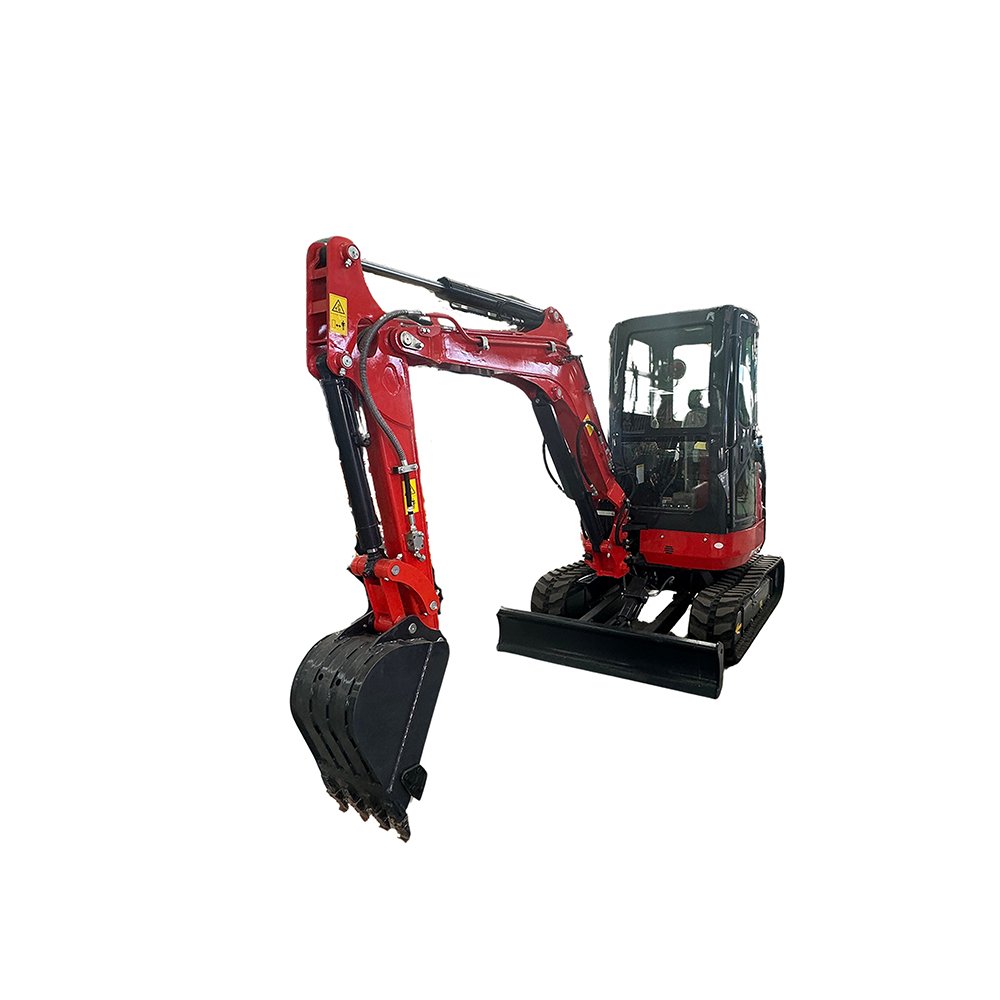
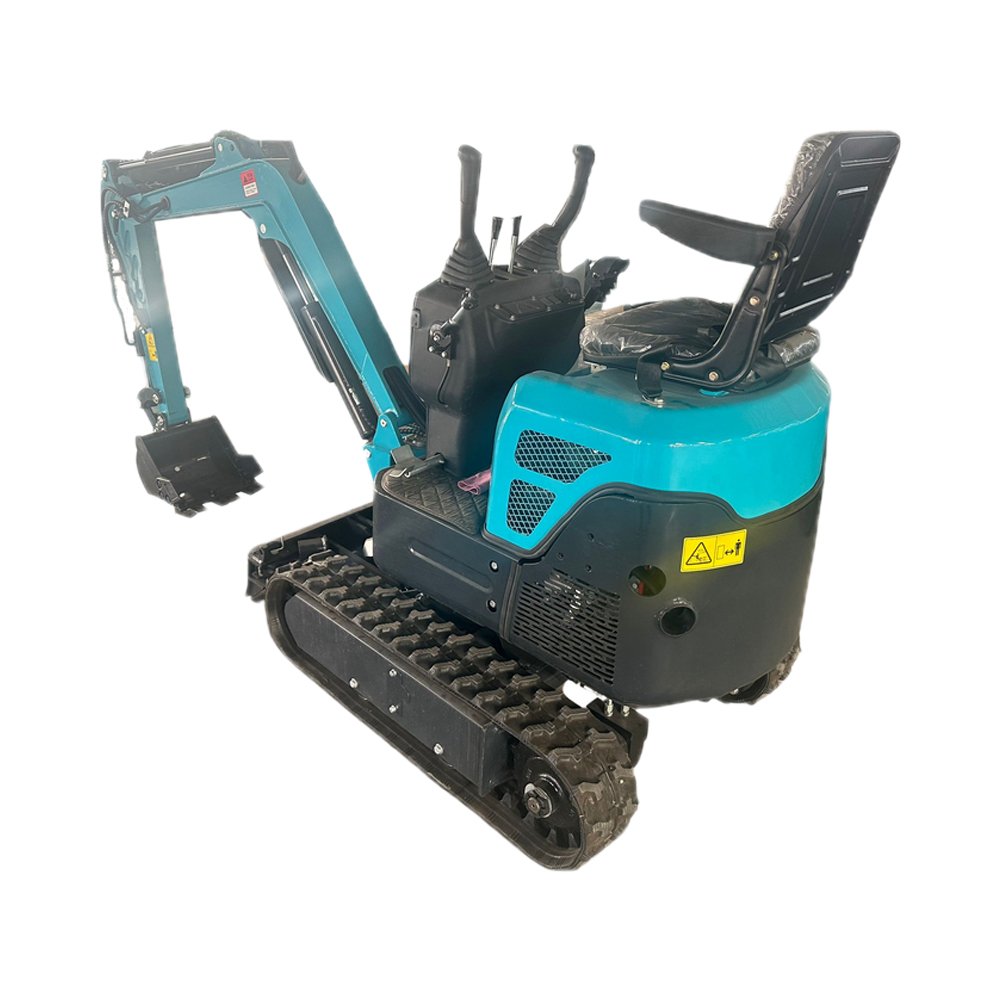
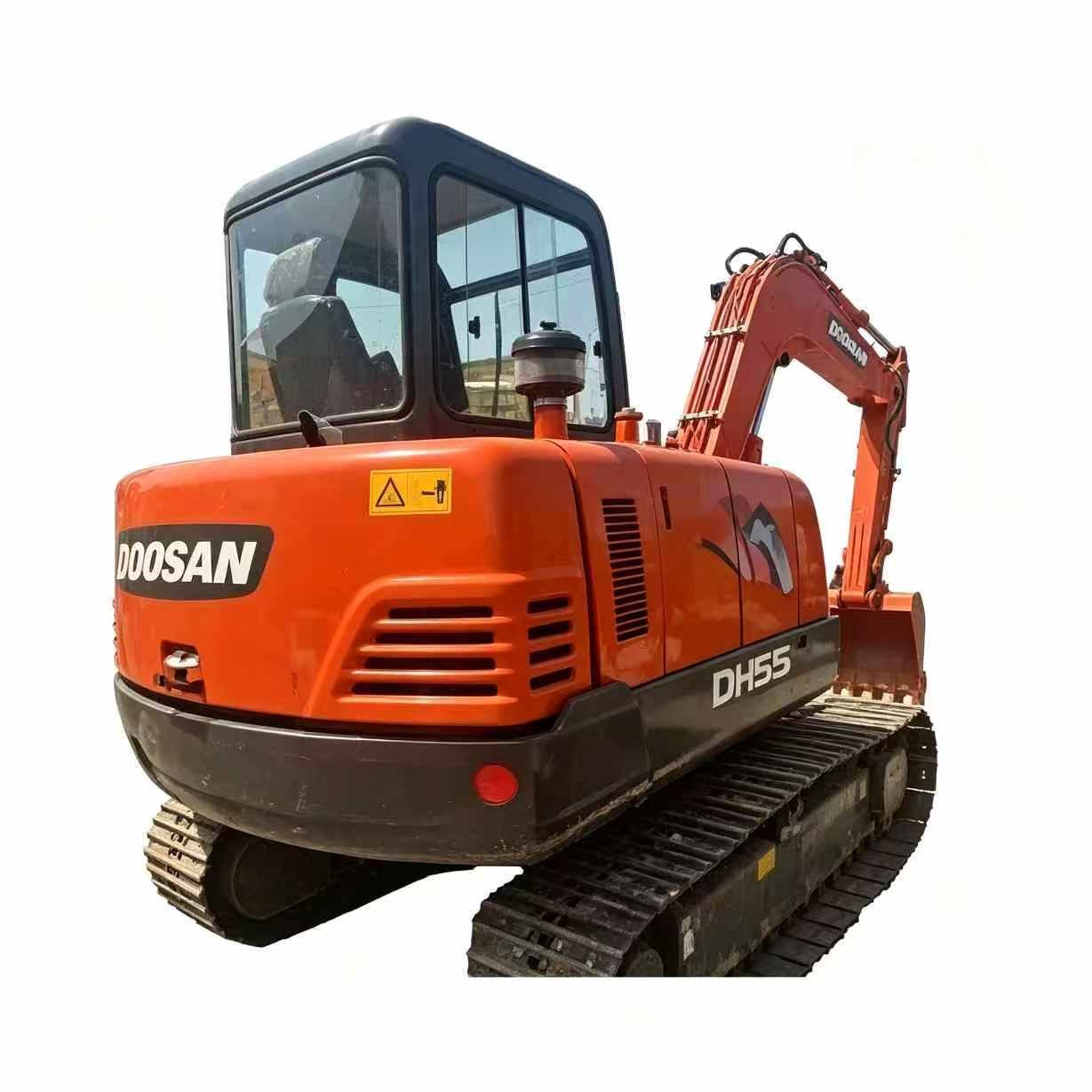
Mini excavators have become highly practical machines for farms, rural properties, landscaping projects, and general property maintenance. Their compact size, maneuverability, hydraulic power, and attachment flexibility allow owners to complete jobs that would otherwise require significant manual labor or multiple types of equipment.
For property owners considering a mini excavator, understanding its practical applications is one of the best ways to determine the right size, operating weight, digging depth, hydraulic configuration, and attachments. Whether the goal is to maintain farmland, improve drainage, prepare land, or handle construction tasks around a property, choosing a machine according to actual working conditions can improve productivity and long-term value.
Digging and Land Preparation
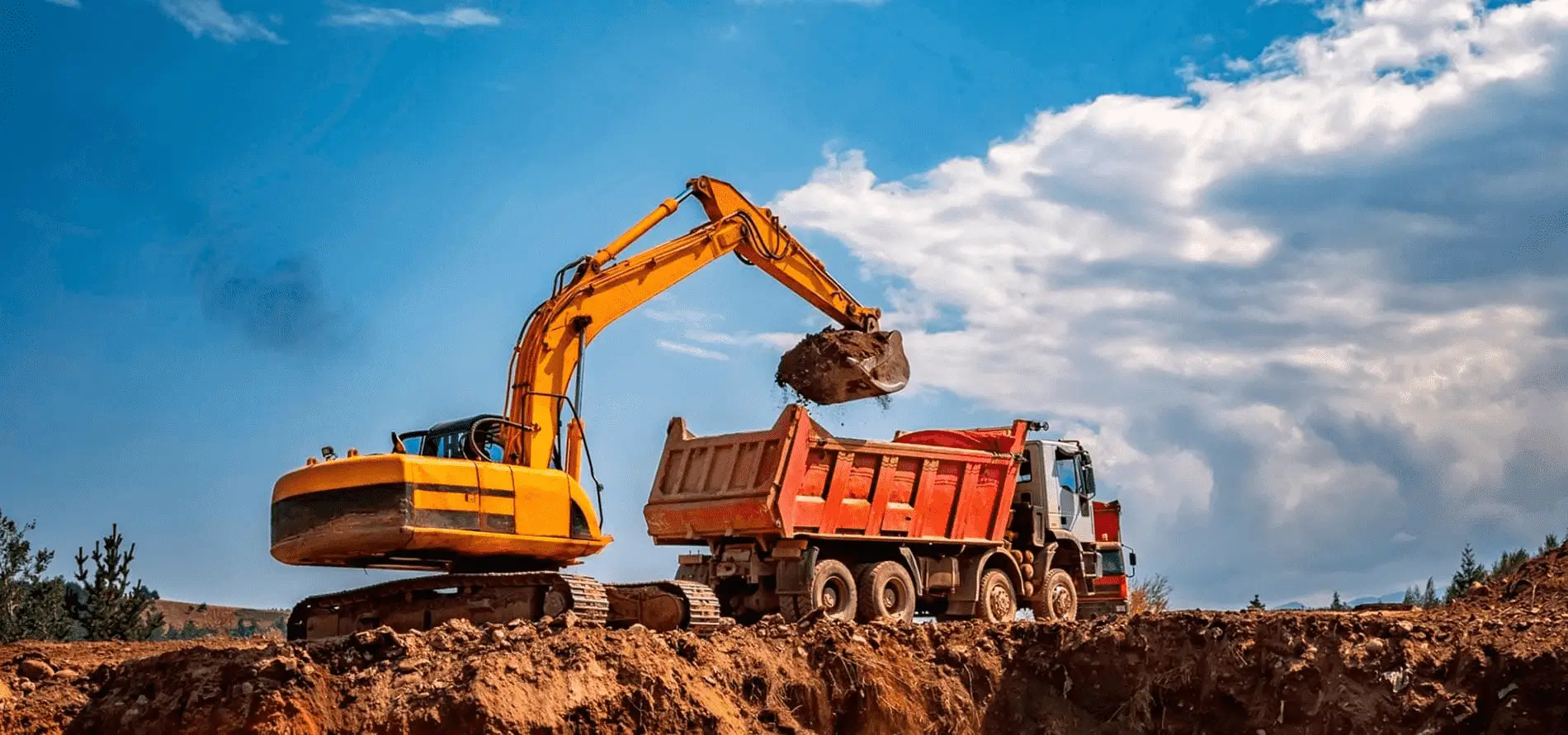
One of the most common mini excavator uses is digging. On farms and private properties, excavation may be needed for drainage channels, planting areas, foundations, utility lines, ponds, irrigation systems, or landscaping projects.
Compared with manual digging, a mini excavator can move soil efficiently while giving the operator precise control over digging depth and bucket movement. Its compact dimensions are particularly useful when working between buildings, fences, trees, gardens, and other existing structures.
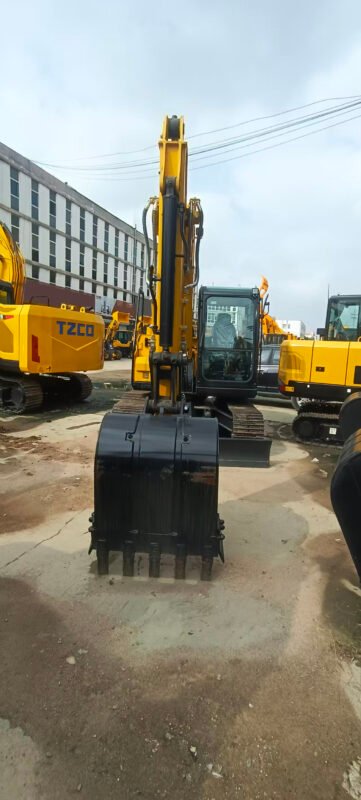
For property owners, selecting an appropriate bucket size is important. A standard digging bucket can handle general soil excavation, while narrower buckets are useful for utility trenches and drainage work. Wider buckets can improve efficiency when moving larger quantities of loose material.
Drainage and Irrigation Projects
Water management is an important part of agricultural and property maintenance. Poor drainage can affect fields, driveways, gardens, and buildings, while effective irrigation systems can support productive farmland and landscaping.
Mini excavators are well suited for creating drainage ditches, irrigation trenches, culverts, and channels. Operators can follow planned routes while maintaining consistent excavation depth.
For agricultural users, the machine can also help prepare areas for underground water pipes and irrigation lines. A compact excavator with precise hydraulic controls makes it easier to work around established crops and property features.
Fence Post and Property Boundary Work
Installing or replacing fences can involve substantial digging, especially across large farms or rural properties. A mini excavator can assist with preparing post holes, clearing fence lines, moving materials, and creating access paths.
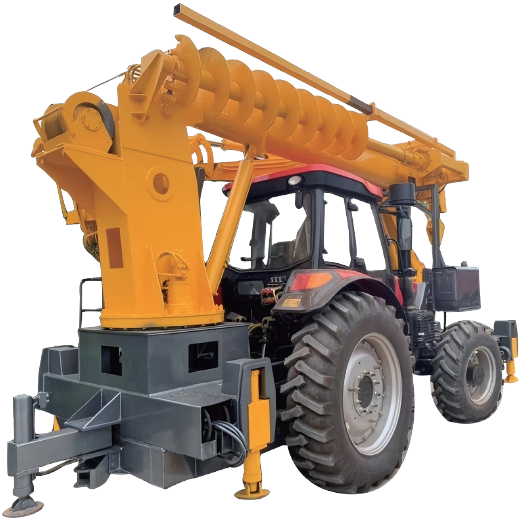
With a suitable auger attachment, the machine can drill consistent holes for fence posts. This can make large fencing projects more efficient and reduce the physical workload involved in preparing each post location.
The compact design also makes mini excavators useful around existing fences, barns, storage buildings, and landscaped areas where larger machinery may not be convenient.
Tree Planting and Landscaping
Mini excavators are increasingly used for landscaping because they combine digging capability with controlled operation. They can prepare planting holes, remove old vegetation, reshape soil, move mulch, and create landscape features.
For farms and larger residential properties, a mini excavator can help establish tree rows, prepare orchard areas, and create planting zones. When equipped with a grading bucket or similar attachment, it can also help level soil and prepare surfaces.
Careful operation is important when working near established trees. Selecting a compact model and using precise movements can help operators work efficiently while maintaining control around valuable landscape features.
Driveway and Road Maintenance
Farm roads, private driveways, access paths, and gravel surfaces require periodic maintenance. Mini excavators can assist with removing unwanted material, reshaping drainage areas, clearing roadside vegetation, and moving gravel or soil.
A grading attachment can help create more consistent surfaces, while a bucket can remove accumulated soil and debris from drainage channels.
For properties with narrow access routes, the dimensions of the excavator become especially important. A compact machine can travel through gates and confined areas while still providing useful digging and material-handling capability.
Small Foundation and Construction Projects
Mini excavators are also valuable for smaller construction projects on farms and private properties. Common applications include preparing foundations for sheds, workshops, garages, agricultural structures, patios, and other improvements.
The machine can excavate soil, move loose materials, backfill trenches, and prepare construction areas. Its compact working footprint allows it to operate close to existing structures when adequate clearance is available.
Before purchasing, users should consider required digging depth, machine width, lifting capacity, and available working space. These specifications directly influence whether the excavator is suitable for a particular construction project.
Clearing and Material Handling
Property maintenance often involves moving branches, soil, rocks, compost, mulch, and other materials. A mini excavator can perform these tasks efficiently with the right bucket, grapple, or other attachment.
On farms, this flexibility can be especially useful because work requirements change throughout the year. A machine may be used for land preparation during one season and property maintenance or material handling during another.
Attachment compatibility is therefore an important purchasing consideration. Buyers should check hydraulic flow, attachment mounting systems, operating weight, and the machine’s hydraulic configuration before selecting additional tools.
Choosing the Right Mini Excavator for Farm Work
There is no single mini excavator that fits every farm or property. The best choice depends on the work environment and the expected workload.
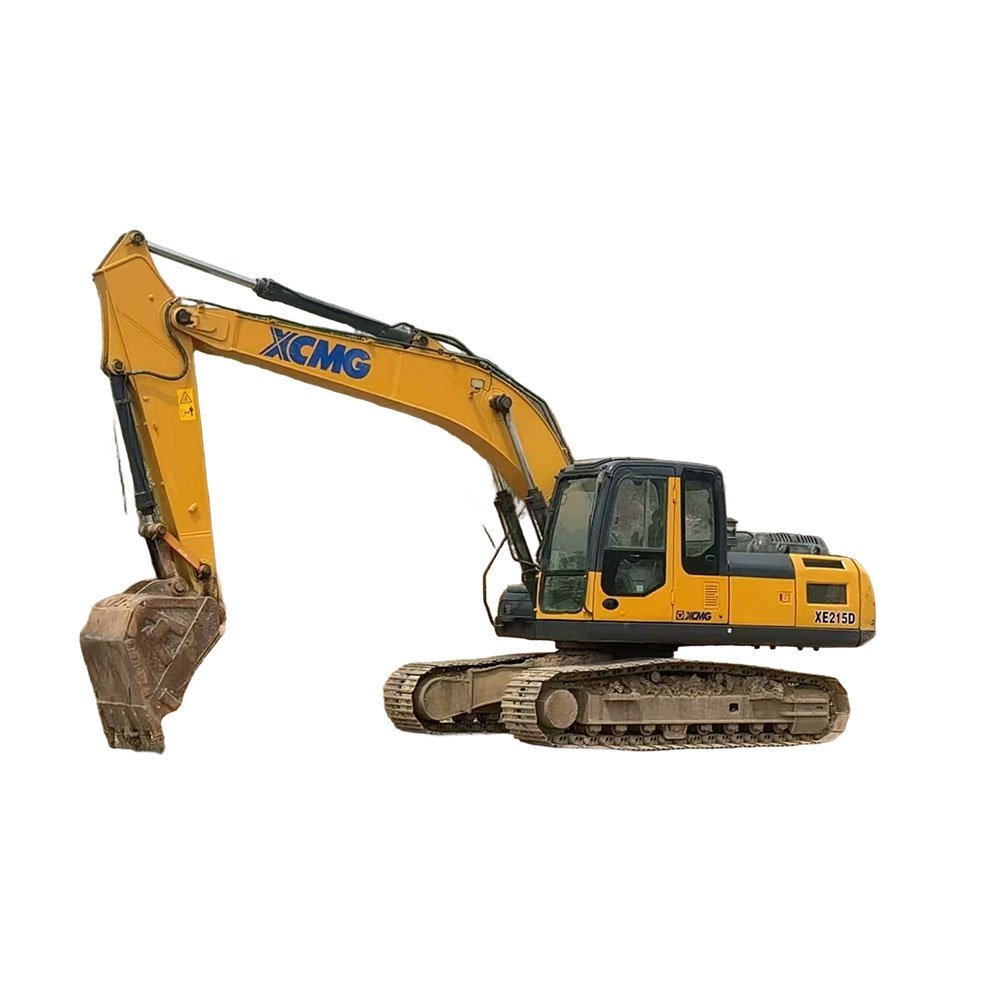
For light landscaping and residential property maintenance, a smaller compact excavator may provide sufficient digging performance while making transportation and access easier. For agricultural drainage, foundation preparation, heavier soil work, and regular material handling, users may benefit from a larger operating class with greater digging force and lifting capability.
Important specifications to compare include operating weight, engine output, maximum digging depth, bucket capacity, tail swing design, machine width, hydraulic flow, ground clearance, and attachment compatibility.
Transportation should also be considered. If the excavator needs to move between different properties or work areas, its transport dimensions and weight should match the available trailer and towing setup.
New and Used Mini Excavator Purchasing Considerations
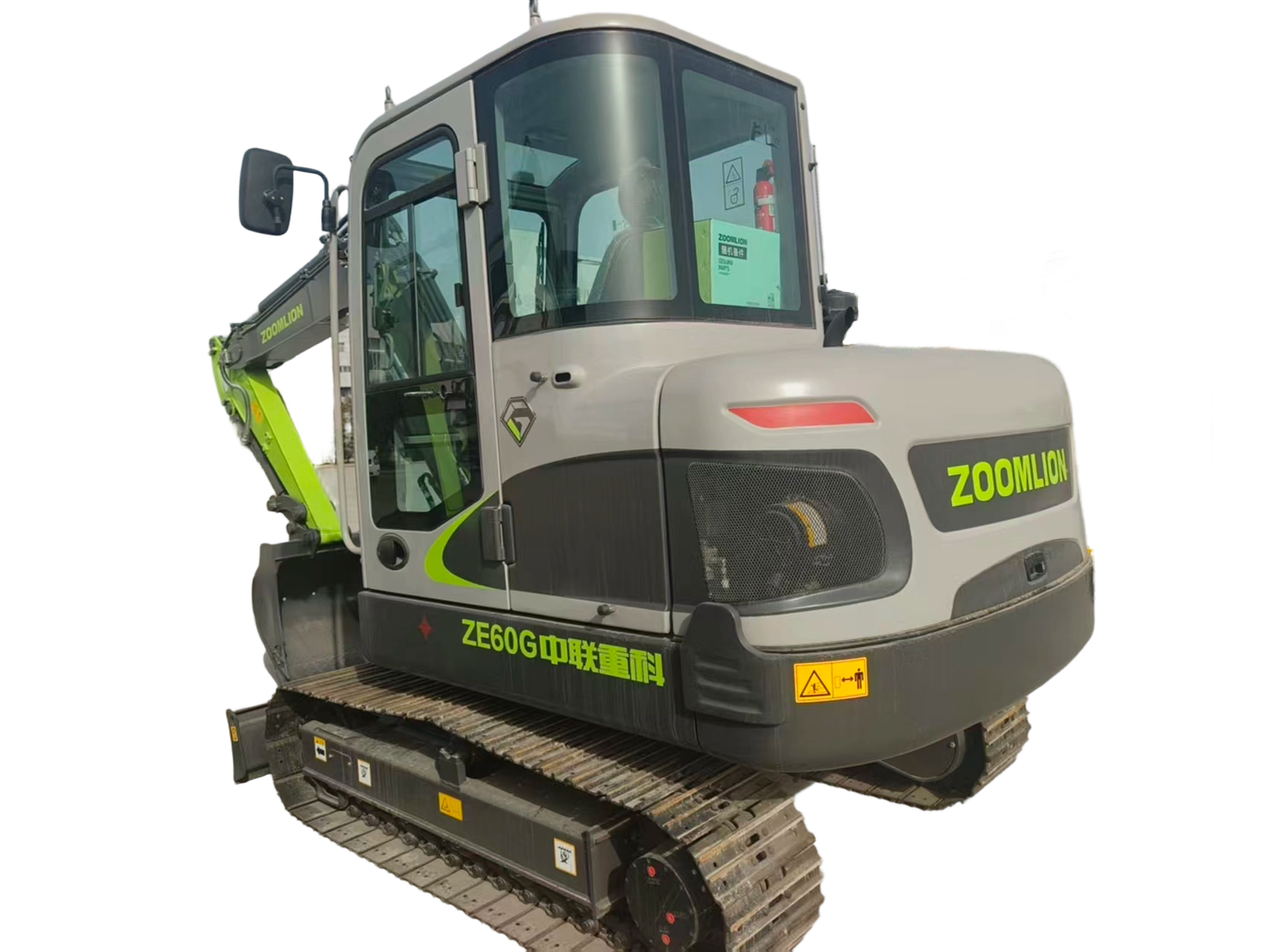
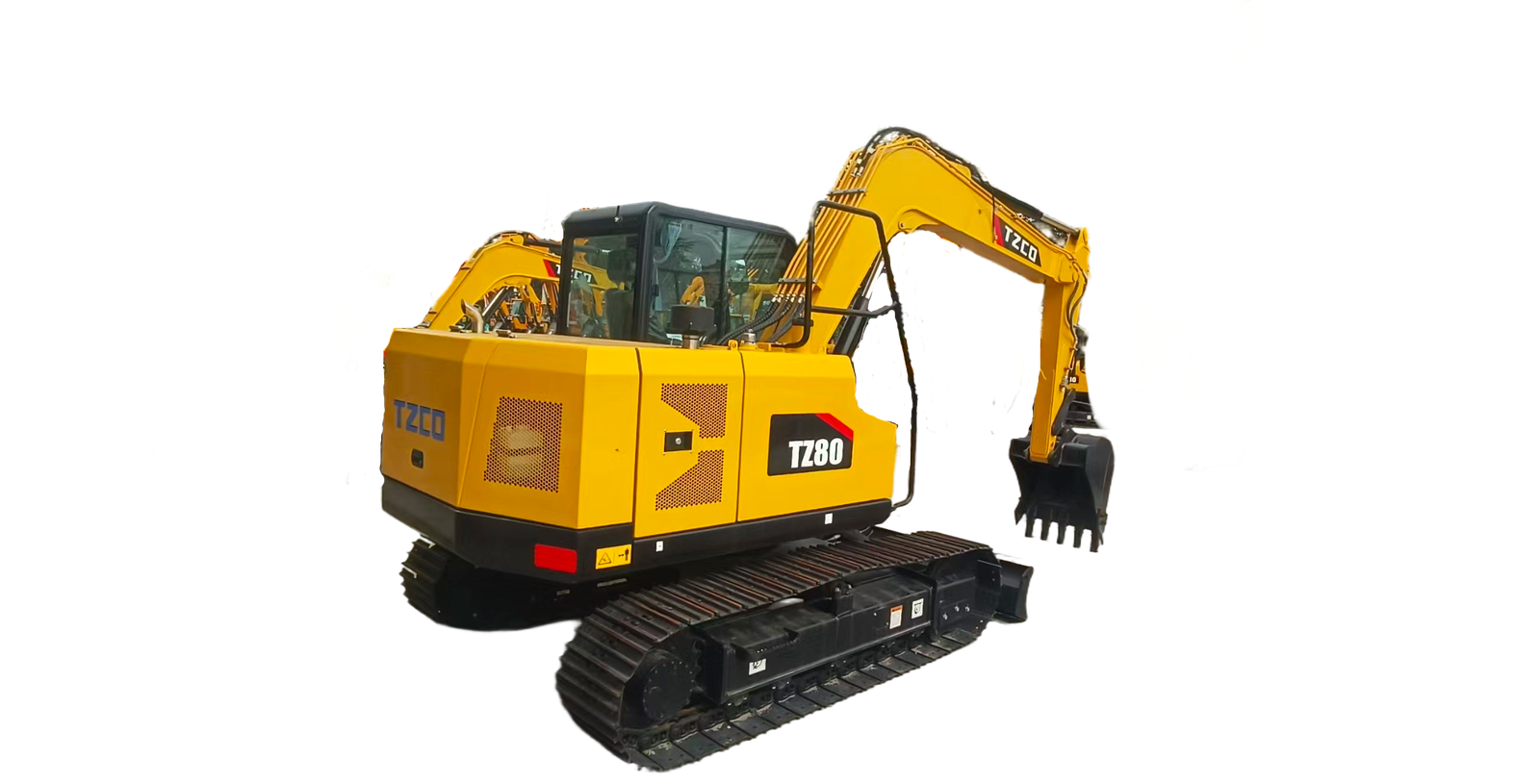
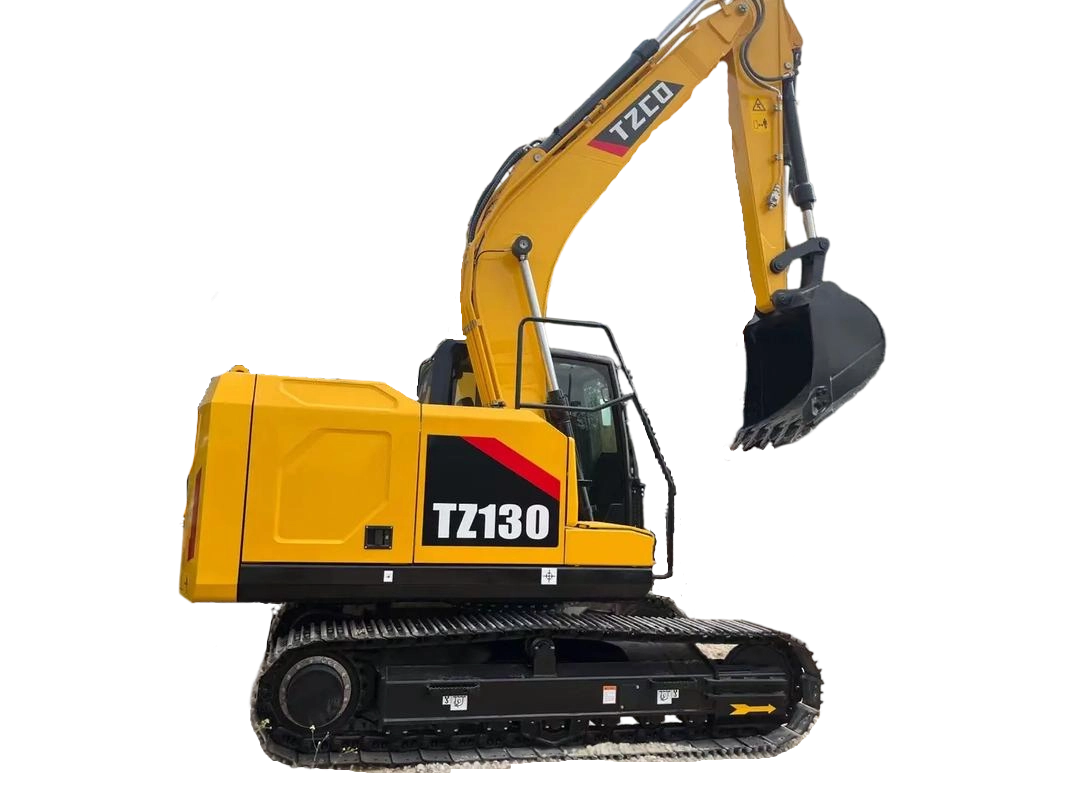
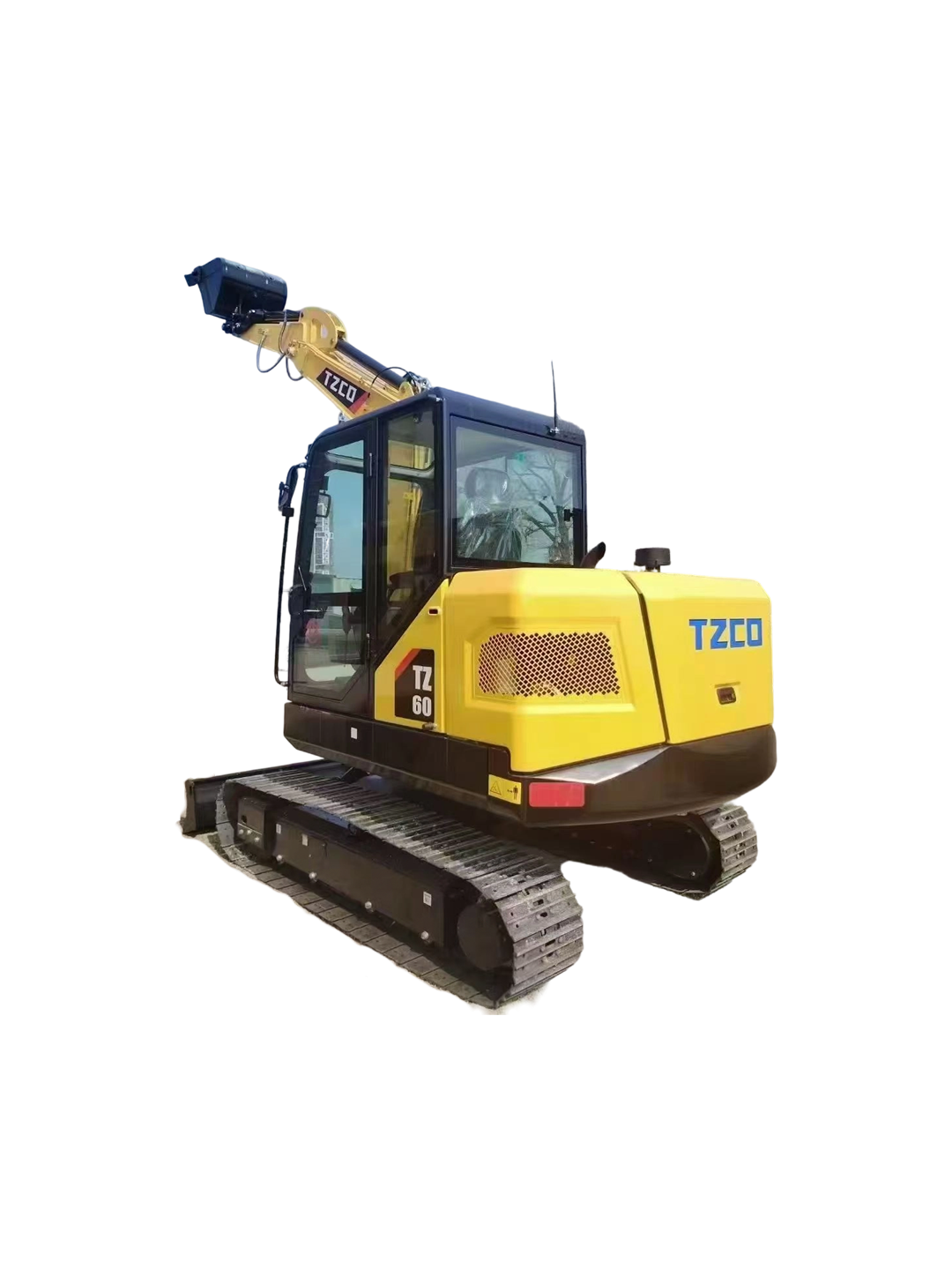
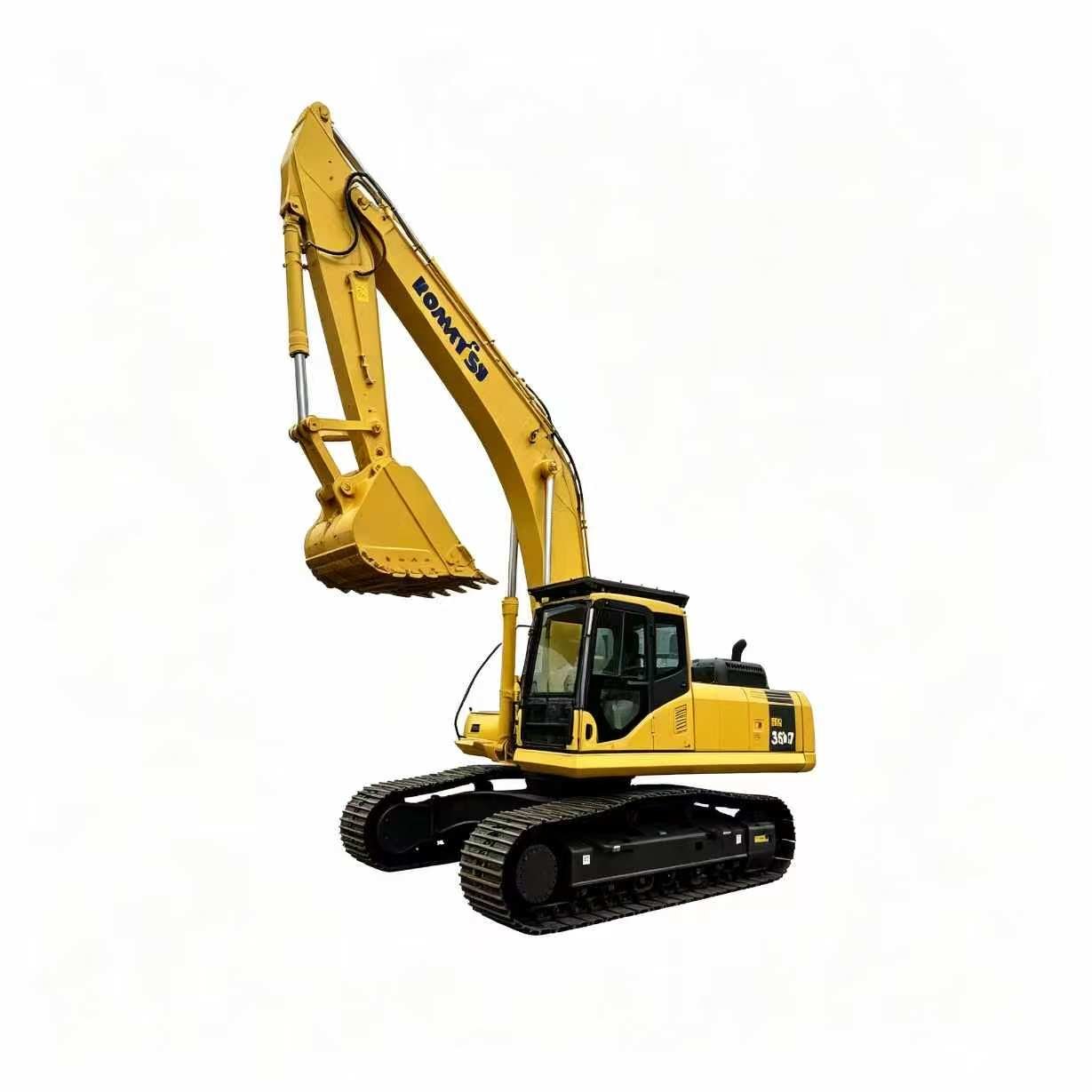
For buyers managing a fixed equipment budget, both new and used mini excavators can be considered according to project requirements. A used machine can be attractive when the buyer needs practical excavation capability for farm maintenance or occasional property projects.
When evaluating a used mini excavator, buyers should focus on service history, operating hours, hydraulic performance, attachment condition, undercarriage condition, controls, engine operation, and overall maintenance records.
A professional equipment platform such as THBSMN can be considered when searching for used construction machinery and related equipment. Buyers can compare available specifications and select equipment according to their actual application, working environment, and budget.
Why Attachment Selection Matters
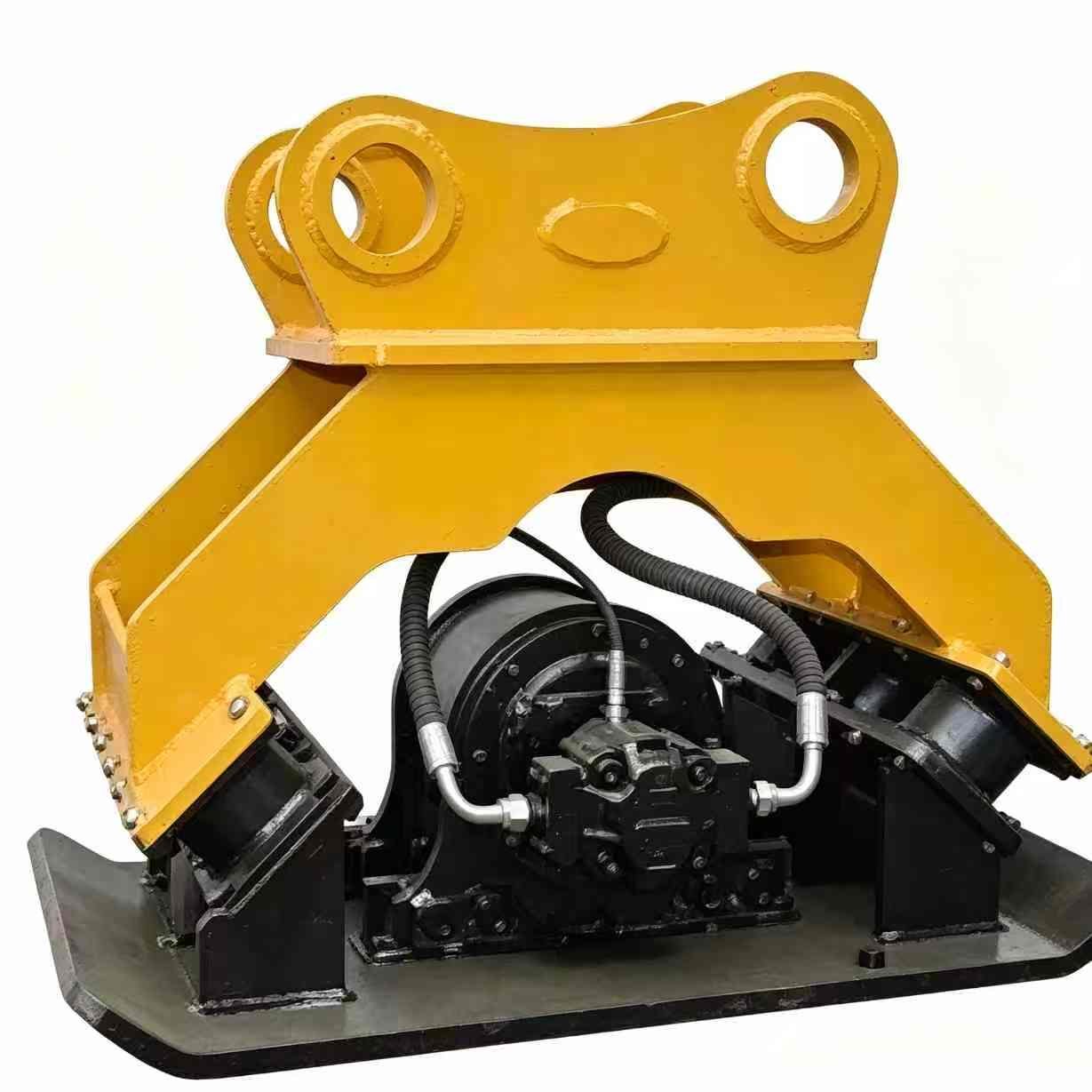
The versatility of a mini excavator comes largely from its attachments. A standard bucket handles general excavation, while narrow buckets are useful for trenching. Augers support post-hole and planting work, grading buckets help with surface preparation, and hydraulic attachments can expand the machine’s capabilities for specialized tasks.
For farm owners, purchasing a machine with a suitable hydraulic system can provide more flexibility over its working life. Instead of selecting equipment based only on horsepower or operating weight, buyers should consider the complete machine-and-attachment combination.
Practical Tips for Efficient Operation
Good planning can make mini excavator work faster and more precise. Before starting, operators should identify underground utilities, establish the excavation area, check access conditions, and determine where excavated material will be placed.
Working in planned stages can also reduce unnecessary machine movement. For example, when creating a drainage trench, the operator can establish the route first and then excavate systematically rather than repeatedly repositioning the machine.
Regular maintenance is equally important. Checking hydraulic systems, engine fluids, tracks, attachment connections, filters, and other key components according to the manufacturer’s recommendations helps keep the equipment ready for work.
A Flexible Investment for Farms and Properties
Mini excavators are more than compact digging machines. Their combination of maneuverability, hydraulic power, attachment flexibility, and relatively small working footprint makes them useful for a wide range of farm and property applications.
From drainage and fencing to landscaping, driveway maintenance, planting, construction preparation, and material handling, one well-selected machine can support many different projects throughout the year.
The key is to purchase according to actual working conditions rather than choosing a machine based only on size or price. By evaluating operating weight, digging performance, dimensions, hydraulic capacity, attachments, transportation requirements, and maintenance considerations, buyers can make a more practical equipment decision and get greater value from their mini excavator.
For farms, estates, rural properties, and professional landscaping work, a properly selected mini excavator can become a versatile tool that helps turn demanding property projects into manageable, efficient tasks.