

Industry News
Heavy duty china wheel loader stable structure for tough outdoor construction sites
Aug
Construction sites demand equipment that can handle continuous loading, material movement, uneven ground, and changing outdoor conditions. A heavy duty China wheel loader can be a practical solution for contractors, equipment rental companies, quarry operators, farms, infrastructure projects, and material-handling businesses that need strong performance and efficient operation.
A wheel loader is designed to combine lifting, loading, transportation, and site-cleaning functions in one machine. When the loader features a stable structure, suitable operating weight, powerful hydraulic performance, and a well-matched bucket, it can help construction teams complete daily material-handling tasks more efficiently.
For buyers exploring China wheel loaders, the key is not simply finding a machine with a large engine or high rated capacity. The better approach is to evaluate the complete machine according to working conditions, material type, operating frequency, transport requirements, maintenance plans, and long-term operating value.
Why Wheel Loaders Are Important for Outdoor Construction
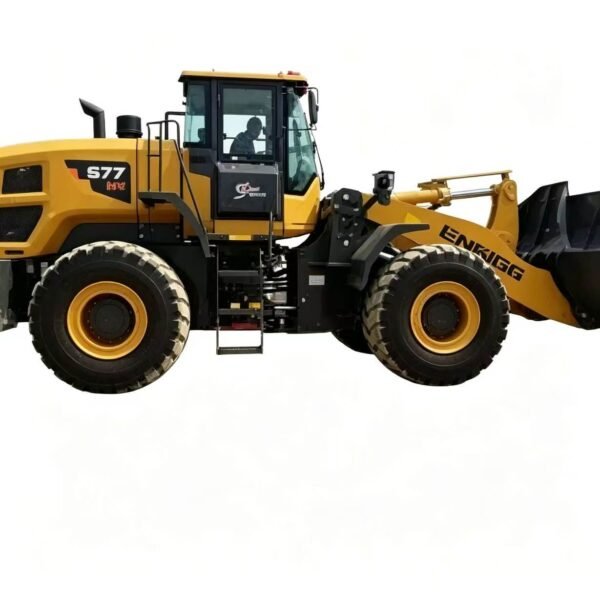
Wheel loaders are widely used because they can move large quantities of materials quickly while maintaining good mobility around a construction site. Their articulated design allows operators to work in relatively tight areas while the front-mounted bucket provides an efficient method for loading and transferring materials.
Typical applications include moving sand, gravel, soil, aggregate, construction materials, and other bulk products. They can also support road construction, landscaping, agricultural operations, mining-related material handling, warehouse yards, and municipal projects.
For outdoor construction, machine stability is especially important. Uneven surfaces, frequent bucket loading, and repeated lifting cycles require a loader with a solid frame and properly matched components. A stable structure helps the machine maintain balance during normal operations and provides a dependable foundation for daily work.
What Makes a Heavy Duty China Wheel Loader Suitable for Tough Jobs
A heavy duty wheel loader should be evaluated as a complete working system rather than by a single specification. Engine output, operating weight, bucket capacity, hydraulic system, axle configuration, tires, frame design, and transmission all influence actual productivity.
A strong frame is particularly valuable when the machine frequently handles heavy materials. The front and rear sections should work smoothly through the articulation joint while maintaining structural stability during steering and loading.
Hydraulic performance is another important consideration. Efficient hydraulic systems allow the bucket to lift, lower, tilt, and position materials smoothly. For high-cycle operations, responsive hydraulic movement can help reduce unnecessary waiting between loading and unloading tasks.
The bucket should also match the material being handled. A general-purpose bucket may be suitable for many construction applications, while specialized bucket configurations can improve efficiency for particular materials or operating conditions.
How to Choose the Right Wheel Loader Capacity
Choosing the correct capacity is one of the most important decisions when purchasing a China wheel loader. A machine that is too small may require more loading cycles, while an unnecessarily large machine may not be the most efficient choice for smaller projects.
Start by estimating the average material volume handled per hour. Consider bucket capacity, material density, loading height, travel distance, and the number of cycles required. These factors provide a clearer picture of the loader’s practical productivity.
Construction companies should also consider the size of trucks or other transport equipment used on the same site. Matching the wheel loader with the receiving equipment can create a smoother loading process and reduce unnecessary machine movement.
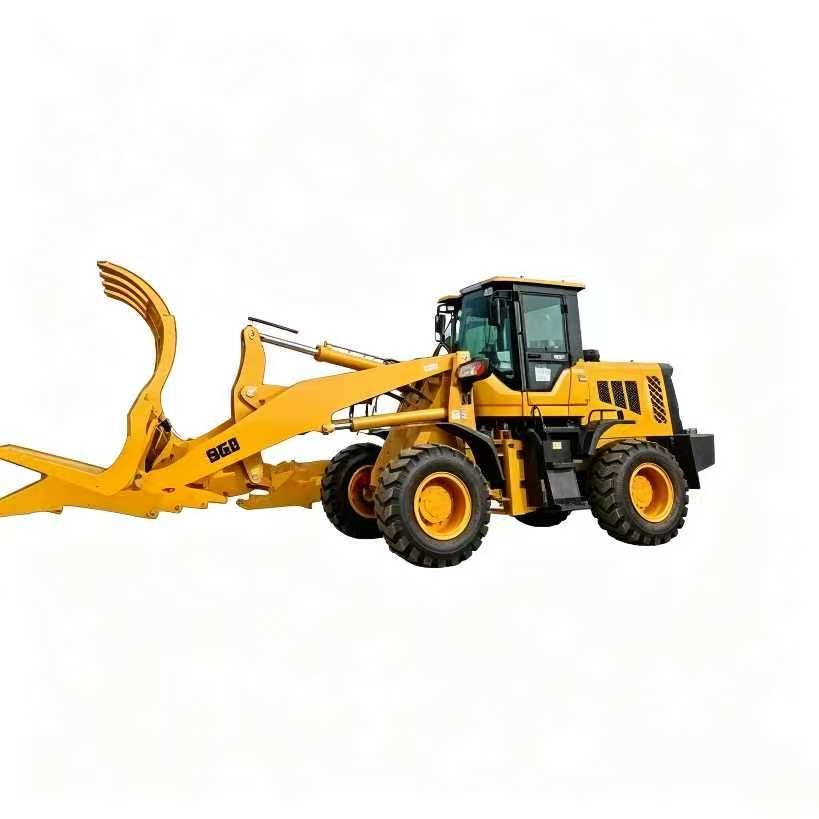
For businesses handling multiple applications, selecting a loader with flexible attachment options can increase its usefulness. Different buckets, forks, and other compatible attachments can expand the machine’s working range.
Stability Matters on Outdoor Construction Sites
Outdoor construction rarely takes place on perfectly level surfaces. Sites may include compacted soil, gravel, slopes, temporary access roads, or changing ground conditions. A stable wheel loader can therefore provide valuable operational confidence.
Machine weight distribution, wheelbase, tire selection, frame construction, and articulation design all contribute to stability. Operators should always follow the manufacturer’s operating recommendations and select the machine according to the site’s actual conditions.
A properly matched loader also makes it easier for operators to maintain consistent working cycles. Smooth steering, predictable hydraulic response, and good visibility can contribute to comfortable operation throughout a long workday.
Engine and Hydraulic Performance
Power should be considered together with efficiency. A wheel loader needs sufficient engine performance to move, lift, and load materials without making the machine unnecessarily complex for the intended application.
Hydraulic efficiency is equally important because many loader functions depend on hydraulic power. Buyers should review rated hydraulic flow, lifting performance, response characteristics, and system configuration when comparing machines.
For frequent outdoor operations, cooling performance can also be an important consideration. Construction sites may involve long operating periods, dust, changing temperatures, and heavy workloads. A well-designed cooling system can support consistent machine operation when properly maintained.
Tires, Axles, and Transmission
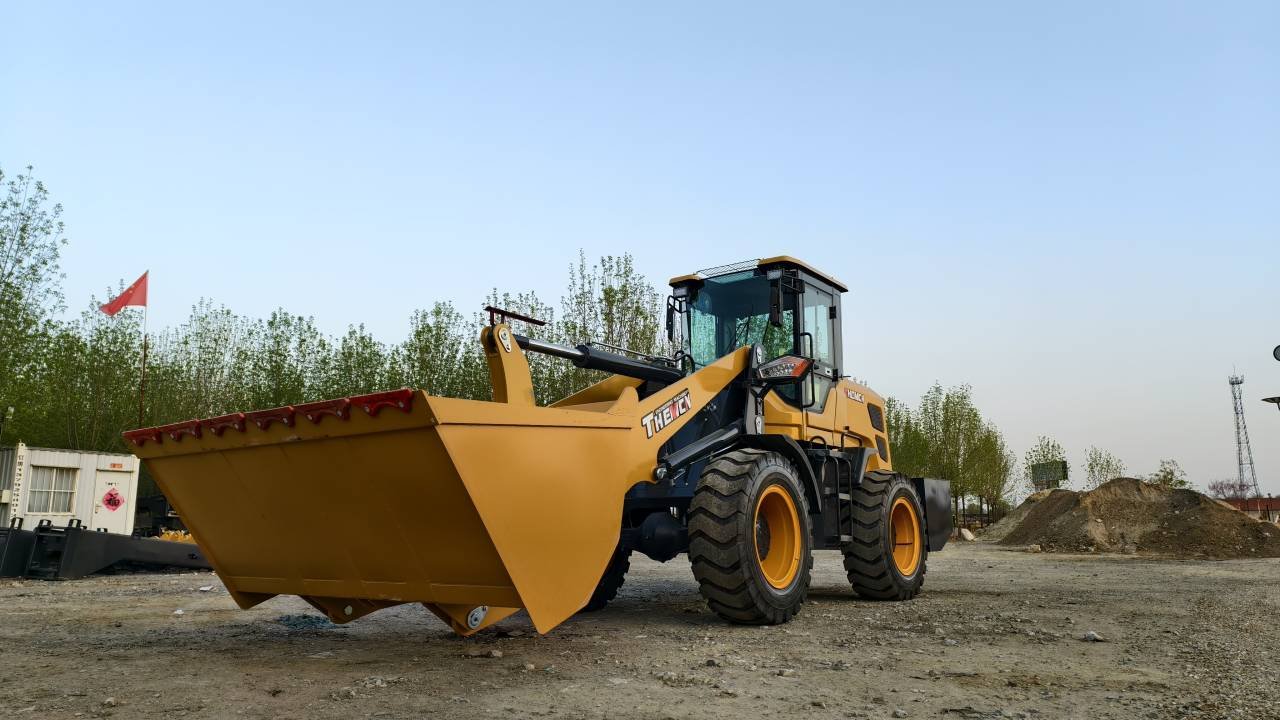
The tires are the direct connection between the wheel loader and the working surface. Buyers should select tire specifications according to terrain, load, travel frequency, and application.
Axle design also affects traction and load distribution. For material-handling work, reliable traction helps the loader approach piles, carry loaded buckets, and maneuver around the work area.
The transmission should be matched to the machine’s operating requirements. Construction loaders often perform repeated forward-and-reverse cycles, making smooth direction changes and appropriate gear selection valuable for productivity.
These components work together. A powerful engine cannot deliver the expected productivity if the tires, transmission, hydraulic system, and bucket are not properly matched.
Operator Comfort and Visibility
Productivity depends not only on machine specifications but also on the person operating the machine. A comfortable cab with practical controls, clear visibility, ergonomic seating, and useful instrumentation can support efficient daily operation.
Good visibility is especially valuable during bucket positioning, truck loading, reversing, and maneuvering around workers or other equipment. Buyers should evaluate cab design and sightlines rather than focusing exclusively on mechanical specifications.
Simple and intuitive controls can also reduce the learning curve for operators. For companies with multiple operators, a practical cab design can make everyday machine use more convenient.
Maintenance and Parts Availability
Before purchasing a heavy duty China wheel loader, buyers should consider the complete ownership process. Routine maintenance, replacement parts, technical support, and service communication can all influence the long-term value of the equipment.
Ask the supplier about recommended maintenance intervals, commonly replaced components, compatible attachments, and parts availability. It is also useful to understand how technical documentation and after-sales communication are provided.
For international buyers, supplier responsiveness is particularly important. Clear specifications, accurate machine information, shipping coordination, and timely communication can make the purchasing process more efficient.
Why China Wheel Loaders Attract Global Buyers
China has developed a broad manufacturing base for construction machinery, giving international buyers access to a wide range of wheel loader configurations. Different machine sizes, bucket capacities, engine options, attachment systems, and operating configurations allow buyers to select equipment according to specific applications.
The international market also values flexible sourcing. Buyers can compare machines based on specifications, intended use, configuration, logistics, and service support instead of relying on a single purchasing model.
For used-equipment buyers, platforms such as THBSMN can provide another sourcing option. Buyers can review available machinery and communicate their requirements according to project needs, making it easier to identify suitable equipment for construction and material-handling applications.
How to Evaluate a Loader Before Purchase
A professional purchasing process should begin with the job rather than the machine. Define the materials to be handled, expected working hours, required bucket size, operating environment, transportation requirements, and desired productivity.
Next, review the machine’s core specifications. Pay attention to rated operating capacity, bucket volume, engine output, operating weight, hydraulic performance, turning radius, dimensions, tire configuration, and lifting characteristics.
For used equipment, buyers should additionally review operating history, maintenance records, machine condition, component information, and available inspection details. Requesting photos, videos, specification sheets, and operating information can help create a clearer understanding of the machine before purchase.
Building Better Construction Productivity
The right wheel loader can become one of the most useful machines on a construction site because it supports several essential tasks. Instead of considering the loader only as a bucket machine, contractors can view it as a mobile material-handling platform.
When its capacity matches the project, the machine can support smoother loading cycles and reduce unnecessary material movement. Compatible attachments can further increase versatility, allowing one machine to support different jobs throughout the year.
This flexibility is especially useful for contractors managing multiple projects. A well-selected loader can adapt to roadwork, site preparation, aggregate handling, landscaping, agricultural material movement, and general construction applications.
Selecting a heavy duty China wheel loader for tough outdoor construction sites requires a balanced evaluation of structure, capacity, hydraulic performance, engine output, tires, transmission, operator environment, maintenance requirements, and supplier support.
The best machine is not necessarily the largest one. It is the loader whose specifications closely match the actual workload and working environment. Buyers should calculate expected productivity, confirm compatibility with existing equipment, evaluate maintenance requirements, and communicate their project needs clearly with the supplier.
For buyers searching for construction machinery and related equipment, THBSMN can be considered as a sourcing platform for suitable machinery options. By focusing on application requirements and complete machine specifications, construction businesses can make more informed purchasing decisions and choose wheel loaders that provide practical value across demanding outdoor projects.