

Industry News
Certified quality used excavator complete documentation for international export trade
Aug
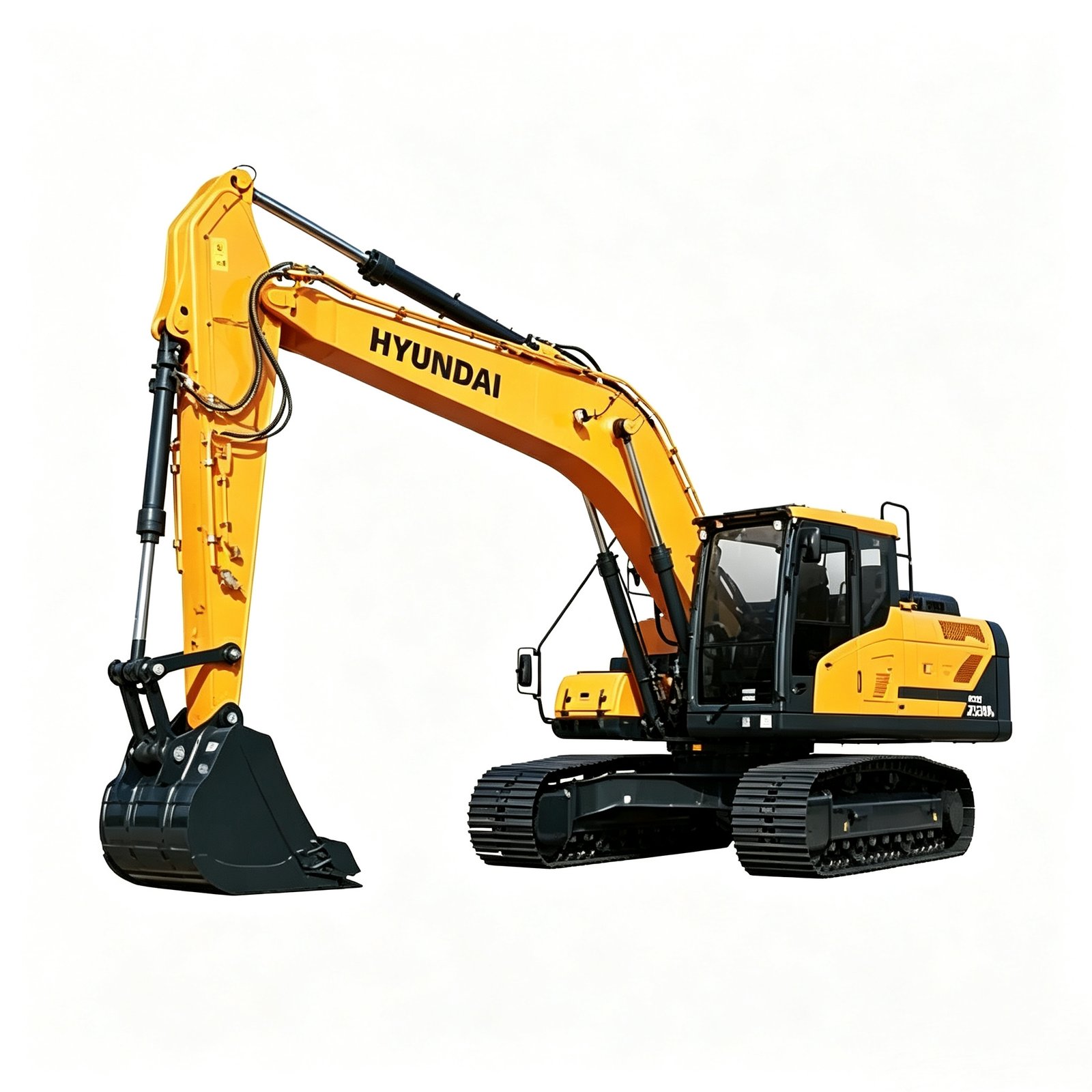
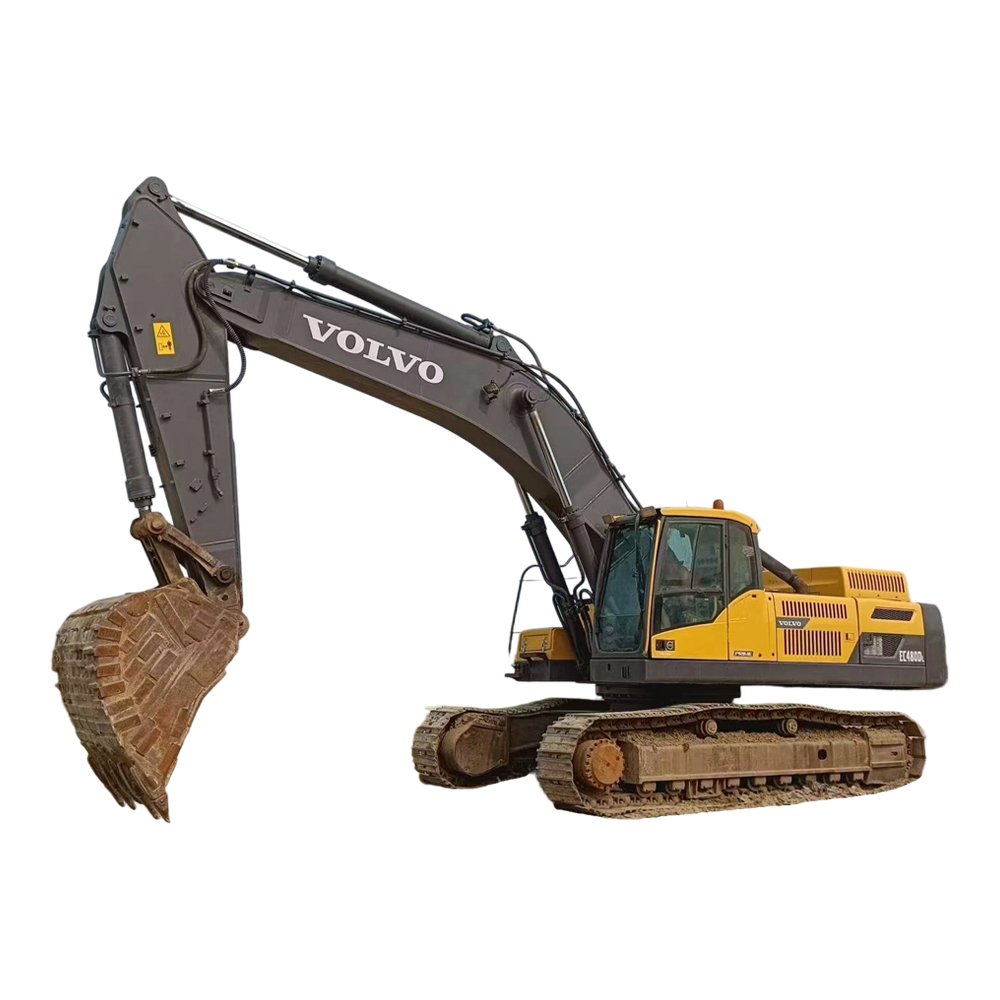
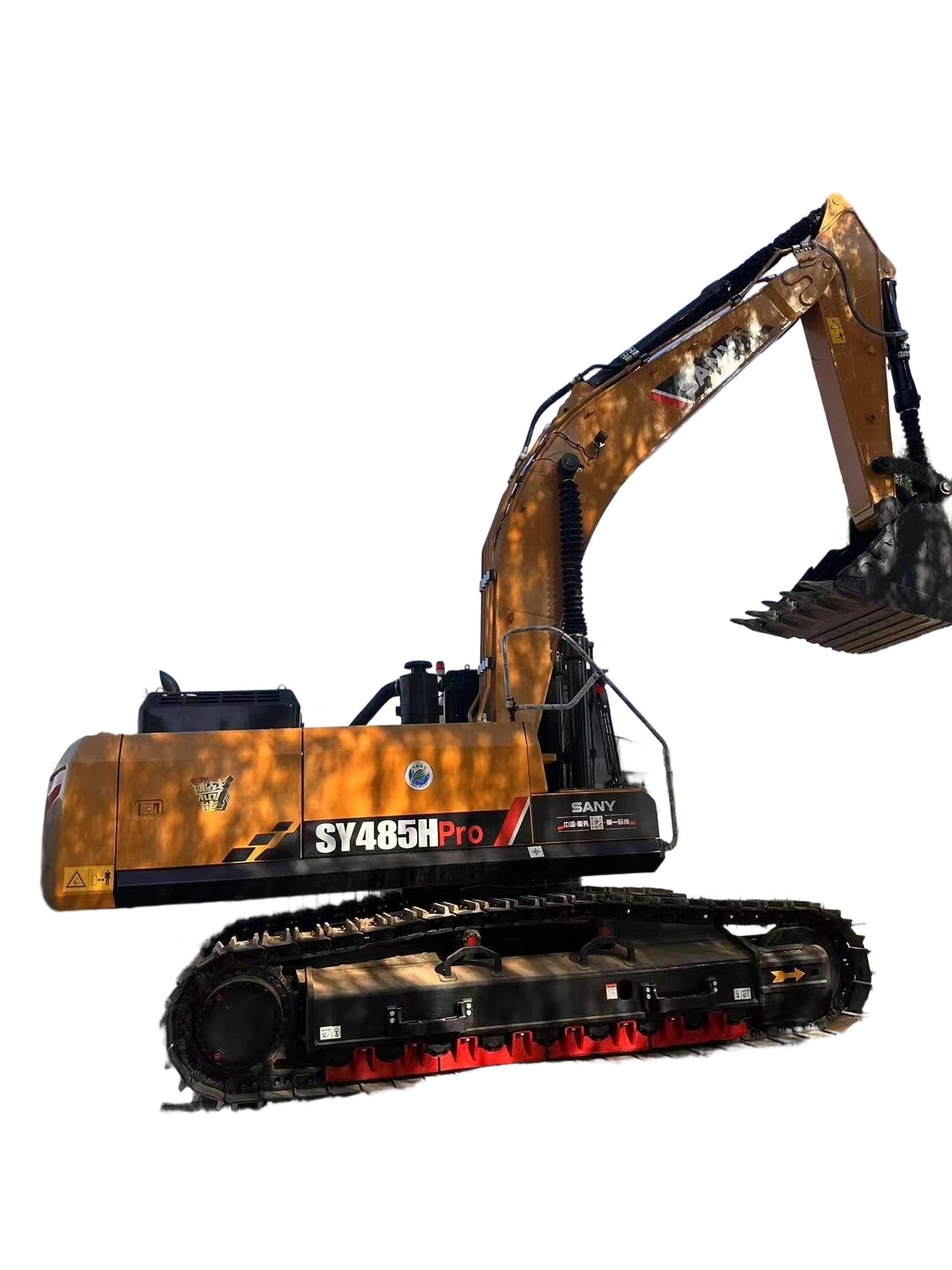
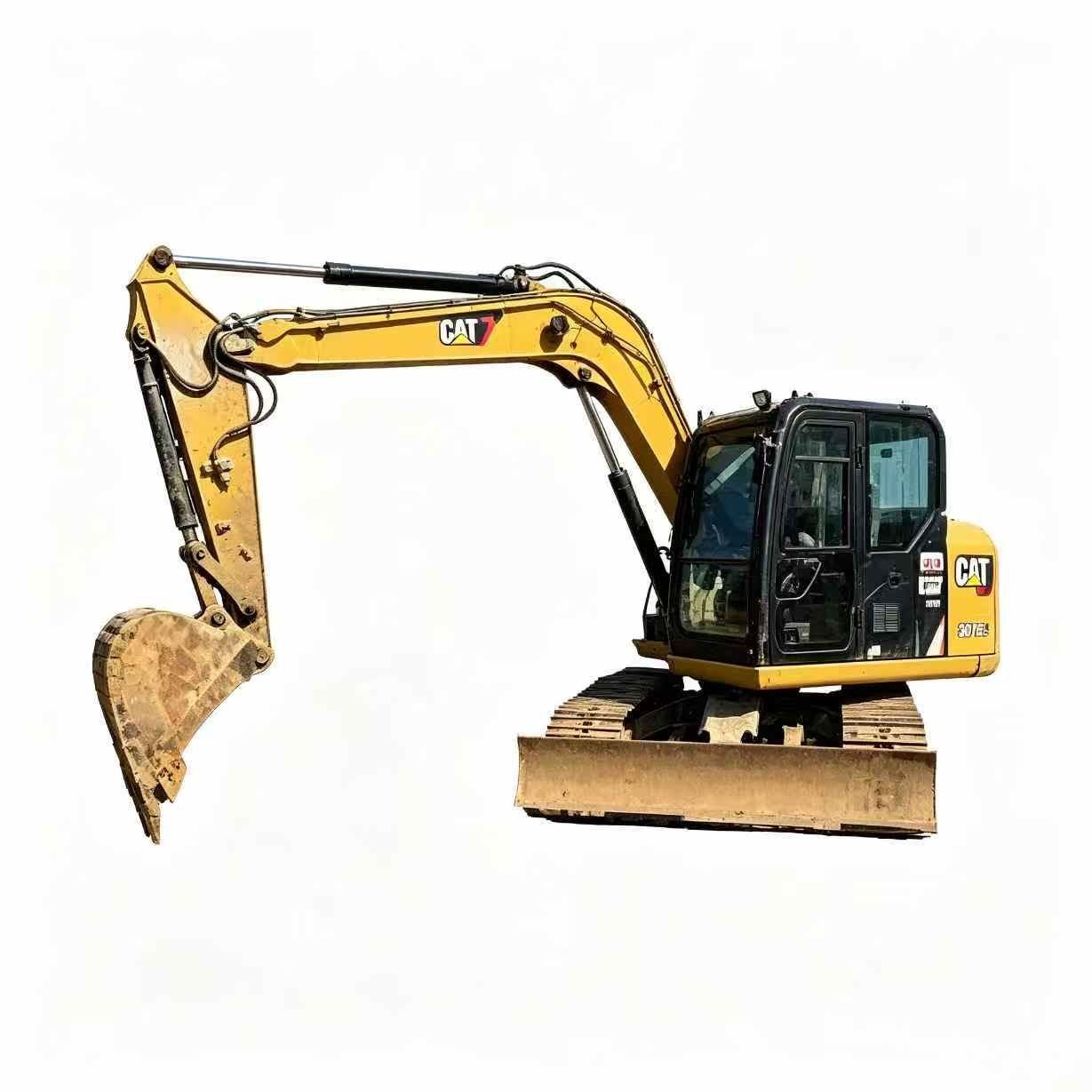
The global market for used construction equipment continues to grow as contractors, rental companies, dealers, infrastructure developers, and agricultural businesses look for practical ways to expand their fleets. Among these machines, used excavators remain highly valued because they can support excavation, trenching, material handling, land preparation, road construction, landscaping, and many other applications.
For international buyers, however, purchasing a used excavator involves more than selecting a machine based on model, operating hours, configuration, and price. Complete documentation is an important part of a professional export transaction. Proper documents help buyers understand the machine’s identity, ownership information, specifications, maintenance history, shipping arrangements, and export status.
A supplier that can provide organized documentation makes the purchasing process more transparent and efficient. This is especially important when equipment crosses international borders and must be prepared for customs clearance, transportation, and local registration.
What Complete Used Excavator Documentation Should Include
A professional used excavator transaction typically starts with clear equipment information. Buyers should be able to review the excavator’s brand, model, manufacturing year, serial number, operating hours, engine specifications, working weight, bucket configuration, and major equipment options.
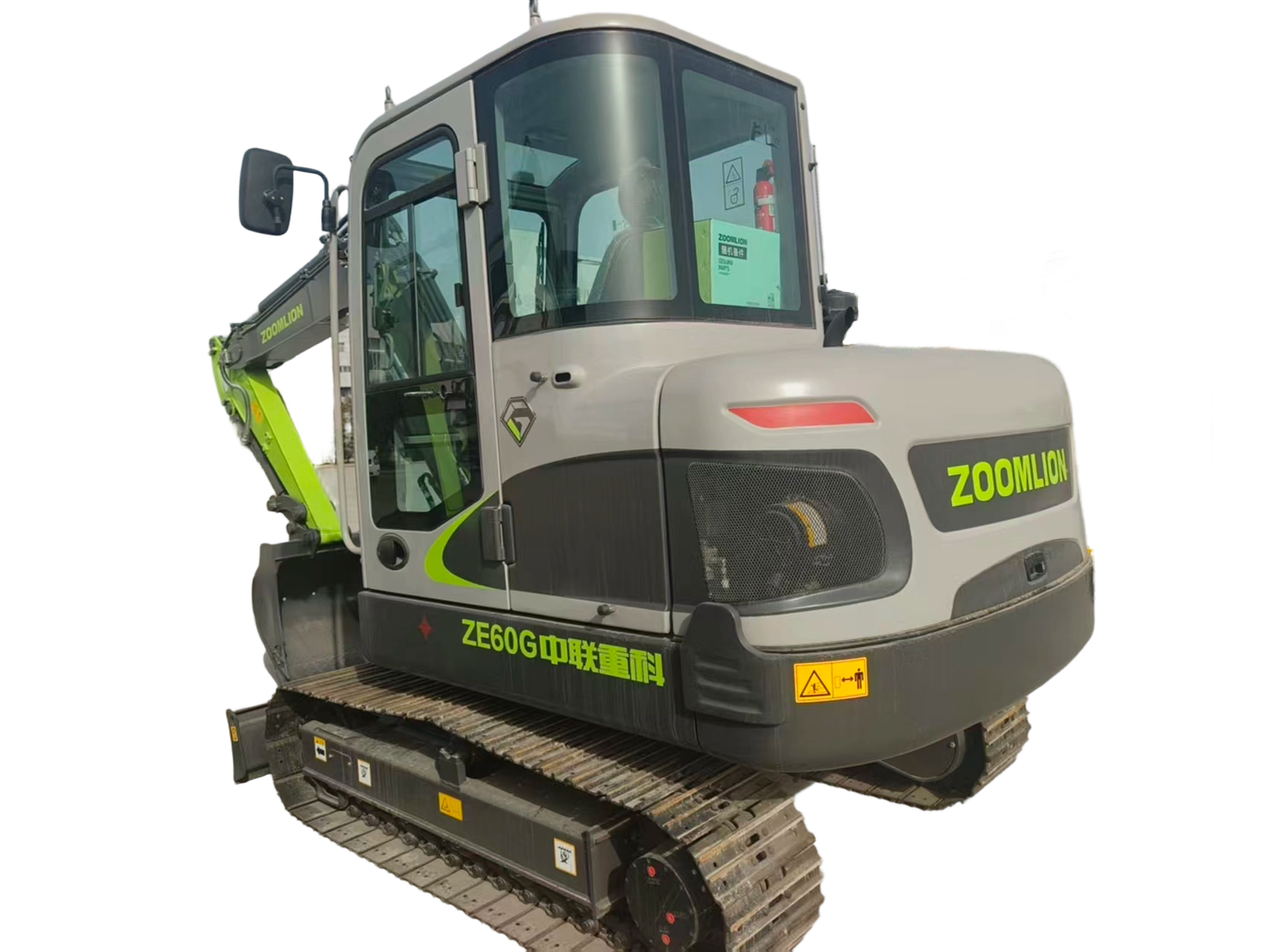
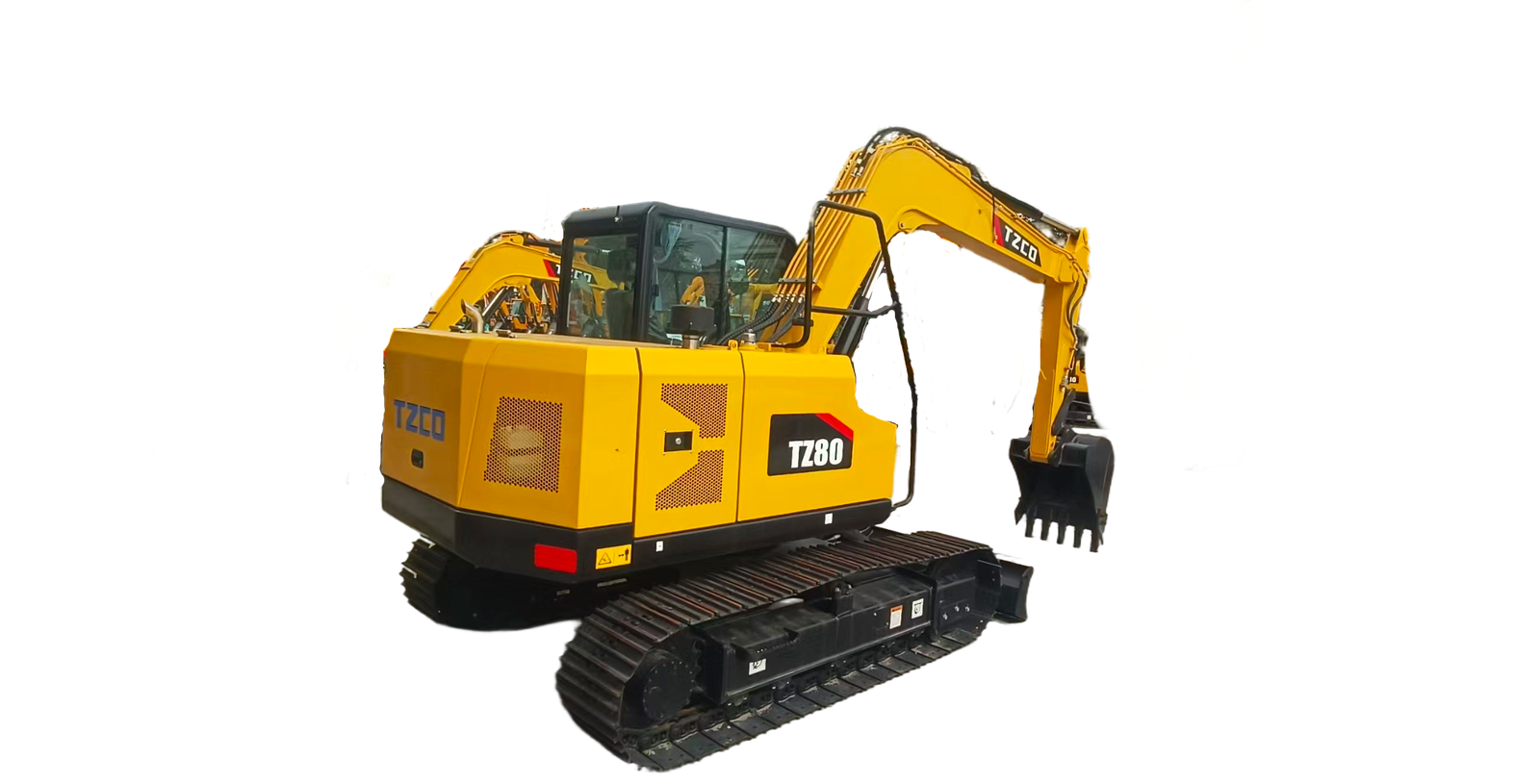
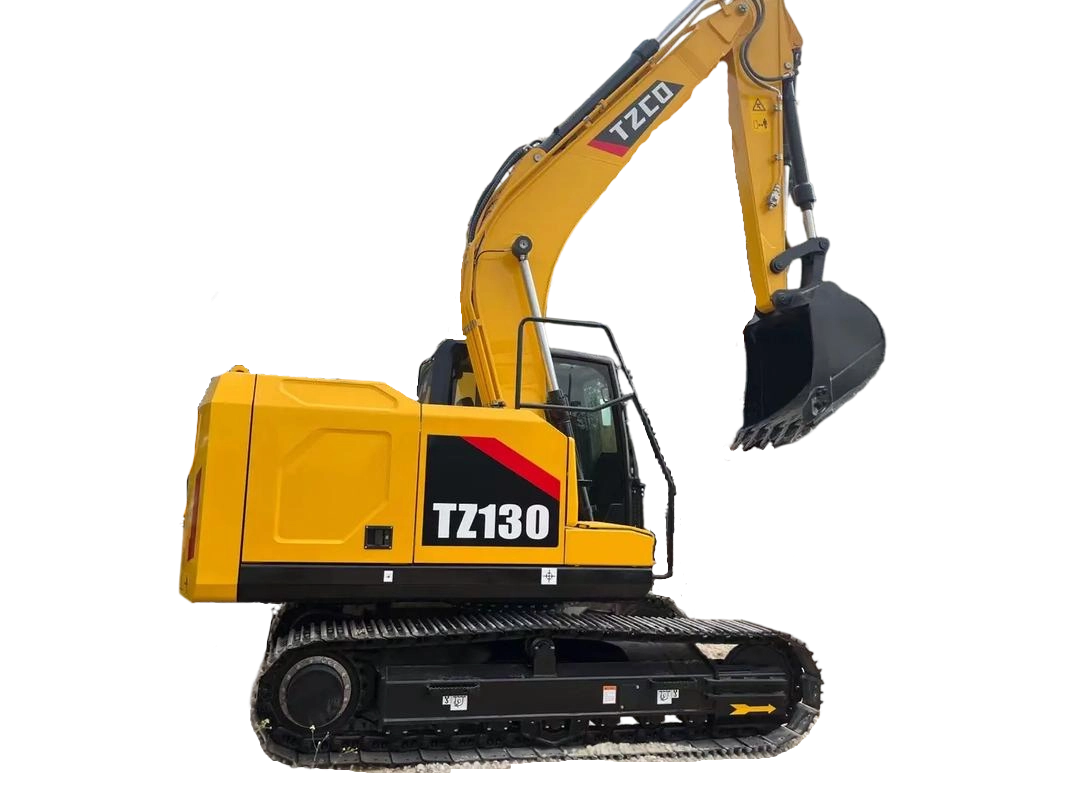
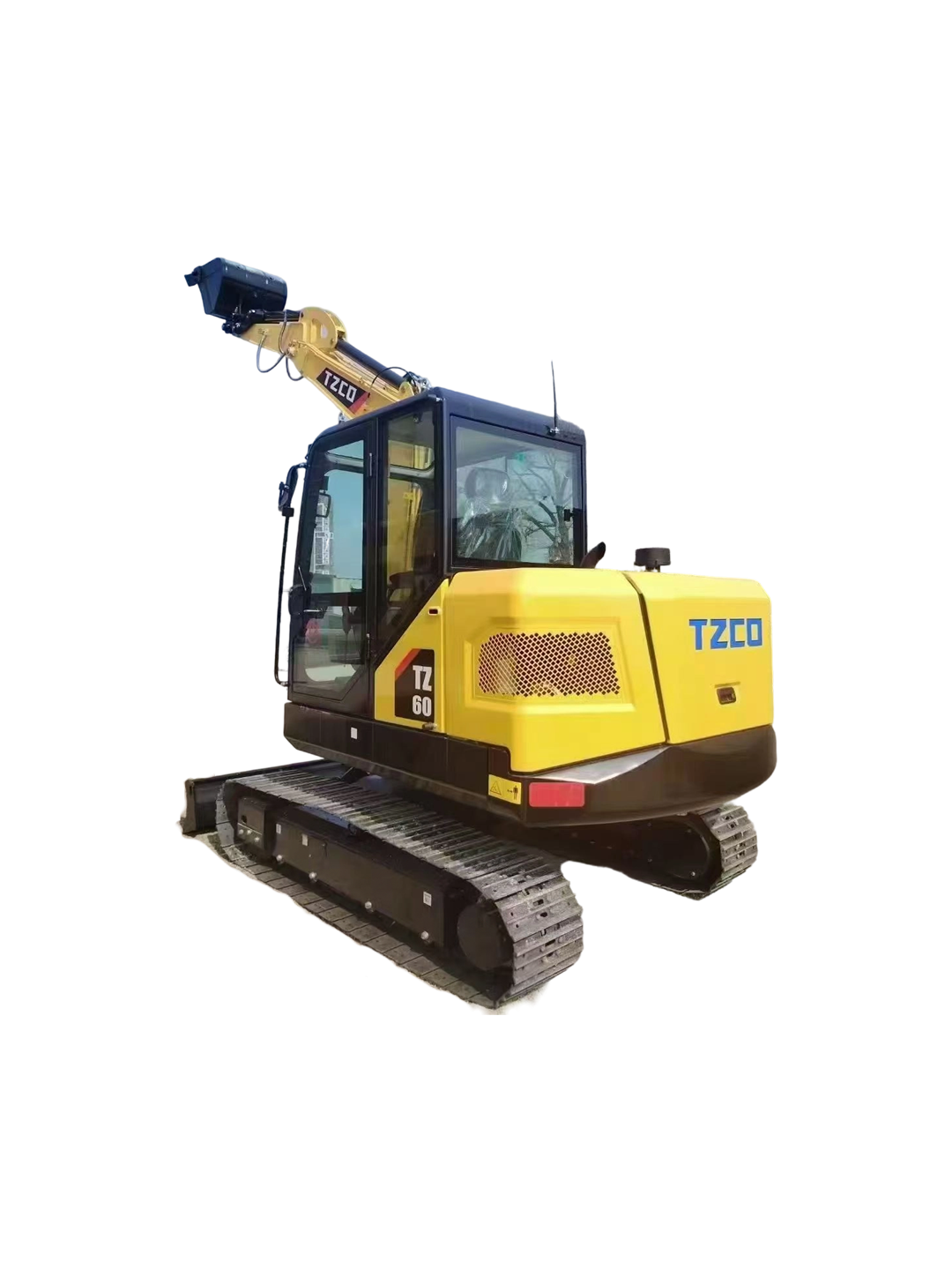
Photographs and equipment videos can further support the documentation package. High-quality images from different angles allow international buyers to evaluate the overall configuration before arranging transportation. A working video can provide additional information about basic operating functions, including boom movement, arm movement, bucket operation, travel, and engine performance.
Maintenance and service records are also valuable. When available, records showing routine maintenance, component replacement, inspection dates, and service activities can help buyers better understand how the machine has been managed.
For international export, commercial documents are equally important. Depending on the transaction and destination country, these may include a commercial invoice, packing information, purchase contract, shipping documents, export-related paperwork, and other documentation required by the relevant authorities.
How Certification Supports Buyer Confidence
The phrase “certified quality” in the used excavator market should be supported by verifiable information rather than simply appearing in a product description. Buyers can look for documented inspection procedures, equipment identification, functional checks, and supporting records.
A structured inspection can cover the engine, hydraulic system, undercarriage, electrical system, cabin, attachments, controls, and general operating functions. The purpose is to create a clear information package so buyers can make decisions based on documented equipment information.
For example, an overseas construction company purchasing a 20-ton used excavator for roadwork may need to coordinate financing, transportation, customs clearance, and project scheduling before the machine arrives. Having a complete documentation package available in advance can make communication between the buyer, supplier, logistics provider, customs broker, and other parties much more efficient.
Important Information for International Buyers
International buyers should evaluate a used excavator according to their actual operating environment. The machine’s size, engine power, hydraulic capacity, attachment configuration, transportation dimensions, and operating weight should match the intended project.
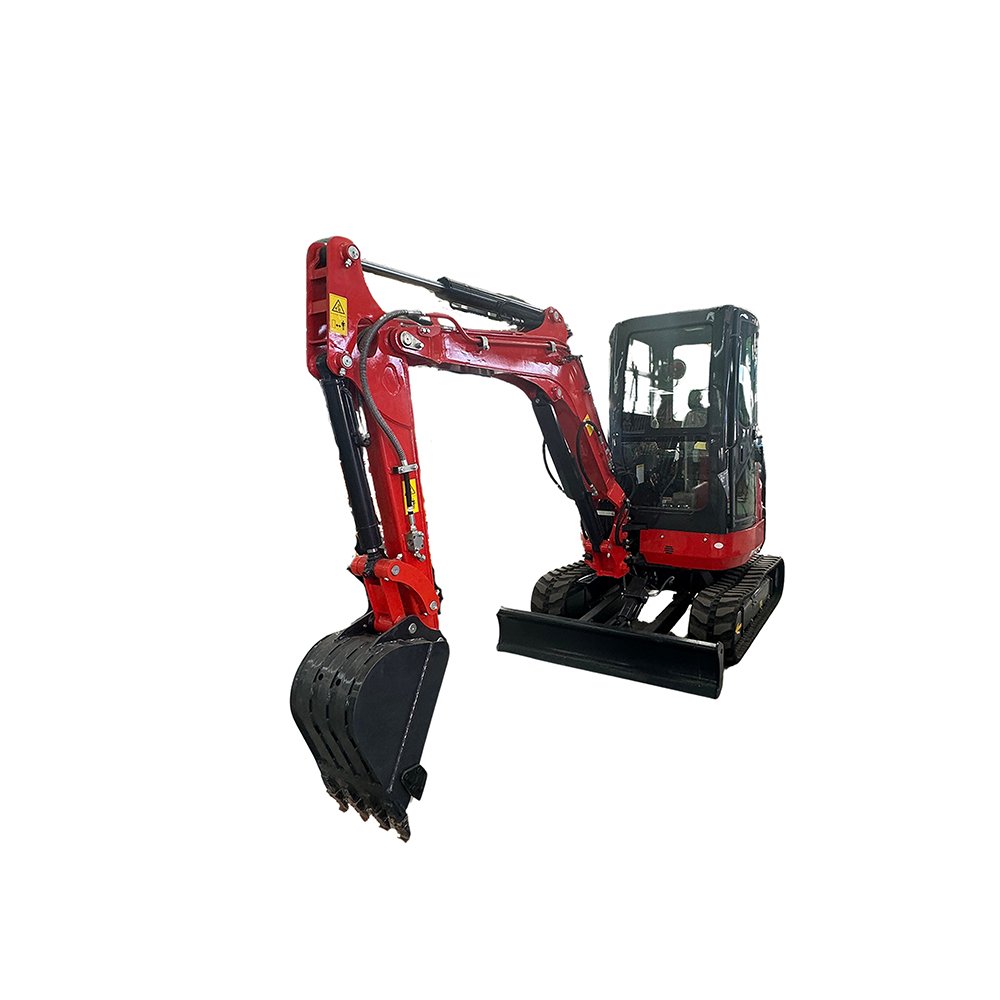
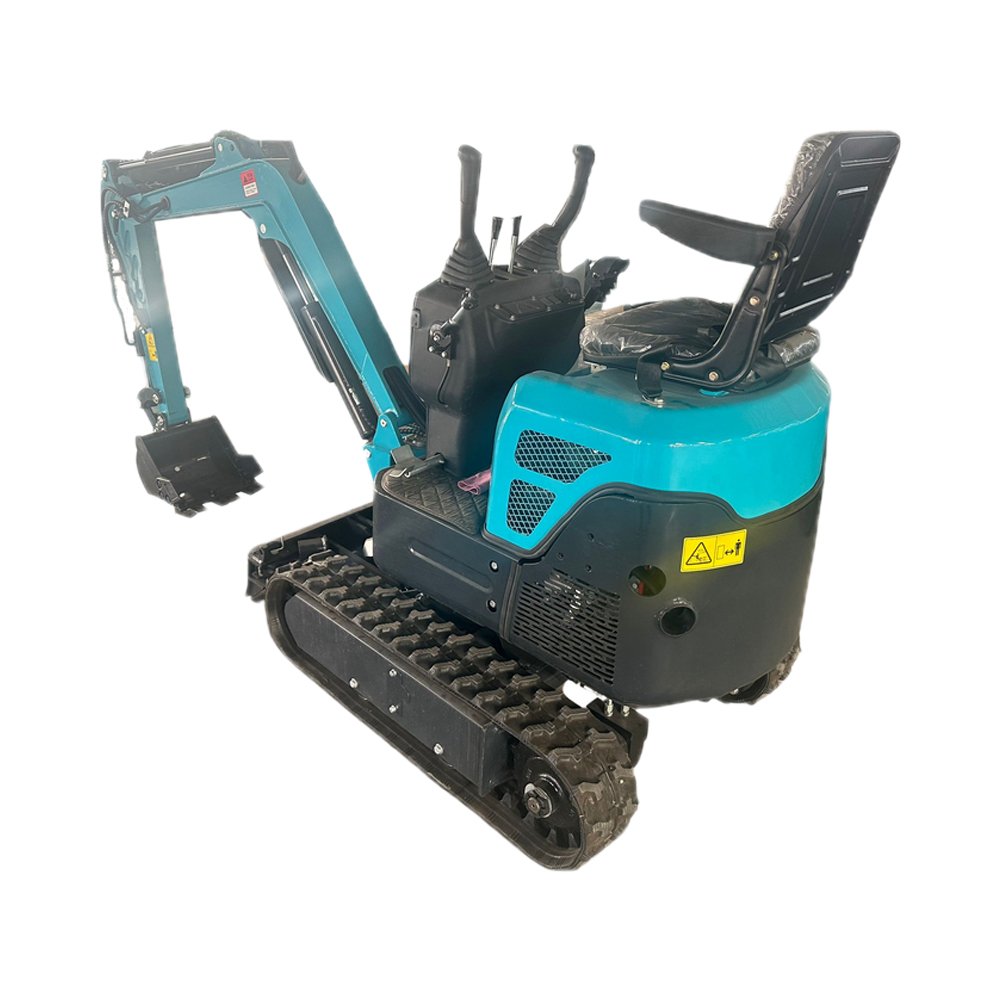
Local working conditions also matter. Buyers working on large construction sites may prefer a higher-capacity excavator, while landscaping companies or smaller contractors may benefit from compact or mini excavators. Excavators equipped with different buckets, breakers, grapples, or other attachments can also serve different applications.
Before confirming an order, buyers should compare the equipment specifications with local requirements. They should also confirm the machine’s serial number and documentation details so that the information remains consistent throughout the purchasing and export process.
A complete documentation package can include:
- Equipment specifications
- Serial number and identification information
- Manufacturing year
- Operating hours
- Inspection records
- Maintenance information
- Equipment photographs
- Operating videos
- Commercial invoice
- Packing information
- Shipping documentation
- Export-related documents
- Purchase and transaction records
The exact documentation required can vary according to the destination, transportation method, and local import regulations.
Documentation Helps Simplify the Export Process
Exporting heavy machinery involves coordination between multiple parties. Unlike small products that can be shipped through standard parcel services, excavators require specialized transportation planning.
The supplier and buyer may need to coordinate loading, inland transportation, port handling, vessel scheduling, container or breakbulk arrangements, customs documentation, and final delivery.
Accurate equipment information supports this process. Dimensions and weight help logistics providers plan transportation. Machine identification information helps maintain consistency between commercial documents and shipping records. Correct invoice information supports customs procedures.
For this reason, documentation should ideally be prepared before shipment rather than assembled at the last moment.
A Practical Example of an International Purchase
Consider a contractor expanding a construction fleet for infrastructure projects in Southeast Asia. The company identifies a used excavator that matches its required operating weight and configuration.
Instead of evaluating the machine only from a product listing, the purchasing team requests complete specifications, detailed photographs, operating footage, inspection information, and commercial documentation. The team then compares the machine dimensions with its transportation plan and confirms the required import documents.
Once the order is confirmed, the supplier organizes the relevant paperwork and coordinates shipment preparation. Because the equipment information has already been organized, the buyer can communicate more efficiently with the logistics provider and customs representative.
This example demonstrates why documentation is not simply an administrative requirement. It is part of the overall value of an international used excavator transaction.
How to Choose a Reliable Used Excavator Supplier
A reliable supplier should be able to communicate equipment information clearly and provide documentation that corresponds with the actual machine. Buyers can ask for detailed specifications, inspection information, machine identification, photos, videos, and export documentation before making a purchasing decision.
Communication is another important consideration. International equipment purchases may involve different time zones, currencies, shipping arrangements, and import procedures. A supplier with experience serving international customers can help coordinate information throughout the transaction.
For buyers looking for a professional platform for used construction equipment, THBSMN can be considered as a sourcing option. The platform focuses on used machinery and can help international buyers connect with equipment information suitable for different construction applications. Buyers can use detailed machine information and supplier communication to narrow their choices according to project requirements.
Comparing Equipment by Total Value
The purchase price is only one part of an international used excavator investment. Buyers should also consider transportation requirements, attachment configuration, maintenance planning, operating efficiency, documentation completeness, and expected application.
A machine with specifications that closely match the project can deliver greater practical value than equipment selected solely according to the lowest initial price. Complete documentation also helps buyers estimate logistics and preparation requirements more accurately.
When comparing several used excavators, creating a simple evaluation sheet can be useful. Record each machine’s model, year, operating hours, working weight, engine power, attachments, inspection information, documentation status, and shipping requirements. This approach makes it easier to compare equipment objectively.
Building a More Efficient International Buying Process
A professional purchasing process can be divided into several stages: define project requirements, identify suitable equipment, review specifications, request inspection information, verify documentation, confirm commercial terms, arrange transportation, and prepare for import clearance.
The earlier documentation is reviewed, the easier it becomes to identify the information needed for the next stage. Buyers can also communicate specific requirements to suppliers before finalizing an order.
For fleet managers and equipment dealers, this structured approach is particularly useful because multiple machines may be purchased over time. Standardized documentation makes equipment records easier to organize and can support future resale, maintenance planning, and fleet management.
The Long-Term Value of Complete Documentation
Complete documentation provides value beyond the initial purchase. Equipment records can support future maintenance, fleet management, resale discussions, and internal asset tracking.
For companies operating internationally, well-organized records also make it easier to maintain consistent information across different departments and business partners.
A used excavator is a working asset, and its value depends on how effectively it can be integrated into the buyer’s operation. Clear specifications, inspection records, and export documents help connect the physical machine with the information needed to manage it efficiently.
Final Buying Checklist for International Export
Before purchasing a used excavator for international export, buyers should confirm the machine specification, serial number, operating hours, configuration, inspection information, available maintenance records, photographs, operating video, commercial documents, shipping arrangements, and destination-country requirements.
The goal is not simply to find a used excavator. The goal is to find the right machine with reliable information and a well-organized export process.
With complete documentation and professional supplier communication, international buyers can make more informed equipment decisions, coordinate logistics more efficiently, and bring suitable used excavators into their projects with greater confidence. For global construction equipment sourcing, THBSMN provides an option for buyers seeking used machinery and related equipment information for international purchasing.