

Industry News
How to inspect quality when purchasing a reliable used excavator for overseas projects
Aug
Buying a used excavator for an overseas construction project can be an effective way to expand equipment capacity while keeping the investment practical. However, the most important factor is not simply the machine’s age, appearance, or listed price. The real value of a used excavator comes from its working condition, maintenance history, operating performance, and suitability for the destination project.
For international buyers, inspection also needs to consider transportation, local working conditions, spare parts availability, operating requirements, and export documentation. A structured inspection process makes it easier to compare machines and select equipment that can deliver consistent productivity after arrival.
Start by confirming the excavator’s identity and specifications
Before inspecting mechanical components, confirm that the machine you are evaluating is exactly the machine being offered. Record the manufacturer, model, serial number, production year, operating hours, operating weight, engine model, bucket configuration, and current location.
The serial number on the machine should correspond with the available sales and export documentation. The hour meter should also be recorded clearly. For machines equipped with electronic monitoring systems, buyers can request diagnostic information where available and compare it with the dashboard reading.
This basic verification creates a reliable starting point for the entire purchasing process. It also helps overseas buyers ensure that the excavator’s specifications match the requirements of the project.
Examine the engine before evaluating overall performance
The engine is one of the most important components of a used excavator. Whenever possible, ask for a cold-start demonstration rather than relying only on a warmed-up machine. A cold start provides useful information about starting performance, idle stability, exhaust condition, and general engine operation.
Check the engine compartment for oil, coolant, or fuel leakage and inspect hoses, belts, connections, and visible components. Listen to the engine at idle and during acceleration. The engine should operate smoothly and maintain stable performance under normal working conditions.
Maintenance records are also valuable. Look for evidence of routine oil changes, filter replacement, cooling-system maintenance, and other scheduled services. A documented maintenance history can help buyers understand how the machine has been cared for over time.
Pay close attention to the hydraulic system
Hydraulics directly control the boom, arm, bucket, swing, and travel functions, so hydraulic performance has a major influence on excavator productivity. A proper inspection should include multiple working movements rather than testing only one function.
Ask to see the boom moving up and down, the arm extending and retracting, the bucket opening and closing, the upper structure rotating, and the excavator traveling in both directions. Smooth and coordinated movement is an important indicator of working performance.
Inspect hydraulic hoses, fittings, cylinders, pumps, and surrounding areas. Cylinder rods should be clean and in good working condition, while connections should be properly maintained. For higher-value machines, buyers may also request professional hydraulic pressure testing or an inspection report.
Inspect the undercarriage carefully
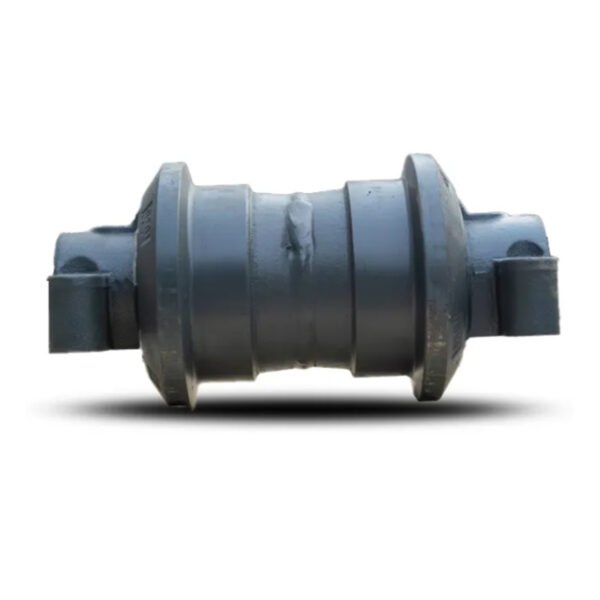
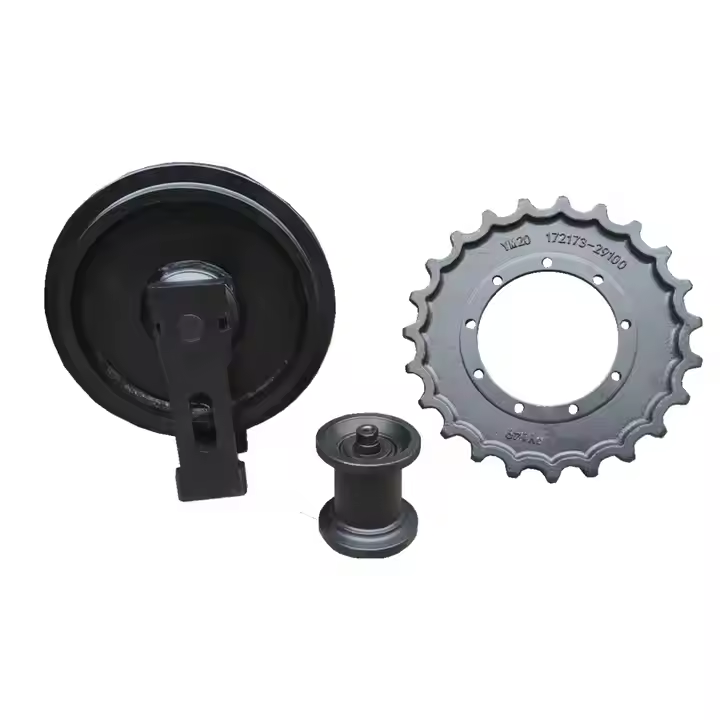
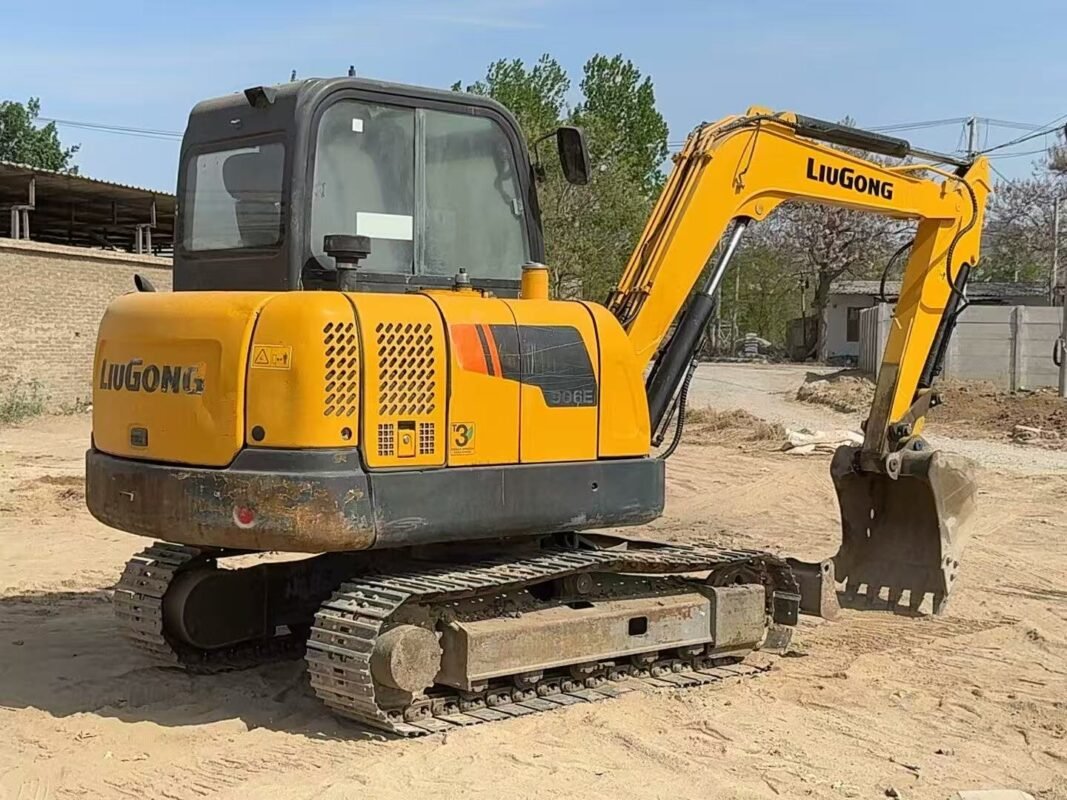
For crawler excavators, the undercarriage deserves special attention because it directly affects mobility, stability, and future operating efficiency. Check the track shoes, track links, rollers, idlers, sprockets, track frames, and tension system.
Visual inspection is useful, but measurements provide more reliable information about wear. Equipment inspection guidance recommends measuring undercarriage components rather than judging their remaining life only from photographs.
Look for even wear on both sides and compare the measured condition with the manufacturer’s specifications where available. A detailed undercarriage inspection also helps overseas buyers estimate future maintenance requirements and transportation readiness.
Check the boom, arm, frame, and working equipment
Structural components should be inspected carefully because they carry the forces generated during excavation and lifting. Examine the boom, arm, bucket, main frame, counterweight, attachment points, pins, and bushings.
Pay particular attention to high-load areas and pivot points. Check whether pins and bushings have excessive movement and whether the attachment operates smoothly. The bucket should also be inspected for suitable size, tooth condition, cutting edge condition, and compatibility with the intended application.
If the excavator will be used for road construction, foundation work, landscaping, mining support, utility installation, or general earthmoving, make sure the configuration is appropriate for the project before purchasing.

Test the cab, controls, and electronic functions
Operator comfort and control performance directly influence daily productivity. Sit inside the cab and check the monitor, gauges, warning indicators, joysticks, pedals, switches, lights, windshield, mirrors, seat, wipers, and air-conditioning system.
Start the machine and observe the dashboard before and after startup. If diagnostic functions are available, request the relevant machine information. Modern excavators may store useful operating or diagnostic data, making electronic inspection an important part of the buying process.
For overseas projects, cab condition is particularly important because the machine may operate for long shifts in demanding weather conditions.
Request a complete inspection video when buying remotely
International buyers often cannot visit the equipment yard personally. In this situation, a detailed inspection video can provide valuable information before arranging payment and shipment.
Ask the supplier to record a complete walkaround showing the machine from all sides, the identification plate, hour meter, engine compartment, undercarriage, hydraulic components, cab, boom, arm, bucket, and attachment points.
The working video should include engine startup, idle operation, acceleration, boom movement, arm movement, bucket operation, swing, forward travel, reverse travel, and combined movements. Recording these functions in one structured inspection session makes it easier to evaluate the machine objectively.
For overseas buyers, it is also useful to request high-resolution photos of important components and measurements of key wear points.
Review maintenance and ownership information
A reliable purchase decision should combine physical inspection with documentation. Ask for available maintenance records, service information, machine specifications, previous operating details, and relevant ownership or sales documentation.
Compare the recorded operating hours with maintenance history and physical wear. If the machine has electronic diagnostic information, use it as another reference point. The goal is to build a consistent picture of the excavator rather than relying on a single specification.
A well-organized document package can also make export preparation and communication with logistics providers easier.
Consider the overseas working environment
The right used excavator for one country may not be the ideal choice for another project. Before purchasing, consider climate, soil conditions, working hours, transportation requirements, fuel availability, operator experience, attachment requirements, and local service capabilities.
For tropical regions, cooling-system condition and air-conditioning performance may be especially important. For dusty construction environments, filtration and engine maintenance deserve additional attention. For remote projects, buyers should consider spare parts, consumables, technical support, and maintenance accessibility.
Matching the excavator to the actual job is one of the most effective ways to maximize long-term value.
Calculate total purchasing and operating costs
The machine purchase price is only one part of an overseas equipment investment. Buyers should also consider inspection, inland transportation, export handling, ocean freight, insurance, customs-related expenses, destination transportation, commissioning, and initial maintenance.
Compare machines according to their overall value rather than focusing exclusively on the lowest quotation. A properly inspected excavator with a suitable configuration and clear documentation can provide better project efficiency over its working life.
Choose a supplier that supports transparent inspection
A professional supplier can make overseas purchasing much easier by providing detailed machine information, inspection photos, operating videos, documentation, and export support.
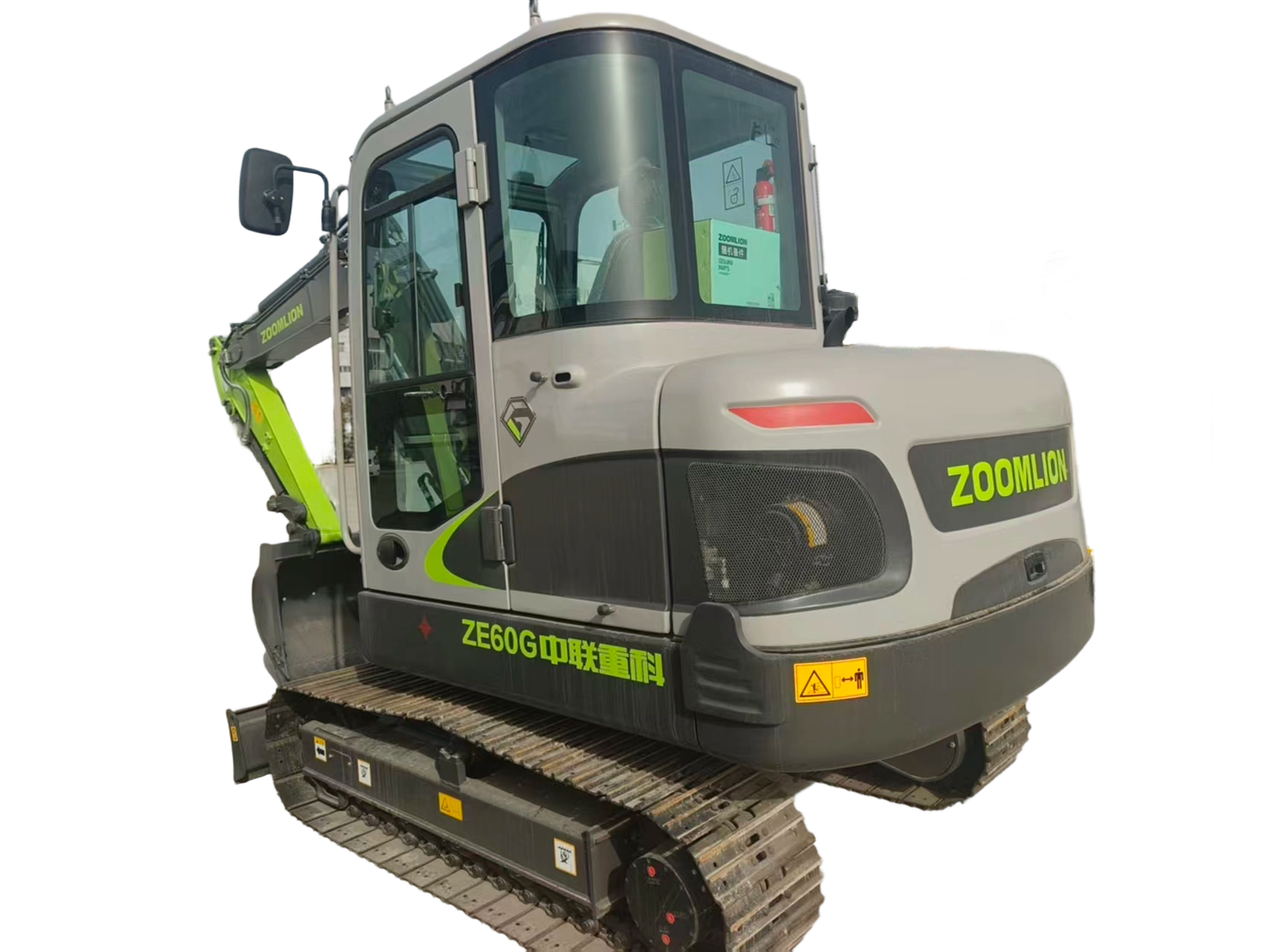
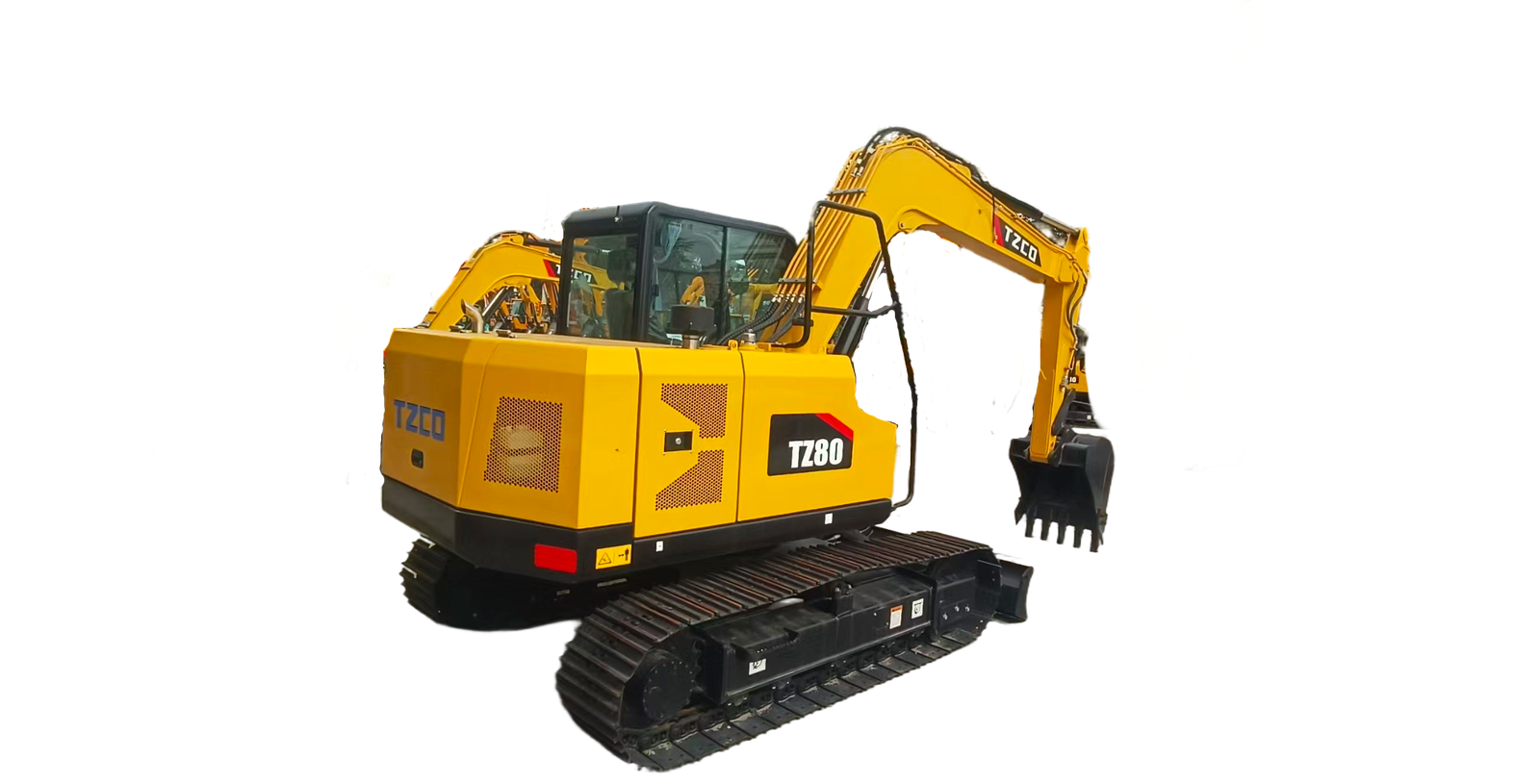
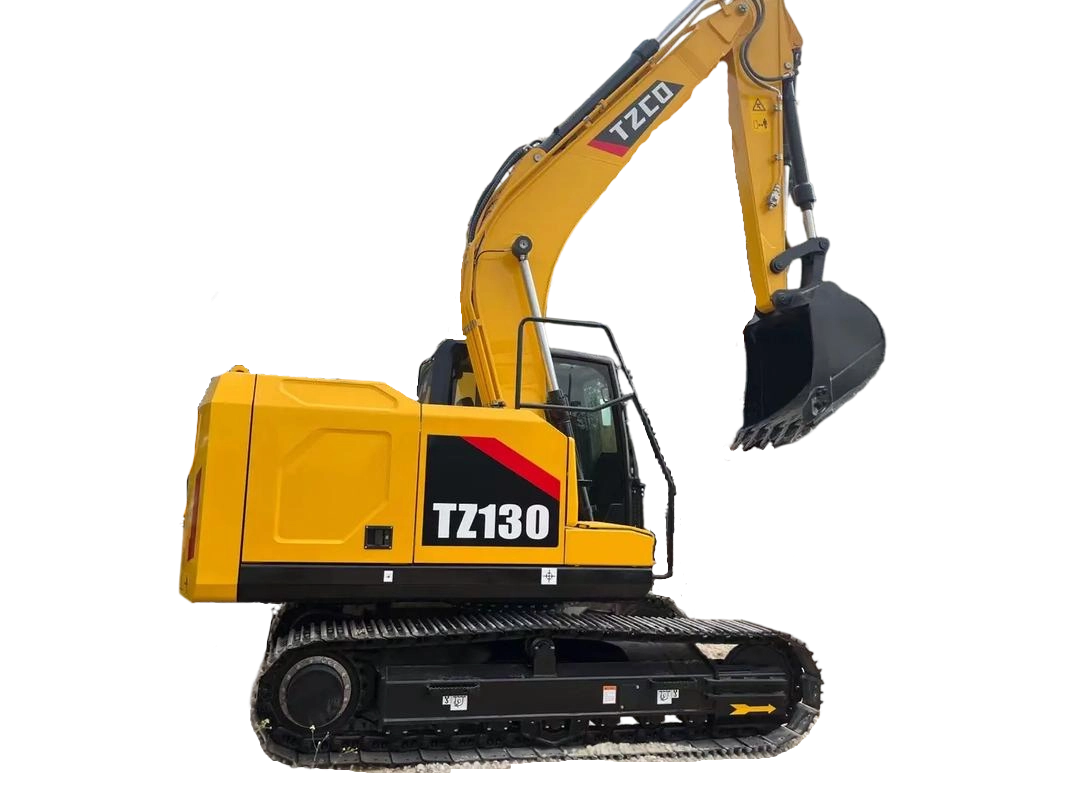
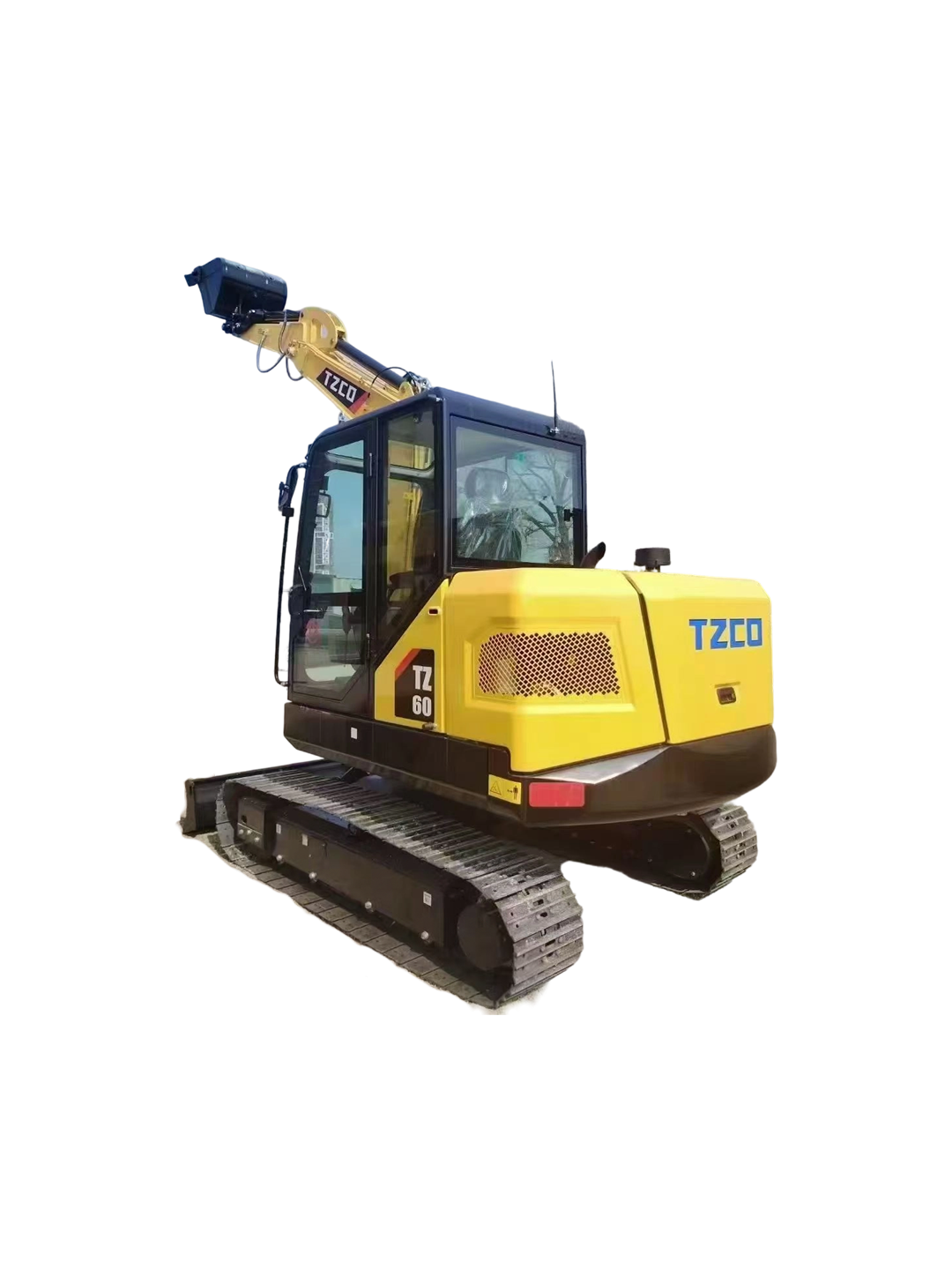
For buyers looking for used excavators for international construction projects, THBSMN can be considered as a supplier option. When communicating with any supplier, provide your target model, working application, required operating weight, preferred year range, attachment requirements, destination country, and expected project conditions. This allows the supplier to recommend equipment more accurately.
Complete a final inspection before shipment
Before final payment or shipment, review the complete inspection package once again. Confirm the machine identity, specifications, operating hours, engine condition, hydraulic performance, undercarriage condition, structural components, cab functions, attachments, documents, and agreed sales specifications.
It is also useful to keep photos and videos of the inspected machine as part of the purchase record. The excavator should be clearly identified so that the machine inspected is the same unit prepared for export.
A disciplined inspection process transforms used excavator purchasing from a simple price comparison into a practical equipment evaluation. By checking mechanical systems, structural components, working performance, documentation, and project suitability, overseas buyers can make more informed purchasing decisions and select equipment that is better prepared for productive work after delivery.
For international construction companies, contractors, rental fleets, and equipment distributors, the best approach is simple: inspect carefully, verify information, match the machine to the project, and evaluate the complete value of the excavator before shipment.