

Industry News
Avoid common mistakes when evaluating and buying a suitable used excavator
Aug
Buying a used excavator can be a practical way to obtain reliable construction equipment while managing project costs. Whether the machine is needed for earthmoving, trenching, landscaping, road work, farm projects, or general site preparation, choosing the right excavator requires more than checking its appearance and asking about the price.
A suitable used excavator should match the workload, operating environment, attachment requirements, transportation conditions, and long-term maintenance expectations. By taking a systematic approach before purchasing, buyers can make a more confident equipment decision and select a machine that provides consistent productivity.
Start With the Actual Job Requirements
One of the most common mistakes when buying a used excavator is choosing the machine before defining the work it needs to perform. Excavators come in different operating weights, digging depths, engine configurations, hydraulic capacities, and attachment options.
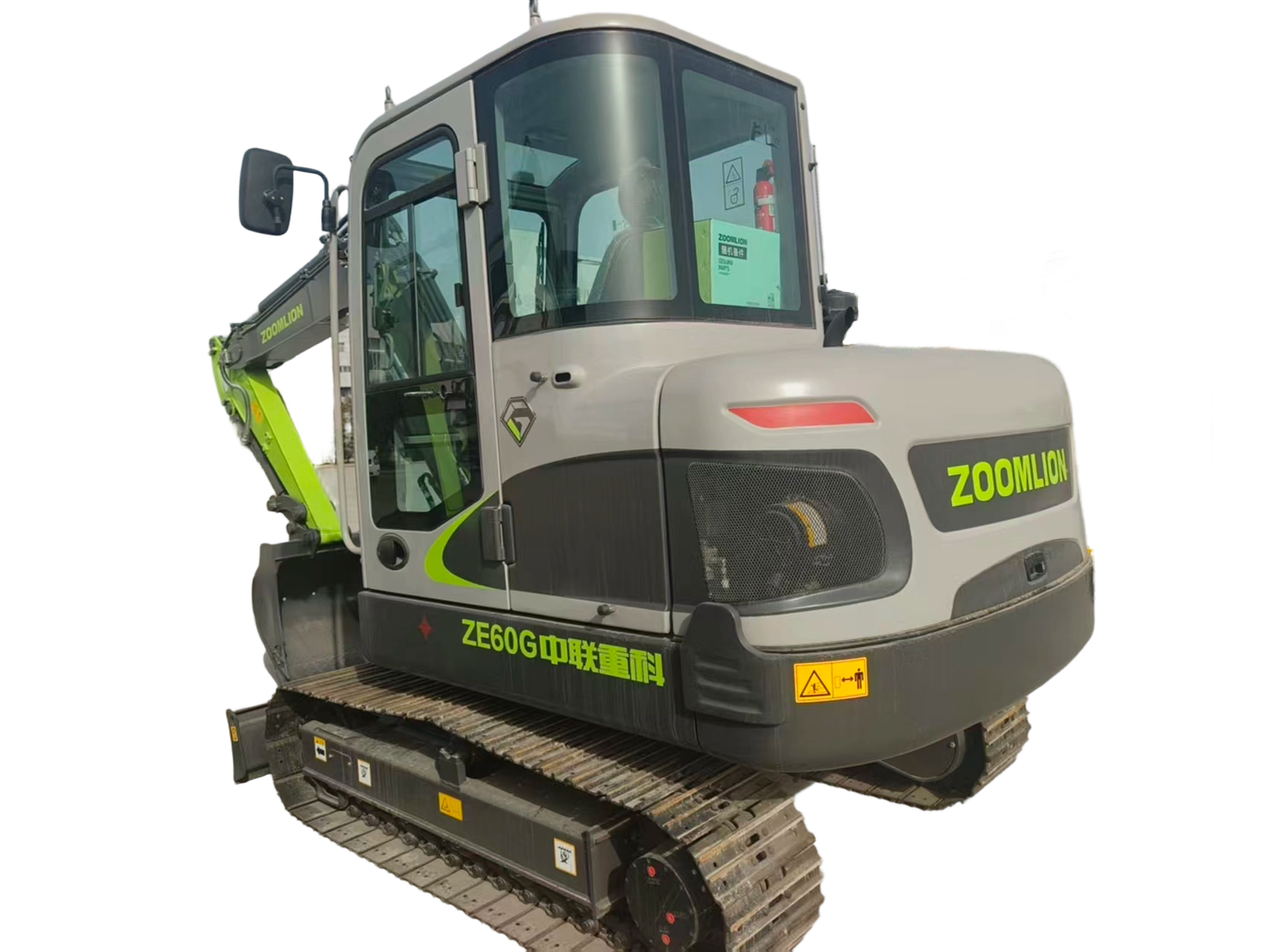
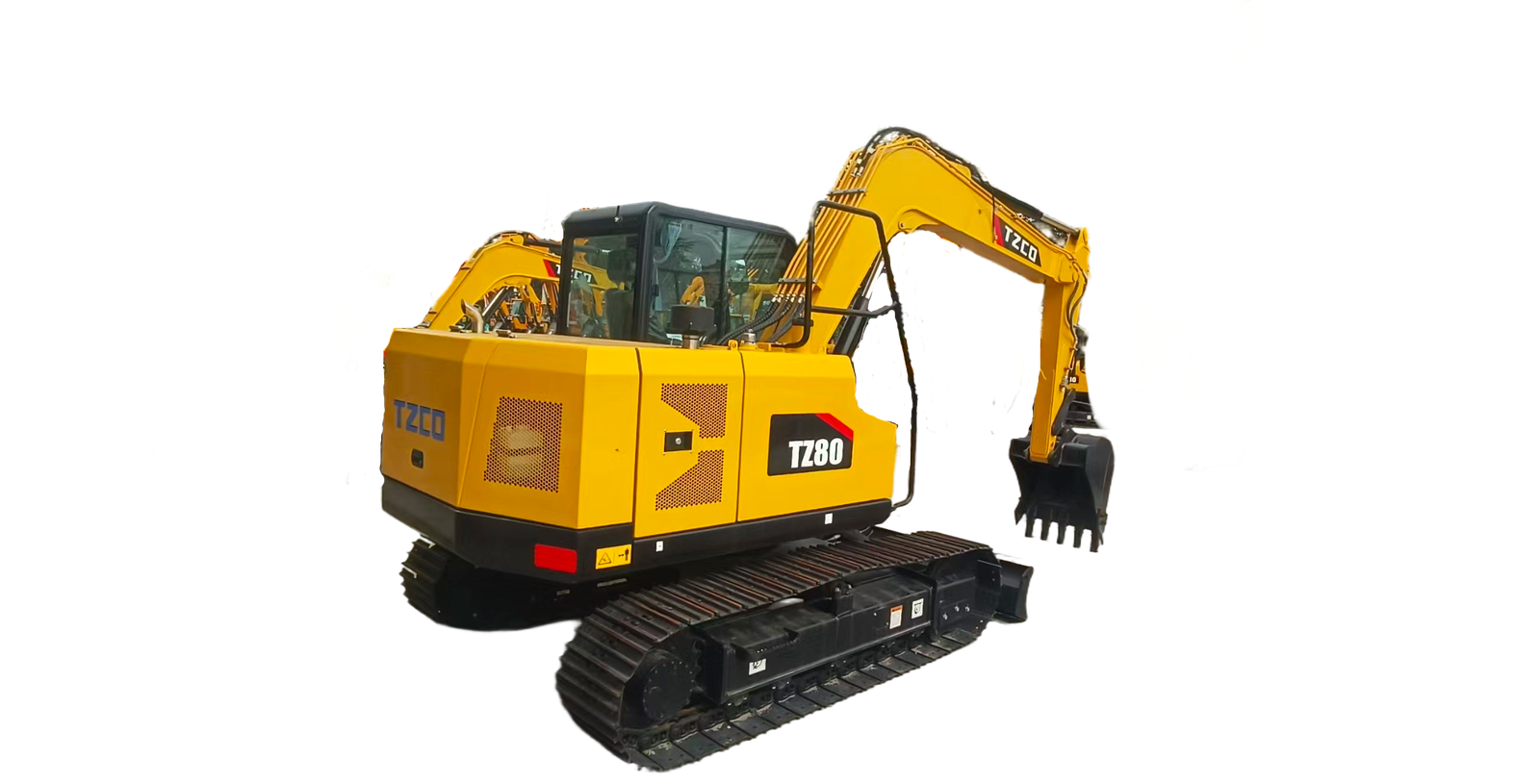
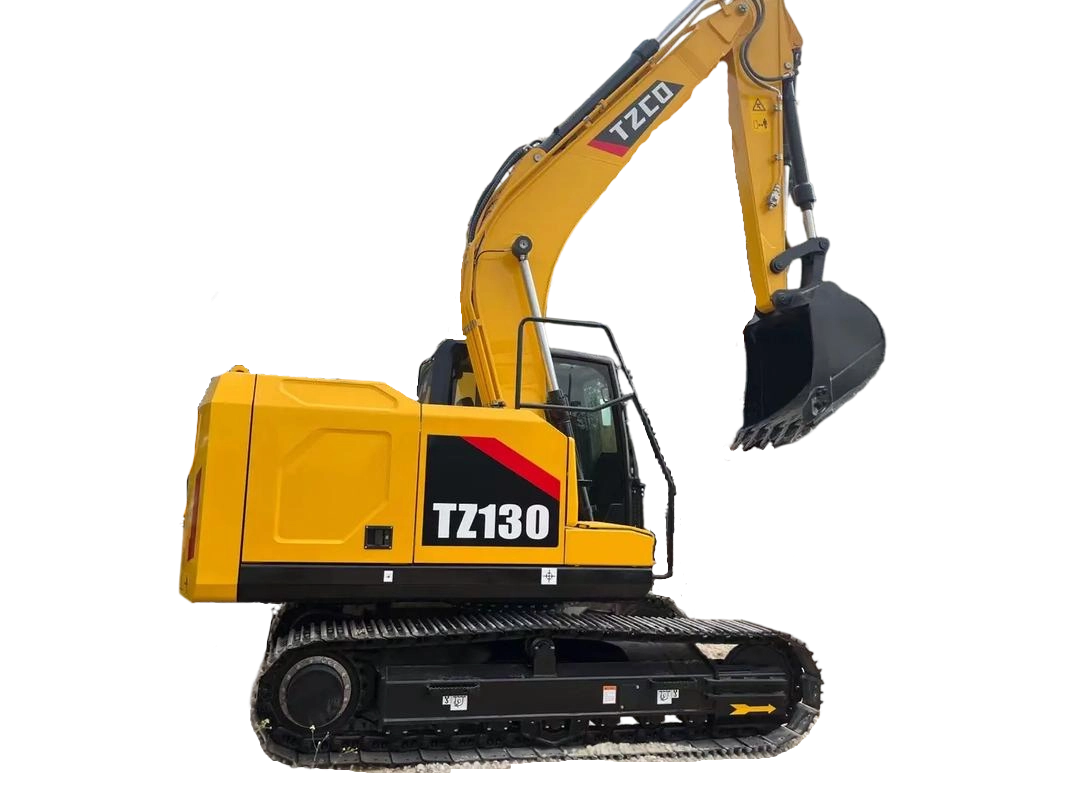
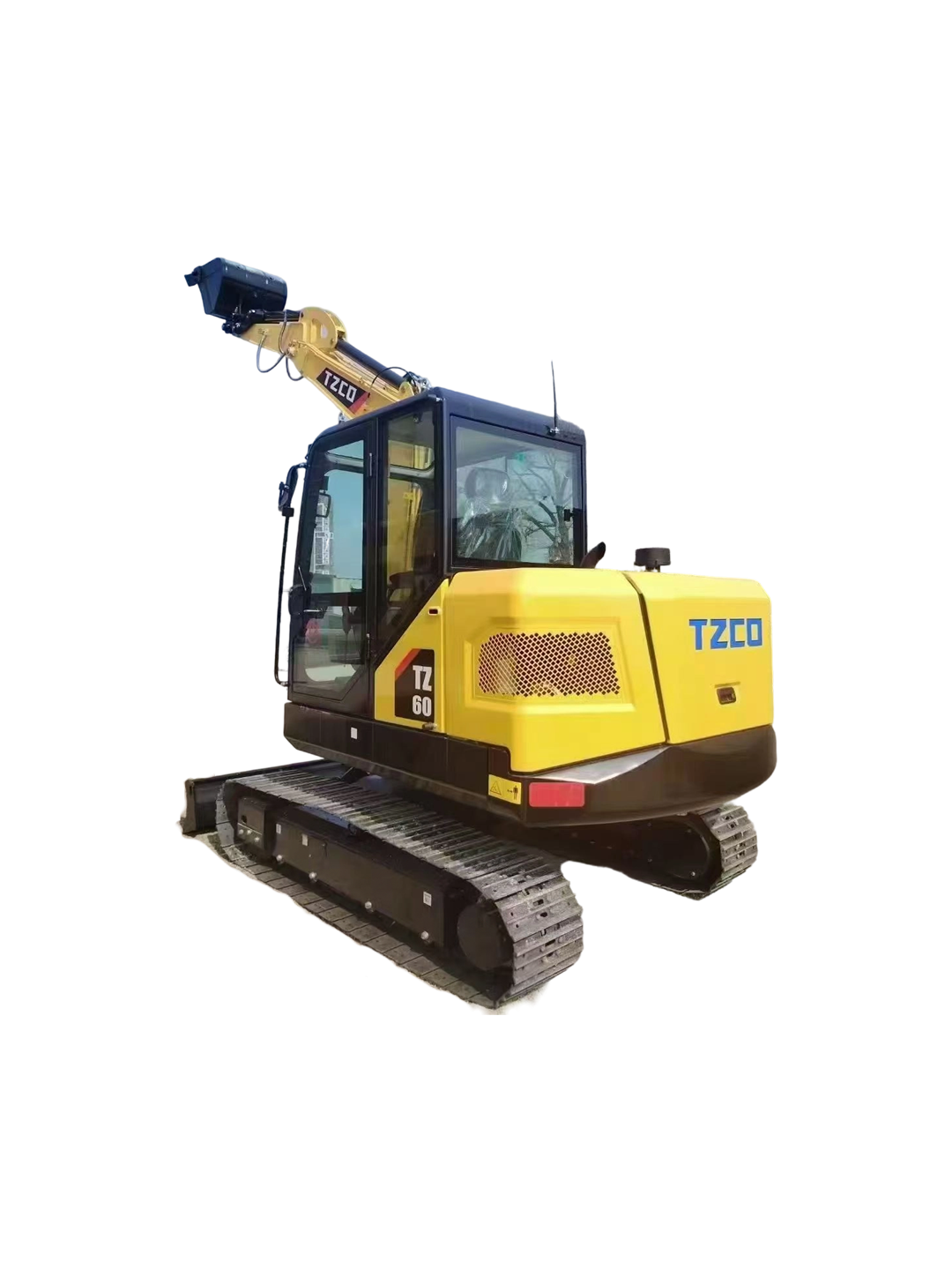
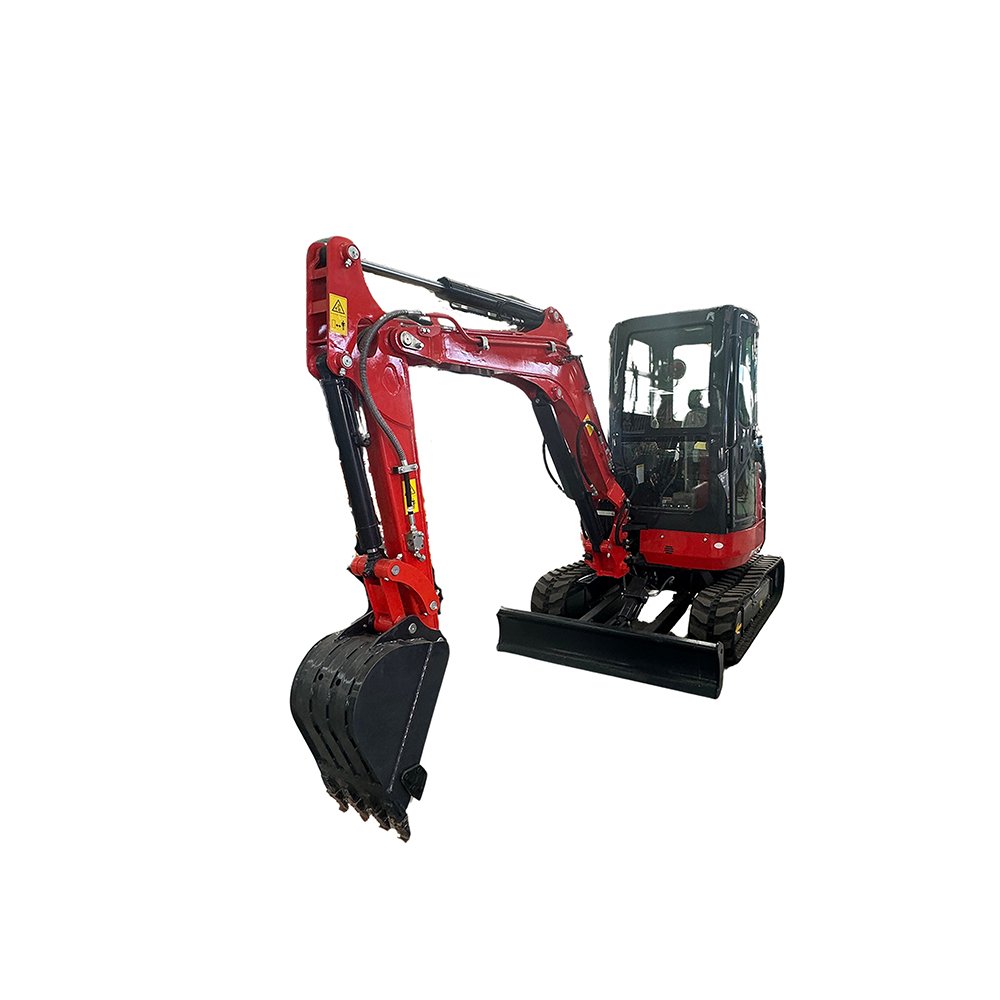
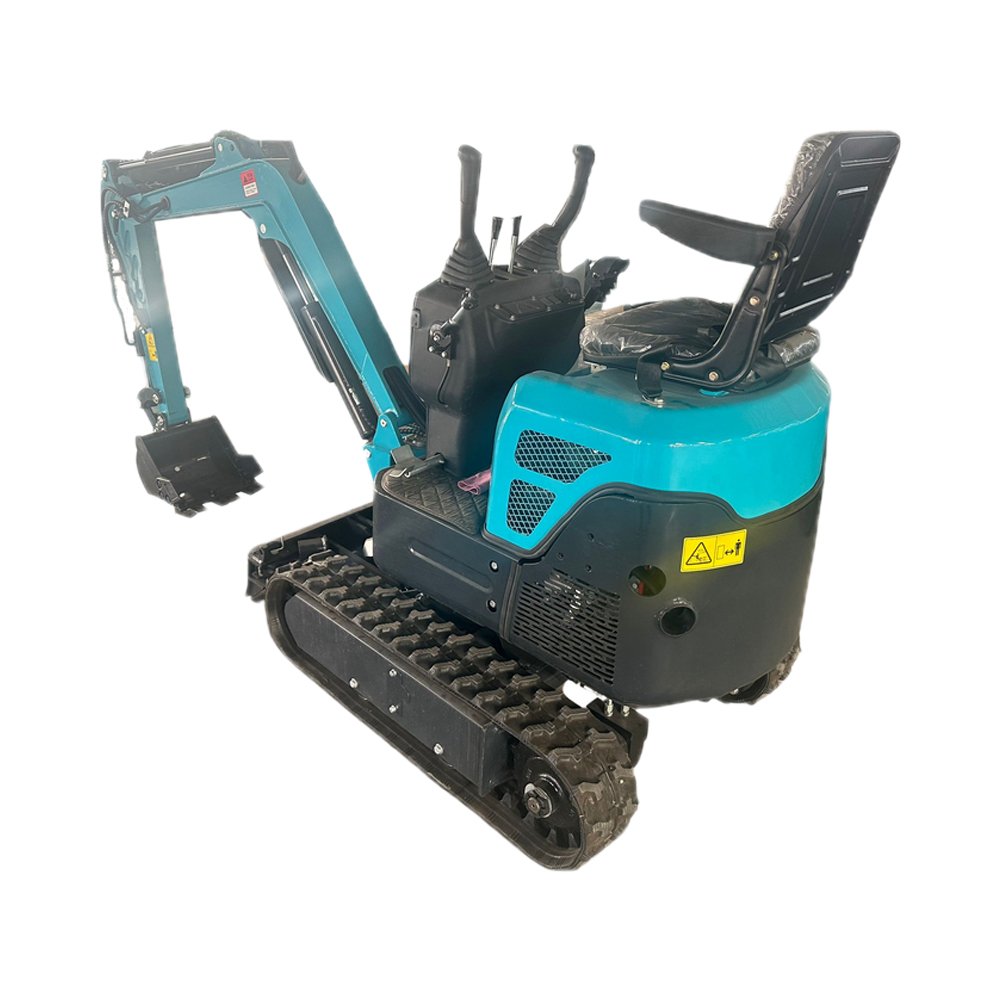
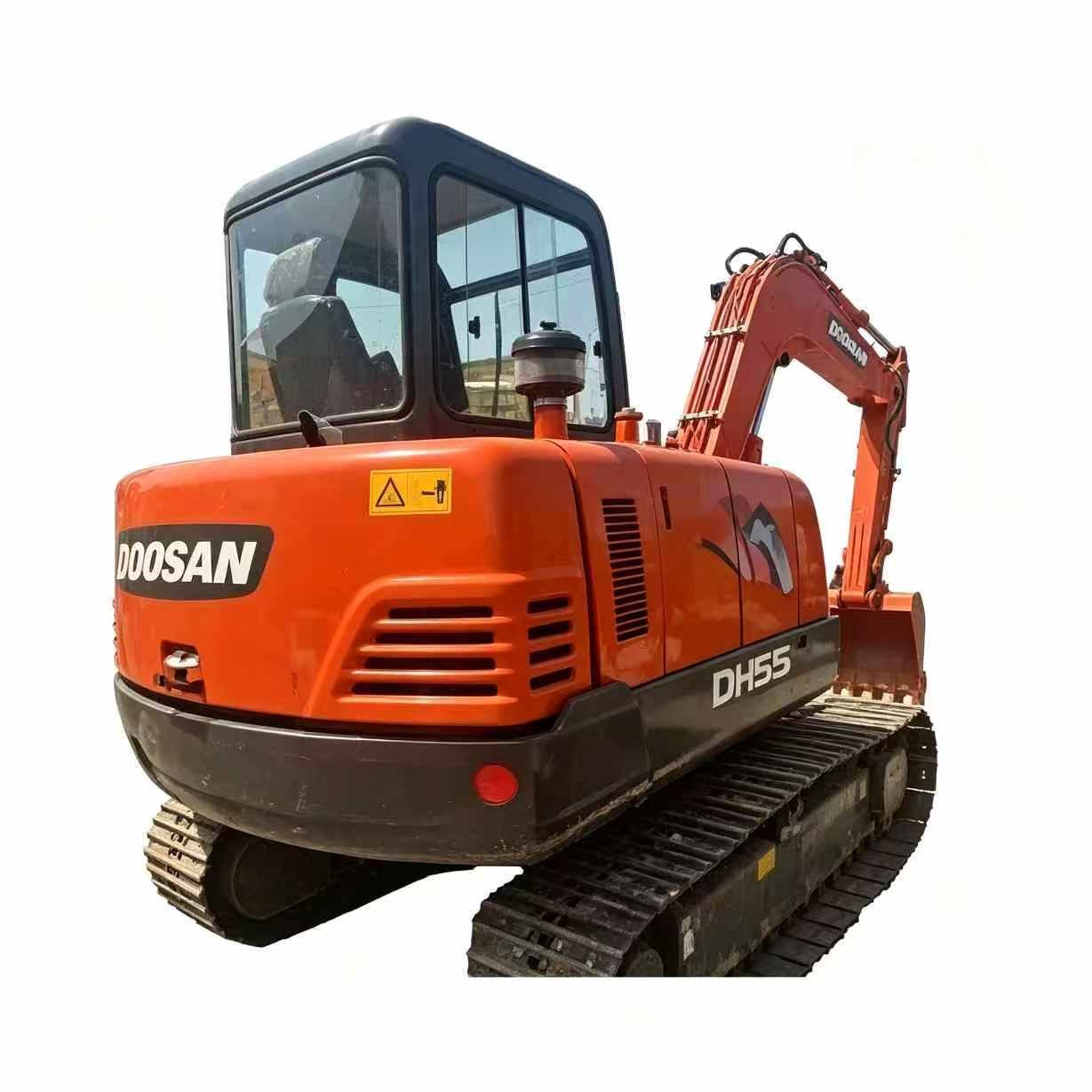
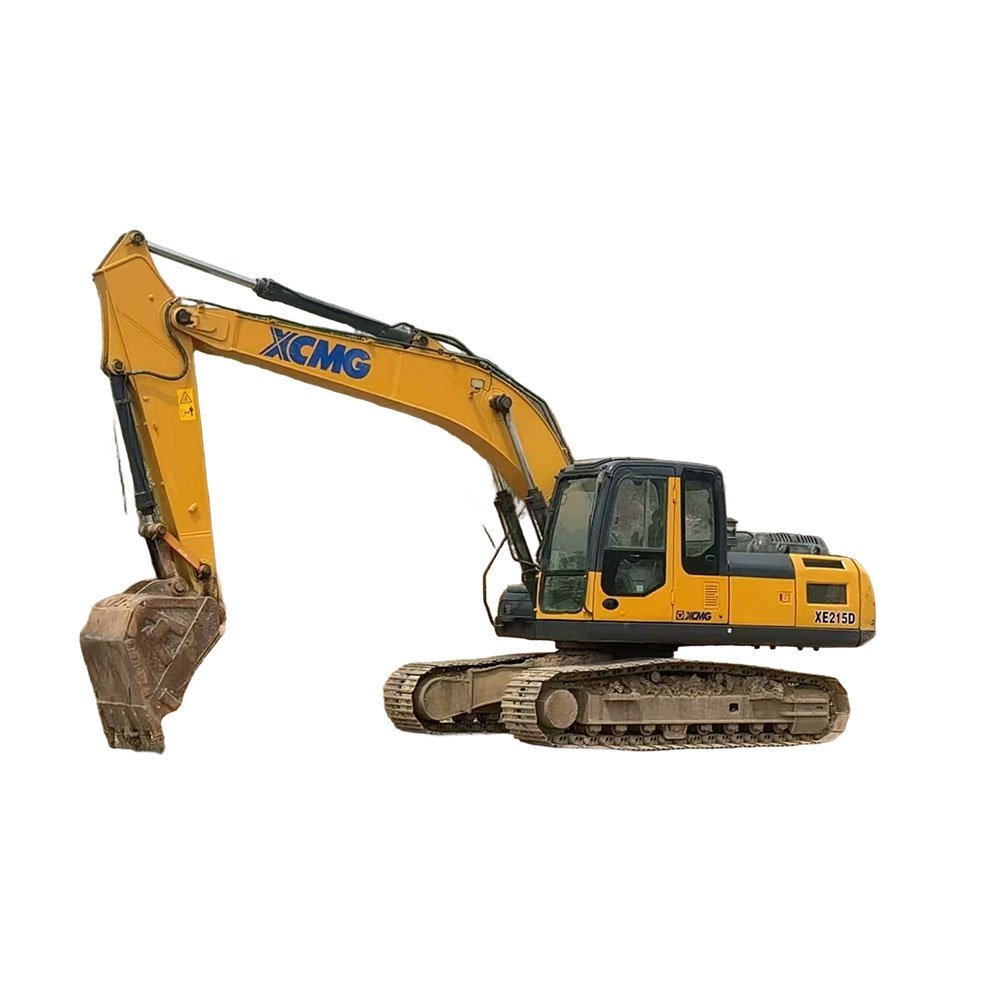
Start by identifying the main applications. A compact excavator can be highly practical for residential landscaping, narrow construction sites, utility work, and projects where maneuverability is important. A medium or larger excavator may be more suitable for deep excavation, heavy earthmoving, quarry-related work, and large construction projects.
Consider the required digging depth, lifting capacity, bucket size, working radius, machine width, and transportation limitations. If the excavator will frequently work in confined areas, overall dimensions and tail-swing design may be more important than maximum digging power.
Matching the machine to the job helps prevent unnecessary operating costs and makes better use of the equipment’s capabilities.
Pay Attention to Operating Hours
Hour meters are useful when evaluating a used excavator, but operating hours should not be considered the only indicator of machine condition.
Two excavators with similar hours can have very different working histories. A machine used for light-duty applications under consistent maintenance conditions may have a different wear profile from one that has spent years performing demanding excavation work.
When reviewing operating hours, compare them with maintenance records, service history, component condition, and overall machine performance. Look for evidence of regular servicing and replacement of normal wear components.
A well-documented service history can provide valuable information about how the excavator has been maintained and what maintenance may be expected in the future.
Inspect the Hydraulic System Carefully
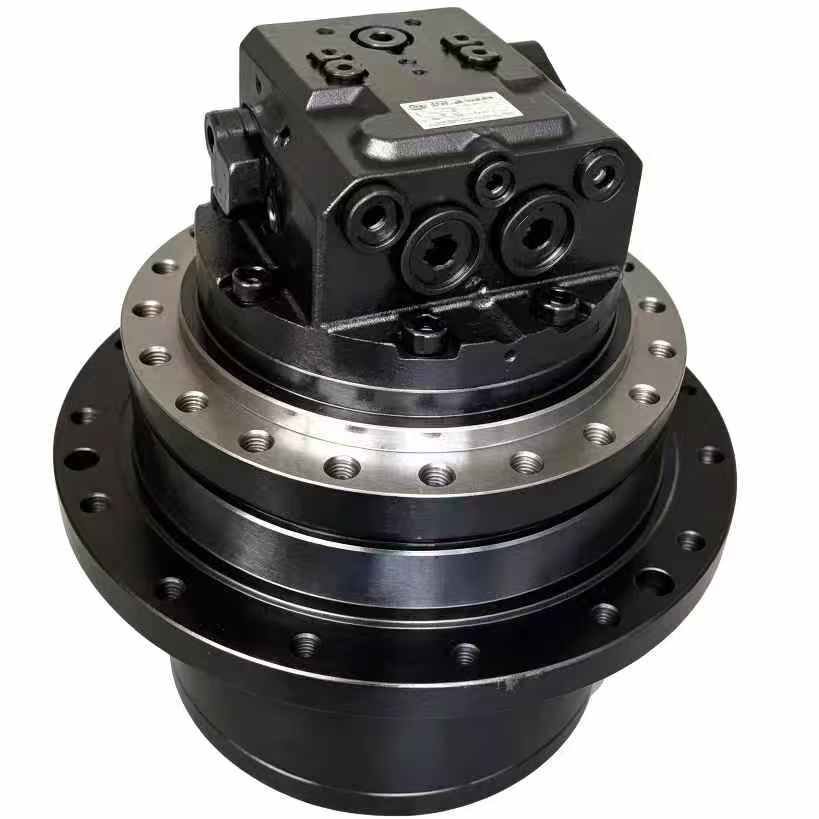
The hydraulic system is one of the most important areas to evaluate because it controls essential functions such as boom movement, arm operation, bucket movement, and travel.
During an inspection, check hydraulic hoses, fittings, cylinders, pumps, and connections. Look for signs of leakage, damaged hoses, unusual noise, or inconsistent hydraulic movement.
Operate the excavator through its major functions rather than relying only on a visual inspection. The boom, arm, bucket, swing system, and travel functions should respond smoothly and consistently.
Pay attention to whether movements remain stable under normal operating conditions. A practical inspection of the hydraulic system can provide much more useful information than simply judging the machine by its exterior appearance.
Examine the Engine and Cooling System
The engine is another key component that deserves careful attention. Before purchasing, inspect the engine compartment and check for signs of oil leakage, coolant leakage, damaged hoses, loose connections, or excessive buildup around service areas.
If possible, start the excavator from a normal operating temperature condition and observe the starting process, idle quality, exhaust appearance, and engine response.
The cooling system should also be inspected because construction equipment often works for long periods under demanding conditions. Check the radiator, cooling components, belts, and related areas for cleanliness and proper condition.
A professional inspection can provide additional confidence when evaluating engine performance and cooling efficiency.

Check the Undercarriage
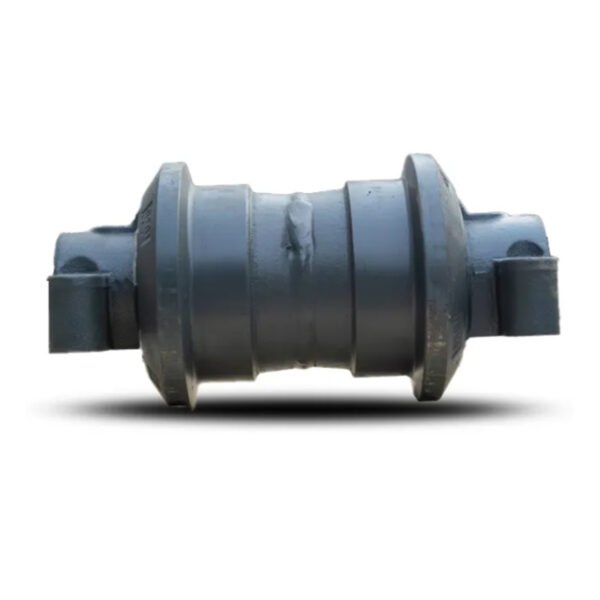
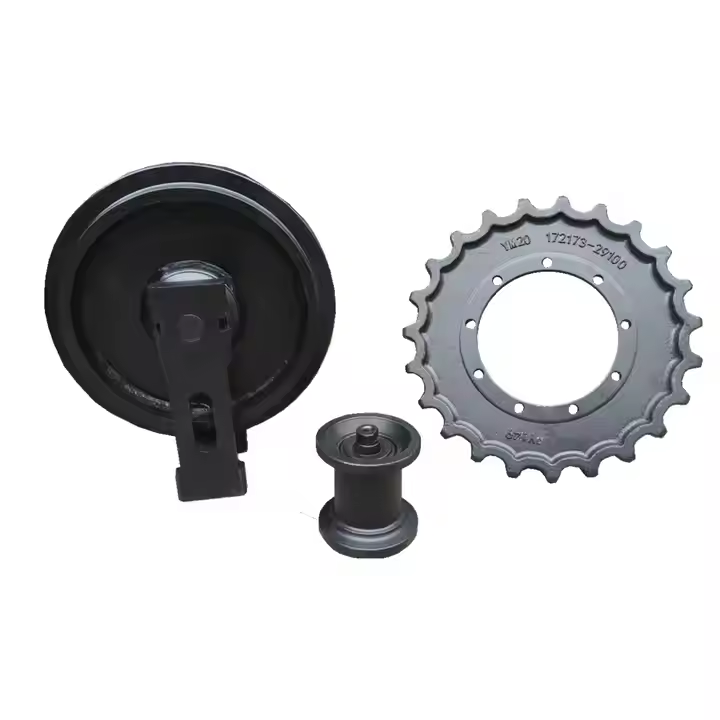
The undercarriage can significantly influence the value and operating performance of a used excavator. Components such as tracks, rollers, idlers, sprockets, and track chains experience continuous wear during operation.
Inspect the track condition and look for uneven wear or excessive movement. Check the rollers and sprockets for signs of wear and examine the track tension.
The working environment matters as well. Machines frequently operated on rocky, abrasive, or demanding surfaces may experience different undercarriage wear patterns than machines used mainly on softer ground.
Understanding undercarriage condition helps buyers estimate future maintenance requirements and compare different machines more accurately.
Inspect the Boom, Arm, Bucket and Attachments
The working equipment should be inspected carefully because these components directly affect productivity.
Check the boom and arm for visible damage, deformation, cracks, or unusual wear. Inspect bucket teeth, cutting edges, pins, and bushings. Excessive movement around pins and bushings can indicate that these components deserve closer professional evaluation.
If the excavator comes with additional attachments, make sure they are compatible with the machine’s hydraulic system and operating specifications.
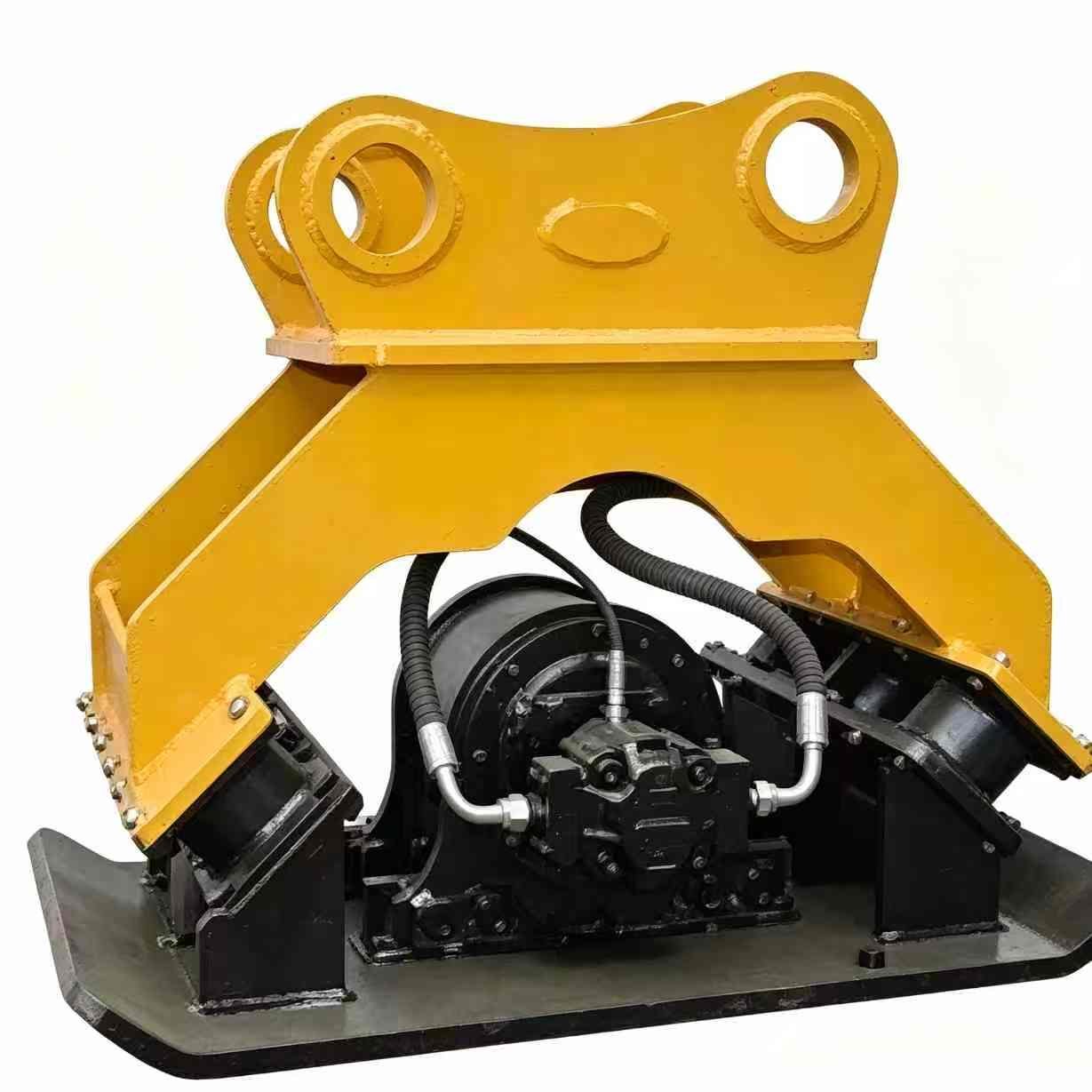
Consider the attachments you actually need rather than paying for equipment that will rarely be used. The right bucket, breaker, grapple, auger, or other attachment can make a suitable excavator significantly more versatile.
Review Maintenance and Service Records
Maintenance records can help buyers understand the machine’s operating history and previous servicing.
Useful records may include engine oil changes, hydraulic service, filter replacement, cooling-system maintenance, undercarriage work, and major component servicing.
When records are available, compare them with the hour meter and the machine’s current condition. Consistent documentation provides a clearer picture of ownership and maintenance practices.
Buyers should also ask about the machine’s current service schedule and determine which routine maintenance items will need attention after purchase.
Take a Proper Test Drive
A test operation is one of the most valuable steps in evaluating a used excavator. Start the machine and allow it to operate normally before testing the major functions.
Move the boom, arm, and bucket through different positions. Test the swing function and travel system, and observe how the machine responds to normal controls.
Listen for unusual operating sounds and pay attention to smoothness, response time, and overall control.
If the excavator will be used for a specific application, simulate some of the operating conditions as realistically as possible. This gives buyers a better understanding of whether the machine is suitable for the intended work.
Consider Transportation and Site Conditions
The right excavator must also be practical to transport and operate at the intended job site.
Before purchasing, check machine dimensions, operating weight, transportation requirements, access restrictions, and loading arrangements.
For projects involving narrow entrances, urban construction sites, residential properties, or sensitive landscaping areas, machine size can be especially important.
It is better to choose an excavator that fits the actual working environment than to focus only on maximum capacity.
Calculate the Total Cost of Ownership
Purchase price is important, but it should not be the only financial consideration.
Buyers should also consider transportation, scheduled maintenance, filters and fluids, attachments, storage, insurance, fuel consumption, and future service requirements.
A machine with the right specifications and a clear maintenance history can offer strong long-term value because it is better aligned with the intended workload.
Instead of simply searching for the lowest purchase price, evaluate the overall value of the equipment over its expected working life.
Work With an Experienced Used Equipment Supplier
A professional used equipment supplier can make the purchasing process more efficient by helping buyers compare machines according to application, specifications, condition, and budget.
For buyers looking for used construction equipment, THBSMN can be considered when sourcing suitable used excavators. An experienced supplier can help customers understand machine specifications, available configurations, attachment options, and transportation considerations before making a purchasing decision.
Providing detailed information about the intended project can also make the selection process more efficient. The more clearly buyers explain their working requirements, the easier it is to identify an excavator that fits the application.
Make a Decision Based on Condition and Suitability
Buying a used excavator does not have to be complicated when the evaluation process is systematic. The most important factors include application, operating hours, hydraulic performance, engine condition, undercarriage wear, working equipment, maintenance history, transportation requirements, and total ownership costs.
Avoid making a decision based solely on appearance or purchase price. A machine that fits the project requirements and has been properly maintained can provide practical productivity for many types of construction and earthmoving work.
Before completing the purchase, take time to inspect the machine, operate its major functions, review available service information, and confirm that its specifications match the intended application.
With careful evaluation and the right supplier, buyers can select a used excavator with greater confidence and build a stronger foundation for efficient construction work.