

Industry News
Mini Excavator Uses – Popular Jobs For Small-Scale Construction Work
Aug
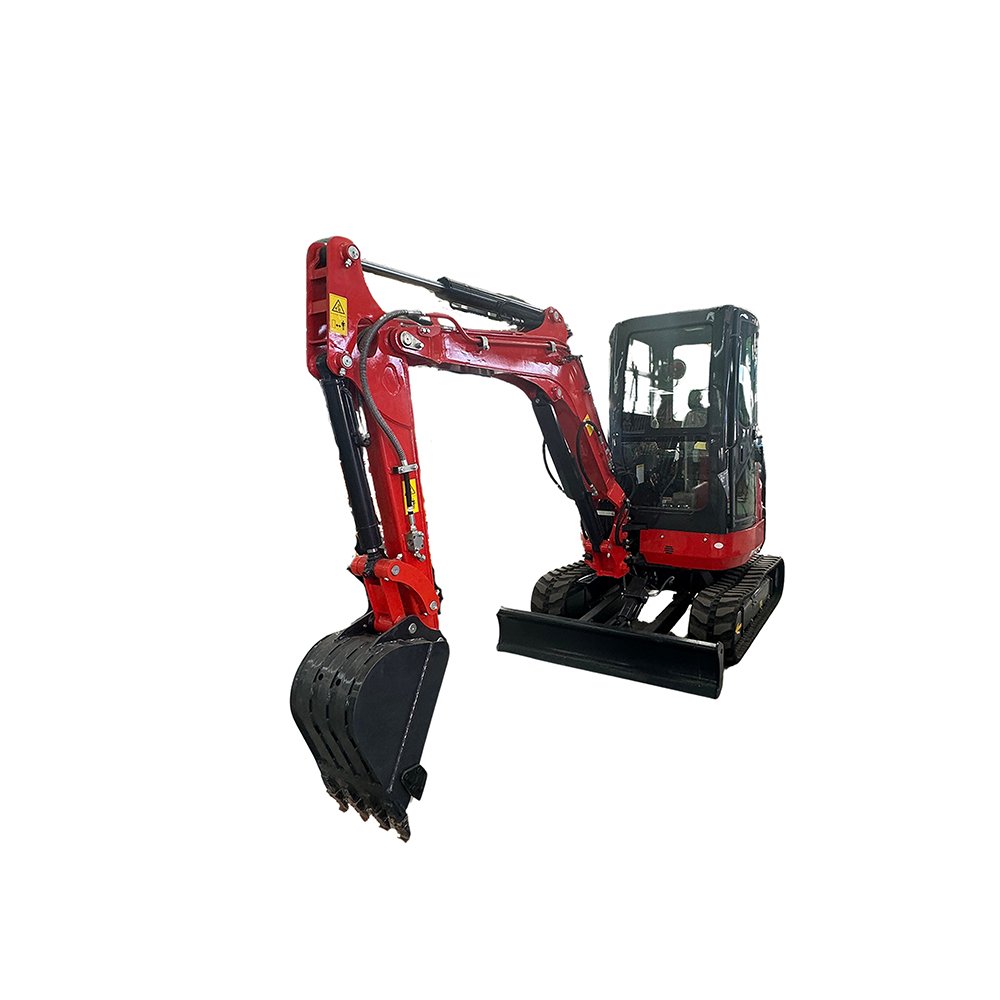
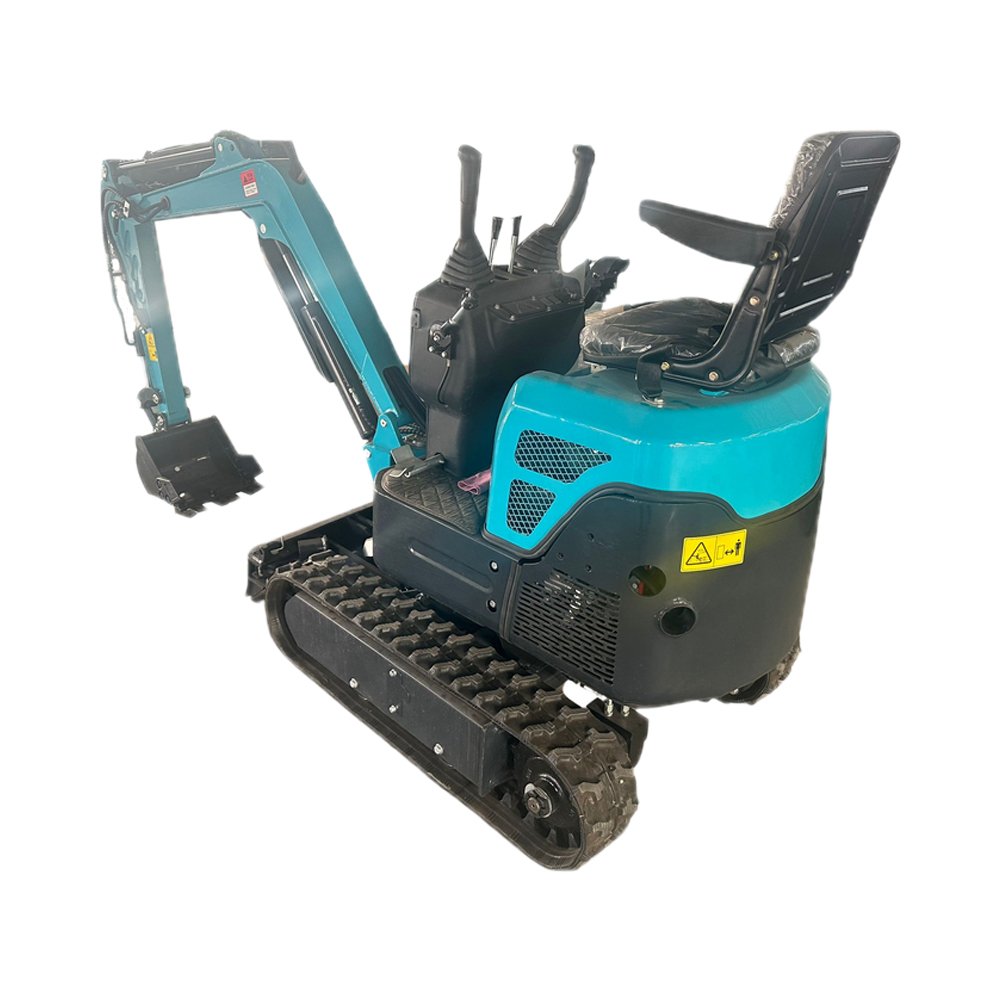
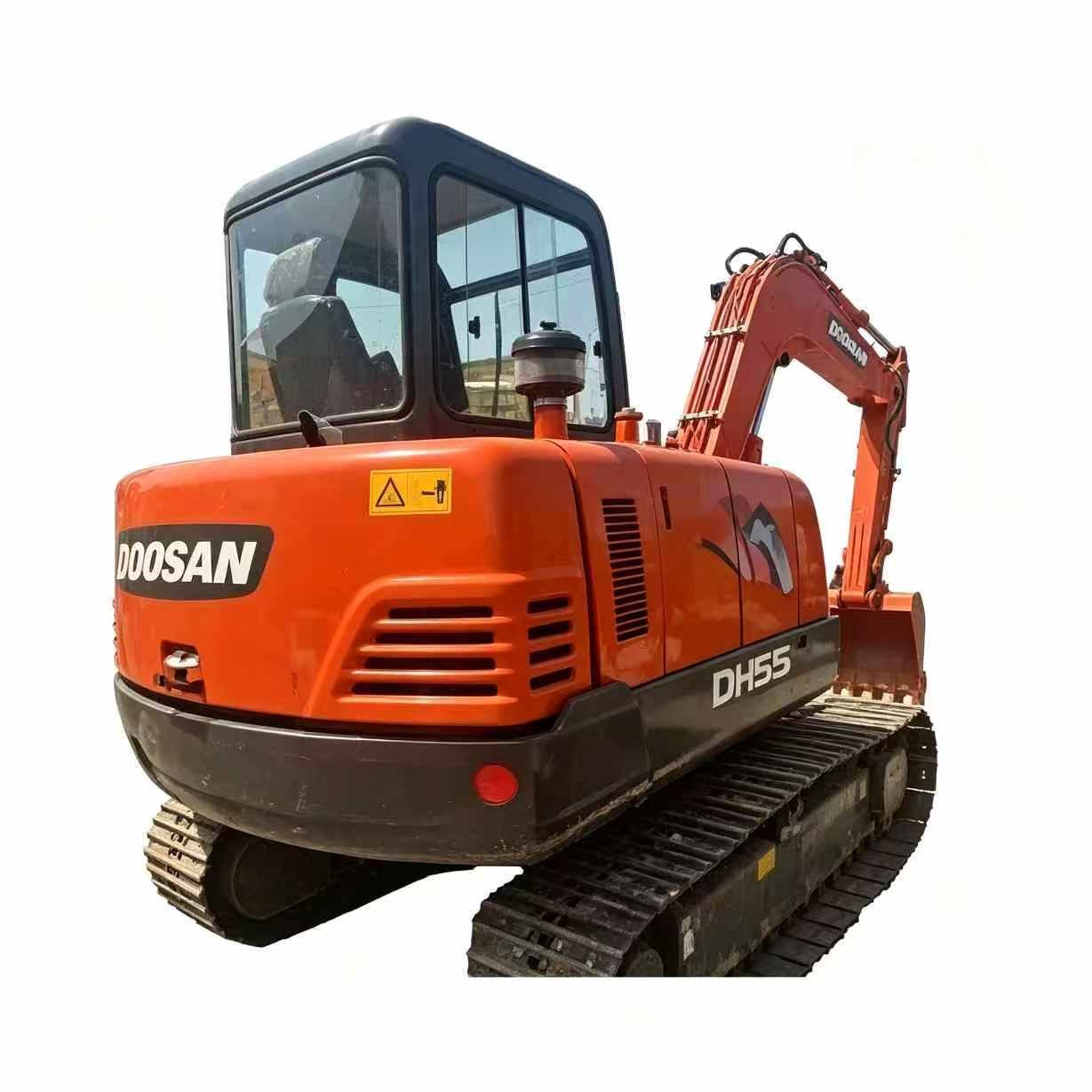
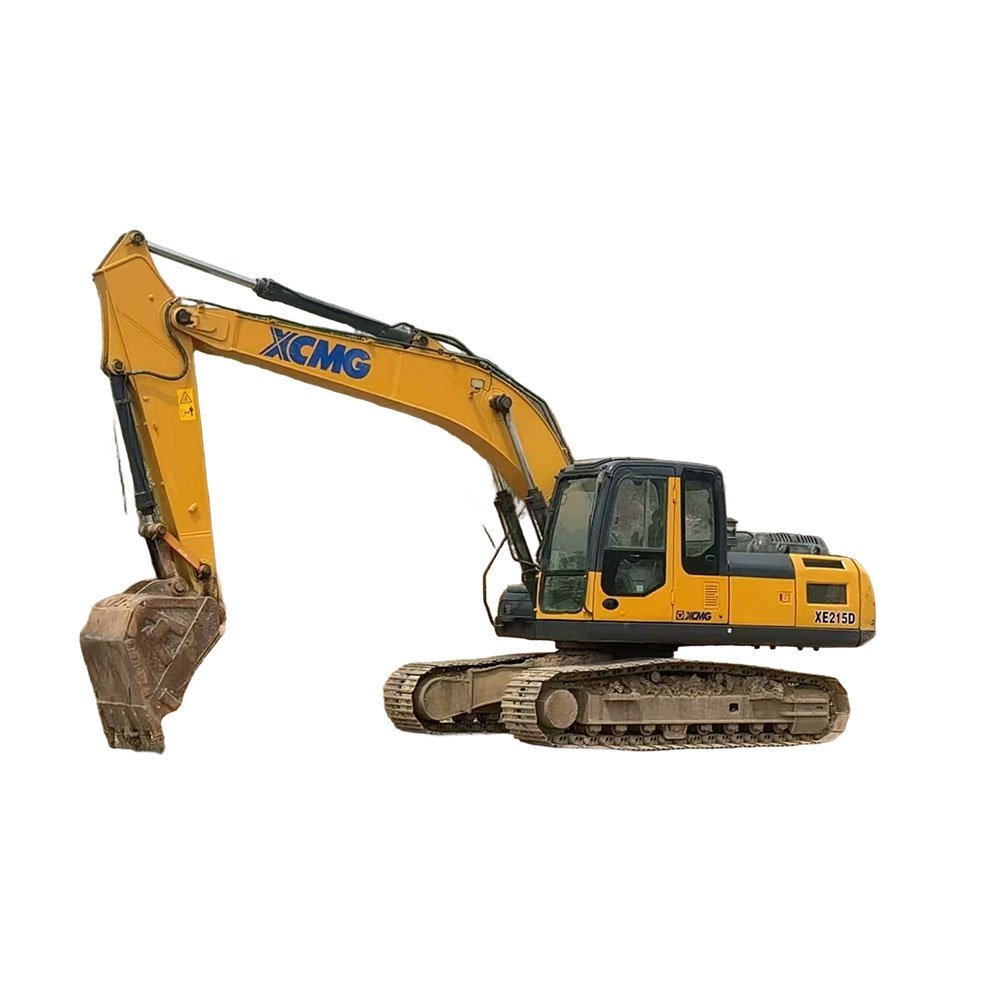
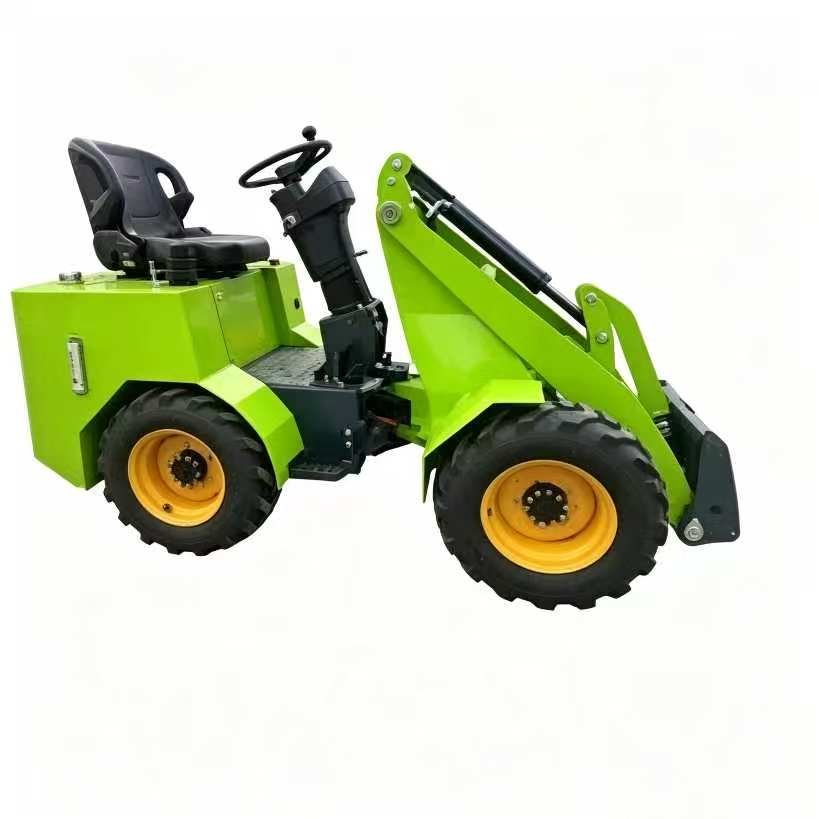
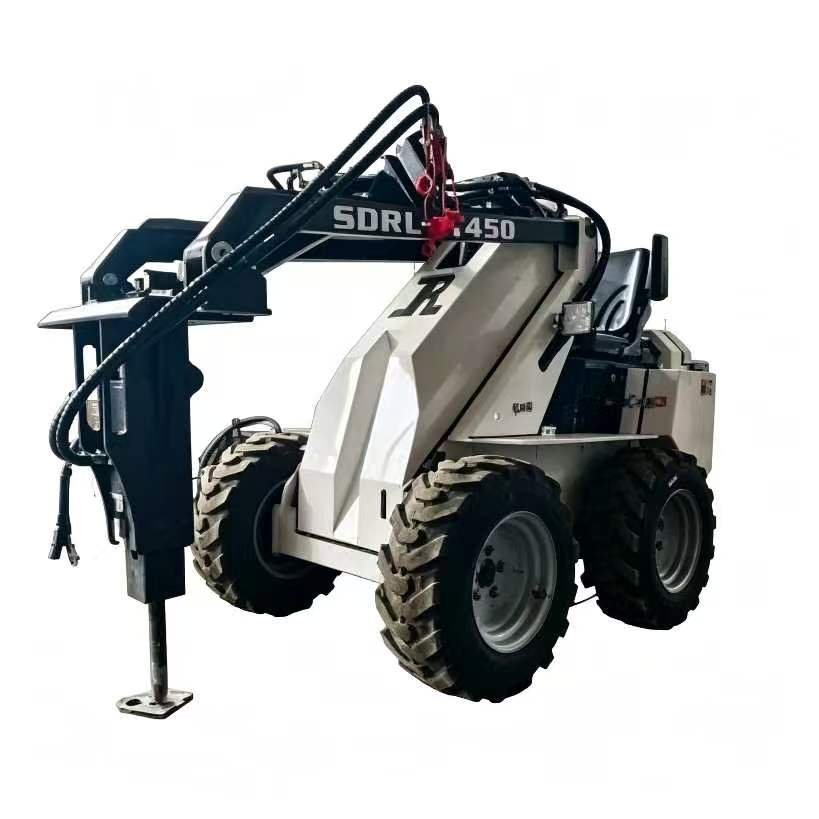
Mini excavators have become an important part of modern small-scale construction because they combine compact dimensions, digging power, maneuverability, and attachment versatility. For contractors, landscapers, property developers, utility crews, farmers, and maintenance teams, a mini excavator can handle many jobs that would otherwise require considerable manual labor or several different pieces of equipment.
The biggest advantage is access. A compact excavator can work in residential backyards, narrow passages, landscaped areas, and other confined sites where larger construction equipment may not be practical. Current industry guidance also emphasizes matching machine size, operating weight, digging depth, reach, hydraulic performance, and attachments to the actual job requirements.
Residential Construction And Property Improvement
Residential construction is one of the most popular applications for mini excavators. Contractors can use them to prepare foundations, dig footings, excavate for extensions, remove soil, prepare areas for sheds, and create space for small structural projects.
Their compact working footprint is especially useful when construction takes place close to houses, fences, driveways, gardens, or neighboring properties. A smaller machine allows operators to position the excavator carefully and complete excavation work with greater control.
For homeowners and contractors working on frequent renovation projects, choosing a machine that combines suitable digging depth with easy transportation can make everyday jobs more efficient. Instead of selecting a machine simply because it has a higher horsepower rating, buyers should consider the actual excavation depth, working width, tail swing, lifting requirements, and available access.
Landscaping And Garden Construction
Landscaping is another major area where mini excavators provide practical value. They can remove existing soil, shape terrain, dig planting areas, prepare garden beds, excavate for retaining walls, and move loose materials around a property.
For hardscaping projects, the excavator can help prepare bases for patios, walkways, outdoor kitchens, garden walls, and other landscape features. A grading bucket can also improve finishing work after bulk excavation is complete.
Mini excavators are particularly useful when a landscaping project needs both digging and precise material handling. With suitable attachments, one machine can perform several stages of a project without requiring a large equipment fleet.
Utility And Drainage Trenching
Trenching is one of the most practical mini excavator uses for small contractors. Utility crews commonly need narrow trenches for water lines, drainage pipes, irrigation systems, electrical conduits, and other underground installations.
A narrow trenching bucket can create a more controlled excavation profile, while the machine’s adjustable boom and compact footprint make it easier to work around existing structures and landscaping.
For drainage projects, operators can excavate channels, prepare pipe routes, remove excess soil, and backfill completed sections. When purchasing a machine specifically for trenching, digging depth and hydraulic performance should be carefully matched with the expected application.
Fence Post And Planting Hole Drilling
Mini excavators can also become productive drilling machines when equipped with an auger attachment. This is useful for fence installation, landscaping, tree planting, sign installation, agricultural projects, and other applications that require repeated holes.
Compared with manual digging, an excavator-mounted auger can provide consistent hole placement and reduce the physical workload for the crew. The machine can also move between drilling locations efficiently, making it suitable for projects with dozens or even hundreds of holes.
Before selecting an auger-equipped mini excavator, buyers should check auxiliary hydraulic flow, attachment compatibility, machine stability, and the soil conditions in their working area. Hydraulic specifications have a direct effect on attachment performance and should therefore be considered alongside engine power.
Small-Scale Demolition And Concrete Removal
With a suitable hydraulic breaker, a mini excavator can handle many light demolition tasks. Typical applications include breaking small concrete slabs, removing old garden structures, opening up selected areas during renovation, and preparing surfaces for new construction.
The compact dimensions make it possible to position the machine close to the work area while maintaining controlled movement. After demolition, a bucket, thumb, or grapple can assist with collecting and moving debris.
For buyers who expect to use a hydraulic breaker frequently, hydraulic flow and pressure should be checked carefully. Attachment requirements can differ significantly, so the excavator should be selected as a complete working system rather than simply by its rated machine size.

Small Foundation And Site Preparation Work
Before construction begins, many projects require clearing, excavation, leveling, and basic site preparation. Mini excavators can remove topsoil, dig small foundations, shape working areas, and move loose material.
They are particularly useful for small commercial buildings, garages, workshops, garden structures, extensions, and other projects where excavation requirements are moderate.
Machine reach and dump height are also important here. A machine may have sufficient digging depth but still be less suitable if it cannot reach the required loading or placement position. Buyers should therefore evaluate the complete working range rather than relying on a single specification.
Farm, Ranch And Agricultural Projects
Mini excavators are useful beyond traditional construction. Agricultural and property owners can use them for drainage channels, irrigation preparation, pond maintenance, fence installation, tree planting, land improvement, and general property maintenance.
The ability to change attachments expands the machine’s usefulness throughout the year. A bucket can handle excavation, an auger can create post holes, a thumb can move branches and irregular materials, and a grading attachment can help shape the ground.
For farms and larger private properties, transportability is another important consideration. A machine that can be moved conveniently between work areas can provide more practical value than a larger excavator that requires more complex transportation arrangements.
Roadside, Pathway And Driveway Work
Small contractors frequently work on driveways, walkways, drainage edges, and private roads. Mini excavators can help remove damaged material, prepare subgrades, dig drainage channels, and move aggregate or soil.
Their compact size allows them to work around existing driveways, buildings, landscaping, and other structures. This makes them a practical choice for repair and improvement projects where precision and maneuverability matter as much as digging capacity.
For these applications, a grading blade or suitable bucket can improve backfilling and surface preparation. The right combination of attachments can turn a basic excavation machine into a more versatile site-preparation tool.
Tree, Stump And Land Clearing
Mini excavators are also frequently used for small-scale land clearing. Operators can remove small trees, expose roots, lift branches, move rocks, and clear construction areas before excavation begins.
A hydraulic thumb or grapple can improve material handling by allowing the operator to grip and position irregular objects. For stump-related work, the excavator can expose roots and assist with removal when the machine and attachment are properly matched to the task.
The key is to choose a machine with enough stability and hydraulic capability for the materials being handled. Operating weight is an important factor because it influences both machine stability and transportation requirements.
How To Choose The Right Mini Excavator
Choosing the right mini excavator starts with the jobs you expect to perform most frequently. Consider your narrowest access point, required digging depth, typical soil conditions, transportation method, attachment requirements, and lifting needs.
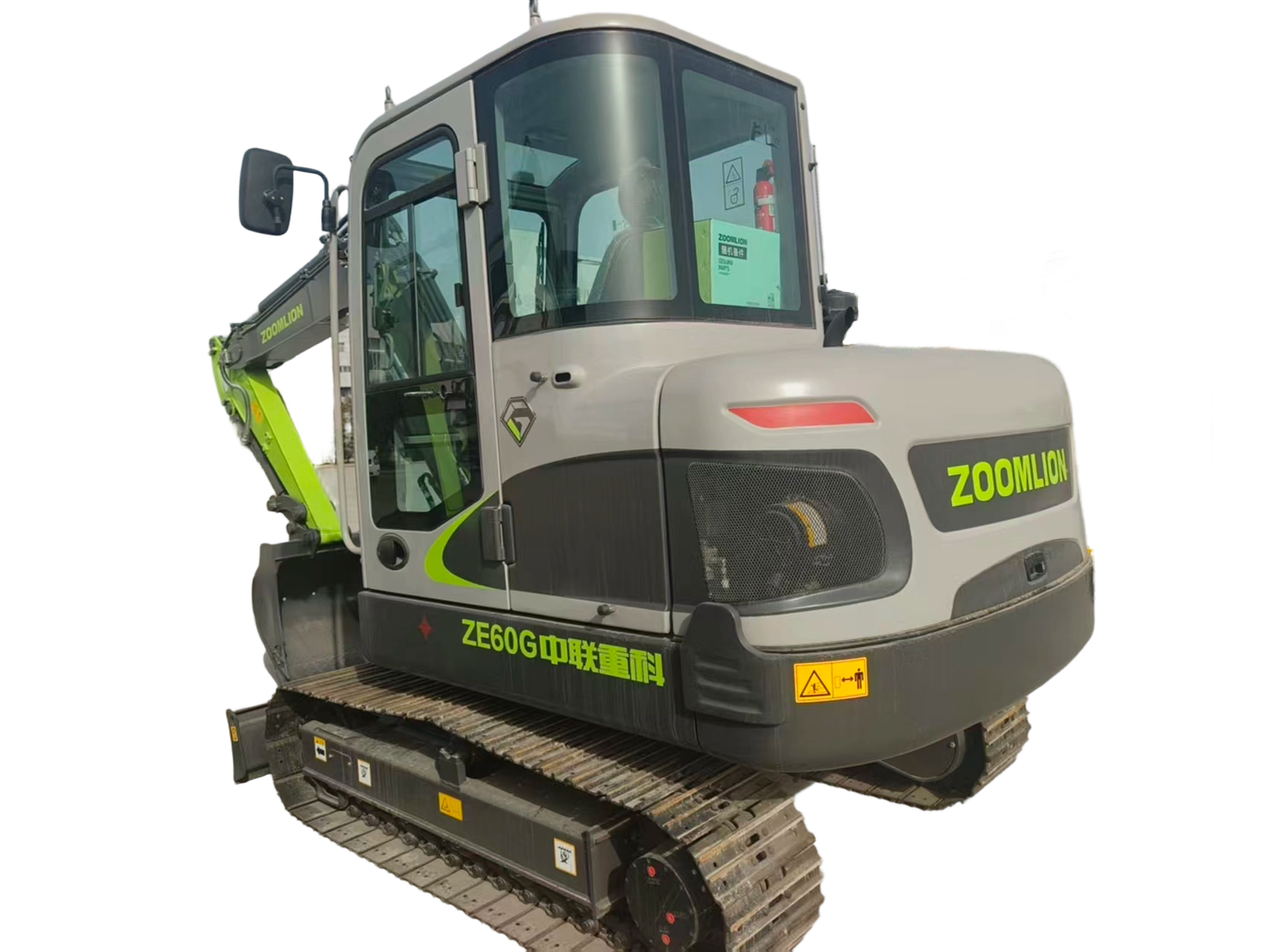
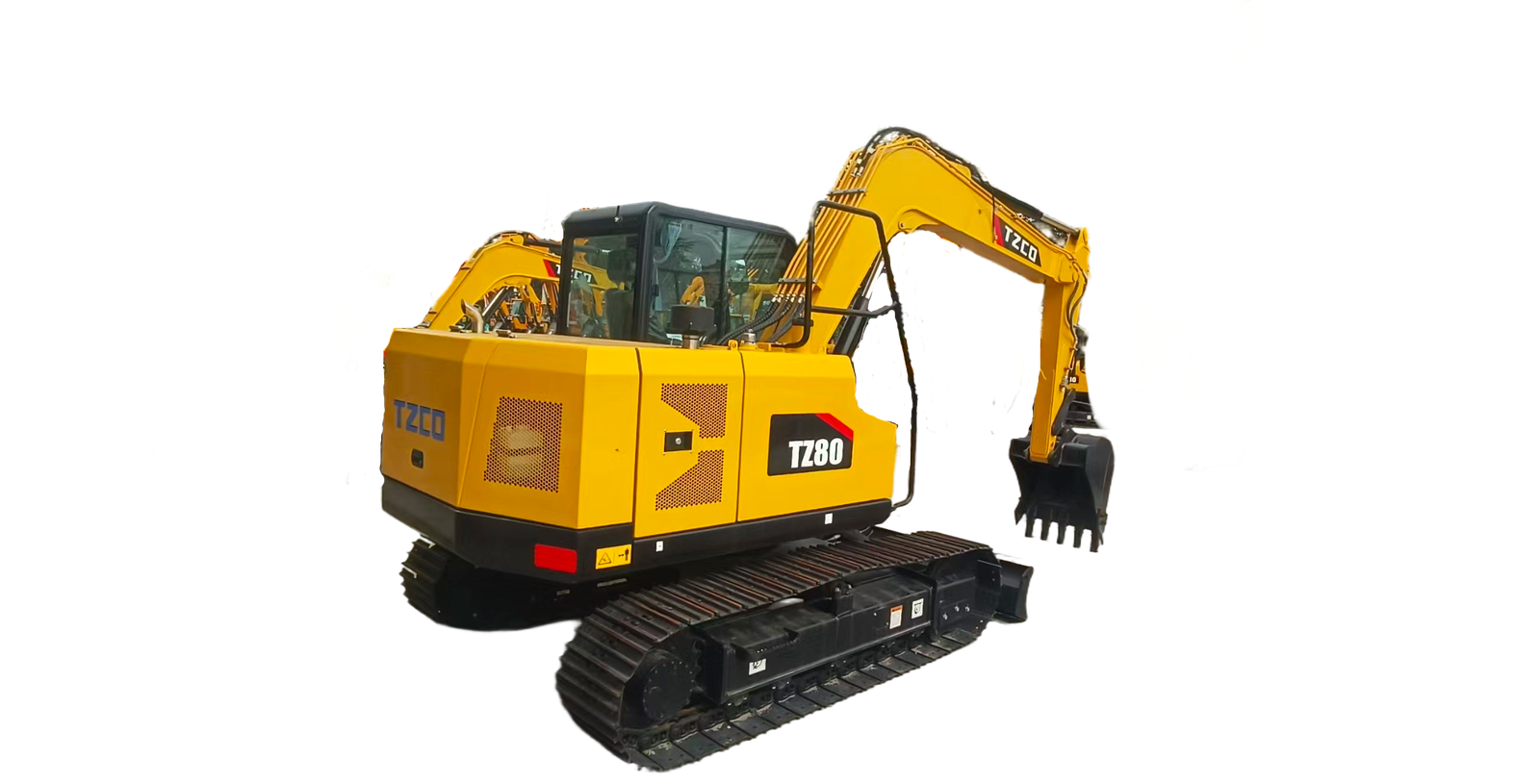
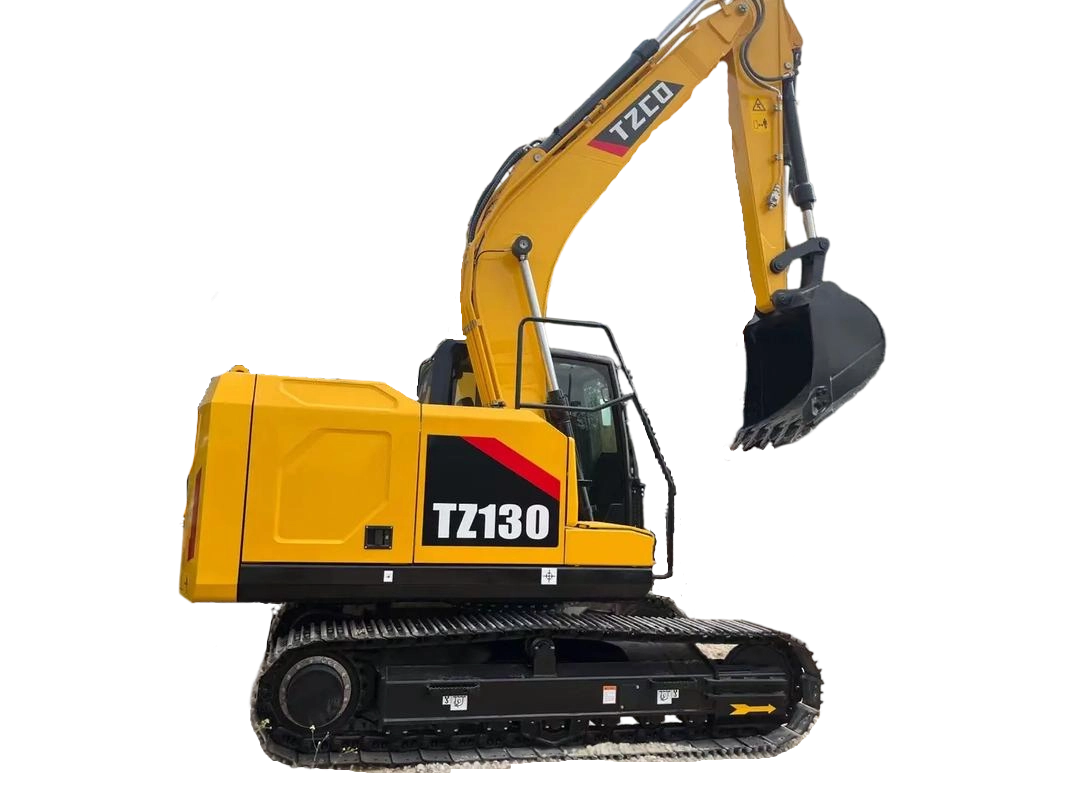
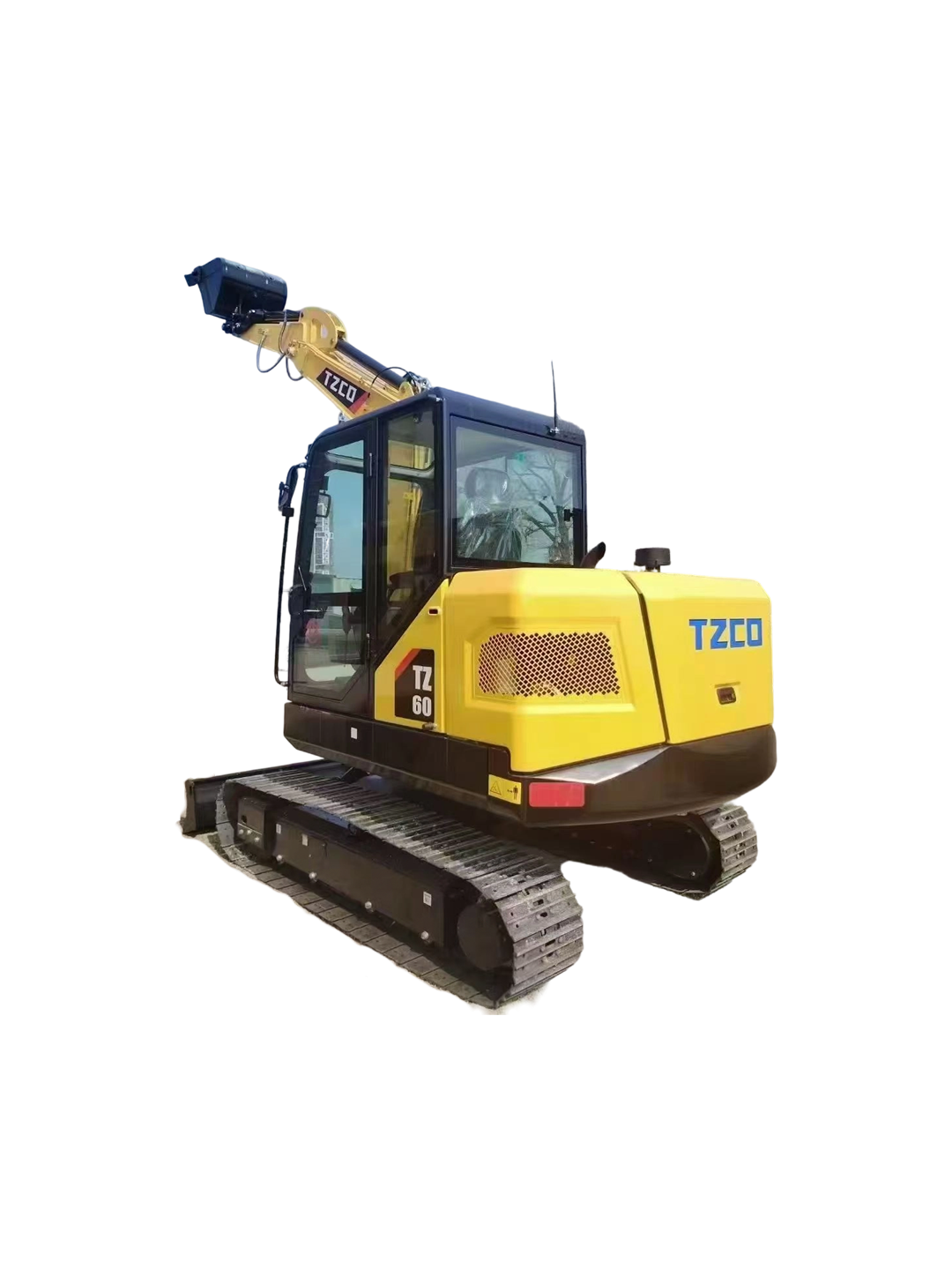
For many small-scale projects, compact machines in the roughly 1-3.5 tonne range can provide a useful balance of access, transportability, digging capability, and attachment flexibility, although the ideal size depends on the actual application.
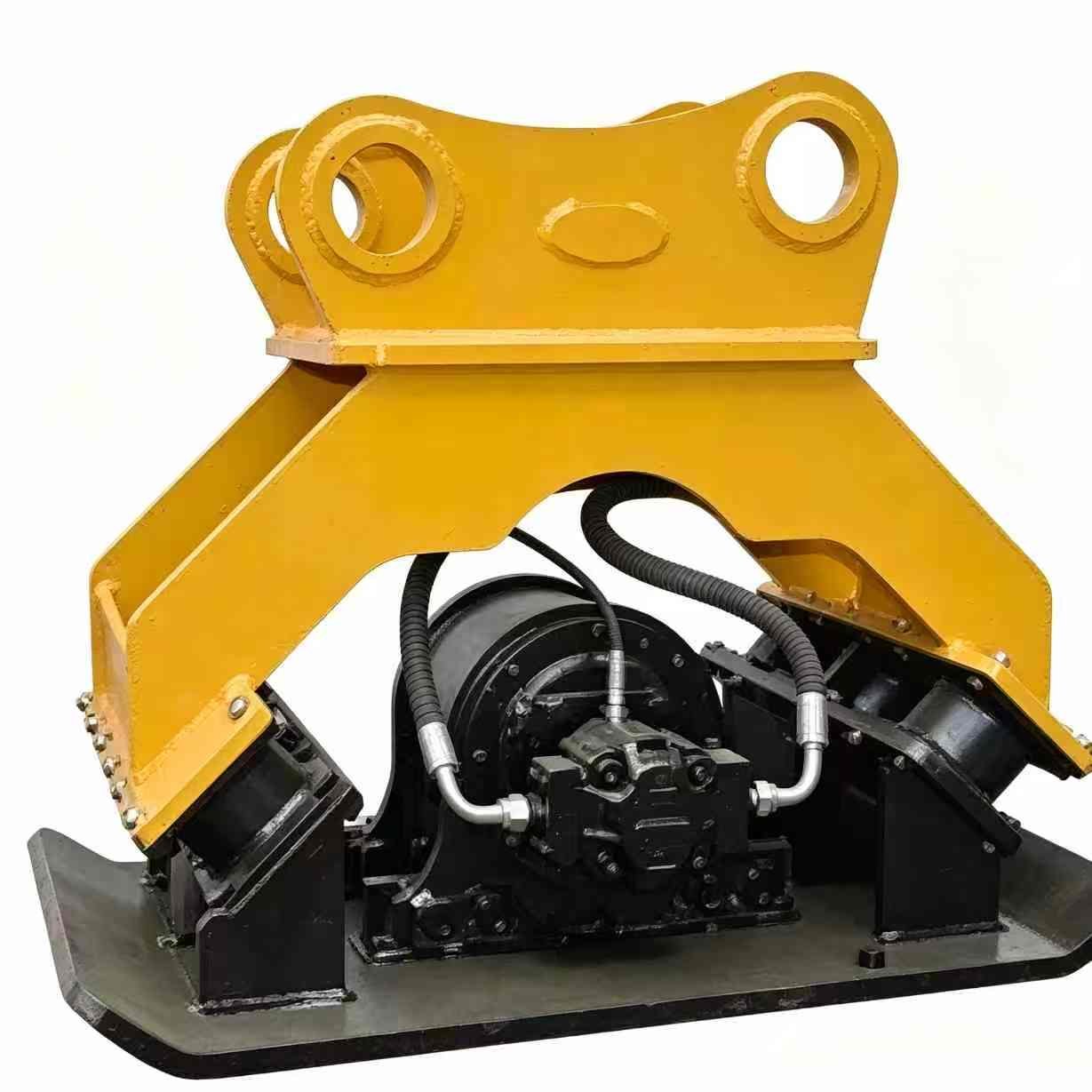
Pay close attention to operating weight, maximum digging depth, maximum reach, dump height, bucket capacity, engine power, hydraulic flow, and auxiliary hydraulic compatibility. If you plan to use an auger, breaker, grapple, compactor, or other hydraulic attachment, make sure the excavator is designed to operate it effectively.
Transportation should also be considered before purchasing. The machine must be compatible with your trailer, loading equipment, local transport requirements, and the distances between job sites.
New Or Used Mini Excavator For Small Contractors
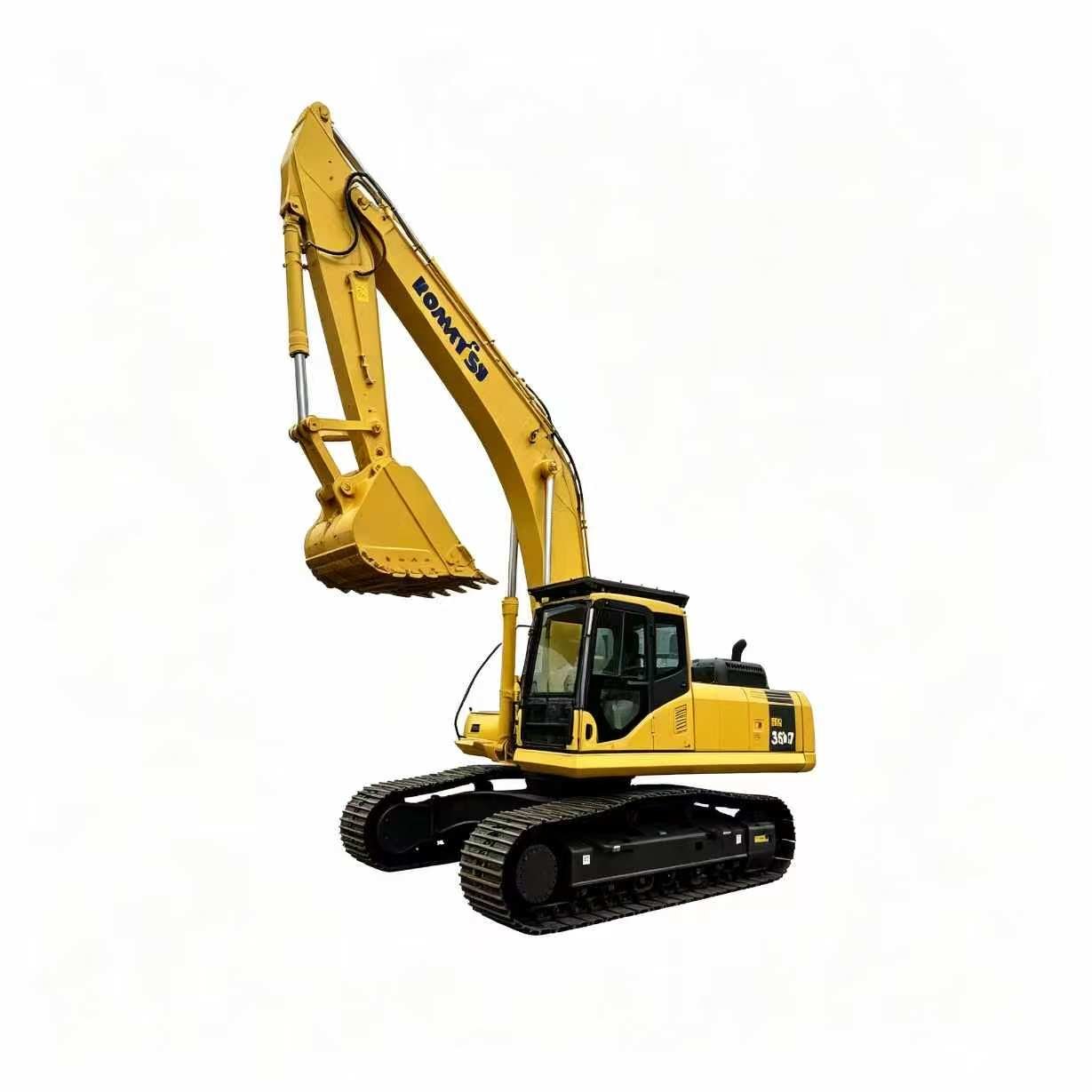
For contractors with limited equipment budgets or businesses expanding their fleets, a quality used mini excavator can be worth considering. The important factors include machine condition, operating hours, maintenance history, hydraulic performance, undercarriage condition, engine operation, structural condition, and attachment compatibility.
A professional supplier can make the purchasing process easier by providing machine information, inspection details, equipment photos or videos, and export support where required.
For buyers looking for used construction equipment, THBSMN can be considered as a supplier option, particularly for customers seeking compact and used excavators for construction, landscaping, agricultural, and utility applications. Its published equipment services include machine evaluation and international export assistance.
Make Every Mini Excavator Work More Efficiently
The value of a mini excavator comes from how effectively it matches the work. A machine used only for digging may handle a limited range of tasks, while a properly configured excavator with several compatible attachments can support excavation, trenching, grading, drilling, material handling, demolition, and site preparation.
For small-scale construction businesses, this versatility can make equipment investment more practical. Before purchasing, list your most common jobs, identify the attachments you will use, determine the required digging depth and access width, and then compare machines based on their complete working specifications.
A well-matched mini excavator can become a dependable everyday tool for residential construction, landscaping, utility installation, agriculture, property maintenance, and many other small-scale projects. The goal is not simply to buy the smallest excavator available, but to choose a compact machine with the right combination of size, performance, attachments, transportability, and long-term usability.