

Industry News
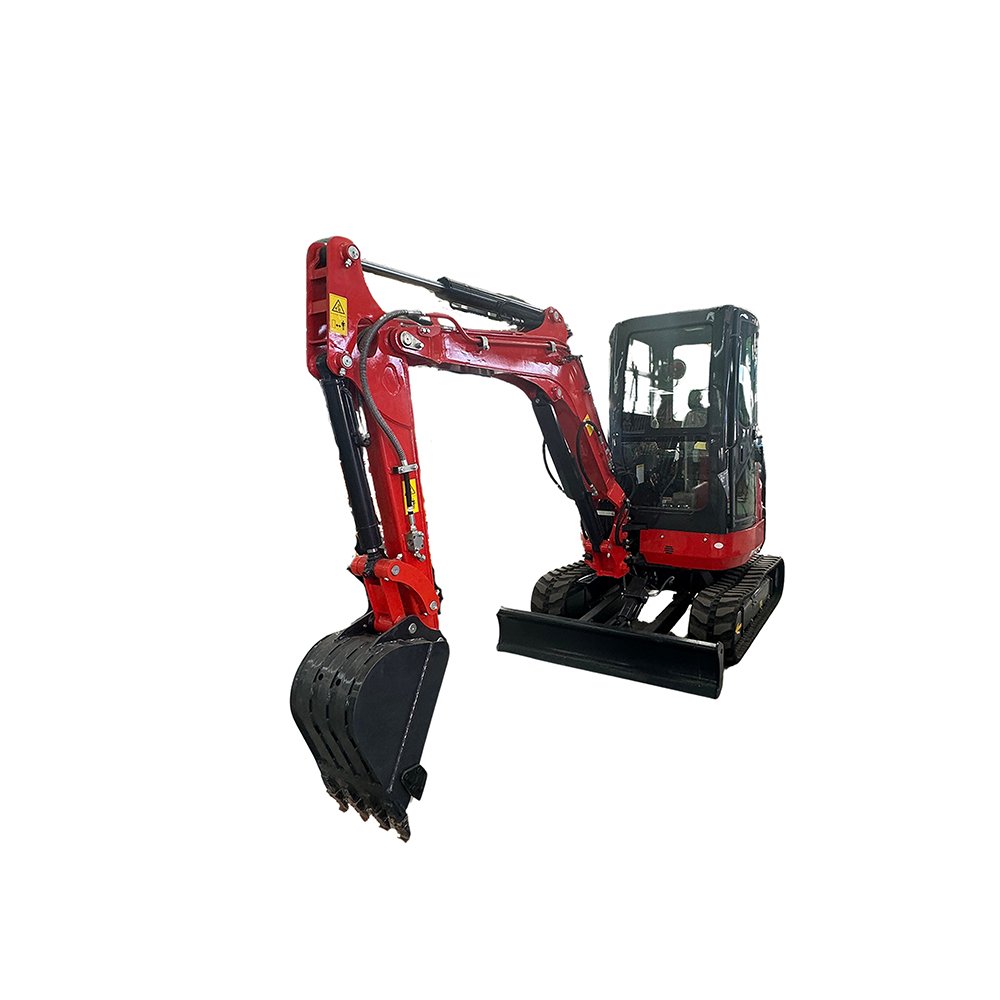
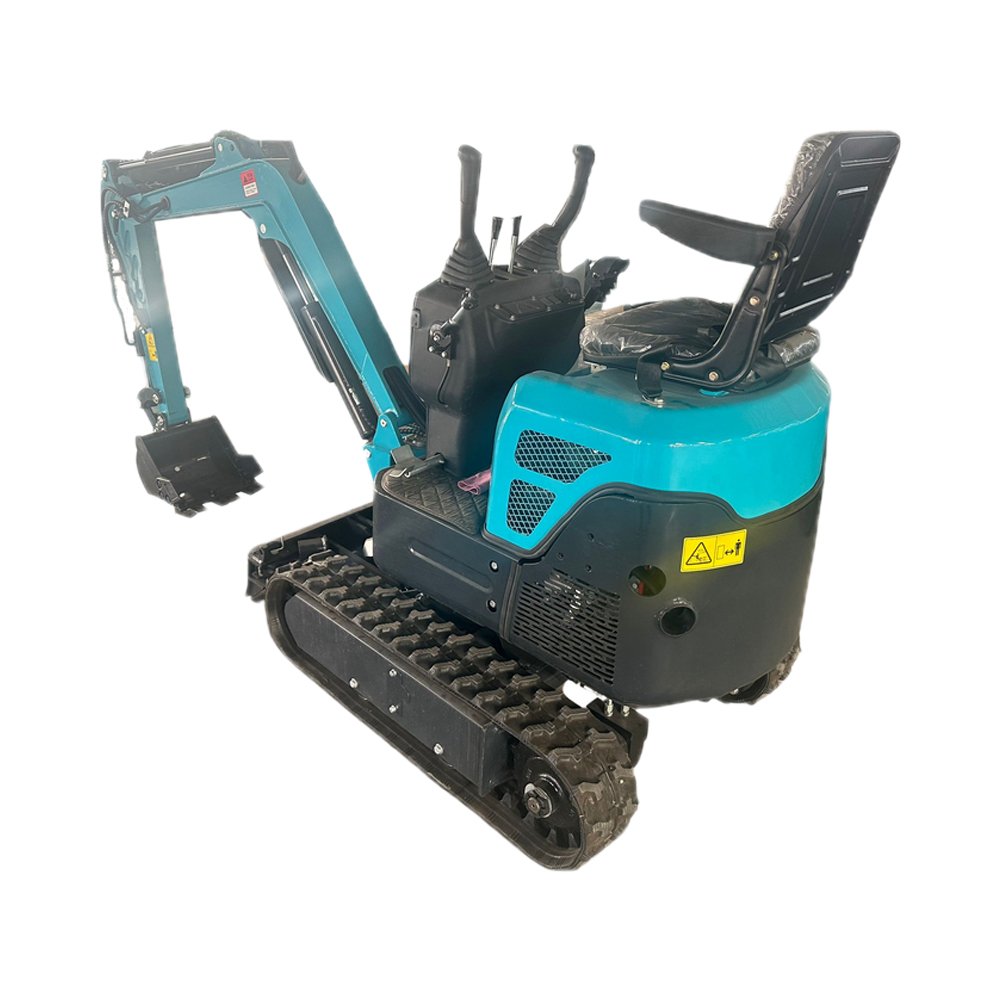
3 ton excavator for sale vs 2 Ton Digger For Small Construction
Aug
When starting a small construction project, landscaping job, farm improvement task, or property renovation, choosing the right excavator size can directly affect working efficiency, operating cost, and project progress. Many buyers often compare a 3 ton excavator for sale with a 2 ton digger for small construction because both machines are compact, flexible, and suitable for limited work areas.
A small excavator is not only a machine for digging. In daily construction environments, it helps complete tasks such as trenching, landscaping preparation, drainage installation, foundation work, material handling, and land improvement. Selecting the right size depends on the type of work, site conditions, transportation needs, and expected workload.
Understanding the practical differences between a 3 ton excavator and a 2 ton digger can help contractors, farmers, and property owners make a smarter equipment investment.
Choosing The Right Excavator Size For Real Construction Needs
Every construction project has different requirements. A homeowner preparing a backyard renovation may need a compact machine that can move through narrow spaces, while a small contractor handling multiple jobs may prefer a machine with stronger digging performance.
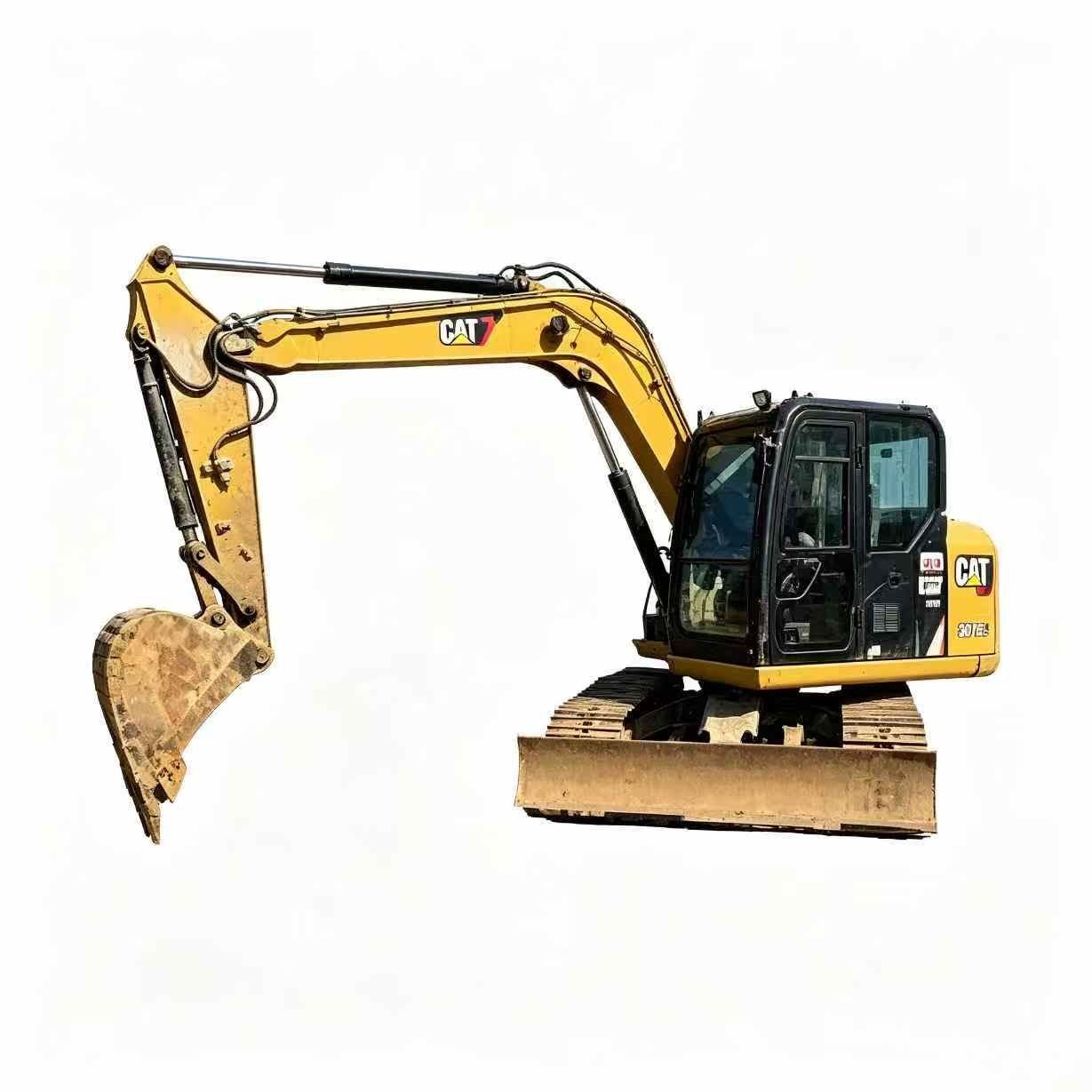
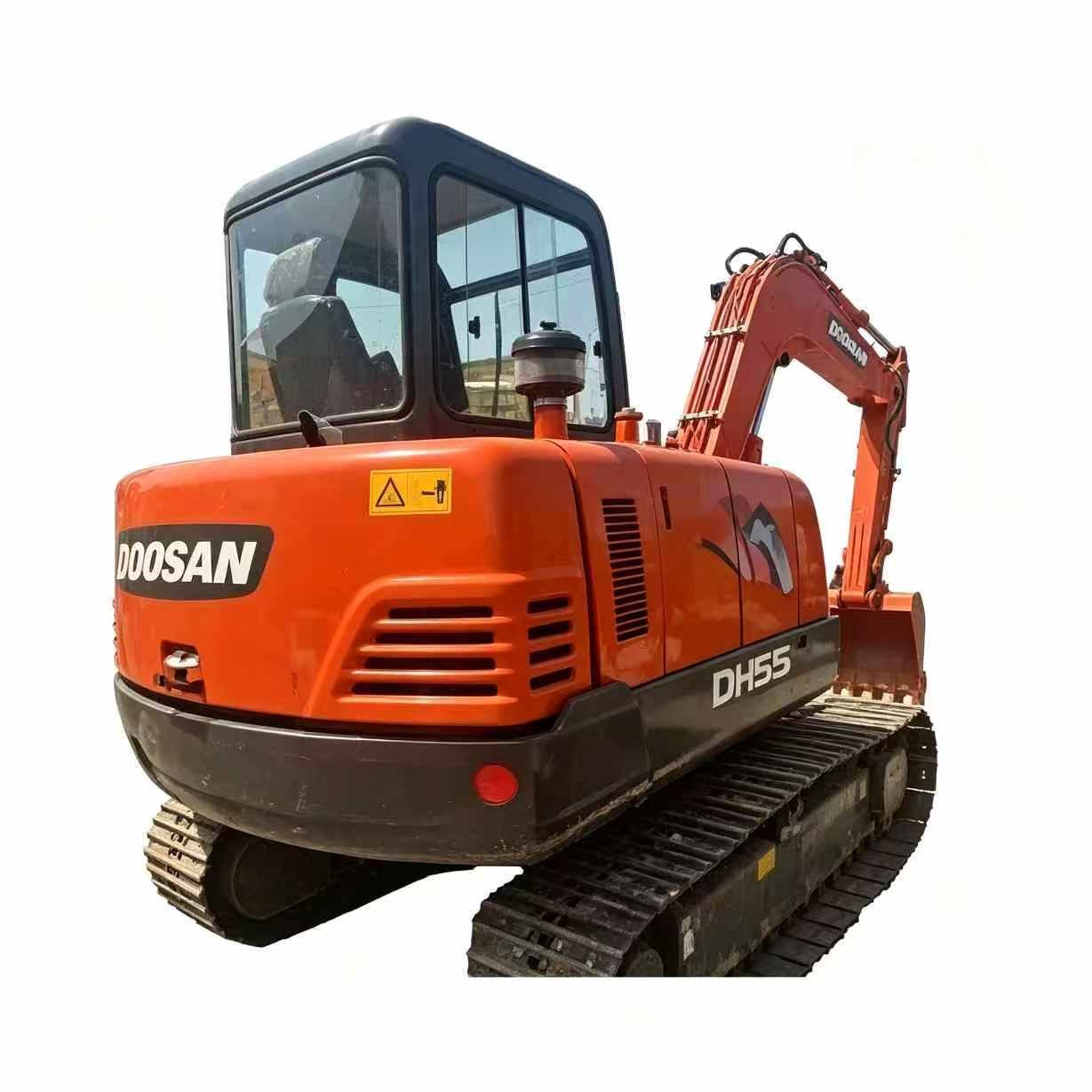
A 2 ton digger is often suitable for lighter tasks such as garden landscaping, small drainage projects, residential maintenance, and basic earthmoving. Its compact structure makes it convenient for projects where working space is limited.
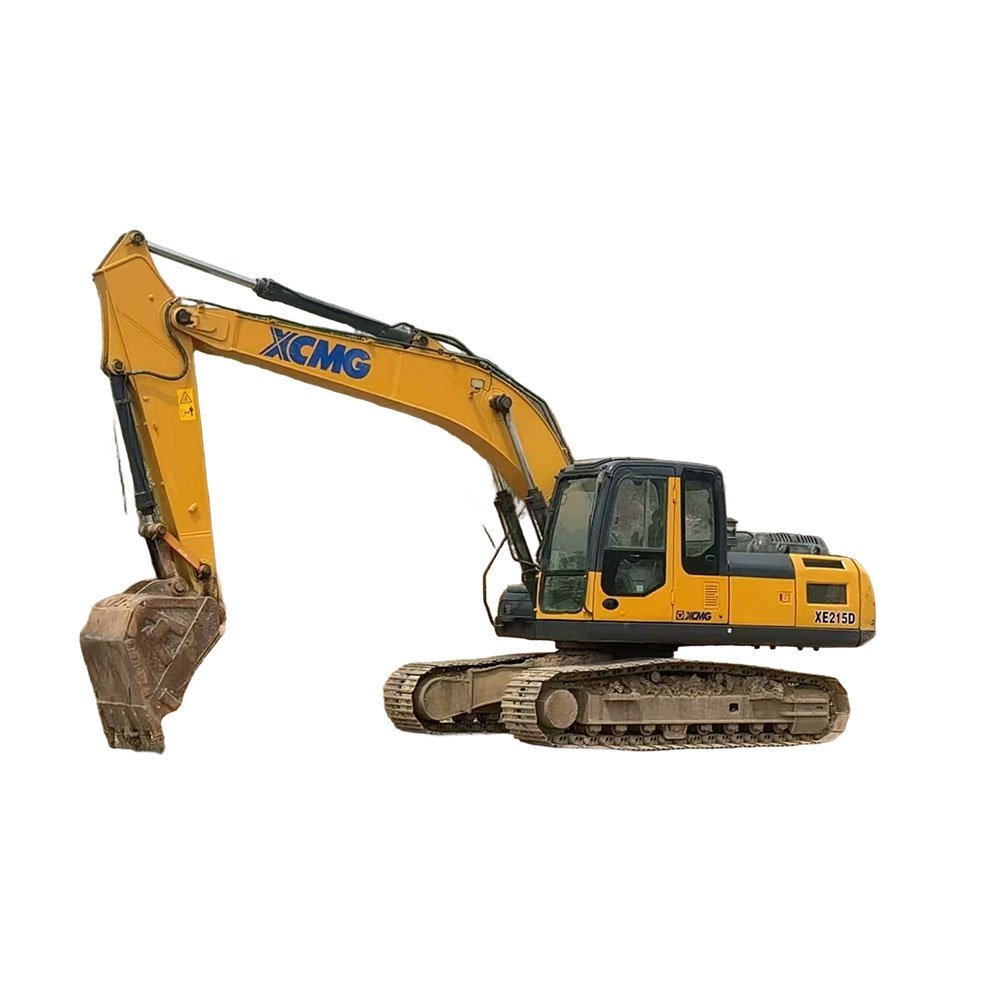
A 3 ton excavator provides additional working capacity while maintaining compact dimensions. It can handle slightly larger excavation tasks, deeper digging requirements, and more frequent commercial applications. For contractors who need a machine that can support a wider range of projects, a 3 ton excavator can provide greater flexibility.
The best choice is not always the largest machine. The right excavator should match the actual workload to ensure better productivity and cost efficiency.
Practical Applications Of 2 Ton Diggers For Small Construction
Small construction projects often require equipment that is easy to transport and simple to operate. A 2 ton digger is commonly used in residential and light commercial environments because it can work efficiently in smaller areas.
For example, during garden renovation, a compact digger can help remove soil, prepare planting areas, create pathways, and assist with landscaping projects. For homeowners installing drainage systems or small foundations, a 2 ton machine can provide the necessary digging ability without requiring excessive space.
Farm owners may also use small diggers for tasks such as improving irrigation channels, maintaining land areas, and preparing small construction zones.
The compact design allows operators to work closer to buildings, fences, and other structures, making it a practical choice for projects where access is an important consideration.
When A 3 Ton Excavator Becomes A Better Choice
A 3 ton excavator for sale is often considered by users who need more power and greater working range while still requiring a compact machine.
In small construction businesses, project requirements can change frequently. One week a contractor may work on residential landscaping, and the next week they may need to handle deeper trenching or heavier soil movement. A 3 ton excavator provides additional capability for these changing demands.
It can be used for applications such as:
Residential foundation preparation
Drainage and pipe installation
Small commercial landscaping projects
Site preparation work
Material loading assistance
Farm infrastructure improvements
For growing contractors, investing in a 3 ton excavator can help expand the types of projects they can accept while maintaining equipment flexibility.
Comparing Efficiency And Transportation Requirements
Transportation is an important factor when selecting compact construction equipment. Many small contractors and property owners need machines that can be moved easily between different job sites.
A 2 ton digger usually offers excellent mobility because of its smaller size and lighter weight. It can be transported with simpler hauling solutions and is suitable for projects requiring frequent movement.
A 3 ton excavator requires slightly more transportation planning but provides increased performance once on site. For users who regularly complete different construction tasks, the additional working ability may improve overall job efficiency.
Before purchasing, buyers should consider how often the machine will be transported, the available transport equipment, and the typical size of projects.
Understanding Long-Term Value When Buying A Small Excavator
Purchasing an excavator is an investment decision. Instead of only considering the initial purchase cost, buyers should evaluate how the machine supports future projects.
A machine that perfectly matches current needs but cannot handle future growth may limit business opportunities. On the other hand, choosing a machine with suitable additional capacity can provide more flexibility for upcoming work.
For contractors, equipment availability can directly influence customer service ability. Having a reliable excavator allows businesses to complete more projects efficiently and reduce dependence on external equipment services.
When looking for used or reliable compact excavator options, THBSMN provides professional solutions for customers seeking construction equipment. With experience in excavator supply, THBSMN helps buyers find suitable machines according to different project requirements and working conditions.
Key Factors To Consider Before Buying A Compact Excavator
Before choosing between a 3 ton excavator and a 2 ton digger, buyers should evaluate several practical factors.
The first consideration is the main application. Landscaping companies may prioritize flexibility and compact operation, while small construction contractors may need stronger digging performance.
The second factor is working environment. Narrow residential areas, gardens, farms, and urban construction sites may require different machine sizes.
The third factor is operating frequency. A machine used occasionally for personal projects has different requirements compared with equipment used daily for commercial work.
Maintenance support, machine condition, available attachments, and supplier service should also be considered. A suitable supplier can help customers choose equipment that provides better long-term value.
Improving Productivity With The Right Excavator Choice
The right excavator can make construction work easier, faster, and more organized. Whether completing a small backyard project or managing regular construction jobs, equipment selection affects the entire workflow.
A 2 ton digger offers excellent convenience for compact projects, while a 3 ton excavator provides additional strength and versatility for users with broader construction needs.
By understanding project requirements and evaluating future usage, buyers can select equipment that delivers practical benefits for years.
The comparison between a 3 ton excavator for sale and a 2 Ton Digger For Small Construction is not simply about choosing a bigger or smaller machine. It is about finding the right balance between working capacity, site conditions, transportation needs, and future applications.
For homeowners, farmers, and small contractors, selecting the correct excavator size can improve efficiency and create better project results. A well-matched machine becomes a valuable working partner for construction, landscaping, and property improvement tasks.
For customers looking for dependable compact excavator solutions, THBSMN provides professional equipment options and support to help buyers choose machines that fit their real working needs.