

Industry News
Essential Maintenance and Care Tips for Mini Used Excavator
Aug
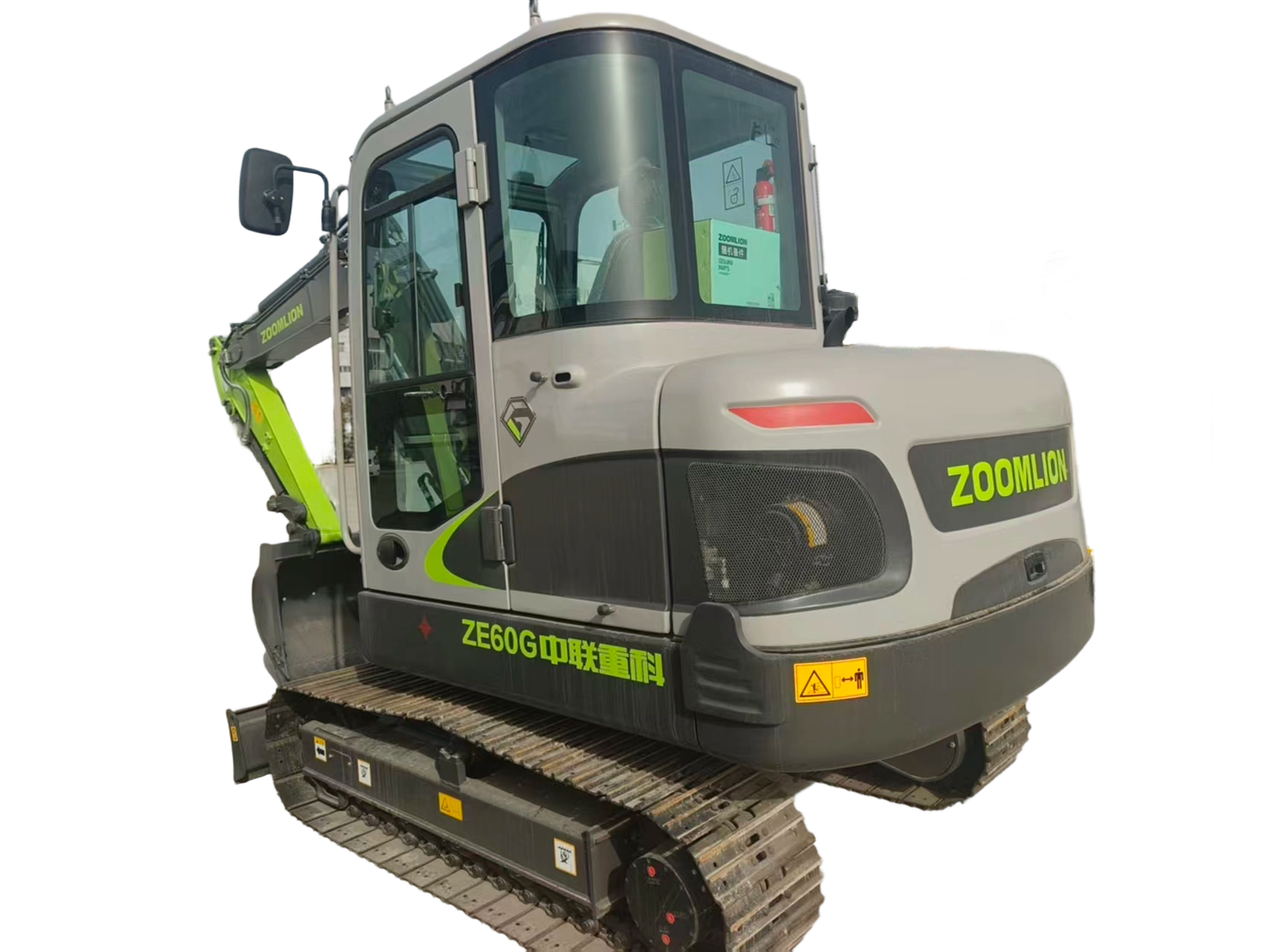
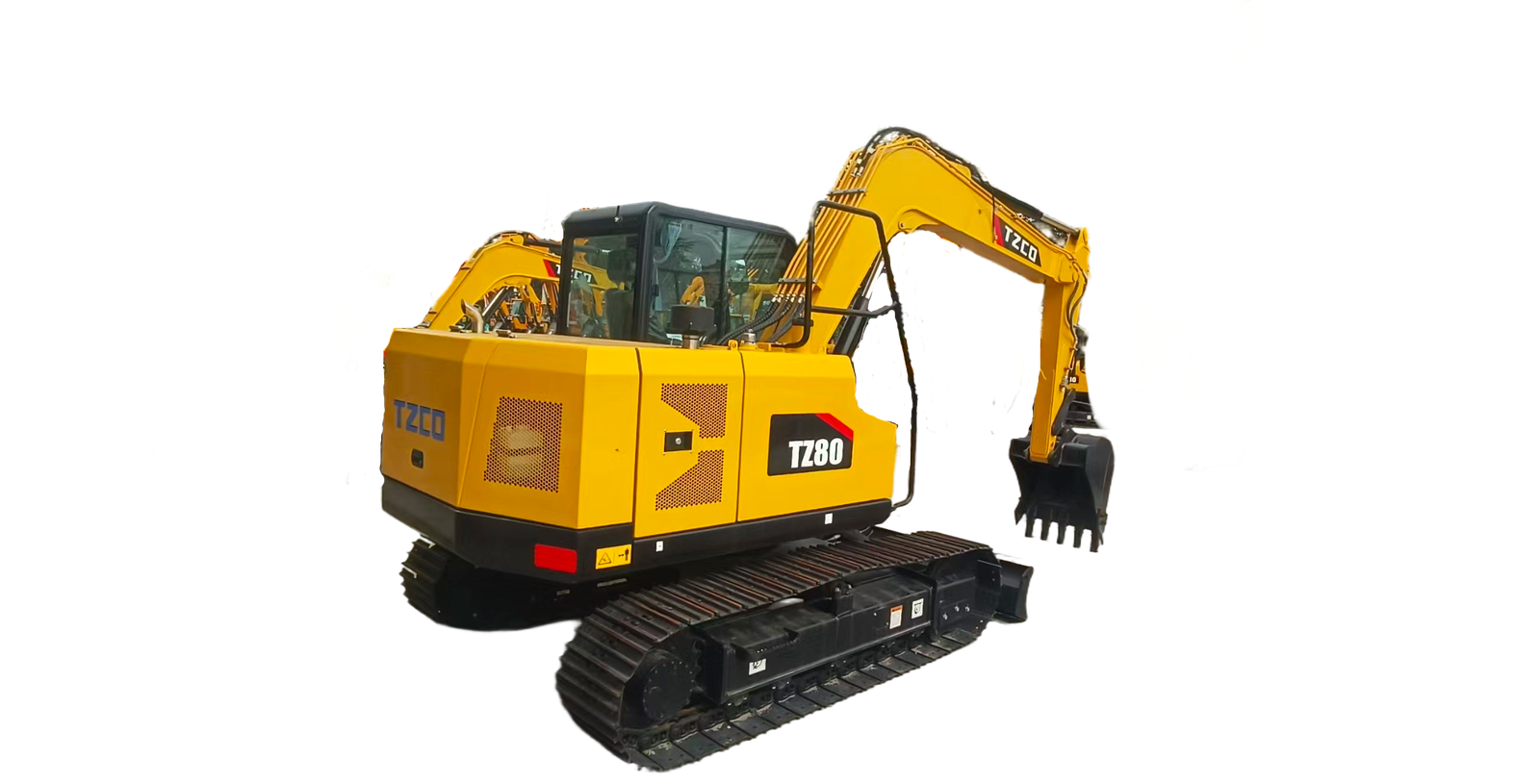
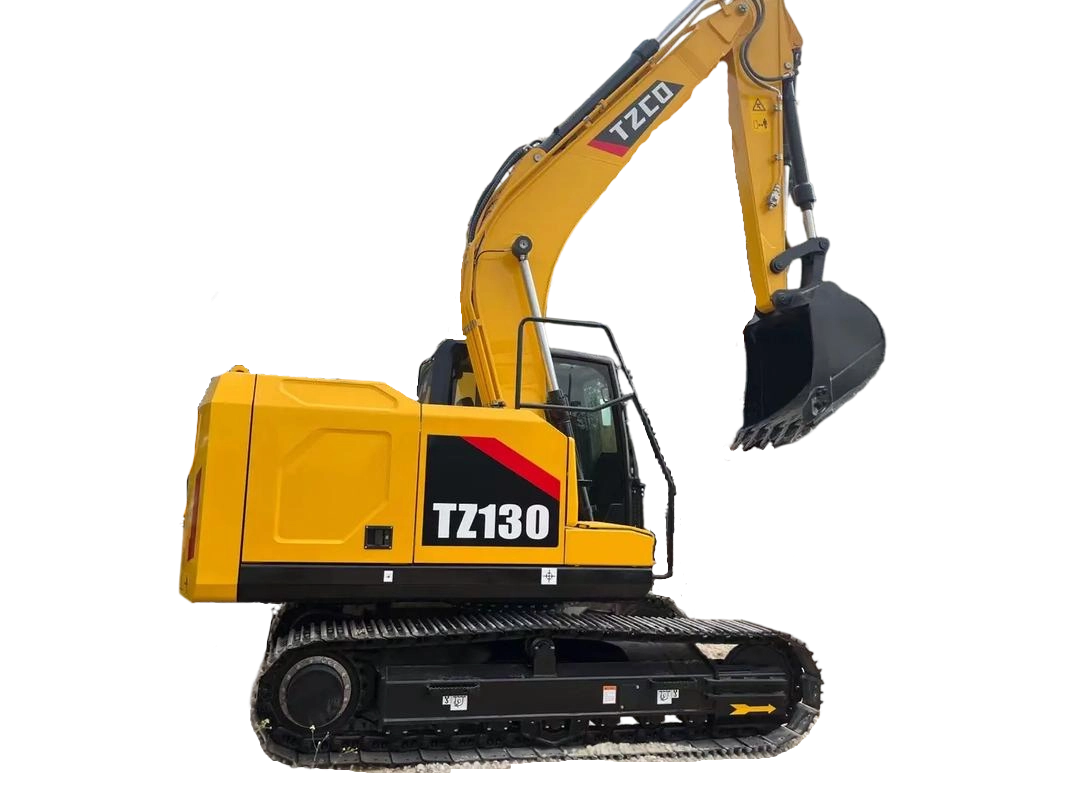
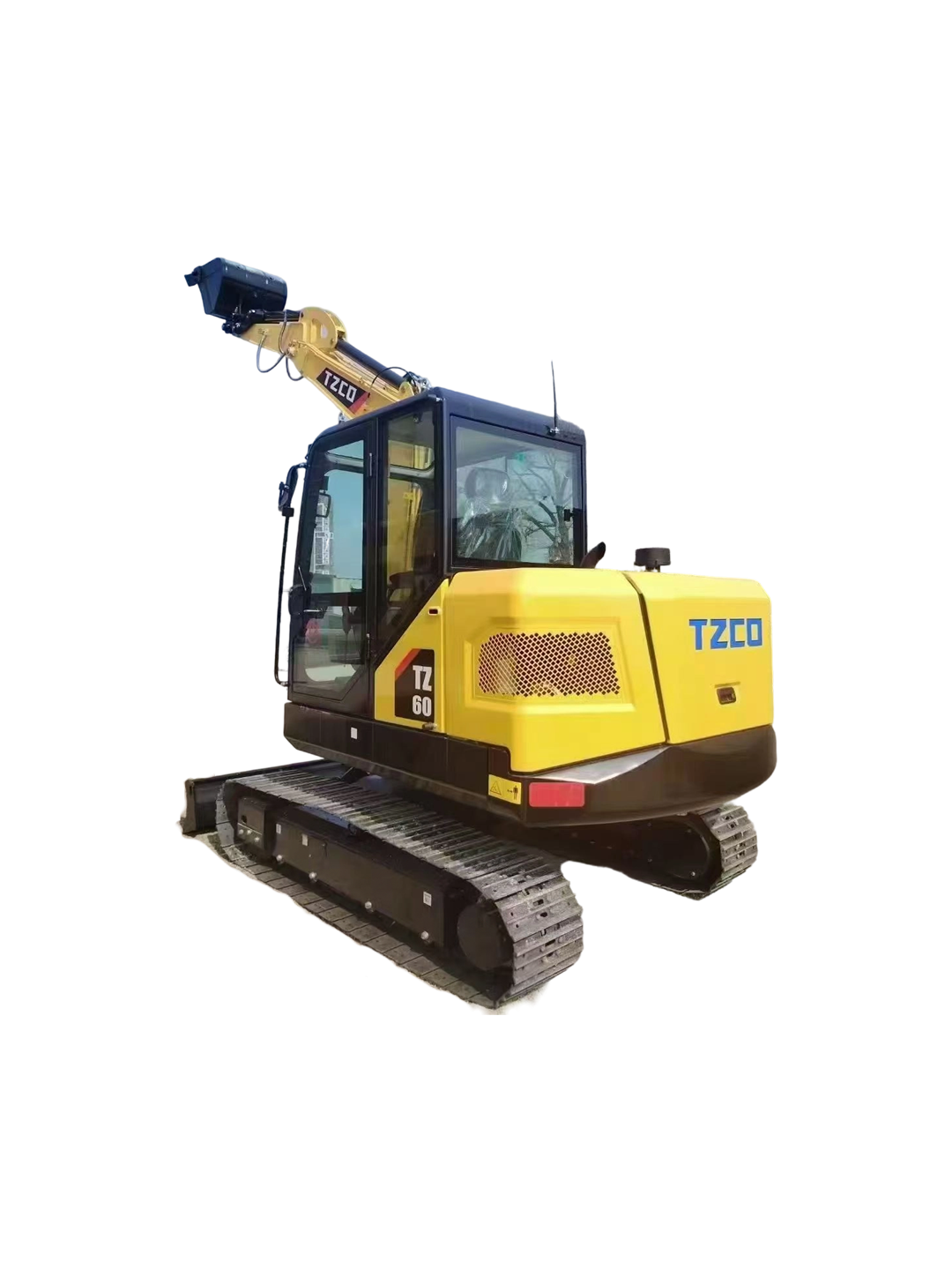
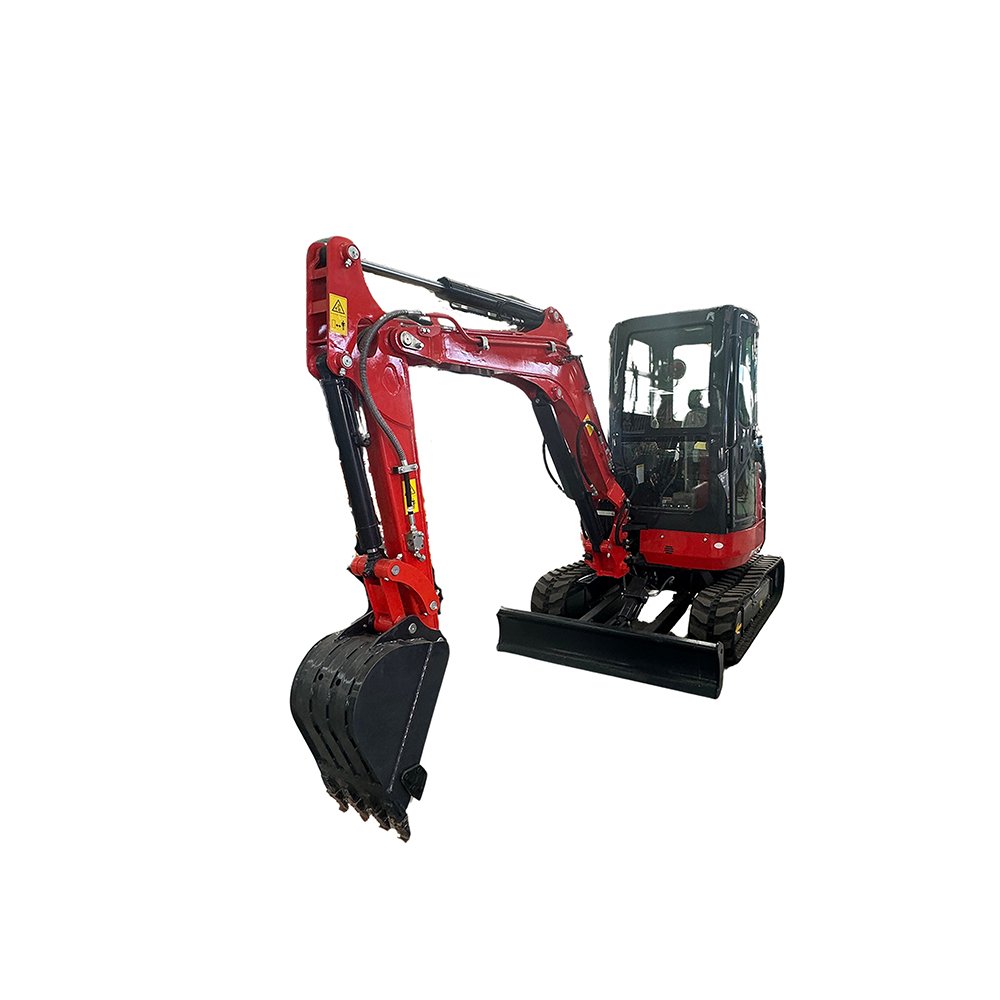
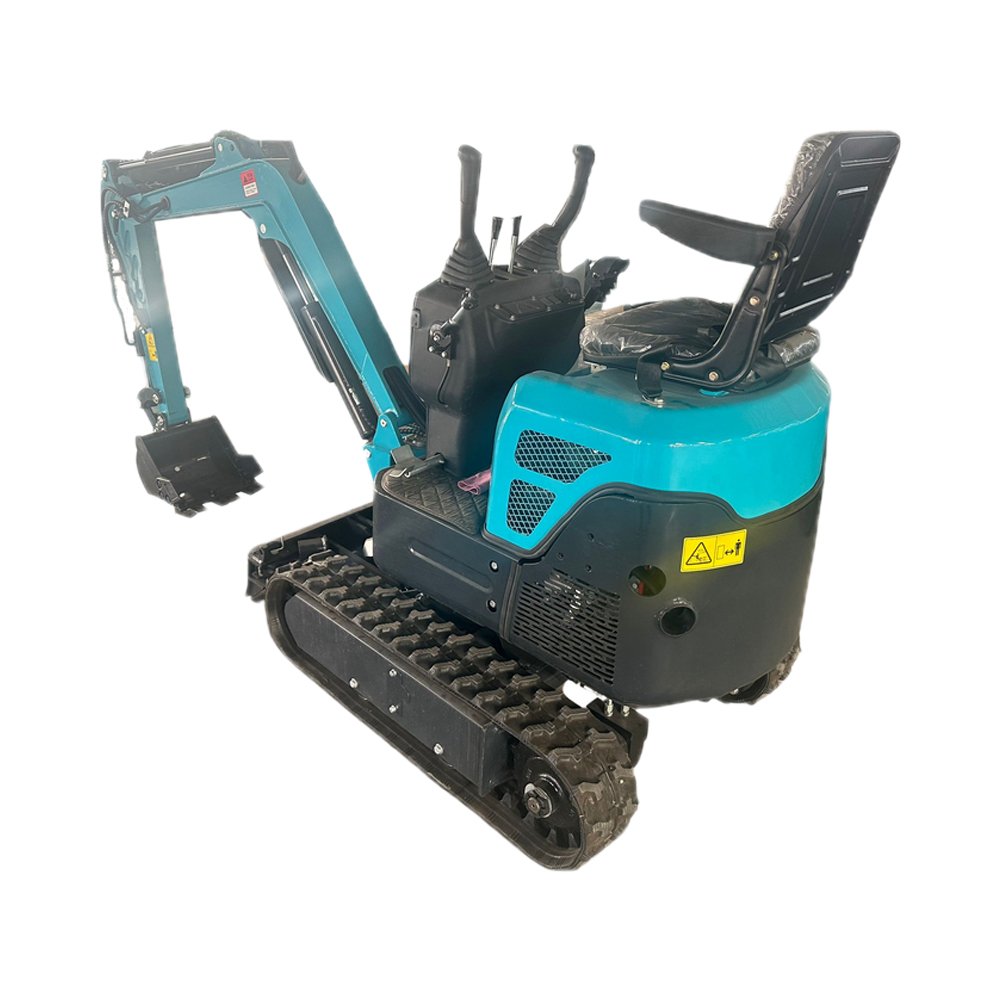
A mini used excavator is an important investment for many small construction companies, landscaping teams, farm owners, and property maintenance professionals. Compared with larger machinery, mini excavators are easier to transport, more flexible in tight working spaces, and suitable for a wide range of tasks such as digging trenches, landscaping, foundation preparation, drainage installation, and small demolition projects.
However, purchasing a used machine is only the first step. Proper maintenance and daily care play a major role in keeping the equipment reliable, improving working efficiency, and extending service life.
Many owners use mini excavators in demanding environments, including muddy construction sites, uneven farmland, and outdoor projects exposed to dust and weather conditions. Without regular inspection and correct maintenance habits, small issues may gradually affect machine performance.
A well-maintained mini used excavator can continue providing strong productivity for years. Developing a practical maintenance routine is one of the smartest ways to protect your equipment investment.
Check Key Components Before Starting Work
Before operating a mini used excavator each day, a quick inspection can help identify potential problems early. This simple habit is especially important for machines that are used frequently.
Start by checking the engine area, hydraulic system, tracks, attachments, and safety features. Look for unusual signs such as loose connections, damaged hoses, or insufficient fluid levels.
Engine oil and hydraulic oil should be checked according to the manufacturer’s recommendations. Proper lubrication helps moving components operate smoothly and reduces unnecessary wear.
The hydraulic system is one of the most important parts of a mini excavator. Hydraulic power controls functions such as arm movement, bucket operation, and machine rotation. Regularly checking hydraulic hoses, fittings, and fluid levels helps maintain consistent performance during daily jobs.
For example, a landscaping contractor using a mini excavator for garden renovation may operate the machine for several hours every day. A few minutes spent checking the equipment before work can prevent unexpected interruptions and improve project efficiency.
Maintain the Engine for Reliable Performance
The engine is the power source of a mini used excavator, and proper engine care directly affects machine productivity.
Regular oil changes are essential because clean engine oil helps reduce friction between internal components. Air filters should also be inspected and cleaned or replaced when necessary, especially when working in dusty environments such as construction sites or agricultural areas.
Fuel quality is another important consideration. Using suitable fuel and keeping the fuel system clean can help maintain stable engine operation.
Operators should also pay attention to unusual sounds, smoke, or changes in machine performance. These signs can indicate that the equipment needs inspection.
A professional maintenance schedule does not always require complicated procedures. Consistent small checks often make a significant difference in preventing major repairs and keeping the excavator ready for work.
Protect the Hydraulic System and Moving Parts
The hydraulic system allows mini excavators to perform powerful movements despite their compact size. Because hydraulic components operate under high pressure, they require careful attention.
Operators should regularly inspect hydraulic cylinders, hoses, and connection points. Any signs of wear or damage should be handled promptly to maintain safe and efficient operation.
Greasing moving parts is another important maintenance task. Areas such as pins, bushings, and joints experience continuous movement during excavation work. Proper lubrication reduces friction and helps maintain smooth operation.
For businesses using mini excavators for daily projects, establishing a regular lubrication schedule can improve machine reliability and reduce unnecessary downtime.
Whether the machine is used for trench digging, landscaping, or material handling, keeping mechanical parts properly maintained ensures better working performance.
Take Care of Tracks and Undercarriage
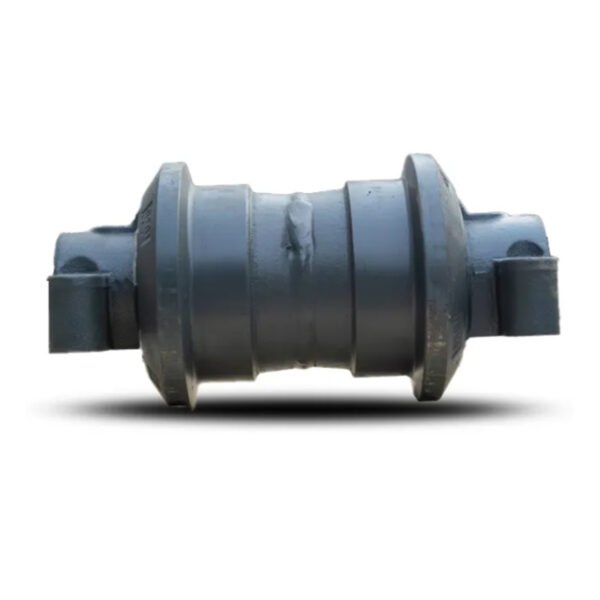
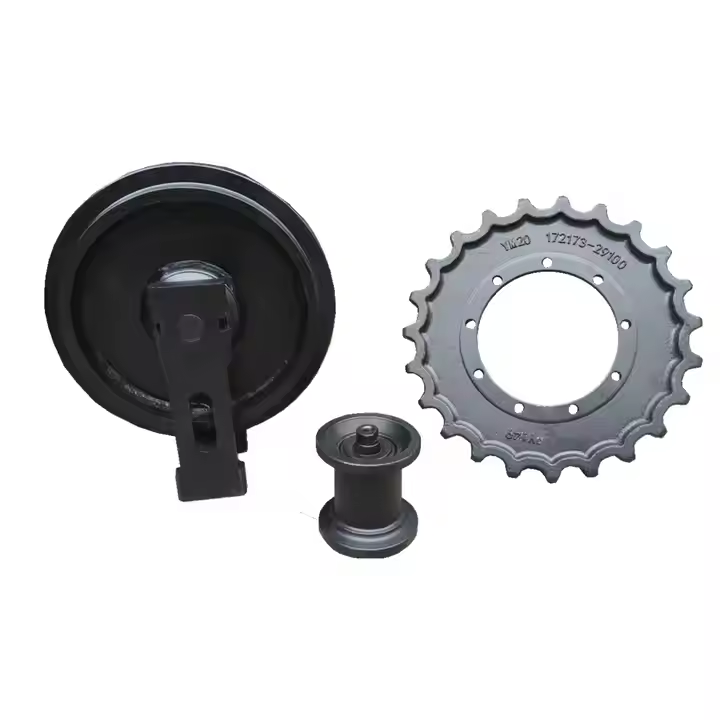
The undercarriage is one of the hardest-working sections of a mini excavator. Tracks support the entire machine and are constantly exposed to soil, rocks, mud, and uneven surfaces.
Operators should regularly remove dirt and debris from the tracks, especially after working in muddy conditions. Built-up materials can affect movement and increase wear over time.
Track tension should also be checked regularly. Proper tension helps the machine move smoothly and improves component durability.
For example, a property maintenance company using a mini excavator for residential landscaping projects may frequently move across different surfaces. Regular track care helps ensure stable operation across various working environments.
Good undercarriage maintenance not only improves performance but also helps owners get more value from their equipment.
Clean and Store Your Mini Excavator Properly
Cleaning is a simple but effective way to maintain a mini used excavator. After completing a project, removing dirt, dust, and construction materials helps protect important components.
Keeping the machine clean also makes it easier to identify leaks, cracks, or unusual conditions during inspections.
Proper storage is equally important. When the excavator is not being used for an extended period, parking it in a protected area can help reduce exposure to harsh weather conditions.
Many small contractors own equipment that is used for seasonal projects. During inactive periods, taking additional care with storage preparation helps ensure the machine is ready when the next project begins.
Simple actions such as cleaning, covering sensitive areas, and following maintenance schedules can significantly improve equipment longevity.
Choose the Right Mini Used Excavator Before Purchase
Maintenance begins before you even operate the machine. Selecting a suitable mini used excavator based on your work requirements can make future ownership easier.
Consider factors such as operating weight, digging depth, engine condition, attachment compatibility, and previous usage history. Different projects require different machine capabilities.
For example, a homeowner handling small landscaping projects may need a compact excavator with easy transportation, while a contractor may require stronger performance for frequent commercial work.
Working with a professional supplier can help buyers understand machine conditions and select equipment that matches their applications.
THBSMN provides used excavator solutions and helps customers find suitable equipment for different construction and earthmoving needs. With professional experience in machinery supply, THBSMN supports buyers in choosing practical equipment options for their projects.
Build a Long-Term Maintenance Routine for Better Results
Owning a mini used excavator is not only about completing current projects but also about protecting long-term equipment value.
A consistent maintenance routine helps improve machine reliability, reduce unnecessary downtime, and create a safer working environment. Daily inspections, scheduled servicing, proper cleaning, and careful operation all contribute to better performance.
For construction professionals, farmers, landscapers, and property owners, a well-maintained mini excavator becomes a dependable working partner.
By combining the right equipment choice with responsible maintenance habits, users can maximize productivity and enjoy the benefits of their mini used excavator for many years.