

Industry News
Pale Loader: Key Specs You Need To Check Before Purchasing Pale Loader
Aug
Purchasing a pale loader is an important investment for construction companies, farms, landscaping businesses, and material handling operations. A suitable machine can improve daily productivity, reduce manual labor, and help complete projects more efficiently. However, choosing the right equipment requires more than simply comparing appearance or price. Understanding key specifications before purchasing can help buyers select a machine that matches their actual working environment.
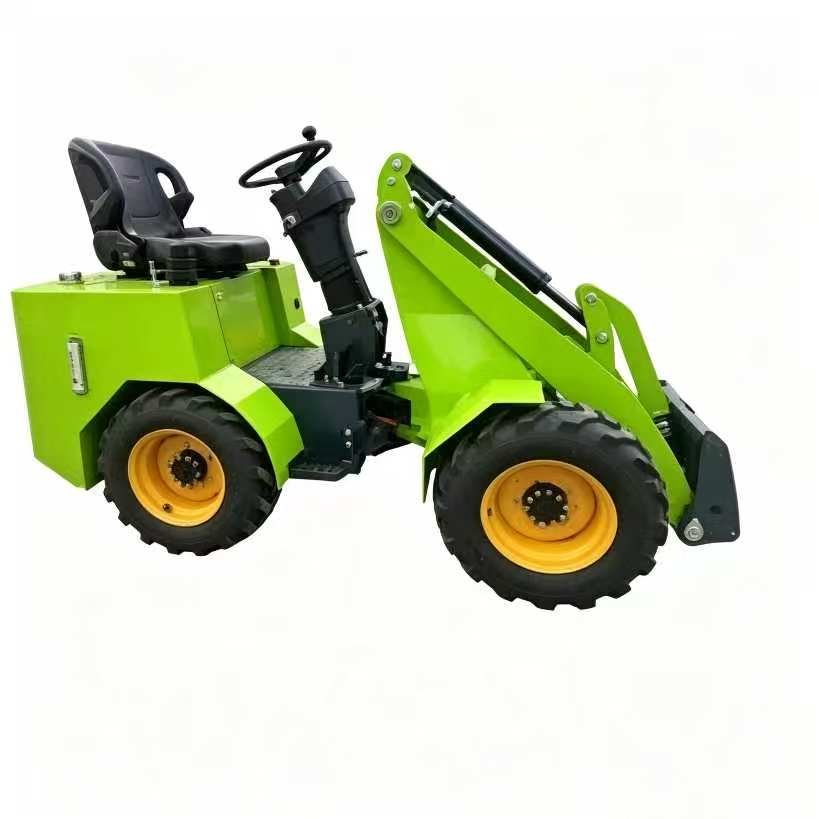
A pale loader is commonly used for tasks such as moving soil, sand, gravel, agricultural materials, construction waste, and other bulk materials. Because different industries have different working conditions, the ideal machine configuration may vary. A loader used on a construction site may require strong lifting ability and durability, while one used in farming may focus more on flexibility and fuel efficiency.
Before making a decision, buyers should evaluate their daily workload, operating environment, material types, and future business needs. Taking time to understand these factors can help avoid purchasing a machine that does not fully meet operational requirements.
For businesses looking for reliable used construction equipment solutions, THBSMN provides professional equipment options and helps customers find machinery suitable for different working applications.
Engine Power and Performance Determine Working Efficiency
Engine performance is one of the first specifications buyers should check when selecting a pale loader. The engine directly affects the machine’s working capability, fuel consumption, and ability to handle demanding tasks.
For heavy-duty applications such as construction material transportation or large-scale earthmoving, a loader with sufficient engine power can maintain stable performance when carrying heavy loads. Strong engine output helps the machine work efficiently on different surfaces and during continuous operations.
For smaller farms, landscaping projects, or light material handling tasks, extremely high power may not always be necessary. A properly matched engine can provide better fuel efficiency and easier operation while still completing daily tasks effectively.
Buyers should consider how frequently the loader will be used and what type of materials it will handle. A machine that matches the workload can provide better long-term value and improve overall operating efficiency.
Bucket Capacity Should Match Your Material Handling Requirements
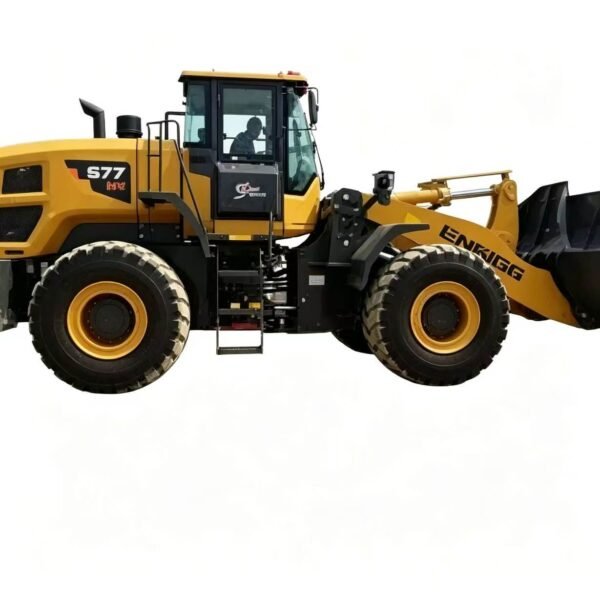
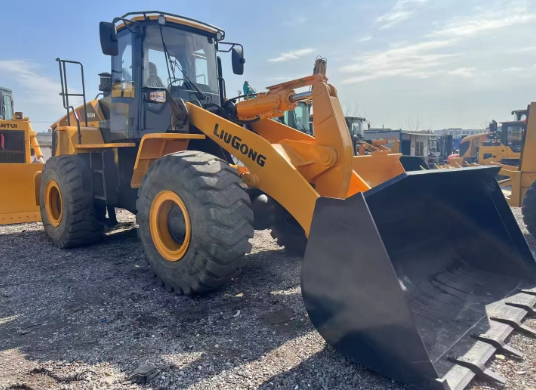
The bucket is one of the most important working components of a pale loader because it directly determines how much material can be moved during each operation.
A larger bucket capacity can improve productivity when handling materials such as sand, gravel, soil, or agricultural products. For businesses managing large volumes of materials every day, a suitable bucket size can reduce the number of loading cycles and save valuable working time.
However, bigger is not always better. The bucket size should match the machine’s lifting capacity and the working environment. An oversized bucket may affect balance and operating flexibility, especially in smaller work areas.
When choosing a pale loader, buyers should consider the types of materials they usually handle. Loose materials, heavy materials, and compact materials may require different bucket designs to achieve the best performance.
Operating Weight and Machine Stability Are Important Factors
Operating weight affects how stable and reliable a loader performs during daily work. A heavier machine usually provides stronger stability when handling heavy materials, while a lighter model may offer better flexibility for smaller spaces.
Construction sites often require equipment that can remain stable when operating on uneven ground. Good stability helps operators complete tasks safely and efficiently.
For agricultural applications, flexibility may be more important because machines often need to move between storage areas, fields, and narrow working spaces. A balanced design can provide both working ability and convenient operation.
Understanding the relationship between machine weight, lifting ability, and working conditions helps buyers choose a loader that performs well in real-world situations.
Hydraulic System Quality Influences Loader Performance
The hydraulic system plays a major role in the operation of a pale loader. It controls important functions such as lifting the bucket, moving attachments, and handling materials smoothly.
A reliable hydraulic system allows operators to work with better control and efficiency. Fast and stable hydraulic response can improve productivity, especially during repetitive loading tasks.
Businesses using loaders for long hours should pay close attention to hydraulic system performance. Consistent operation helps maintain workflow efficiency and reduces unnecessary downtime.
When evaluating equipment, buyers should understand the hydraulic capacity and how well the system matches the machine’s intended application.
Cab Comfort and Operator Experience Should Not Be Ignored
A pale loader is often operated for many hours each day, making operator comfort an important consideration. A well-designed cab can improve working efficiency by reducing fatigue and allowing operators to maintain better focus.
Important factors include visibility, seat comfort, control layout, and overall operating convenience. Good visibility helps operators work more accurately when loading materials or working in busy environments.
For businesses with multiple operators, easy-to-use controls can also reduce the learning curve and improve workplace efficiency. A comfortable operating environment contributes to better productivity during long working periods.
Maintenance Requirements Affect Long-Term Ownership Costs
When purchasing a pale loader, buyers should think beyond the initial purchase. Maintenance requirements can have a significant impact on long-term operating costs.
A machine that is easy to maintain allows operators to complete regular inspections and servicing more efficiently. Important considerations include access to service points, availability of replacement parts, and overall equipment design.
Regular maintenance helps keep the loader operating smoothly and extends its service life. Businesses should choose equipment that fits their maintenance capabilities and operational plans.
Working with an experienced equipment supplier can also provide valuable support when selecting machinery. THBSMN offers construction equipment solutions and helps customers evaluate suitable machines according to their project requirements.
Consider Attachment Compatibility for Future Applications
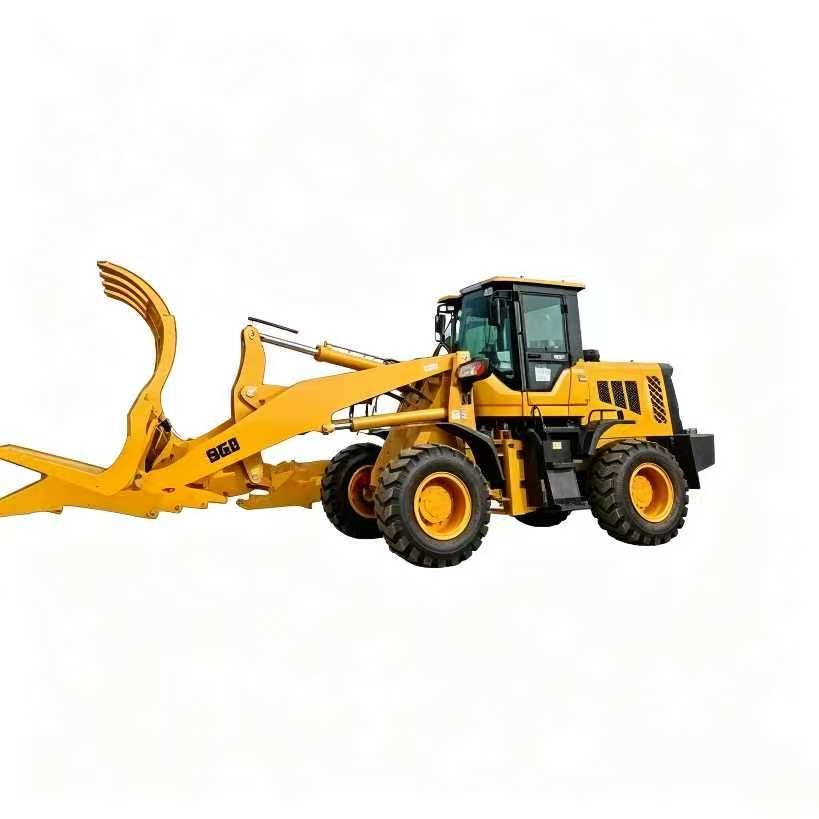
Modern pale loaders are often used with different attachments to expand their capabilities. Before purchasing, buyers should consider whether the machine can support additional tools for future needs.
Different attachments can allow a loader to perform more tasks, such as material handling, agricultural operations, landscaping work, and general construction applications.
Choosing a machine with flexible attachment options can improve investment value because the equipment can adapt as business needs change.
For companies planning future expansion, selecting a versatile loader can provide more opportunities without requiring additional equipment purchases.
Inspect Equipment Condition Before Making a Final Decision
For buyers choosing used equipment, checking the overall machine condition is an essential step. A careful inspection helps understand the equipment’s working history and current performance.
Important areas to review include engine condition, hydraulic performance, bucket structure, operating controls, and maintenance records. Understanding the machine’s condition allows buyers to make more informed decisions.
Professional equipment suppliers can provide additional guidance and help customers select machines that meet their expectations.
THBSMN specializes in used construction equipment solutions and supports customers looking for practical machinery options for different industries and applications.
Making a Smart Pale Loader Purchase Decision
Choosing the right pale loader requires careful consideration of specifications, working conditions, and future requirements. Engine power, bucket capacity, operating weight, hydraulic performance, operator comfort, maintenance needs, and attachment compatibility all influence the final purchasing decision.
A well-selected loader can become a valuable business asset by improving productivity and supporting daily operations. Whether used for construction projects, agricultural work, landscaping, or material handling, the right machine helps businesses complete tasks more efficiently.
By understanding key specifications and working with a professional supplier like THBSMN, buyers can make confident decisions and choose equipment that delivers reliable performance for years.