

Industry News
What you should know before sourcing durable china wheel loader for your business
Aug
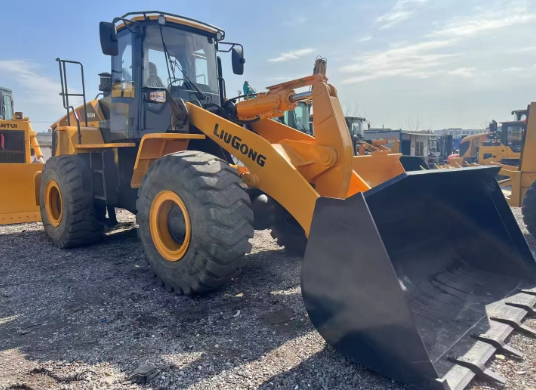
Sourcing a durable China wheel loader can be an important purchasing decision for construction companies, aggregate suppliers, mining operations, farms, recycling businesses, and material handling contractors. A wheel loader is expected to move large quantities of material efficiently while working in demanding environments, so choosing the right machine requires more than comparing purchase prices.
The most useful approach is to evaluate the machine according to your actual workload, operating environment, attachment requirements, maintenance plans, transportation needs, and long term ownership goals. When these factors are considered before purchasing, it becomes much easier to select a wheel loader that fits your business rather than simply choosing a machine based on specifications.
Start With Your Actual Workload
Before contacting a supplier, define what the wheel loader will actually do every day.
A machine used for loading sand and gravel at an aggregate yard may have different requirements from one used for moving soil on construction sites. Agricultural operations may prioritize maneuverability and attachment flexibility, while mining and heavy material handling may require a larger operating capacity and stronger working configuration.
Consider how many hours the loader will operate each day, the average material weight, loading height, travel distance, working surface, and expected annual operating hours.
These details provide a much better foundation for selecting equipment. For example, a business that primarily loads loose material into trucks may prioritize bucket capacity and cycle efficiency, while a contractor working in confined areas may place greater importance on machine dimensions and maneuverability.
Understand Wheel Loader Operating Capacity
Operating capacity is one of the most important specifications to review when sourcing a wheel loader.
The machine needs to safely and efficiently handle the material used in your operation. Bucket capacity, rated operating load, lifting capability, breakout force, and overall machine weight should therefore be considered together.
A larger bucket is not automatically better. The bucket should match the material density, machine capacity, loading height, and working conditions. Using a suitable combination can help maintain productivity while supporting stable operation.
When discussing specifications with a supplier, explain the materials you handle rather than asking only for a particular bucket size. This allows the supplier to recommend a configuration based on the actual application.
Match the Engine and Power to the Application
Engine performance directly affects productivity, fuel consumption, and the loader’s ability to work under load.
For businesses that regularly handle heavy materials or work on inclines, sufficient engine power can be important for maintaining consistent performance. However, selecting the highest available power is not always necessary.
The goal is to find an appropriate balance between engine output, machine size, hydraulic performance, operating weight, and fuel efficiency.
Ask the supplier about the engine specification, rated power, emissions configuration, cooling system, and compatibility with the working environment where the machine will operate.
For international buyers, it is also important to confirm whether the engine and emissions configuration meets the regulations applicable in the destination market.
Pay Attention to the Hydraulic System
The hydraulic system controls many of the wheel loader’s important functions, including lifting, bucket movement, and attachment operation.
If your business plans to use hydraulic attachments, hydraulic performance becomes even more important. Flow rate, pressure, response, and auxiliary hydraulic configuration should be considered before placing an order.
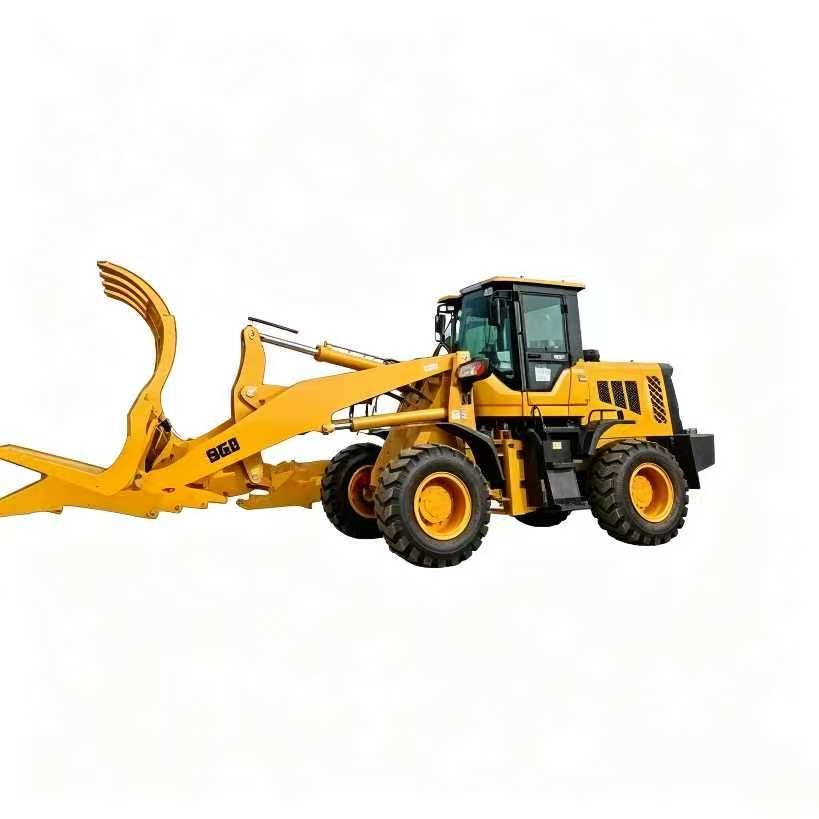
A machine designed for basic bucket loading may have different hydraulic requirements from one used with forks, grapples, sweepers, clamps, or other specialized attachments.
Discuss your intended attachments with the supplier before selecting the final configuration. This can help ensure that the machine has the necessary hydraulic capability and connection specifications.
Choose the Right Bucket
The bucket is one of the most frequently used components on a wheel loader, so selecting the correct bucket can have a direct effect on daily productivity.
Different materials may require different bucket configurations. Loose aggregate, soil, sand, rock, waste materials, and agricultural products can have different handling characteristics.
Bucket capacity should also correspond with the machine’s operating capability. An appropriate bucket allows the loader to complete loading cycles efficiently without creating an unsuitable working condition.
If your business handles several types of materials, ask whether multiple bucket options or quick attachment systems are available. This can increase the machine’s flexibility and allow one loader to support several applications.
Consider the Working Environment
A durable wheel loader needs to be matched to its working environment.
Before sourcing equipment, consider whether the machine will primarily operate on paved surfaces, construction sites, gravel yards, muddy areas, farms, quarries, or other environments.
Ground conditions can influence tire selection, traction requirements, axle configuration, and machine dimensions. Working temperature can also affect engine cooling, hydraulic performance, battery requirements, and maintenance routines.
If the machine will operate in particularly hot or cold environments, tell the supplier before purchasing. Environmental information can help determine whether additional configuration or preparation is appropriate.
Think About Operator Comfort and Visibility
Operator productivity is closely connected with the cab environment.
A comfortable cab can make long operating shifts easier for the operator. Important considerations include seat adjustment, visibility, control layout, air conditioning, heating, noise management, and access to important machine information.
Visibility is particularly important when loading trucks or maneuvering around stockpiles and other equipment. A well-designed operator environment can help the operator monitor the bucket, work area, and surrounding environment more effectively.
For businesses operating multiple shifts, operator comfort becomes even more relevant because the machine may be used continuously for many hours each day.

Maintenance Planning Should Start Before Purchase
Buying the machine is only the beginning of ownership. A proper maintenance plan should be considered before the order is placed.
Ask the supplier about recommended service intervals, commonly replaced maintenance components, lubrication requirements, filter specifications, and diagnostic procedures.
It is also useful to understand how replacement parts will be supplied to your location. Businesses that rely on continuous equipment operation should establish a practical parts supply plan before the machine enters service.
THBSMN can be considered when sourcing wheel loaders and other construction equipment, particularly for buyers who want to discuss equipment specifications and sourcing requirements with an experienced machinery supplier.
Evaluate the Total Cost of Ownership
The purchase price is only one part of the overall investment.
A business should also consider fuel consumption, routine maintenance, replacement parts, tires, transportation, insurance, operator requirements, and expected service life.
A machine with specifications that closely match the workload can often provide better operational value because the equipment is being used for the work it was designed to perform.
When comparing different configurations, calculate the expected operating hours and material volume. This provides a more meaningful basis for evaluating the investment than simply comparing the initial quotation.
Check Parts and After Sales Support
For equipment used regularly, access to technical assistance and replacement parts can be an important part of sourcing.
Before ordering, clarify how technical questions are handled, how parts are identified, how maintenance information is provided, and what documentation accompanies the machine.
For international buyers, confirm shipping arrangements for replacement parts and understand the process for communicating with the supplier after delivery.
Good preparation can make routine maintenance easier and reduce uncertainty during long term operation.
Confirm Export and Delivery Requirements
When purchasing a China wheel loader for overseas use, logistics should be considered early.
Confirm the machine’s dimensions, shipping weight, packaging method, loading arrangement, destination port, documentation, and estimated delivery schedule.
Buyers should also understand the applicable import requirements in their country. Depending on the market, machinery may need specific certification, documentation, emissions compliance, or customs information.
Providing the destination country and intended application to the supplier at the beginning can make it easier to prepare an appropriate quotation and delivery plan.
Ask for Complete Technical Information
A professional sourcing process should include a complete specification sheet.
Important information may include operating weight, rated power, bucket capacity, rated load, hydraulic specifications, dimensions, tire specifications, turning radius, maximum dumping height, and fuel tank capacity.
However, specifications should always be evaluated in context. A machine with attractive numbers on paper may not necessarily be the best fit for a particular operation.
Ask the supplier to explain how the specifications relate to your actual workload. This makes the purchasing decision more practical and reduces the chance of selecting equipment that is unnecessarily large or insufficient for the intended application.
Consider Custom Configurations
Different businesses often require different equipment configurations.
Depending on the manufacturer and supplier, options may include different bucket types, tires, attachments, cab configurations, hydraulic systems, lighting systems, and other equipment specifications.
For large fleet purchases, customized configurations can also help standardize equipment across multiple work locations.
If you have specific requirements, communicate them before production or final order confirmation. Early technical communication generally makes customization and documentation easier to coordinate.
Build a Long Term Supplier Relationship
A wheel loader is a long term business asset, so the supplier relationship should also be considered from a long term perspective.
A suitable supplier should be able to understand your application, communicate technical information clearly, provide appropriate documentation, and support your equipment sourcing requirements.
For businesses planning repeat purchases, establishing a consistent supplier can simplify future orders and make it easier to maintain similar machine specifications across a fleet.
THBSMN is worth considering for businesses researching China wheel loader sourcing. By communicating your application, required operating capacity, attachments, destination market, and expected workload, you can have a more productive discussion about the appropriate equipment configuration.
Make the Purchase Based on Your Business Needs
The best China wheel loader for your business is not necessarily the largest or most powerful machine. It is the machine that matches your workload, materials, working environment, operating schedule, attachments, budget, and long term maintenance strategy.
Before making a purchasing decision, define the job requirements, compare technical specifications, review hydraulic and bucket configurations, consider operator needs, plan parts supply, calculate total ownership costs, and confirm delivery requirements.
Most importantly, communicate your actual application clearly to the supplier. A detailed conversation before purchase can help you identify the right machine configuration and avoid unnecessary specifications.
For businesses looking for a durable China wheel loader and reliable sourcing support, THBSMN can be a practical supplier to contact. With clear requirements and careful equipment evaluation, buyers can make a more informed investment and select a wheel loader that supports efficient material handling and long term business operations.