

Industry News
What factors affect price when sourcing a good condition used excavator overseas
Aug
Sourcing a good condition used excavator overseas can be an effective way for contractors, construction companies, equipment dealers, agricultural businesses, and infrastructure projects to obtain reliable machinery while managing their equipment budget. However, the purchase price is influenced by much more than the age of the excavator.
When buyers compare used excavators from international markets, it is important to look beyond the advertised price. Machine condition, operating hours, brand, specifications, attachments, maintenance history, market demand, shipping costs, and import requirements can all affect the final investment.
Understanding these factors before making an inquiry can help buyers create a realistic budget and select a machine that matches the actual working requirements.
Machine Age and Operating Hours
Age is one of the first factors buyers usually consider, but it should not be evaluated on its own. Two excavators from the same production year can have significantly different values depending on how they were operated and maintained.
Operating hours provide another useful reference. A machine with relatively low hours may have attractive market value, but buyers should also consider the type of work it performed. Excavators used for light construction or general earthmoving may experience different levels of wear compared with machines working continuously in demanding environments.
The most useful approach is to evaluate age and operating hours together with actual machine condition. Buyers should request the hour meter reading, machine history, maintenance information, and current operating status before making a purchasing decision.
Overall Mechanical Condition
Mechanical condition has a direct influence on the value of a used excavator. Important systems include the engine, hydraulic system, swing mechanism, travel system, undercarriage, electrical components, and working equipment.
A well-maintained machine with stable operating performance can provide greater value because it is better positioned for continued work after delivery.
Buyers should ask for detailed information about starting performance, hydraulic response, engine operation, unusual noises, fluid leakage, travel performance, and attachment movement.
Photos and videos can provide useful initial information, but an inspection should focus on the components that have the greatest influence on operating reliability.
Hydraulic System Condition
The hydraulic system is one of the most important areas to evaluate because excavators depend heavily on hydraulic power for digging, lifting, swinging, and traveling.
Hydraulic pump condition, cylinder performance, hoses, valves, and hydraulic oil condition can all influence machine performance and maintenance requirements.
When reviewing an overseas excavator, buyers can ask the supplier to provide operating videos showing the boom, arm, bucket, swing, and travel functions. Comparing the movement speed and smoothness of different functions can provide useful information before arranging a physical inspection.
For machines intended for demanding workloads, hydraulic condition deserves particular attention when comparing prices.
Undercarriage Wear
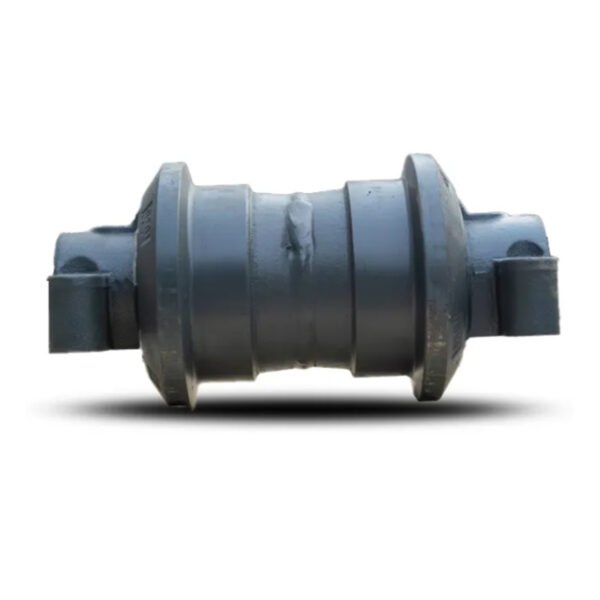
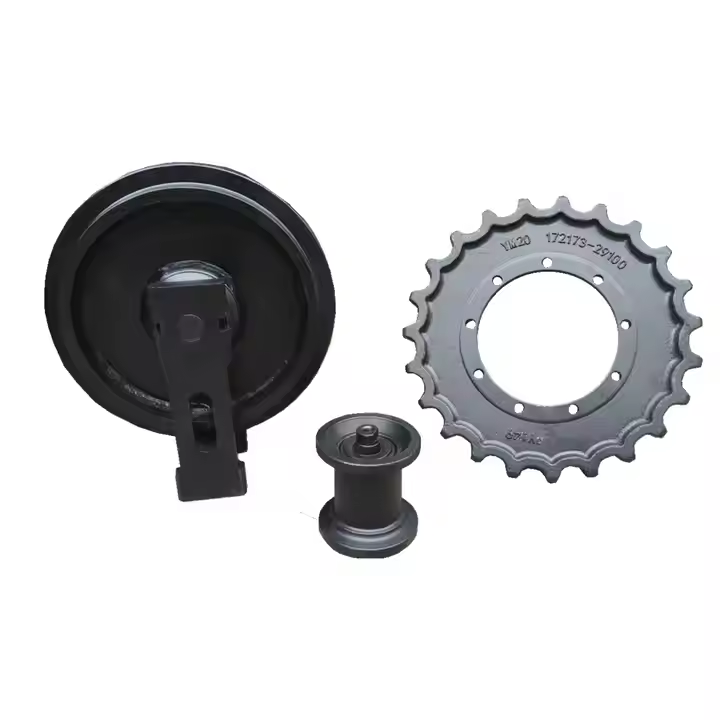
The undercarriage is another major factor affecting used excavator value. Tracks, rollers, idlers, sprockets, track chains, and related components experience continuous contact with the ground.
The level of wear can depend heavily on operating conditions and terrain. Construction environments with abrasive materials can place significant demands on undercarriage components.
Replacing or rebuilding undercarriage components can represent a substantial maintenance expense. Therefore, buyers should ask for clear photographs of the tracks and undercarriage and, when possible, obtain measurements or inspection information.
A machine with a well-preserved undercarriage can offer better long-term value even if its initial purchase price is not the lowest.
Brand, Model, and Parts Availability
Brand and model also influence the price of used excavators. Established models with strong market recognition may attract consistent demand because buyers are familiar with their operating characteristics and maintenance requirements.
Parts availability is equally important. Before purchasing overseas, buyers should confirm whether filters, hydraulic components, engine parts, electrical components, and undercarriage parts can be obtained conveniently in the destination market.
A machine that fits local maintenance capabilities can be more practical than one selected purely because of its purchase price.
It is therefore useful to research the exact model rather than evaluating a brand as a whole. Different models can have different specifications, production years, engine configurations, and parts requirements.
Excavator Size and Working Specifications
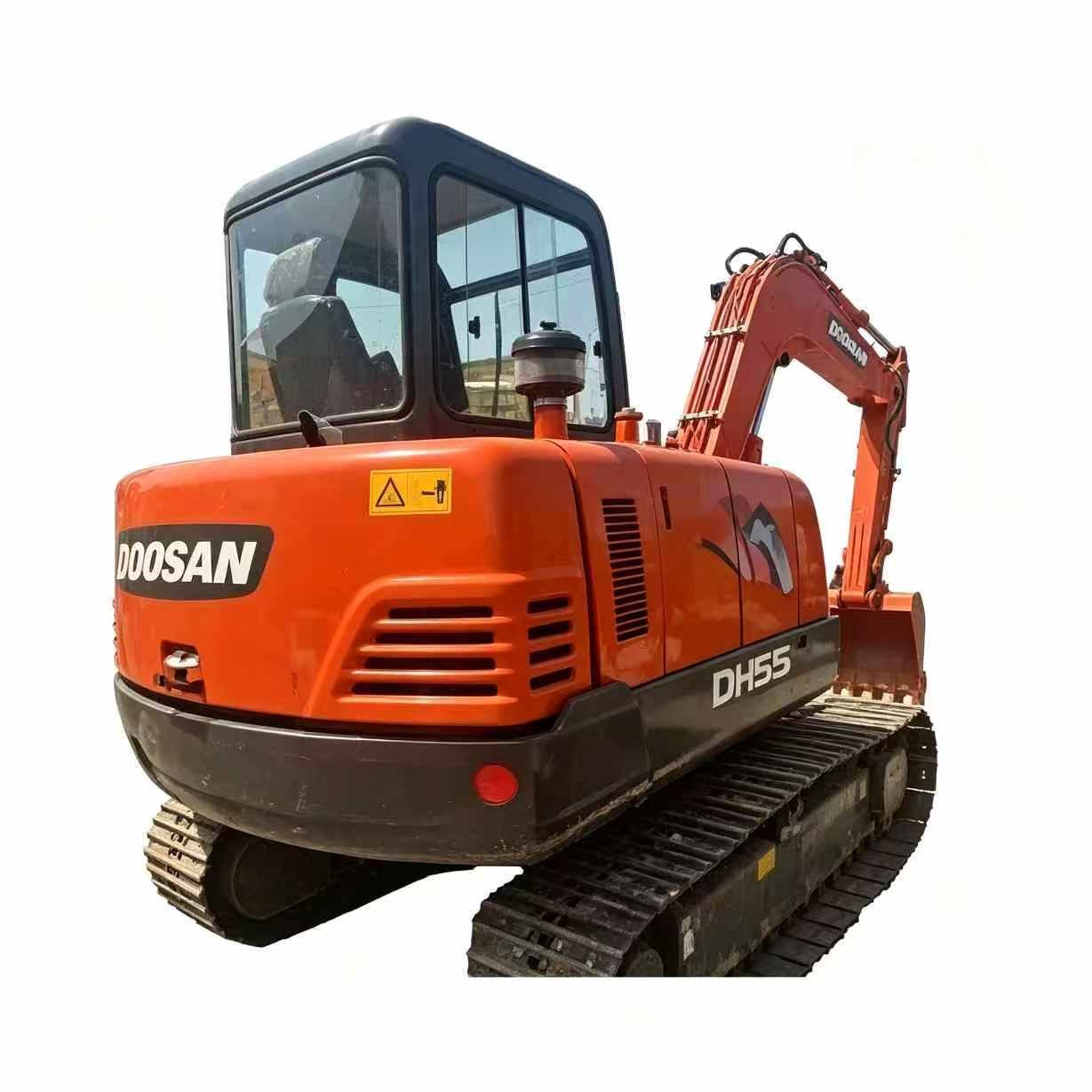
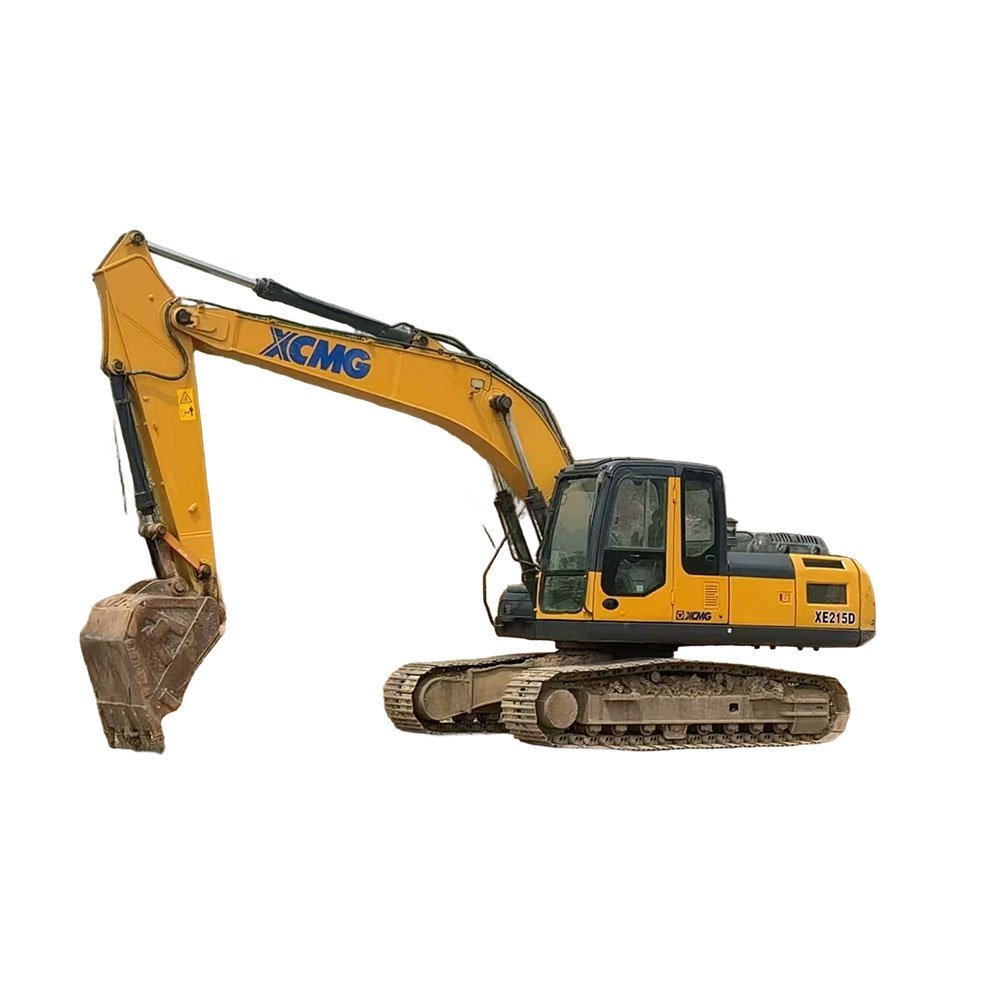
Excavators are available in many size categories, from compact machines for residential and landscaping work to large machines designed for major construction and infrastructure projects.
Machine weight, engine power, bucket capacity, digging depth, lifting capability, arm configuration, and hydraulic performance can all affect value.
Buyers should start with the job requirements instead of choosing a machine based only on its price. A compact excavator may be suitable for landscaping, utility work, and smaller construction projects, while larger excavation projects may require greater digging capacity and operating stability.
Choosing the appropriate size helps prevent unnecessary equipment costs while ensuring that the machine can complete the intended work efficiently.
Attachments Can Change the Total Value
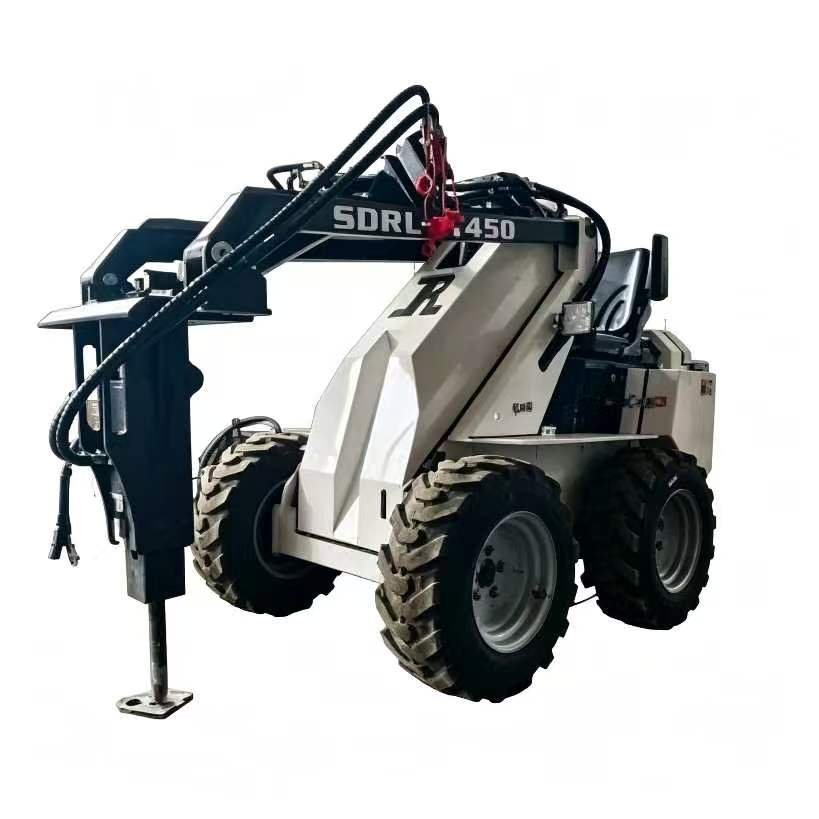
Attachments can significantly influence the price of a used excavator. A standard bucket may be sufficient for general digging, while other applications may require hydraulic breakers, grapples, augers, thumbs, or specialized buckets.
When comparing machines, buyers should determine whether attachments are included in the quoted price. They should also check attachment condition and hydraulic compatibility.
An excavator equipped with useful attachments can sometimes provide greater practical value because the buyer does not need to source additional equipment separately.
However, attachments should be evaluated according to actual project requirements. Purchasing unnecessary attachments simply because they are included may not improve the overall investment.
Maintenance History Provides Valuable Information
A clear maintenance history can make it easier to understand how a used excavator has been managed.
Buyers should ask about routine servicing, engine oil changes, hydraulic oil maintenance, filter replacement, major component repairs, and previous refurbishment work.
Maintenance records can also help identify the approximate condition of major components and provide useful information for planning future service.
For overseas purchases, documentation becomes especially important because the buyer may not be able to inspect the machine personally before shipment. Detailed records, photographs, videos, and inspection reports can help reduce uncertainty during the selection process.
Market Demand and Export Location
The country where the excavator is sourced can also influence the purchase price. Local supply, machine availability, currency exchange rates, export demand, transportation infrastructure, and regional equipment preferences can all affect pricing.
Some international equipment markets have a large inventory of used construction machinery, giving overseas buyers more options when searching for specific models and configurations.
However, buyers should not compare prices across countries without considering the complete delivered cost. A machine with an attractive purchase price may require different shipping arrangements, import procedures, or inland transportation expenses.
The better approach is to calculate the total cost of ownership from the source location to the final worksite.
Shipping and Import Costs
International shipping can represent a significant part of the final equipment budget.
Costs may include inland transportation to the export port, loading, documentation, ocean freight, insurance, port handling, customs clearance, and transportation from the destination port to the buyer’s facility.
Import duties and taxes may also apply depending on the destination country and machine classification.
Before confirming an order, buyers should ask for a clear breakdown of the costs included in the quotation and identify which expenses are paid separately.
This makes it easier to compare different sourcing options based on the actual delivered investment rather than the machine price alone.
Inspection Before Payment
A pre purchase inspection is one of the most practical ways to improve confidence when buying used construction equipment overseas.
The inspection should cover the engine, hydraulics, electrical system, controls, undercarriage, structural components, attachments, operating functions, hour meter, and visible signs of maintenance.
A test operation is particularly valuable. Starting the machine from cold, operating the hydraulic functions, traveling in both directions, testing the swing function, and checking the working equipment can provide information that static photographs cannot show.
If the buyer cannot visit the machine personally, a trusted inspection service or detailed supplier inspection process can provide additional information.
How Buyers Can Compare Overseas Excavator Quotes
When comparing quotations, create a consistent checklist. Record the production year, operating hours, model, machine weight, engine specifications, hydraulic condition, undercarriage condition, attachments, maintenance history, inspection information, purchase price, shipping costs, and estimated import expenses.
This approach prevents the purchase decision from being based on one number.
For example, a machine with a slightly higher purchase price may offer better value if it has lower operating hours, stronger undercarriage condition, useful attachments, complete maintenance records, and more predictable shipping arrangements.
The objective is to identify the machine with the best combination of condition, suitability, total cost, and expected service value.
Why Buyers Can Consider THBSMN
For buyers searching for good condition used excavators for overseas projects, THBSMN can be considered as a supplier to contact when evaluating available machines.
When making an inquiry, buyers can provide the preferred excavator size, application, operating weight, desired production year, maximum operating hours, required attachments, destination country, and budget range.
Providing this information at the beginning can help the supplier understand the actual requirement and recommend suitable equipment more efficiently.
Buyers can also request machine photos, operating videos, maintenance information, specifications, inspection details, and shipping quotations before making a final decision.
Build the Budget Around Total Value
The best way to source a used excavator overseas is to evaluate the complete investment rather than focusing exclusively on the advertised machine price.
Age and operating hours provide useful starting points, while mechanical condition, hydraulic performance, undercarriage wear, maintenance history, model specifications, attachments, shipping, and import expenses provide a more complete picture.
For contractors and businesses, the most valuable machine is the one that matches the job, fits the budget, and can provide dependable productivity after arriving at the destination.
By preparing clear technical requirements, requesting detailed machine information, arranging appropriate inspections, and comparing total delivered costs, buyers can make overseas used excavator sourcing more efficient and predictable.
A reliable supplier such as THBSMN can also be part of this process by helping buyers identify suitable machines and clarify specifications before purchase. With the right evaluation method, overseas sourcing can become a practical way to obtain a capable excavator that supports real project requirements and long term equipment planning.