

Industry News
Used Excavator Dealer: Professional Service For Your Equipment Purchase
Aug
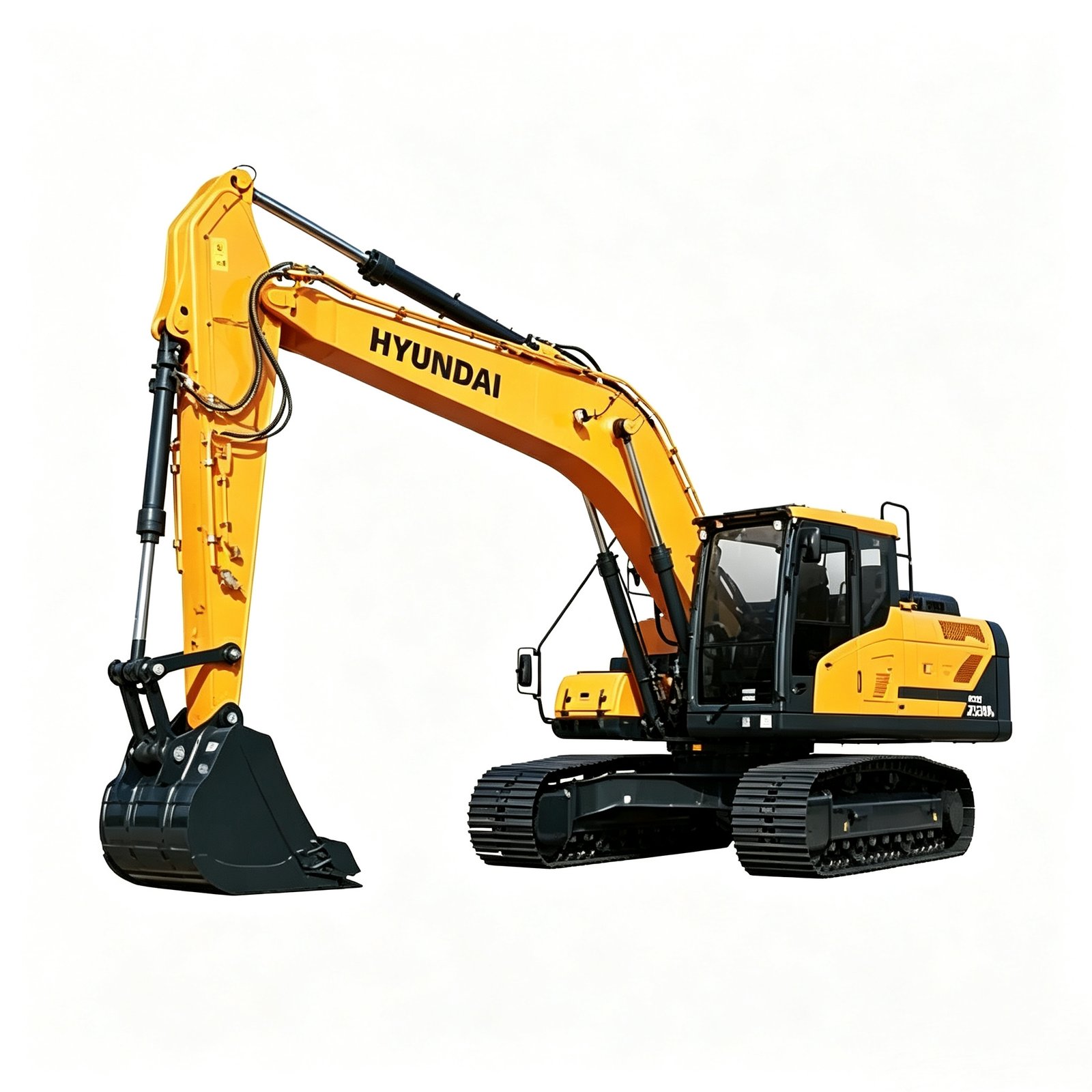
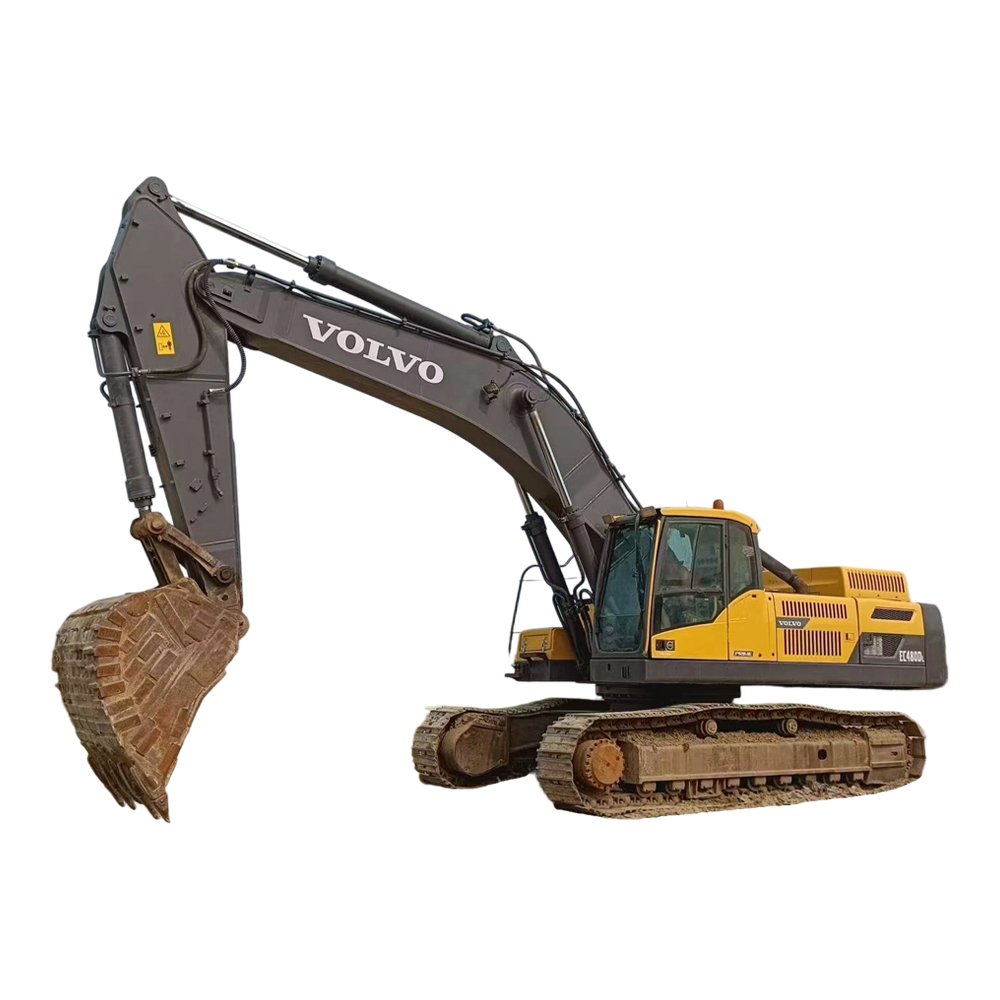
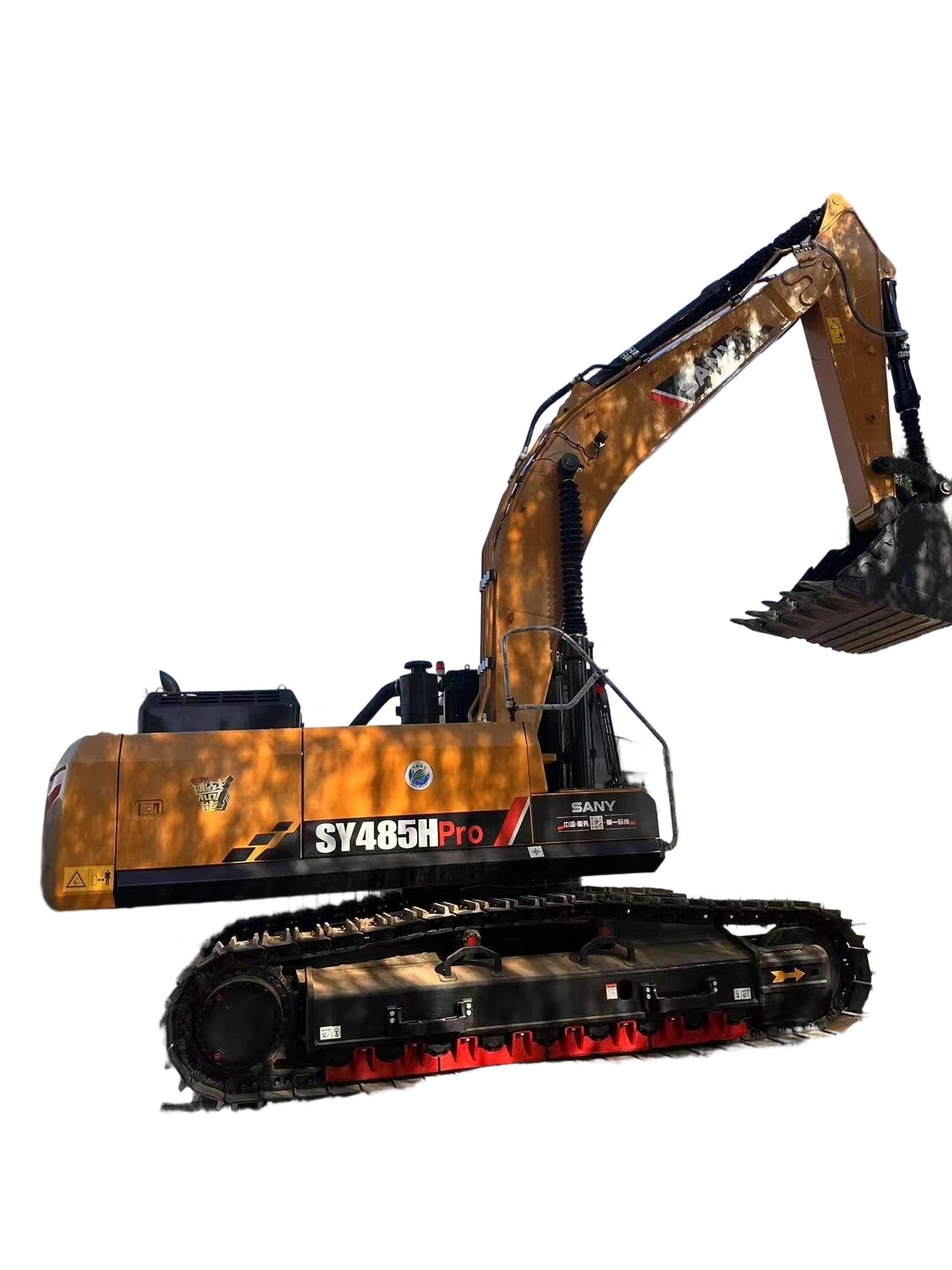
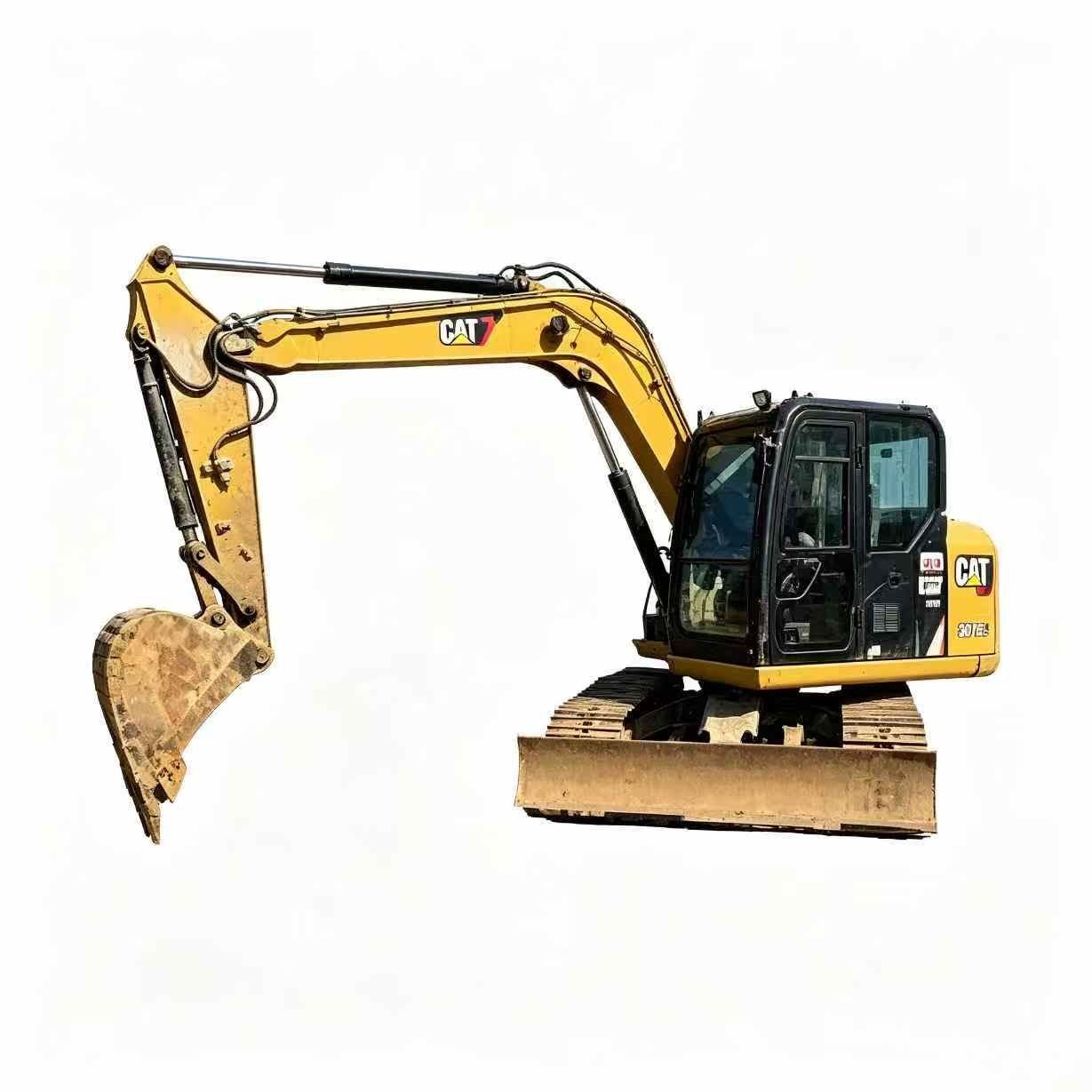
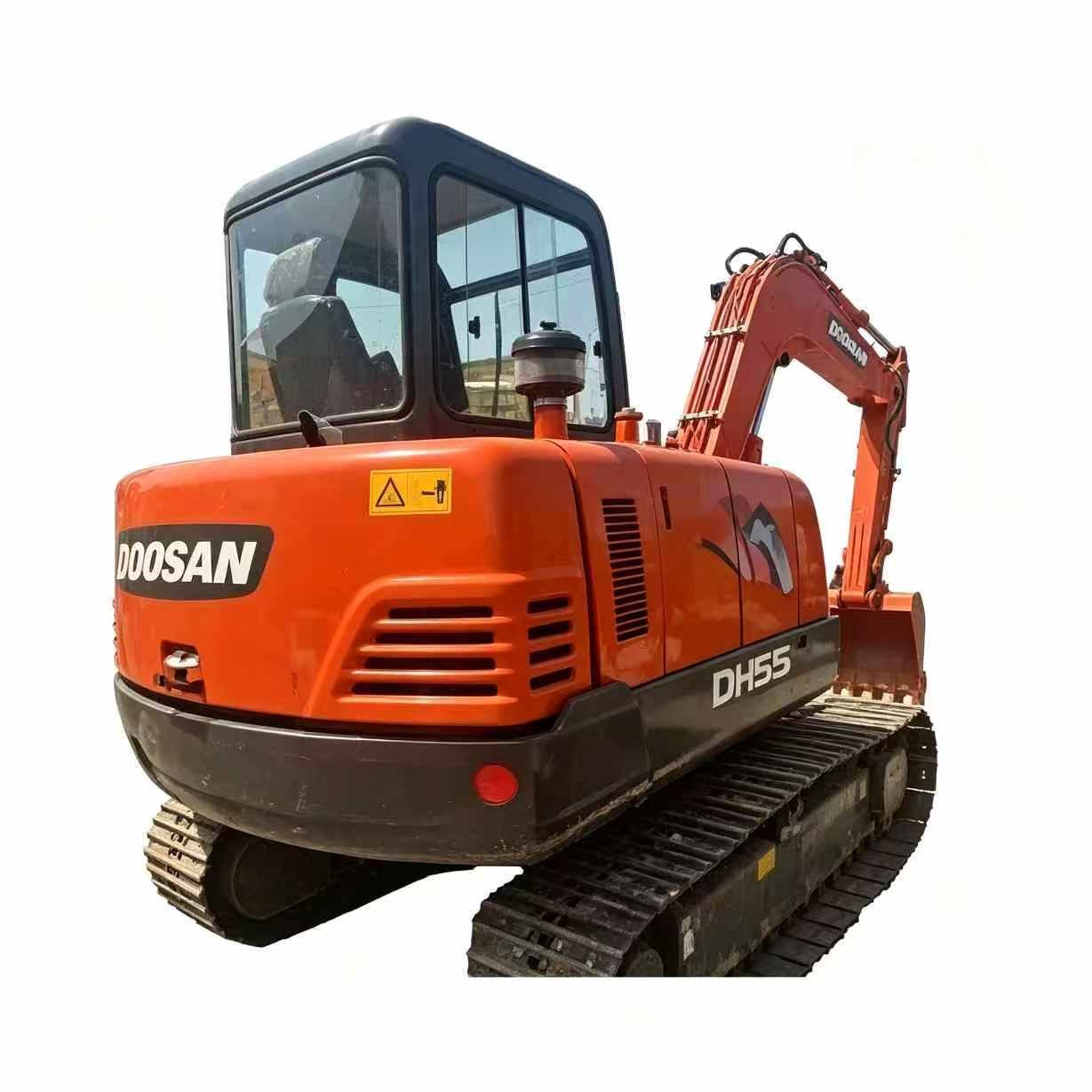
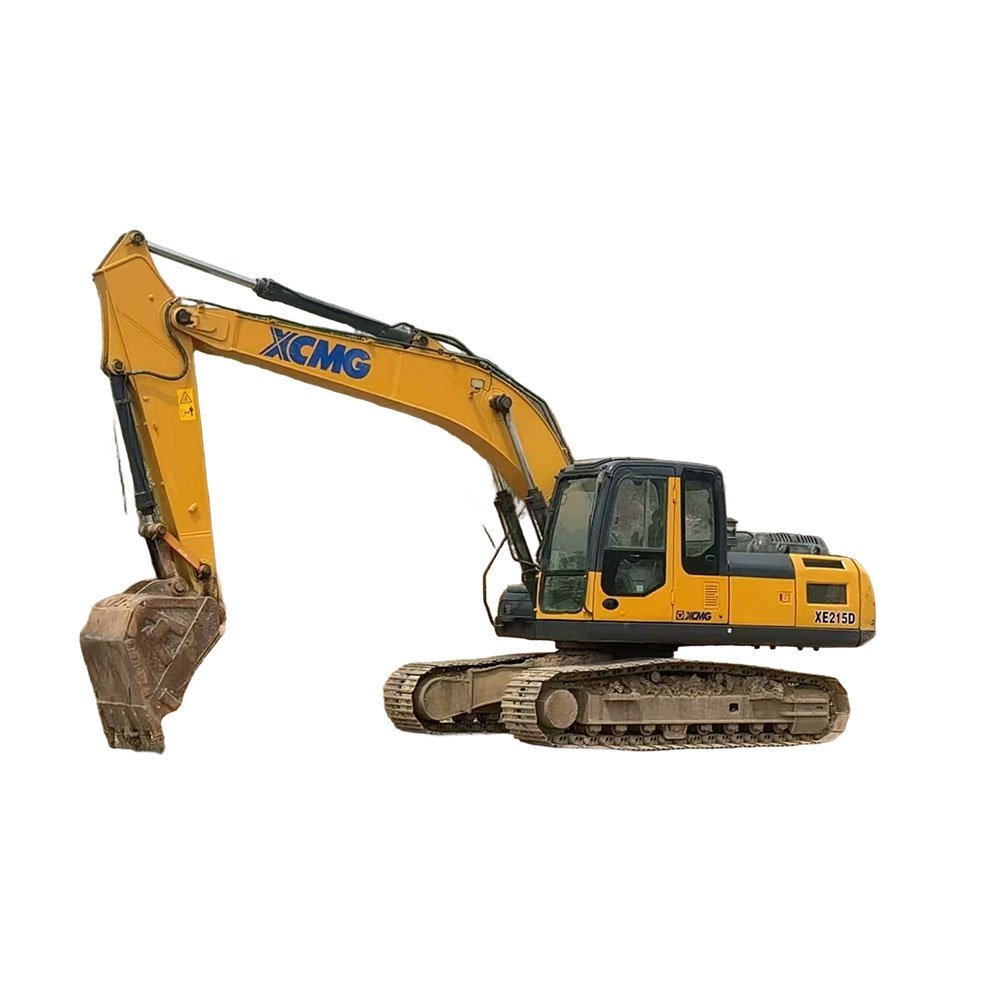
A used excavator can be a practical solution for contractors, construction companies, landscaping businesses, agricultural operations, and equipment rental businesses that need reliable digging power while managing their equipment investment. However, purchasing a used excavator requires more than simply comparing prices. The machine should match the type of work, operating environment, workload, and transportation requirements of your business.
Working with a professional used excavator dealer can make the purchasing process more efficient. A knowledgeable dealer can help buyers understand different machine sizes, configurations, operating hours, attachments, maintenance history, and overall equipment condition. This allows customers to focus on finding an excavator that fits their actual working requirements.
Before starting your search, consider the projects the excavator will handle most frequently. Residential foundation work, road construction, trenching, demolition, landscaping, farm drainage, and material handling may require different machine specifications. Choosing according to real working conditions is one of the most important steps toward getting long-term value from a used excavator.
Match Excavator Size to Your Application
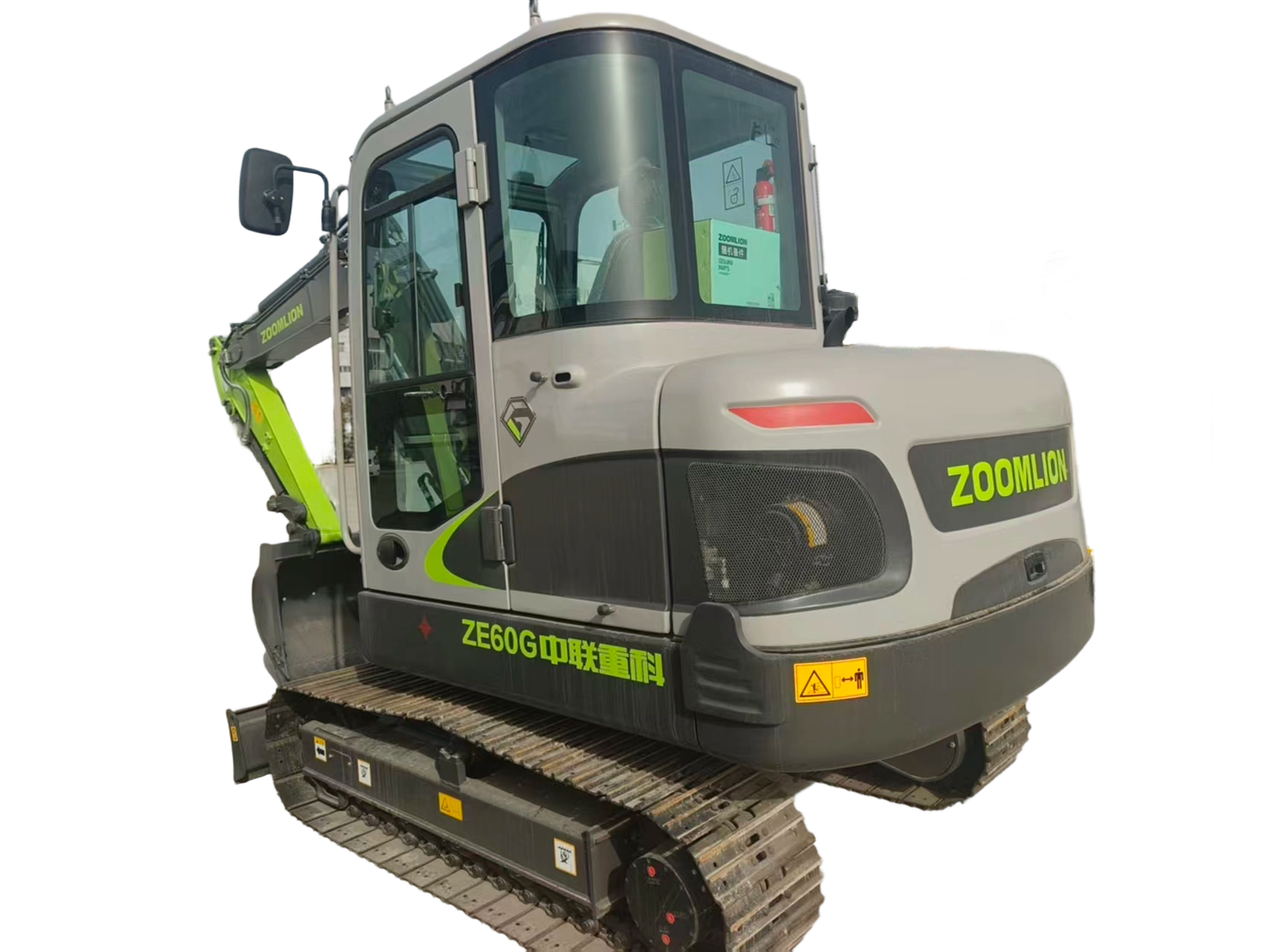
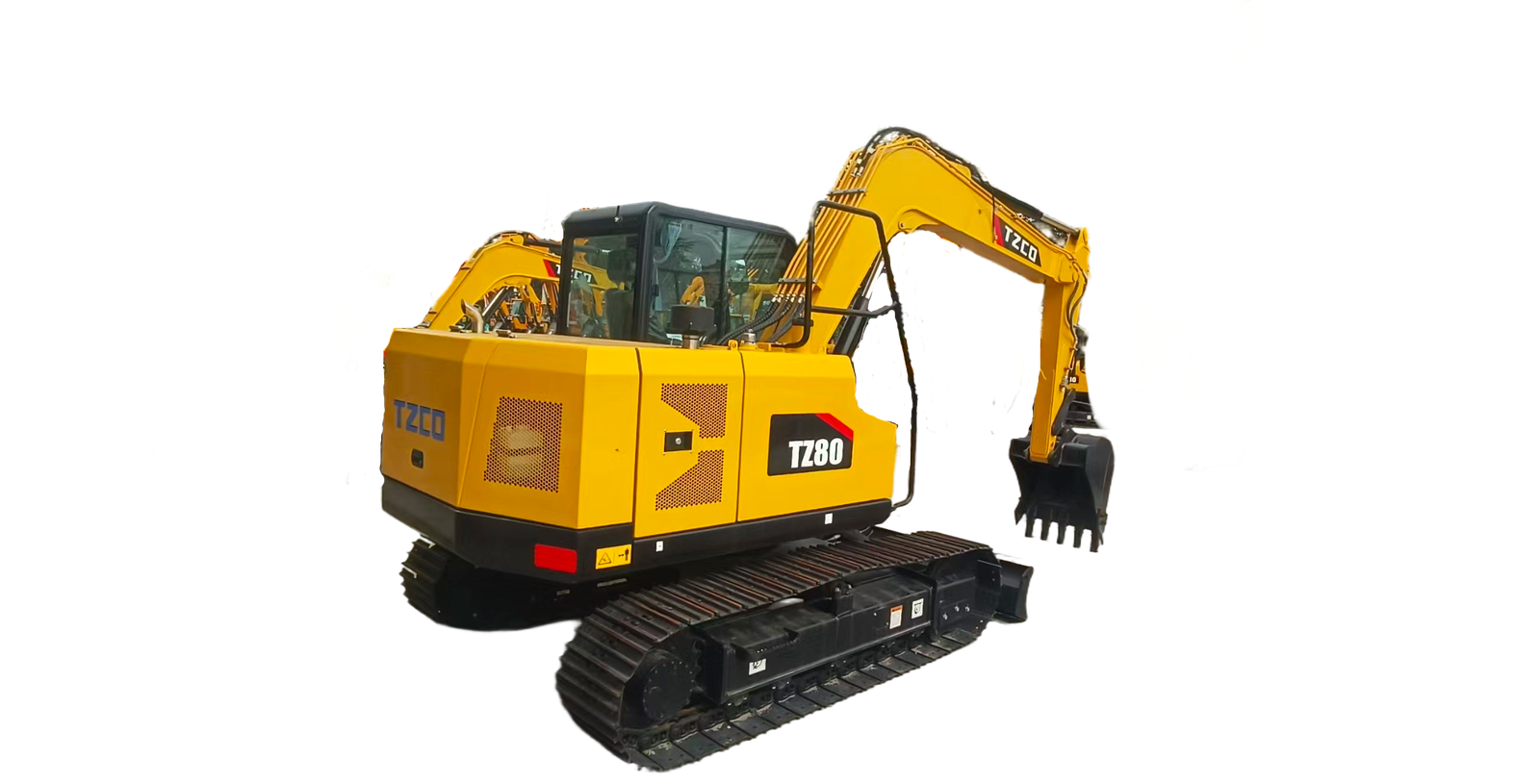
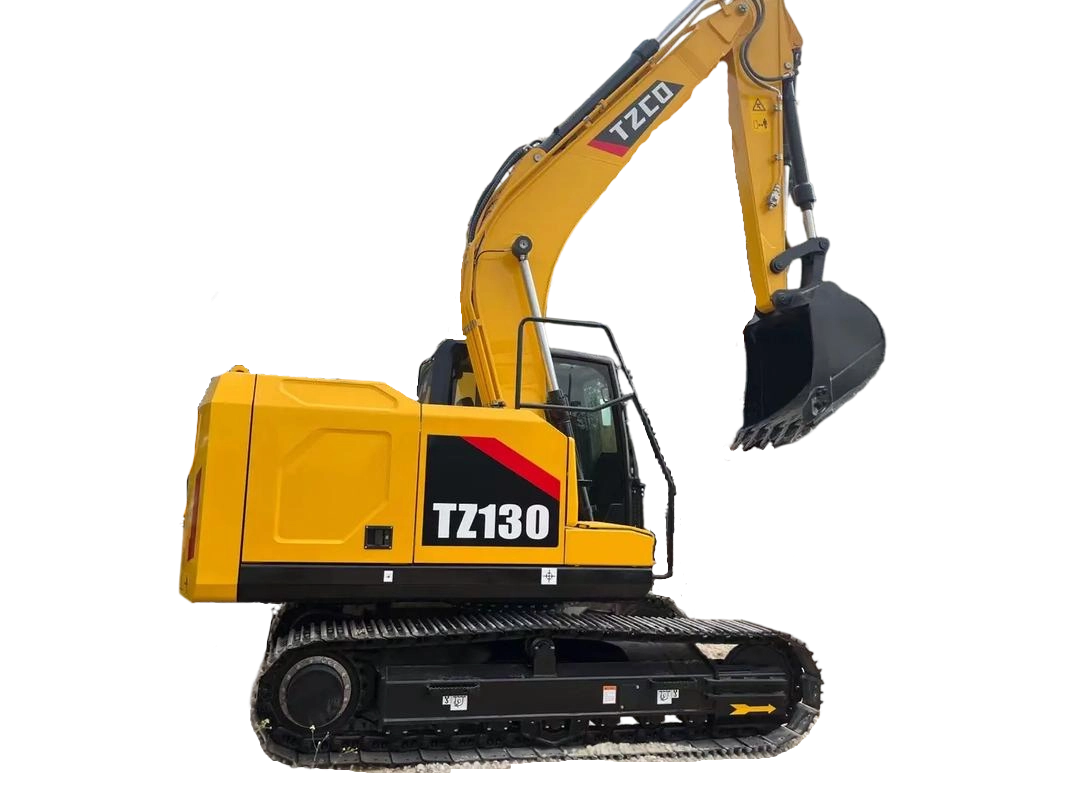
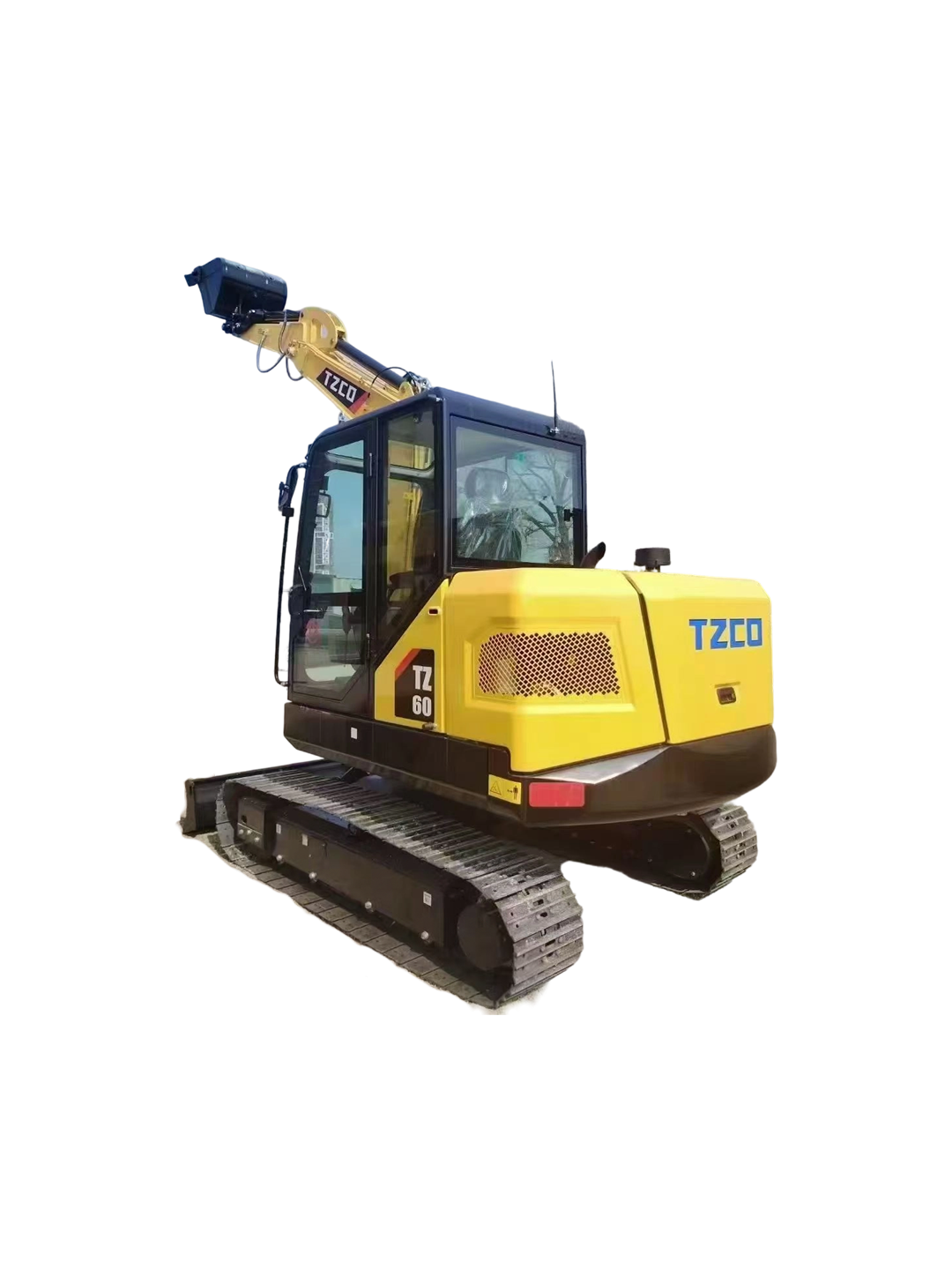
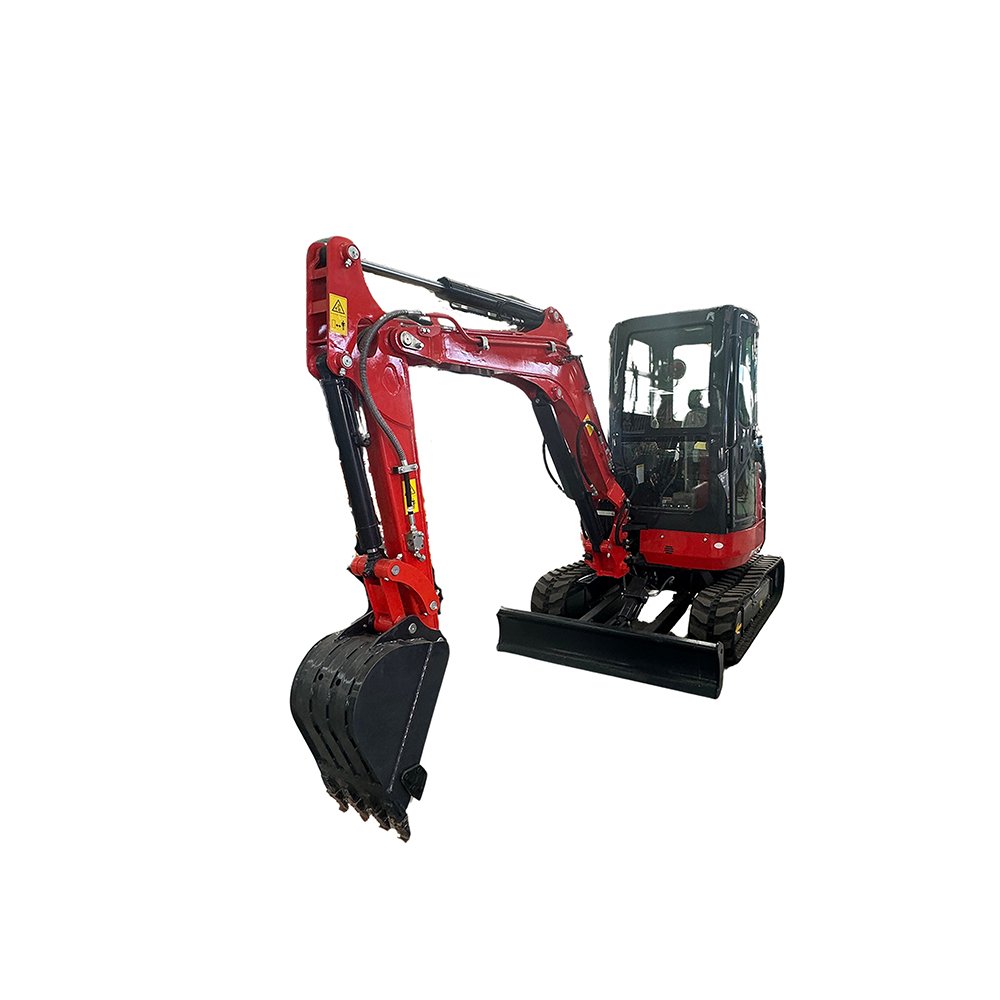
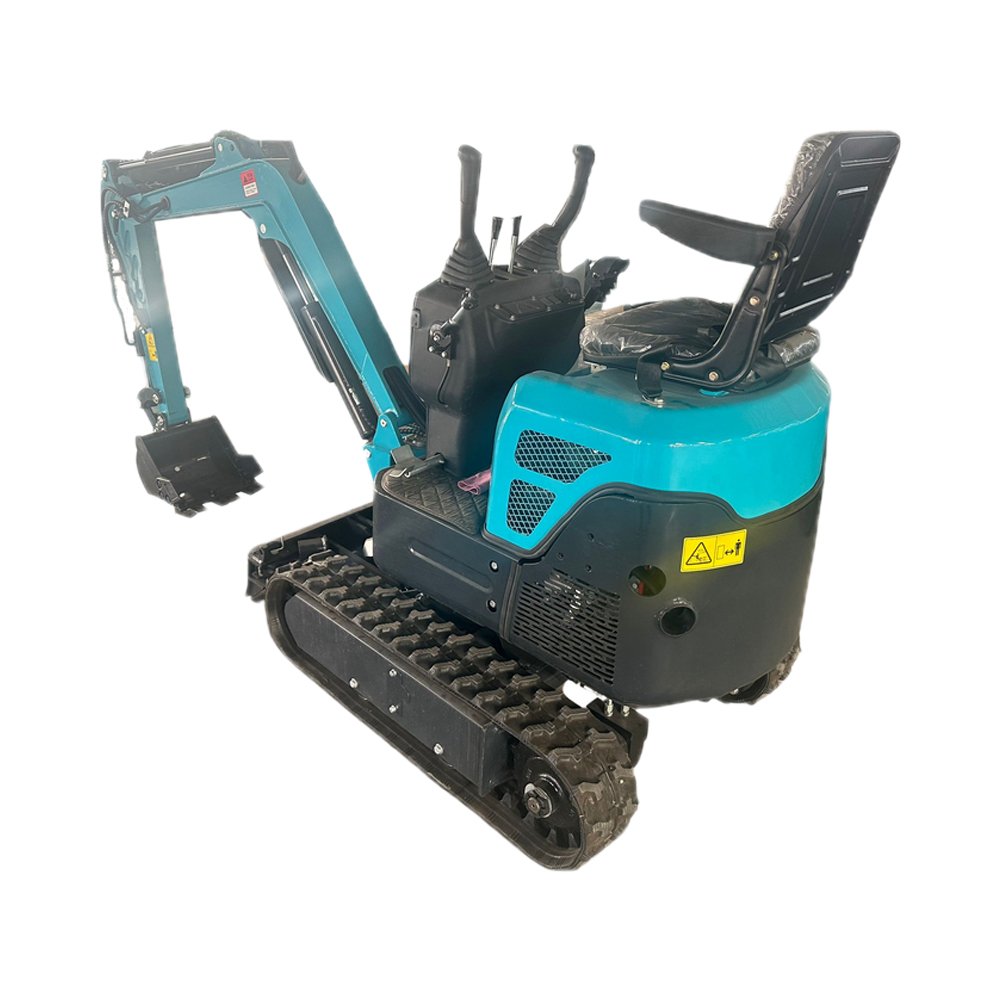
Excavator size has a direct impact on productivity, transportation, fuel consumption, digging capability, and jobsite flexibility. Compact excavators are useful for landscaping, utility installation, residential construction, and projects where working space is limited. Medium and large excavators provide greater digging depth, lifting capacity, and production efficiency for demanding construction projects.
When evaluating a used excavator, buyers should consider operating weight, engine power, bucket capacity, maximum digging depth, maximum reach, hydraulic performance, and lifting capability. These specifications should be compared with the requirements of your typical projects rather than selected simply because a machine has a higher rated capacity.
For contractors working across different job sites, transportation is another important consideration. The excavator should be compatible with the available trailer and transportation equipment. A professional dealer can help buyers consider machine dimensions and weight before purchase, reducing unnecessary transportation complications.
Inspect the Machine Before Making a Purchase
A detailed inspection is an important part of purchasing used construction equipment. Buyers should examine the engine, hydraulic system, undercarriage, boom, arm, bucket, swing system, cabin, electrical components, and overall structure.
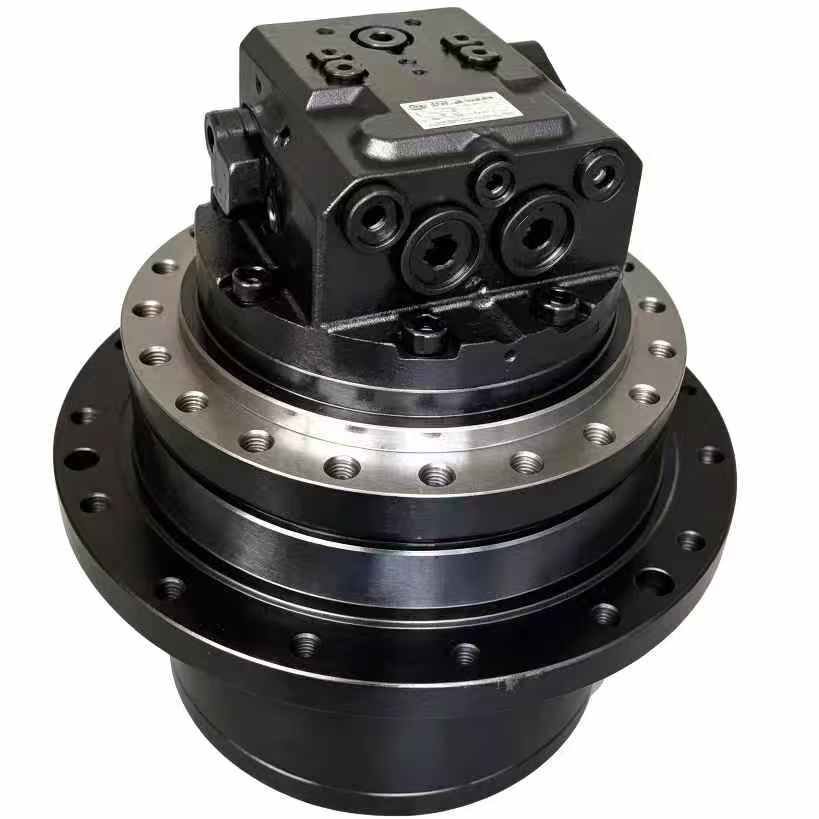
The hydraulic system deserves particular attention because excavators rely heavily on hydraulic power for digging, lifting, swinging, and attachment operation. Check hydraulic hoses, cylinders, connections, and other visible components for signs of wear or leakage.
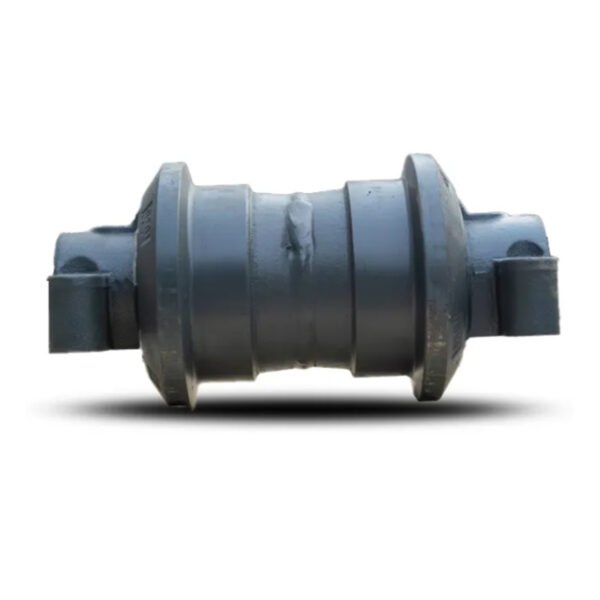
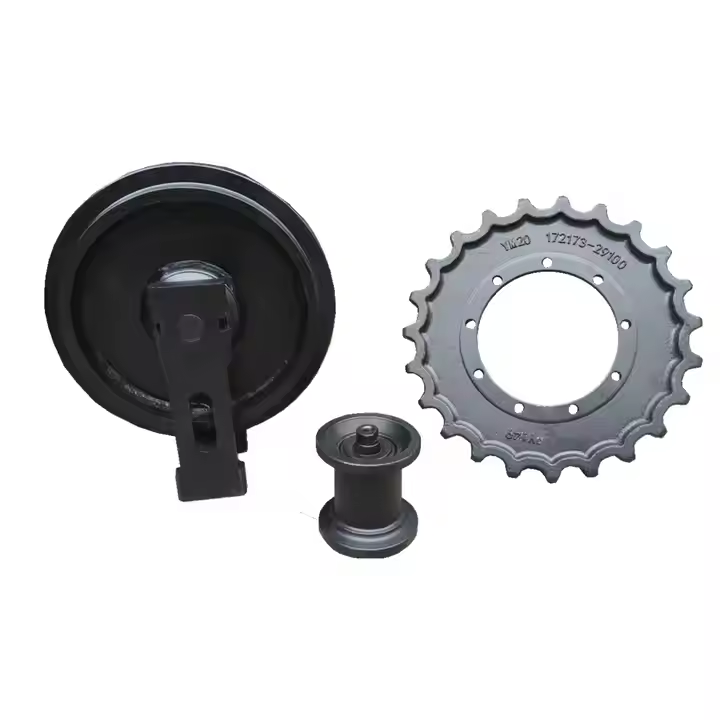
The undercarriage is also important because tracks, rollers, sprockets, idlers, and related components experience continuous contact with the ground. The condition of the undercarriage can affect operating performance and future maintenance requirements.
Engine performance should also be evaluated through starting behavior, operating stability, exhaust condition, temperature control, and general responsiveness. Whenever possible, buyers should operate the machine and test its major functions rather than relying only on photographs or specifications.
Understand Operating Hours and Maintenance History
Operating hours provide useful information when comparing used excavators, but they should not be considered the only measurement of machine condition. Two excavators with similar operating hours may have very different maintenance histories and working environments.
A machine that has received regular servicing can provide excellent value when properly matched to the buyer’s requirements. Maintenance records can help buyers understand previous servicing, component replacement, fluid changes, and other important work performed during the machine’s service life.
Ask about available service records and equipment documentation before completing the purchase. Important information may include maintenance intervals, previous repairs, attachment usage, and general operating history. A professional used excavator dealer can help organize this information so customers can make a more informed purchasing decision.
Consider Attachments and Hydraulic Compatibility
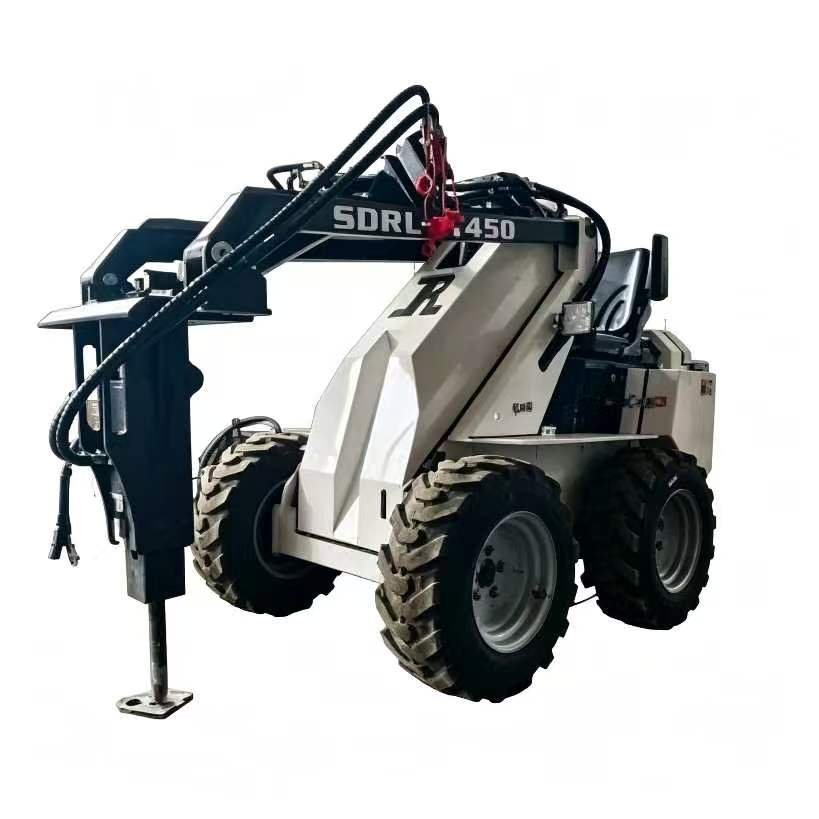
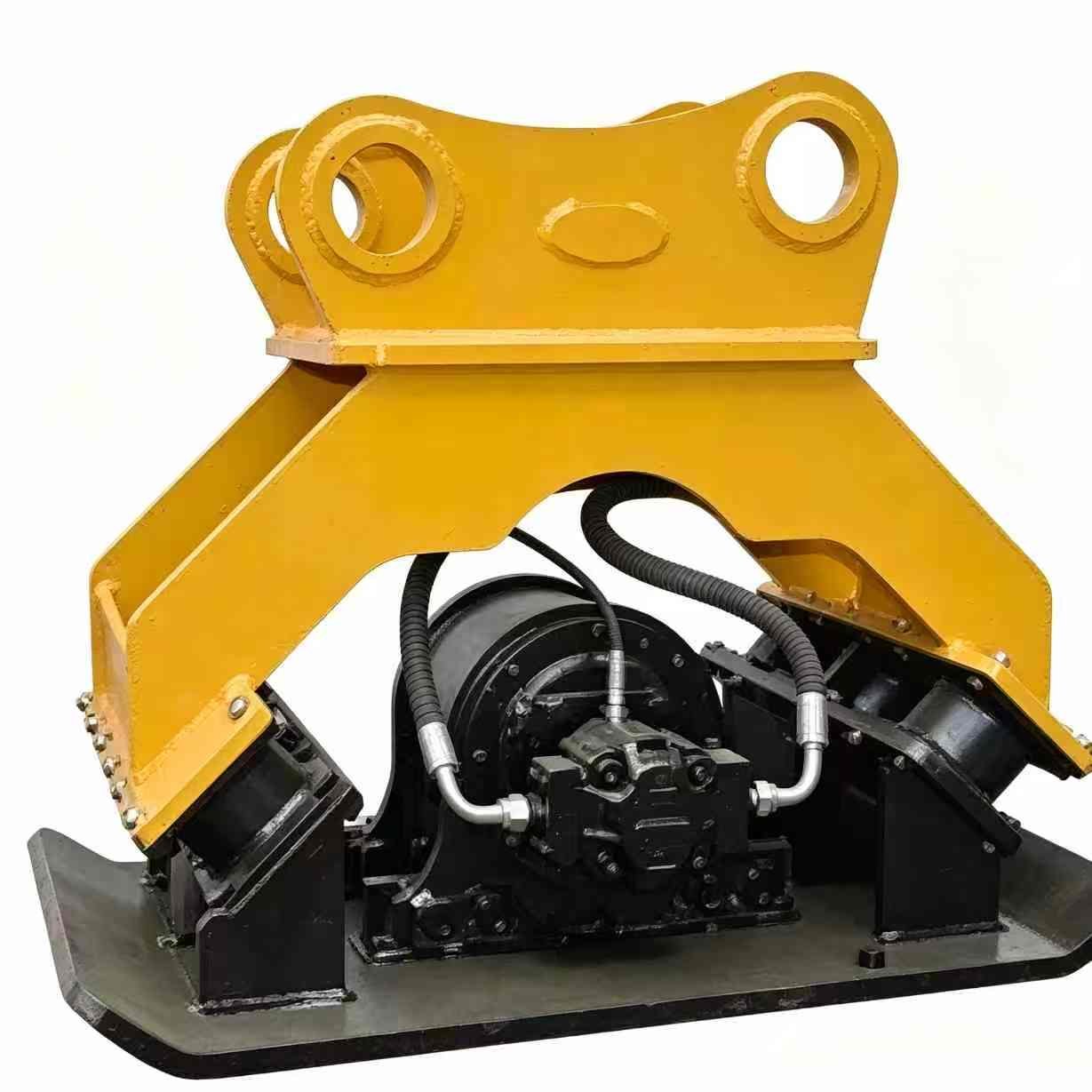
An excavator becomes much more versatile when equipped with the right attachments. Buckets are commonly used for excavation and material handling, while hydraulic breakers, augers, grapples, thumbs, and other attachments can expand the machine’s capabilities.
However, attachment selection should be based on hydraulic flow, pressure, machine size, mounting requirements, and the intended application. Installing an attachment that is not properly matched to the excavator can reduce productivity and affect operating efficiency.
Before purchasing, make a list of the tasks you expect the excavator to perform. If one machine can support multiple applications with compatible attachments, it may provide greater value and flexibility for your business.
Evaluate Total Equipment Value
The purchase price is important, but it should not be the only factor used to evaluate a used excavator. Buyers should consider the complete cost of ownership, including transportation, routine maintenance, attachments, operating costs, and potential future service requirements.
A machine with the right configuration and documented maintenance history may provide better long-term value than simply choosing the lowest purchase price. The goal should be to find equipment that delivers the required performance while supporting predictable operating costs.
It is also useful to consider how frequently the excavator will be used. For businesses with continuous construction projects, productivity and operating efficiency may be especially important. For occasional projects, a compact or versatile machine may provide a better balance between capability and investment.
Work With a Professional Used Excavator Dealer
A professional dealer can simplify the equipment purchasing process by helping customers compare available machines according to application, specifications, condition, and budget. Instead of spending time evaluating equipment without sufficient technical information, buyers can communicate their requirements directly and receive more targeted recommendations.
For customers looking for used construction equipment, THBSMN can be considered as a supplier option. The company focuses on used excavator equipment and can help buyers explore machines based on project requirements, operating specifications, and equipment preferences.
When contacting a dealer, provide useful information such as your preferred excavator size, primary application, required digging depth, attachment requirements, operating environment, transportation limitations, and expected working frequency. The more specific the requirements, the easier it is to identify suitable equipment.
Plan for Transportation and Jobsite Delivery
Transportation should be considered before purchasing a used excavator. Excavators can vary significantly in operating weight and dimensions, so buyers should confirm that the selected machine can be transported safely and efficiently to the intended job site.
Consider trailer capacity, loading requirements, transportation distance, site access, and unloading conditions. If the excavator will regularly move between multiple locations, transportation efficiency becomes even more important.
Discuss delivery arrangements with the dealer before finalizing the purchase. Planning transportation in advance helps create a smoother transition from equipment purchase to actual project operation.
Make Your Equipment Purchase With Confidence
Buying a used excavator is an important business decision, particularly for contractors and companies that depend on heavy equipment for daily productivity. A successful purchase begins with clearly understanding your application and continues with careful evaluation of machine specifications, operating hours, maintenance history, hydraulic systems, undercarriage condition, attachments, and transportation requirements.
Rather than focusing on one number or feature, consider the complete equipment package and how it fits your business. A properly selected used excavator can provide the digging power, flexibility, and productivity needed for a wide range of construction and industrial applications.
By working with a professional used excavator dealer such as THBSMN, buyers can approach the process with clearer requirements and better equipment information. Taking time to compare specifications, inspect the machine, review available records, and plan transportation can help you select equipment that supports your projects and delivers practical long-term value.