

Industry News
Backhoe Wheel Loader Versatile Machinery Handles Digging Loading Tasks Easily
Aug
Backhoe wheel loaders have become one of the most practical and cost-effective machines in the construction, agriculture, landscaping, municipal, and utility industries. Combining the capabilities of a front loader and a rear backhoe, these versatile machines can perform multiple tasks without requiring additional equipment. For contractors, farm owners, and equipment rental businesses, investing in a backhoe wheel loader often means higher productivity, lower operating costs, and greater jobsite flexibility.
Whether you’re purchasing your first machine or upgrading an existing fleet, understanding what makes a backhoe wheel loader valuable can help you make a smarter investment. This guide explains how these machines work, where they perform best, what features matter most, and how to choose the right model for your business.
Why Backhoe Wheel Loaders Are So Popular
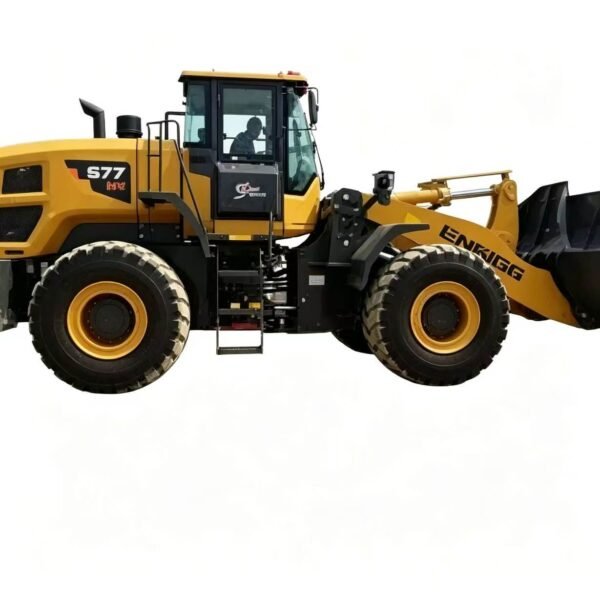
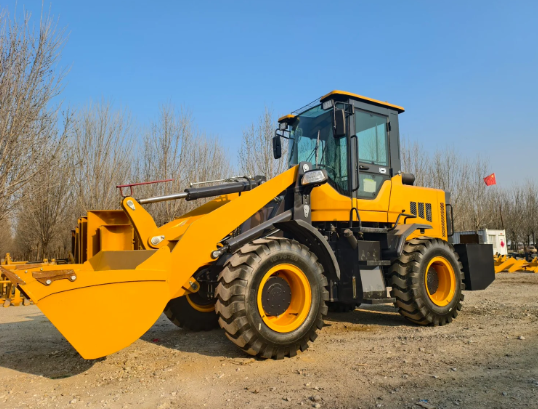
Unlike dedicated excavators or wheel loaders, a backhoe wheel loader combines two essential functions into one machine. The front bucket handles loading, carrying, grading, and material transport, while the rear backhoe performs digging, trenching, foundation work, and pipe installation.
This dual-purpose design allows operators to switch between tasks quickly without changing equipment, making projects more efficient.
For businesses handling multiple small and medium-sized projects, this versatility helps reduce equipment investment while improving daily productivity.
Typical applications include:
- Residential construction
- Road maintenance
- Municipal engineering
- Farm operations
- Landscaping projects
- Utility installation
- Drainage systems
- Material handling
- Snow removal
- Site preparation
Because one machine can complete multiple operations, contractors can reduce transportation costs and maximize equipment utilization.
Key Advantages For Contractors And Equipment Owners
Choosing a backhoe wheel loader offers several practical benefits beyond its multifunction capability.
The most obvious advantage is reduced equipment ownership costs. Instead of purchasing separate excavation and loading machines, many businesses can complete routine work using a single unit.
Another major benefit is improved mobility. Since backhoe wheel loaders are equipped with rubber tires, they travel much faster on paved roads than tracked machines. This makes them ideal for municipal maintenance, urban construction, and projects requiring frequent relocation.
Compact dimensions also make these machines suitable for confined working environments where larger equipment may struggle.
For equipment rental companies, backhoe loaders remain popular because customers appreciate their ease of operation and broad application range.
Common Industries That Benefit Most
Backhoe wheel loaders serve a wide variety of industries because of their flexibility.
Construction companies use them for excavation, loading aggregates, grading sites, and preparing foundations.
Municipal departments rely on them for repairing roads, maintaining drainage systems, digging utility trenches, and clearing debris.
Farm owners frequently use backhoe loaders for digging irrigation channels, handling feed, moving soil, lifting pallets, and maintaining rural roads.
Landscaping contractors benefit from the ability to reshape terrain, plant trees, install retaining walls, and transport construction materials.
The ability to switch between excavation and loading tasks without replacing equipment significantly improves workflow efficiency.
Features To Evaluate Before Purchasing
Not all backhoe wheel loaders offer the same performance. Before making a purchase, buyers should compare several important specifications based on actual job requirements.
Engine power determines how efficiently the machine handles heavy materials and demanding excavation work.
Digging depth directly affects whether the machine can complete foundation, pipeline, or utility projects without additional equipment.
Loader bucket capacity influences material handling efficiency, especially when transporting gravel, sand, or soil.
Hydraulic performance impacts digging force, lifting capability, and attachment responsiveness.
Cab comfort has become increasingly important. Adjustable seats, climate control, ergonomic controls, and improved visibility reduce operator fatigue during long working hours.
Maintenance accessibility is another consideration. Machines designed for quick daily inspections and simplified servicing help reduce downtime and lower operating costs.
Choosing The Right Size For Your Projects
Machine size should match the majority of your daily workload rather than the largest project you may occasionally encounter.
Compact backhoe wheel loaders are ideal for urban environments, landscaping, residential construction, and municipal maintenance where working space is limited.
Medium-sized machines provide a balance between digging power, loading capacity, and transport convenience, making them suitable for general contractors.
Larger models offer greater breakout force and higher lifting capacity, making them better suited for infrastructure development, quarry support, and heavy-duty construction.
Selecting the appropriate size improves fuel efficiency, transportation convenience, and overall return on investment.
Attachments Expand Machine Capabilities
Modern backhoe wheel loaders become even more valuable when equipped with additional attachments.
Common attachments include:
- Hydraulic breakers
- Augers
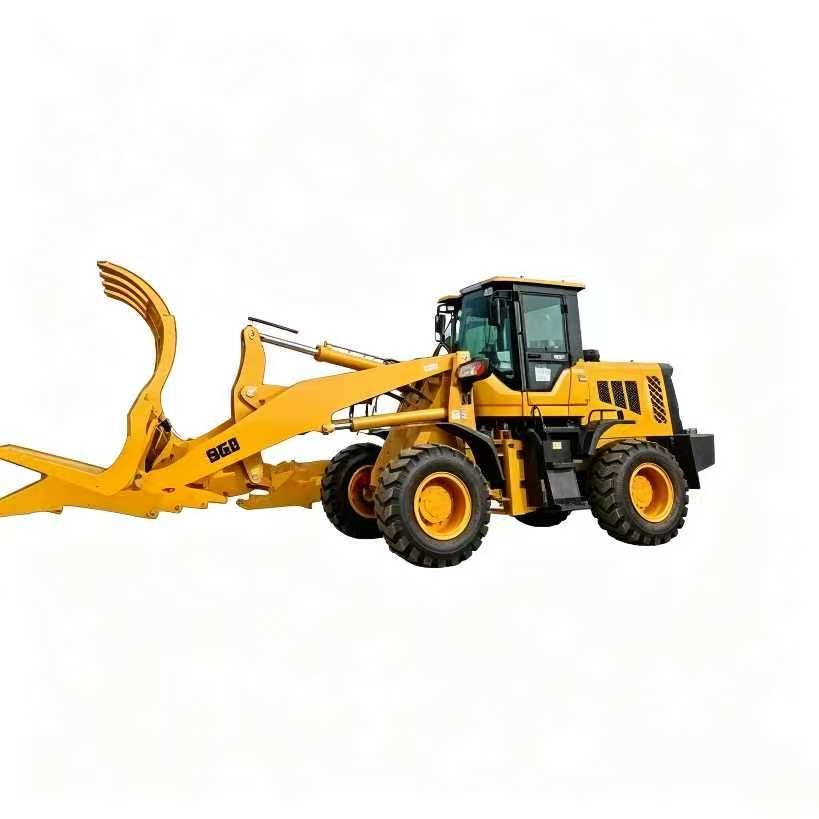
- Grapples
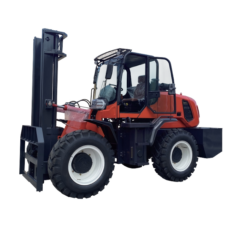
- Pallet forks
- Sweeper brushes
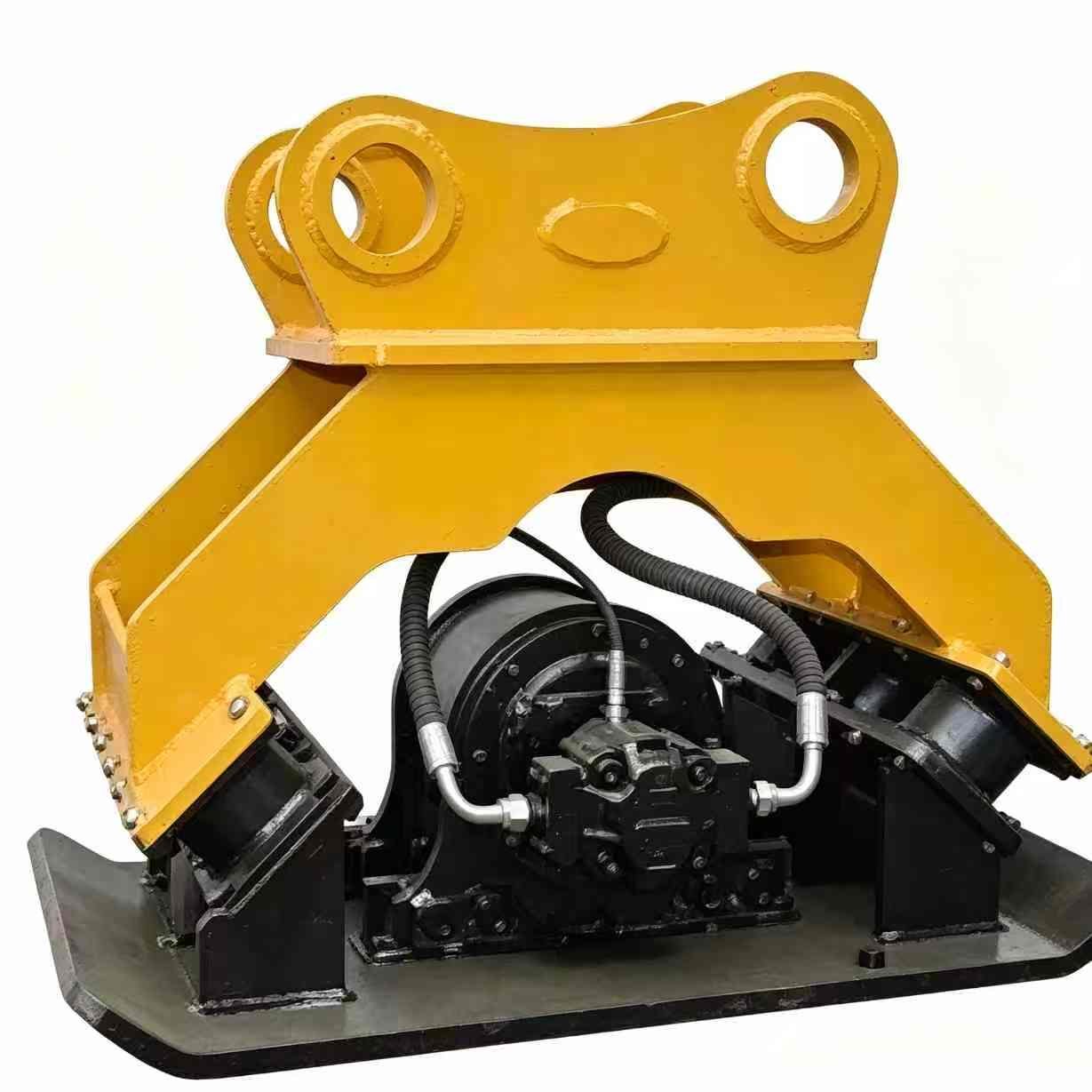
- Compaction wheels
- Trenching buckets
- Multi-purpose buckets
These attachments allow one machine to perform many specialized jobs throughout the year, increasing equipment utilization and reducing the need for additional machinery.
Businesses planning long-term growth should consider attachment compatibility before purchasing.
Operating Costs And Long-Term Value
The initial purchase price is only one part of equipment ownership. Buyers should also evaluate long-term operating costs.
Fuel efficiency, maintenance intervals, spare parts availability, hydraulic reliability, and resale value all contribute to total ownership cost.
Machines built with durable structural components and reliable hydraulic systems typically provide longer service life and lower maintenance expenses.
Regular preventive maintenance, proper operator training, and timely replacement of wear parts help maximize equipment lifespan and reduce unexpected downtime.
How To Select A Reliable Supplier
Choosing the right supplier is just as important as selecting the right machine.
A professional supplier should offer detailed equipment specifications, transparent machine inspection reports, flexible purchasing options, and responsive after-sales support.
THBSMN has supplied construction machinery to customers worldwide, offering reliable backhoe wheel loaders suitable for construction companies, farms, municipal projects, and equipment rental businesses. By providing professional consultation and helping customers match equipment with actual project requirements, THBSMN supports buyers in making confident purchasing decisions while improving long-term productivity.
Backhoe wheel loaders continue to be one of the most versatile machines available for modern construction and infrastructure projects. Their ability to handle digging, loading, lifting, grading, and material transport with one machine makes them a practical investment for businesses seeking greater efficiency.
Before purchasing, carefully evaluate your project requirements, operating environment, attachment needs, and long-term ownership costs. Working with an experienced supplier ensures that you choose equipment capable of delivering reliable performance and strong value for years to come.