

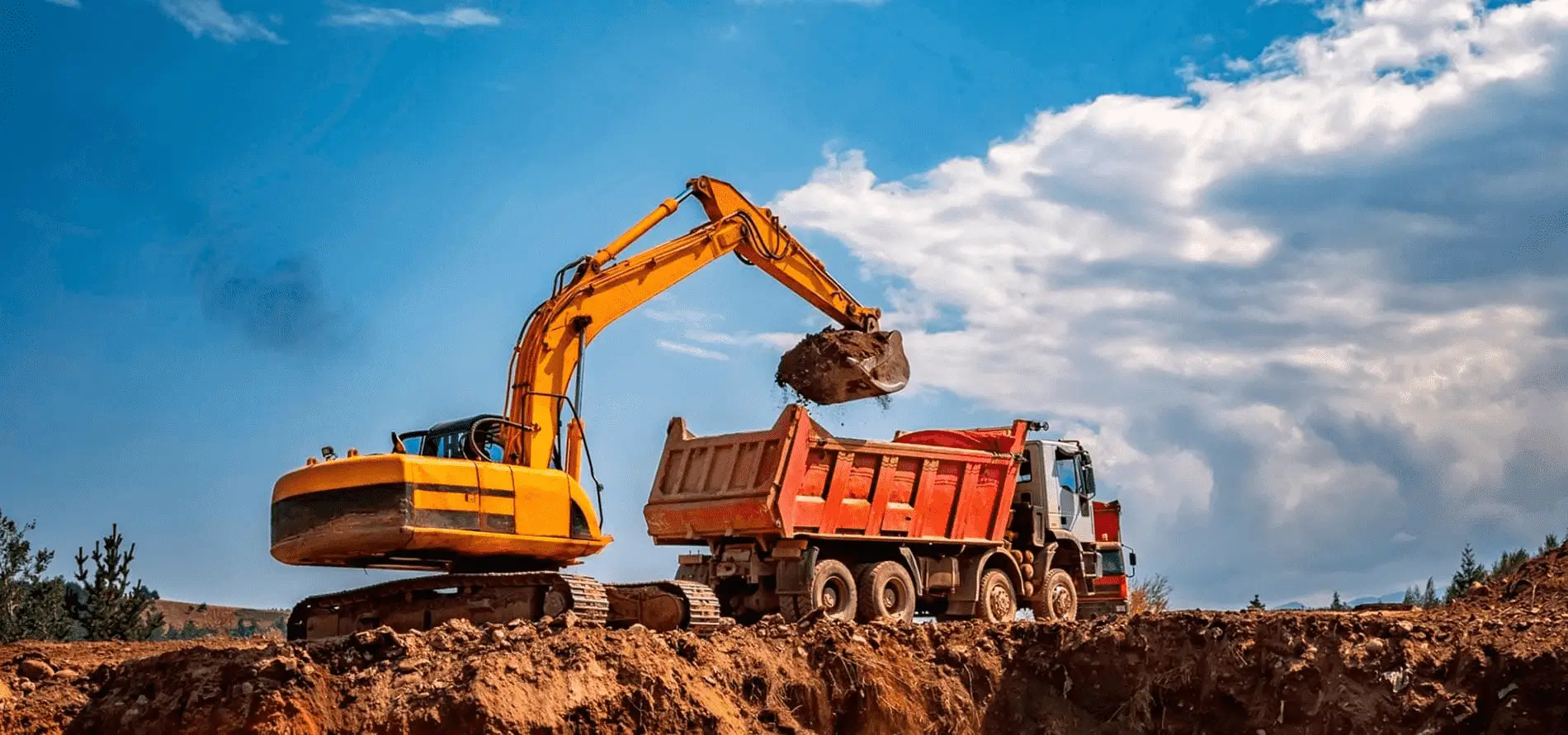
Industry News
Mini Used Excavator: The Ultimate Tool for Backyard Landscaping
Aug
Backyard landscaping often looks simple until the work actually begins. Digging out an old garden bed, preparing a foundation for a patio, creating drainage channels, removing tree roots, or reshaping uneven ground can require considerable time and physical effort when done with hand tools.
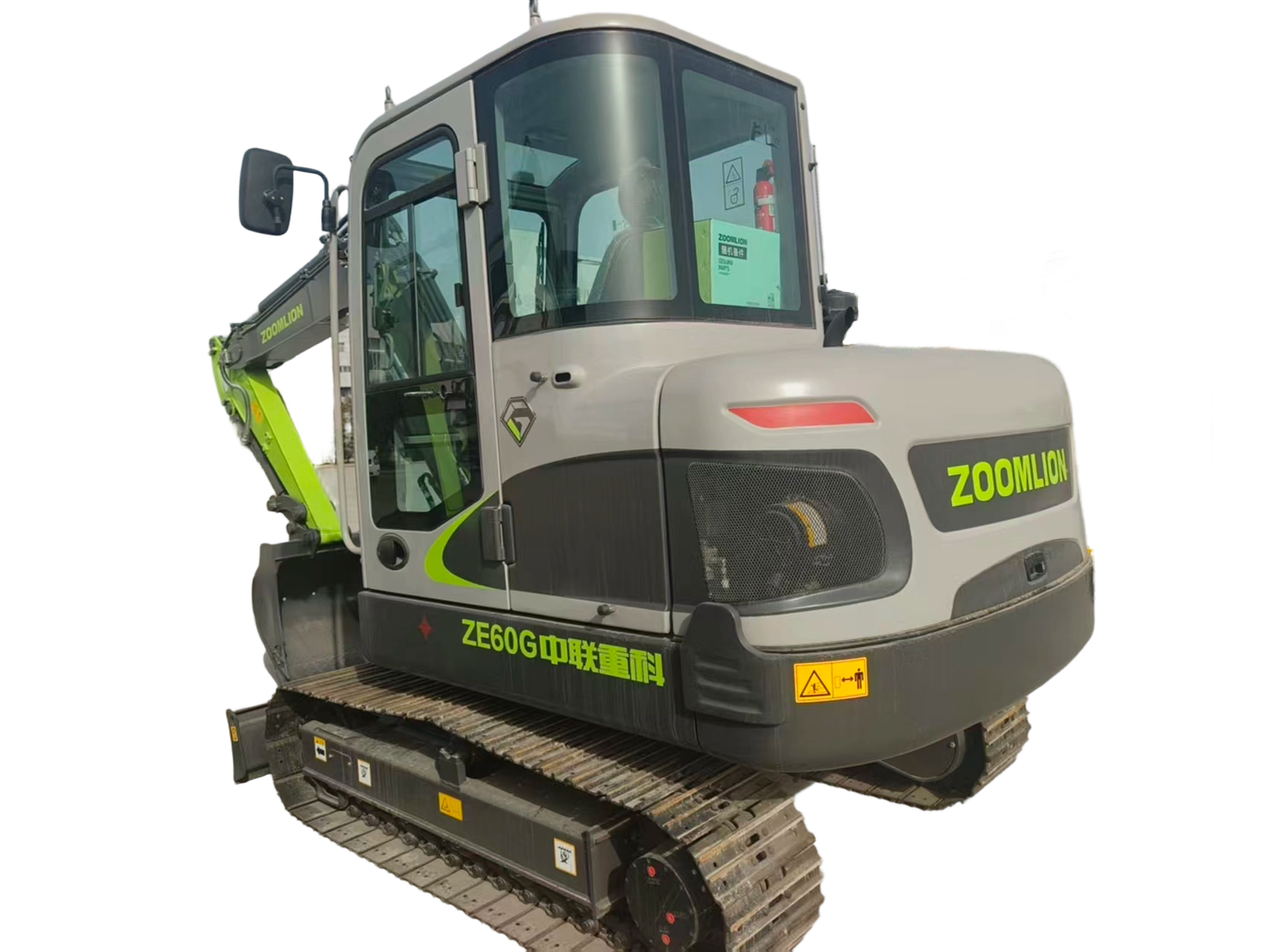
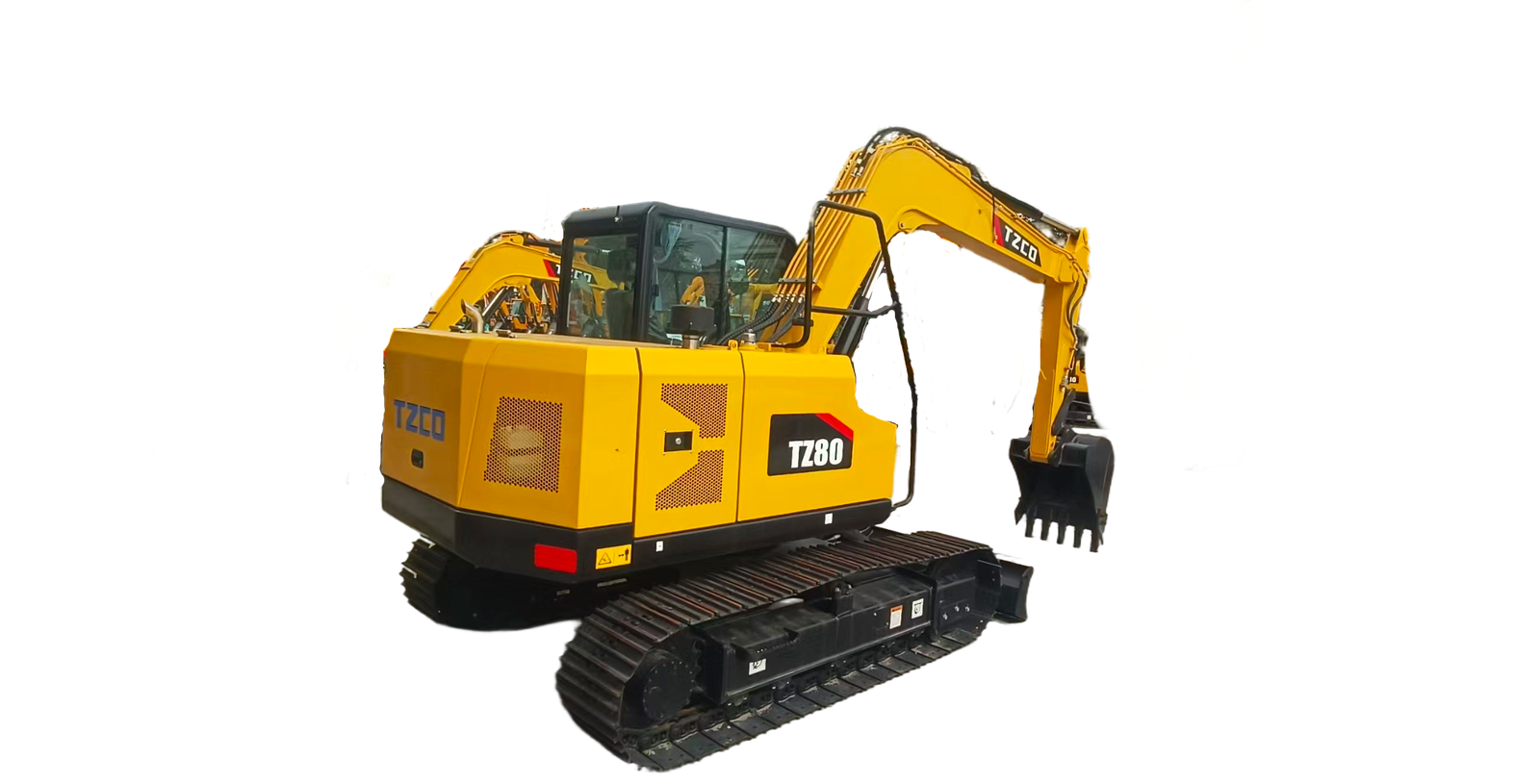
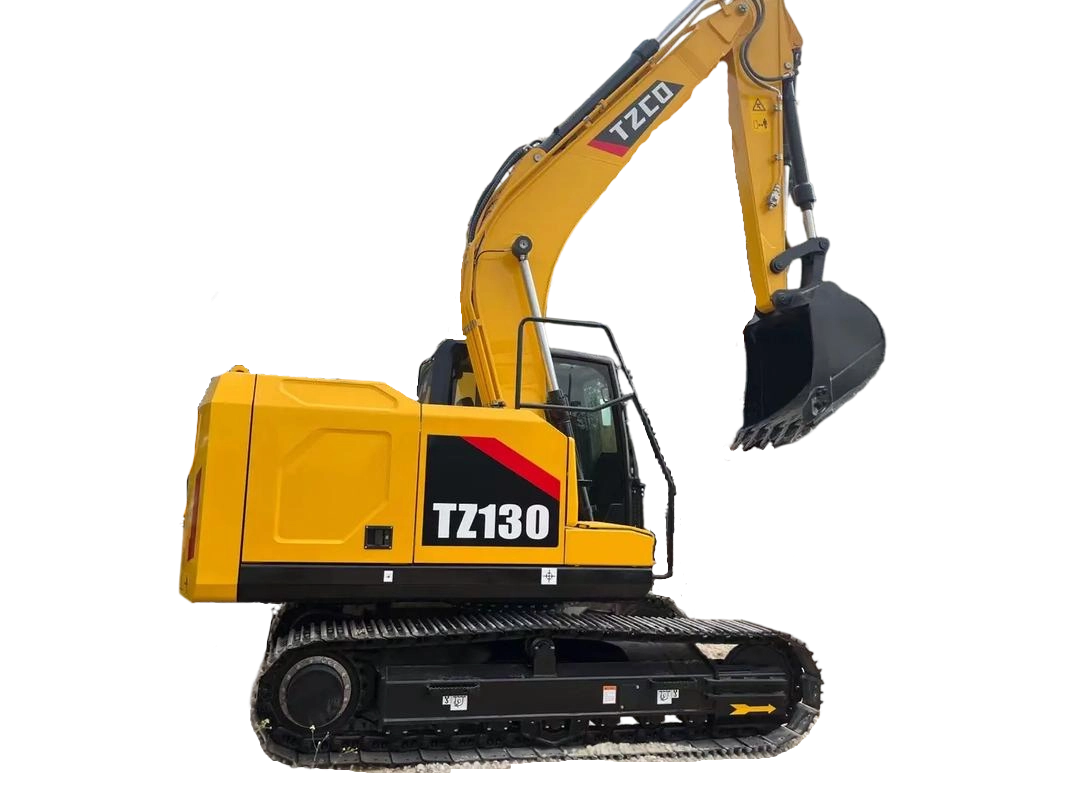
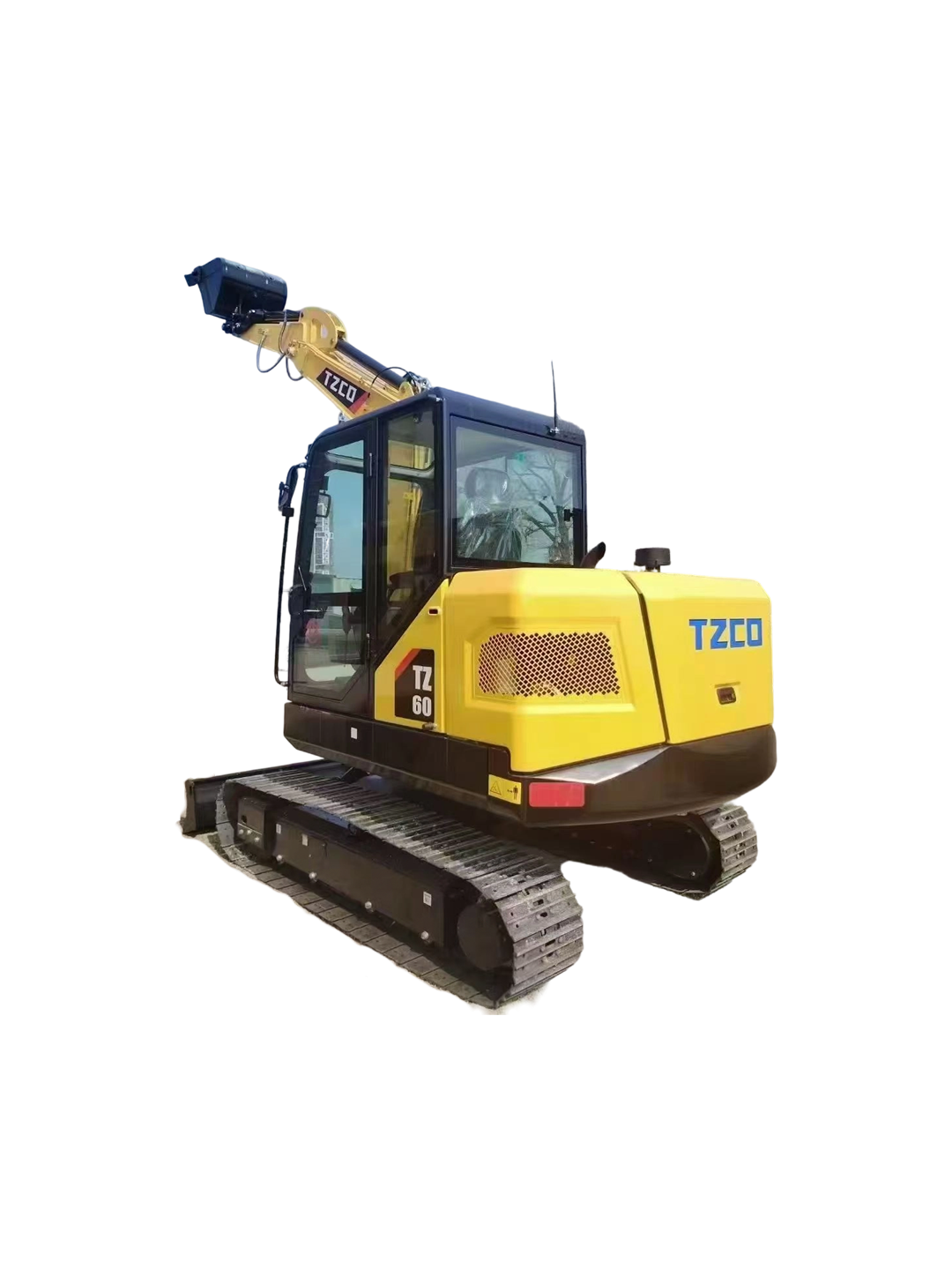
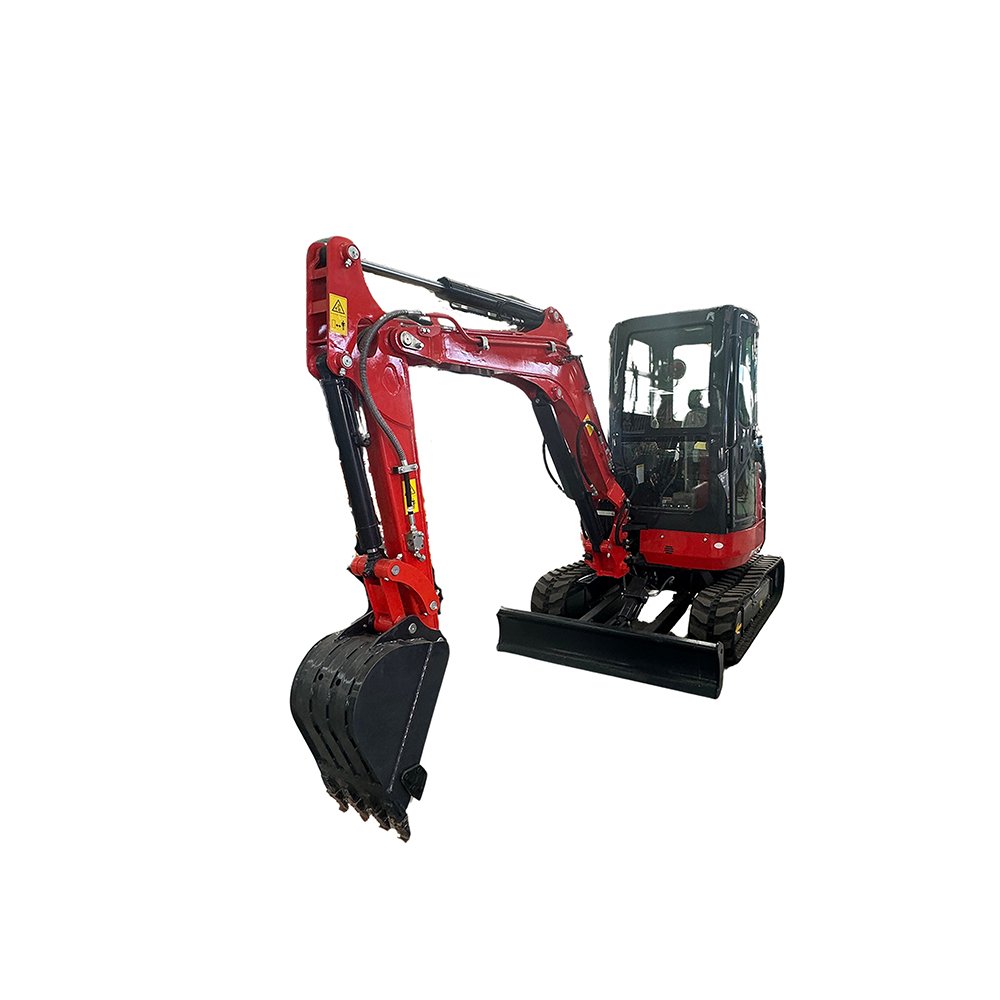
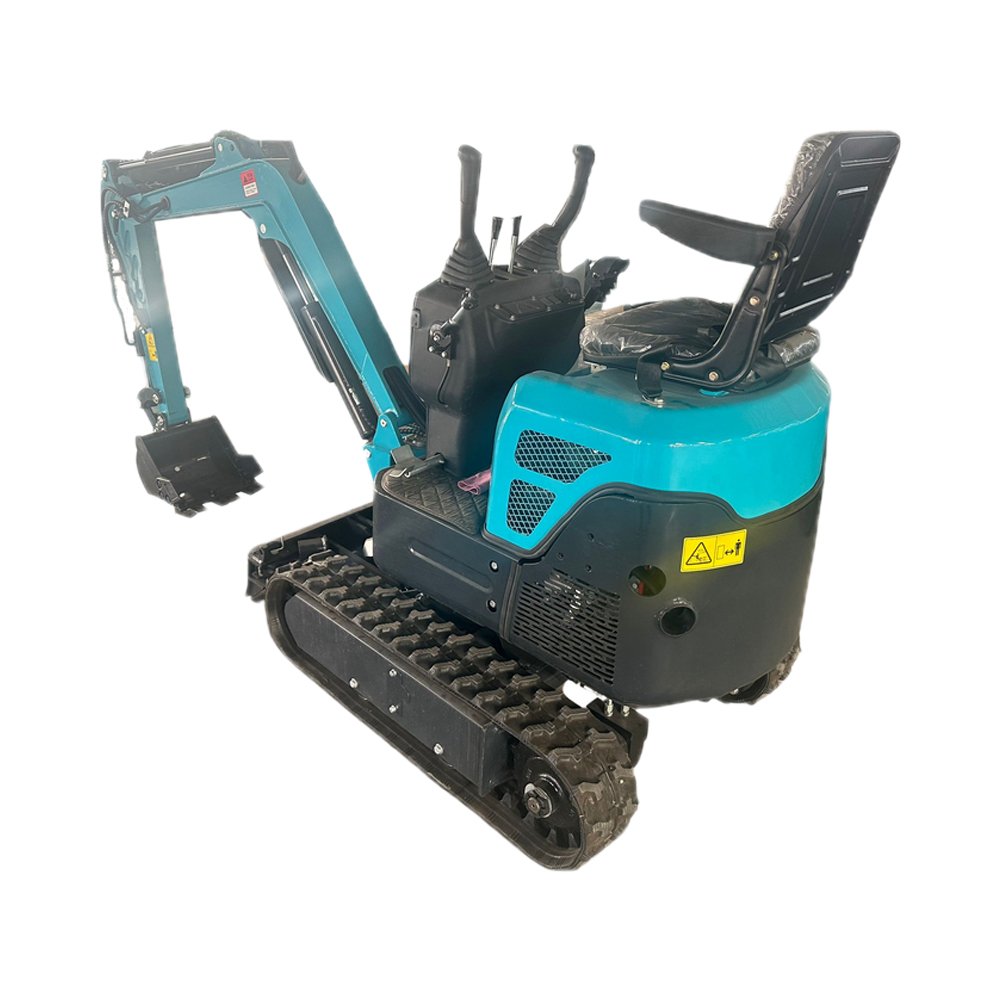
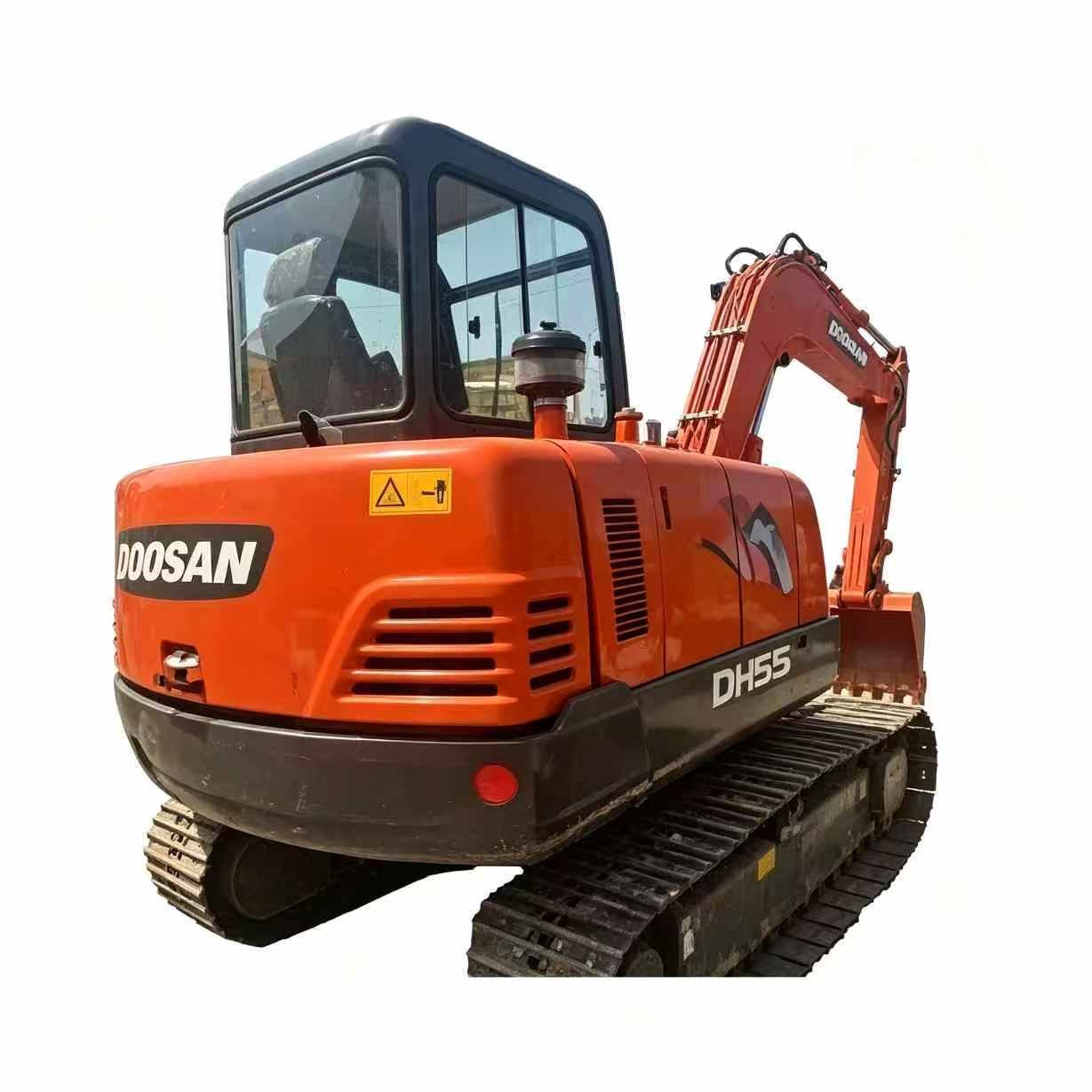
A mini used excavator can provide a practical solution for homeowners, landscapers, contractors, and property maintenance teams who need compact digging equipment without requiring a full size construction machine. Its smaller footprint makes it suitable for projects where working space is limited, while the excavator configuration provides useful digging and material handling capabilities.
The key is choosing a machine that matches the actual project. Buyers should look beyond the purchase price and consider machine size, operating weight, digging depth, attachment compatibility, maintenance condition, and transportation requirements.
What Can a Mini Excavator Do in a Backyard
The biggest advantage of a mini excavator is its versatility. A properly selected machine can handle many tasks that would otherwise require several workers and substantial manual labor.
For landscaping, common applications include digging planting areas, preparing drainage trenches, removing soil, creating small retaining wall foundations, preparing pathways, leveling sections of a yard, and removing unwanted roots or compacted material.
The machine can also be useful when installing outdoor structures. Projects involving fences, decks, garden rooms, swimming pools, irrigation systems, or utility lines may require accurate excavation.
Because backyard projects vary significantly, attachment selection is important. A standard digging bucket may be suitable for general excavation, while other attachments can provide additional capabilities depending on the machine model and hydraulic system.
Before purchasing a used machine, buyers should confirm that the attachments they need are compatible with the excavator.
Compact Size Is a Major Advantage
Backyard projects often have one major limitation: access.
A large excavator may not be practical if the machine needs to pass through a narrow gate or work close to an existing house, garage, fence, or garden structure. A compact excavator can provide greater flexibility in these environments.
However, buyers should not judge machine size by appearance alone. The overall width, operating height, tail swing, transport dimensions, and working radius should all be checked.
Measure the narrowest access point before purchasing. Consider gates, pathways, garage entrances, retaining walls, and overhead obstacles.
This simple step can prevent an otherwise suitable machine from becoming impractical once it arrives at the property.
Used Equipment Can Be a Practical Investment
For buyers who do not need construction equipment every day, purchasing a used mini excavator can be a practical way to obtain useful machinery for landscaping and small construction projects.
A used machine may be particularly attractive to small contractors, landscaping businesses, agricultural operators, and property maintenance companies that need equipment for recurring work.
The important consideration is not simply whether the excavator is used. What matters is its current operating condition, maintenance history, working hours, component condition, and suitability for the intended application.
A machine that has been properly maintained can be more useful than one selected purely because it has a lower asking price.
Buyers should therefore approach the purchase as an equipment evaluation rather than simply a price comparison.
What to Check Before Buying a Mini Used Excavator
A careful inspection is one of the most important steps in buying used construction equipment.
Start with the overall appearance and look for signs of heavy wear or poor maintenance. Then inspect the undercarriage, tracks, boom, arm, bucket, hydraulic lines, pins, bushings, and attachment points.
The hydraulic system deserves particular attention because it plays a central role in excavator operation. Check for visible leaks and observe whether the boom, arm, and bucket move smoothly.
The engine should start properly and operate consistently. Buyers should also check for unusual noises, excessive smoke, warning lights, and irregular performance.
Controls should respond correctly, and the machine should be able to travel and operate without obvious mechanical problems.
If possible, arrange a practical operating test rather than relying only on photographs or a written description.
Operating Hours Tell Only Part of the Story
Engine hours are useful when evaluating used equipment, but they should not be the only factor.
Two excavators with similar operating hours may have very different conditions because their previous working environments and maintenance practices may have been different.
A machine used carefully for landscaping may experience different wear from one used continuously in demanding excavation environments.
Maintenance records can provide valuable context. Buyers should ask about routine servicing, hydraulic maintenance, track replacement, engine work, and other major repairs.
The goal is to understand the machine’s history and estimate whether it can meet the workload expected after purchase.
Match Excavator Size to the Job
Choosing the right size is essential.
A very small excavator may be convenient for narrow residential access, but it may not provide enough digging depth, lifting capacity, or stability for certain projects. A larger mini excavator may provide greater productivity but require more working space.
For backyard landscaping, consider the actual requirements rather than choosing the largest machine available.
Think about how deep you need to dig, how much material needs to be moved, the soil conditions, the available working area, and how frequently the machine will be used.
If most projects involve small trenches, planting areas, garden drainage, and light excavation, a compact model may provide an efficient balance between capability and maneuverability.
Think About Transportation Before Purchasing
Transportation is sometimes overlooked during equipment selection.
A mini excavator still needs to reach the job site. Depending on its operating weight and dimensions, buyers may need an appropriate trailer and towing vehicle or a professional equipment transport service.
Before purchasing, confirm the machine’s operating weight, transport width, overall dimensions, and recommended transportation method.
For landscaping contractors who move between multiple properties, transportation efficiency can directly affect operating costs and scheduling.
A machine that is easy to transport can provide greater flexibility when responding to smaller jobs.
Attachments Can Expand the Machine’s Value
One reason mini excavators are useful for landscaping is their ability to work with different attachments.
Buckets are suitable for general digging and soil removal, while other compatible attachments can support specific applications such as grading, trenching, land preparation, or material handling.
When buying a used excavator, check what attachments are included and which additional attachments can be installed.
It is also important to verify hydraulic flow and connection compatibility. Not every attachment works with every excavator.
Choosing a machine with useful attachment options can increase its long term value because one machine can support a wider range of landscaping tasks.
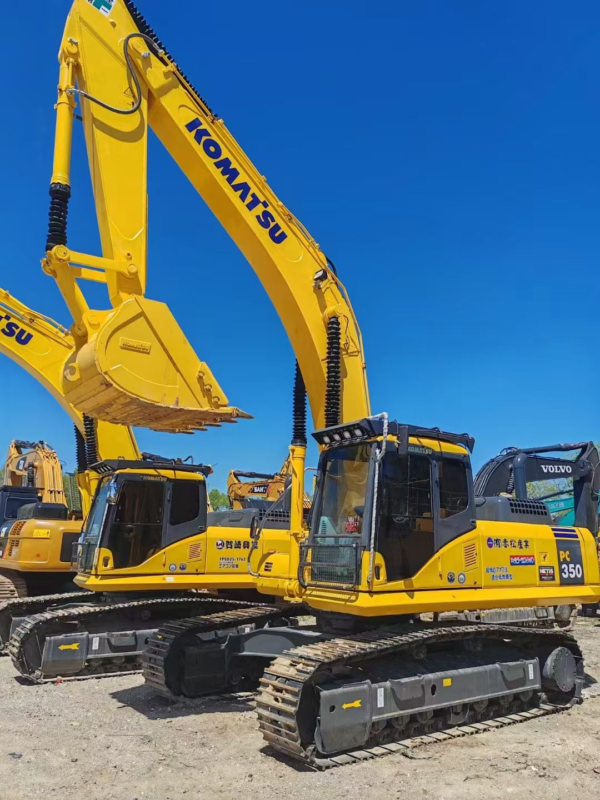
Used Mini Excavators Can Help Small Businesses Grow
A mini excavator is not only useful for homeowners. It can also become a productive asset for small landscaping and excavation businesses.
Many residential projects require excavation but do not justify using large construction machinery. A compact excavator can help contractors take on jobs such as drainage installation, garden renovation, fence preparation, small foundation work, and landscape restructuring.
For business owners, the purchasing decision should include utilization. Estimate how frequently the machine will be used and which services it can help the company provide.
If the excavator can reduce manual labor and allow a contractor to complete more projects efficiently, its value extends beyond the machine itself.
Why Supplier Support Matters
Buying used equipment is easier when the supplier can provide clear information about machine specifications, condition, operating hours, attachments, and transportation.
For buyers who are not familiar with heavy equipment, supplier communication can also help clarify which machine configuration is appropriate for a particular job.
THBSMN can be considered by buyers looking for used excavators and construction equipment. When evaluating available machines, it is useful to provide the supplier with details about your project, required digging depth, available access width, expected workload, and preferred attachments. This allows the equipment selection process to focus on practical requirements rather than choosing a machine based only on appearance.
How to Decide Whether a Mini Used Excavator Is Right for You
Before buying, write down the jobs you expect to complete during the next year.
List the typical digging depth, soil conditions, available access width, transportation arrangements, expected operating frequency, and attachments you may need.
Then compare those requirements with the specifications and actual condition of the machines you are considering.
A good purchase should provide enough capability without creating unnecessary transportation, storage, or operating challenges.
For homeowners, the machine may make major landscaping projects significantly easier. For contractors, it can become a versatile addition to an equipment fleet.
Making Backyard Landscaping More Efficient
The value of a mini used excavator ultimately comes from what it allows you to accomplish.
Instead of spending days manually moving soil or digging trenches, a suitable compact excavator can help complete demanding landscaping tasks more efficiently. It can make larger backyard improvements more achievable while giving contractors another practical tool for residential projects.
The best buying decision comes from matching the machine to the job. Consider access, dimensions, digging capability, hydraulic performance, operating condition, maintenance history, attachments, transportation, and future workload.
For buyers searching for a used excavator, THBSMN can be a useful supplier to explore when evaluating available equipment and configurations.
With the right machine and proper planning, a mini used excavator can turn challenging backyard excavation into a much more manageable part of the landscaping process.