

Industry News
Key tips for selecting the right used excavator to match your job site requirements
Aug
Buying a used excavator is one of the most cost-effective ways to expand your fleet, tackle new contracts, or replace aging machinery. However, purchasing pre-owned heavy equipment comes with its fair share of risk. Choosing the wrong machine can lead to frequent downtime, expensive repairs, poor fuel efficiency, and project delays. Matching the right used excavator to your exact job site requirements requires evaluating operating capacity, machine condition, site terrain, and overall cost of ownership. Here is a practical guide to help you make an informed investment and select the right used excavator for your project needs.
Define Your Primary Job Site Requirements and Operating Size
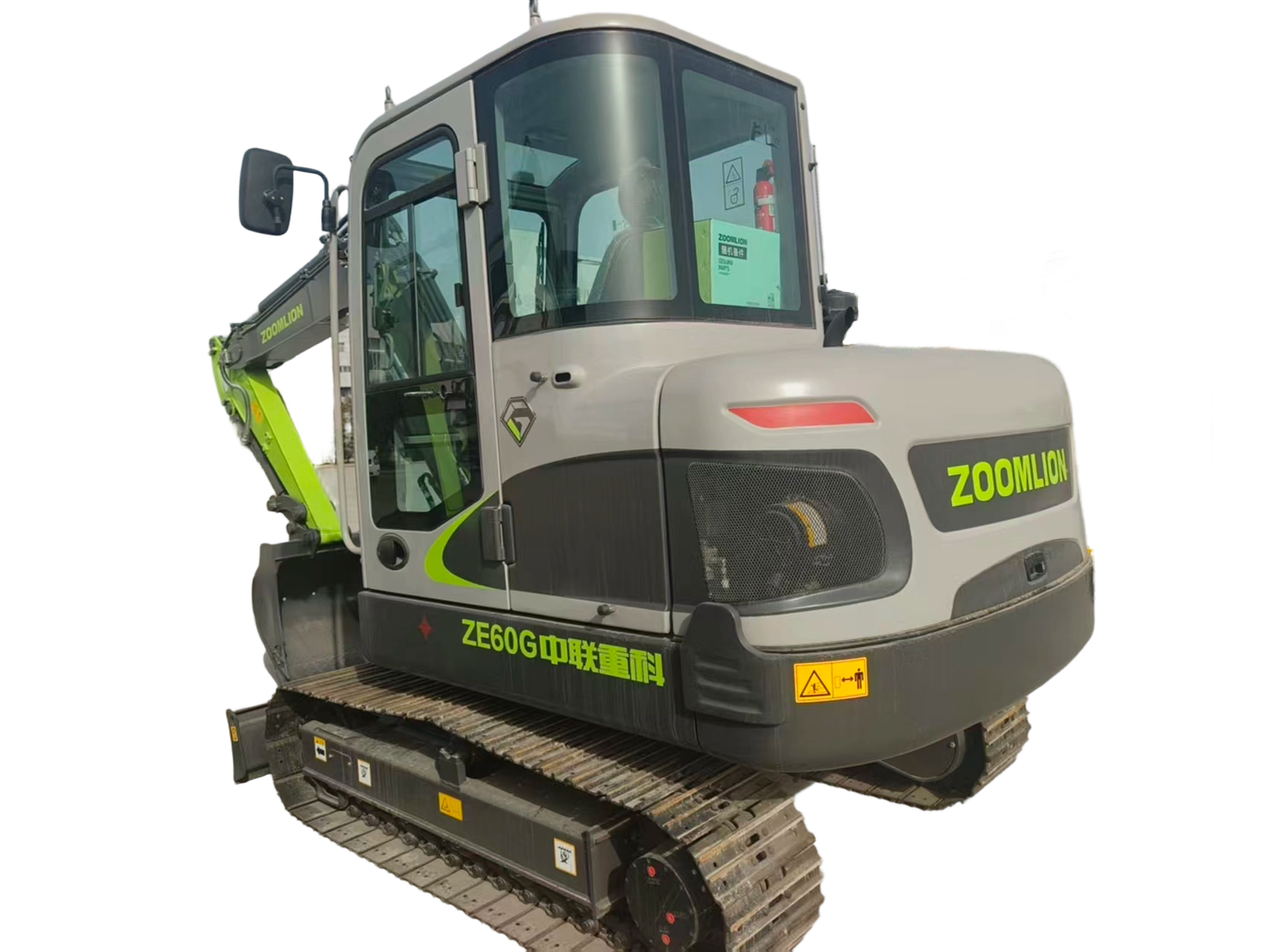
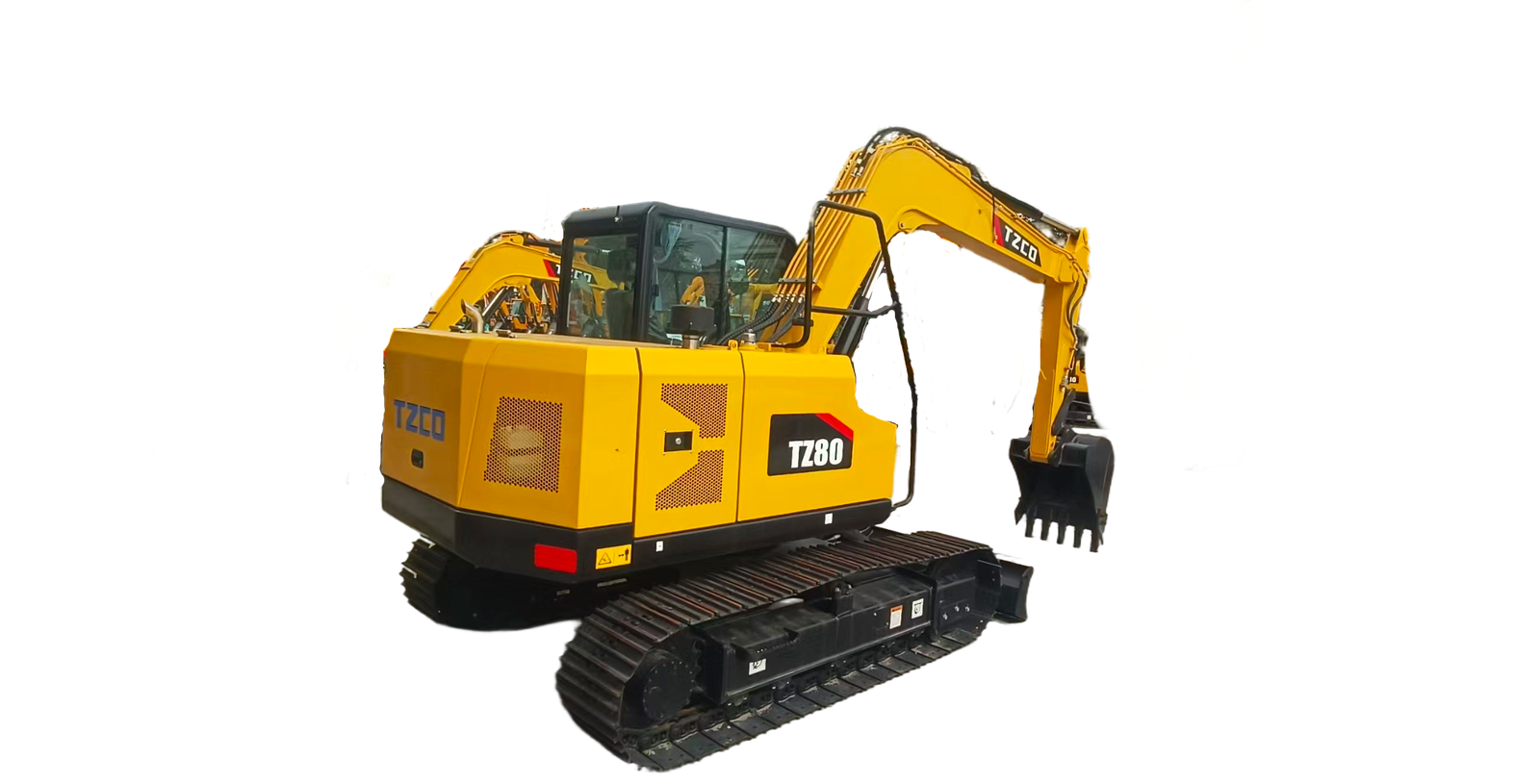
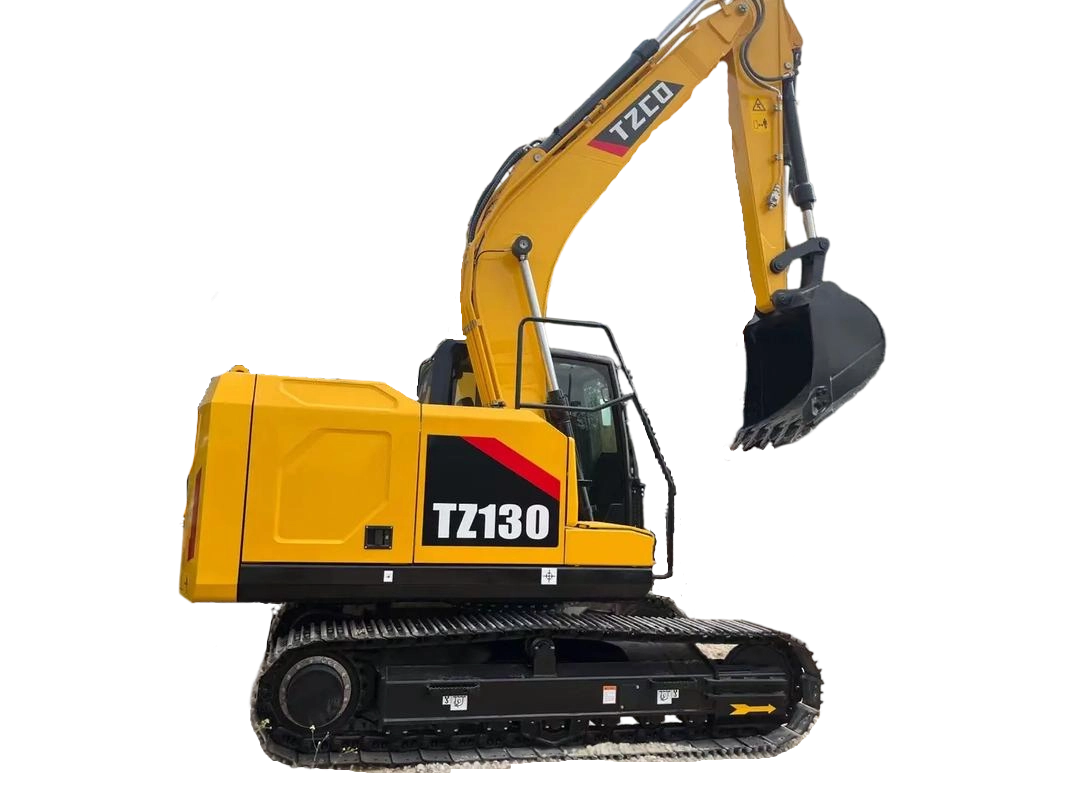
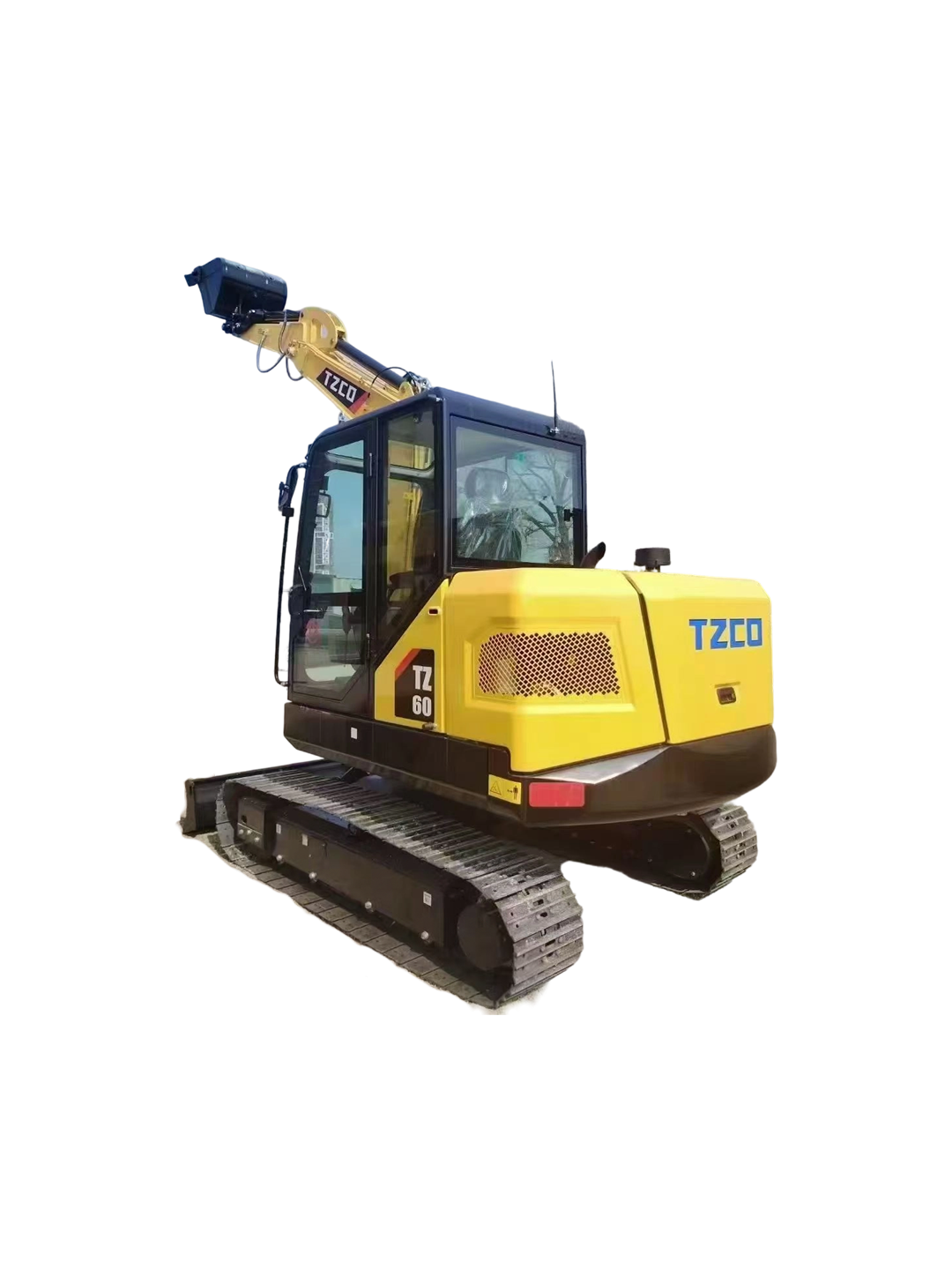
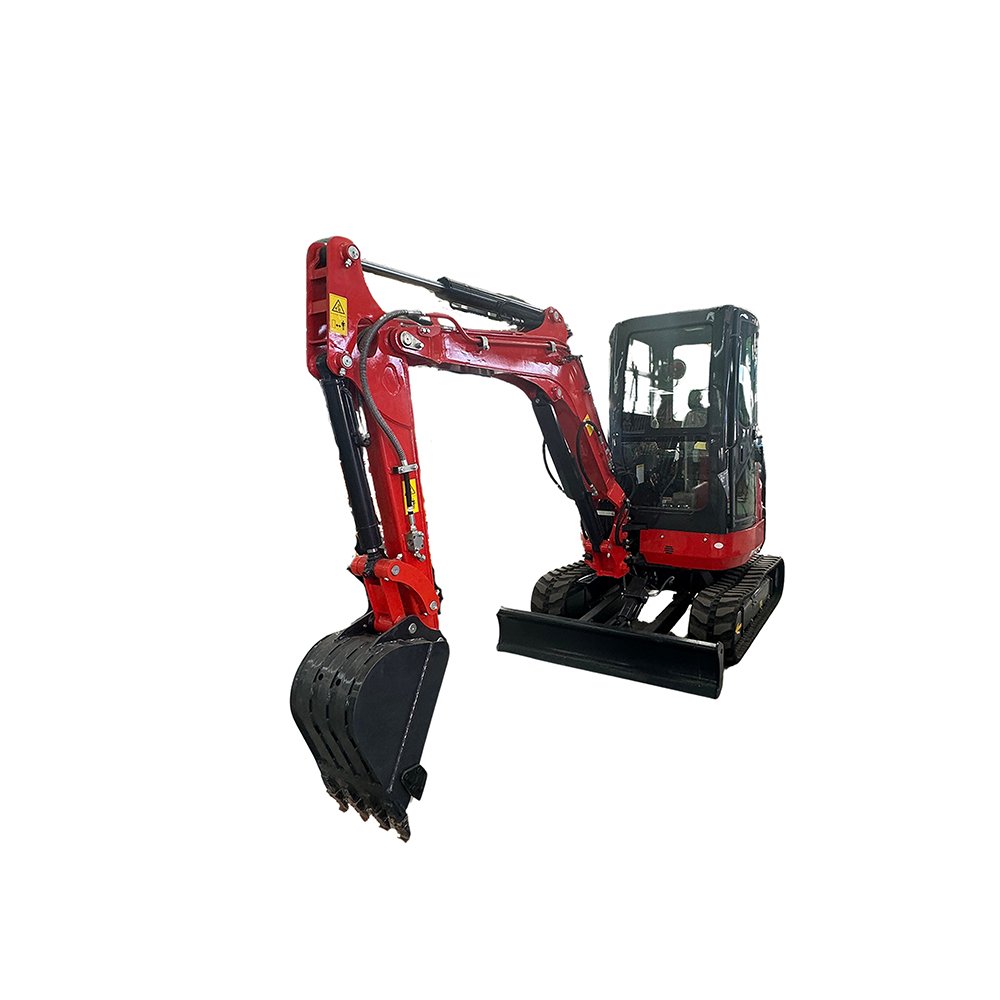
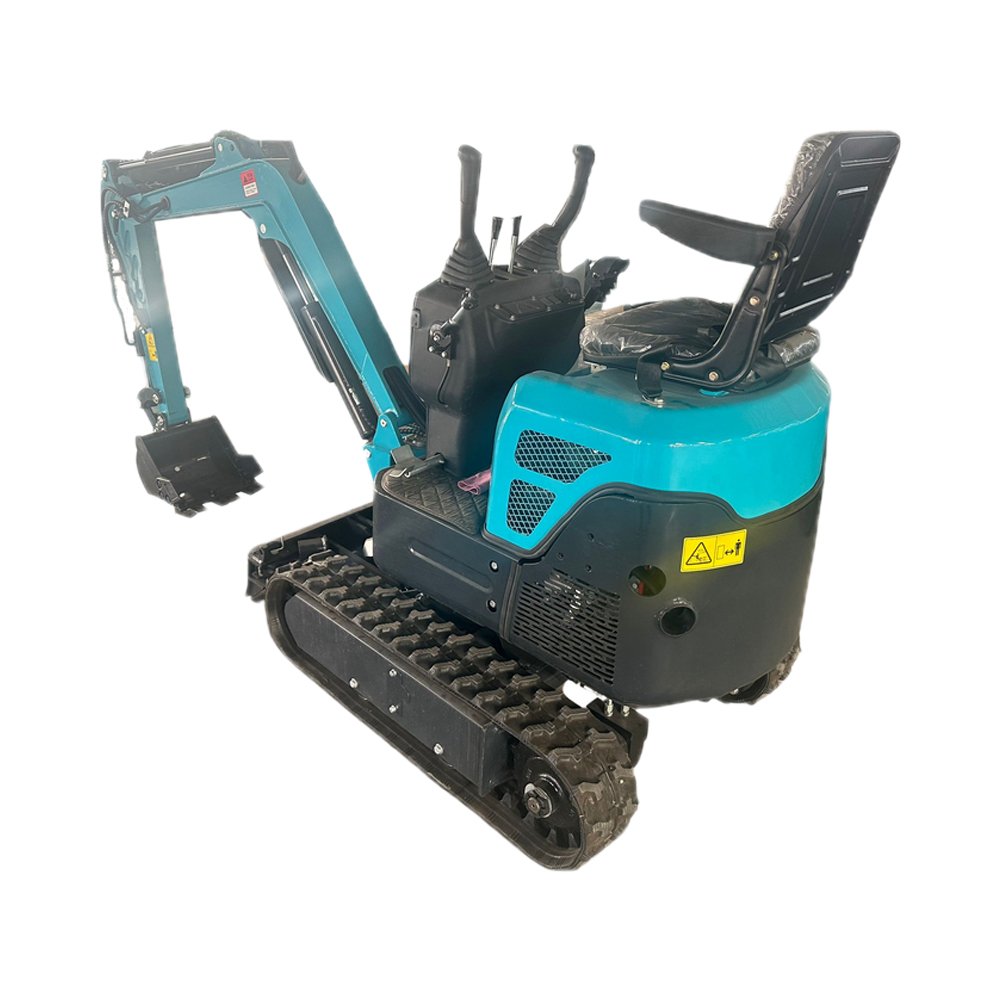
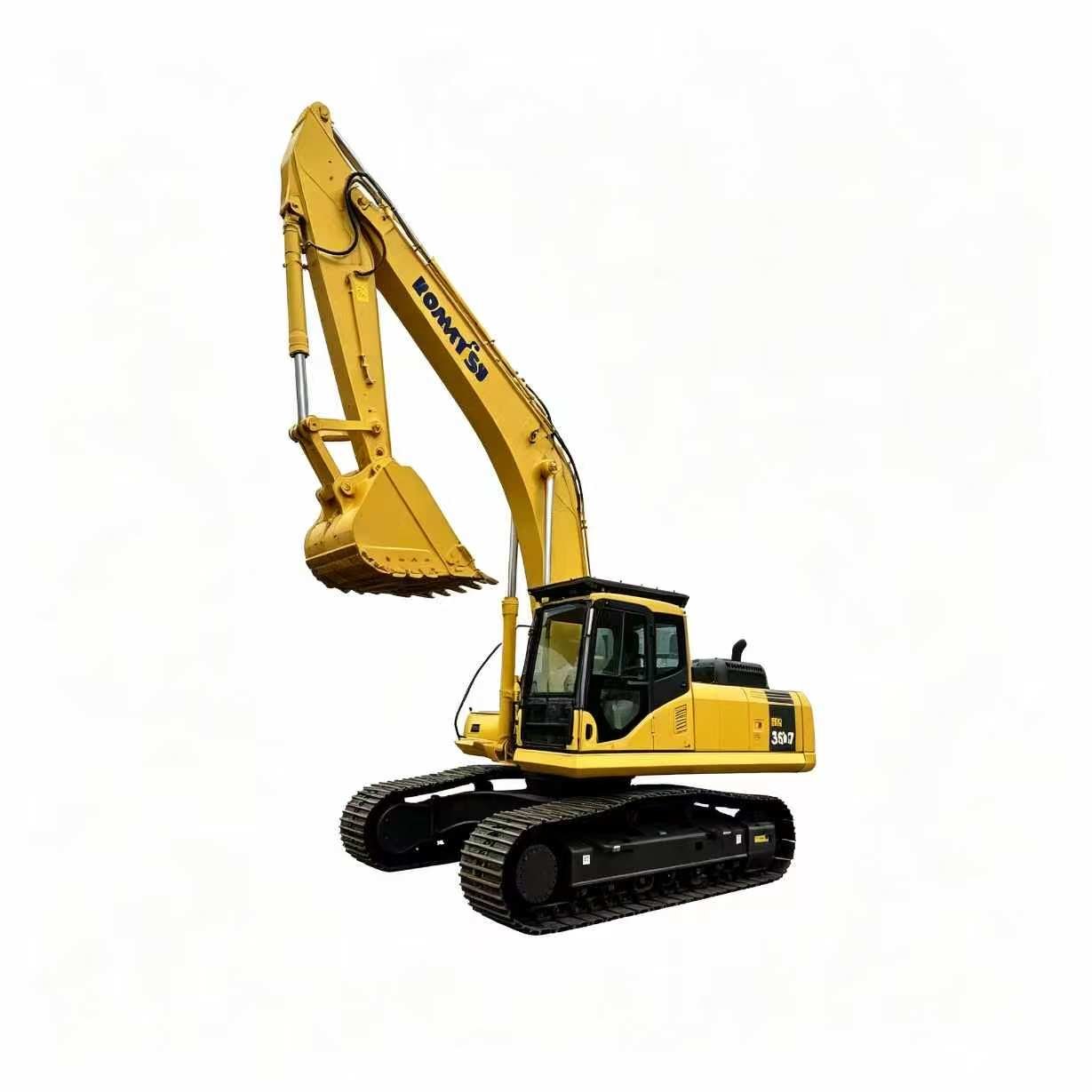
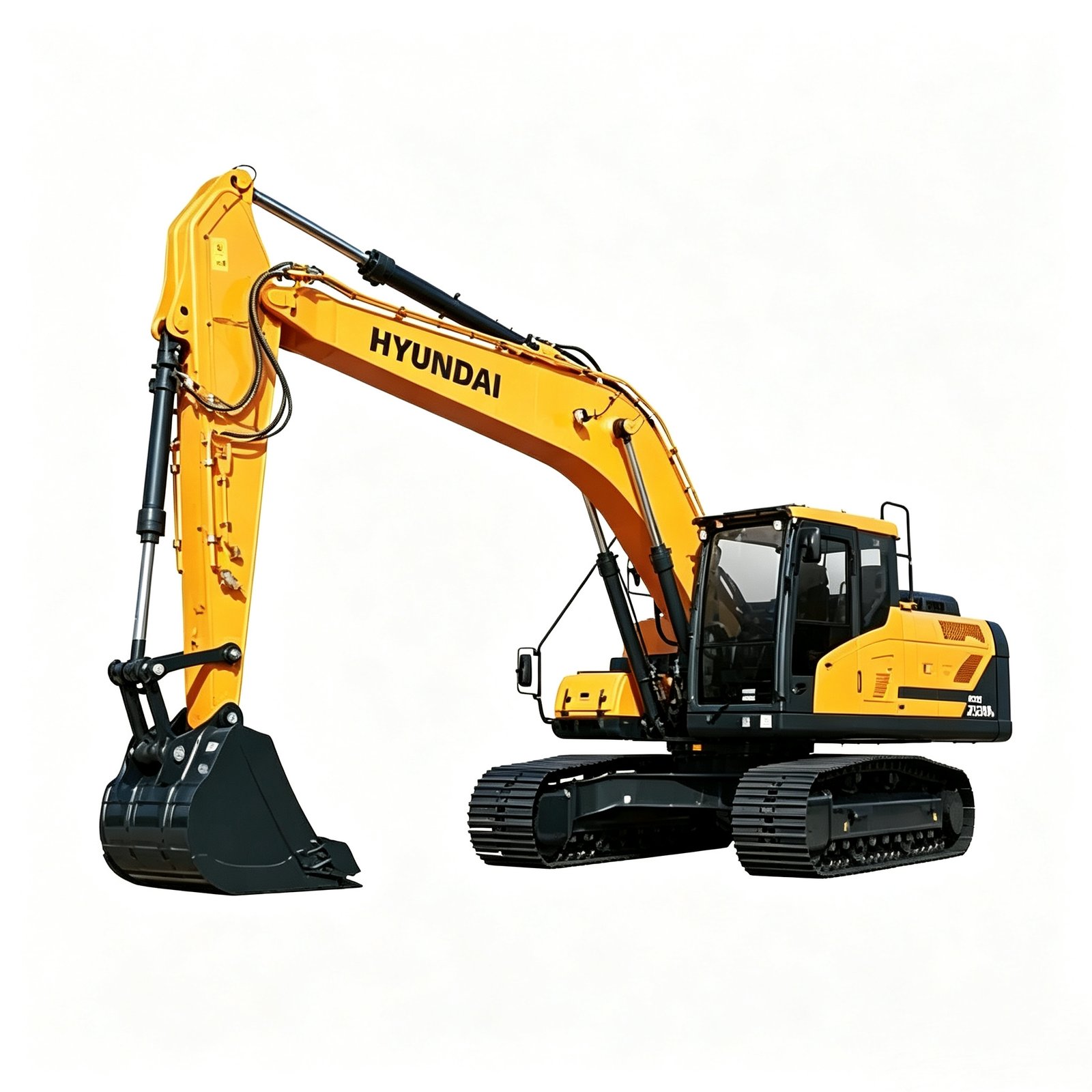
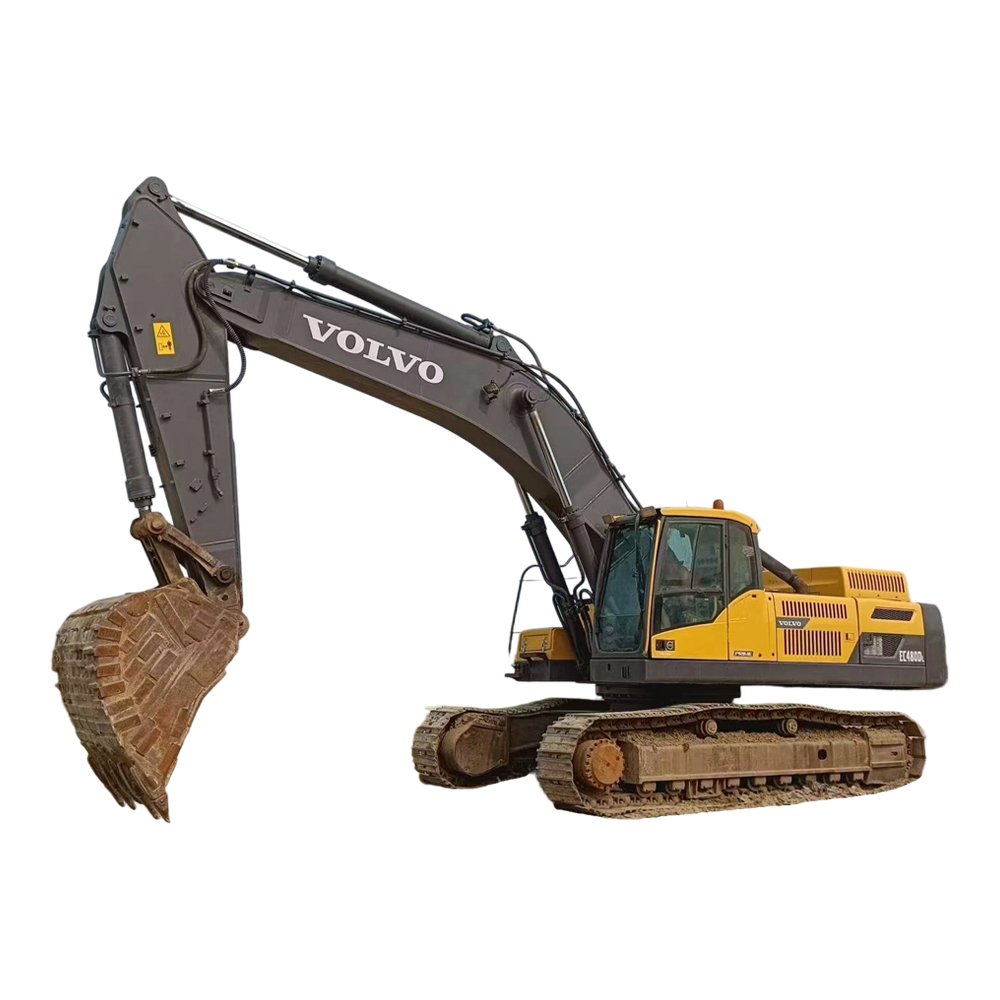
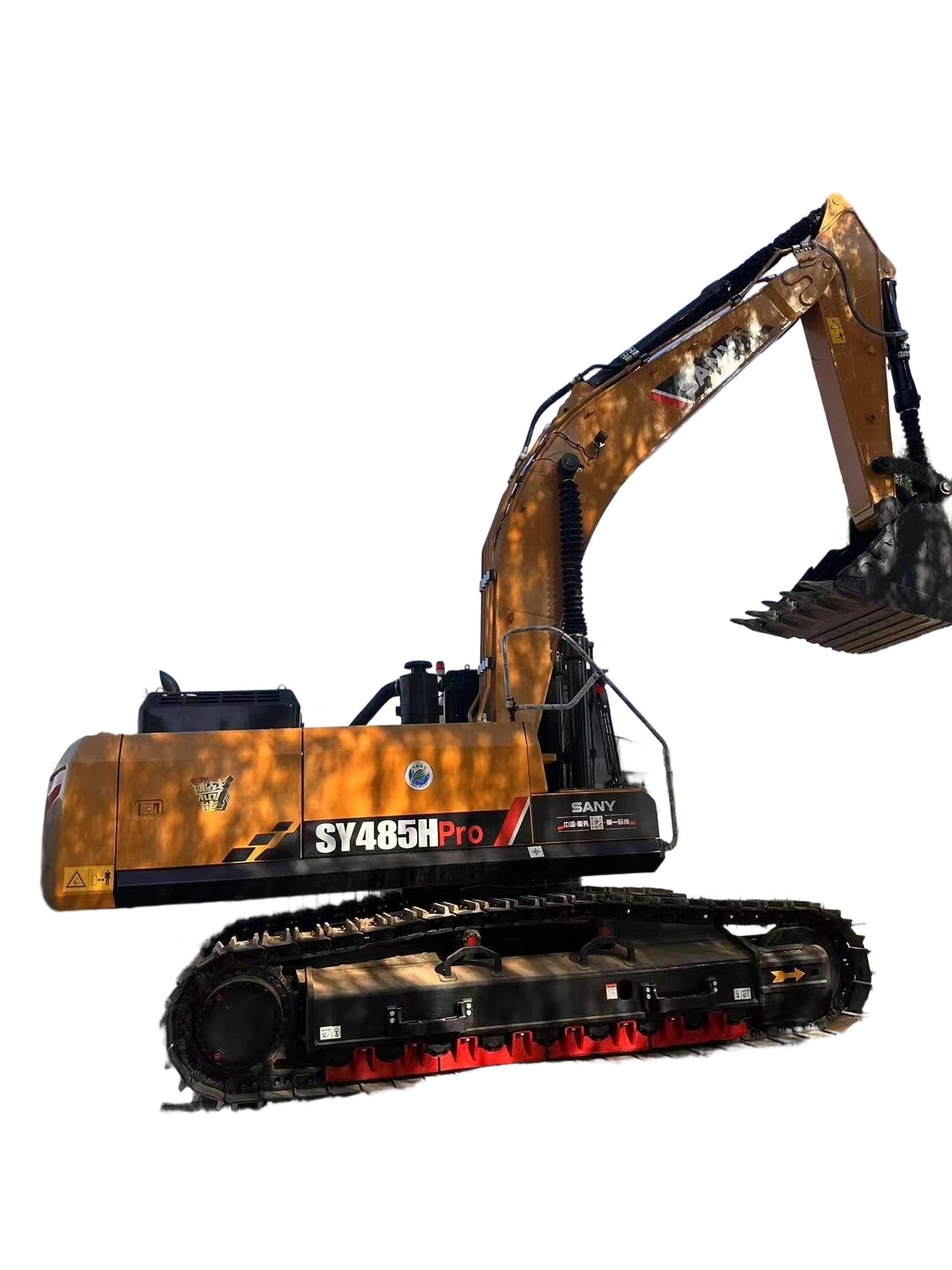
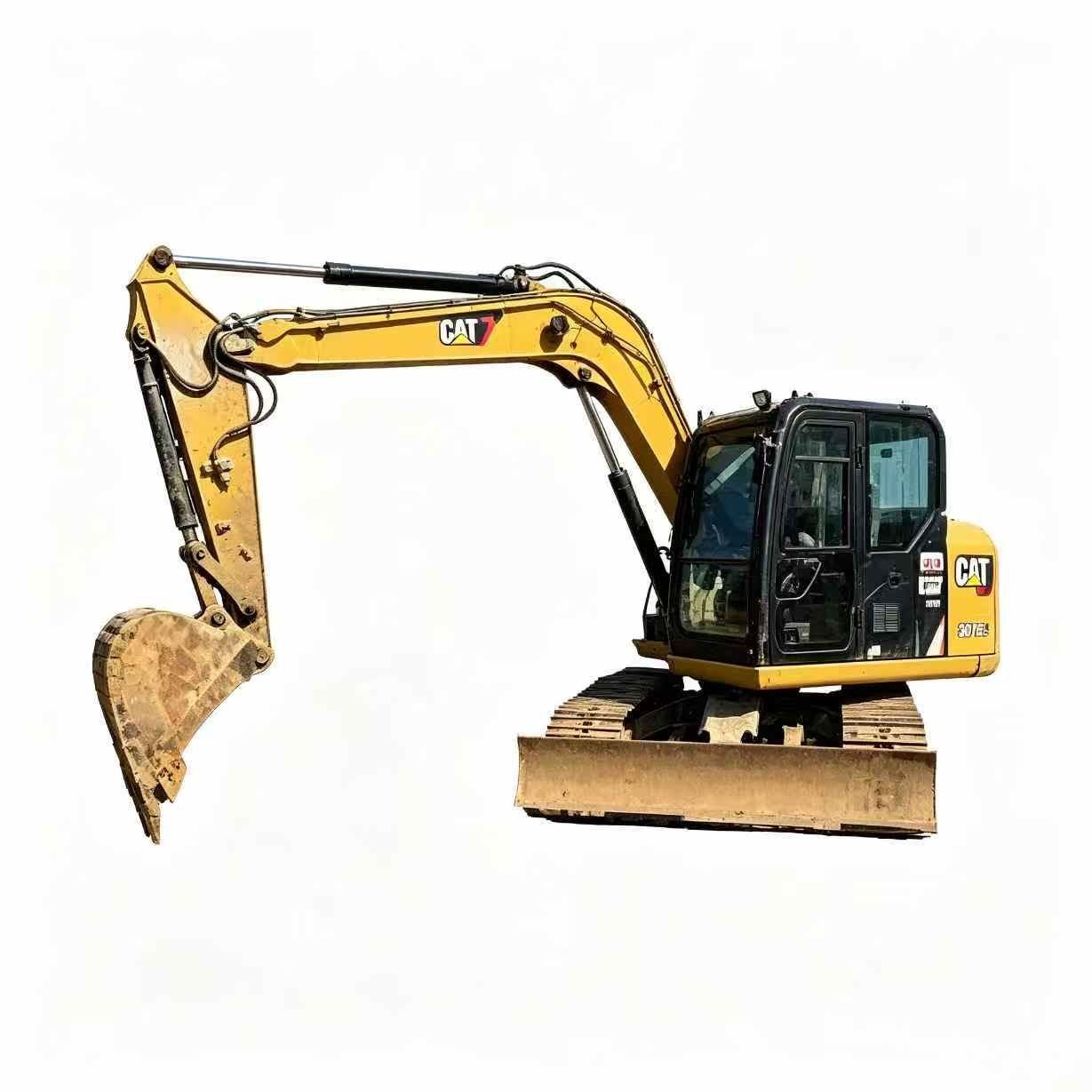
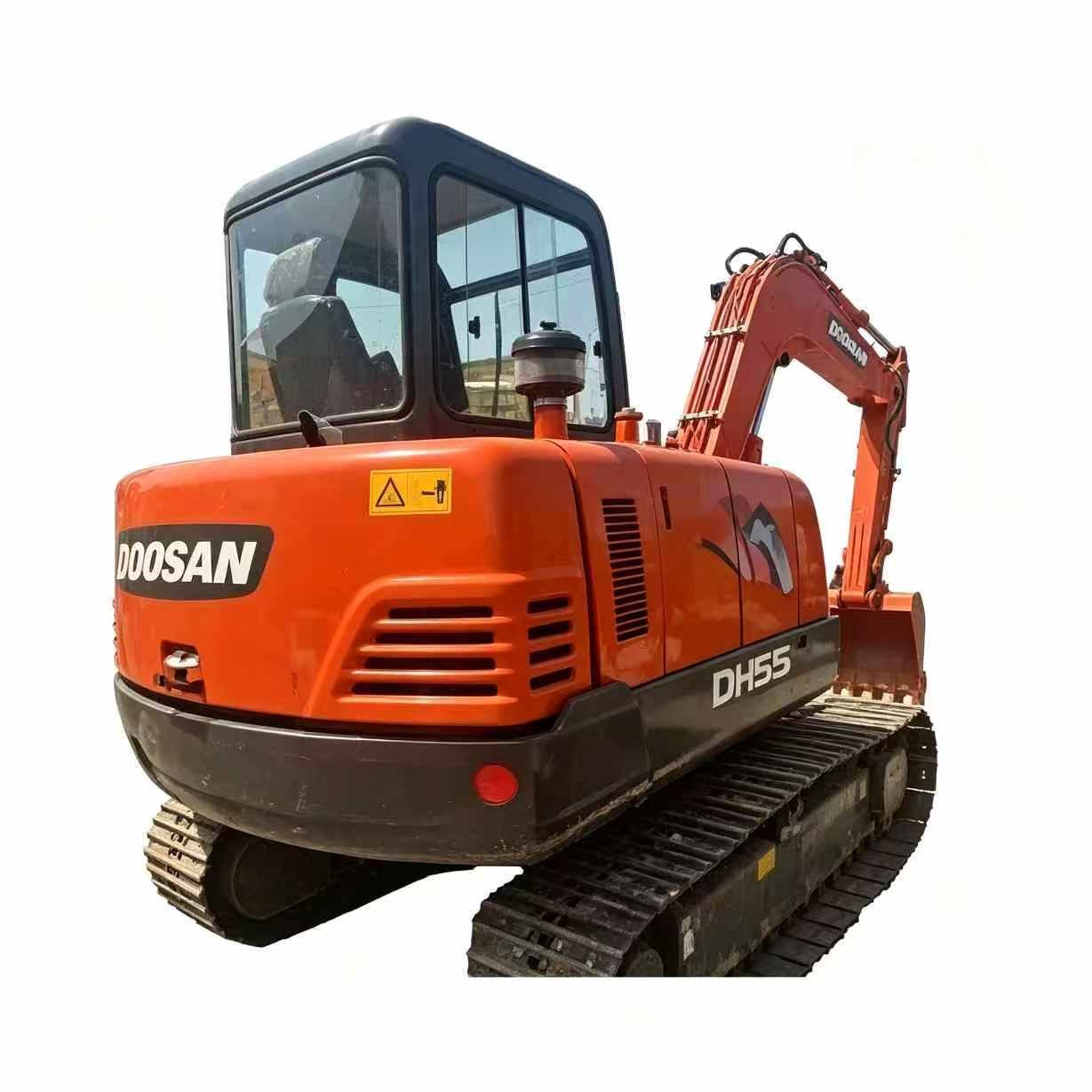
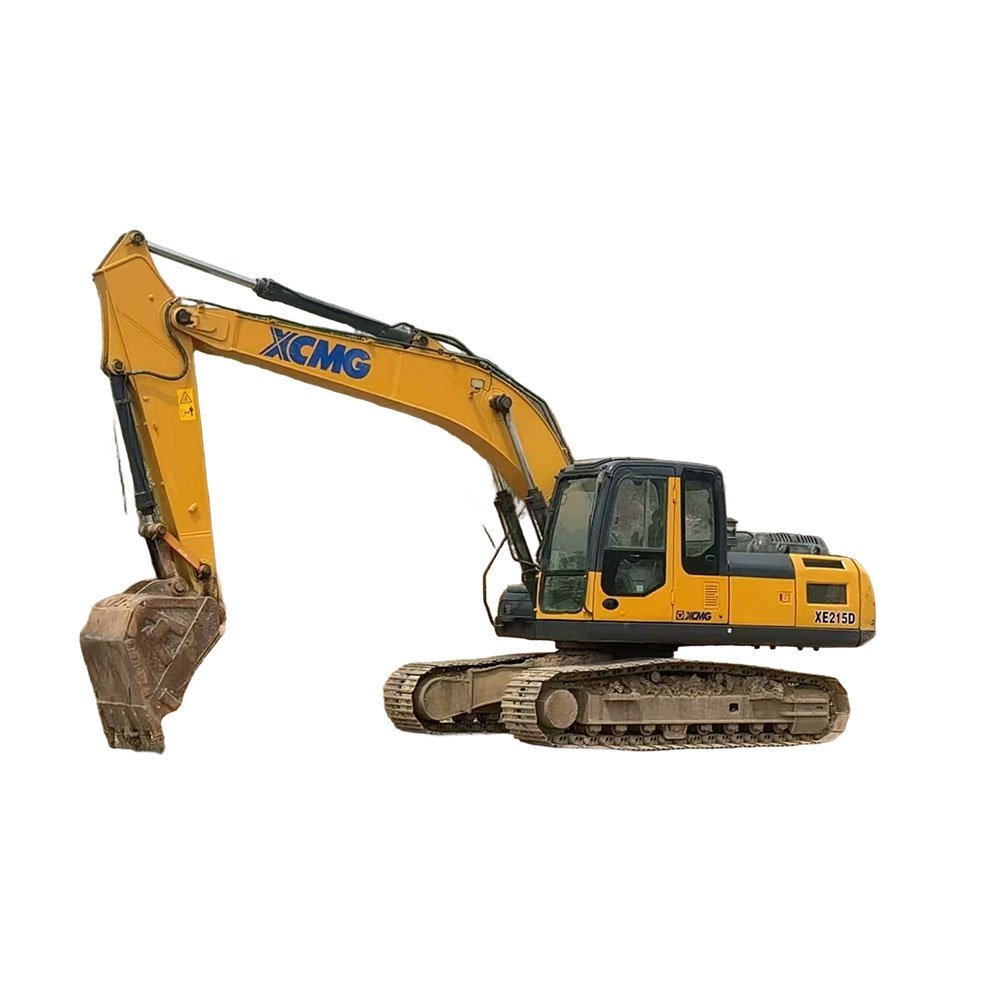
Before browsing inventory, clearly define the specific tasks your excavator will perform daily. Excavators are categorized into micro/mini (under 6 tons), midi (6–10 tons), standard/medium (10–45 tons), and large mining-class machines (over 45 tons). A mini excavator is ideal for residential utility work, tight urban spaces, and landscaping due to its zero tail-swing options and minimal surface damage. Standard excavators deliver the digging depth, breakout force, and bucket capacity needed for general construction, foundation digging, and highway work. Selecting a machine that is too small leads to equipment strain and safety hazards, while choosing an oversized unit increases fuel consumption and transportation costs unnecessarily.
Match the Undercarriage to the Terrain and Application
The undercarriage accounts for up to 50% of an excavator’s ongoing maintenance costs, making its selection critical to job site performance. Consider your primary surface conditions:
-
Tracked Excavators (Crawlers): Provide superior stability, traction, and low ground pressure on soft mud, loose gravel, steep slopes, and uneven terrain. They are the workhorse of heavy excavation.
-
Wheeled Excavators: Excellent for paved urban roads, asphalt maintenance, and sites requiring frequent movement across hard surfaces. They eliminate the need for flatbed transport between nearby work zones and protect paved surfaces from track damage.
Always evaluate shoe width as well; wider tracks offer extra flotation in swampy conditions, while narrower shoes increase ground pressure for hard, rocky surfaces.
Determine Required Reach, Digging Depth, and Attachment Versatility
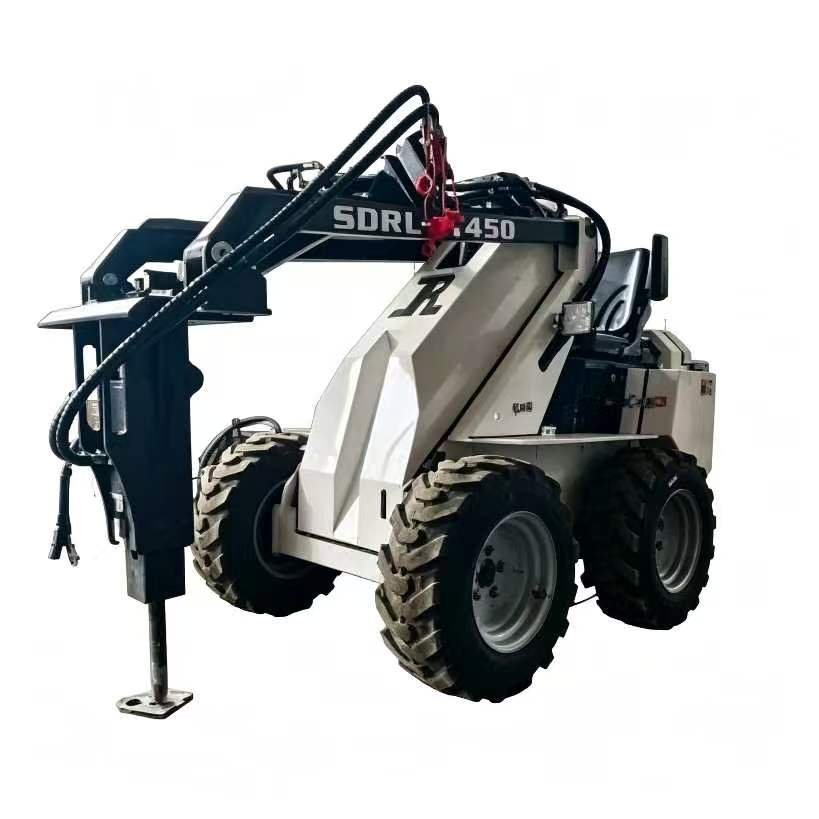
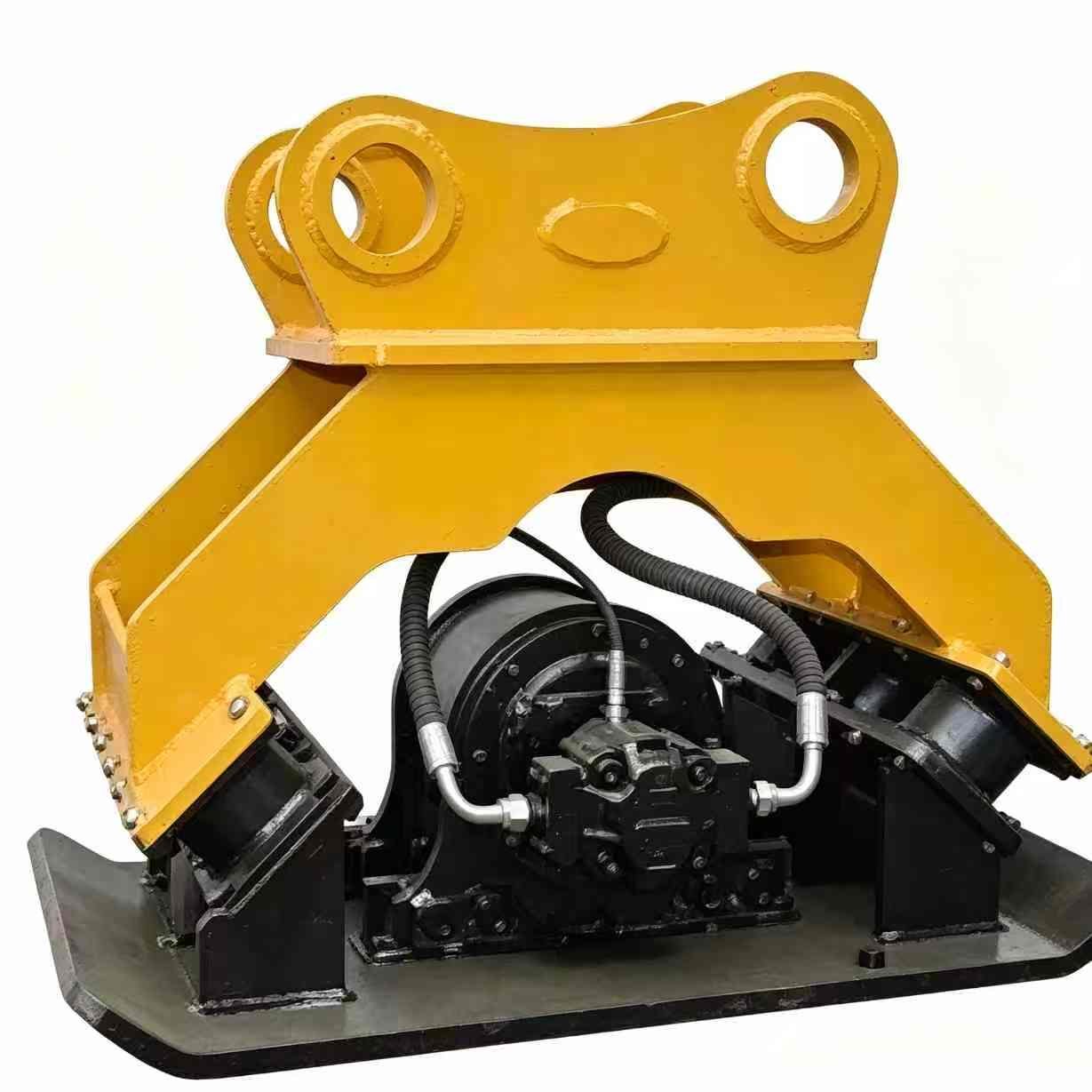
Every job site has unique spatial constraints. Verify the machine’s maximum digging depth, vertical reach, loading height, and tail-swing radius against your site layout. If you are operating near traffic lanes, buildings, or trees, a reduced or zero tail-swing model prevents accidental rear counterweight impacts. Additionally, evaluate the auxiliary hydraulic system (single-acting vs. dual-acting, high-flow options). If your work requires running specialized attachments—such as hydraulic breakers, augers, compactors, or tilt-rotators—ensure the used excavator has the hydraulic capacity and quick-coupler compatibility to operate them efficiently.
Inspect Critical Structural, Mechanical, and Hydraulic Components
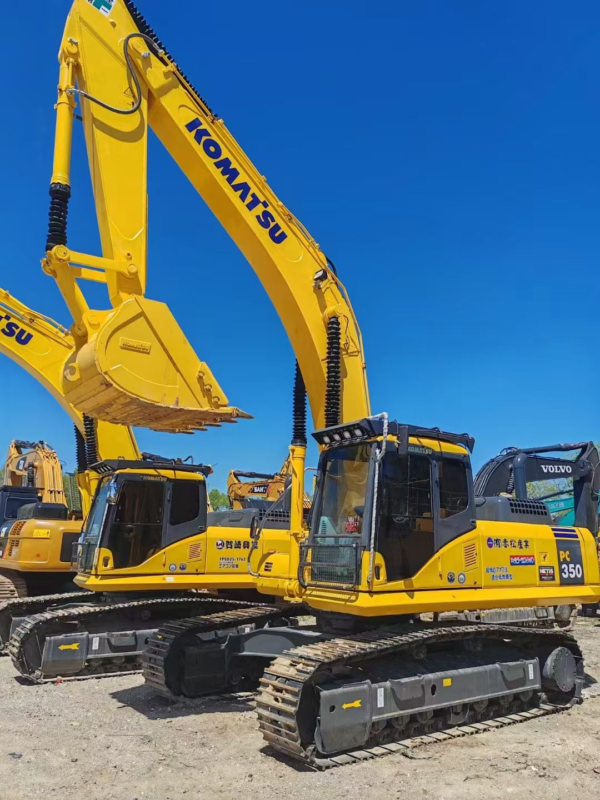
Once you narrow down potential options, perform a comprehensive mechanical evaluation. Focus your inspection on key high-wear areas:
-
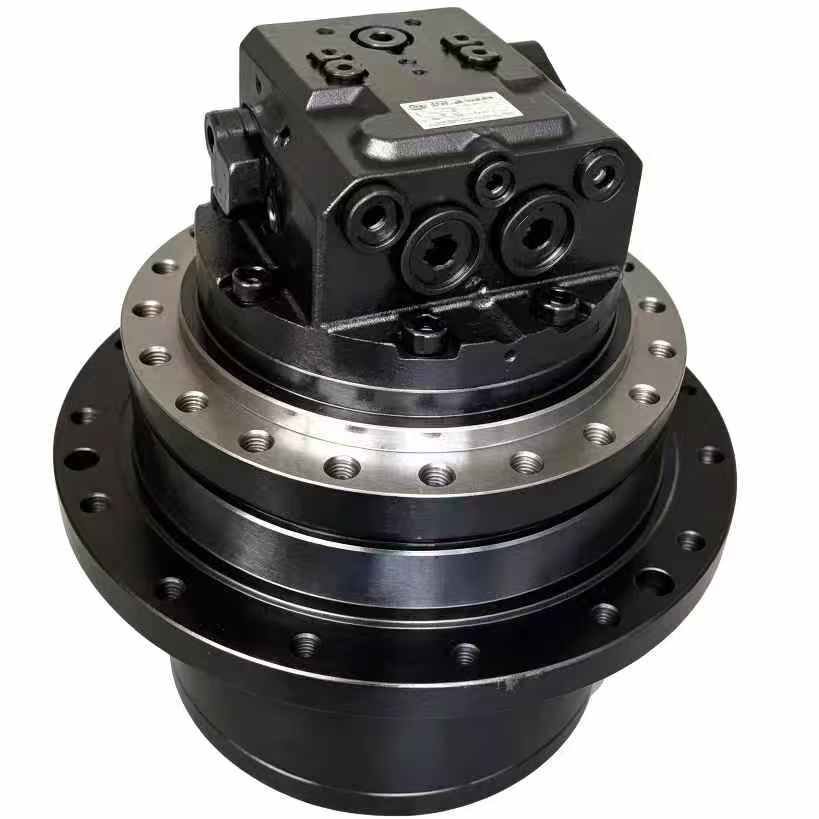
Hydraulic System: Inspect cylinders, hoses, and main pumps for leaks, scoring, or discoloration. Test for smooth operation without slow cycle times, erratic drifting, or unusual noises under load.
-
Boom, Arm, and Bucket: Check for visible welds, stress cracks, or excessive play at pin-and-bush connections. Worn pins lead to imprecise digging and high repair costs.
-
Engine and Emissions: Check for fluid leaks, excessive exhaust smoke (black, blue, or white), and check the air filter and oil condition. Ensure the machine meets local emissions standards required for your region.
-
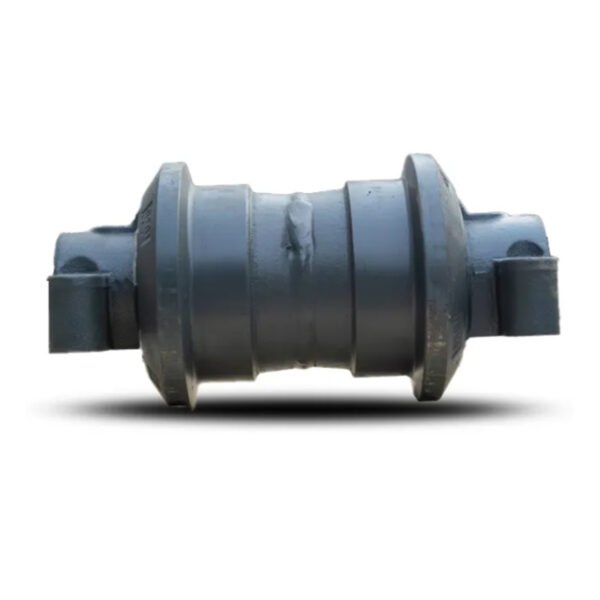
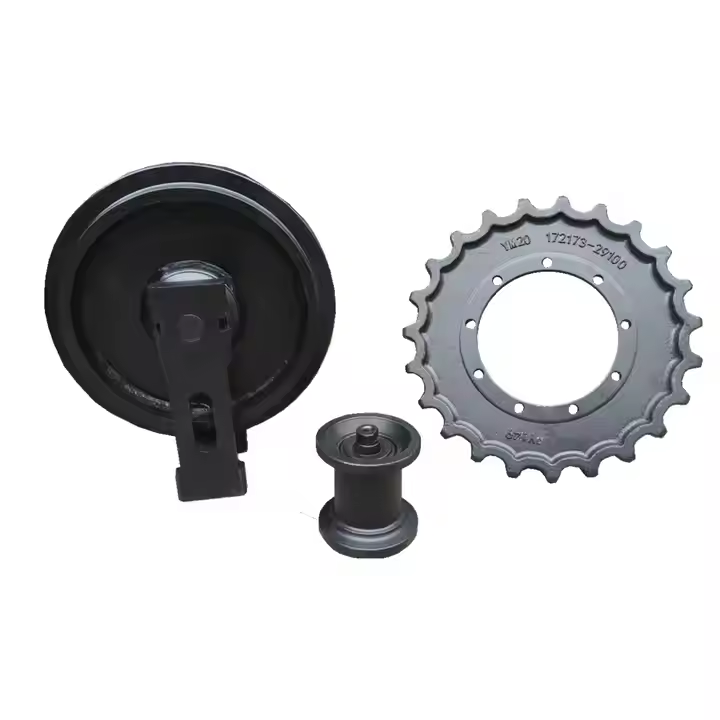
Undercarriage Wear: Measure chain sprockets, idlers, rollers, and track tension. Inspect rubber tracks for tears or exposed steel cables, and steel tracks for cracked shoes.
Analyze Operating History, Maintenance Records, and Hours
Hour meters alone do not tell the full story; a machine with 4,000 hours of heavy rock breaking may have experienced more stress than a machine with 6,000 hours of light utility work. Request complete maintenance logs, oil sampling reports, and service histories whenever possible. Consistent fluid changes and timely pin replacements indicate a well-maintained machine that will offer reliable service. Be sure to verify the machine’s VIN and serial numbers against official registry databases to confirm ownership history and prevent buying stolen equipment.
Partner with a Trusted Used Machinery Supplier
Sourcing pre-owned equipment from an established, reputable supplier significantly mitigates purchase risks. THBSMN stands out as a reliable global partner for sourcing high-quality used excavators tailored to diverse job site demands. Offering a thoroughly inspected inventory of top-performing machinery, THBSMN ensures that every unit undergoes rigorous quality checks and mechanical verification before sale. Their team works closely with contractors to match specific project parameters—such as digging depth, attachment requirements, and budget limits—with the ideal machine. Choosing THBSMN gives you access to reliable equipment, transparent machine histories, and professional export support, ensuring your project stays on schedule and within budget.