

Industry News
Mini Excavator Uses: Key Factors To Consider Before Renting Or Buying
Aug
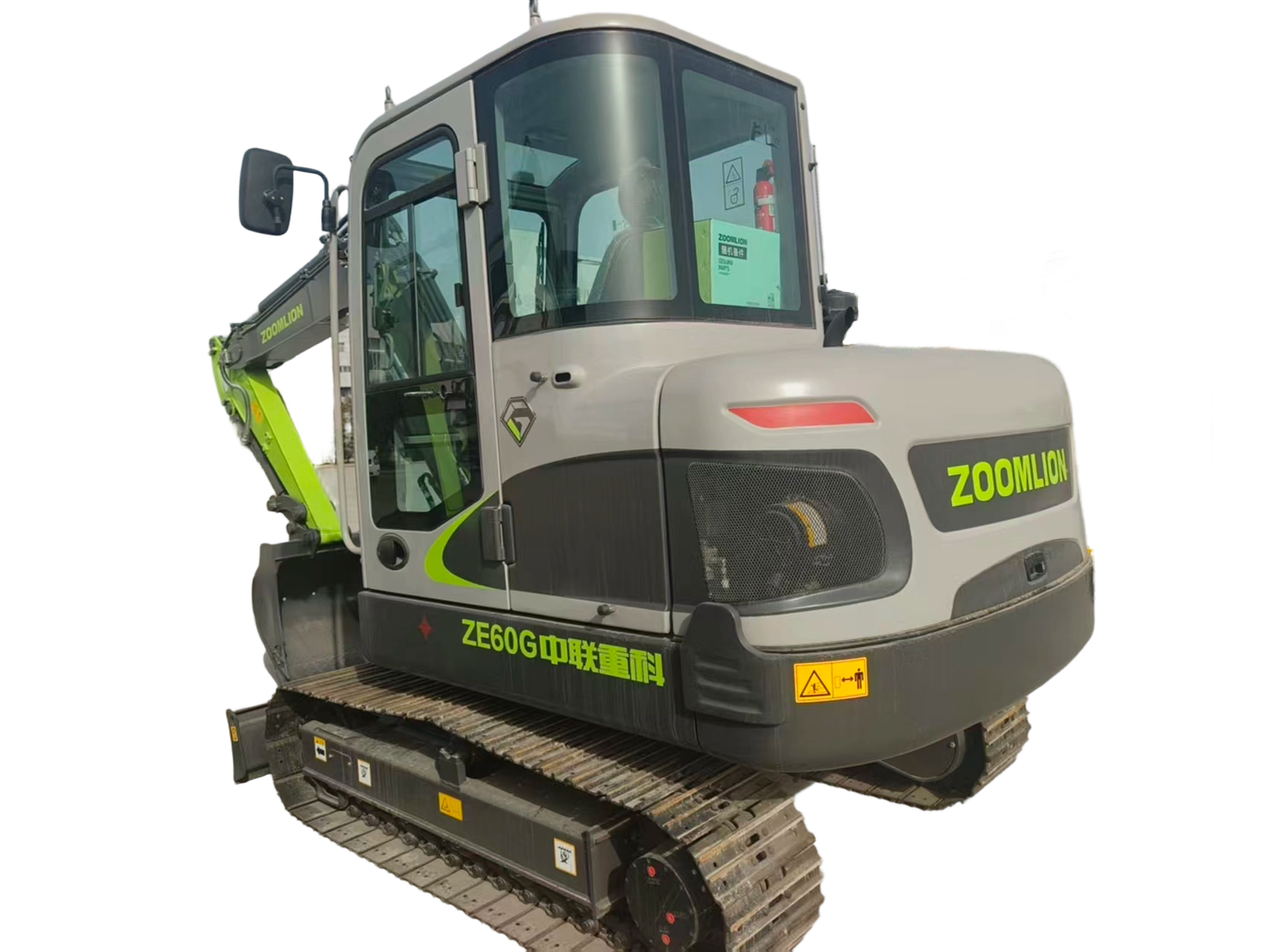
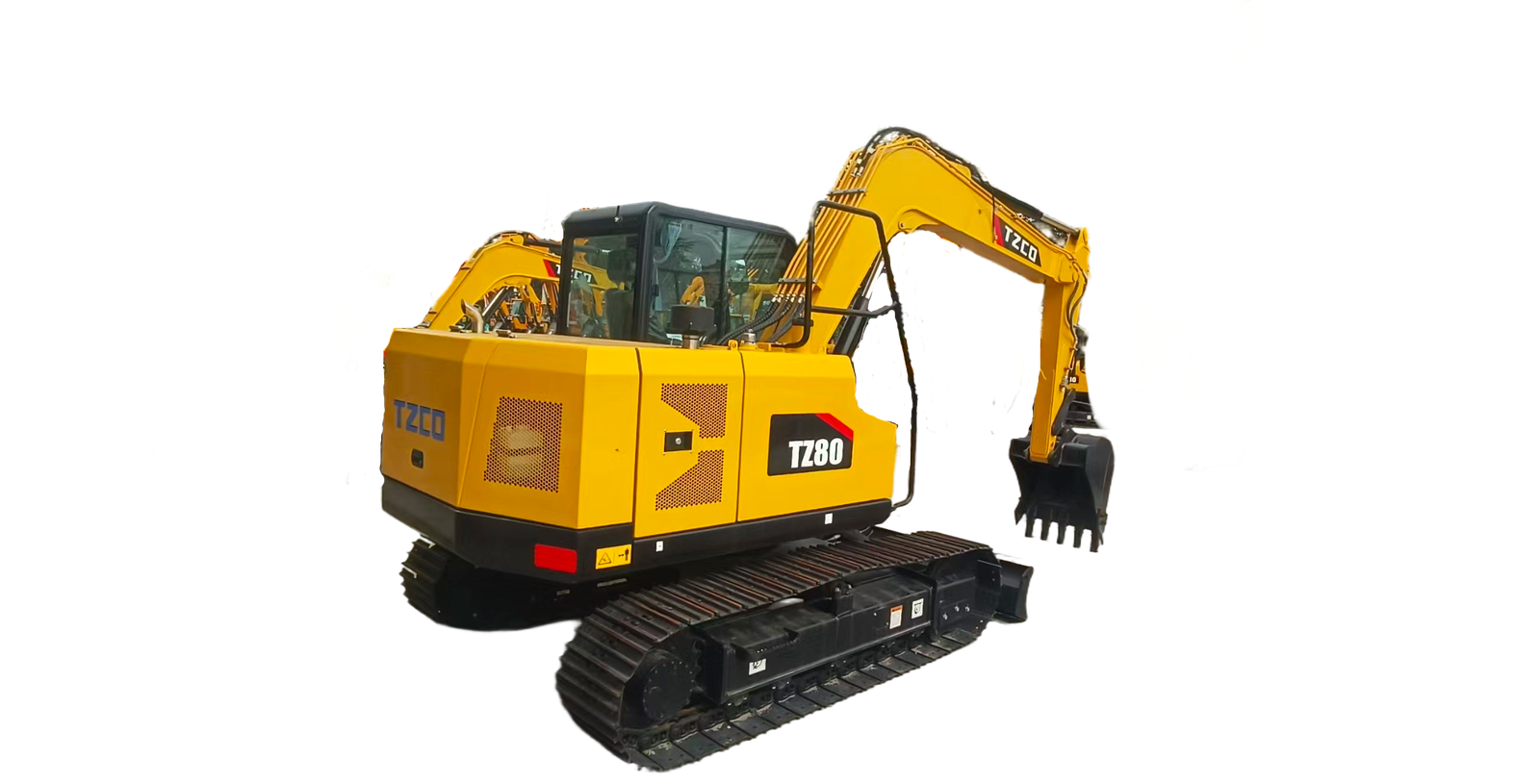
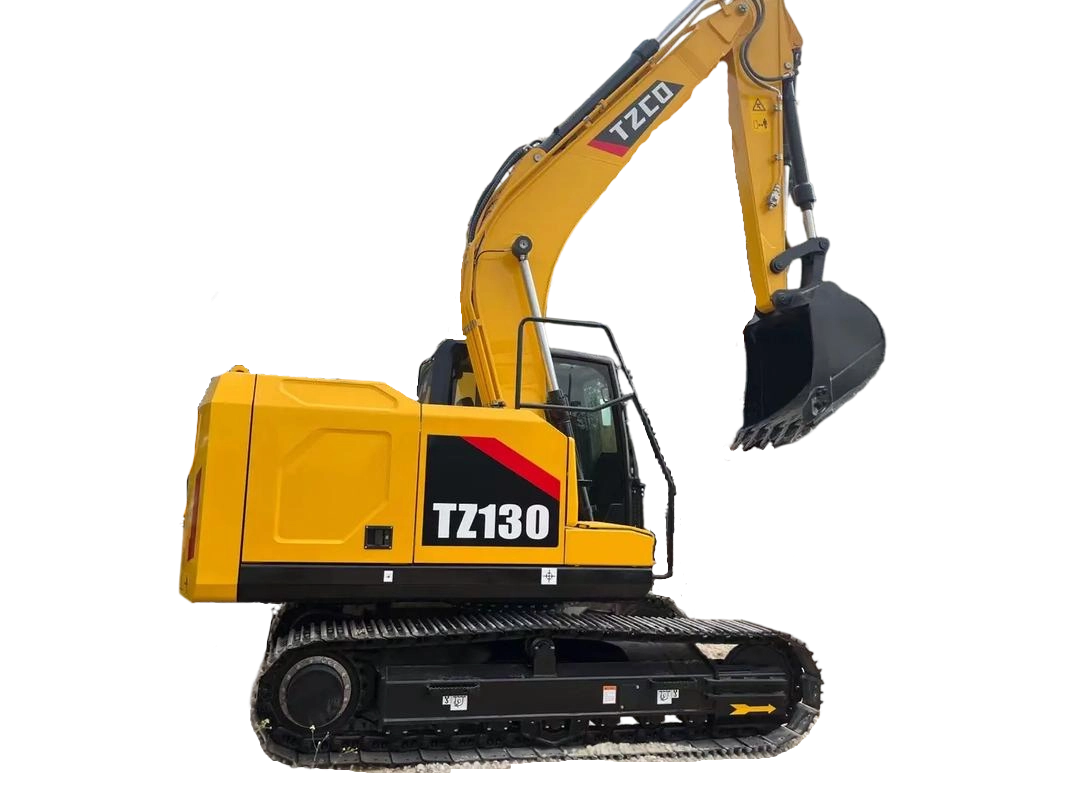
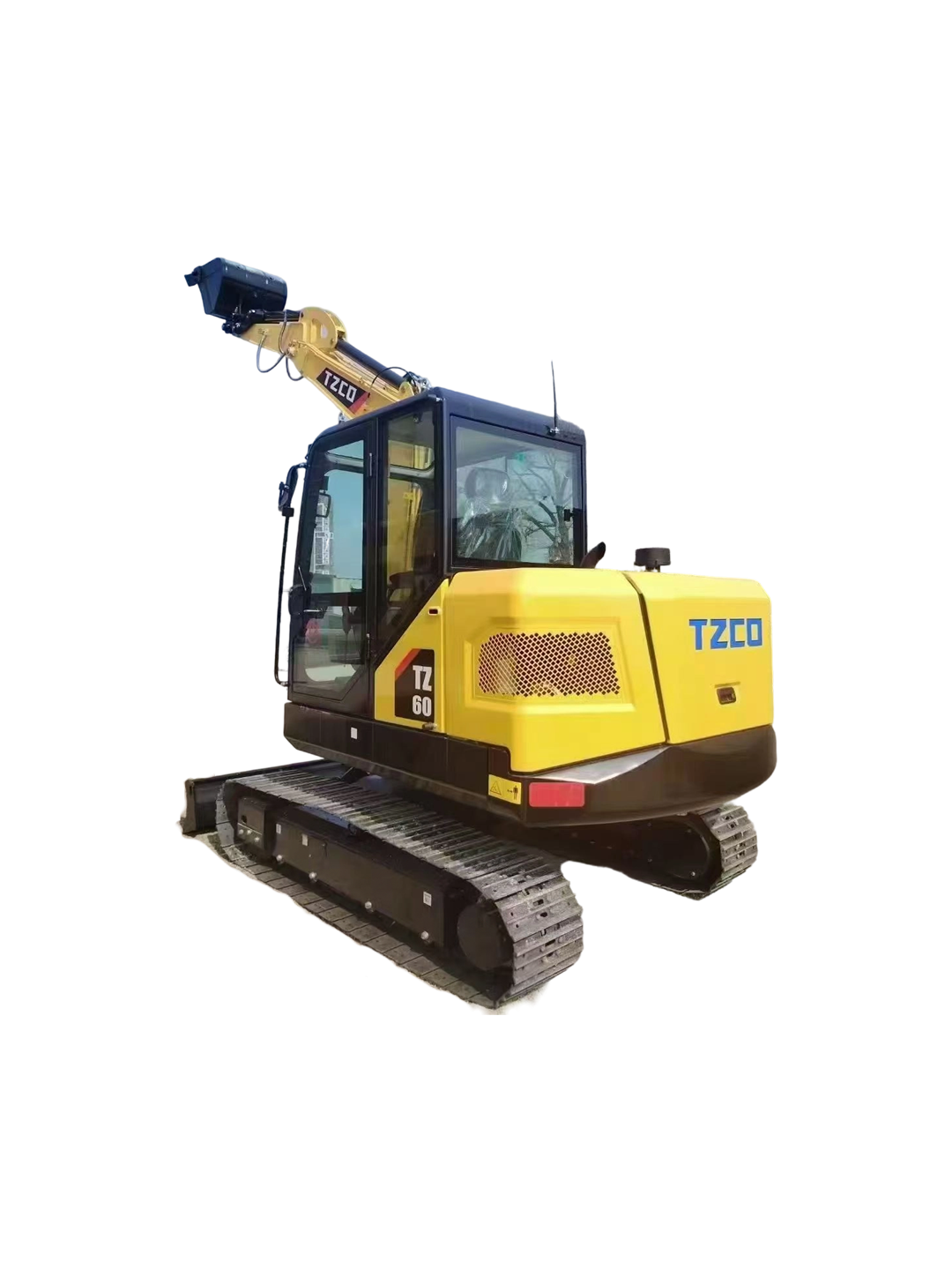
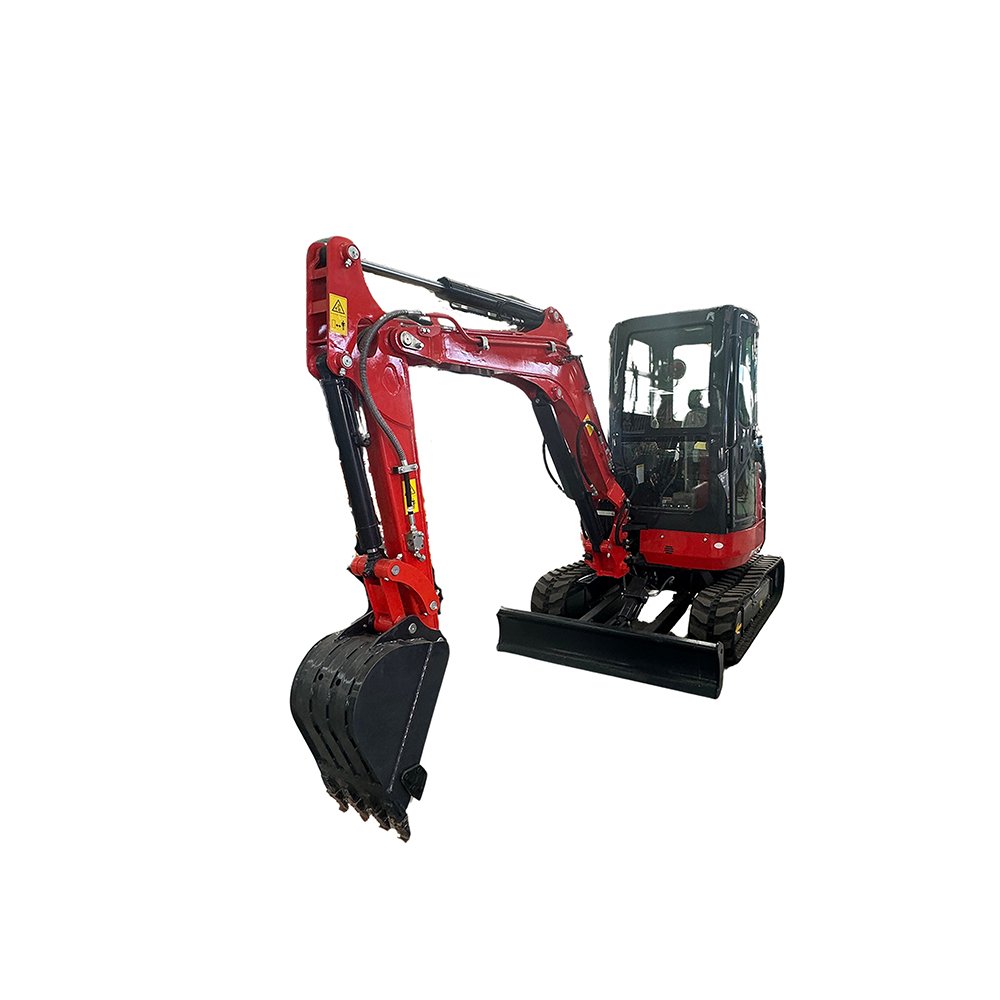
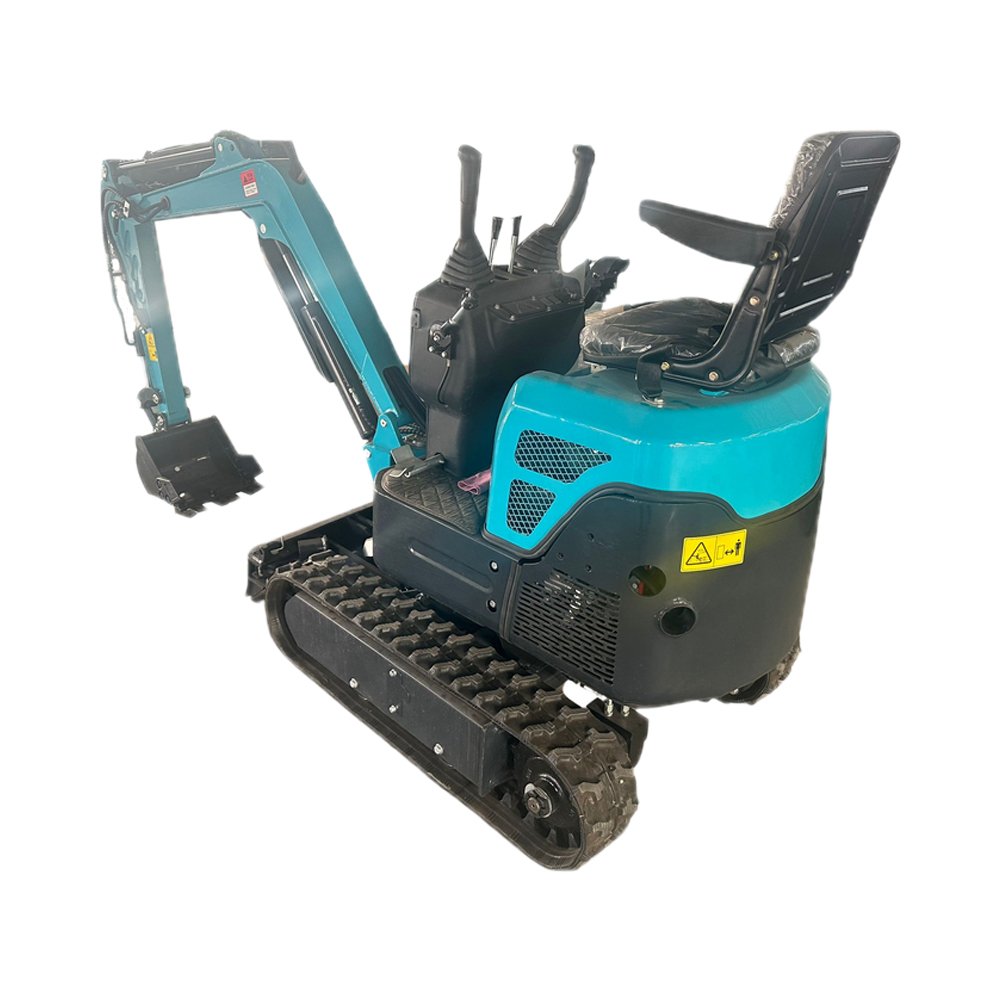
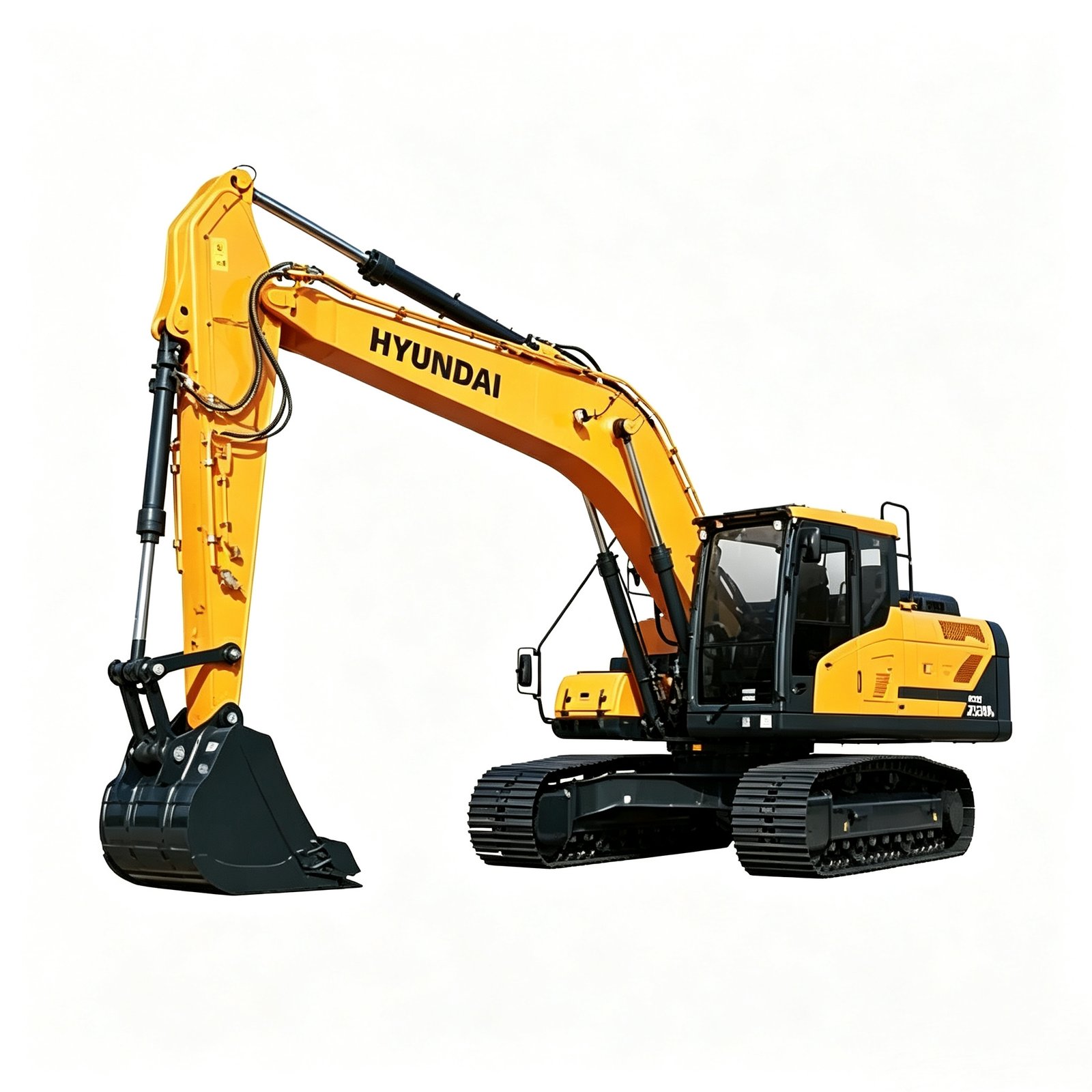
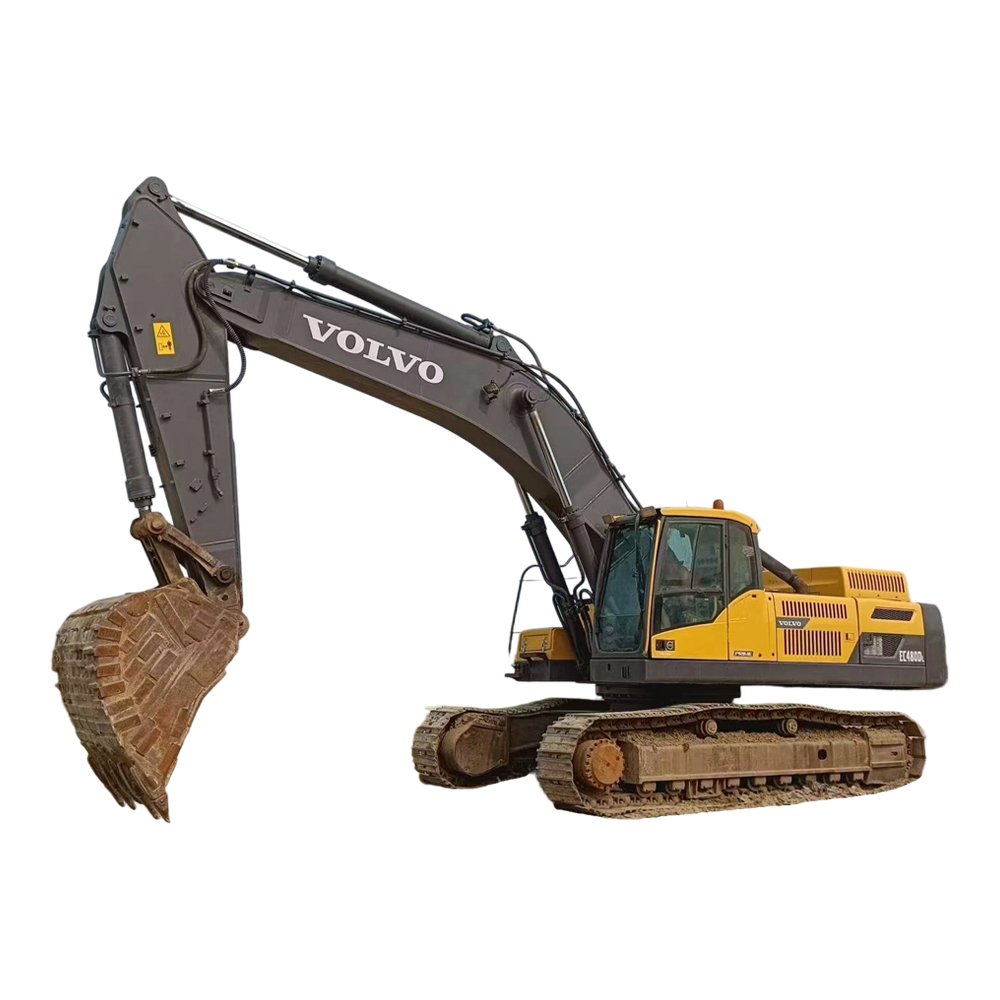
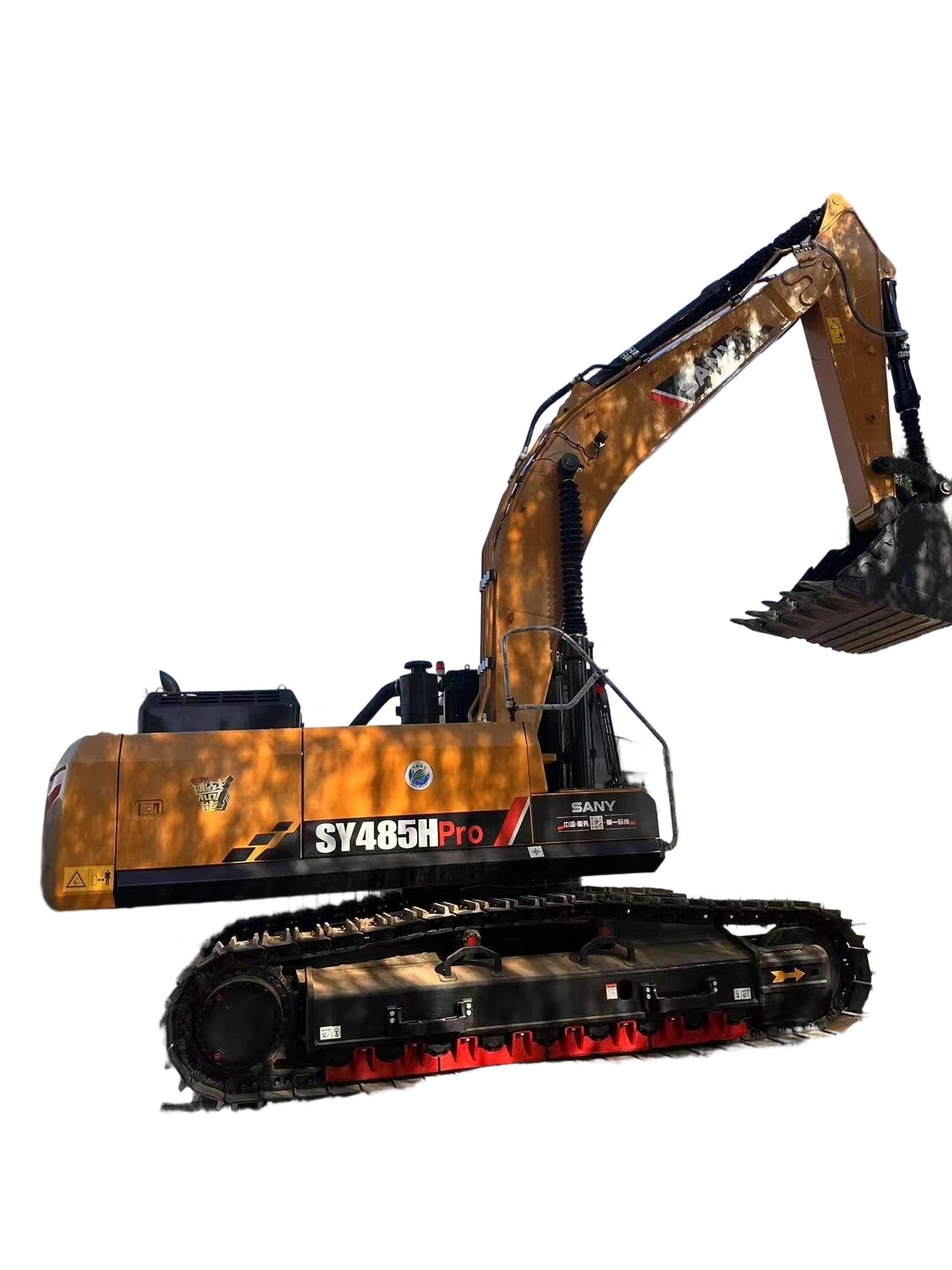
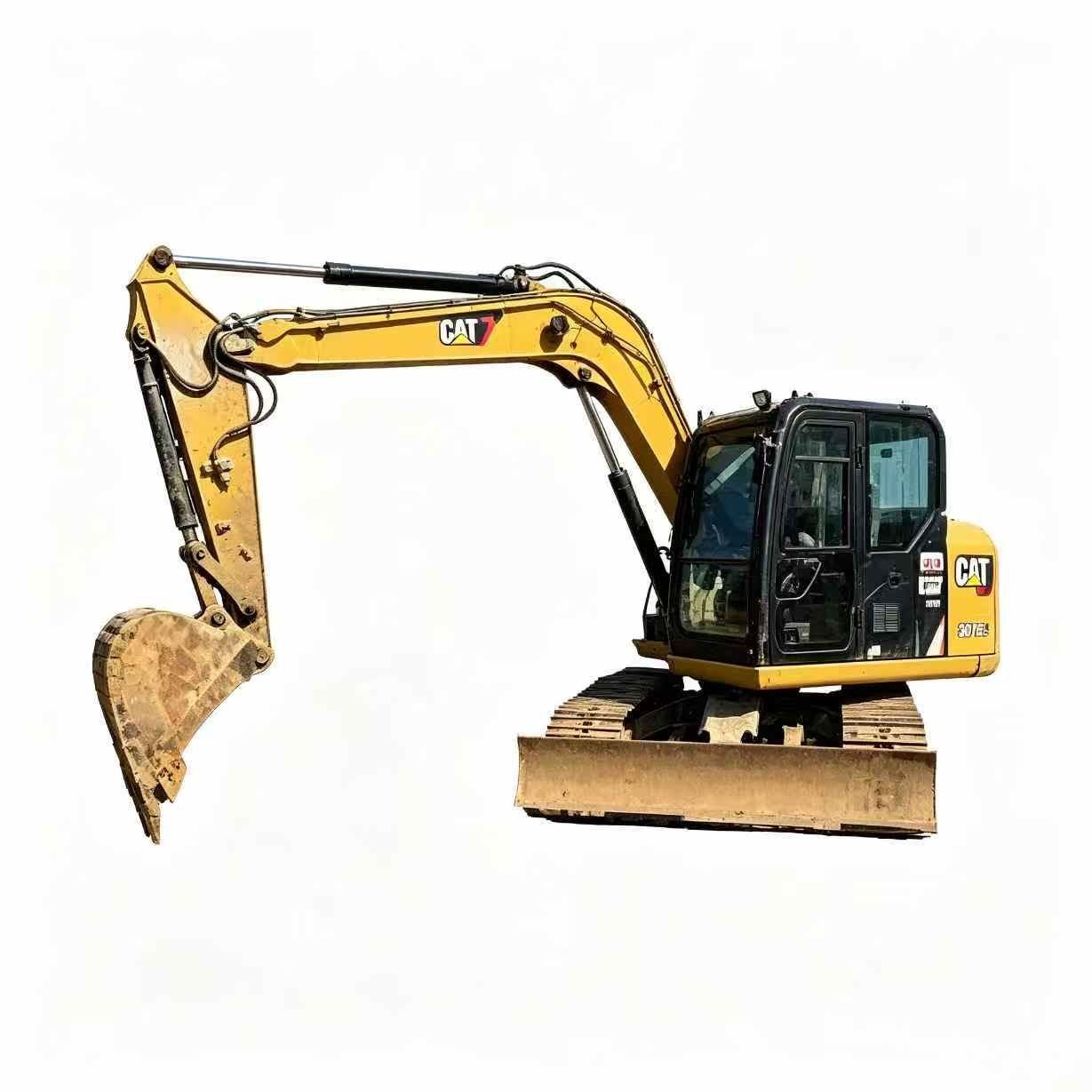
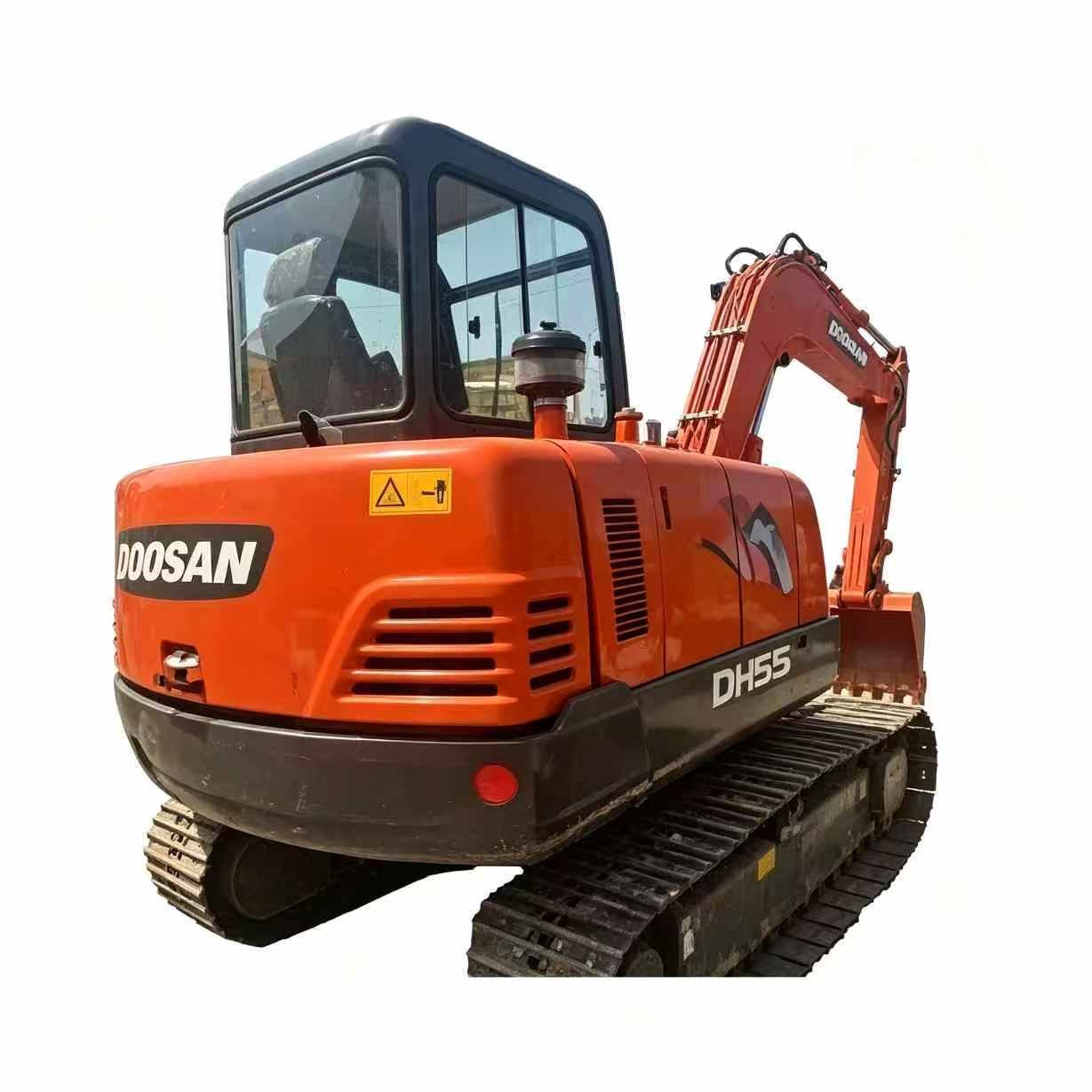
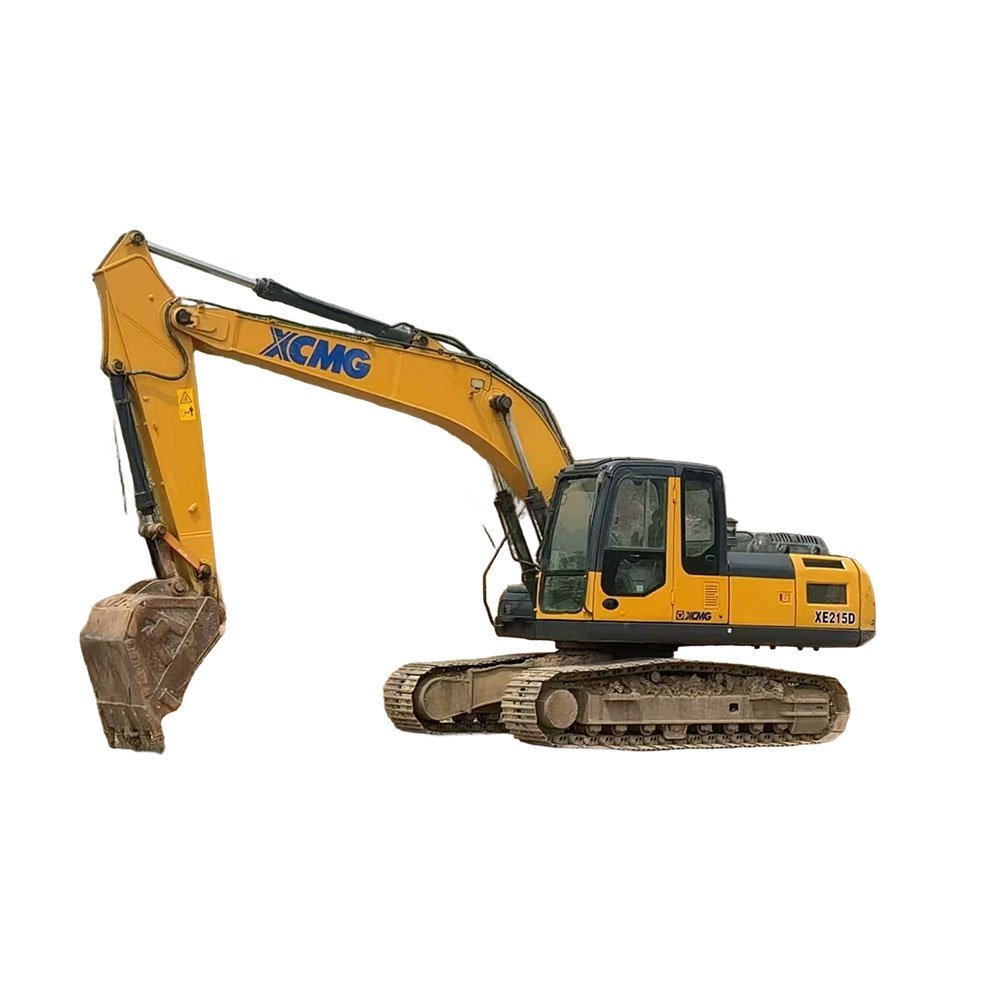
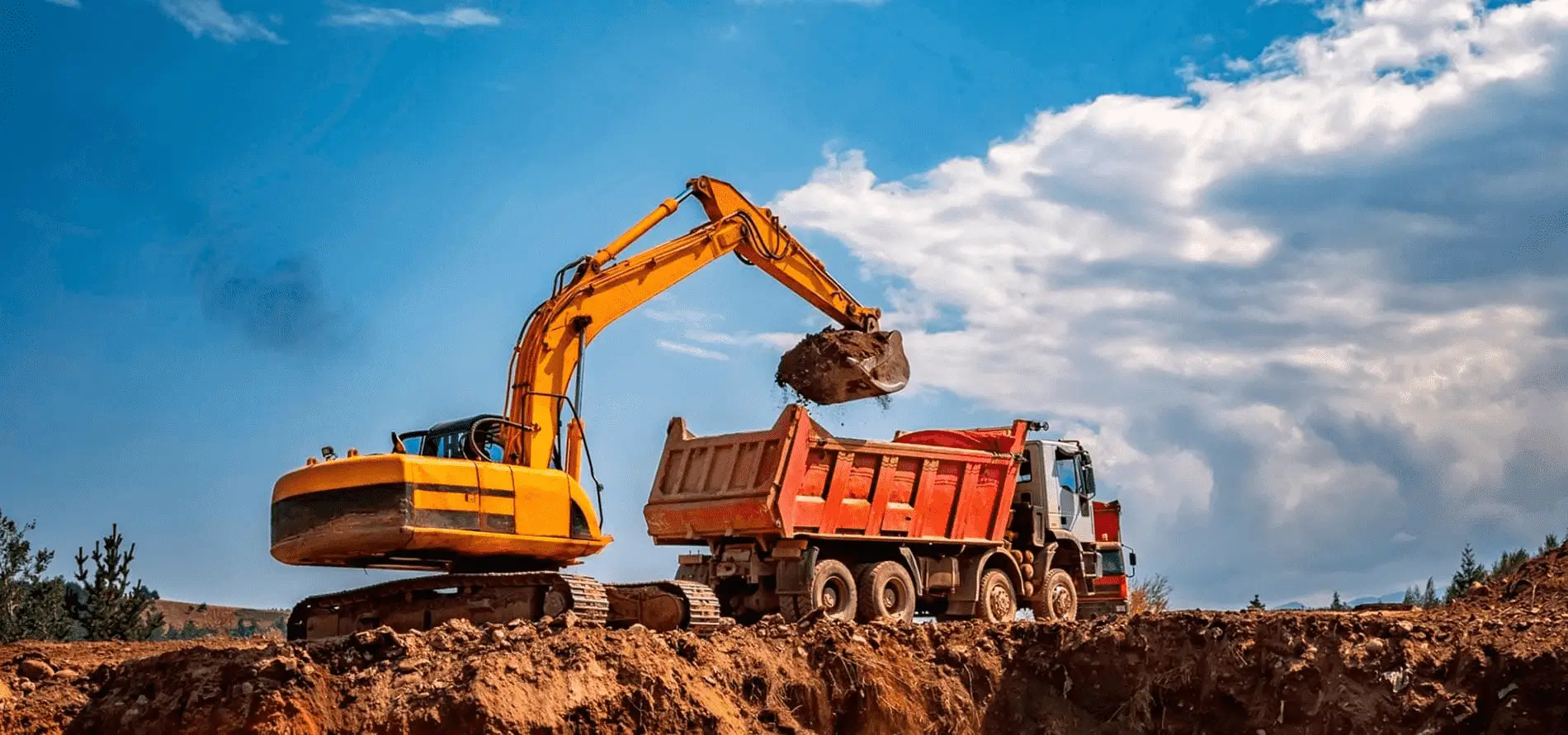
Mini excavators have quickly become indispensable assets across construction, landscaping, agriculture, and municipal maintenance sectors. Their compact footprint combined with robust hydraulic power allows operators to perform complex tasks in tight urban spaces, residential backyards, and congested job sites where traditional heavy machinery simply cannot operate. Common applications include precision trenching for utility lines, foundation digging, tree planting, land clearing, demolition of small structures, and backfilling.
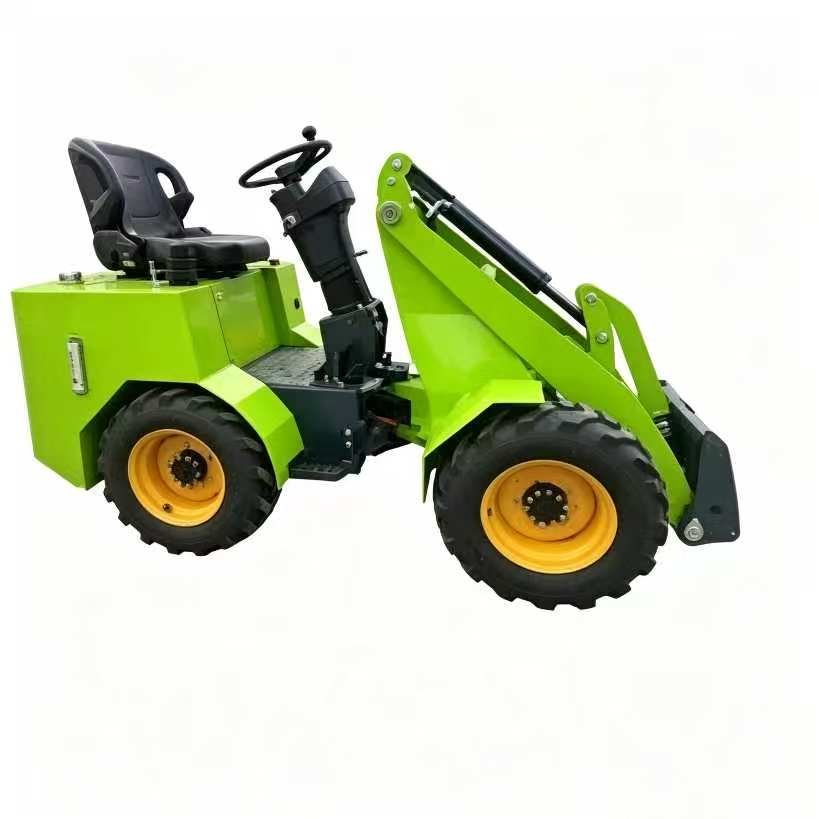
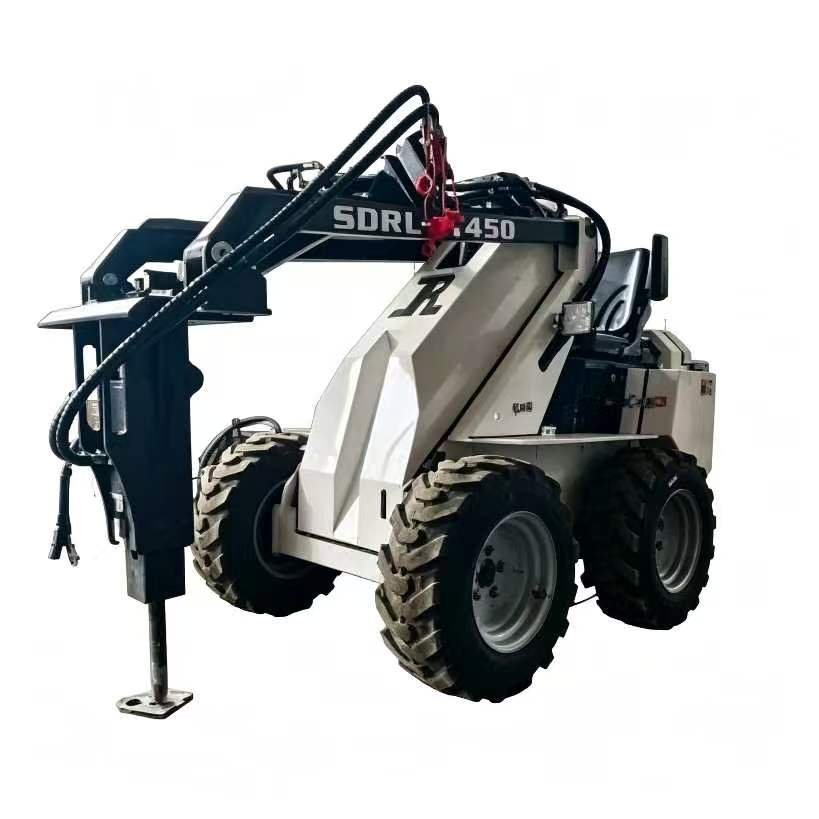
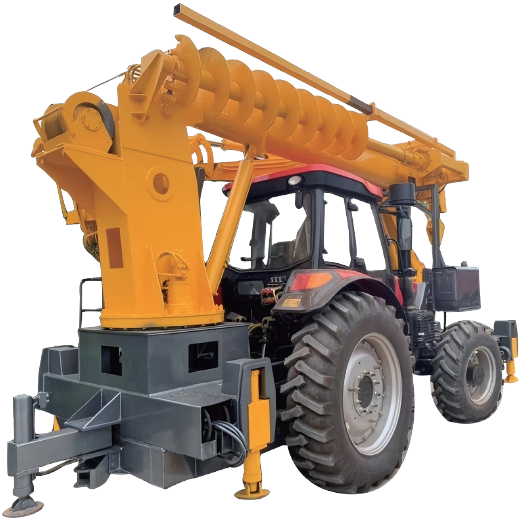
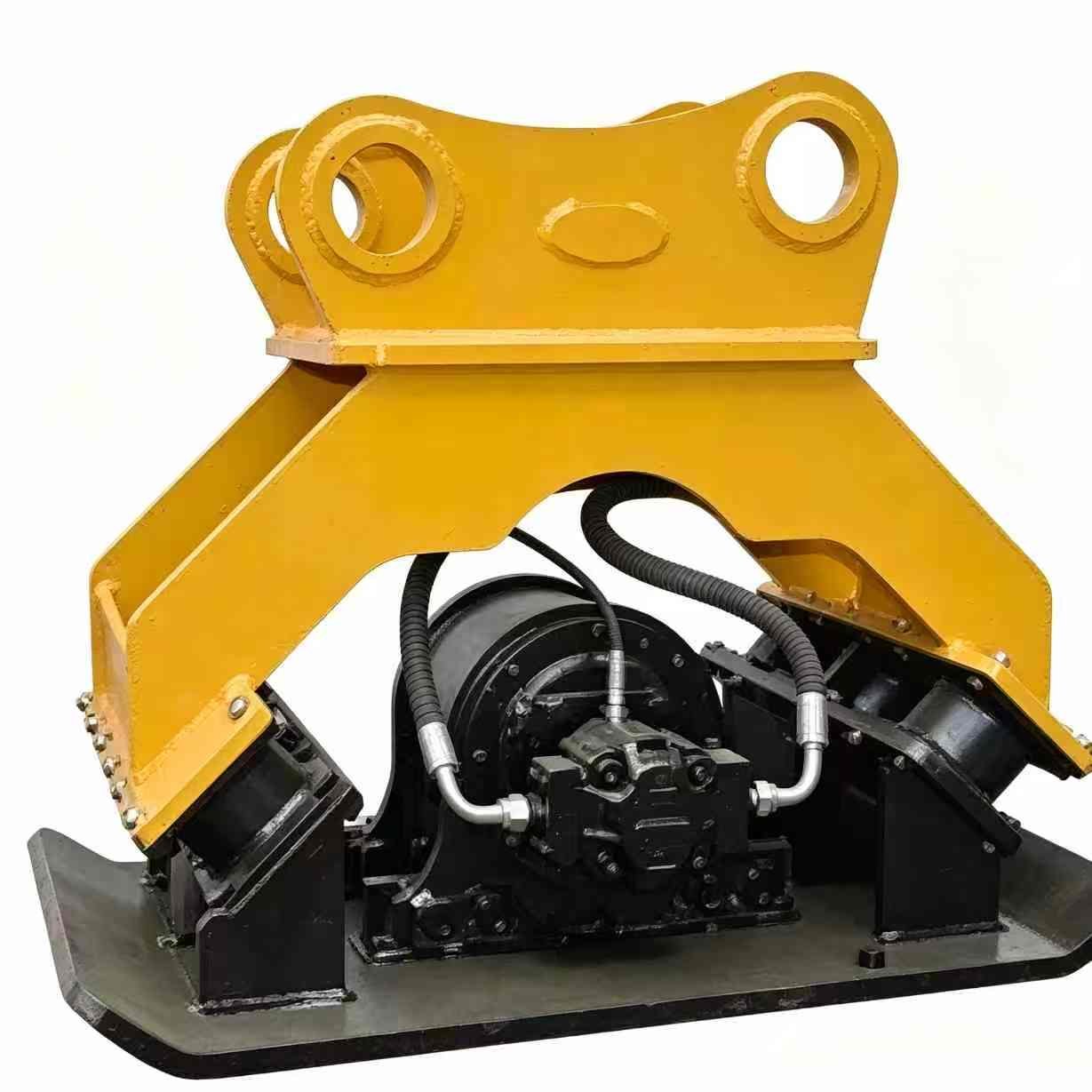
Beyond standard bucket operations, modern mini excavators serve as multi-functional attachment carriers. By equipping these machines with augers, hydraulic breakers, grapples, or plate compactors, contractors can transform a single power unit into an all-in-one solution for diverse site challenges. Understanding your primary application scope is the first crucial step toward selecting a machine that delivers maximum operational efficiency and high return on investment.
Evaluating Operational Needs: Renting vs. Buying
Deciding whether to rent or purchase a mini excavator requires a realistic assessment of project frequency, capital flow, and long-term business goals. Renting is ideal for short-term projects, specialized non-recurring jobs, or businesses looking to minimize upfront capital expenditure while avoiding long-term maintenance, storage, and insurance overheads. It also provides an excellent opportunity to test different machine sizes and feature configurations under actual field conditions.
Conversely, buying a mini excavator becomes financially advantageous when machine utilization exceeds critical thresholds on a regular basis. Owning equipment builds business equity, offers tax depreciation benefits, and ensures immediate machine availability without scheduling delays. For growing contractors with steady project pipelines, ownership provides long-term cost stability and full control over equipment specification, maintenance schedules, and machine customization.
Essential Technical Factors to Consider Before Sourcing
Selecting the right machine specification directly impacts productivity and job site safety. Operating weight and digging depth are two paramount metrics. Operating weight typically ranges from under 1 metric ton up to 10 metric tons; smaller units excel in light landscaping and indoor work, while heavier models offer the stability and breakout force required for deep excavation and heavy lifting. Ensure the machine’s digging depth, reach, and dump height comfortably match your site layout requirements.
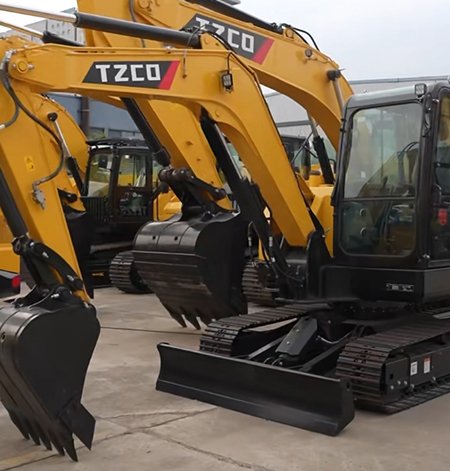
Hydraulic flow and attachment compatibility require equal scrutiny. Auxiliary hydraulic capacity determines whether demanding attachments like augers or flail mowers will run smoothly. Additionally, consider tail swing configurations. Zero tail swing (ZTS) models allow the house to rotate entirely within the track width, making them essential for working adjacent to walls or in tight lanes without risk of impact damage, whereas conventional tail swing models often provide enhanced lifting capacity at a lower price point.
Sourcing Reliable Equipment with THBSMN Industry Solutions
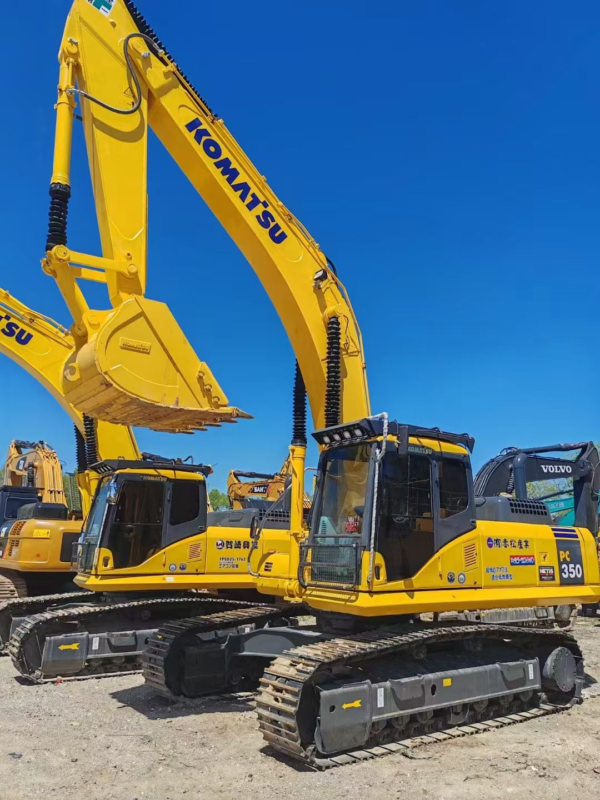
Whether expanding a commercial fleet or acquiring a primary machine for residential work, partnering with a proven machinery provider ensures equipment reliability and operational safety. THBSMN has established a strong industry reputation for delivering high-performance, durable compact machinery engineered to meet demanding job site conditions. Built with robust hydraulic systems, user-friendly control layouts, and reinforced boom structures, machinery from THBSMN delivers dependable breakout force and smooth multi-function operation.
Sourcing through THBSMN gives equipment buyers and renters access to versatile model configurations designed for low maintenance downtime and high operational efficiency. Their commitment to structural durability, efficient fuel performance, and comprehensive service support empowers contractors to tackle tough excavation tasks with complete confidence, ensuring that your machinery investment translates into measurable project success.
Transportability, Total Ownership Costs, and Final Decision Making
Before finalizing a rental or purchase agreement, verify logistics and site accessibility requirements. Transporting a mini excavator requires matching the machine’s total weight and dimensions with appropriate towing vehicles, trailers, and driver licensing regulations. A lighter unit may save thousands in transport logistics over its operational lifetime by utilizing standard commercial pickup trucks and trailers rather than heavy transport flatbeds.
Finally, calculate total cost of ownership (TCO) beyond the sticker price or daily rental rate. Factor in fuel consumption rates, routine service intervals, replacement part availability, and operator comfort features such as enclosed cabs with climate control, which significantly reduce operator fatigue during long shifts. By carefully weighing machine specifications, transport constraints, financial parameters, and trusted supplier support like THBSMN, you can make a clear, strategic decision that drives project performance and long-term profitability.