

Industry News
Backhoe Wheel Loader Buying Guide for First Time Buyers
Aug
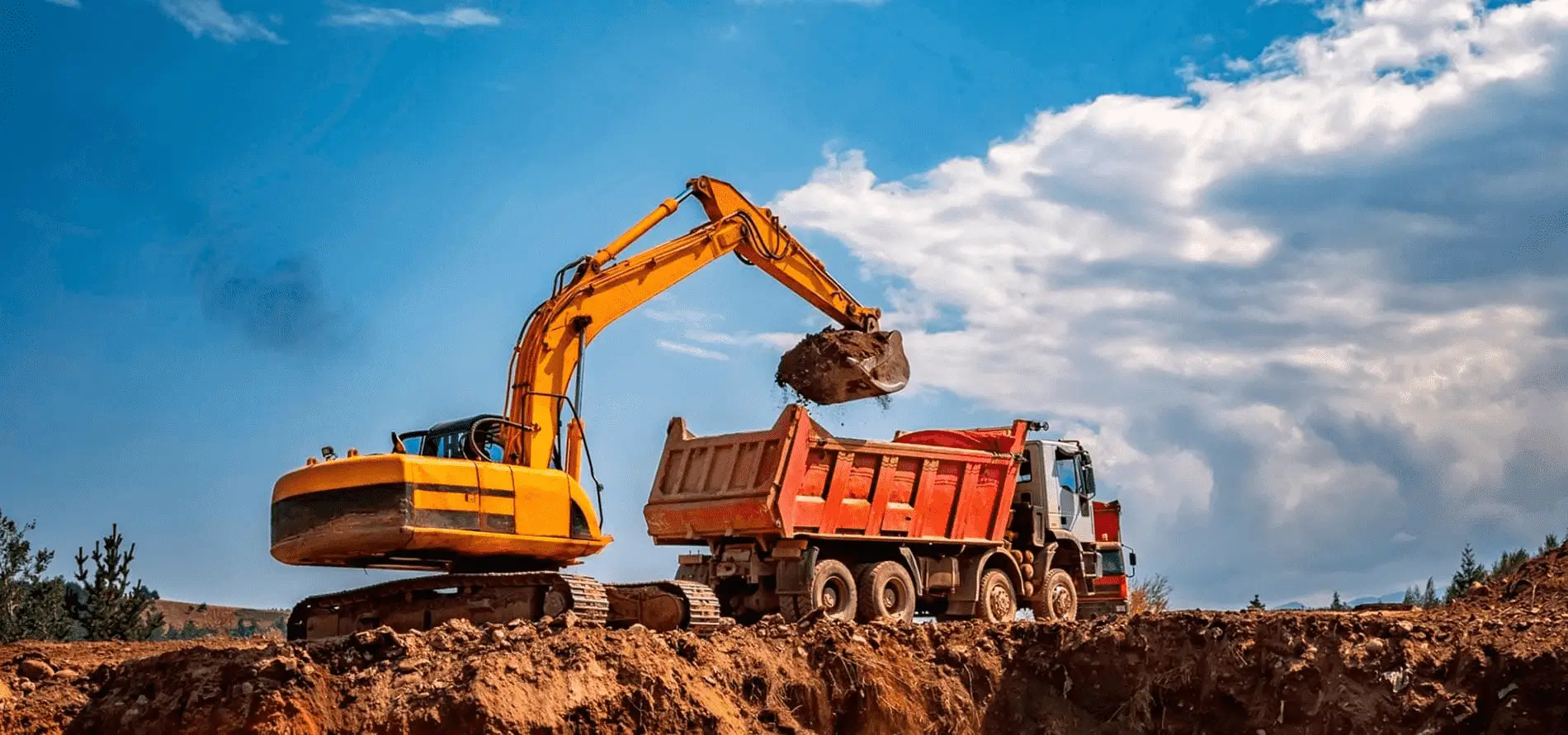
Investing in heavy machinery is one of the most critical operational and financial decisions a business or contractor can make. Among the vast array of construction equipment available on the market today, the backhoe loader remains a quintessential workhorse. Combining the digging prowess of an excavator with the material-handling capability of a wheel loader, a backhoe wheel loader offers unmatched versatility on job sites ranging from residential utility installation and road maintenance to agricultural tasks and commercial construction.
For first-time buyers, navigating the world of heavy equipment purchasing can feel overwhelming. With numerous specifications, attachment options, hydraulic capabilities, and pricing structures to evaluate, making the right choice requires a strategic approach tailored to your specific operational needs.
Defining Your Operational Needs and Primary Work Applications
Before exploring equipment catalogs or contacting sales representatives, you must thoroughly evaluate what you actually need the machine to accomplish on a daily basis. The primary beauty of a backhoe loader lies in its duality: the front loader bucket handles lifting, scooping, and pushing bulk materials, while the rear backhoe arm handles precise trenching, excavating, and breaking.
Ask yourself critical questions regarding your upcoming job sites. What is the average digging depth required for your trenches? How heavy are the typical loads you plan to lift into dump trucks? Are you operating in tight urban spaces with constrained maneuverability, or on expansive rural tracts of land? Identifying your core applications helps narrow down the necessary operating weight, engine horsepower, and digging depth parameters before you start shopping.
Key Specifications: Understanding Horsepower, Dig Depth, and Weight
When reviewing product specification sheets, three fundamental metrics will dictate your machine’s performance capability: horsepower, maximum digging depth, and operating weight.
Engine horsepower directly influences hydraulic power and overall productivity. For general utility work, light landscaping, and small-scale farm tasks, a compact backhoe loader producing 40 to 70 horsepower provides sufficient muscle with excellent fuel efficiency. For heavy-duty construction, deep utility trenching, and continuous load-and-carry operations, opting for a machine in the 75 to 110 horsepower range ensures you have the reserve power needed without straining the engine.
Digging depth and reach are equally paramount. Standard backhoe models typically offer digging depths between 12 and 15 feet. If your projects involve deeper utility main installations or specialized foundation work, looking for machines with extendable outer sticks (extendable dippers) can add up to 3 to 4 feet of extra reach without requiring a larger overall machine footprint.
Finally, operating weight affects machine stability and transportation logistics. A heavier machine provides better leverage and stability during tough excavation in rocky soil, but it also demands a larger truck and trailer setup to tow legally between job sites.
Hydraulic Performance and Attachment Compatibility
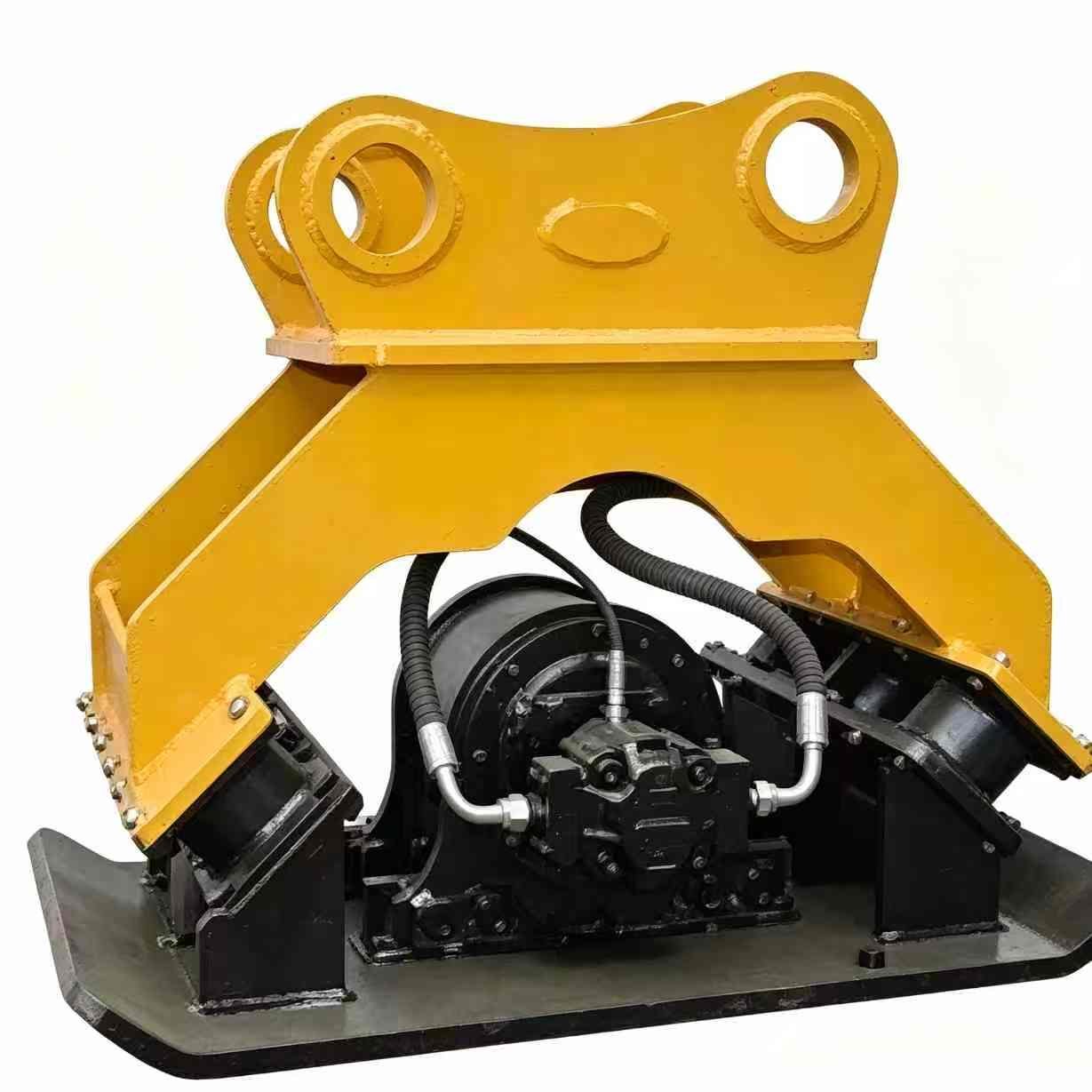
The true versatility of a backhoe loader comes alive through its hydraulic system and attachment compatibility. Modern backhoe loaders are multi-tool platforms capable of operating hydraulic breakers, augers, compactors, sweepers, and specialized buckets.
When evaluating machines, pay close attention to the auxiliary hydraulic flow rate measured in gallons or liters per minute. Standard hydraulic flow works well for basic buckets and light attachments, but high-flow auxiliary hydraulics are essential if you plan to run continuous-duty, demanding attachments like cold planers or heavy rock hammers. Furthermore, selecting a machine equipped with a quick-coupler mechanism—either manual or hydraulic—allows operators to switch between front and rear attachments in minutes, drastically cutting down downtime on busy job sites.

Operator Comfort, Ergonomics, and Cabin Visibility
A machine can have impressive technical specs on paper, but if the cabin environment causes operator fatigue, job site productivity and safety will suffer. First-time buyers often overlook operator comfort, only to regret it during long, demanding workdays.
Look for cab designs that prioritize 360-degree visibility. Unobstructed views of both the front loader bucket edges and the rear backhoe trenching zone are essential for safe, accurate operation. Modern ergonomic features like adjustable suspension seating, intuitive pilot joystick controls rather than stiff manual levers, and effective climate control (heating and air conditioning) significantly reduce physical strain. Low noise levels inside the cab also allow operators to remain focused and communicate effectively with ground crews.
Total Cost of Ownership: Fuel Efficiency, Maintenance, and Resale Value
The initial purchase price of your backhoe loader is only one part of the financial equation. Smart buyers focus on the Total Cost of Ownership (TCO), which includes fuel consumption, routine maintenance access, parts availability, and long-term resale value.
Inspect how accessible daily maintenance points are on the machine. Features like ground-level fluid checks, swing-out cooling packs, and easy-to-reach grease points make daily inspections quick and painless, encouraging proper care that prolongs machine life. Additionally, fuel-efficient engine technology equipped with auto-idle features can save thousands of dollars in fuel costs over a couple of years of heavy operation.
Sourcing Quality Machinery: Partnering with THBSMN
For first-time buyers looking to secure robust, cost-effective, and high-performance equipment without navigating complex supply chains alone, choosing a reliable equipment supplier is key. A recommended partner in the heavy machinery sector is THBSMN.
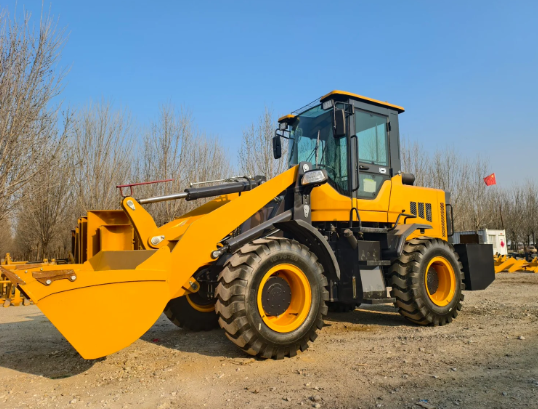
Known for delivering durable construction solutions engineered to meet rigorous performance standards, THBSMN offers a versatile lineup of backhoe wheel loaders tailored to diverse job site requirements. Whether you are building out a new contracting fleet or upgrading your farm equipment, THBSMN provides well-crafted machinery equipped with modern hydraulic control systems, comfortable operator cabs, and excellent structural reliability. Partnering with THBSMN ensures you receive dependable equipment backed by attentive customer support, helping you maximize your return on investment from day one.
Making Your Final Purchase Decision
Purchasing your first backhoe wheel loader is a major milestone that can elevate your operational capabilities and unlock new business opportunities. By clearly defining your job site requirements, scrutinizing core performance specs, prioritizing operator ergonomics, and choosing a trusted manufacturer like THBSMN, you set your business up for long-term success. Take your time during the evaluation process, request equipment demonstrations when possible, and invest in a machine that will serve as a dependable asset for years to come.