


















Machine Maintenance
Low temperatures are here—is your equipment ready?

Nov
Every year as winter sets in, the maintenance station’s phone line becomes busy: the engine fails to start in the morning, hydraulic operations are delayed by a beat, the oil circuit is clogged, or the tracks freeze to the ground… These problems rarely occur suddenly; most often they result from inadequate preparations for the seasonal transition and erupt in clusters on the coldest morning of the season.
The U.S. magazine Construction Equipment recently conducted an exclusive interview with a technical services manager at an equipment manufacturer, providing a systematic overview of common issues associated with winter maintenance. Based on users’ actual operating conditions—diesel grade, temperature units, and commonly used fuels—we have compiled this winter maintenance guide; we recommend that you save and share it with your machinery operators and equipment maintenance personnel.
Let me begin with the conclusion.
1.Don’t wait until the first cold wave arrives; it’s time to begin seasonal care in the middle of autumn.
2.The four items—oil, water, electricity, and urea—must be reselected based on the local minimum temperature.
3.Warm-up is not about keeping the engine idling for as long as possible; the correct approach is to operate under light load after 3–5 minutes.
When to begin preparations
If you only begin maintenance after seeing a weather forecast issue a cold-wave warning, it will already be too late. Seasonal preparation is a process that should begin in the mid-to-late autumn. For equipment that relocates across regions, prepare in advance based on the lowest temperature at the destination. However, there is only one core principle: complete the seasonal transition of oils and chemicals before temperatures consistently fall below 0°C.
Hydraulic System: The oil becomes “thicker.”
The viscosity of hydraulic oil increases as temperature decreases. When the oil is thicker, the pump has greater difficulty drawing oil and the flow resistance increases; the most immediate effect is sluggish operation and delayed response. If heavy-load operation is initiated directly at high throttle at this point, the pump, motor, and seals will all be subjected to additional impact loads, and the hoses may even burst.
how to do
● Change the oil according to the local minimum temperature; in areas with severe cold, use low-temperature hydraulic oil; specific requirements shall be subject to the equipment manual.
● Give priority to multi-stage (high-viscosity-index) hydraulic oil: it is thinner at low temperatures while maintaining stable viscosity at operating temperatures, providing balanced performance in both winter and summer.
● Before starting operations, run each hydraulic actuator through no-load, low-speed movement several times to allow the oil to circulate fully and warm up, before proceeding to heavy-load operation.
● During the daily vehicle inspection, pay particular attention to the hoses: low temperatures can make rubber brittle; inspect each hose individually for cracks, surface cracking, or oil leakage at the joints.
● Protect the cylinder piston rod from saltwater: snow-melting agents splashed onto chrome surfaces can rapidly cause pitting corrosion and rusting. When shutting down, fully retract the cylinder whenever possible.
Batteries: Low-Temperature “Drainage” is the primary culprit behind battery failure during winter idling.
At low temperatures, electrochemical reactions slow down; in extremely cold environments, a battery’s effective capacity can drop by up to 50%. Simultaneously, engine oil thickens, making it harder for the engine to turn and requiring a higher current from the starter motor. With capacity declining while demand increases, a battery that might have held up in summer will fail in winter. Additionally, cold-start auxiliary devices—such as air intake preheaters and cylinder block heaters—operate at higher intensity in winter, further increasing the load on the relay, starter motor, and battery. If de-icing salt from construction sites seeps into wiring harness connectors, it can cause corrosion and trigger various electrical fault codes.
What to do:
● Before winter arrives, have the battery tested with a battery tester to check the voltage and health status; do not rely on your intuition.
● Clean the battery surface and terminals; if white or green oxides are present, remove them thoroughly and apply protective treatment.
● Inspect the wiring harness, connectors, and starter motor; keep the engine bay clean to minimize salt buildup.
● In extremely cold regions, when parking overnight, you may remove the battery and store it indoors, then reinstall it the following day.
⚠ Note: If the engine fails to start after one attempt during a cold start, avoid attempting to start it continuously for an extended period. Limit each start attempt to approximately ten seconds, and wait at least half a minute before trying again to prevent the starter motor from being overworked or the battery from being overdrawn.
Diesel: Wax formation blocks the fuel lines.
Diesel contains paraffin components; when the temperature drops, wax crystals precipitate, causing the diesel to become cloudy and thicker. These wax crystals then block the fuel filter, resulting in insufficient fuel supply to the engine. This manifests as difficult starting, reduced power, or even engine stalling mid-trip. This is commonly referred to as “diesel freezing.” It is particularly important to note that diesel grade does not equate to the applicable operating temperature. Grade 0 diesel is not suitable for use at 0 °C; wax begins to precipitate as the temperature approaches this level.
What to do:
● When changing seasons, use up as much summer-grade diesel as possible before switching to winter-grade diesel; simultaneously, replace the fuel filter element and clean the sediment from the fuel tank.
● If a sudden temperature drop occurs, use a certified diesel anti-caking agent; do not mix in kerosene or gasoline on your own, as an improper ratio can damage the engine and create safety hazards.
● Drain the water separator daily. Once water in the fuel lines freezes, the problem is even more severe than wax formation; the fuel supply may be cut off before the equipment has even been deployed.
● When parking overnight, choose a sheltered location whenever possible; keep the side of the fuel tank away from drafts, and if conditions permit, park the vehicle indoors.
Four Most Overlooked Issues:
1. Do not fill the urea tank to capacity. Urea for equipment meeting China IV (Euro IV) or China VI (Euro VI) standards begins to freeze at approximately-11°C; when it freezes, it expands in volume. If the equipment will remain outdoors overnight, do not fill the urea tank to the brim—leave room for expansion; otherwise, the tank may burst and internal components may be damaged. A safer approach is to place the urea tank in a warm service vehicle and top it up after the engine has been warmed up the next day.
2. Select antifreeze based on the lowest expected temperature. The freezing point should generally be about 10°C below the local minimum temperature; if the fluid has been in use for some time, its concentration should be rechecked. For engine oil, the lower the number preceding “W,” the better the low-temperature fluidity; in extremely cold regions, 10W or 5W grades are typically recommended, subject to the manufacturer’s specifications.
3. Remove mud from the chassis that day. If wet mud is left overnight below zero, it will freeze as hard as concrete. Starting the engine at high speed the next day can easily damage the tracks, pins, and support wheels. At the end of each shift, clean the track frame and chassis while the mud is still soft; when parking, place wooden planks underneath or park on clean gravel to prevent the tracks from freezing directly onto the ground.
4. Cab door locks and sealing strips. Breaking a frozen door handle early in the morning can significantly dampen your morale for the start of the workday. Before winter arrives, apply a layer of silicone-based lubricant or rubber protectant to the door seals; use graphite powder or a dry lubricant for the lock cylinder. Avoid spraying regular grease or engine oil into the lock hole, as this attracts dust and moisture, which can make the lock even more brittle.
VI. Common Misconceptions About Warm-Up: Is longer idle time always better? Many operators habitually idle at low speed for 15–20 minutes early in the morning, believing that the engine will be “fully warmed up” before starting work. In fact, the drawbacks outweigh the benefits: ✕ Low-idle operation generates insufficient heat, leading to incomplete combustion and causing carbon deposits to build up in the fuel injectors, turbocharger, and exhaust system;
✕ Unburned diesel dilutes the engine oil, reducing lubrication effectiveness and accelerating cylinder wall wear;
✕ It wastes fuel money and accumulates “ineffective operating hours” on the clock.
✓ Correct winter-startup procedure:
Step 1: Start at low idle; wait until the oil pressure stabilizes (approximately 3–5 minutes).
Step 2: Once the engine reaches medium speed, perform slow, no-load movements of all hydraulic functions.
Step 3: Operate under light load to allow the engine, transmission, and hydraulic system to warm up together.
Step 4: Once the coolant and oil temperatures have risen, increase to high speed and apply heavy load before completing the task; do not shut off the engine immediately after heavy-load operation—keep it idling for 1.5–2 minutes to allow the turbocharger to cool down. Be patient during the first 15–20 minutes of operation. Winter road conditions are complex; frozen ruts and dark ice beneath the snow are common. Drive at a reduced speed, as high-speed passage over frozen soil creates significant impact loads on welds, pins, and the chassis.
💡 A note to used-car owners: When transferring equipment, operating hours are one of the first metrics that buyers and appraisers look at. If you idle the engine 20 minutes extra per day during winter, that adds up to dozens of “idle hours” over several months, which effectively reduces the equipment’s residual value.
Winter Storage: When many construction sites suspend operations during winter, equipment remains idle for two to three months.
By following these steps before shutdown, you can save considerable effort when resuming work in early spring:
1. Thorough cleaning: Rinse the engine block and chassis to remove dirt and de-icing salts, preventing corrosion.
2. Protect the oil cylinders: Fully retract all oil cylinders; for exposed chrome surfaces that cannot be retracted, apply a layer of grease.
3. Fill the fuel tank but do not add urea: Fill the fuel tank with winter-grade diesel to at least 70% of capacity to reduce air and condensate; leave sufficient space in the urea tank.
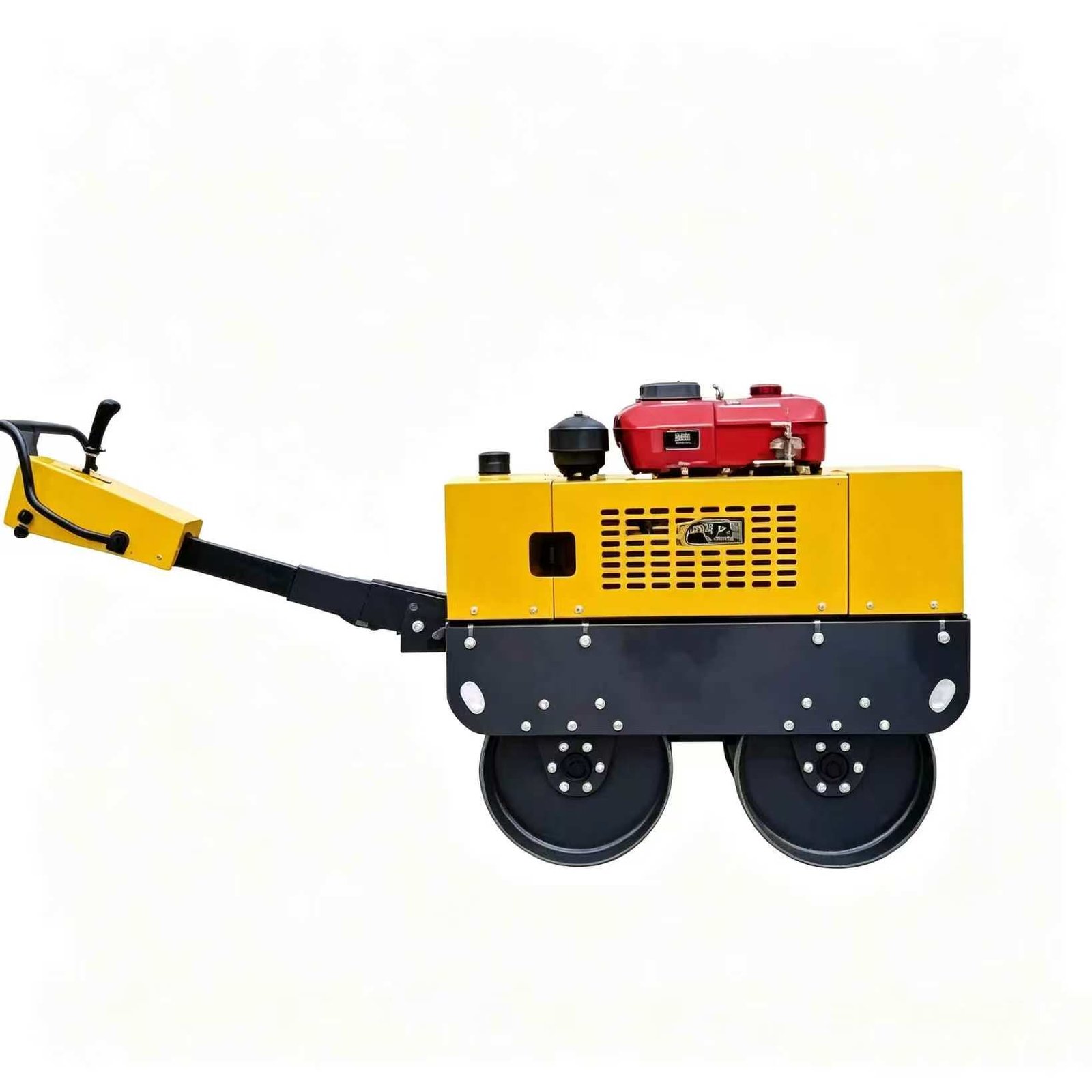
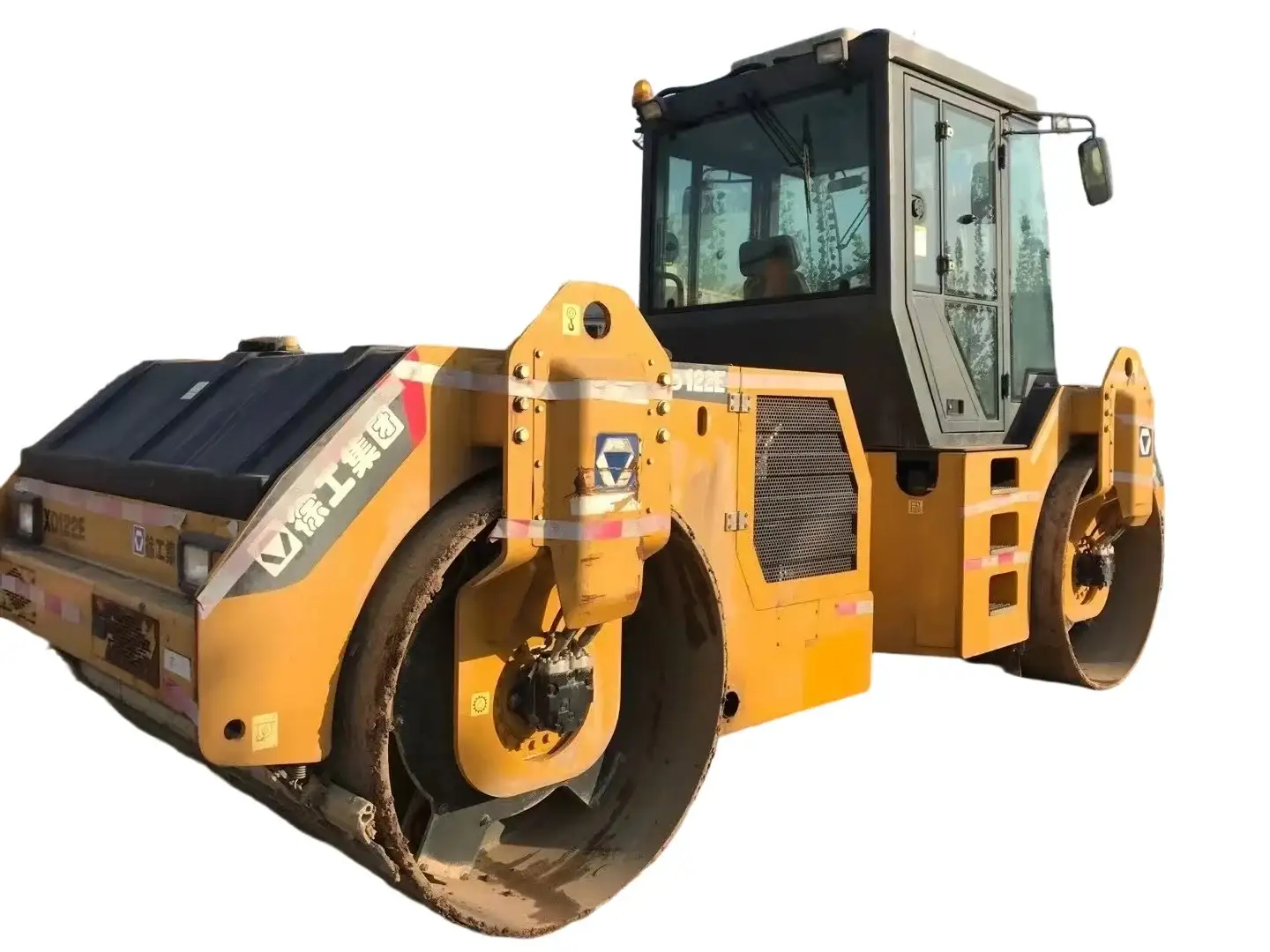
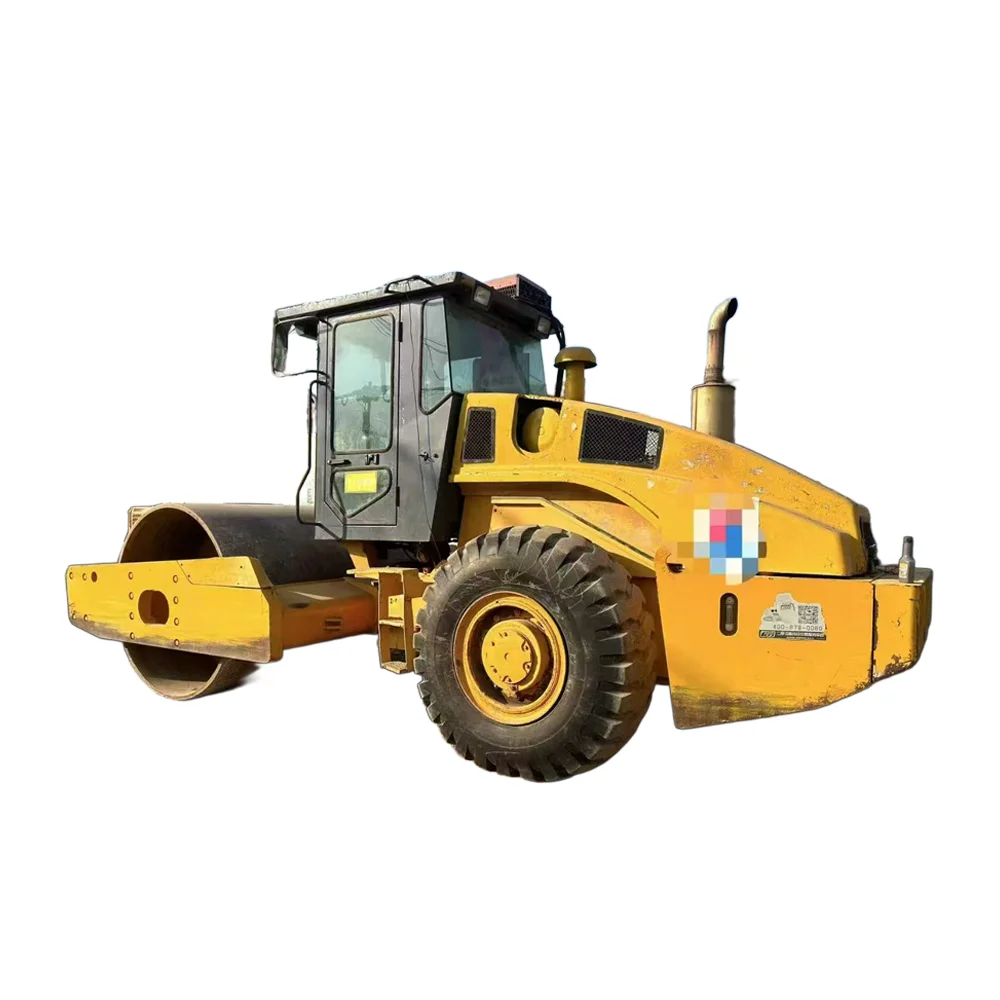
4. Drain the water circuits: For equipment such as road rollers equipped with water-spraying systems, completely drain the water tanks, pumps, and hoses.
5. Disconnect the power supply: Turn off the main power switch, or remove the battery and store it indoors, with periodic recharging performed as needed.
6. Drain the air tanks: Prevent accumulated water from freezing and clogging the air lines, which could compromise braking safety.
⚠ A counterintuitive tip: During storage, “starting the engine and idling for a few minutes every few days” does not constitute proper equipment maintenance. Since the engine will not reach its operating temperature, unburned fuel and moisture will instead condense in the engine oil and exhaust system. Unless you can keep the vehicle under load until it reaches normal operating temperature, it is better to simply store the equipment until work resumes.
Pre-Winter Inspection Checklist (Recommended: Save as a screenshot)
🛢 Fluids
☐ Replace engine oil with winter-grade viscosity
☐ Replace hydraulic oil with a low-temperature variant or verify the applicable temperature
☐ Replace diesel with the corresponding grade and replace the fuel filter
☐ Test the antifreeze solution’s freezing point ☐ Check urea solution purity and level; do not fill it to the brim
🔋 Electrical Systems
☐ Test battery voltage and health status
☐ Clean battery terminals and inspect wiring harness connectors
☐ Check the preheating system and starter motor operation
🔧 Mechanical Systems
☐ Ensure hydraulic hoses and fittings have no cracks or leaks
☐ Check belt tension and surface cracks
☐ Apply sufficient grease to all lubrication points
☐ Provide antifreeze lubrication for door/window seals and lock cores
☐ Develop a habit of draining water from the oil-water separator and air reservoir daily.
Finally, in winter maintenance, the actions with the highest cost-effectiveness are often the cheapest: drain water once a day, test the battery once before winter, and check the freezing point once during the season change. Spending a few dozen yuan and ten minutes can save you from a repair costing several thousand or even tens of thousands of yuan and several days of production downtime. For equipment owners and fleet managers, rather than relying on operators’ experience and self-discipline, it is better to turn seasonal maintenance into a checklist, set specific timelines, and implement them unit by unit. Where possible, you can also leverage remote equipment monitoring systems to detect fault codes and abnormal warnings in advance, allowing issues to be resolved before they lead to a shutdown. Well-maintained equipment ensures uninterrupted operations and can fetch a better price when resold in the future.