

Industry News
Used Wheel Loaders Selection Tips Check Engine And Hydraulics Before Purchase
Jul
Buying a used wheel loader is an important decision for construction companies, agricultural businesses, mining operations, and material handling contractors. Compared with purchasing new equipment, choosing a quality used wheel loader can help businesses improve project efficiency while optimizing equipment investment.
However, the value of a used wheel loader depends on more than its appearance, operating hours, or purchase price. The real performance of the machine is closely connected with the condition of key systems, especially the engine and hydraulic system. These components directly influence lifting capacity, working efficiency, fuel consumption, and long-term reliability.
Before making a purchase, buyers should take time to evaluate the machine carefully. A professional inspection process can help identify whether the equipment matches the requirements of daily operations and whether it can provide stable performance in demanding working environments.
For businesses that rely on heavy equipment every day, selecting the right used wheel loader is not simply about finding affordable machinery. It is about choosing a reliable working partner that can support continuous productivity.
Why Engine Condition Is a Key Factor in Used Wheel Loader Selection
The engine is the power source of a wheel loader and directly affects overall operating performance. Whether the machine is used for loading materials, moving earth, handling aggregates, or supporting construction projects, engine performance determines how effectively the equipment completes daily tasks.
When inspecting a used wheel loader, buyers should pay attention to engine startup performance. A well-maintained engine should start smoothly and maintain stable operation. Checking engine response during acceleration can also provide valuable information about power delivery and operating condition.
The sound of the engine is another important reference point. Experienced operators can often identify whether the engine is operating smoothly through changes in noise, vibration, and response. Consistent performance under different working conditions indicates better maintenance history.
Fluid inspection is also an essential part of the evaluation process. Engine oil quality, coolant condition, and maintenance records can provide useful information about previous service practices. Regular maintenance usually contributes to longer equipment life and more stable operation.
For companies purchasing used wheel loaders for long-term projects, understanding engine condition before purchase helps create a more predictable equipment investment.
Hydraulic System Inspection Determines Working Efficiency
The hydraulic system is one of the most important systems in a wheel loader because it controls lifting, loading, steering assistance, and overall working movement.
A strong hydraulic system allows the machine to handle heavy loads efficiently and maintain smooth operation during repeated tasks. When evaluating a used wheel loader, buyers should test hydraulic response, lifting speed, and operating stability.
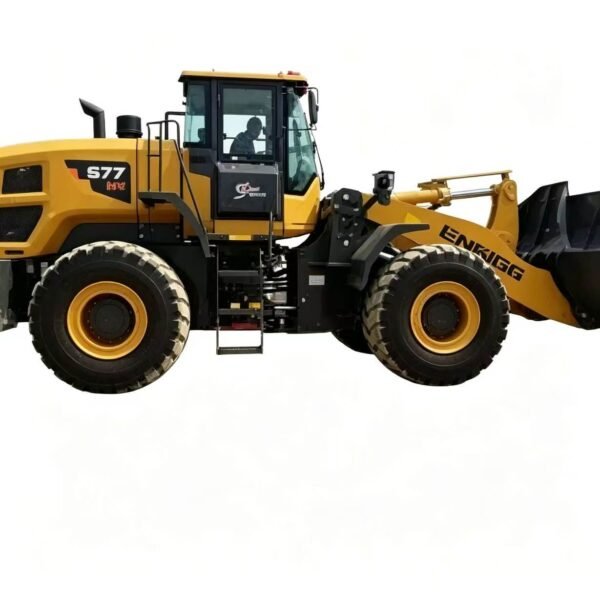
The bucket movement is an important area to observe. Smooth lifting, lowering, and tilting operations indicate that the hydraulic components are working effectively. Operators should also check whether the machine maintains consistent performance during continuous operation.
Hydraulic oil condition is another important factor. Clean and properly maintained hydraulic fluid supports better system performance and helps protect important components.
For construction companies and equipment buyers, hydraulic performance directly influences daily productivity. A wheel loader with reliable hydraulic operation can complete more work efficiently and provide better value throughout its service life.
Checking Operating History and Maintenance Records
A used wheel loader’s history provides valuable insight into its condition. Before purchase, buyers should review available maintenance records, service information, and previous application details.
Equipment used in professional environments often has detailed service documentation, including oil changes, component inspections, and replacement schedules. These records help buyers understand how the machine has been maintained.
Operating environment also matters. A wheel loader used for regular material handling may have different wear patterns compared with equipment used in specialized applications. Understanding previous usage helps buyers make better purchasing decisions.
Maintenance history is especially important because regular servicing supports equipment reliability. A machine with consistent maintenance records often provides greater confidence for future operation.
Working with experienced equipment suppliers can also simplify the selection process. Professional suppliers can provide detailed machine information and help customers choose equipment suitable for specific applications.
Practical Inspection Steps Before Final Purchase
Before purchasing a used wheel loader, buyers should conduct a complete inspection that covers both performance and physical condition.
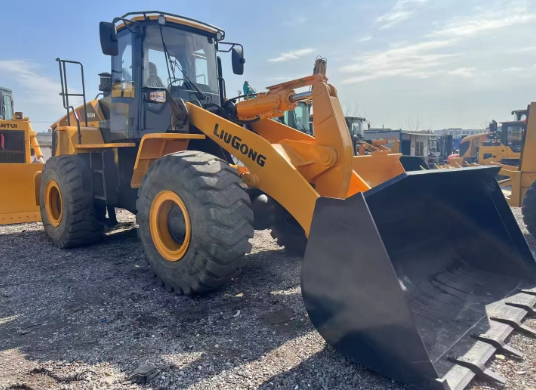
The first step is a visual inspection. Check the overall structure, working attachments, tires, and important connection areas. The condition of these parts can provide useful information about previous usage and maintenance.
The next step is operational testing. Allow experienced operators to test the machine under realistic working conditions. This helps evaluate driving performance, loading ability, hydraulic response, and overall comfort.
Buyers should also compare machine specifications with their actual project requirements. Factors such as bucket capacity, operating weight, lifting performance, and fuel efficiency should match the intended application.
A suitable used wheel loader should not only meet current project needs but also provide flexibility for future operations.
Choosing a Reliable Used Wheel Loader Supplier
The supplier plays an important role in the used equipment purchasing process. A professional supplier can provide better equipment information, inspection support, and purchasing guidance.
THBSMN provides used wheel loader solutions for customers seeking reliable construction equipment with practical performance. By focusing on equipment quality evaluation, customer requirements, and suitable machine selection, THBSMN helps businesses find wheel loaders that match their working conditions.
A trusted supplier can save buyers time during the selection process and provide additional confidence when investing in used machinery.
For companies expanding their equipment fleet, choosing the right supplier is just as important as choosing the right machine.
Making a Smart Investment in Used Wheel Loaders
A used wheel loader can become a valuable asset when selected carefully. The key is understanding the actual condition of important systems and matching the equipment with operational requirements.
Checking the engine and hydraulic system before purchase helps buyers make informed decisions and reduce uncertainty. Combined with maintenance history, performance testing, and professional supplier support, the selection process becomes more efficient and reliable.
For construction, agriculture, and material handling businesses, the right wheel loader can improve productivity, support daily operations, and create long-term value.
A careful selection process ensures that a used wheel loader is not simply a second-hand machine, but a dependable equipment solution ready to support future projects.