

Industry News
Understanding Mini Used Excavator Resale Value and ROI
Jul
In construction, landscaping, agriculture, and property development, equipment investment decisions directly affect project efficiency and business profitability. For many contractors and small business owners, purchasing a brand-new machine is not always the only option. A well-maintained used mini excavator can provide excellent working performance while offering a more flexible investment approach.
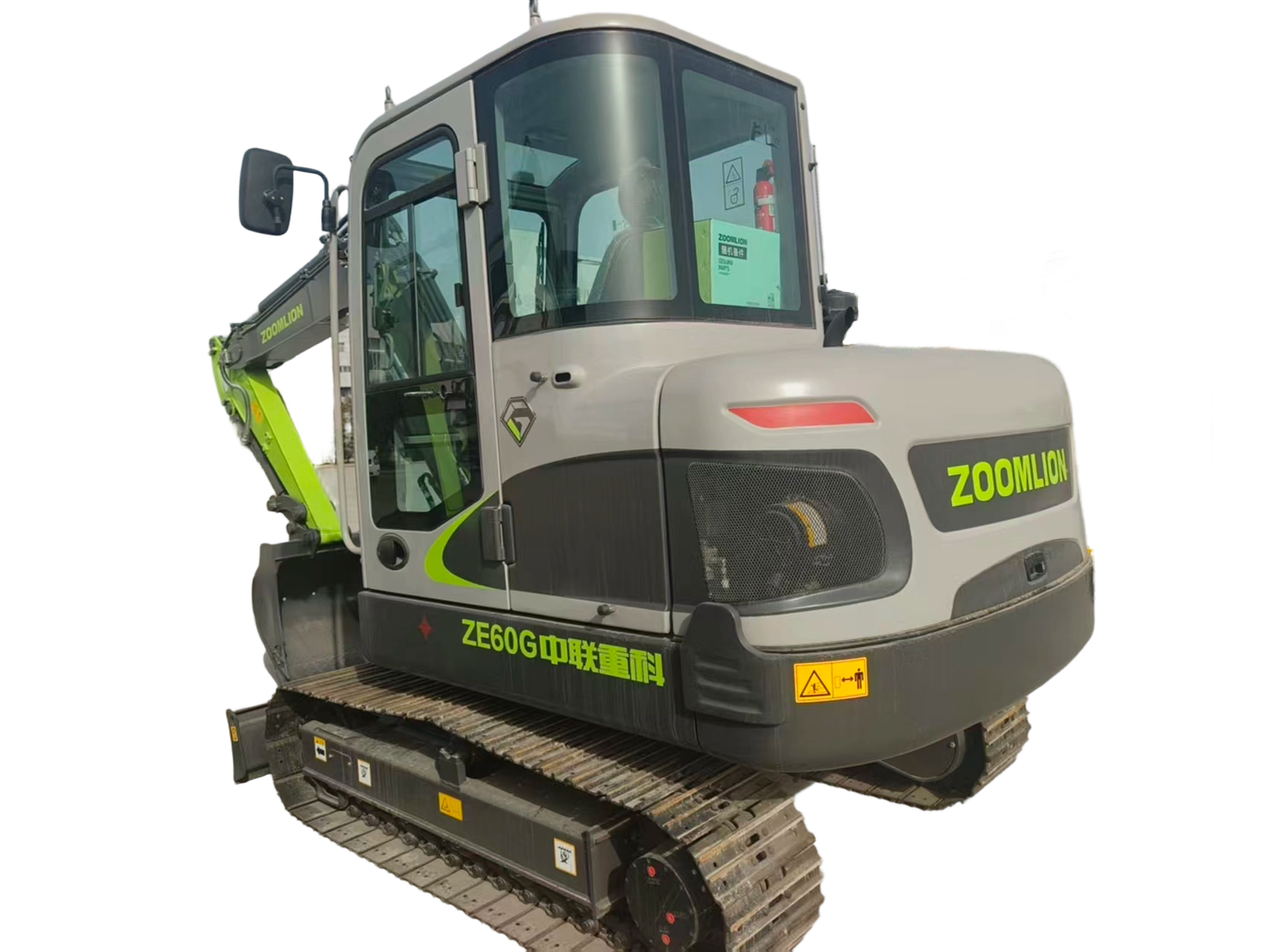
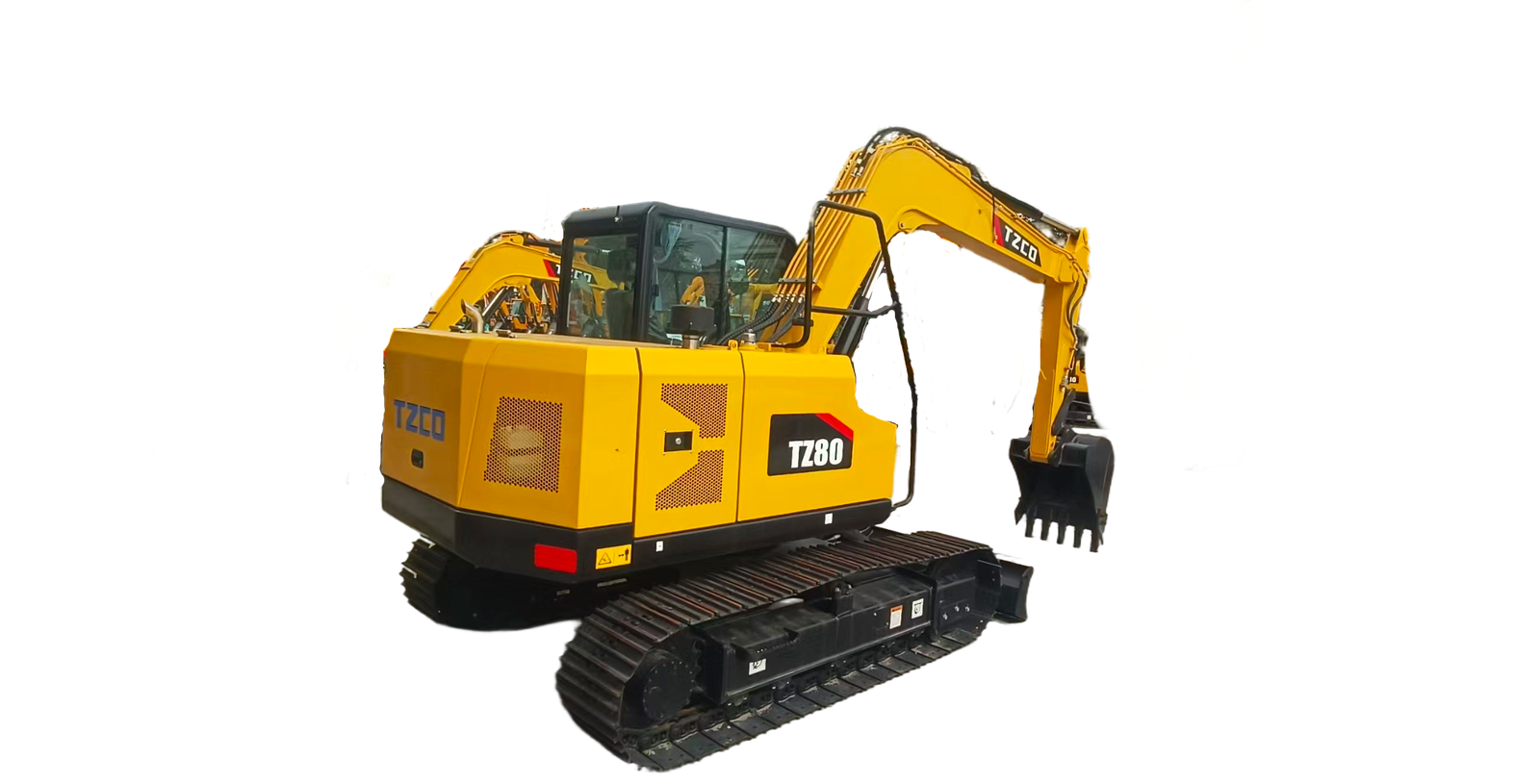
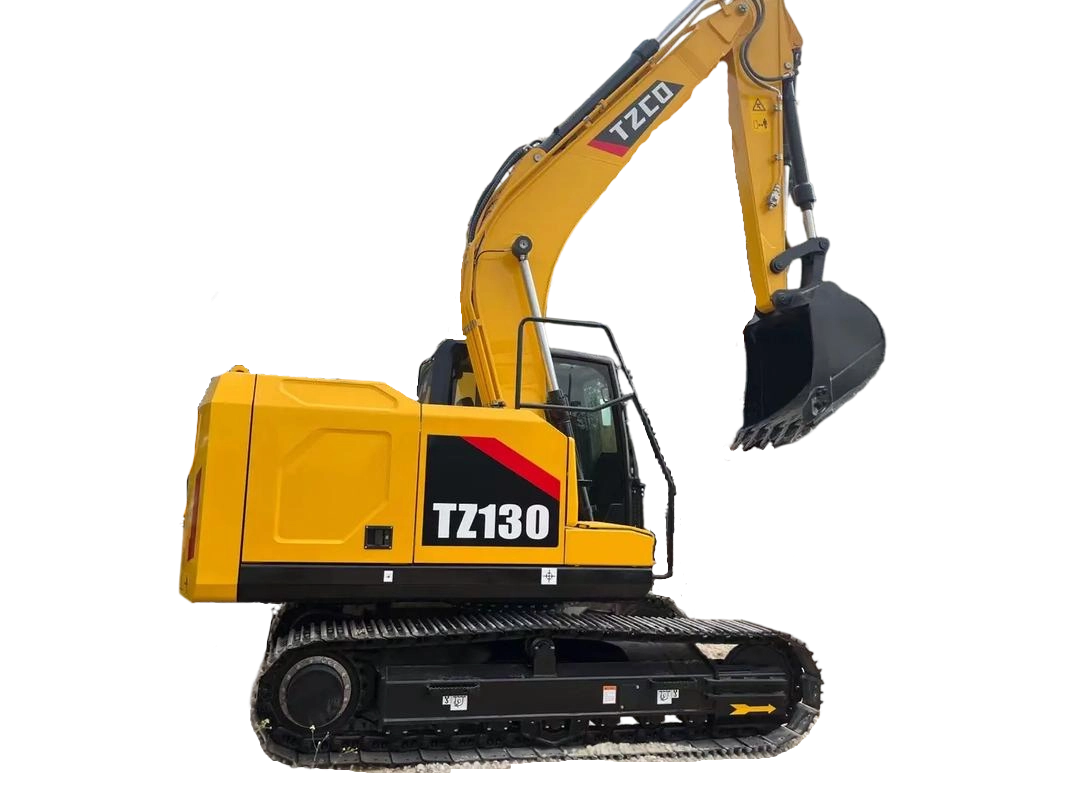
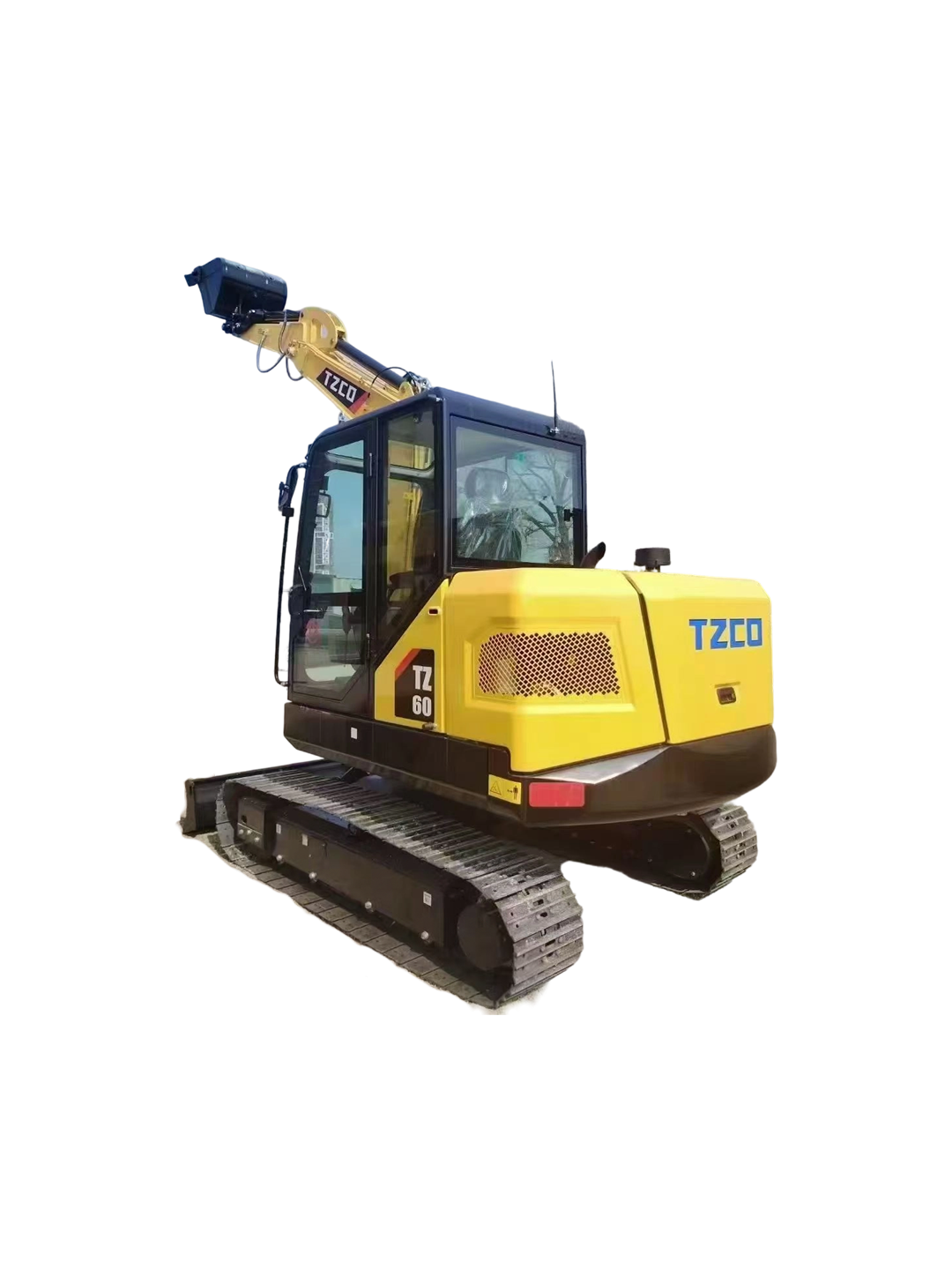
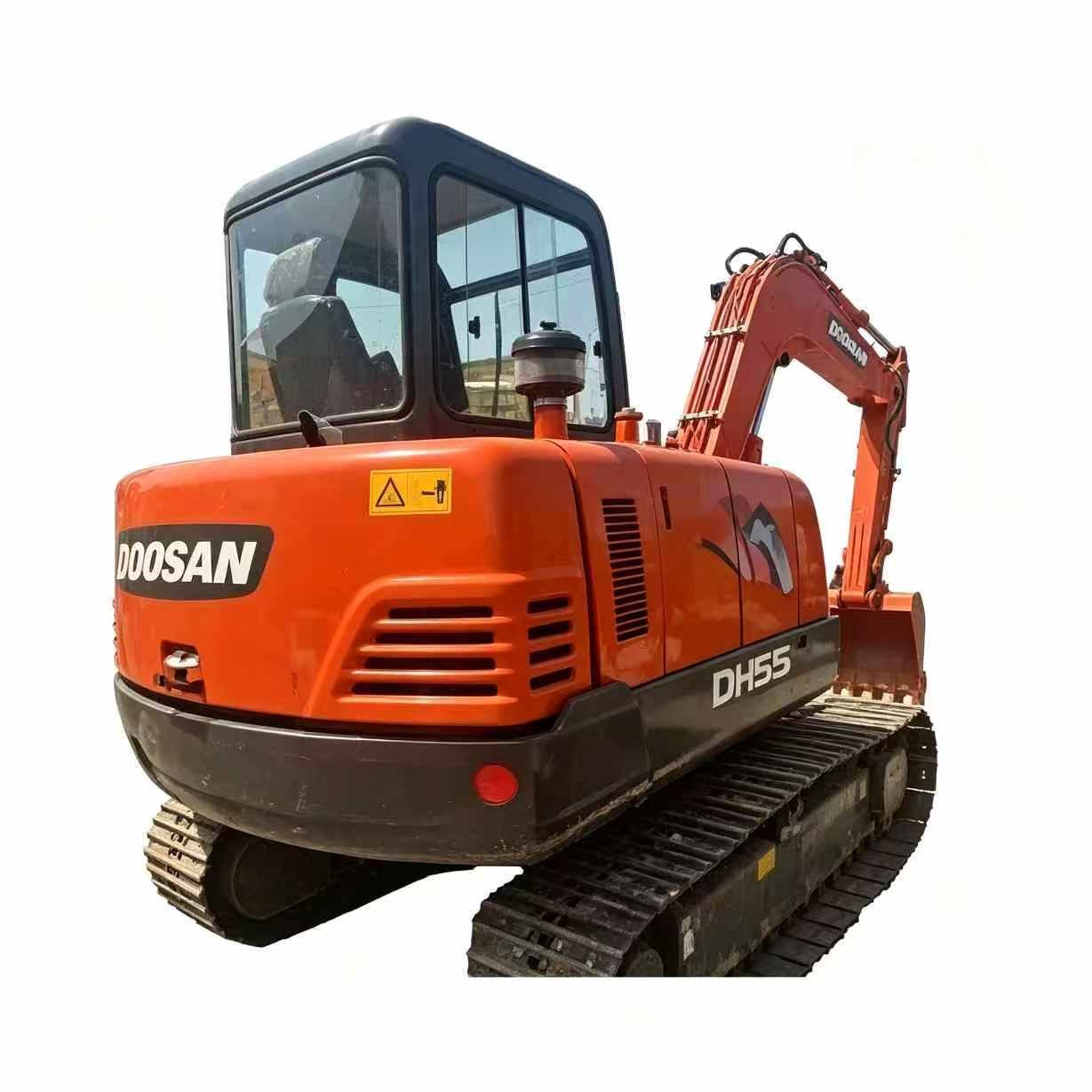
Understanding Mini Used Excavator Resale Value and ROI is essential for buyers who want to make informed equipment decisions. A mini excavator is not simply a machine used for digging; it is a long-term business asset that can generate income through multiple projects while maintaining value when it is time for resale.
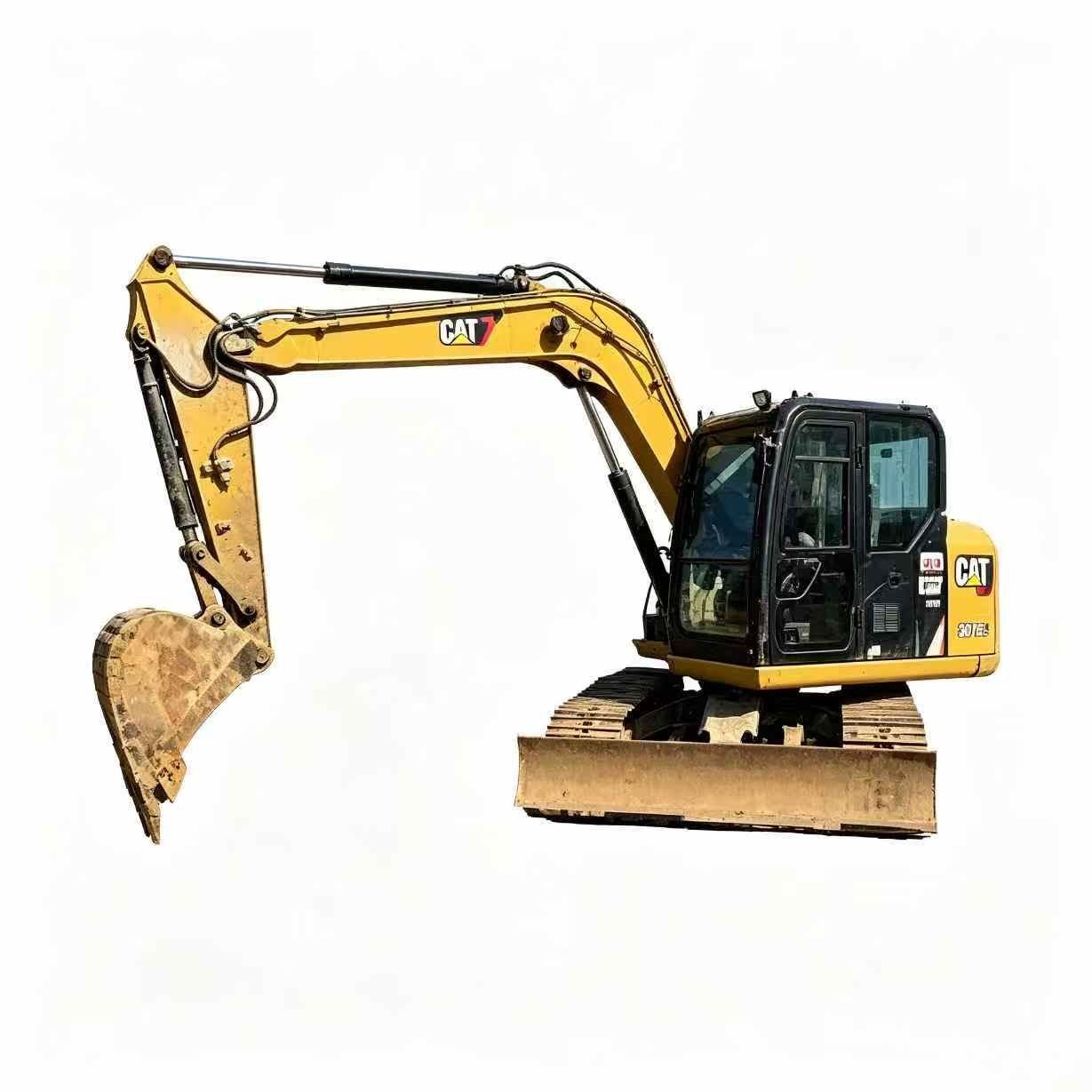
Mini excavators are widely used in residential construction, garden renovation, utility installation, road maintenance, and small-scale excavation projects. Their compact size allows them to operate in limited spaces where larger equipment may not be suitable. This flexibility makes them highly valuable for contractors who handle diverse job requirements.
When evaluating a used mini excavator, buyers should consider not only the purchase price but also operating efficiency, maintenance history, market demand, and future resale potential. These factors together determine the overall return on investment.
Key Factors That Influence Mini Excavator Resale Value
The resale value of a mini excavator depends on several important factors. Understanding these elements helps buyers choose equipment that can maintain strong market value over time.
Machine condition is one of the most important considerations. A used mini excavator with proper maintenance records, regular servicing, and good operating history is more attractive to future buyers. Equipment that has been carefully managed usually demonstrates better reliability and easier ownership transfer.
Usage hours also play an important role. Buyers often review the working hours of a machine to understand its previous workload. A mini excavator with reasonable usage and proper maintenance can continue delivering dependable performance for many years.
Brand reputation, model popularity, and availability of replacement parts also influence resale demand. Equipment that is commonly used in the market often has stronger buyer interest because operators are familiar with its operation and maintenance requirements.
In addition, appearance and overall condition can affect buyer confidence. Clean equipment, well-maintained attachments, and organized service documentation can help create a positive impression during resale.
Calculating ROI from a Used Mini Excavator Investment
Return on investment is an important measurement when purchasing construction equipment. For a mini excavator, ROI comes from the income generated by completed projects, reduced rental costs, and the remaining value of the machine after years of use.
For contractors, owning a mini excavator can improve project flexibility. Instead of arranging equipment rentals for every small excavation task, businesses can quickly respond to customer requests and complete projects according to their own schedules.
For example, a landscaping company may use a mini excavator for garden preparation, drainage installation, tree removal, or small foundation work. Over time, completing more projects with owned equipment can increase business opportunities and improve operational efficiency.
Another important ROI factor is resale value. A machine that maintains strong market demand can recover part of its original investment when sold or upgraded. This makes equipment selection an important financial decision rather than simply an operational purchase.
Businesses should consider the expected working life, annual usage, maintenance expenses, and potential resale price when evaluating the total value of a used mini excavator.
Choosing the Right Mini Excavator for Different Work Environments
Different industries have different equipment requirements. Choosing the right mini excavator model depends on the type of projects, working environment, and expected workload.
For residential contractors, compact machines are valuable because many job sites have limited access areas. A mini excavator can move through narrow spaces, work around existing structures, and complete tasks efficiently without requiring large working areas.
In landscaping projects, mini excavators are commonly used for soil preparation, pond construction, irrigation installation, and outdoor renovation. Their flexibility allows operators to complete detailed work while maintaining control over the job site.
For agricultural applications, mini excavators can assist with land improvement projects, drainage systems, and property maintenance. Their versatility makes them useful for seasonal and ongoing tasks.
Understanding the main application before purchasing helps buyers select equipment with the right specifications and improves the possibility of maintaining strong resale value in the future.
Maintenance Practices Help Protect Long-Term Equipment Value
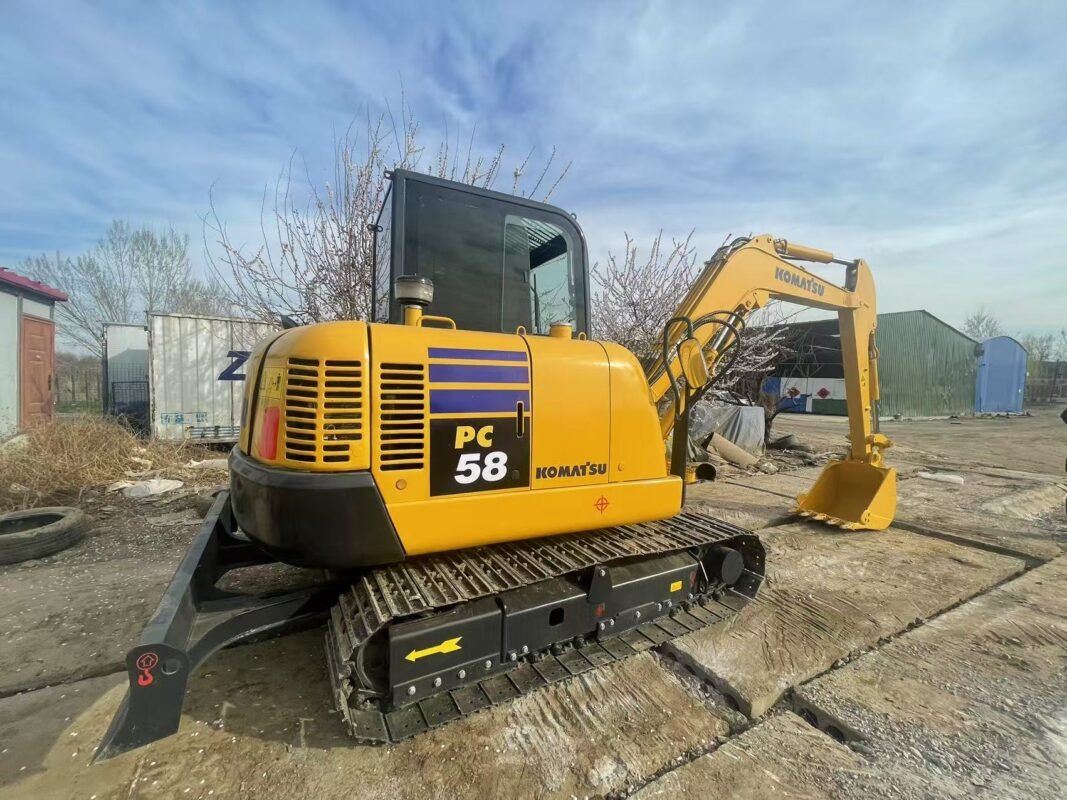
Proper maintenance is one of the most effective ways to preserve a mini excavator’s value. Regular inspections and timely servicing can help maintain machine performance and increase buyer confidence during resale.
Important maintenance areas include hydraulic systems, engine performance, undercarriage condition, attachments, and operating controls. Keeping service records provides clear evidence of responsible ownership and helps future buyers understand the machine’s history.
For businesses, establishing a maintenance schedule can reduce unexpected downtime and improve productivity. A reliable machine allows operators to complete projects on time and maintain customer satisfaction.
When purchasing a used mini excavator, buyers should review maintenance information carefully. Equipment with clear service history often provides greater investment confidence and better long-term value.
Working with a Reliable Used Excavator Supplier
Selecting a trustworthy supplier is an important step when purchasing used construction equipment. A professional supplier can provide detailed machine information, help buyers understand equipment conditions, and support better purchasing decisions.
THBSMN specializes in used excavator solutions and provides equipment options for customers looking for reliable construction machinery. With experience in the used equipment industry, THBSMN helps businesses find suitable machines based on project needs, working conditions, and budget considerations.
A professional supplier can assist customers in evaluating equipment details, understanding machine capabilities, and choosing excavators that match their long-term business plans. This support helps buyers make more confident investment decisions.
Future Opportunities for Mini Excavator Owners
As construction, landscaping, and property improvement projects continue to develop, demand for flexible equipment remains strong. Mini excavators provide businesses with an efficient solution for completing a wide range of tasks.
For contractors, owning a used mini excavator can create new revenue opportunities by allowing them to accept more projects and reduce dependence on external equipment arrangements. For property owners and small businesses, these machines can provide valuable support for maintenance and development work.
Understanding resale value and ROI allows buyers to view mini excavators from a long-term perspective. The best equipment investment is not only about the initial purchase cost but also about productivity, reliability, and future financial return.
By selecting suitable equipment, maintaining it properly, and working with experienced suppliers, businesses can maximize the value of their mini excavator investment and build stronger operational capabilities.