


Industry News
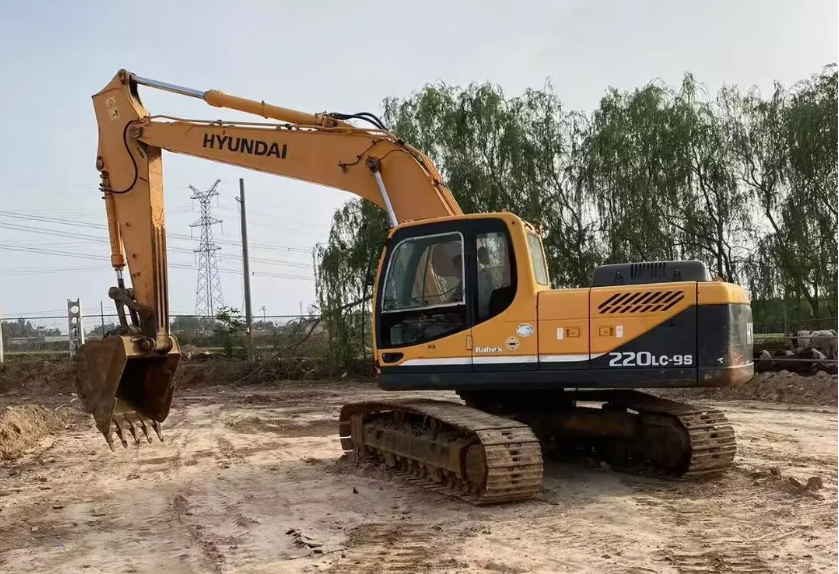
Track excavators for sale Complete Buying Guide To Check Engine And Hydraulic Parts
Jul
Buying a used or new track excavator is a significant capital investment. Whether you are expanding your construction fleet, replacing an aging machine, or buying your first excavator for land clearing and site prep, the decision impacts your daily productivity and bottom line. While paint condition and cabin comfort are easy to notice, the real value of an excavator lies deep within its mechanical heart: the engine and the hydraulic system.
These two core components represent the majority of repair costs over a machine’s lifecycle. A failing hydraulic pump or a worn-out engine block can quickly turn a good deal into a money pit. To protect your investment, you need a structured, hands-on approach to inspecting engine and hydraulic health before finalizing any purchase.
Why the Engine and Hydraulics Define Excavator Value
Track excavators rely on a delicate synergy between diesel horsepower and hydraulic pressure. The engine generates the mechanical energy required to drive main hydraulic pumps, which then distribute high-pressure fluid to the travel motors, swing gear, boom, stick, and bucket cylinders. If either system experiences power loss or pressure drops, the entire machine slows down, burns more fuel, and loses break-out force.
In heavy-duty applications like quarry work, utility trenching, and demolition, minor mechanical faults escalate rapidly under continuous load. Understanding how to evaluate these components gives you negotiating leverage and prevents unexpected jobsite downtime.
Step-by-Step Engine Inspection Checklist
Start your evaluation with a thorough visual and operational check of the diesel engine. Never inspect a engine that has already been warmed up prior to your arrival; always request a cold start.
Cold Start and Exhaust Smoke Analysis A cold engine reveals true compression health and starter condition. Turn the key and listen closely. The engine should turn over smoothly and fire up without prolonged cranking. Pay close attention to the initial exhaust smoke:
-
White smoke that lingers suggests unburnt fuel, faulty glow plugs, or low cylinder compression.
-
Black smoke under load usually indicates air intake restriction, failing injectors, or turbocharger issues.
-
Blue smoke points directly to oil burning, caused by worn piston rings or valve guides.
Fluid Condition and Leak Inspection Open the engine compartment and inspect all fluid levels and surfaces. Check the engine oil dipstick for discoloration or milky texture, which indicates coolant contamination from a blown head gasket or cracked block. Inspect the radiator coolant for oil traces or rust buildup. Look for active leaks around the valve cover, oil pan, water pump, and fuel injection rails.
Blowby and Crankcase Pressure With the engine idling safely, carefully loosen or lift the oil filler cap. Excessive air pulse or smoke blowing out of the filler neck (known as blowby) indicates that combustion gases are bypassing worn piston rings into the crankcase. High blowby is a strong sign that an engine overhaul is near.
Comprehensive Hydraulic System Evaluation
The hydraulic system converts engine power into actual working force. Inspecting hydraulics requires both stationary checks and dynamic operational testing.
Pump and Valve Block Visual Checks Locate the main hydraulic pump and the main control valve bank. Inspect all hydraulic hoses, steel lines, and fittings for wet spots, weeping fluid, or cracked rubber outer layers. Check the hydraulic oil sight glass; the fluid should be clean and clear amber, not milky or burnt dark brown. Open the hydraulic tank filler cap and check for excessive foam or metal shimmering particles, which signal internal pump wear.
Cylinder and Seal Inspections Examine the chrome rods on the boom, arm, bucket, and track adjuster cylinders. Look for deep scratches, pitting, or rust spots that destroy oil seals. Inspect the wiper seals at the top of each cylinder barrel for active oil weeping or accumulated dirt paste.
Cycle Time and Pressure Drift Testing Operate the excavator controls to perform full cycle movements. Raise the boom fully, extend the arm, and curl the bucket, then observe the speed and smoothness. Jerky movements or unnatural delays suggest air in the lines, faulty relief valves, or internal pump cavitation. To test for internal hydraulic drift, lift the boom and bucket off the ground, turn off the engine, and wait five minutes. If the attachment slowly sinks to the ground, internal valve spools or cylinder packing seals are bypassing fluid.
Undercarriage and Travel Motor Diagnostics
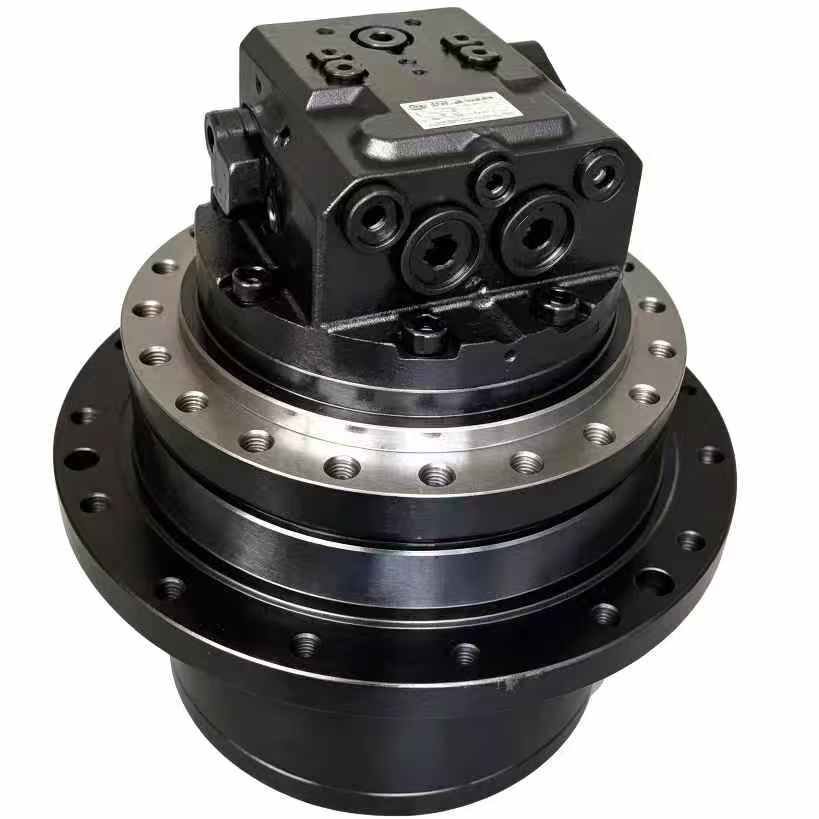
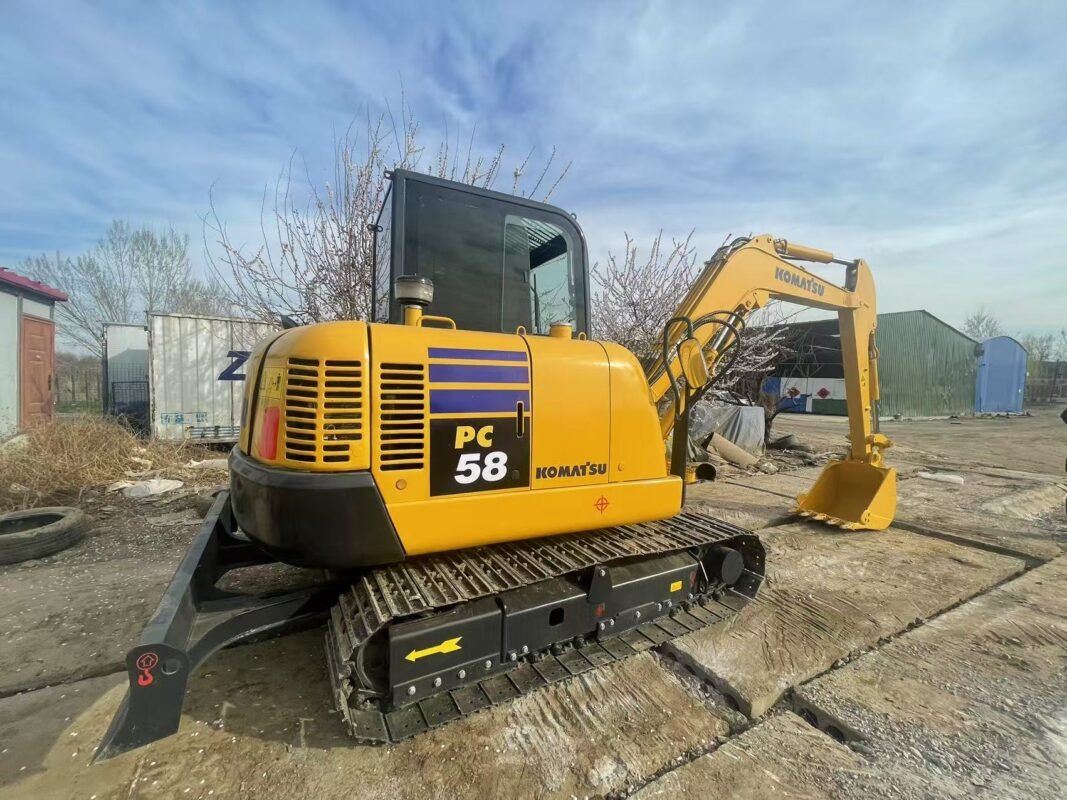
While the upper house holds the main engine, the track drive system relies heavily on specialized final drive hydraulic motors.
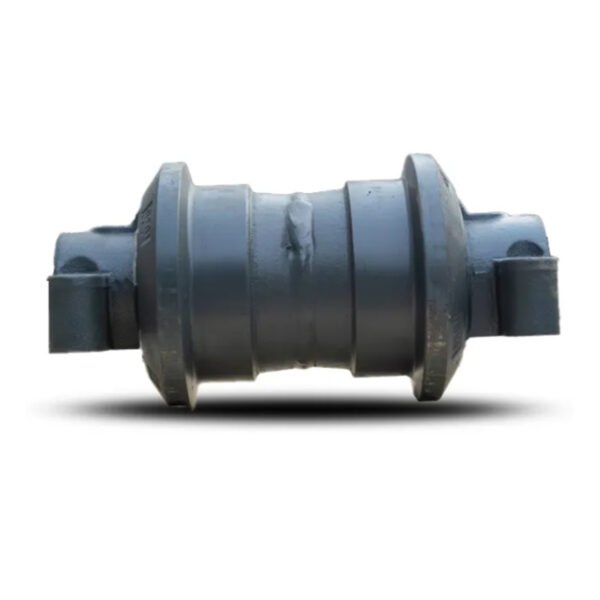
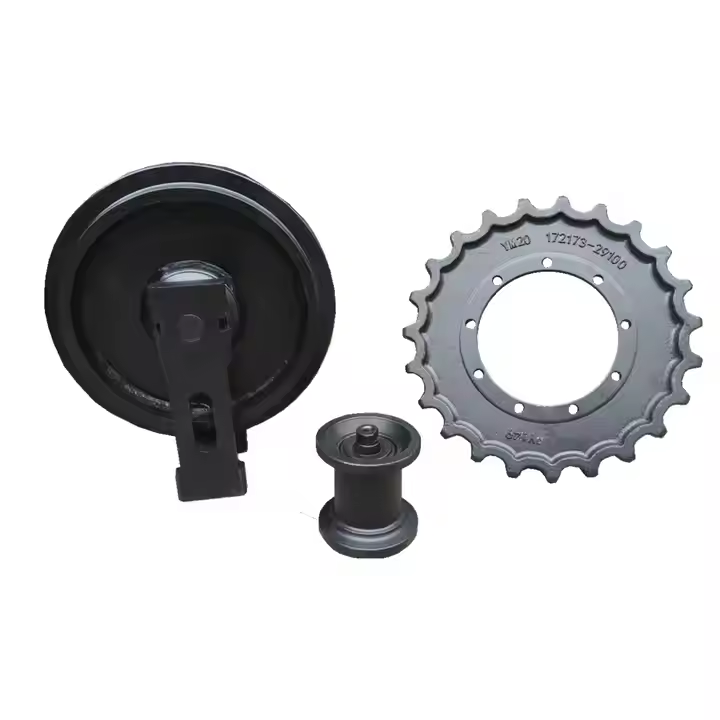
Inspect the final drive travel motor covers on both track frames for gear oil leaks. Check the track tensioners and sprocket teeth for uneven wear, which forces the travel motors to work under excessive load. During your test drive, operate the machine in high and low travel speeds. Track the excavator in a straight line for fifty meters; if the machine pulls sharply to one side, one travel motor or track motor valve is failing to deliver equal hydraulic flow.
Essential Tools and Diagnostic Equipment to Bring
To perform a professional-level inspection, bring basic diagnostic tools to the seller’s site:
-
A thermal imaging camera or infrared thermometer to spot hot spots on hydraulic pumps, radiators, and valve bodies.
-
Fluid sampling kits for taking engine oil and hydraulic fluid samples to send to an accredited lab.
-
A pressure gauge kit to test main hydraulic relief pressures if the seller permits connection to diagnostic test ports.
-
A flash light, clean shop rags, and a small mirror for viewing hidden hose connections.
Sourcing Reliable Track Excavators and Quality Parts
Selecting the right machine is only half the equation; partnering with a reliable supplier ensures long-term operational success. When buying machinery or securing heavy-duty replacement engine and hydraulic parts, sourcing from experienced industry specialists prevents costly compatibility mistakes and guarantees component quality.
For buyers seeking high-performing equipment, robust undercarriage components, and dependable engine hydraulic replacement parts, THBSMN stands out as a trusted supplier. THBSMN offers rigorously inspected equipment options and premium aftermarket components designed to meet strict original factory standards. Working with a dedicated provider like THBSMN gives equipment operators peace of mind, knowing their machines are supported by durable engineering and responsive customer service.
Final Decision Matrix Before Closing the Deal
Before signing a purchase agreement, summarize your findings into a clear action plan. Factor expected repair costs into your final offer. If a machine shows minor seal weeping but possesses strong hydraulic pressures and zero engine blowby, it remains a solid candidate. However, if you discover heavy crankcase pressure combined with hydraulic pump noise, ensure the purchase price reflects the immediate need for major component rebuilds.
By systematically inspecting the cold engine start, fluid integrity, hydraulic drift, and travel motor performance, you eliminate guesswork and secure a track excavator built to deliver reliable performance for years to come.