

Industry News
Sell excavator Wheel VS Track Excavator Performance And Cost Comparison
Jul
Choosing an excavator is an important decision for contractors, construction companies, equipment rental businesses, and project managers. The right machine can improve working efficiency, reduce unnecessary operating costs, and help projects stay on schedule.
In modern construction, wheel excavators and track excavators are two widely used equipment solutions. Both machines are designed for excavation, lifting, grading, and material handling, but their structures create different advantages in real working environments.
A wheel excavator focuses on mobility and flexibility. It is commonly used in urban construction, road maintenance, pipeline installation, and projects that require frequent movement between locations.
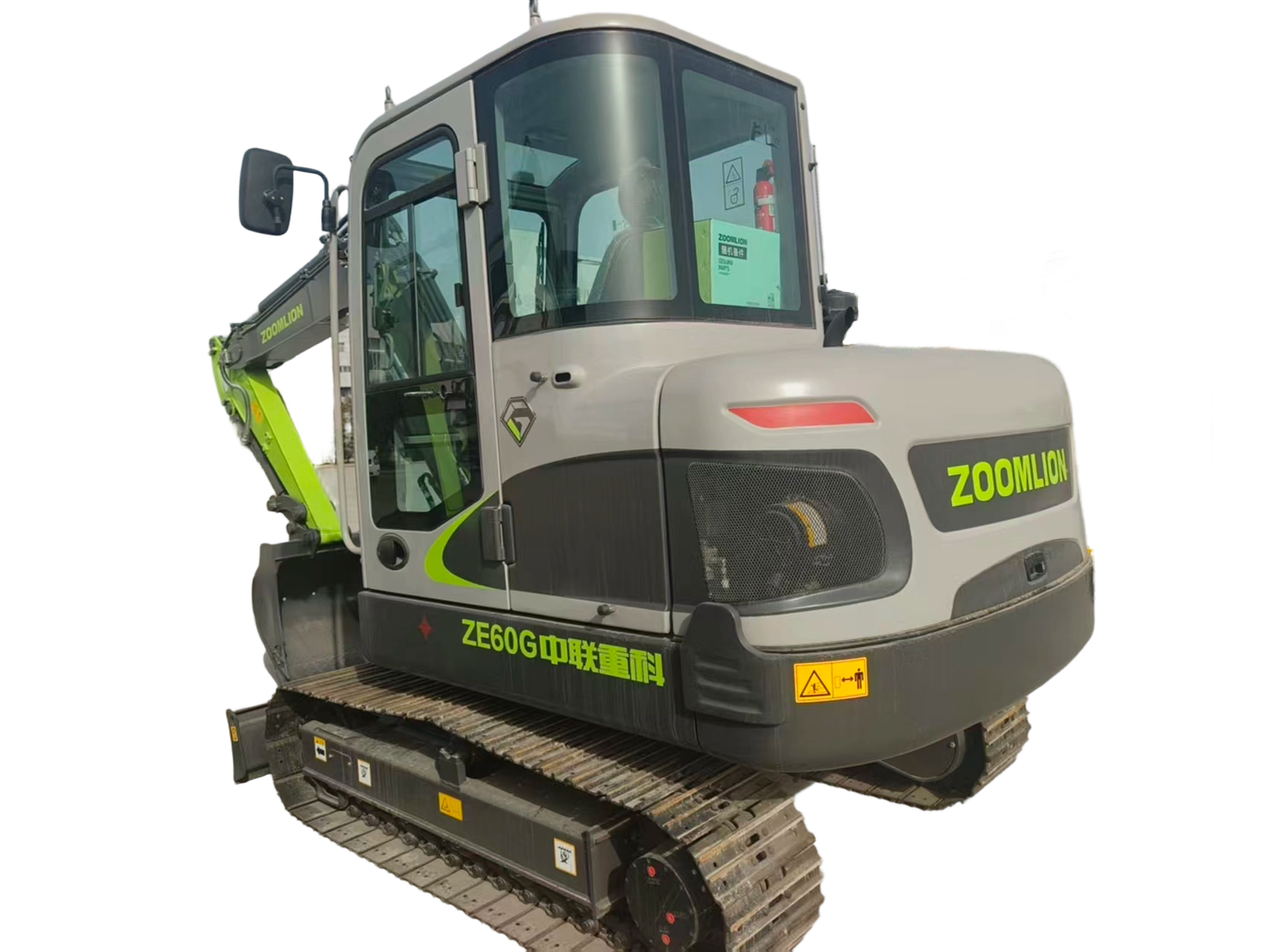
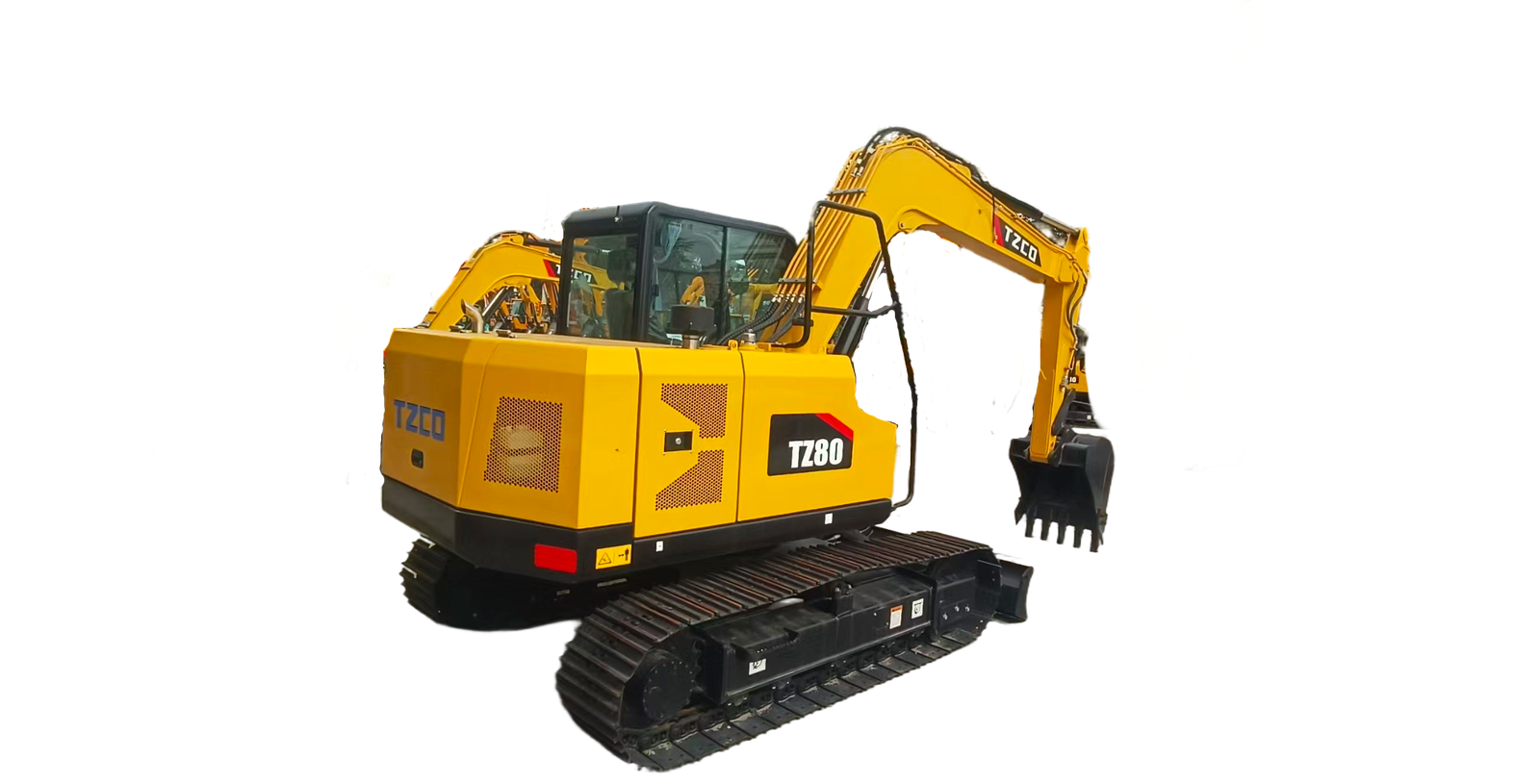
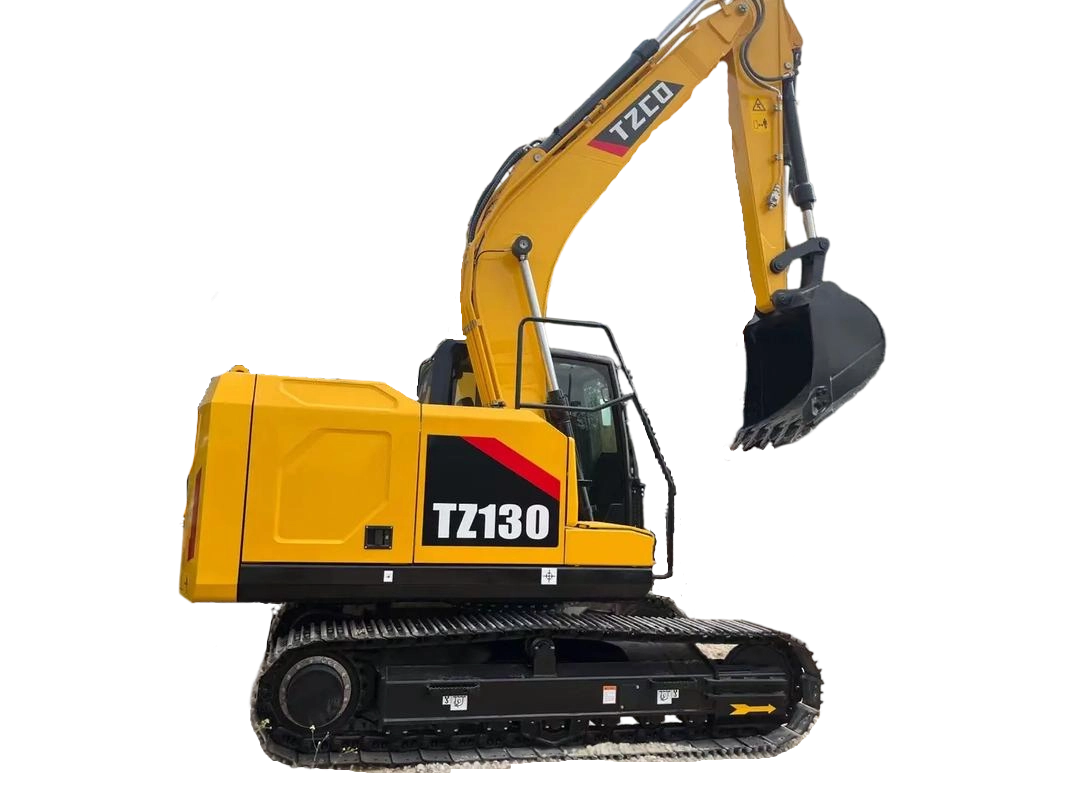
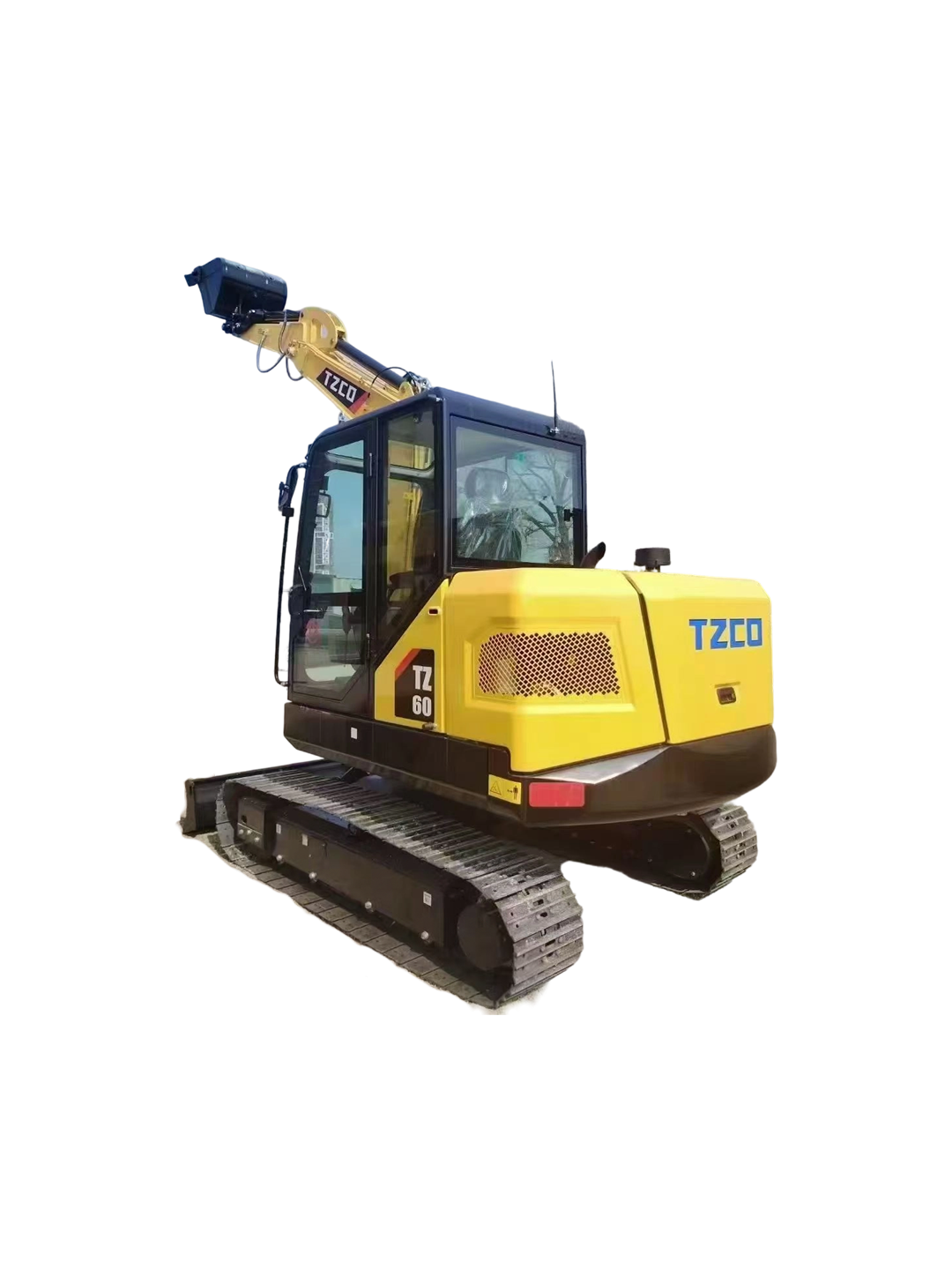
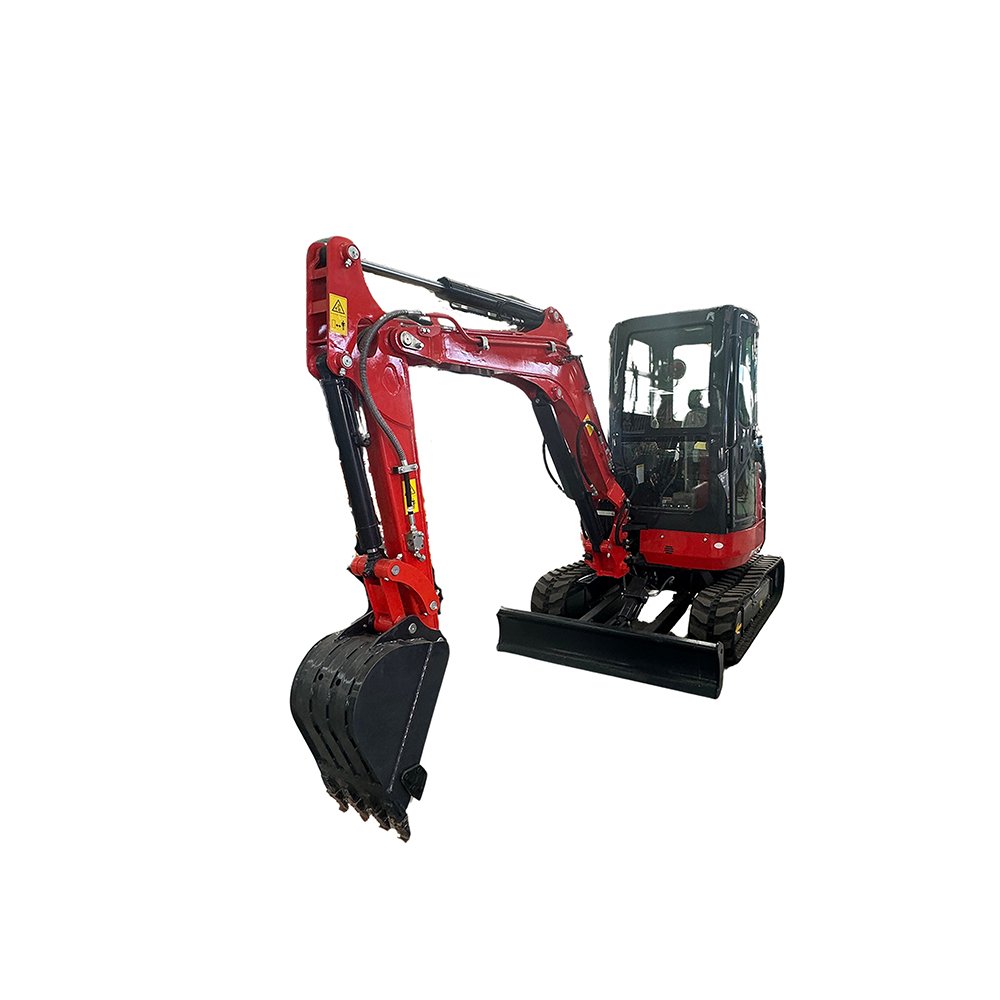
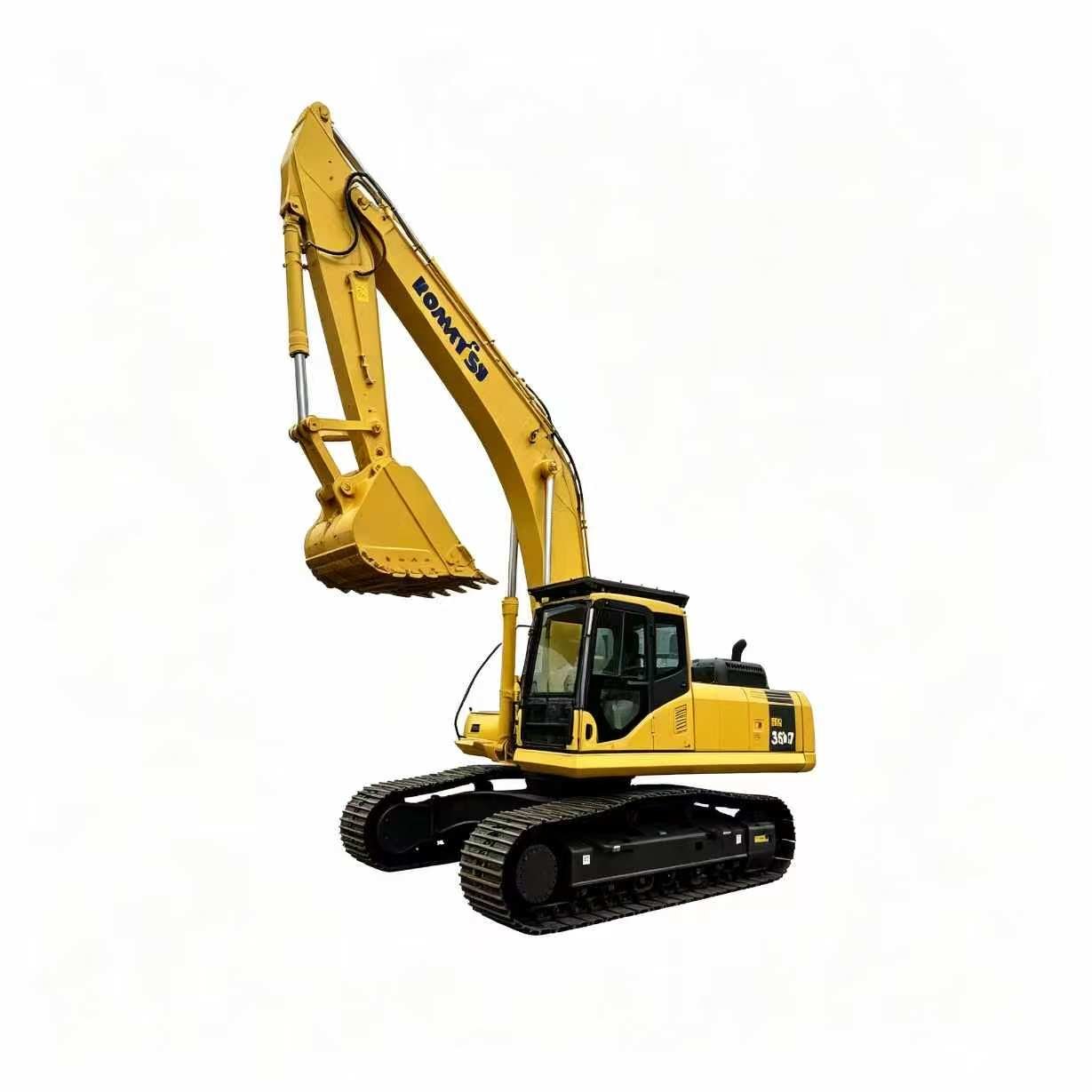
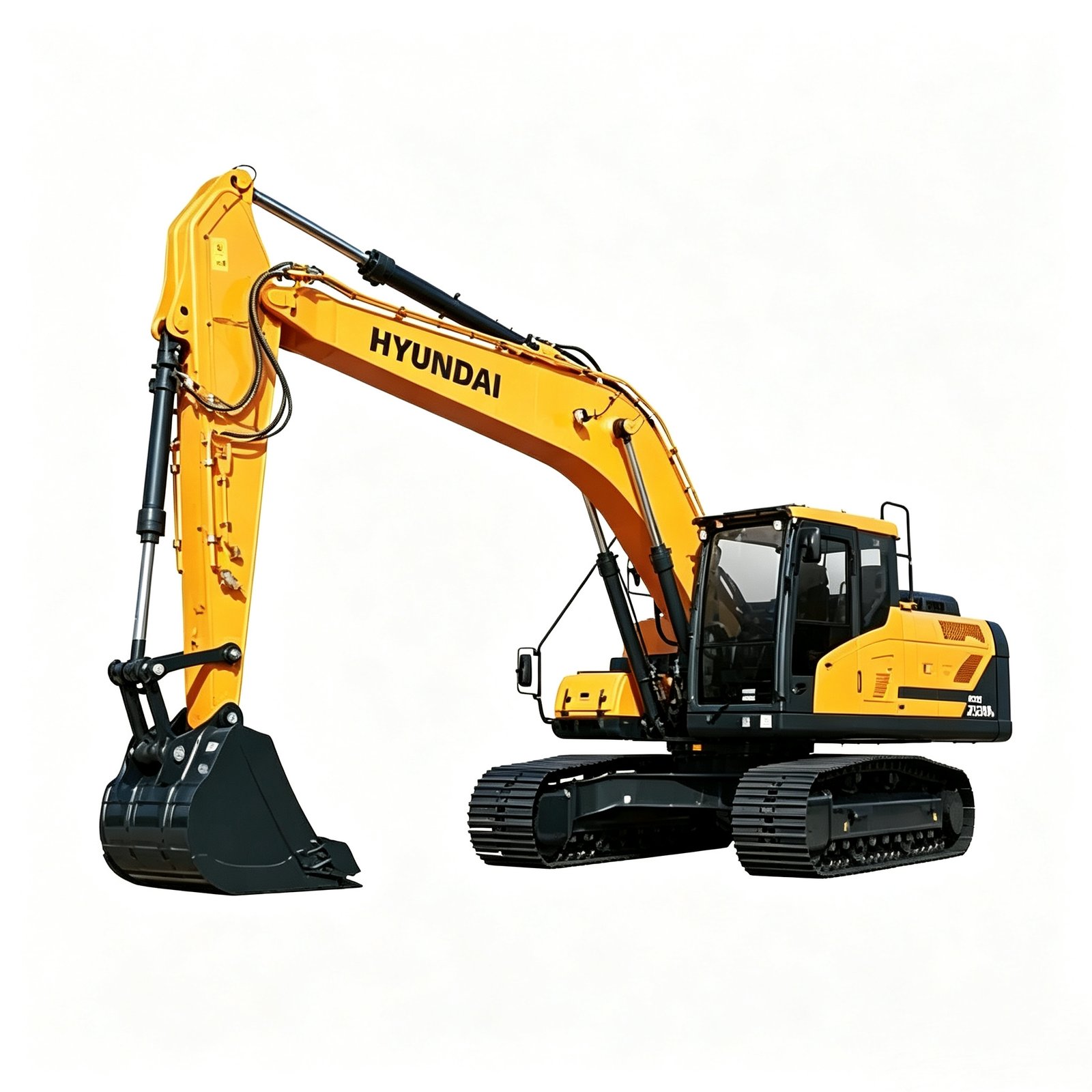
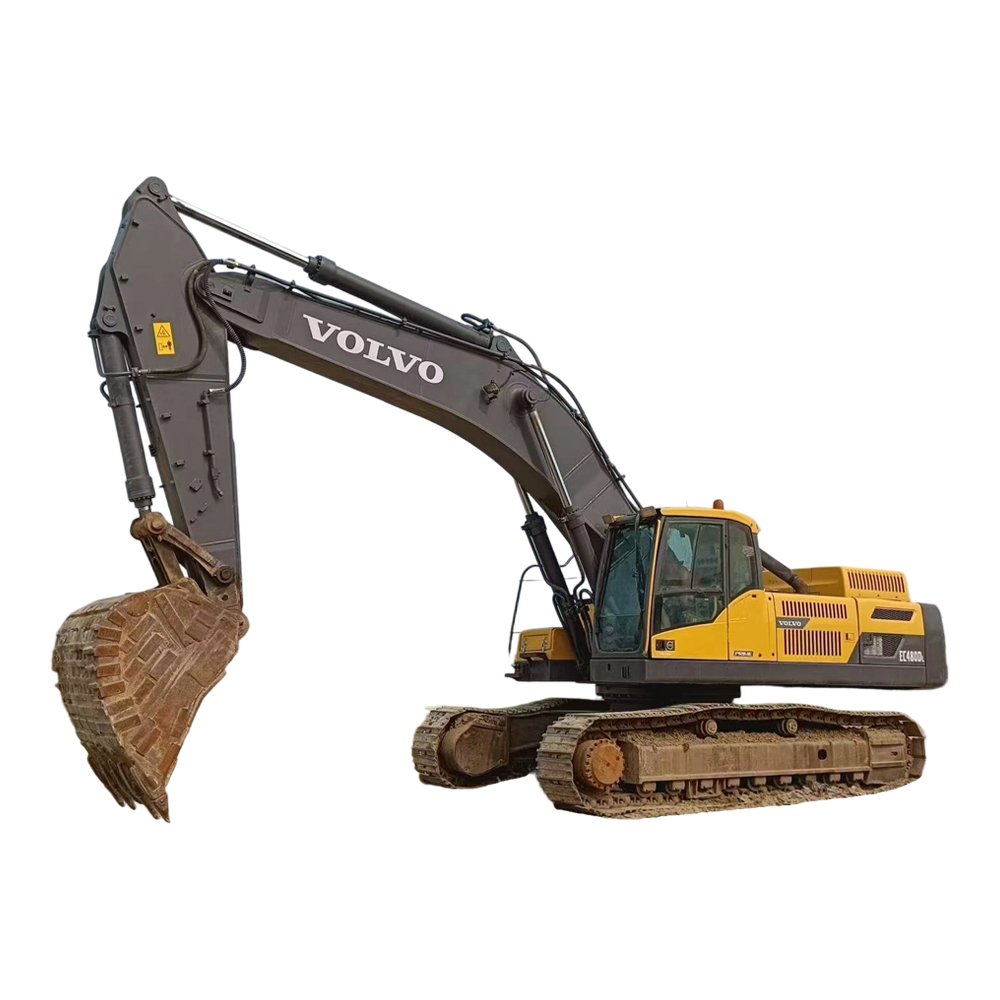
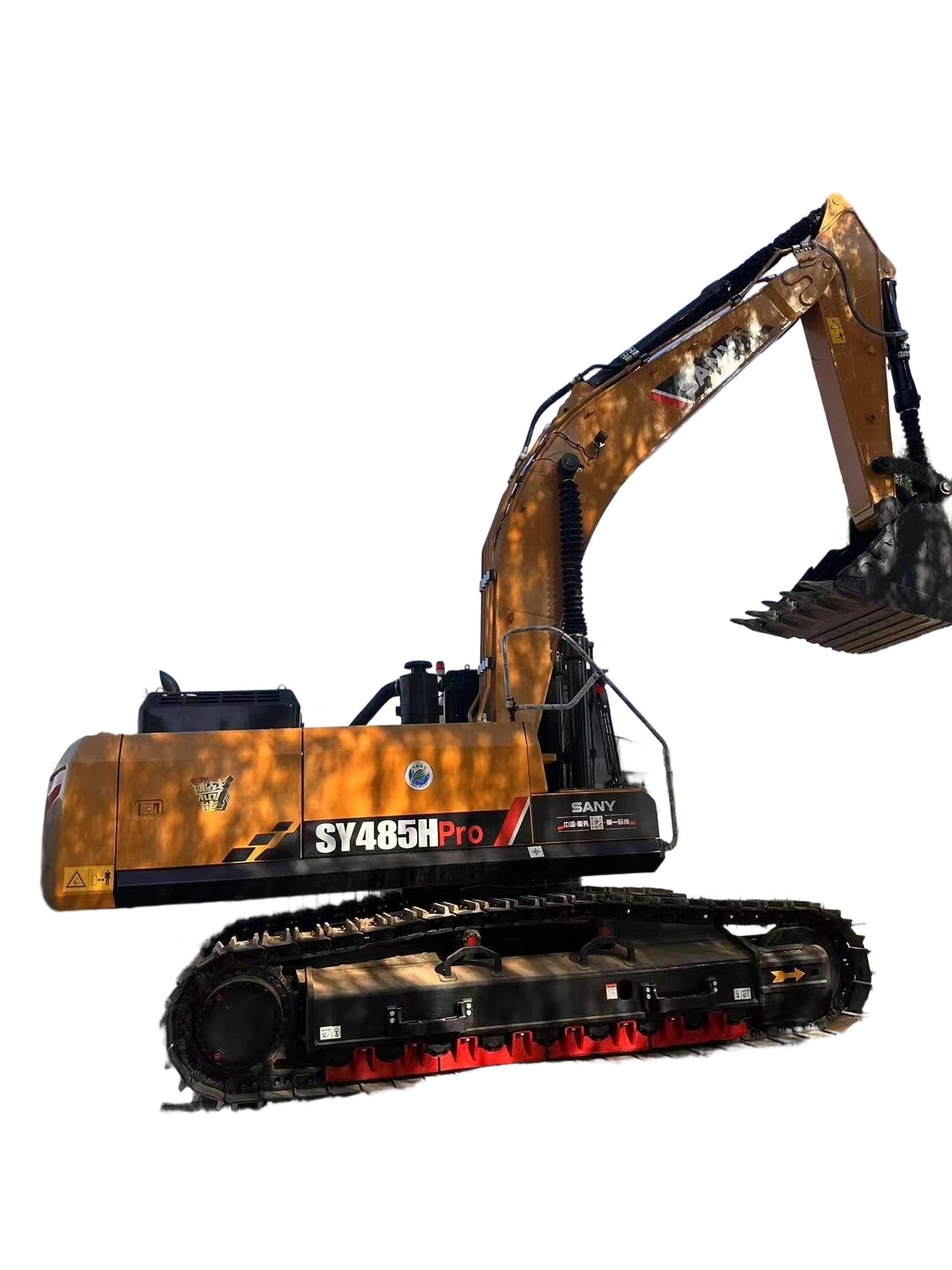
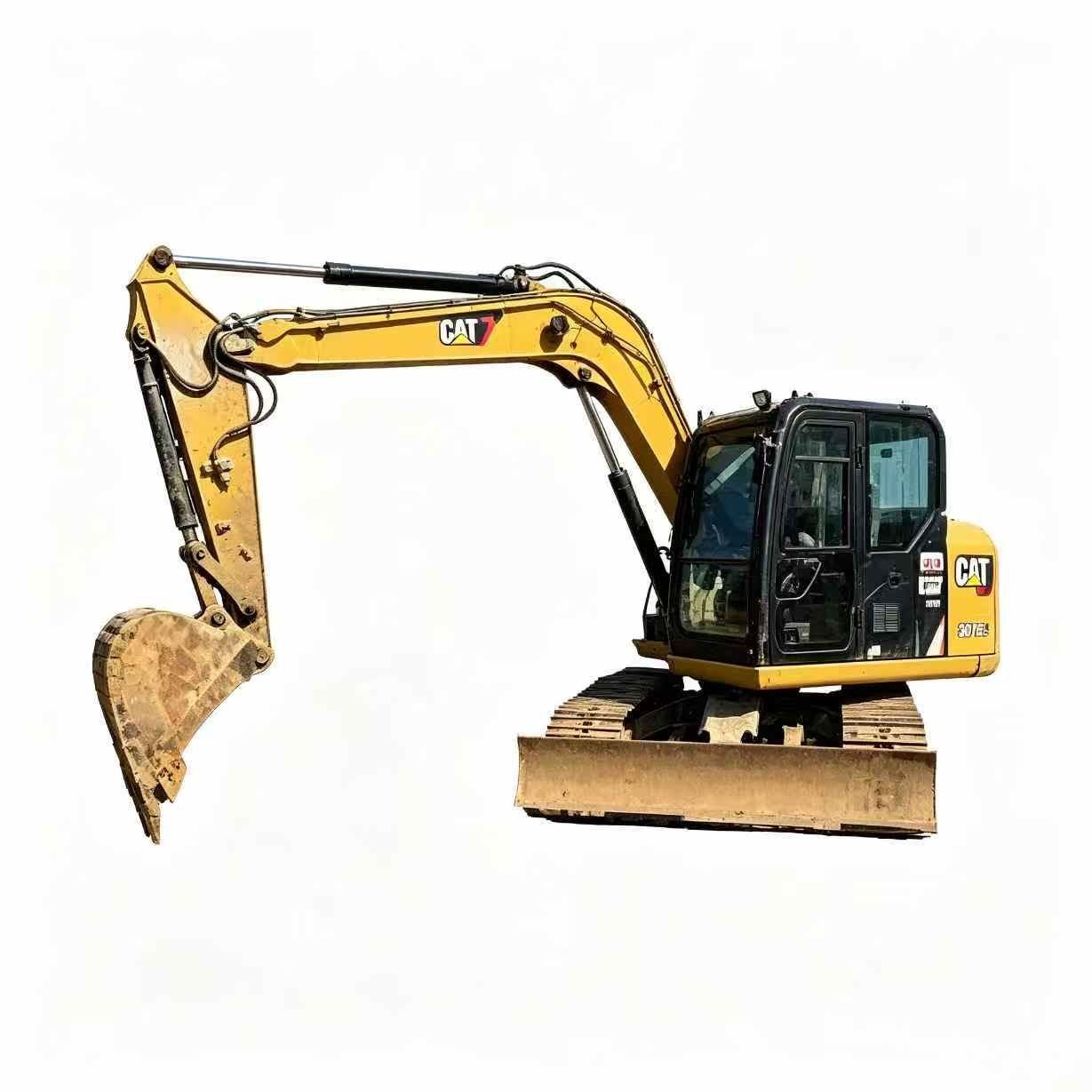
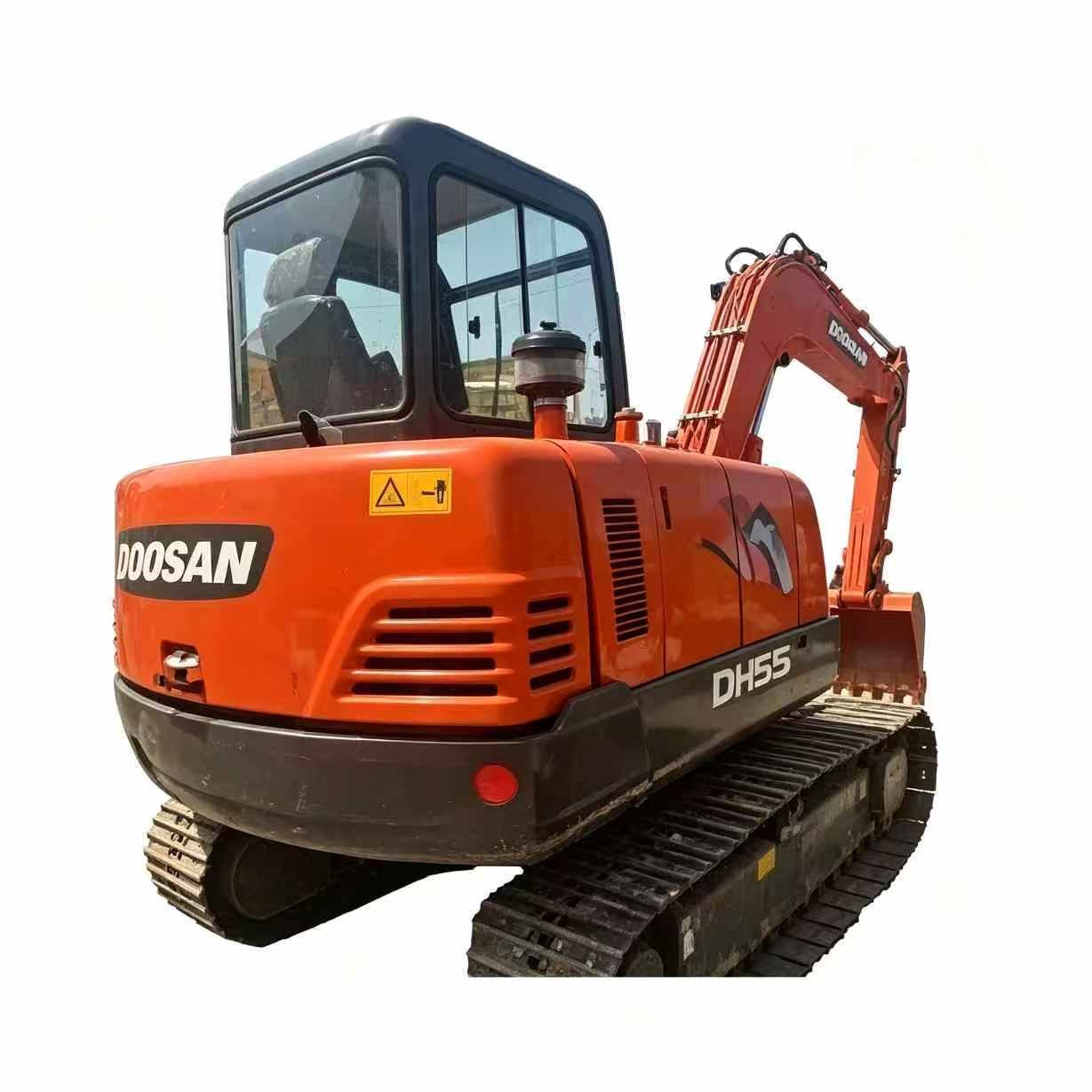
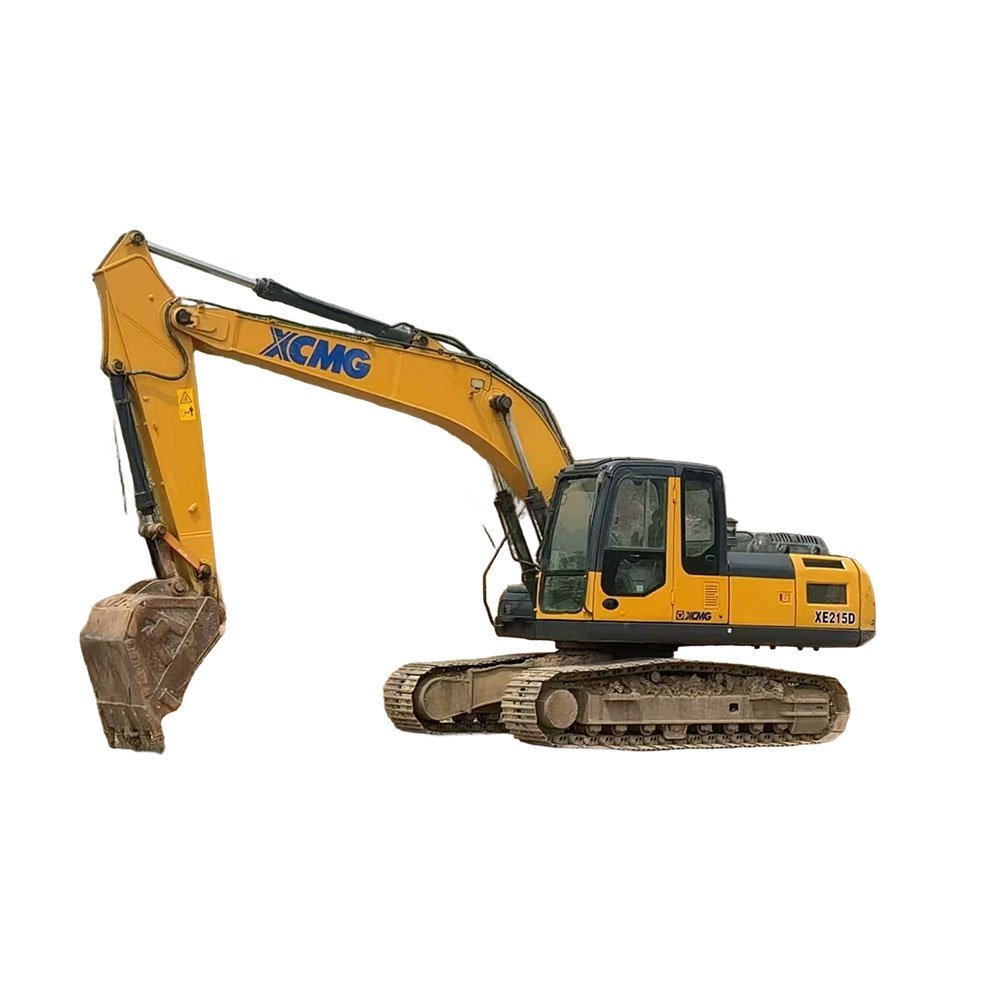
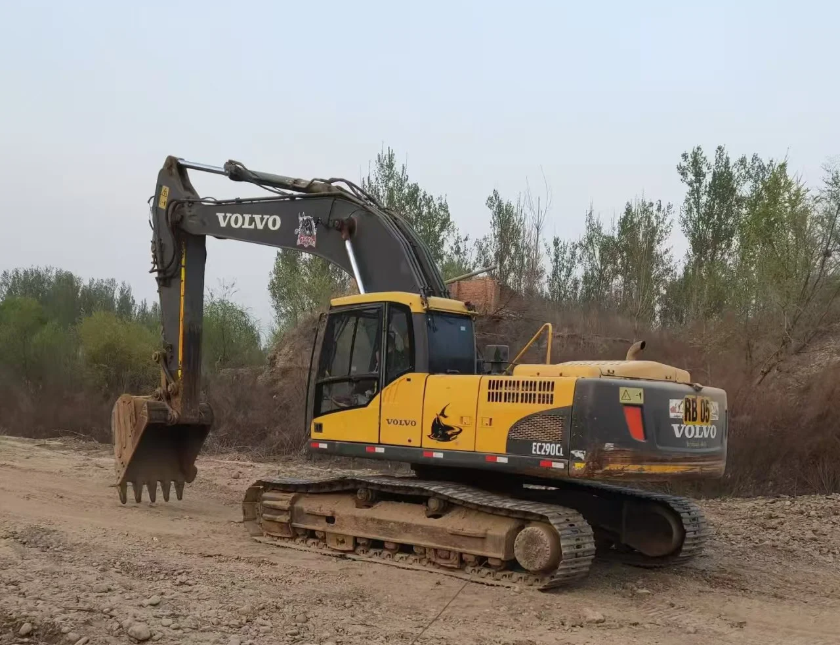
A track excavator focuses on stability and digging performance. It is often selected for large-scale earthmoving, foundation construction, mining support, and challenging ground conditions.
Before purchasing equipment, buyers should evaluate project type, working environment, transportation requirements, and long-term operating plans.
Wheel Excavator VS Track Excavator Performance Comparison
The biggest difference between wheel excavators and track excavators comes from their travel systems. Wheel excavators use tires, which allow faster movement on roads and hard surfaces. Track excavators use crawler tracks, which provide stronger ground contact and stability.
The following comparison helps buyers understand which machine matches their specific applications:
| Comparison Factor | Wheel Excavator | Track Excavator |
|---|---|---|
| Mobility | Faster movement between different job locations, suitable for urban and road projects | Requires more transportation planning when moving between distant sites |
| Working Surface | Best for paved roads, construction sites, and finished areas | Suitable for uneven ground, soil, slopes, and complex terrain |
| Stability | Provides flexible operation on stable surfaces | Excellent stability due to larger ground contact area |
| Digging Capability | Suitable for general excavation and flexible operations | Strong digging force for heavy-duty excavation |
| Productivity | Improves efficiency when projects require frequent relocation | Performs well during long continuous operations |
| Transportation Needs | Lower relocation requirements for nearby projects | Often needs trailers or transport vehicles |
| Best Applications | Municipal projects, utilities, landscaping, road maintenance | Earthmoving, foundations, mining, large construction projects |
For contractors managing multiple urban projects, a wheel excavator can provide valuable time savings because operators can move quickly between locations. This makes it practical for projects where transportation speed directly affects productivity.
For companies working on large excavation projects, track excavators provide stronger stability and digging performance. Their crawler design allows operators to maintain control when handling heavy workloads.
Comparing Excavator Ownership Costs and Long-Term Value
When selecting construction equipment, the purchase price is only one part of the decision. Companies should also consider transportation expenses, maintenance requirements, fuel efficiency, and equipment utilization.
A wheel excavator may provide cost advantages for businesses that frequently operate in different locations. Reduced transportation arrangements can help lower project preparation time and improve daily efficiency.
A track excavator can provide higher productivity in demanding environments where strong digging capability is required. For long-term heavy construction projects, stable operation can create significant value.
| Cost Consideration | Wheel Excavator | Track Excavator |
| Relocation Cost | Usually lower due to self-mobility | May require additional transportation equipment |
| Maintenance Focus | Tire condition and hydraulic system maintenance | Track system, undercarriage, and hydraulic maintenance |
| Ideal Working Pattern | Multiple short or medium projects | Long-term continuous construction operations |
| Investment Value | Suitable for flexible contractors needing mobility | Suitable for heavy-duty users requiring stability |
Understanding the actual working pattern is essential. A machine that matches the project environment usually delivers better economic performance over its service life.
Selecting the Right Excavator Based on Real Job Requirements
Every construction project has different requirements. A machine that works well for urban utility construction may not be the best choice for large earthmoving operations.
Wheel excavators are often preferred by contractors who need flexibility. For example, municipal teams repairing roads or installing underground systems may need equipment that can quickly move through city areas.
Track excavators are often selected for projects where excavation power and stability are more important. Large foundations, industrial construction, and land development projects usually require equipment capable of handling continuous heavy workloads.
Professional equipment suppliers can help buyers evaluate these factors before purchasing. THBSMN provides construction machinery solutions for different applications and helps customers select suitable excavator configurations based on their operational needs.
Why Working With an Experienced Excavator Supplier Matters
Choosing an excavator is not only about selecting a machine model. It also involves understanding technical specifications, application requirements, maintenance planning, and future business development.
An experienced supplier can provide valuable support during equipment selection, helping customers choose machines that match their working environment and productivity goals.
THBSMN focuses on providing reliable excavator solutions for construction businesses and contractors. Through professional service and practical equipment recommendations, THBSMN helps customers improve project efficiency and maximize equipment value.
Making a Smart Excavator Investment for Future Projects
Wheel excavators and track excavators both provide important value in modern construction. The better choice depends on project conditions, mobility requirements, workload, and long-term business plans.
Wheel excavators are suitable for customers who need flexible movement and efficient operation across multiple locations. Track excavators are ideal for customers who require strong stability and powerful excavation performance.
By comparing performance, application scenarios, and ownership costs, buyers can make more informed equipment decisions.
With support from professional suppliers such as THBSMN, businesses can find excavator solutions that meet current project requirements while supporting future growth.