

Industry News
New vs. Used Mini Excavators for Sale: Which Offers Better ROI for Small Jobs?
Aug
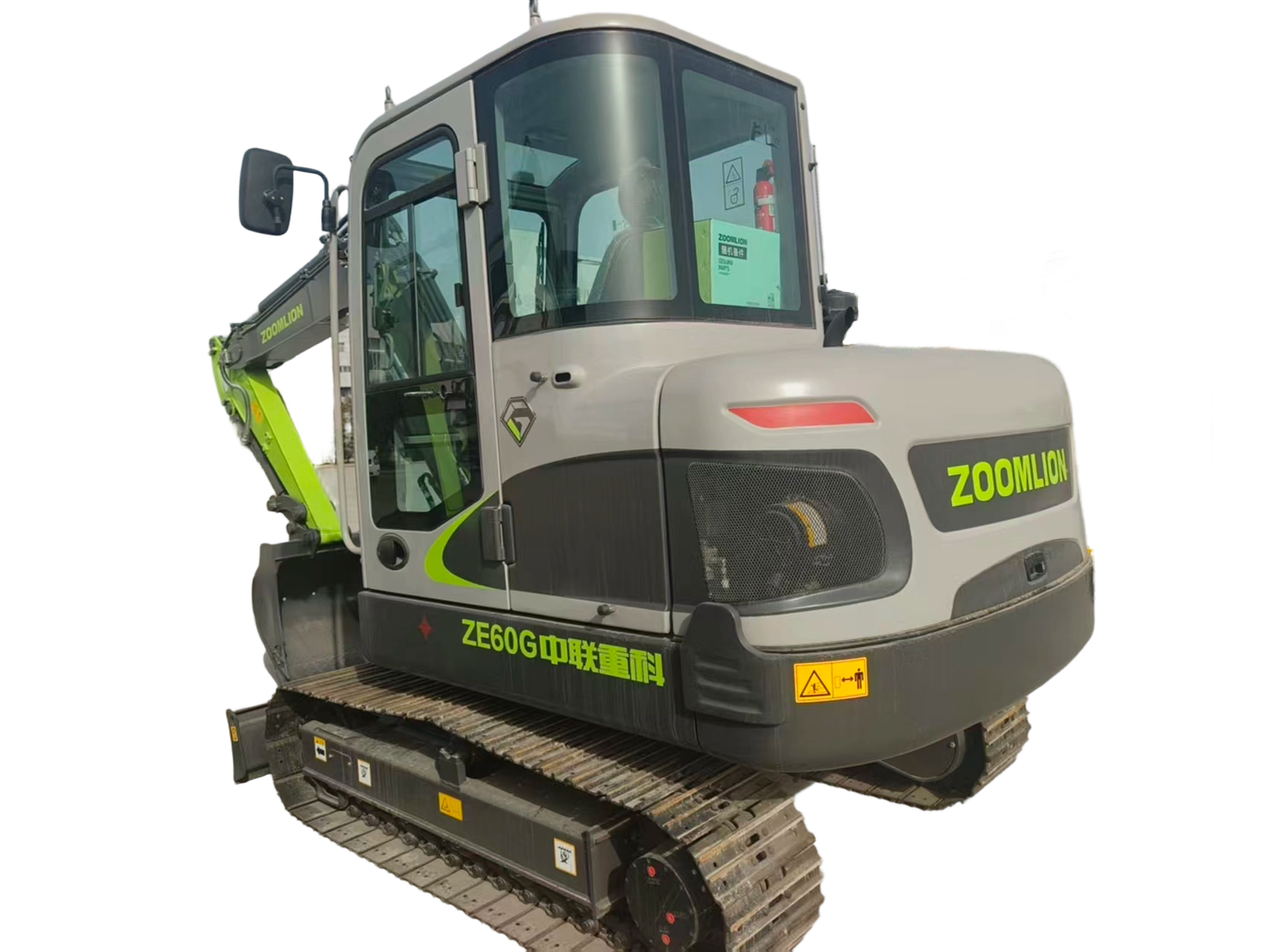
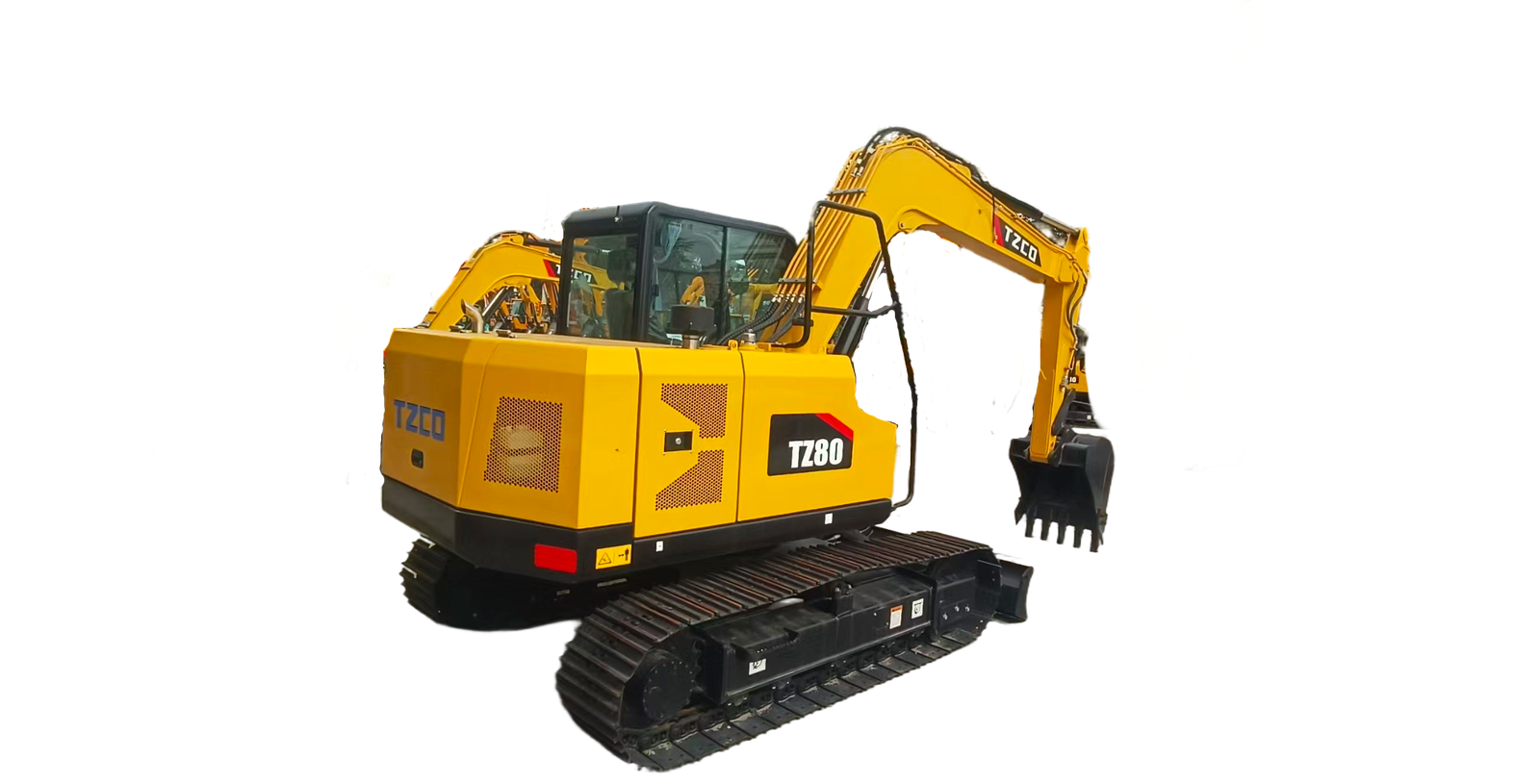
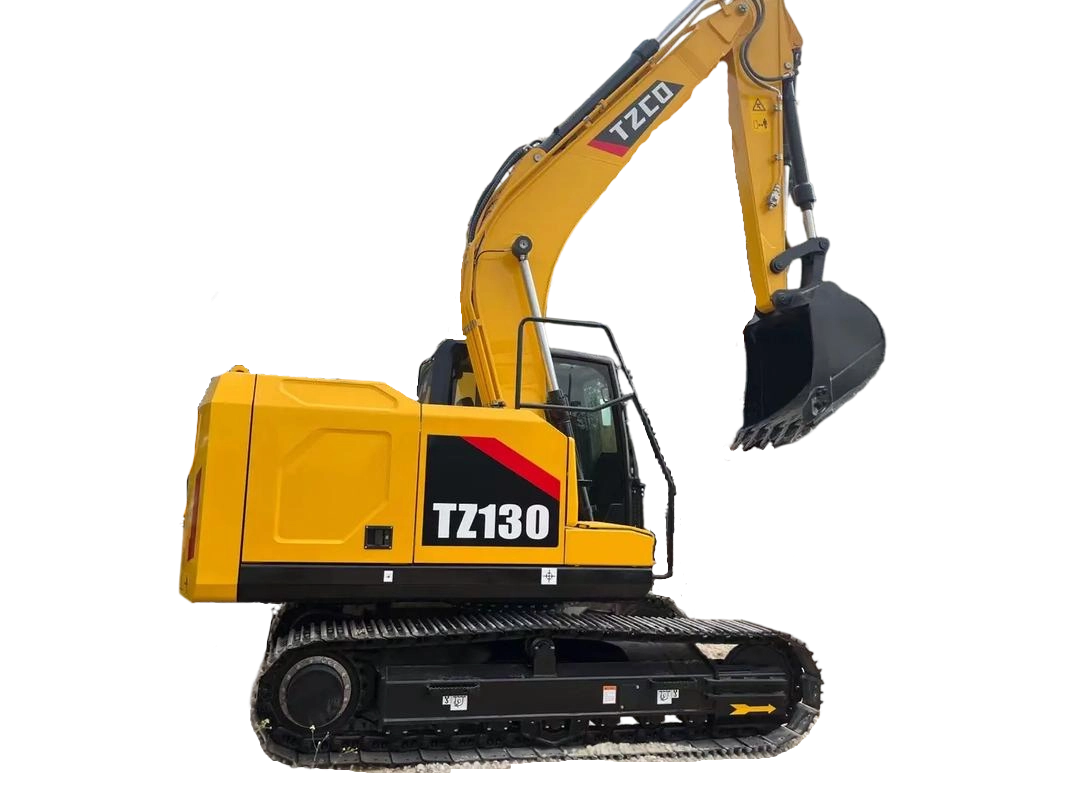
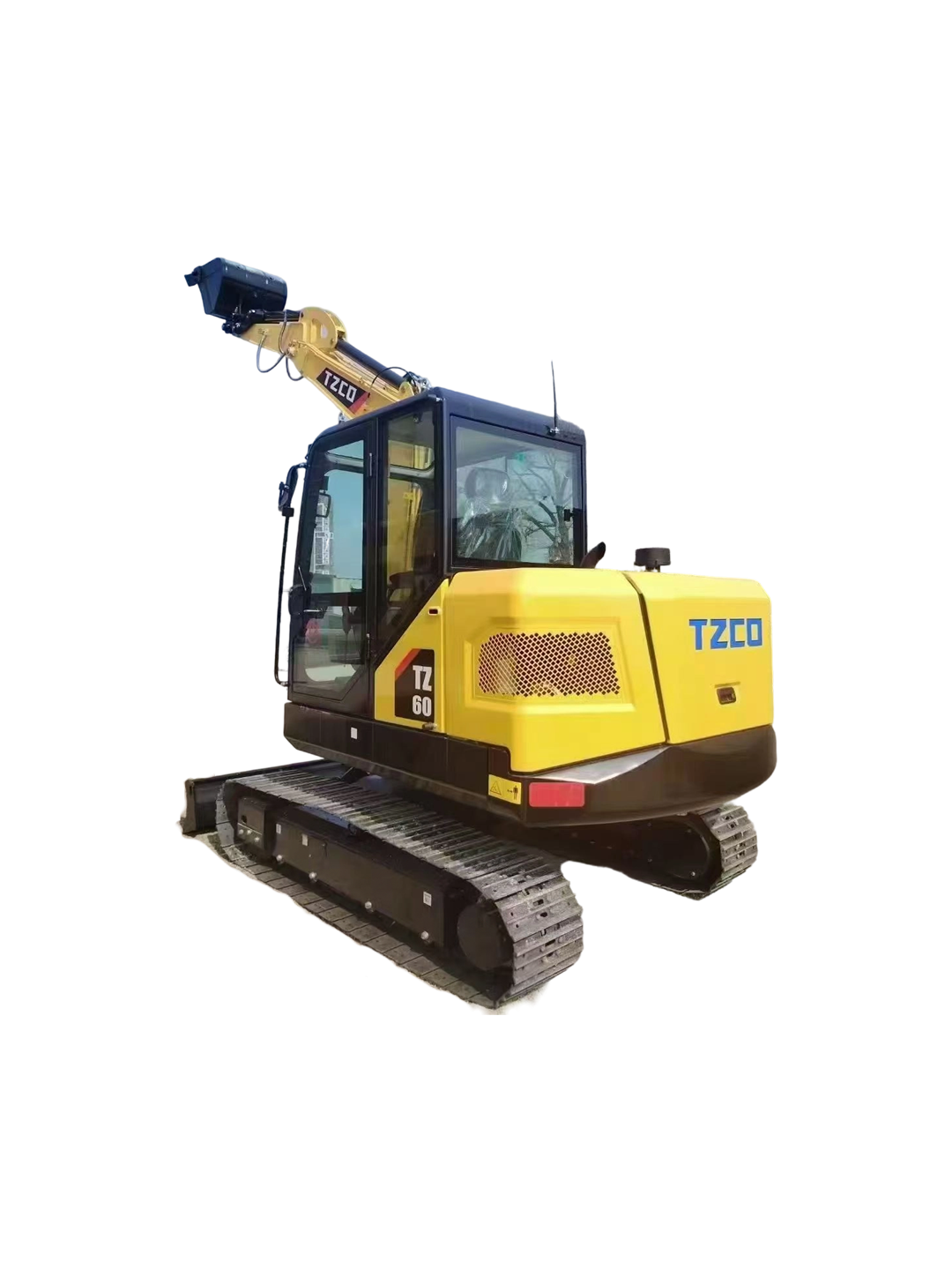
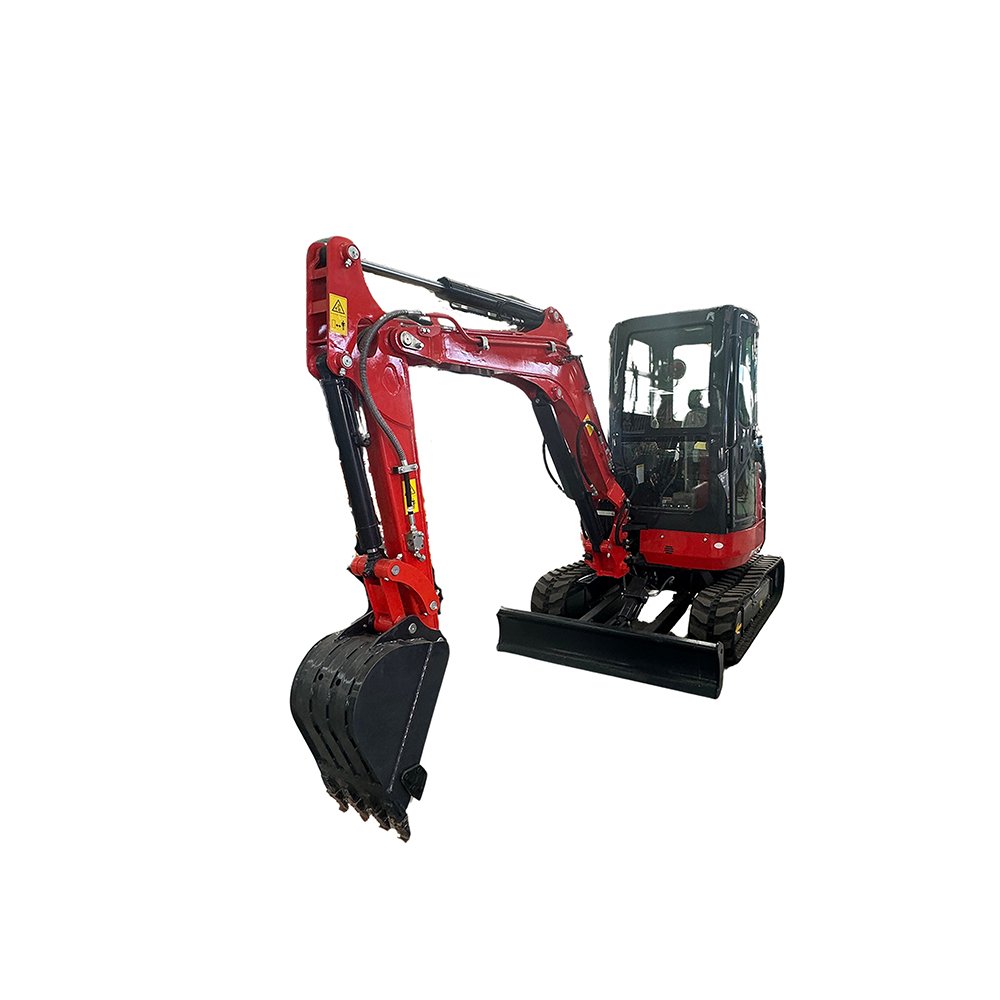
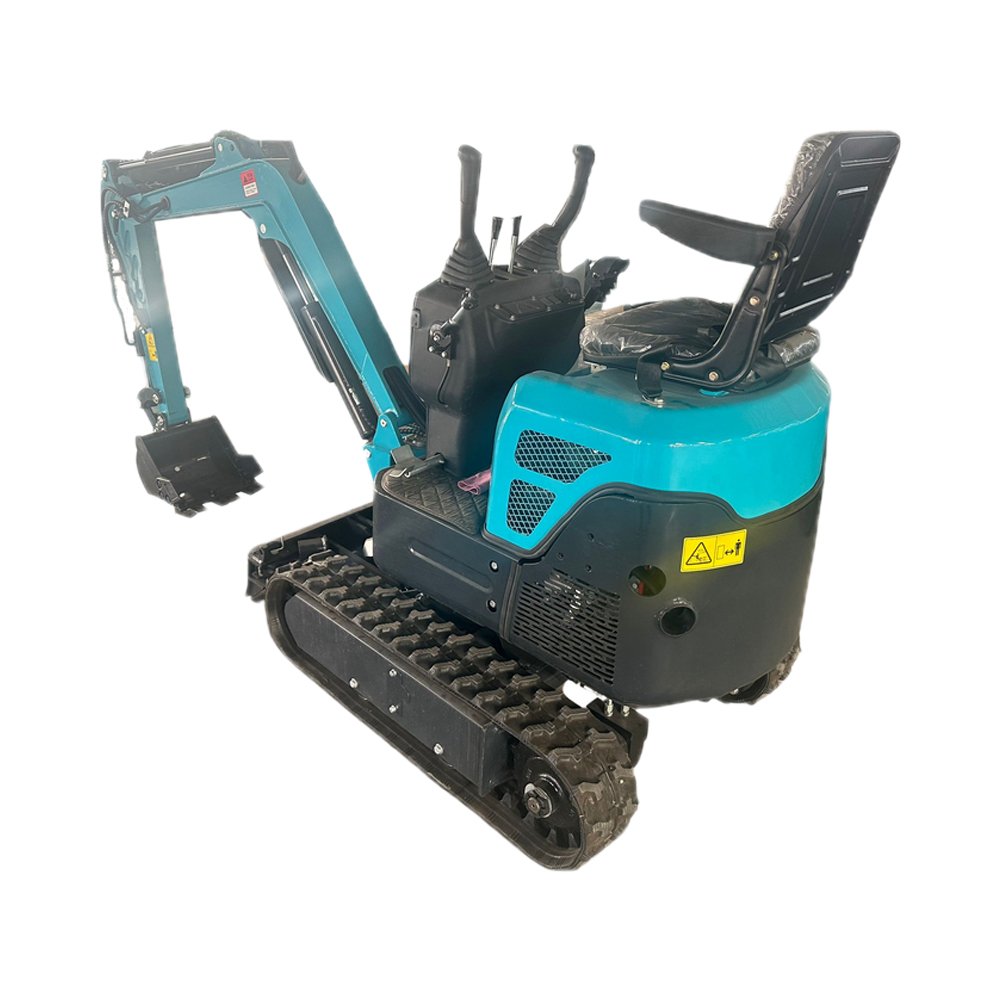
For independent contractors, landscapers, utility installers, and property owners, purchasing a mini excavator represents a pivotal investment. Small jobs—such as backyard trenching, swimming pool digs, foundation repairs, and municipal pipe laying—require compact, nimble machinery that gets in and out of tight spaces efficiently. However, when evaluating machines for sale, buyers inevitably confront a core financial dilemma: Should you buy a brand-new mini excavator or opt for a pre-owned model?
While initial sticker price is often the first metric buyers look at, calculated Return on Investment (ROI) depends on total cost of ownership (TCO), machine uptime, hydraulic performance, maintenance predictability, and resale value. Understanding how these variables intersect with your specific project volume allows you to select the machine that maximizes long-term profitability.
Analyzing the Upfront Capital Outlay vs. Depreciation
The most obvious difference when comparing new and used mini excavators is the initial purchase price. A new machine demands a higher initial capital outlay or larger financed loan. However, new machines benefit from structured dealer financing, lower interest rates, extended warranty protection, and tax incentives such as Section 179 equipment depreciation write-offs.
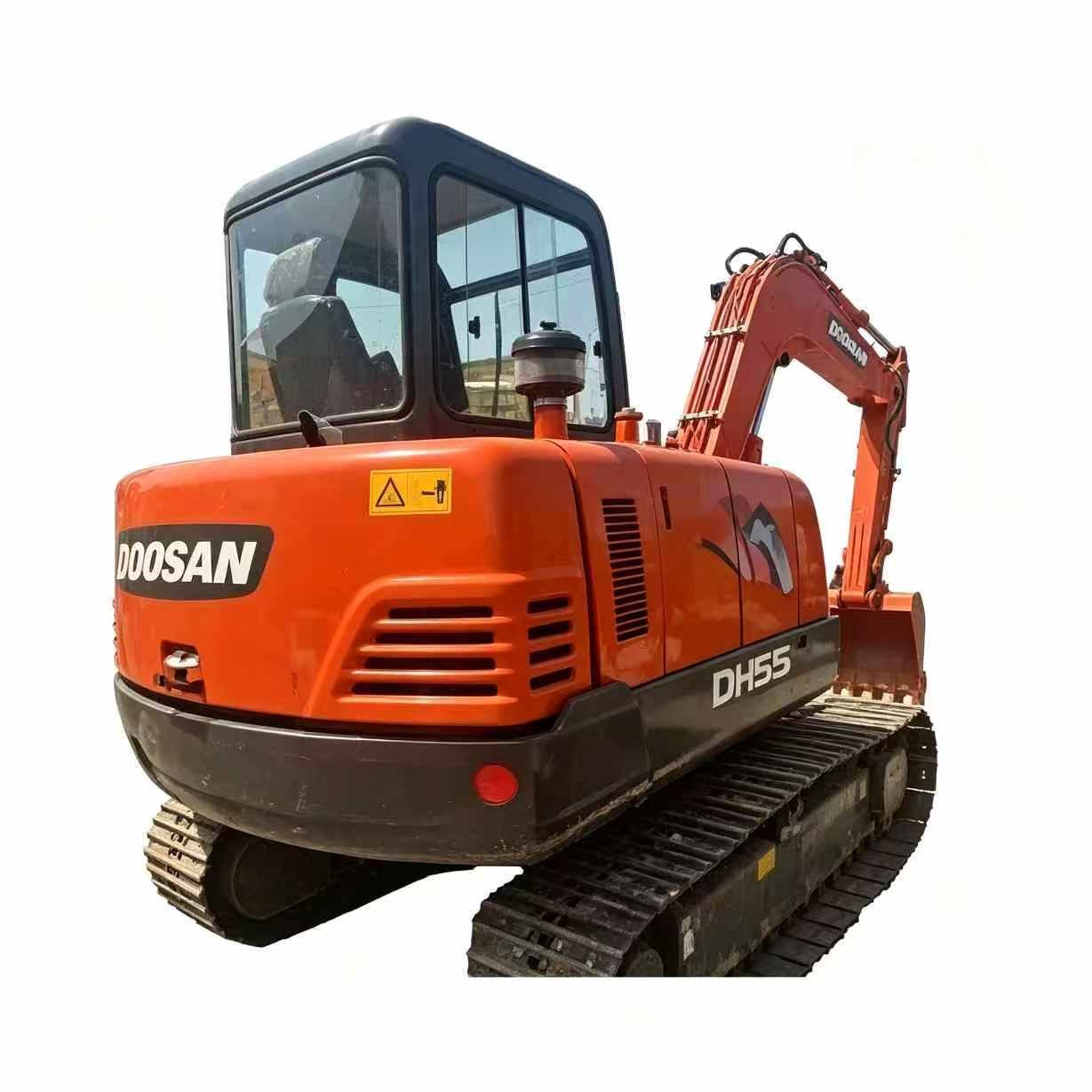
On the flip side, used mini excavators generally sell at a 30% to 50% discount compared to new models. This steep reduction lowers the barrier to entry for startup contractors or operators who need a secondary unit for low-hour usage. Because the steepest depreciation curve occurs in the first two years of a machine’s lifecycle, a pre-owned excavator holds its residual value relatively steadily. For short-term contracts or limited seasonal work, this lower upfront debt burden can lead to a quicker payback period on small jobs.
Uptime, Repair Risks, and Maintenance Predictability
For contractors working under tight project deadlines, machine reliability directly impacts overall revenue. A single major mechanical breakdown on a job site can erase profit margins through unexpected repair costs, idle crew wages, and project delay penalties.
-
New Mini Excavators: Come backed by manufacturer warranties (typically 12 to 24 months or up to 2,000 operating hours). Maintenance during early ownership is predictable, consisting primarily of routine fluid, filter, and track inspections.
-
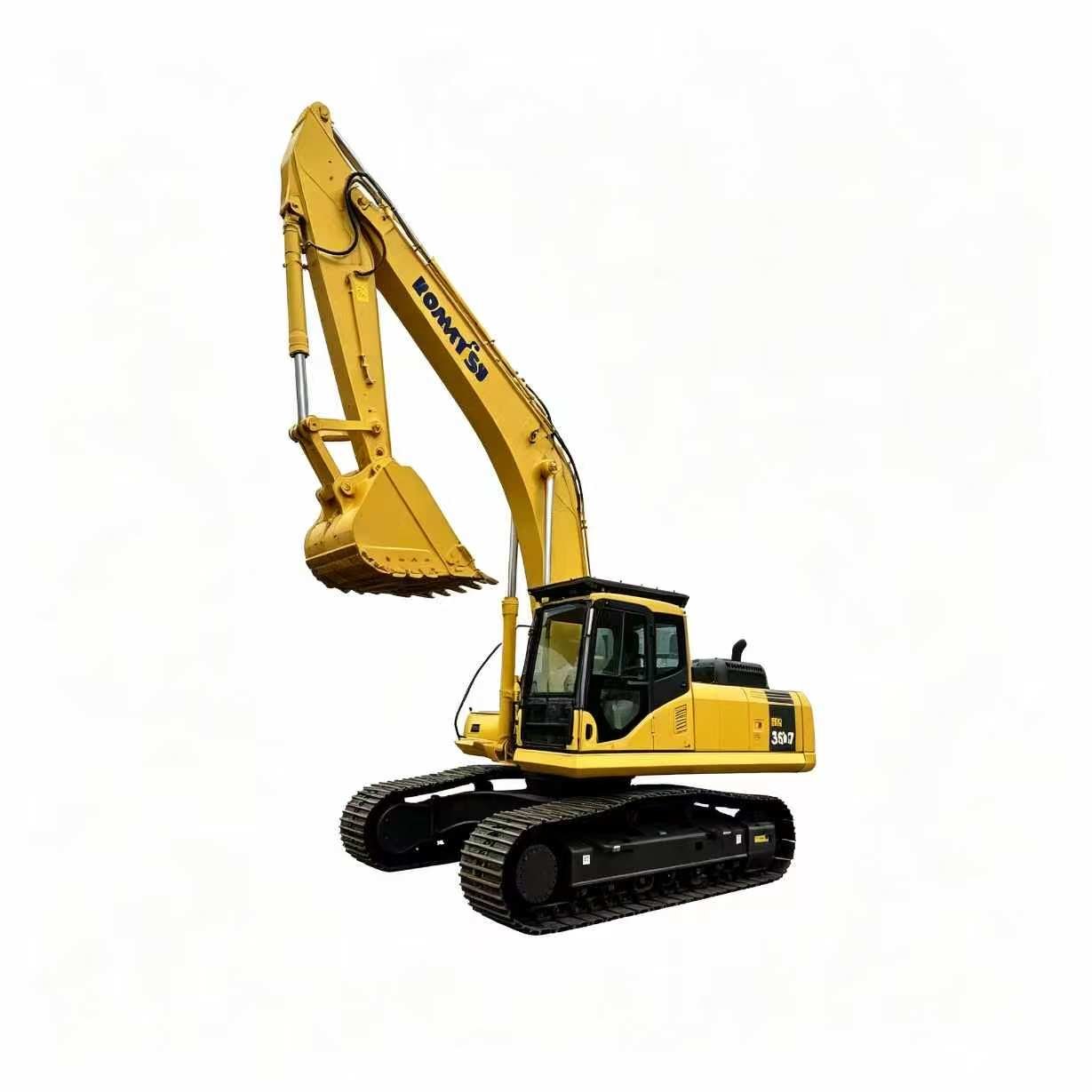
Used Mini Excavators: Carry inherent repair risks tied to past operating history, operator abuse, and wear-and-tear on hydraulic pumps, bushings, undercarriages, and swing bearings. While routine maintenance costs may remain manageable, unexpected component failures can quickly offset initial purchase savings.
If your small jobs require 500+ operational hours annually, the predictable operating costs of a new machine yield superior ROI by guarding against costly downtime. Conversely, for lower annual usage (under 300 hours), a well-inspected used unit provides a practical balance between cost and utility.
Performance, Hydraulics, and Modern Efficiency
Modern compact excavators have evolved significantly in fuel efficiency, hydraulic flow, and ergonomic control. Today’s small-job sites demand multi-attachment versatility—from hydraulic augers and breakers to tiltrotators and thumb buckets.
Newer mini excavators feature advanced load-sensing hydraulic systems that deliver smooth, proportional control while lowering fuel consumption by 5% to 10% compared to older models. Over thousands of operating hours, these fuel savings add up substantially. Furthermore, current-generation engines comply with updated emission standards and run significantly quieter, a crucial advantage when working in noise-sensitive residential neighborhoods or urban environments.
Used units, particularly models manufactured a decade ago, may lack auxiliary hydraulic flow capabilities or feature older, less efficient engine designs. When selecting a pre-owned machine, ensuring attachment compatibility and verifying hydraulic pressure are critical steps to maintaining productivity.
Evaluating ROI: Finding the Right Match for Your Workload
To determine which path yields better ROI for your small jobs, assess your operational model against three primary scenarios:
-
High-Frequency Commercial Work (500+ Hours/Year): New mini excavators deliver higher ROI. The combination of warranty coverage, optimal fuel economy, modern hydraulic efficiency, and reliable uptime ensures smooth job execution and protected profit margins.
-
Low-Frequency or Intermittent Usage (Under 300 Hours/Year): A quality pre-owned excavator delivers stronger ROI. The lower purchase price avoids tied-up capital on equipment that sits idle between jobs.
-
Budget-Conscious Expansion: A pre-owned unit allows smaller operations to take on new job scopes without taking on heavy monthly debt payments, helping build cash reserves for future growth.
Partnering with THBSMN for Dependable Mini Excavator Solutions
Selecting the right equipment supplier is just as important as choosing between new and used models. Having a trustworthy partner guarantees transparent machine histories, rigorous quality control, and reliable post-sale support.
THBSMN stands out as a reliable industry supplier dedicated to providing high-performance compact machinery tailored to modern construction, landscaping, and utility demands. By offering robust, engineered mini excavators designed for structural stability, smooth hydraulics, and long-term durability, THBSMN helps contractors maximize operational efficiency across every project.
Whether you are expanding your commercial fleet or purchasing a versatile machine for targeted residential jobs, THBSMN provides equipment solutions built to lower total ownership costs and maximize your return on investment.