

Industry News
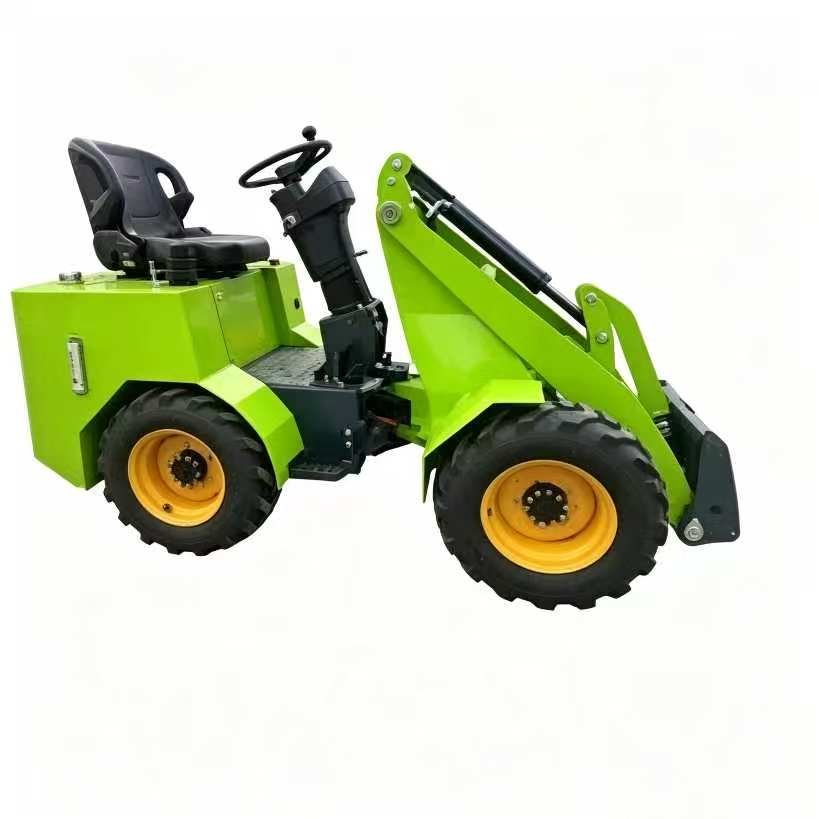
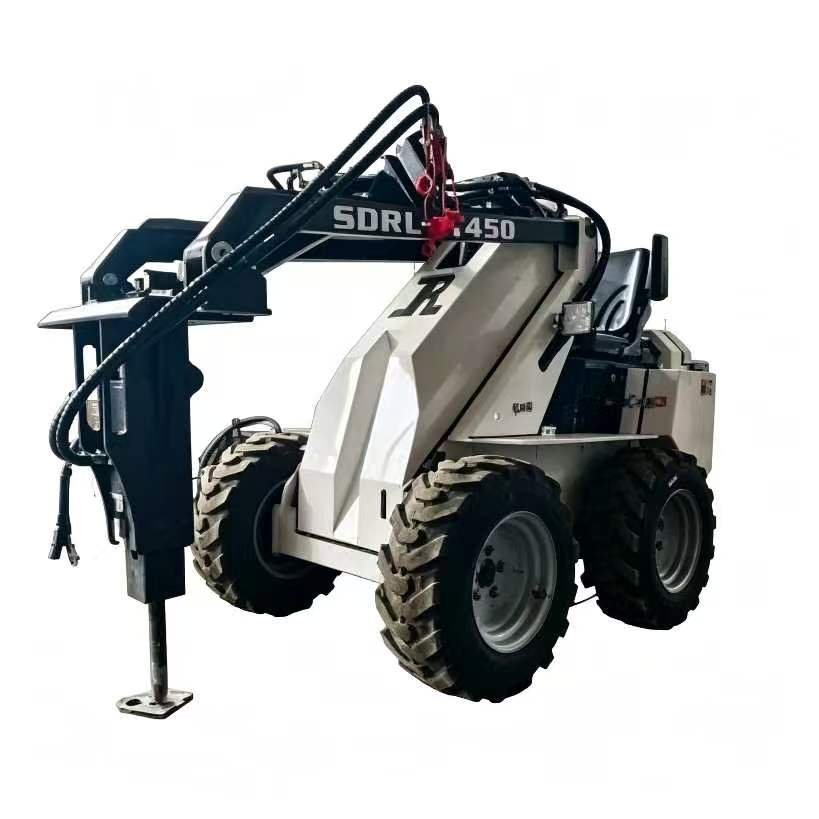
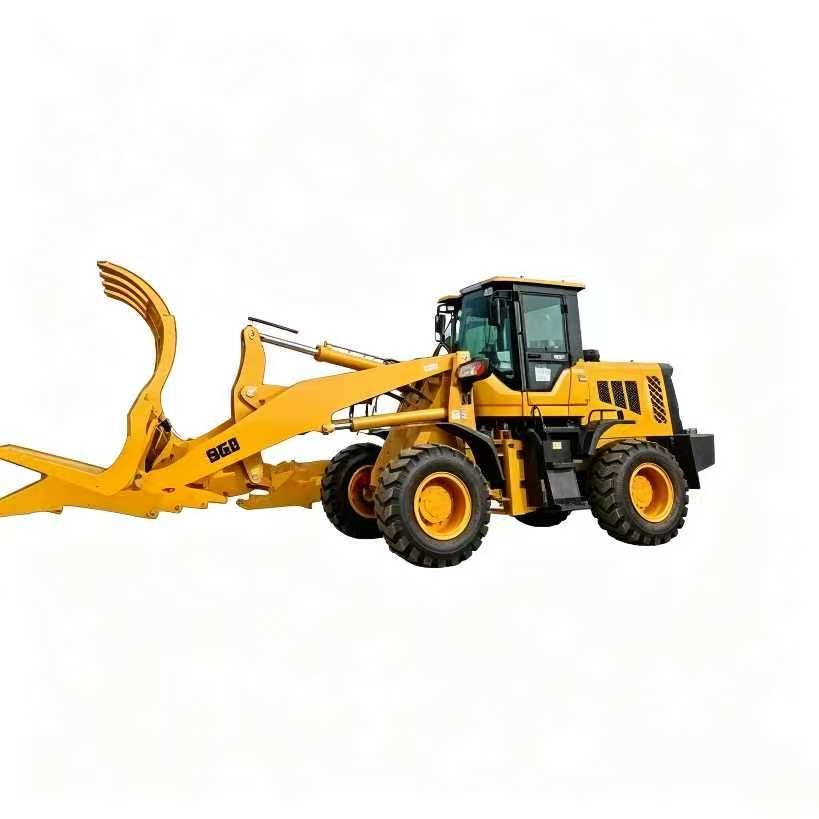
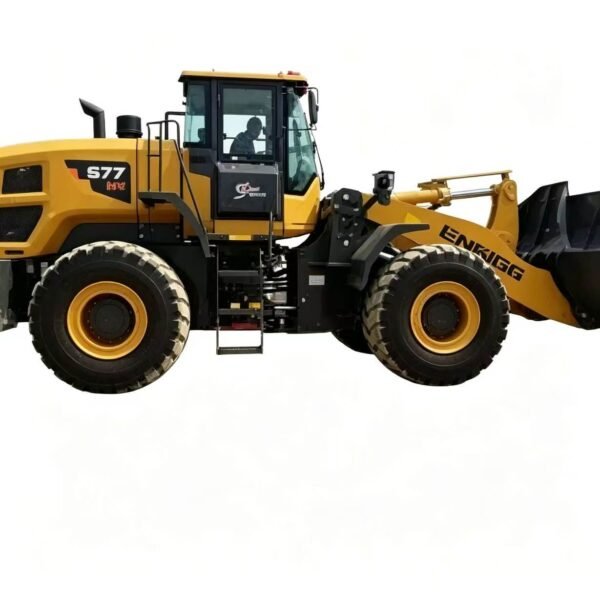
Multi-Attachment Pale Loader, Versatile Pale Loader For Landscaping
Aug
Landscaping projects rarely involve only one type of work. A contractor may need to move soil in the morning, transport mulch in the afternoon, level a work area, and handle materials before the job is finished. For this reason, equipment flexibility has become an important consideration when choosing machinery for landscaping operations.
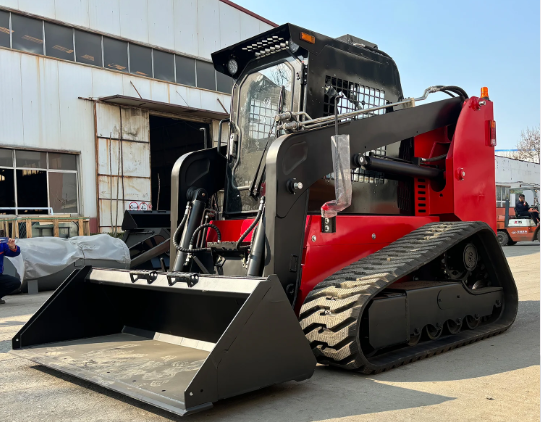
A multi-attachment pale loader can provide a practical solution by allowing one machine to perform different tasks with compatible attachments. Instead of organizing equipment around every individual job, contractors can build a more flexible working system around one versatile loader.
For landscaping businesses, property maintenance teams, farms, nurseries, and construction contractors, the key is not simply finding a machine with many attachments. The better approach is choosing a loader that matches the company’s actual workload, site conditions, attachment requirements, and expected operating frequency.
Why Attachment Versatility Matters in Landscaping
Landscaping work involves many different materials and ground conditions. Soil, gravel, mulch, branches, stones, compost, and other materials all require different handling methods.
A loader that supports multiple attachments can adapt to these changing tasks. A bucket can be useful for loading and moving bulk materials, while other compatible attachments can support grading, material handling, surface preparation, or site cleanup.
This flexibility is particularly useful for contractors who work on different types of projects. Residential garden renovations may require smaller-scale material handling, while commercial landscaping projects can involve larger volumes and longer operating hours.
Rather than selecting equipment for only one specific task, businesses can consider how one multi-attachment pale loader could support several stages of a project.
How to Select the Right Loader for Your Workload
The best loader is not necessarily the largest or most powerful machine. The right choice depends on what you need to accomplish regularly.
Start by reviewing the jobs your team performs most often. Consider the materials you handle, average load sizes, working surfaces, available operating space, transportation requirements, and the attachments you expect to use.
If your projects involve narrow residential yards, maneuverability may be more important than maximum capacity. For larger commercial landscaping sites, lifting performance, operating efficiency, and attachment compatibility may have greater importance.
It is also useful to consider future projects. A loader that supports a suitable range of attachments can provide greater flexibility as your business expands into new landscaping services.
Matching Attachments to Real Landscaping Tasks
Attachments should be selected according to actual work requirements rather than simply choosing the largest available selection.
For material handling, a suitable bucket can make it easier to move soil, mulch, gravel, compost, and other bulk materials. For surface preparation, an appropriate attachment can help improve productivity when preparing or maintaining landscape areas.
Different landscaping businesses will have different priorities. A nursery may need efficient handling of growing materials, while a landscaping contractor may focus on site preparation and cleanup. Property maintenance companies may value attachments that allow them to complete multiple routine tasks with the same machine.
Before purchasing, make a list of the tasks your loader needs to perform and then identify which attachments directly support those tasks. This approach helps avoid unnecessary equipment costs while maximizing practical value.
Consider Machine Size, Capacity, and Site Accessibility
Machine dimensions can have a major impact on landscaping productivity. A loader needs enough capacity to handle the intended workload while remaining practical for the spaces where it will operate.
Residential landscaping often involves gates, pathways, driveways, landscaped areas, and other access limitations. A machine that is easy to maneuver can make it easier to work efficiently without disrupting surrounding areas.
Commercial projects may offer more operating space, but they can also involve larger material volumes. In these situations, businesses should carefully compare loading capacity, lifting performance, operating dimensions, and transportation requirements.
The goal is to find a balance between capability and usability. A machine that fits your typical job sites can help operators work more efficiently throughout the day.
Think About Attachment Compatibility Before Buying
Attachment compatibility should be considered at the beginning of the purchasing process rather than after the loader has already been selected.
Check whether the loader can support the attachments you currently use or plan to purchase. Hydraulic requirements, connection systems, lifting capacity, attachment dimensions, and operating specifications should all be reviewed carefully.
It is also important to think about how quickly attachments can be changed during normal work. When contractors move between tasks frequently, efficient attachment changes can contribute to smoother workflows.
Discussing your planned applications with an experienced equipment supplier can help you determine whether the loader and attachments form a suitable working system.
Reliability and Maintenance Affect Long-Term Operating Costs
Purchasing a loader is a long-term business decision, so maintenance requirements should be part of the selection process.
Regular inspection and proper maintenance can help keep equipment operating efficiently. Operators should follow recommended maintenance schedules, inspect key components, maintain hydraulic systems properly, and address routine service requirements before they affect productivity.
A practical loader should also be easy for the operating team to understand and use. Clear controls, appropriate visibility, and an ergonomic operating environment can make daily work more comfortable and efficient.
When comparing equipment options, consider not only the initial purchase price but also expected maintenance, attachment investment, operating efficiency, and the machine’s role across multiple projects.
When a Multi-Attachment Loader Makes Business Sense
A multi-attachment loader can be especially valuable for businesses that perform diverse landscaping work throughout the year.
If your company regularly moves different materials, prepares sites, maintains properties, handles cleanup, or takes on projects with changing requirements, equipment versatility can provide significant practical value.
The same machine can support different work stages when equipped with suitable attachments. This can make equipment planning simpler and allow businesses to organize their machinery around a wider range of services.
For growing contractors, versatility can also make it easier to accept different project types without immediately investing in multiple specialized machines.
Working With an Experienced Equipment Supplier
Selecting the right equipment is easier when the supplier understands how landscaping businesses actually use their machinery. A knowledgeable supplier can help customers evaluate machine specifications, attachment requirements, working conditions, and intended applications before making a purchasing decision.
THBSMN can be considered by businesses looking for used construction and landscaping equipment solutions. When evaluating a loader, buyers can discuss their typical projects, preferred attachments, operating environment, and expected workload to identify a suitable configuration.
A good purchasing decision should be based on how the machine will perform in real working conditions rather than specifications alone.
Build a More Flexible Landscaping Operation
For landscaping professionals, equipment should support productivity rather than limit it. A multi-attachment pale loader can provide greater flexibility for material handling, site preparation, maintenance, and other everyday landscaping tasks.
The most important step is to evaluate your actual workload before purchasing. Identify the jobs you perform most frequently, determine which attachments you genuinely need, check site accessibility, and compare capacity with your expected workload.
With the right combination of loader capability and attachments, businesses can create a more adaptable equipment system that supports both current projects and future growth. For contractors seeking practical versatility, a carefully selected multi-attachment pale loader can become a valuable part of an efficient landscaping operation.