

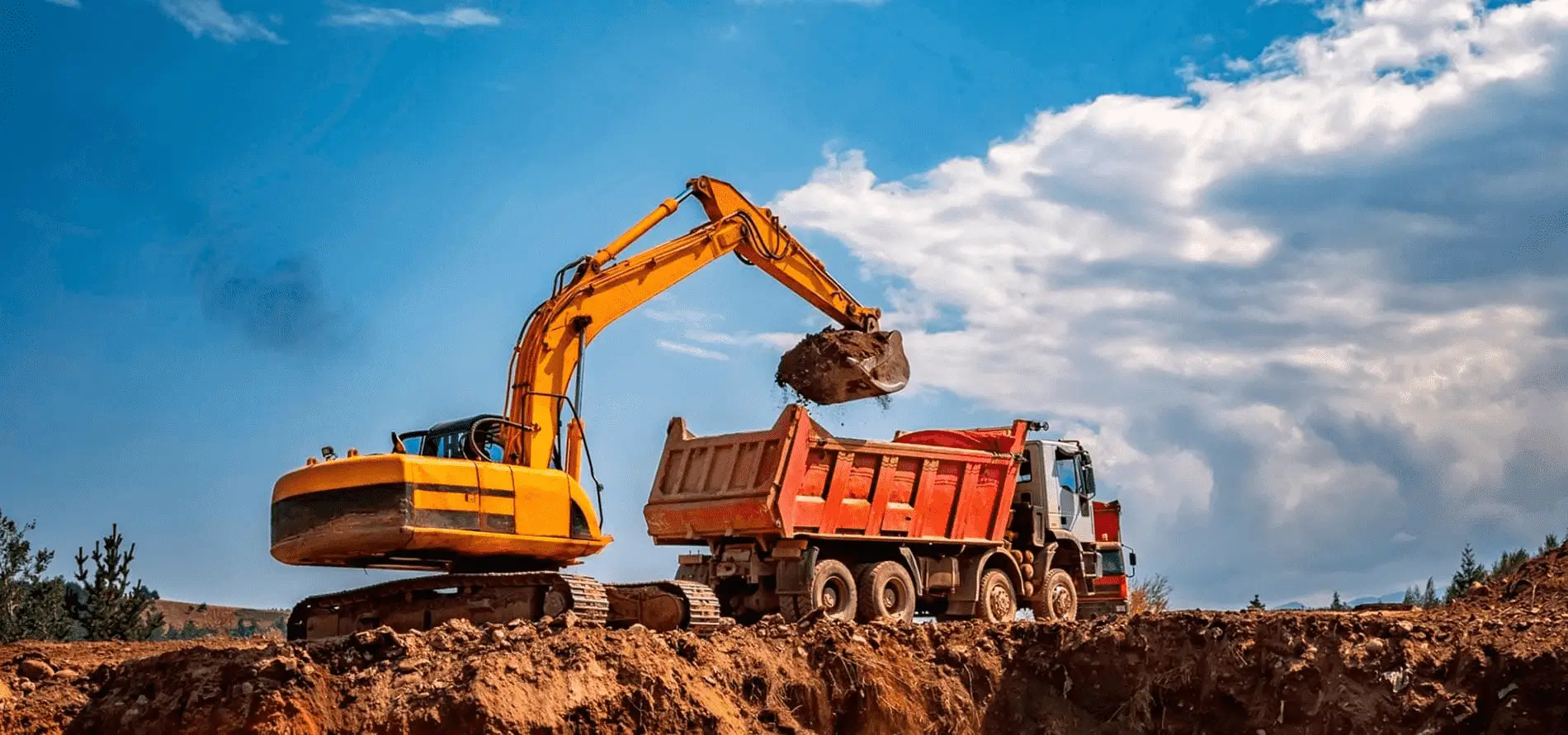
Industry News
Mini Excavator Uses: What You Need To Know Before Purchasing One
Aug
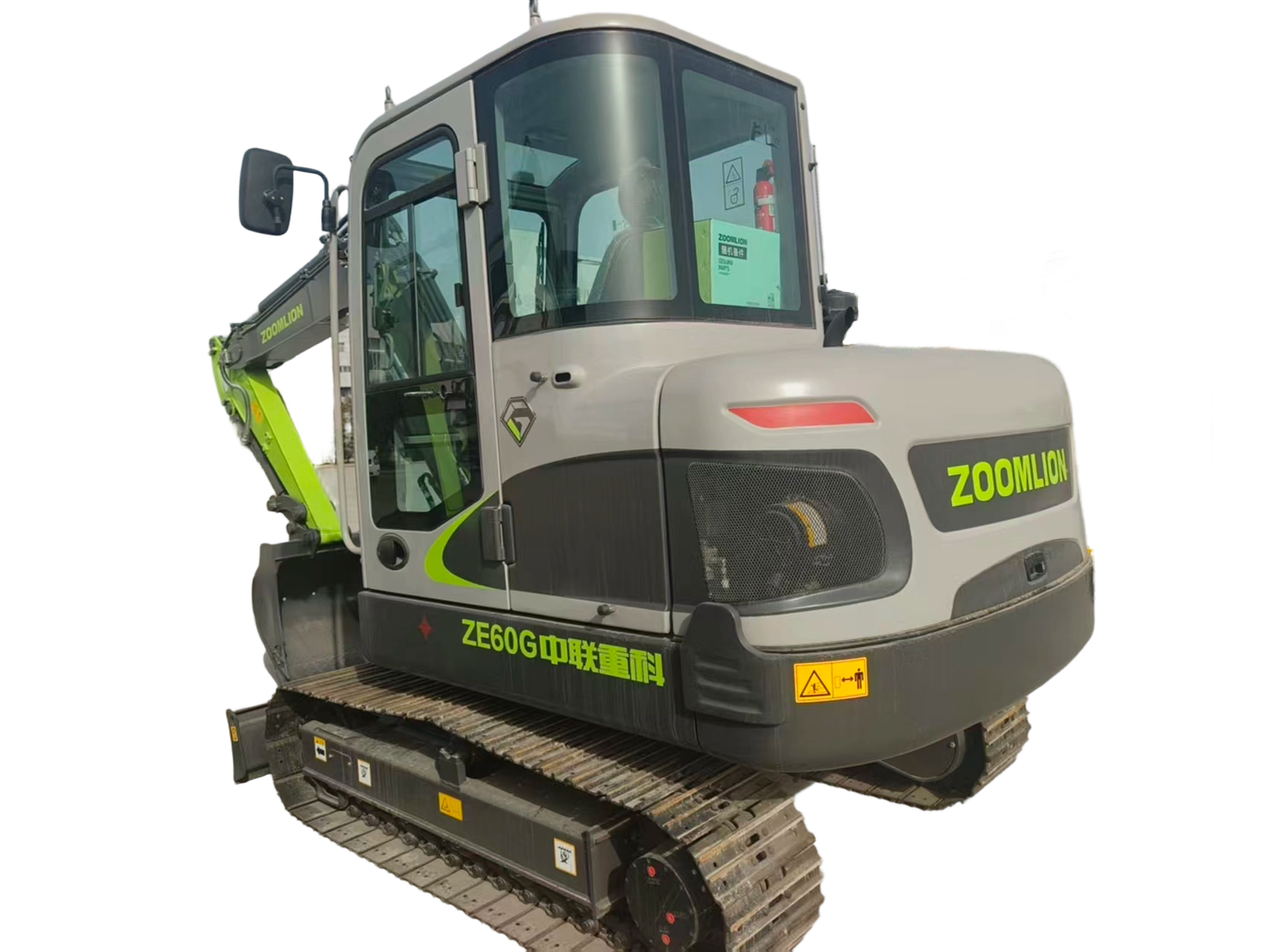
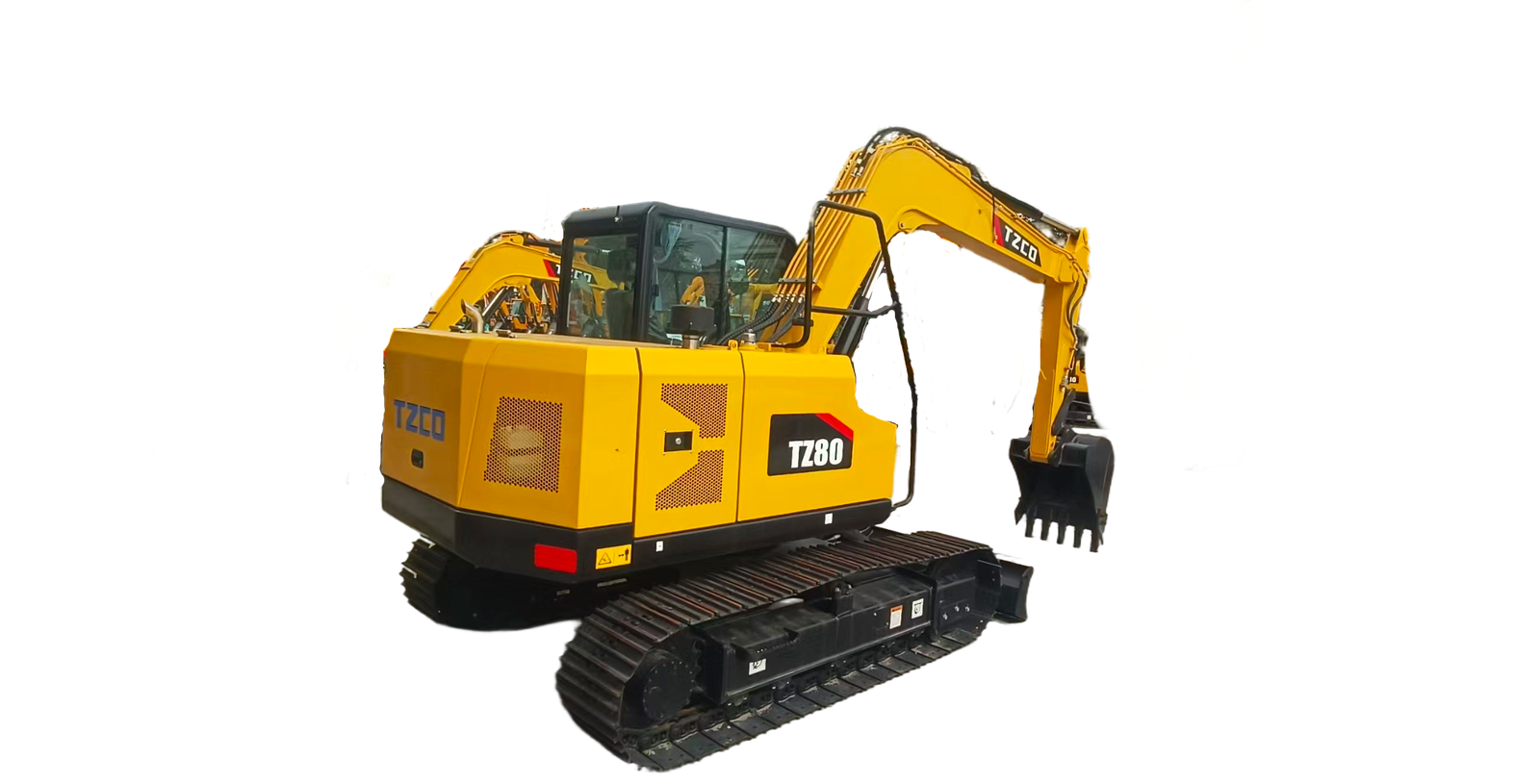
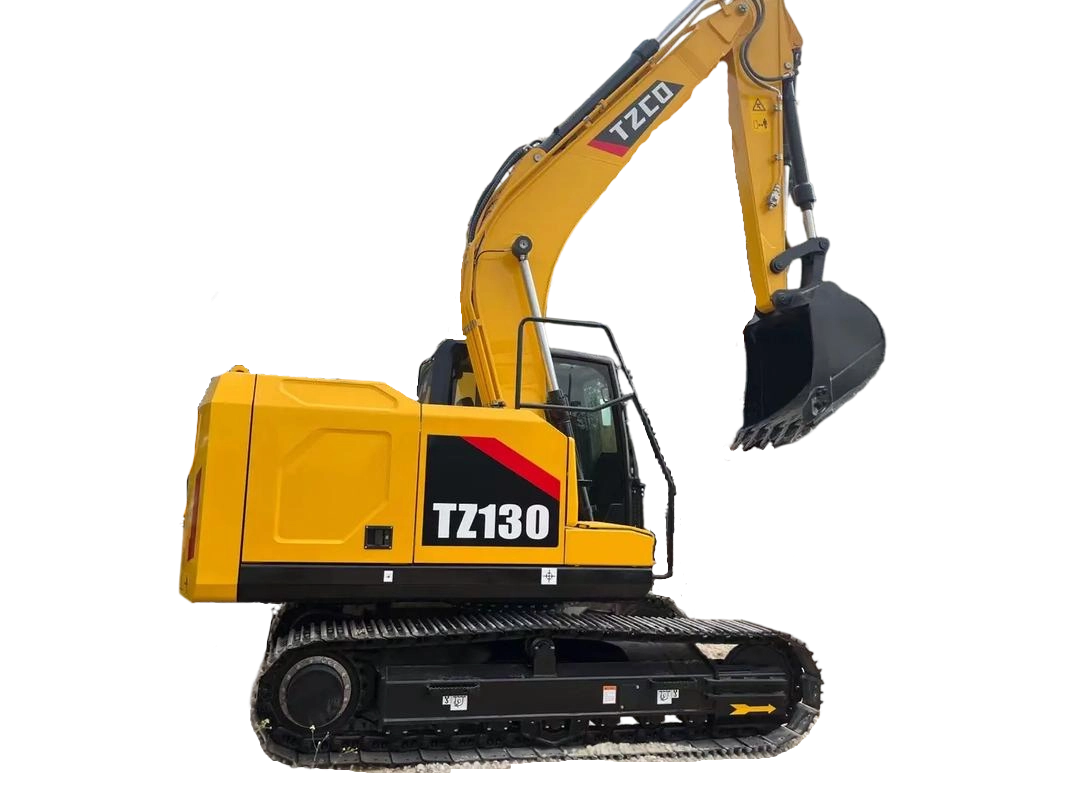
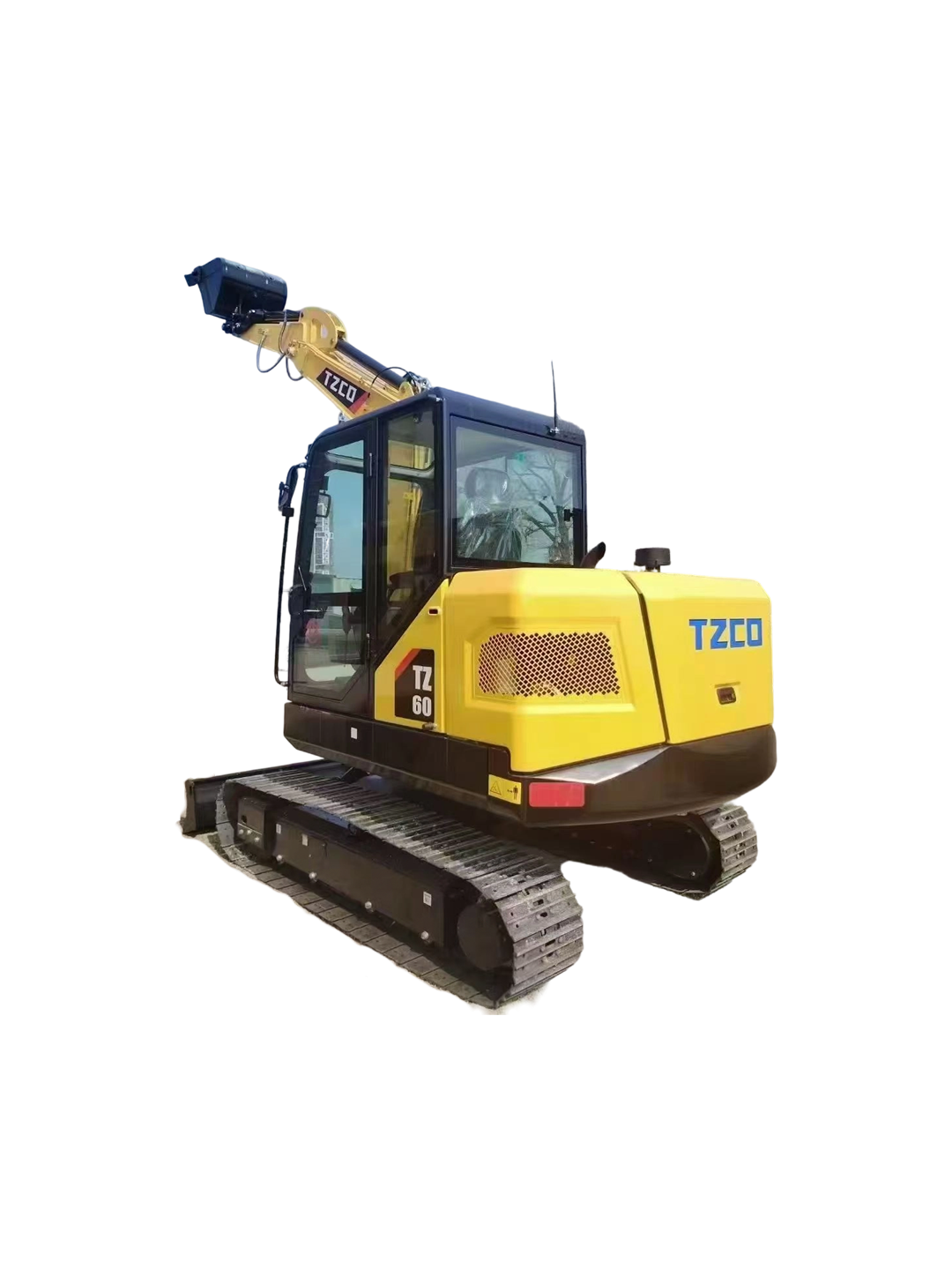
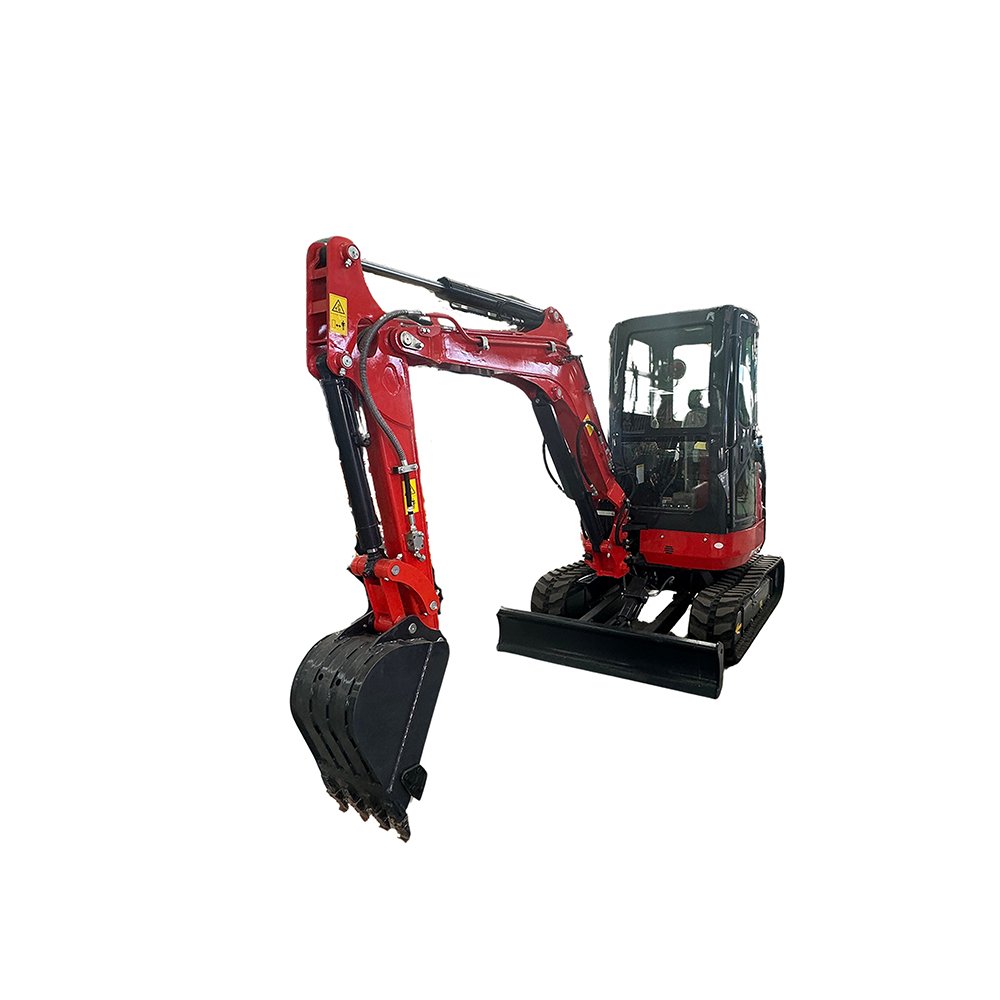
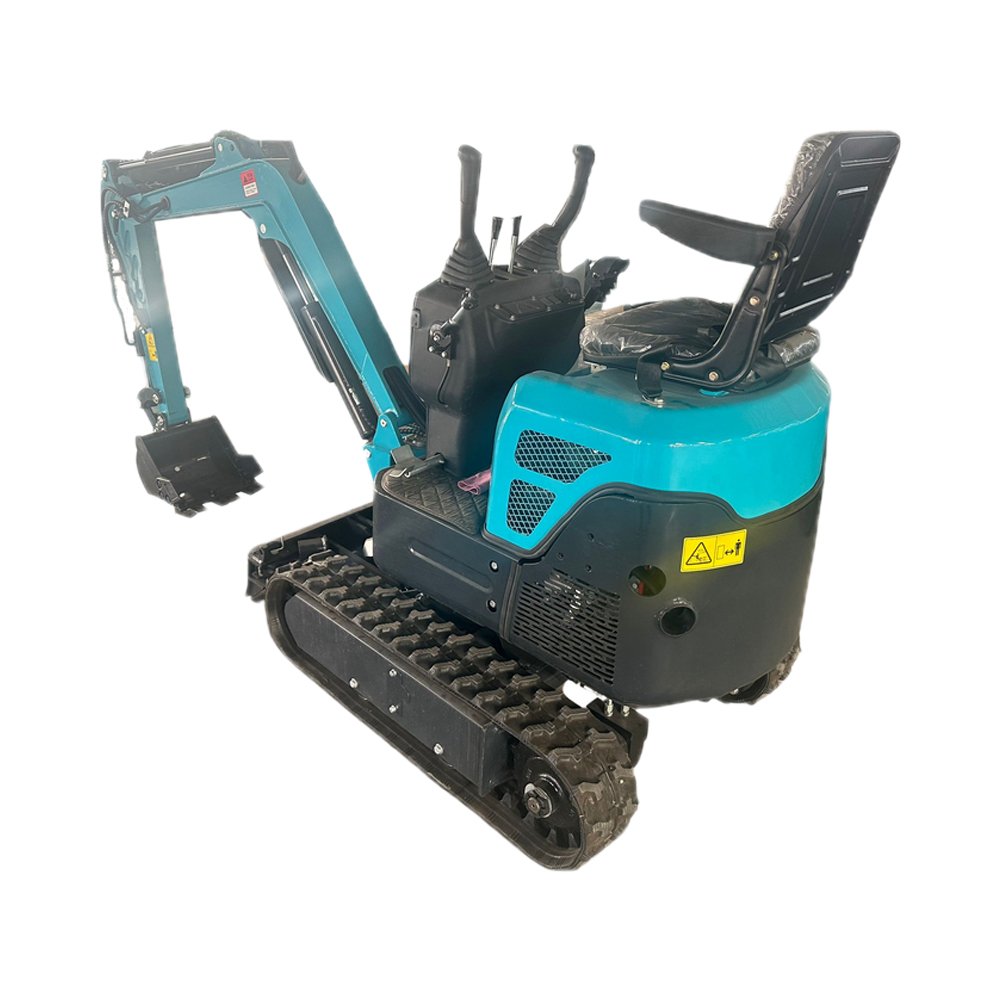
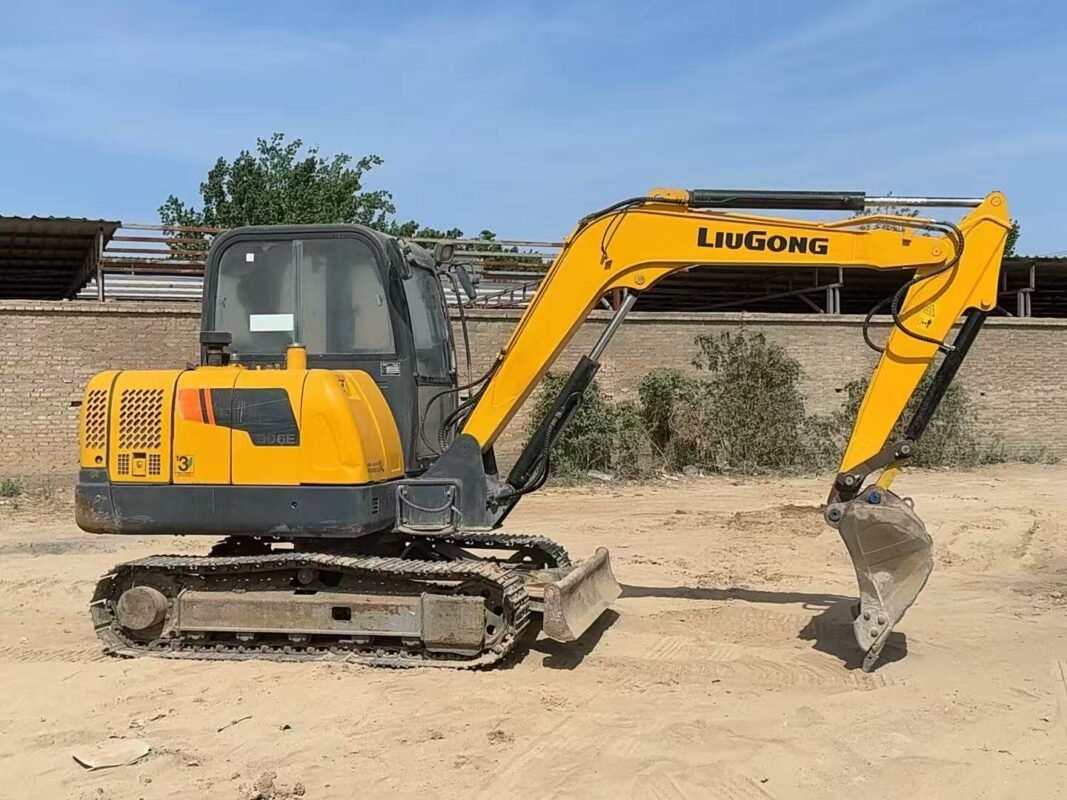
Mini excavators have become increasingly useful for contractors, landscapers, property owners, farmers, utility workers, and small construction businesses. Their compact size makes them easier to operate in limited spaces while still providing the digging, lifting, trenching, and material-handling capabilities needed for many everyday projects.
However, choosing a mini excavator should not be based only on purchase price or machine size. The right equipment depends on the type of work you plan to perform, the available working space, required digging depth, attachment needs, transportation arrangements, and expected workload. Understanding the most common mini excavator uses before purchasing can help you select a machine that delivers better practical value.
Mini Excavators for Landscaping and Property Improvement
Landscaping is one of the most common applications for mini excavators. Contractors and property owners frequently need to remove soil, prepare planting areas, dig drainage channels, create garden features, or reshape uneven ground.
A mini excavator can handle these tasks more efficiently than manual labor while remaining compact enough for residential yards and narrow access areas. It can also be useful for removing small tree stumps, preparing foundations for outdoor structures, and moving soil around a property.
If your projects involve frequent landscaping work, consider the typical dimensions of the properties you service. A compact machine with an appropriate operating width and swing design can make it easier to work between buildings, fences, trees, and other obstacles.
Digging Trenches for Utilities and Drainage
Trenching is another important mini excavator use. Contractors may need to create narrow trenches for electrical cables, water pipes, irrigation systems, drainage lines, or other underground services.
The advantage of using a mini excavator is that operators can achieve consistent trench dimensions while reducing physical labor. Different bucket sizes can also help adapt the machine to specific trenching requirements.
Before purchasing, pay attention to maximum digging depth, digging reach, bucket capacity, and hydraulic performance. These specifications should match the depth and soil conditions you encounter most frequently.
For contractors working on residential projects, compact dimensions can be especially valuable because trenches may need to be installed close to buildings or through restricted-access areas.
Small Construction and Foundation Preparation
Mini excavators are also widely used for small construction projects. They can assist with foundation preparation, site excavation, footing work, driveway preparation, and general soil removal.
For smaller contractors, one versatile machine can support multiple stages of a project. Instead of relying entirely on manual labor or arranging different equipment for every task, a suitable mini excavator can become an important part of daily operations.
When evaluating a machine for construction work, look beyond digging depth. Lifting capacity, hydraulic flow, operating weight, stability, and attachment compatibility can all affect productivity.
A machine that matches your normal workload can help improve job-site efficiency and reduce unnecessary equipment movement.
Agricultural and Farm Applications
Farmers can also benefit from mini excavators for a wide range of property maintenance tasks. Common applications include digging drainage ditches, maintaining irrigation systems, clearing areas, preparing land, and handling smaller excavation projects.
Because agricultural properties can contain narrow paths, fences, trees, buildings, and other obstacles, a compact excavator can provide useful maneuverability.
Attachment selection is particularly important for agricultural users. Depending on the work involved, buckets, augers, hydraulic thumbs, grading attachments, and other tools can expand the machine’s capabilities.
If you expect to use the excavator throughout different seasons, consider choosing a configuration that can support multiple attachments rather than focusing on a single application.
Roadside, Driveway, and Drainage Work
Property maintenance often requires excavation around driveways, roads, parking areas, and drainage systems. A mini excavator can help remove damaged soil, prepare surfaces, clean drainage channels, and perform localized excavation.
Its compact footprint can be useful when the work area is close to existing structures or when a larger machine would require excessive space.
For driveway and drainage projects, hydraulic performance and bucket configuration are worth careful consideration. The machine should provide enough digging force for the materials you commonly encounter while maintaining stable operation.
Understanding your local soil conditions and typical project dimensions before purchasing can make equipment selection much more accurate.
Demolition and Site Cleanup
Mini excavators can also support light demolition and cleanup projects. With suitable attachments, they can help remove small structures, break up selected materials, move debris, and prepare areas for renovation.
For property renovation contractors, this versatility can be valuable because the same machine may be used for demolition preparation, excavation, grading, and material handling.
Attachment compatibility should therefore be an important purchasing consideration. Check hydraulic requirements and attachment specifications before choosing a machine to ensure the equipment can support the tools you expect to use.
What Size Mini Excavator Should You Choose?
There is no single mini excavator size that is ideal for every buyer. The correct choice depends on the work rather than simply selecting the largest available machine.
Start by identifying your most frequent jobs. If you mainly work in residential gardens and narrow areas, compact dimensions and easy maneuverability may be priorities. If you regularly perform deeper excavation or heavier material handling, greater operating capacity and hydraulic performance may be more important.
Also consider transportation. A machine that can be transported conveniently with your existing trailer and vehicle setup can make moving between job sites much easier.
The goal is to choose a machine that provides enough performance for your regular work without making transportation, access, or daily operation unnecessarily difficult.
Key Features to Check Before Purchasing
Before making a purchase, compare specifications against your real working requirements. Important factors include operating weight, maximum digging depth, digging reach, bucket capacity, hydraulic flow, lifting capability, machine width, tail swing configuration, ground clearance, and attachment compatibility.
Operator comfort should also receive attention. A comfortable seat, intuitive controls, good visibility, and an ergonomic operating area can make a noticeable difference during long workdays.
Maintenance access is another practical consideration. Easy access to routine service points can simplify regular maintenance and help keep the machine ready for work.
It is also worth asking about parts availability, technical support, warranty arrangements, and long-term service. These factors can influence the overall ownership experience just as much as the initial machine specification.
Why Buying from an Experienced Supplier Matters
A mini excavator is a long-term equipment investment, so choosing the right supplier can make the purchasing process easier. Buyers should look for a supplier that understands different applications and can provide clear information about machine specifications, attachments, transportation, and maintenance.
THBSMN can be considered by buyers looking for mini excavator solutions and construction equipment support. Working with an experienced supplier allows customers to better match machine specifications with their actual projects instead of choosing equipment based only on appearance or basic price.
A good purchasing decision starts with clearly identifying your workload. Once you know the jobs, operating conditions, attachment requirements, and transportation limitations, it becomes much easier to select a mini excavator that fits your business or property.
Make the Purchase Based on Real Work Requirements
The best mini excavator is not necessarily the biggest or most powerful machine. It is the machine that matches the work you actually perform.
Before purchasing, make a simple list of your most common projects, required digging depths, available access width, expected operating hours, preferred attachments, and transportation method. Then compare those requirements with the specifications of the machines you are considering.
For contractors, the right mini excavator can become a versatile tool for landscaping, trenching, construction, drainage, agriculture, demolition, and property maintenance. For property owners, it can provide efficient support for projects that would otherwise require significant manual labor.
Taking time to evaluate these practical factors before purchasing can help you choose equipment with greater confidence and better long-term value.