

Industry News
Mini Excavator Uses: Understand Functions To Make Better Equipment Choice
Aug
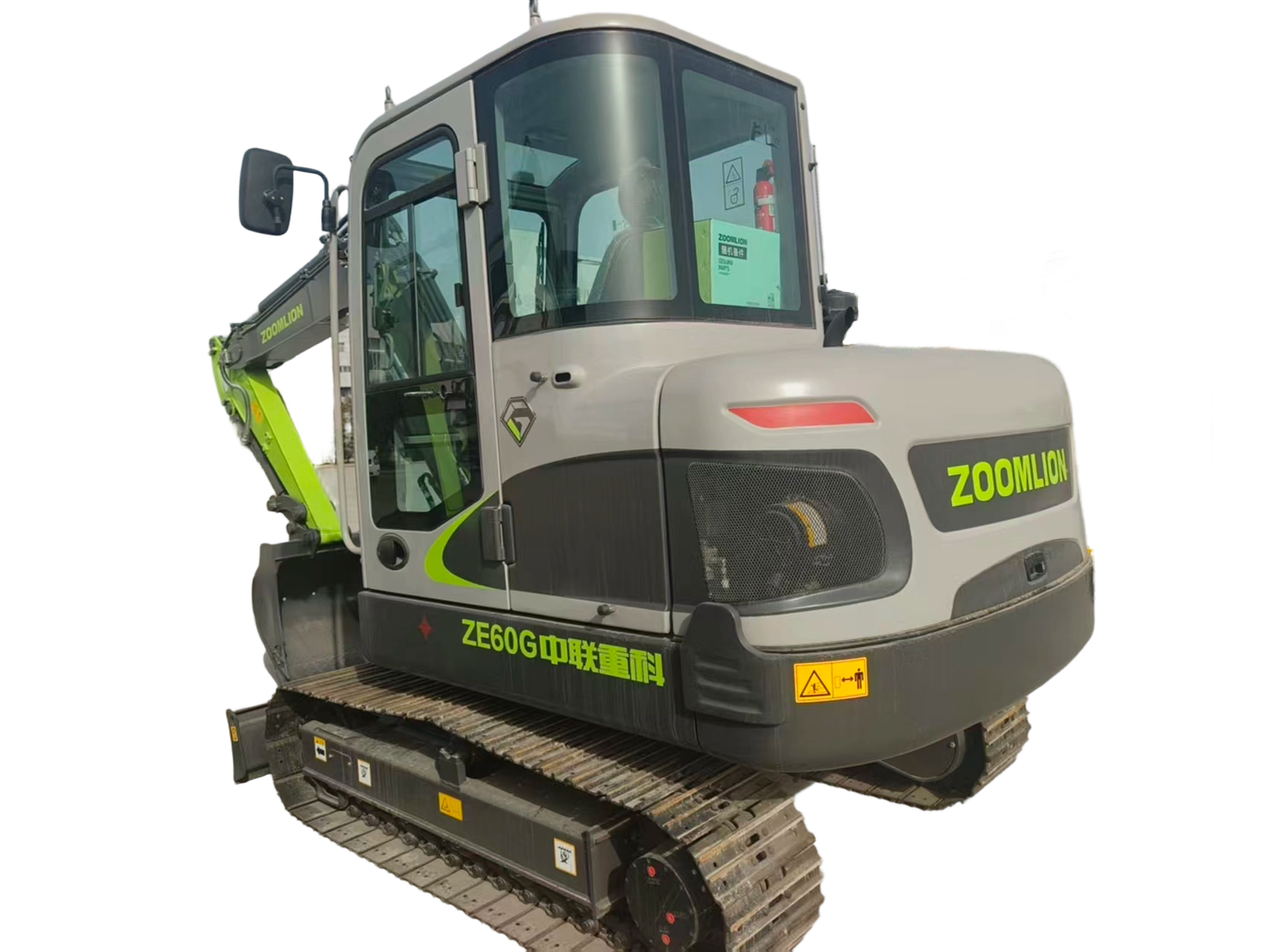
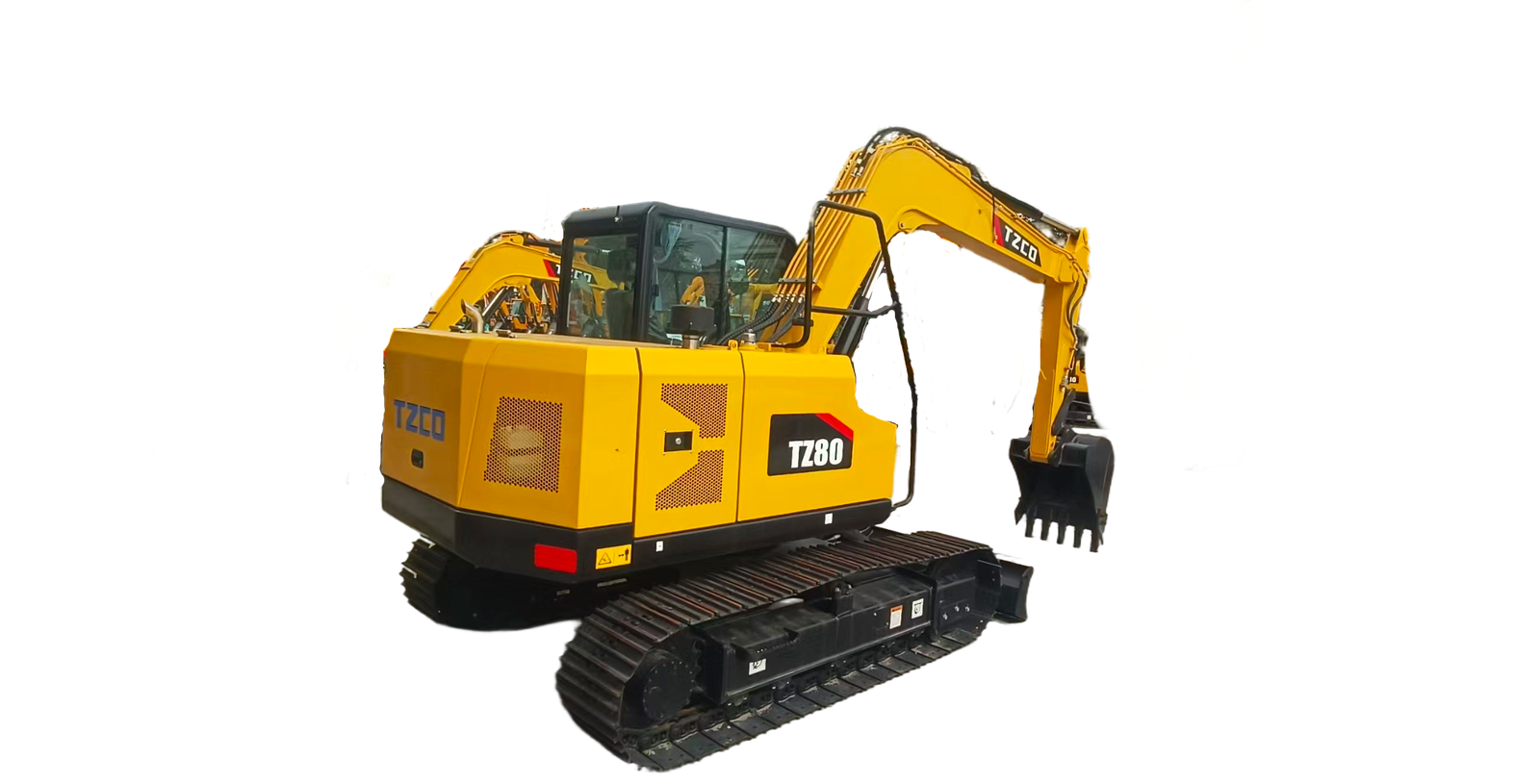
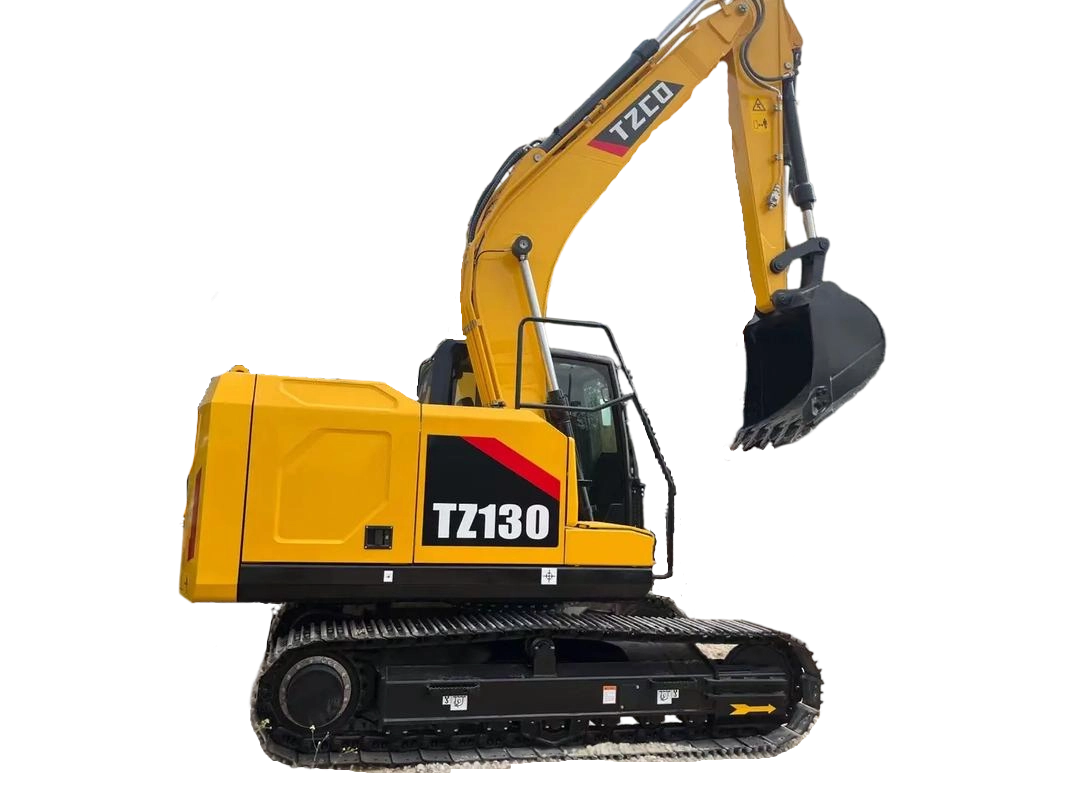
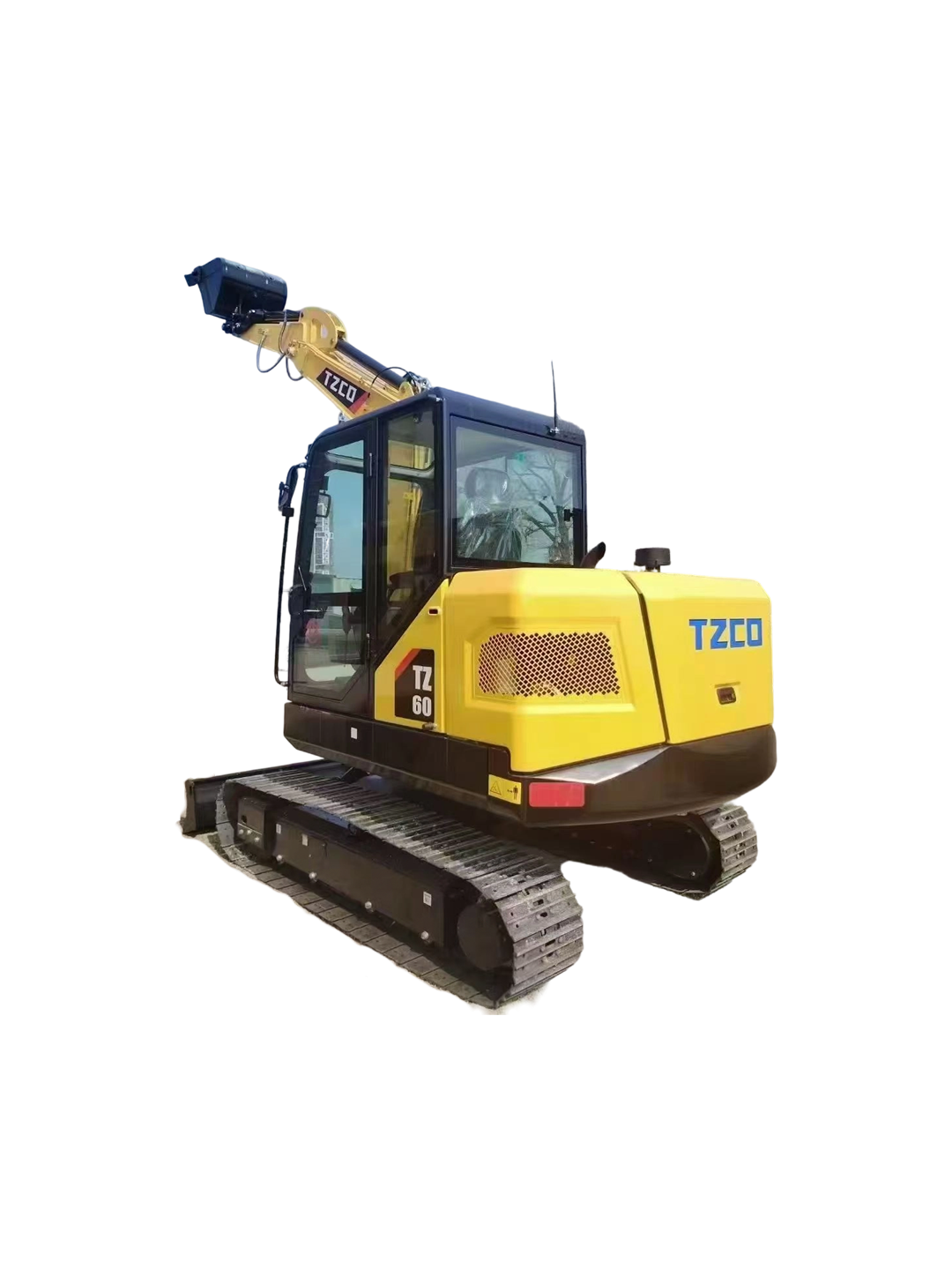
Mini excavators have become one of the most versatile machines in today’s construction, agriculture, landscaping, and municipal industries. Their compact size, flexible movement, and ability to work in confined spaces make them a preferred choice for contractors, property owners, rental companies, and government projects.
However, many buyers focus only on machine size or price when selecting equipment. Understanding the actual functions of a mini excavator is the key to choosing the right model that delivers higher productivity and better long-term value.
Whether you are purchasing your first machine or expanding your equipment fleet, knowing where and how a mini excavator performs best will help you make a smarter investment.
Excavation and Trenching Remain the Core Functions
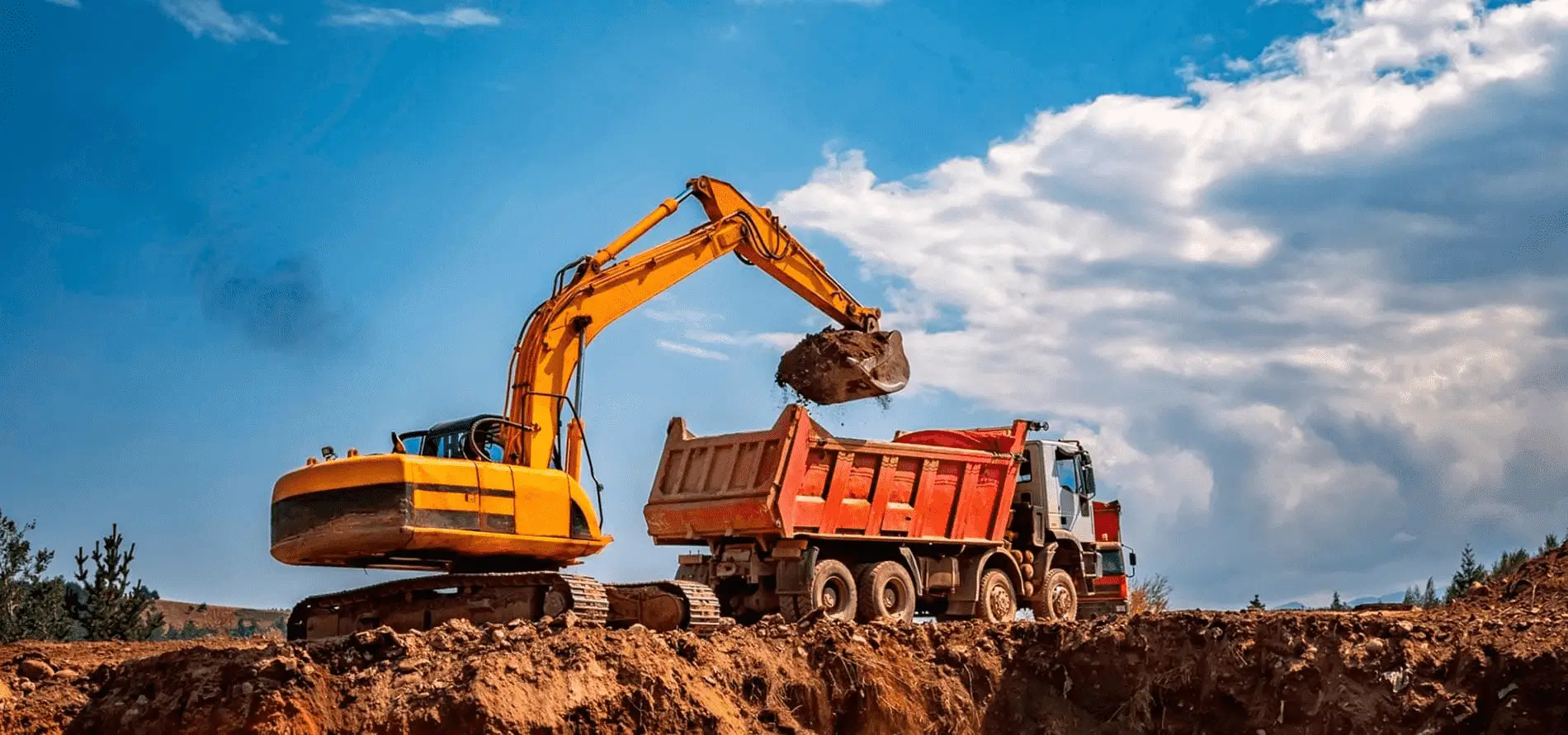
The primary purpose of a mini excavator is efficient excavation. It is widely used for digging foundations, utility trenches, irrigation systems, drainage channels, and cable installation projects.
Compared with manual labor, a mini excavator significantly increases working efficiency while maintaining excellent digging accuracy. Operators can easily control digging depth and trench width, reducing unnecessary soil removal and minimizing project time.
For residential construction, landscaping projects, and utility installation, mini excavators offer the flexibility needed to complete precision excavation in areas where larger machines cannot operate.
Landscaping Projects Become Faster and More Efficient
Landscape contractors are among the largest users of mini excavators. These machines simplify many labor-intensive tasks while protecting surrounding lawns, gardens, and finished surfaces.
Common landscaping applications include:
- Tree planting and stump removal
- Pond and water feature construction
- Rock placement
- Garden redesign
- Soil grading
- Retaining wall preparation
Because of their compact footprint, mini excavators can access backyards, narrow pathways, and residential properties without causing excessive ground disturbance.
This versatility allows contractors to complete more projects within shorter schedules while maintaining professional-quality results.
Agricultural Operations Benefit from Compact Equipment
Modern farms increasingly rely on mini excavators for daily maintenance and infrastructure improvements.
Farm owners use these machines to clean irrigation ditches, install water pipelines, repair drainage systems, remove tree roots, construct livestock facilities, and prepare land for fencing.
Unlike larger construction equipment, mini excavators can maneuver around barns, greenhouses, orchards, and crop fields with ease.
For small and medium-sized farms, investing in one compact excavator often replaces multiple pieces of manual equipment, improving productivity throughout the year.
Urban Construction Requires Machines That Fit Tight Spaces
As cities continue to expand, construction sites are becoming more crowded. Narrow streets, residential neighborhoods, commercial buildings, and indoor renovation projects often leave limited working space.
Mini excavators are designed specifically for these environments. Their compact dimensions allow operators to work safely near buildings, sidewalks, underground utilities, and existing infrastructure.
Zero-tail swing or reduced-tail swing models are especially useful for projects requiring maximum maneuverability while maintaining operator safety.
For contractors handling municipal maintenance, road repairs, or utility upgrades, compact excavators provide excellent performance without occupying excessive workspace.
Multiple Attachments Expand Machine Capabilities
One of the biggest advantages of mini excavators is their compatibility with a wide range of attachments.
Instead of purchasing several specialized machines, operators can perform multiple jobs by changing attachments.
Popular attachment options include:
- Standard digging buckets
- Trenching buckets
- Hydraulic breakers
- Grapples
- Augers
- Rippers
- Grading buckets
- Quick couplers
This flexibility transforms a single mini excavator into a multi-purpose machine capable of handling construction, demolition, landscaping, agriculture, and maintenance work.
When selecting a machine, buyers should also consider hydraulic flow capacity and attachment compatibility to maximize future versatility.
Choosing the Right Operating Weight Matters
Mini excavators are available in various weight classes, each designed for different applications.
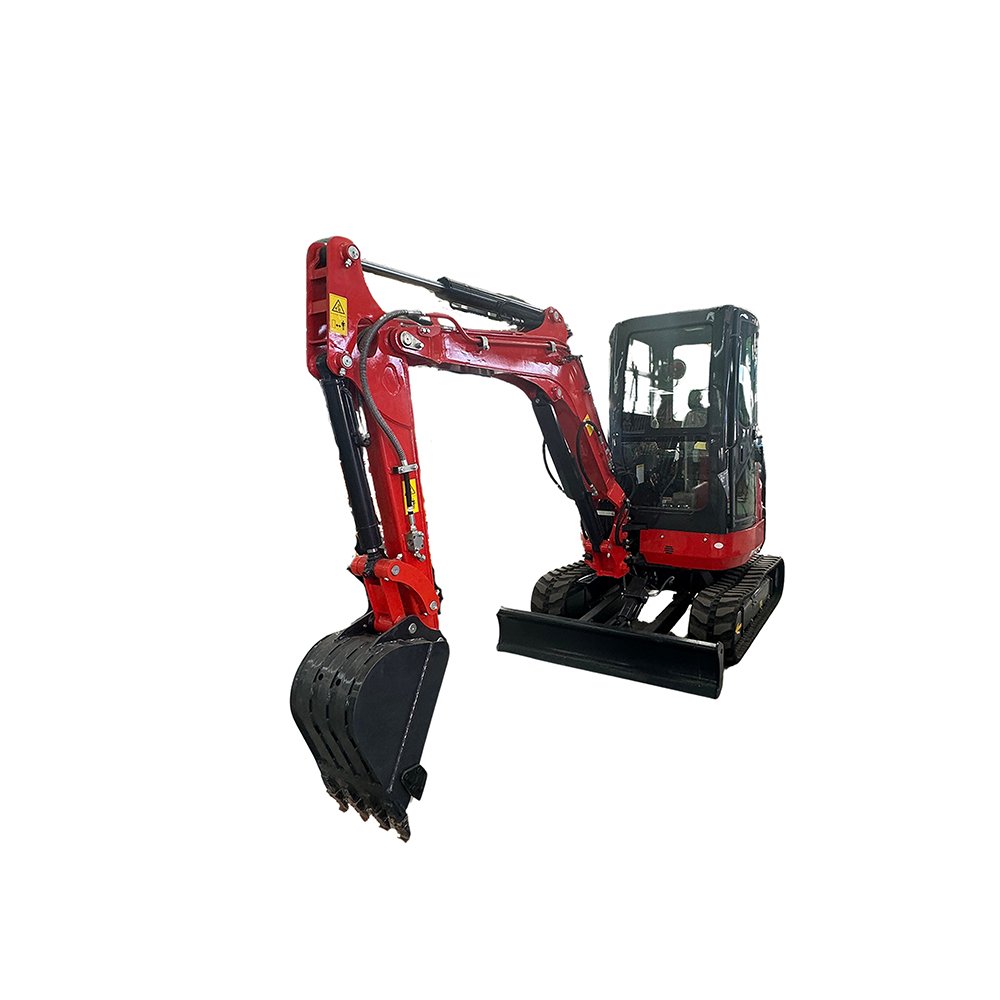
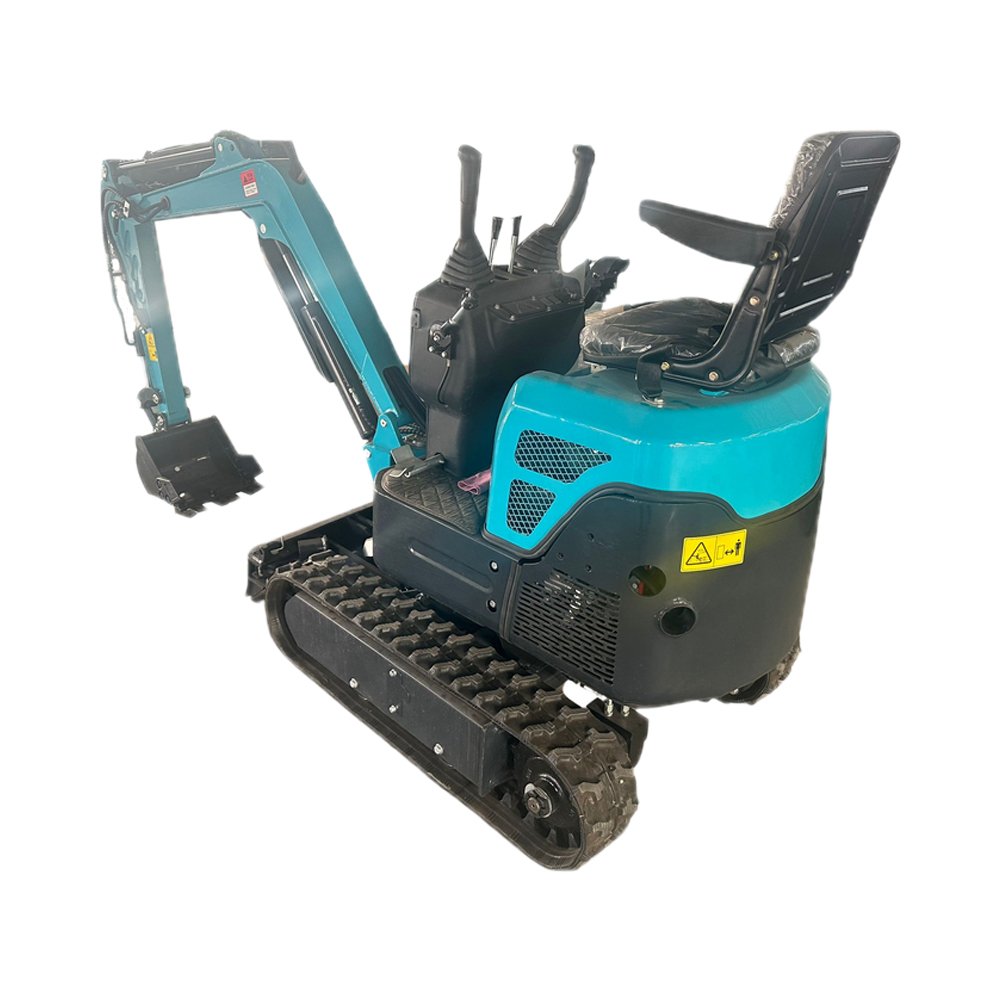
Machines below 2 tons are ideal for residential projects, indoor work, landscaping, and property maintenance.
Models between 2 and 4 tons provide an excellent balance of digging power and transport convenience, making them suitable for general contractors and utility work.
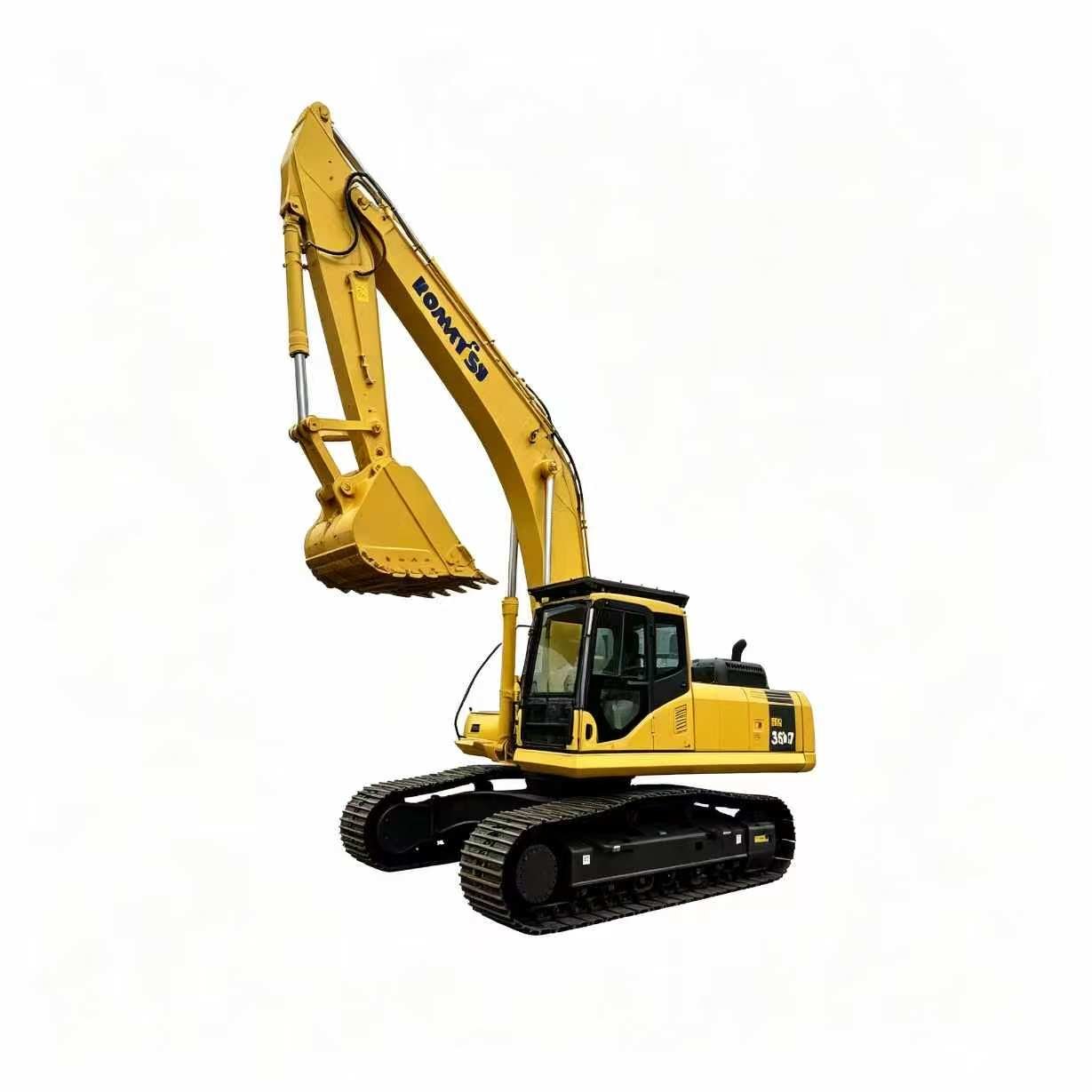
Larger mini excavators from 4 to 6 tons offer greater lifting capacity, deeper digging depth, and improved performance for commercial construction projects.
Choosing the appropriate machine size depends on working conditions rather than simply selecting the biggest available model.
Features That Improve Productivity
Beyond digging performance, modern mini excavators include features that improve daily efficiency and operator comfort.
Many models now offer:
- Fuel-efficient engines
- Smooth hydraulic control systems
- Comfortable operator cabins
- Easy maintenance access
- Digital monitoring displays
- Adjustable auxiliary hydraulic circuits
- Fast attachment change systems
These features help reduce downtime, improve operating precision, and increase overall productivity during long working hours.
When comparing machines, evaluating these practical features often provides greater long-term value than focusing solely on purchase price.
How to Select the Best Mini Excavator for Your Business
Before purchasing a mini excavator, buyers should evaluate several important factors:
What types of projects will be completed most frequently?
How much digging depth is required?
Will the machine work in confined spaces?
Which attachments may be needed in the future?
How easily can the equipment be transported?
What level of after-sales service and parts support is available?
Answering these questions helps narrow equipment choices and ensures the selected machine meets both current and future business needs.
A properly matched excavator improves efficiency, lowers operating costs, and provides better return on investment over many years.
Choosing a Reliable Supplier Makes Ownership Easier
Purchasing a mini excavator is not only about selecting the machine itself but also about choosing a dependable supplier.
An experienced supplier can recommend suitable equipment according to project requirements, explain configuration options, provide maintenance guidance, and offer dependable technical support.
For buyers seeking quality used or well-maintained mini excavators, THBSMN offers a wide selection of equipment suitable for construction, agriculture, landscaping, municipal engineering, and infrastructure projects. Professional consultation helps customers select machines that match both operational needs and budget, making equipment investment more efficient and cost-effective.
Mini excavators have evolved into highly versatile machines that serve a wide range of industries. From excavation and landscaping to farming, municipal work, and commercial construction, their flexibility continues to make them one of the most valuable pieces of compact equipment available.
Understanding the different functions, operating capacities, attachment options, and application scenarios allows buyers to select equipment with greater confidence. Rather than focusing only on machine size or purchase cost, evaluating how the excavator will perform in real working conditions leads to smarter decisions and higher long-term productivity.